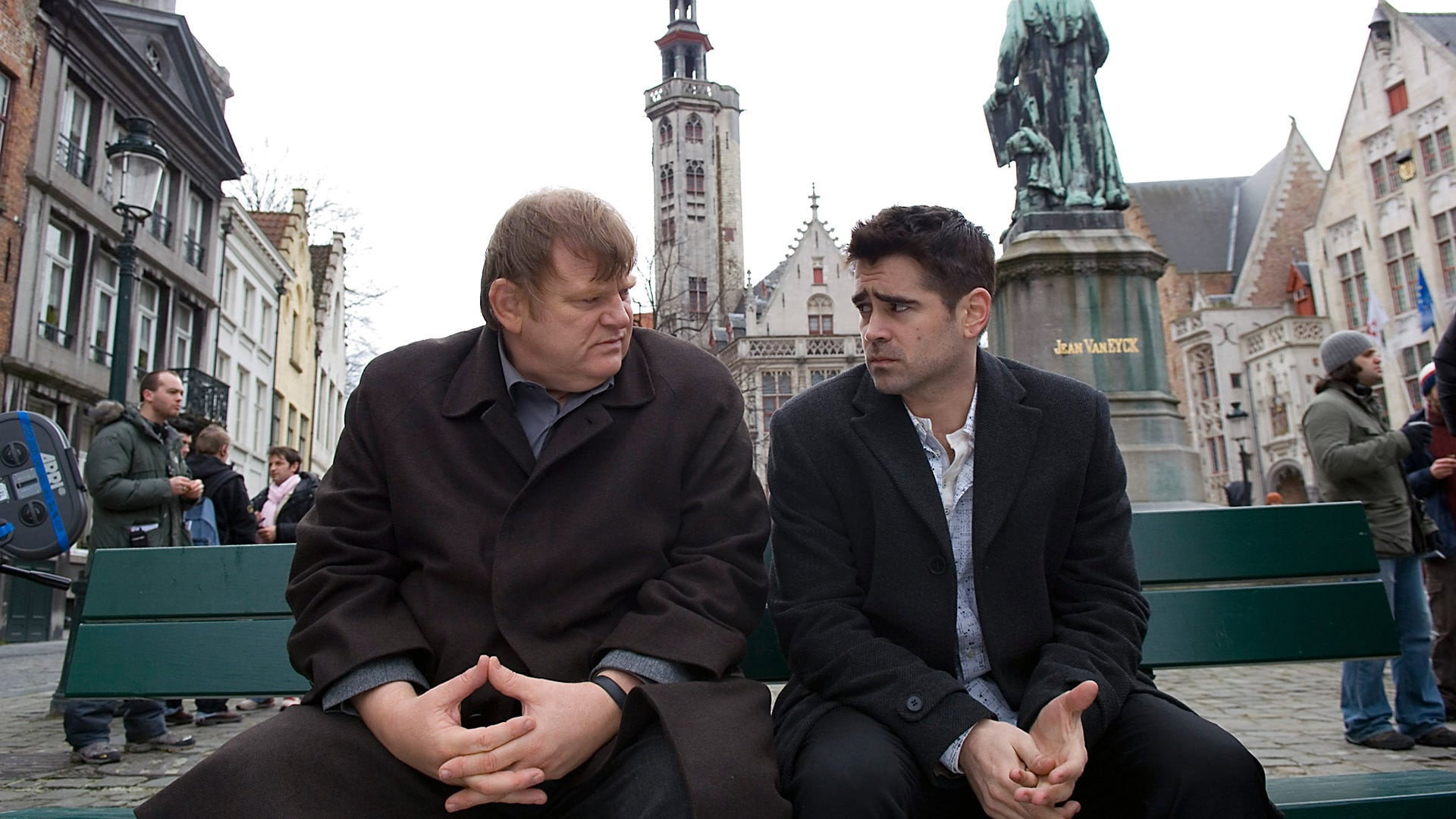
Colin Farrell and Brendan Gleeson make this foul-mouthed hitman comedy unexpectedly moving. Martin McDonagh’s plotting grows too convenient, but the bickering and the affection between his leads are worth an evening.
Martin McDonagh’s In Bruges gives two hitmen time to look around a medieval city and get on each other’s nerves. We recommend it warmly, with a reservation about the increasingly contrived plot. McDonagh writes and directs a crime comedy that takes an interest in guilt without requiring its characters to become solemn whenever the subject comes up. The insults are plentiful, and some are ugly, but the film earns our attention by allowing the men delivering them to seem frightened, foolish and capable of affection.
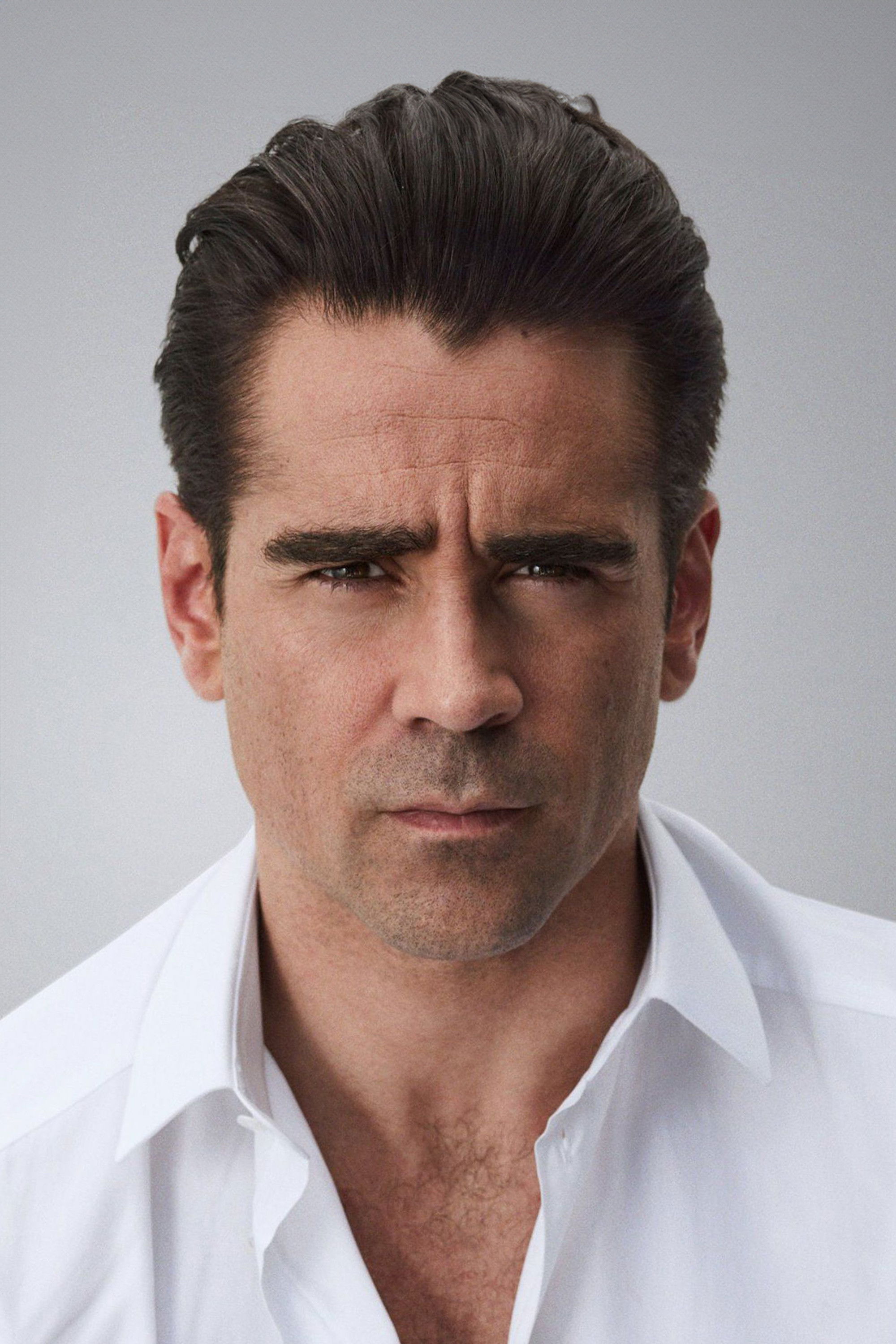
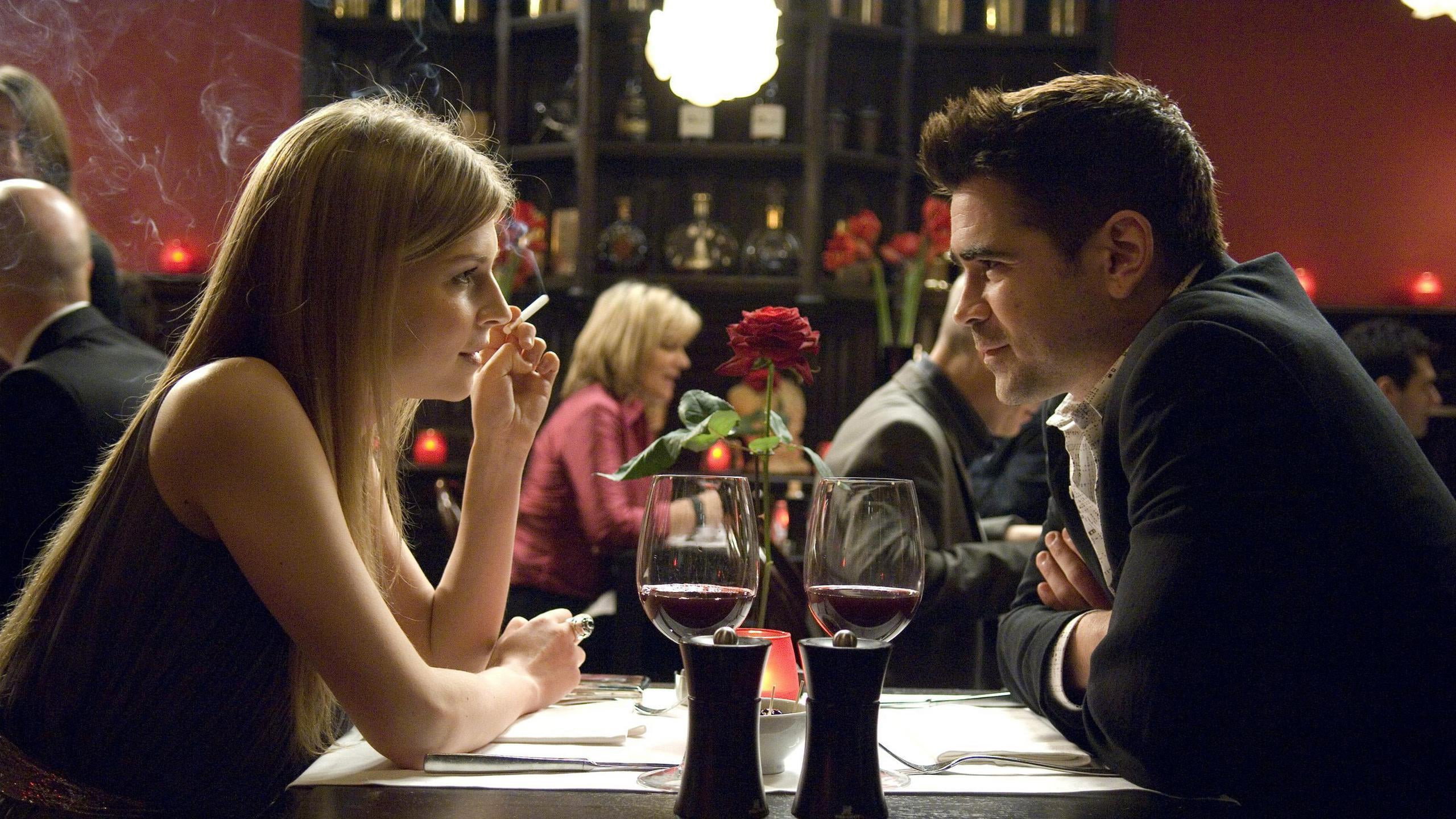
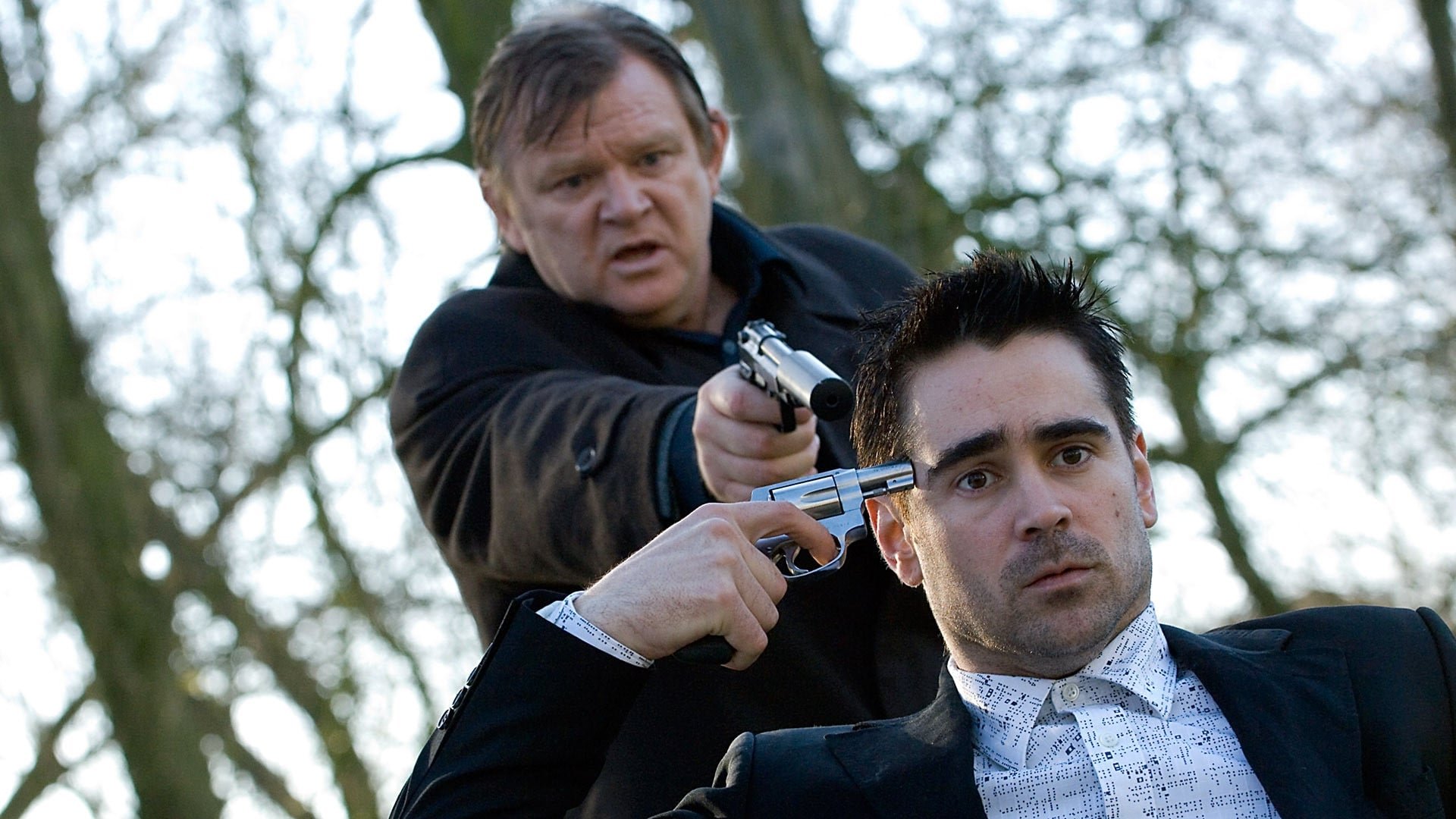
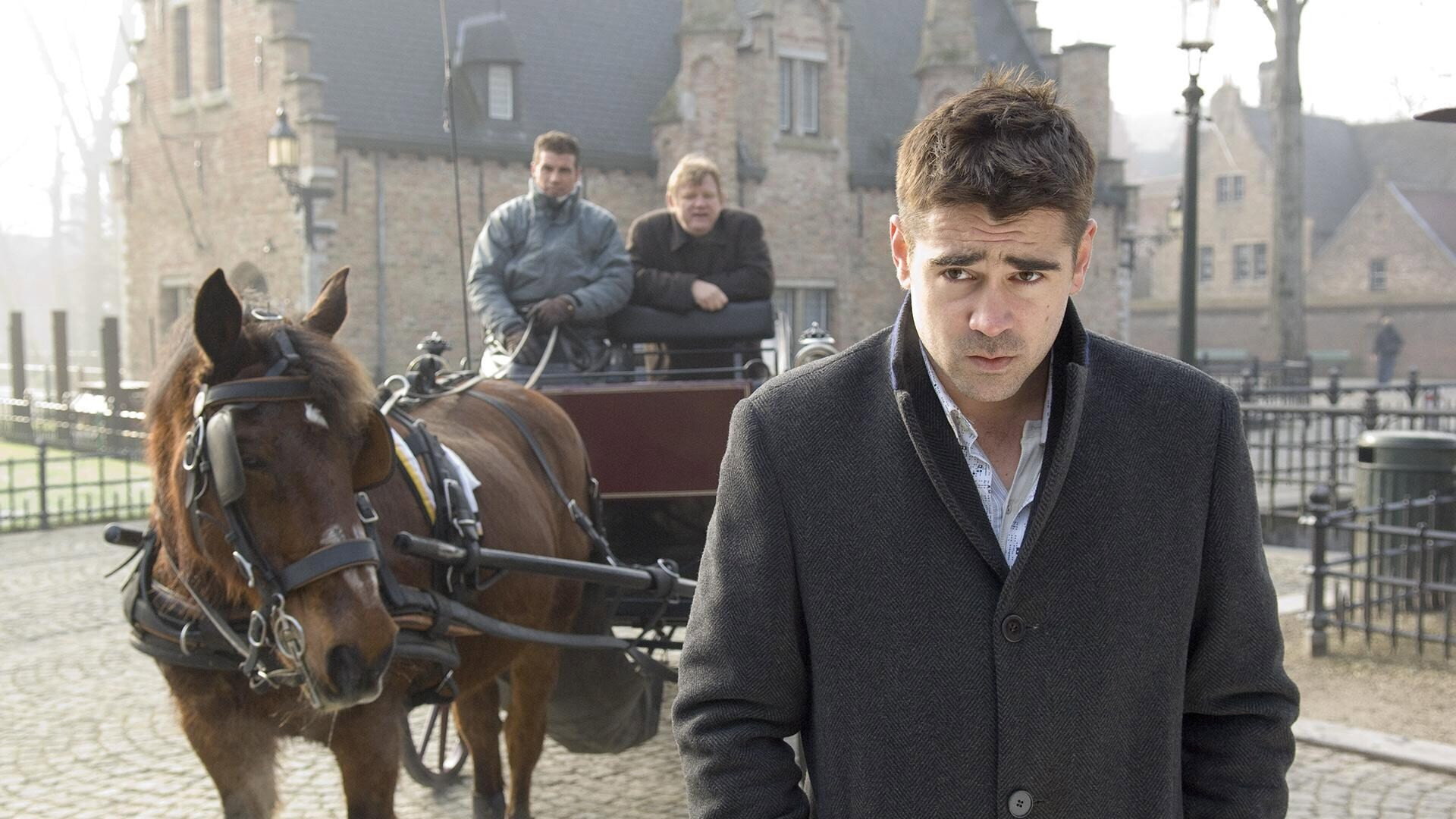
Colin Farrell plays Ray as a man whose irritation is exhausting even before anyone asks him to explain it. His resistance to sightseeing has the unreasonable force of a child refusing something on principle. We laughed at his sulking, then felt unexpectedly protective of him. Farrell makes the childishness funny while leaving enough hurt visible to stop Ray becoming just another armed man granted permission to behave badly, and his shifts between petulance and distress are persuasive without being tidy.
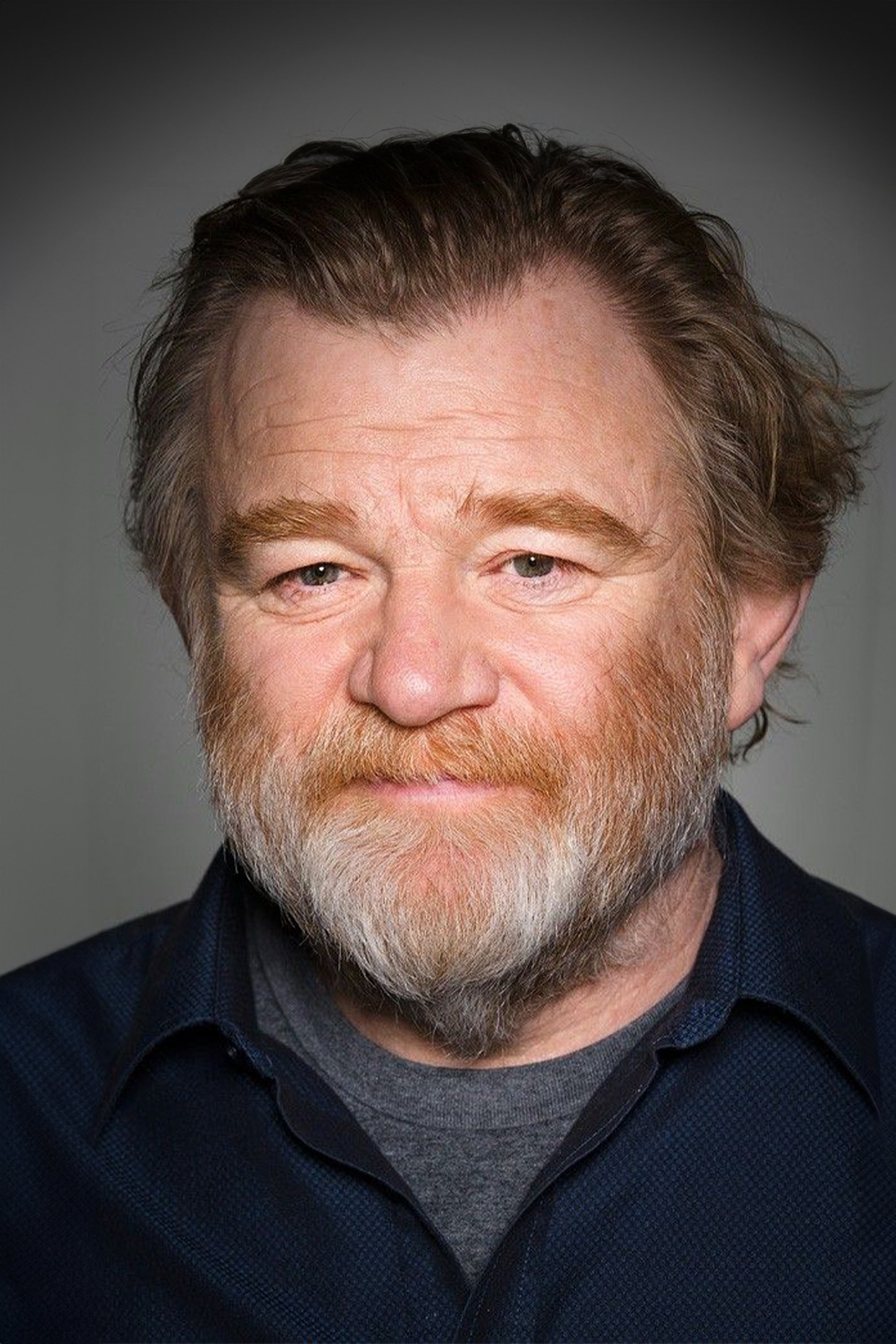
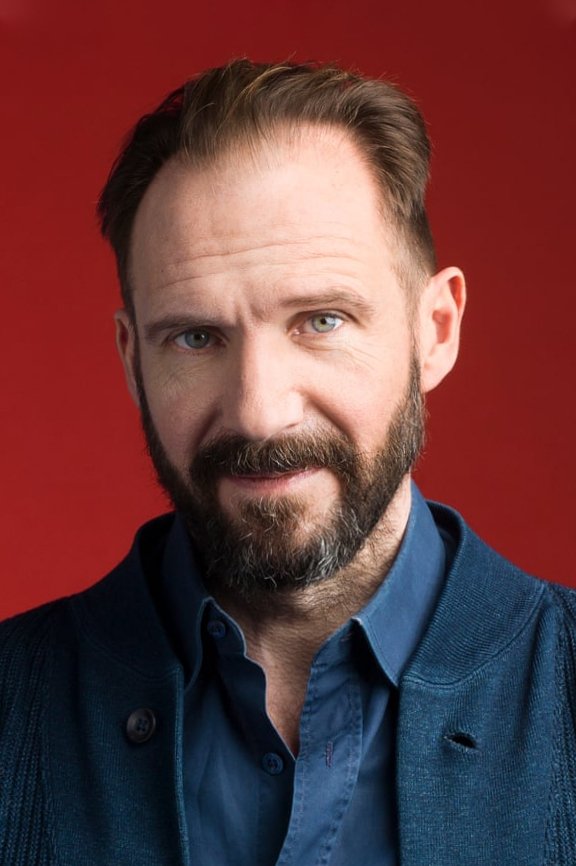
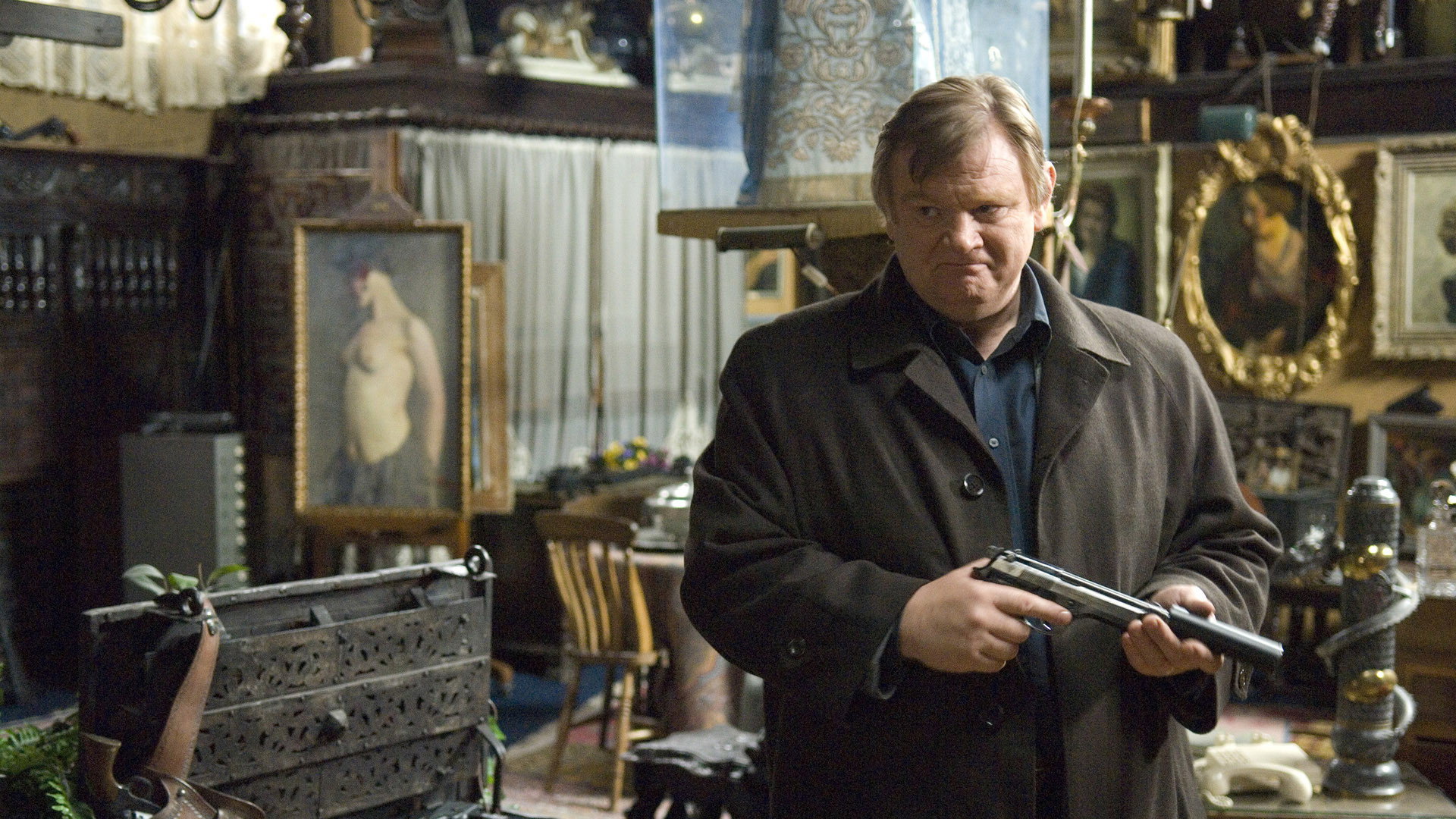
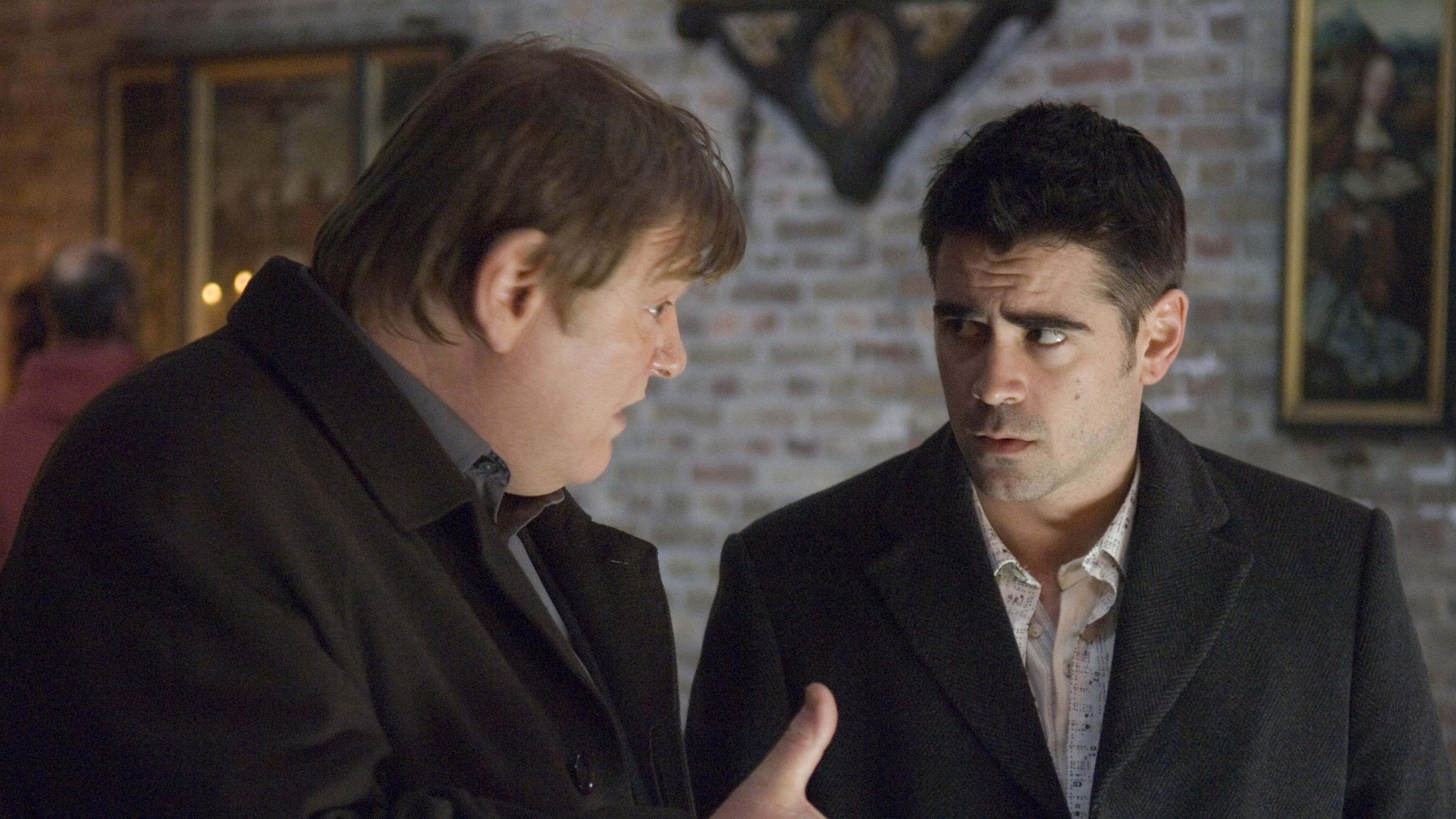
Brendan Gleeson’s Ken gives Farrell someone worth talking to, and Gleeson never confuses patience with a lack of personality. His quieter responses make the exchanges feel like conversations between men accustomed to each other, rather than turns taken at delivering good lines. He also gives their discussions of guilt a seriousness that survives the interruptions. Ralph Fiennes’s Harry brings a more aggressive comic energy, giving the profanity a furious precision. He is funny, though we value the quieter exchanges between Farrell and Gleeson more.
Eigil Bryld’s photography gives the medieval city enough attention for us to understand the appeal of sightseeing. The emphatic red imagery also keeps the prettiness from feeling entirely reassuring. Michael Carlin’s production design helps those historical surroundings feel like somewhere people spend their days, not simply somewhere to pose for a picture. That matters to the comedy: the city has to seem worth visiting if Ray’s resistance is to be more than an ordinary complaint about a dull trip.
Jon Gregory’s editing leaves room for replies and hesitations instead of hurrying towards the next joke. The film runs 108 minutes, and its talk-heavy passages rarely feel stalled. Carter Burwell’s score is less consistently helpful: it sometimes presses the sadness harder than the actors need. Farrell and Gleeson have already shown us how unhappy these men can be, and the music occasionally asks for sympathy they have earned without it.
The weakness becomes clearer as the action takes over. McDonagh is more convincing when his characters are arguing than when he has to organise their movements through a crime plot. Events grow too conveniently arranged, and some developments require a generosity we were not being asked for during the conversations. The film remains entertaining, but the later plotting feels forced in a way that even the most elaborate verbal exchanges generally avoid.
Against the familiar pleasures of the gangster comedy, its interest in remorse is what makes it worth returning to. McDonagh lets us enjoy these men’s company without making their work seem harmless. That is difficult to sustain through so many jokes, and the actors do much of the work when the writing strains. Choose it for an evening when a comedy is allowed to leave a few uncomfortable thoughts behind.