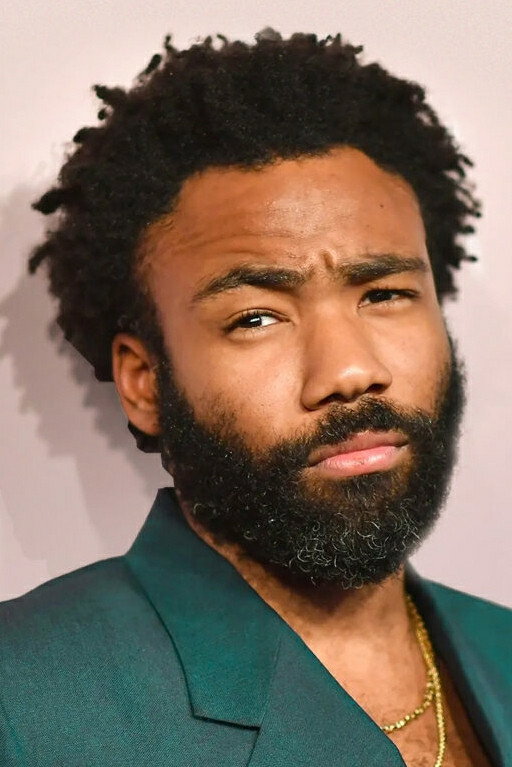
Donald Glover’s comedy about two cousins and one hit single is the most confident thing of its kind we know: patient, strange, exactly cast and shot like a film. The first two seasons are close to faultless; the third loses its nerve for a while.
Atlanta is about a broke young man who talks his way into managing his cousin, a local rapper with one song on the radio, and about the years in which almost no money arrives. Donald Glover created it, writes and directs some of it and plays Earnest ‘Earn’ Marks. That is the whole premise, and the writers, Stephen Glover, Stefani Robinson, Ibra Ake and Jamal Olori among them, treat it as an excuse. Whole episodes pass without a gig or a meeting.
Our verdict: it is the most sure-footed comedy we know, and it is not even. The first season and Robbin’ Season, the second, are close to faultless across 21 episodes. The third, which spends less time with the four and more with strangers, is about half as good, and we will say why. The fourth recovers most of the ground. The full run is 41 episodes over four seasons, and we would not skip any of them, but we would warn you which ones drift.
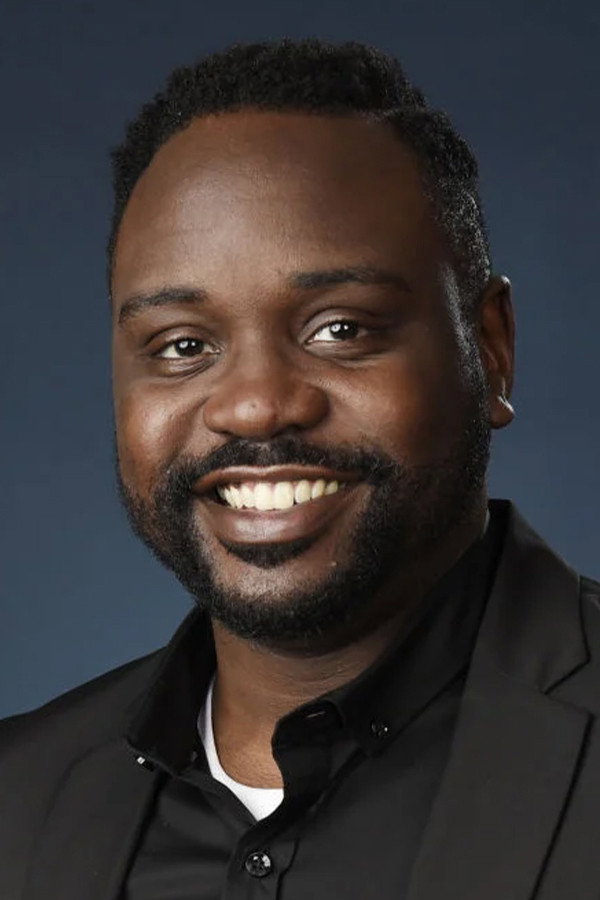
Brian Tyree Henry plays Alfred ‘Paper Boi’ Miles, and he is the reason the show has a centre. Alfred has the talent and no wish to be looked at, and Henry plays a man tired of being recognised before he is famous enough for it to pay. He does most of it with his shoulders. LaKeith Stanfield’s Darius Epps says the strangest thing in any room in the calmest voice, and is usually the only person paying attention. Glover gives Earn a quick mind and no way of turning it into rent; he is not easy to like, and the writers never soften him. Zazie Beetz makes Vanessa ‘Van’ Keefer the only one of the four with a job, some of the time, and the only one the show lets be angry at length.
The craft is film craft, done on television schedules. Christian Sprenger and Stephen Murphy shoot the city at night in orange sodium haze and by day in a bleached, humid light, and they keep the frames wide so the four are small against car parks and strip malls. Hiro Murai holds a shot for several seconds after the joke has landed, which is where the second, better joke usually is. Kyle Reiter and Isaac Hagy cut away from punchlines rather than to them. Ludwig Göransson and David Wingo’s score is barely there, a low hum under scenes, so the rap playing from a car stereo does the work. Timothy David O’Brien and Jonathan Paul Green give Alfred a flat with a mattress, a large television and nothing on the walls. Tiffany Hasbourne keeps Darius in shirts buttoned to the neck and Earn in the same jacket.
More than once the show turns, without warning, into a horror film, and never explains why. We sat down to a comedy and found we had stopped breathing, because Murai keeps the camera still and lets a stranger talk, and Sprenger lights him so that his face never quite resolves. Nothing in those scenes is played for a laugh, and whatever is wrong in them is treated by everyone on screen as an ordinary inconvenience.
The faults are in season 3. The episodes that leave the four behind for strangers, mostly white and mostly rich, have good ideas and weak endings; two or three of them explain their point in the last scene, which the earlier seasons would never have done. The episodes that stay with the four find less for them to say. Earn’s slow progress towards competence is the least interesting thing about him, and the show knows it and keeps going anyway.
Against the other half-hour comedies about a man drifting round a city, it is the slowest and the one we think about most. It moved us, in the end, in a way we did not expect a show this cool to manage: Henry’s face in the last minutes of Robbin’ Season, when a decision has been made and nobody says it aloud, is the best acting in the series, and it is silent.
Watch the first two seasons close together and give the third the benefit of the doubt. It carries an 18 certificate, for language and violence, and that is fair. It is a comedy about the music business with almost no music business in it, which is the most accurate thing about it.