Film review

Killer of Sheep

1978 · Directed by Charles Burnett · 1h 20m

In a sentenceA slow dance between tired people, and suddenly we needed everyone else on the sofa to stop talking

Drama

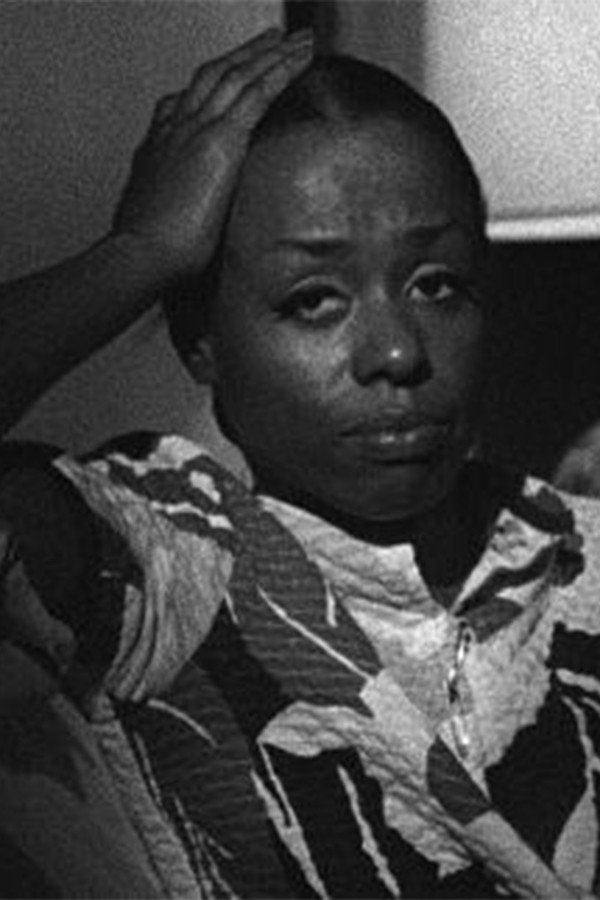
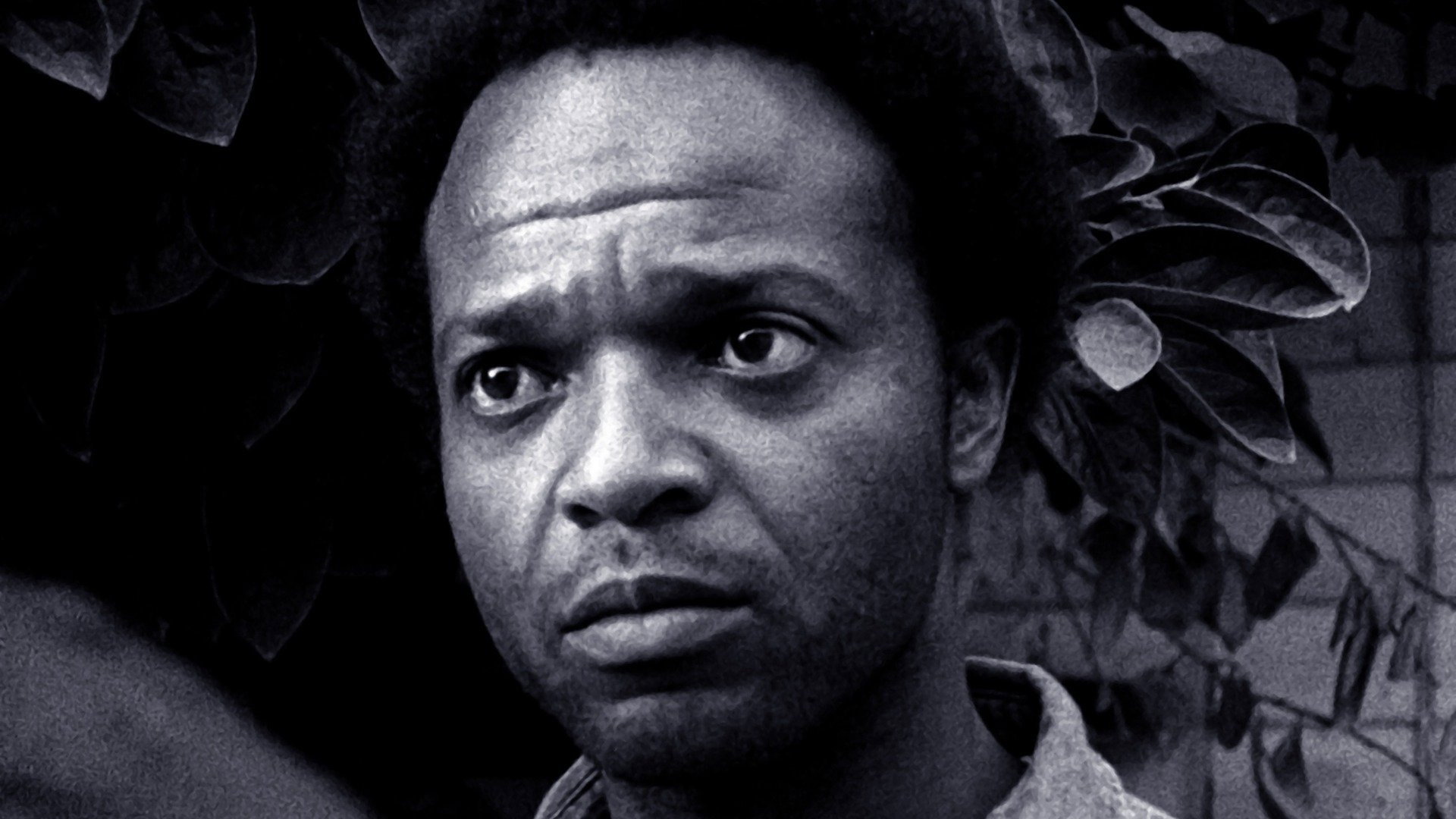
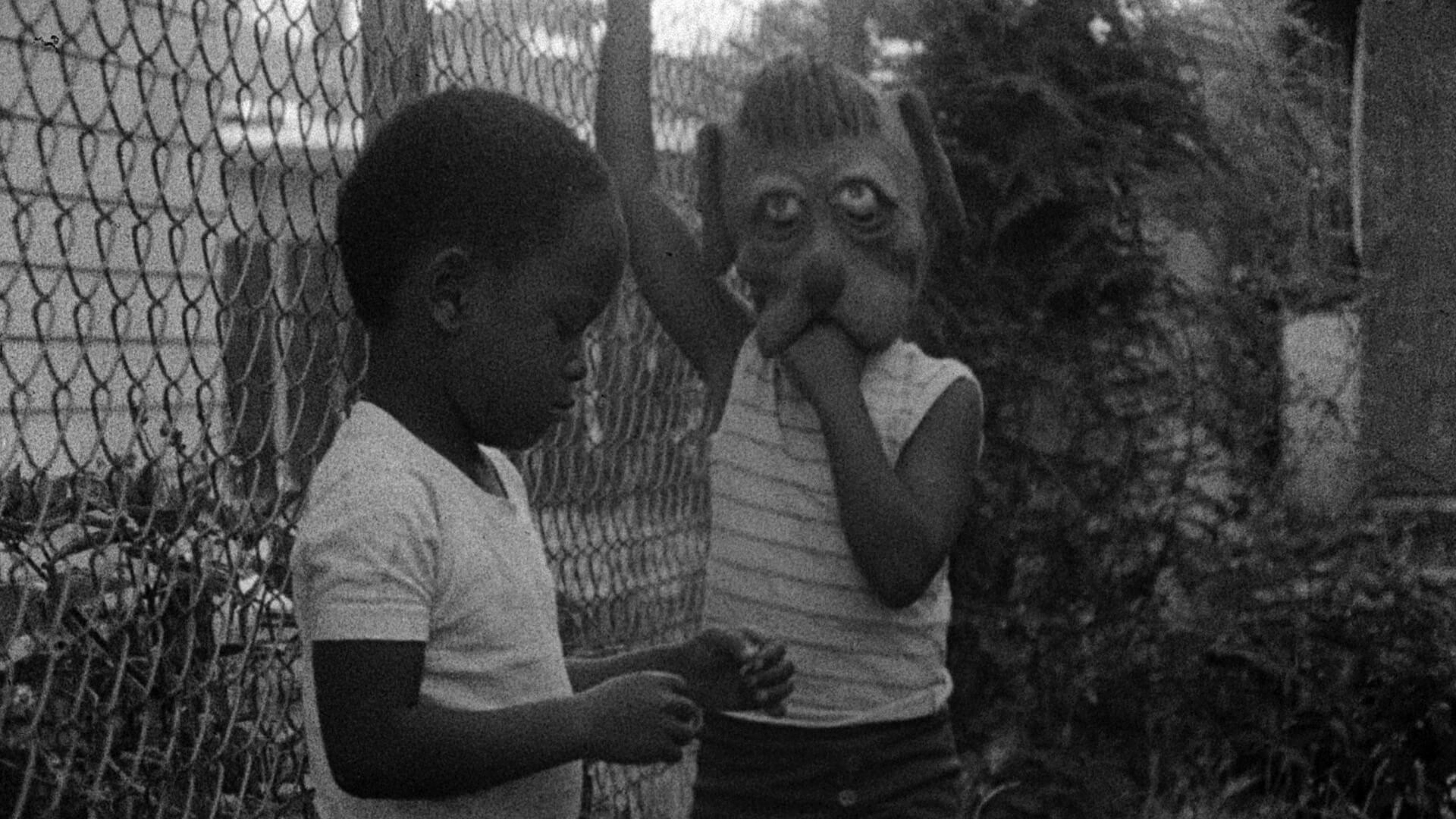
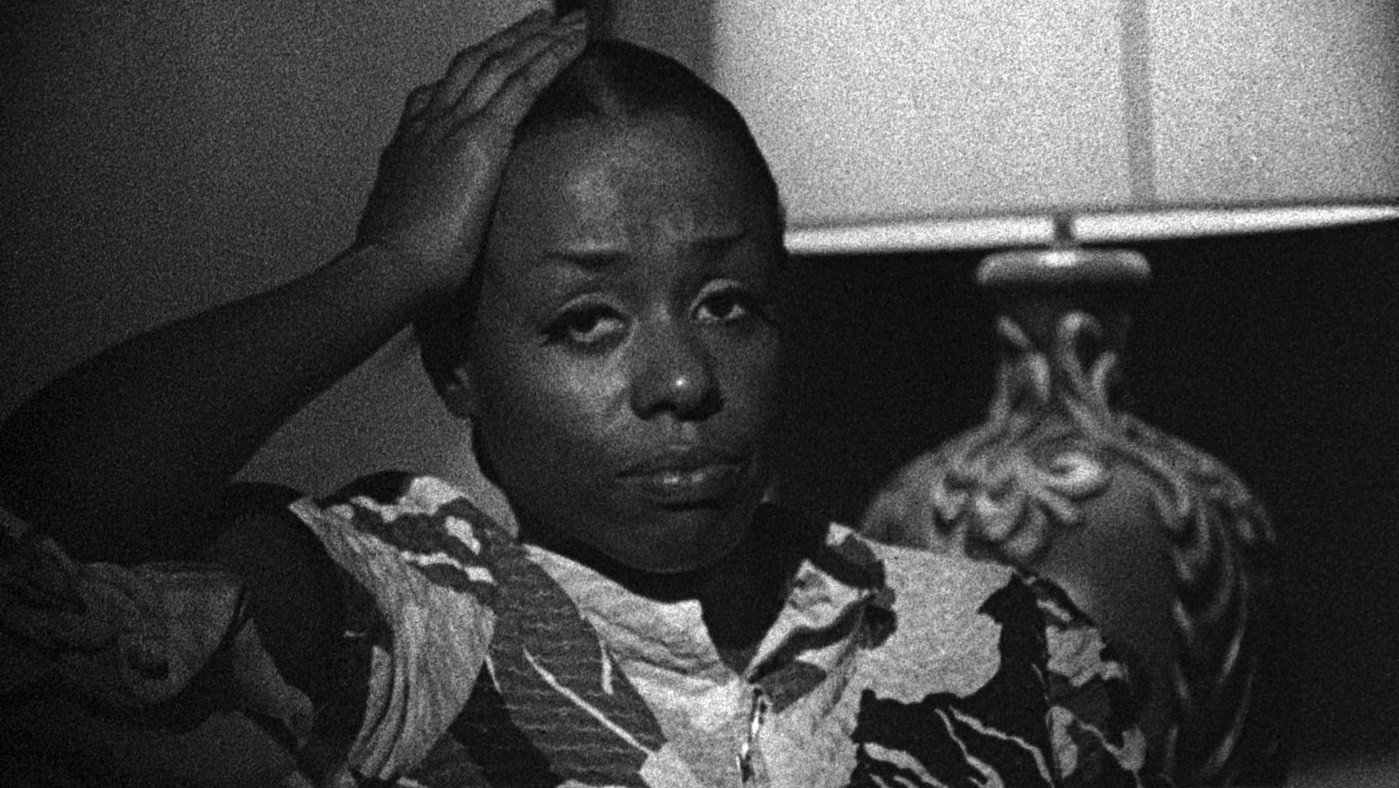
In Watts, slaughterhouse worker Stan (Henry G. Sanders) struggles to find energy for life beyond his job. His wife (Kaycee Moore) wants closeness, but his tiredness follows him home. Their daughter (Angela Burnett) is among the children playing while the adults contend with work and worries about money. Stan tries to keep working and provide for his family, with little room left for pleasure. The film follows the household and the surrounding neighbourhood through daily encounters, setting the children’s games alongside the work and domestic strains that occupy their parents.

Plays from YouTube when you press play; nothing loads from them until then.

Fi1m review

Charles Burnett finds humour and tenderness in a Watts family’s exhausting daily routine. The episodic storytelling and some hesitant acting take adjustment, but this is a deeply affecting film we would readily recommend.

Killer of Sheep is an unusually moving film about earning a living and having little energy left for the people at home. Charles Burnett gives Stan, a slaughterhouse worker in Watts, no grand adventure to make his life seem worth our attention. There is work, there are children, and there is a wife who wants something from the man beyond his continued presence. We recommend it warmly, with a warning that its loose collection of episodes requires some patience.

Henry G. Sanders makes Stan’s withdrawal difficult to dismiss as simple coldness. There is enough tiredness in the performance to make affection seem like another demand on someone who has already given what he has. Kaycee Moore, as his wife, keeps her own need for affection clear; the film never treats it as an unreasonable request. Neither performance forces a confrontation to tell us what is wrong, and their scenes can be uncomfortable precisely because so little is being said.

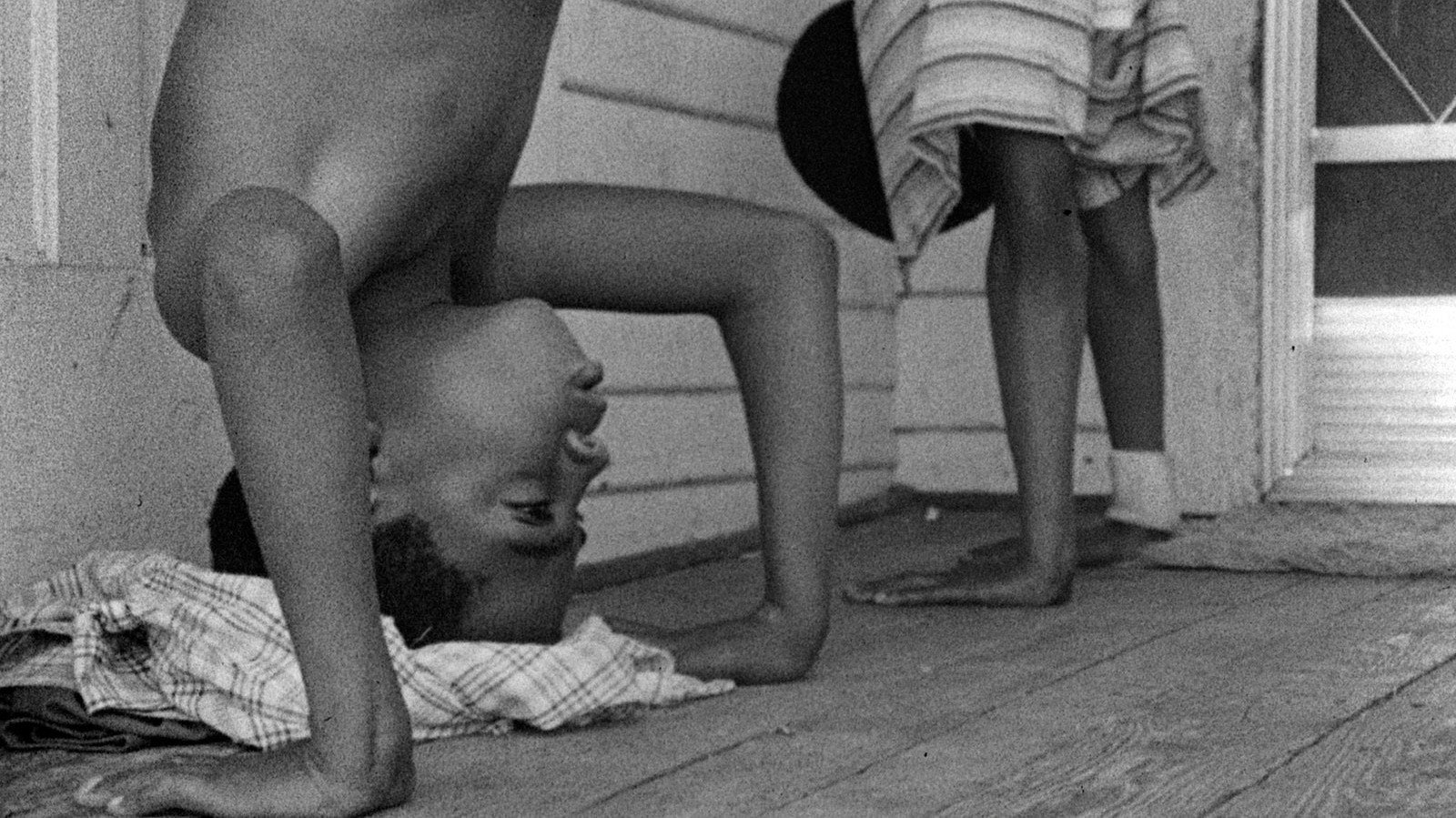
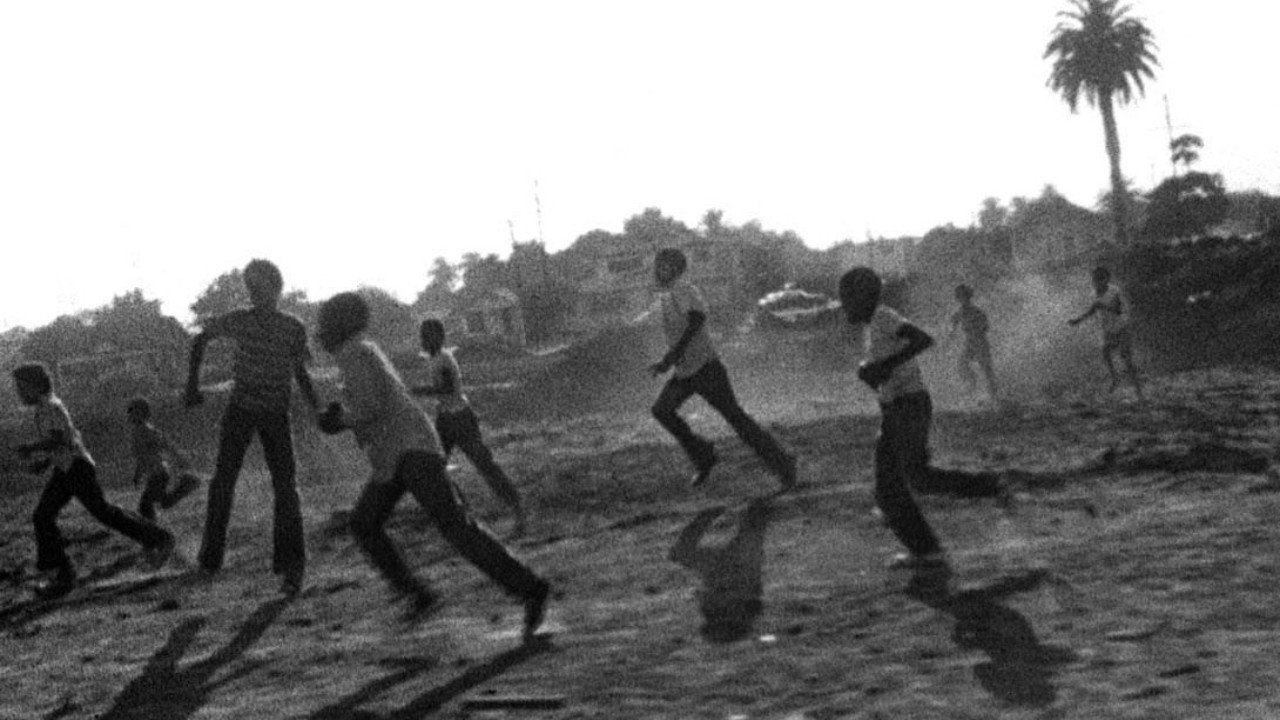
Burnett’s black-and-white photography gives the children’s play as much attention as the adults’ work. We have time to watch them as children rather than search each image for an illustration of poverty. The camera’s freedom suits that unruly activity, and the carefully arranged compositions never make the neighbourhood seem like a display laid on for our benefit. These passages are funny, too, which matters in a film where the adults often appear to have little strength left for amusement.

Burnett also edits, and his arrangement of the episodes takes some getting used to. The film moves among labour, domestic unease and children’s games without arranging them into a steadily mounting crisis. That can initially feel shapeless: an incident ends, another begins, and the expected consequences do not always arrive. Gradually, the repetition makes Stan’s exhaustion comprehensible, although a few passages linger after we have understood what they contribute.

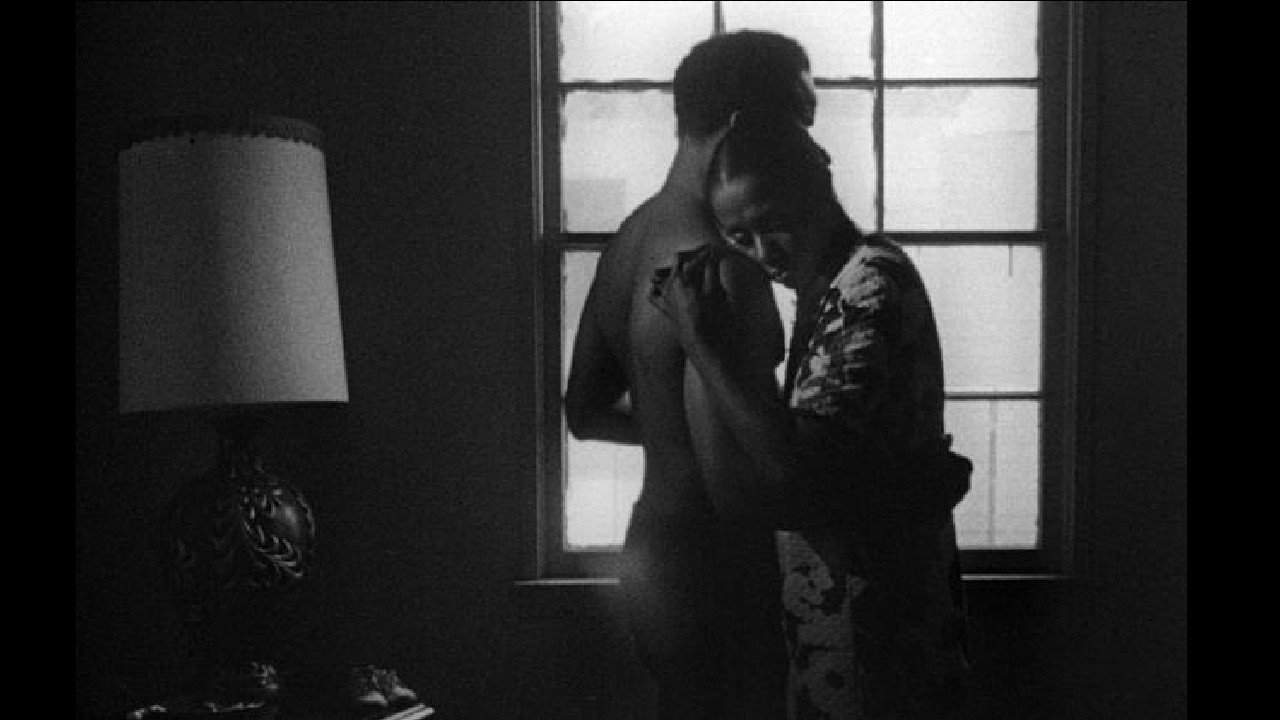
We were more upset by the slow dance than we expected to be. Dinah Washington’s ‘This Bitter Earth’ accompanies the couple, and the closeness of the dance makes Stan’s emotional distance harder to bear. Burnett allows the music to express longing without making the couple explain themselves, trusting the song and their physical closeness. It is the clearest example of how carefully he uses recorded music: the feeling is strong, but nobody on screen has to announce it.

There is roughness in the acting, and it is worth admitting. Some supporting performances are hesitant in ways that briefly make us conscious of people performing rather than talking. Sanders and Moore keep the central relationship convincing, however, and Burnett gives us unusually little encouragement to choose a side between husband and wife. For a domestic drama about poverty, its willingness to let both people be tired, frustrated and deserving of affection feels particularly generous.

Do not mistake the lack of a driving plot for an invitation to drift away. Much of what matters here is in the time spent watching Stan and his wife, and distraction would make the film seem slighter than it is. The slaughterhouse scenes also make this a harder watch than the domestic setting might suggest. Set aside the 80 minutes, and watch with someone who will let a quiet scene stay quiet.

Critical consensus AI synthesised

88
Positive
13
Mixed
0
Negative
0

The consensus is firmly positive: all thirteen reviews praise Charles Burnett’s patient, unsentimental account of working-class Black life in Watts. Critics repeatedly single out the black-and-white photography, the natural dialogue and the attention paid to children’s play and adults’ daily pressures. Music is another point of agreement, with the dance to Dinah Washington’s ‘This Bitter Earth’ frequently cited as a scene of particular emotional force. The praise centres on how much the film finds in ordinary incidents without forcing them into melodrama.

The differences are chiefly in the degree of enthusiasm, rather than competing readings of the film. The AV Club acknowledges some amateurish acting while praising the photography and dialogue. The episodic, largely plotless structure attracts little resistance across the reviews; critics generally treat its looseness as essential to the observation of everyday life. There is no substantial negative dissent in this selection.

Time Out
10 September 2012 · ★★★★★ · Melissa Anderson
100

The film is one of cinema's greatest evocations of everyday life, capturing quotidian details of children at play, a man’s emotional withdrawal, and the insidious effects of poverty in Watts. It singles out the resonant use of songs that enhance scenes, such as Dinah Washington’s “This Bitter Earth” during a dance and slaughterhouse work.

Read the full review →
IndieWire
29 March 2007 · Chris Wisniewski
90*

The critic celebrates the long-overdue theatrical re-release of Burnett's landmark film as a homecoming for an essential work of American independent cinema. He highlights its quiet, observational power in depicting everyday Black life in Watts without sentimentality or agenda.

Read the full review →
Los Angeles Times
6 April 2007 · Kenneth Turan
90*

Turan marvels at the film's enduring power three decades later, praising the naturalness of its episodic structure and indelible moments such as the slow-dance scene set to Dinah Washington.

Read the full review →
Slant Magazine
2 June 2025 · Ed Gonzalez
90*

The critic calls Killer of Sheep a 1977 masterpiece that offers an unpretentious, matter-of-fact yet totemic vision of Black life in Watts, distinct from more commercial portrayals. He singles out its poetic rhythm, humanist essence, and the restored soundtrack's closing use of Dinah Washington's 'Unforgettable' for particular praise in the Criterion 4K edition.

Read the full review →
The Guardian
20 June 2008 · Peter Bradshaw
90*

The critic calls it a brilliant low-budget masterpiece of unforced, vernacular movie-making and a hidden gem. The free-wheeling cinematography, improvised dialogue and serendipitous scenes are singled out for praise.

Read the full review →
The New Yorker
27 April 2010 · Richard Brody
90*

Brody calls the restored film a stunning revelation and one of cinema's great debuts, highlighting its exquisite use of lived music and the mercurial emotional depth it evokes from everyday particulars.

Read the full review →

Cast

Stills

If you liked this, try…

The Exiles poster

The Exiles

1961 · Another patient city portrait, attentive to lives that usually remain offscreen.

Pather Panchali poster

Pather Panchali

1955 · Children explore their surroundings while adults struggle to keep the household going.

Distant Voices, Still Lives poster90

Distant Voices, Still Lives

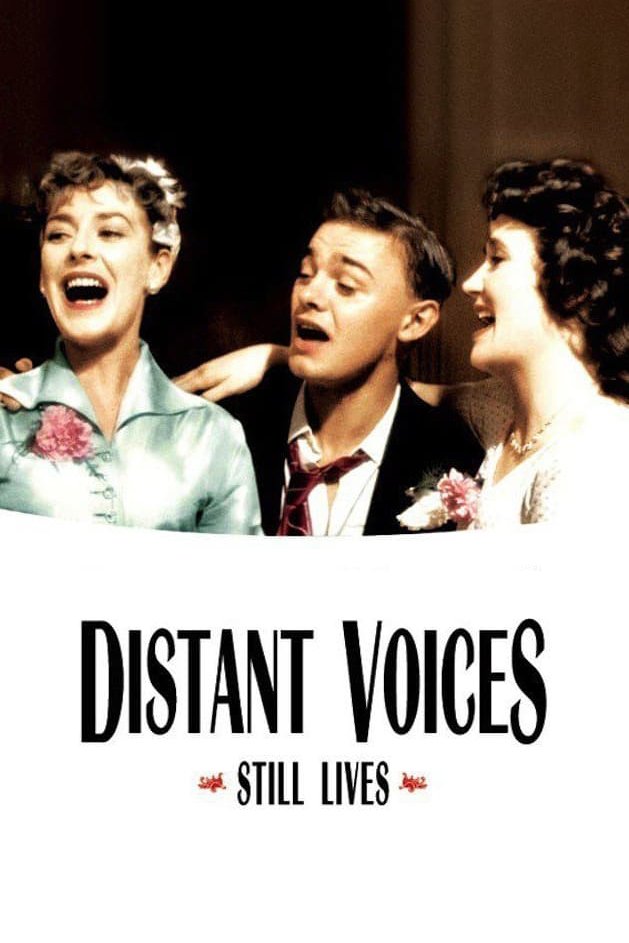
1988 · Family strain and familiar songs, with tenderness that never makes hardship cosy.

Still Walking poster

Still Walking

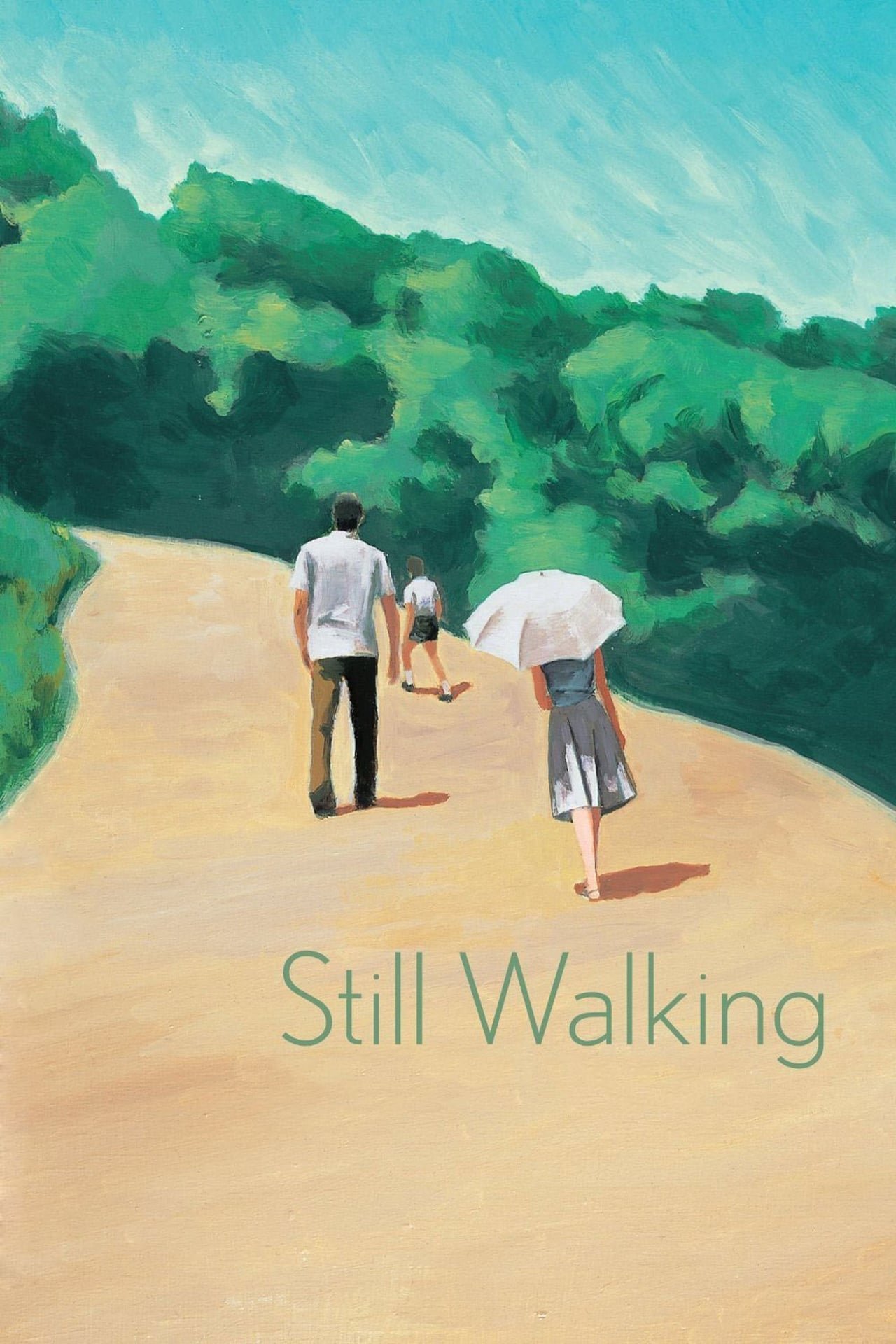
2008 · A family gathering where routine conversation carries years of hurt and affection.

Ratcatcher poster88

Ratcatcher

1999 · Childhood play offers brief relief from family poverty and neighbourhood neglect.