Sterlin Harjo and Taika Waititi’s comedy about four Oklahoma teenagers stealing their way towards a new life is funny, patient and quietly heavy with grief. The spirit-world detours do not always land, and later seasons scatter the gang, but we would recommend it to almost anyone.
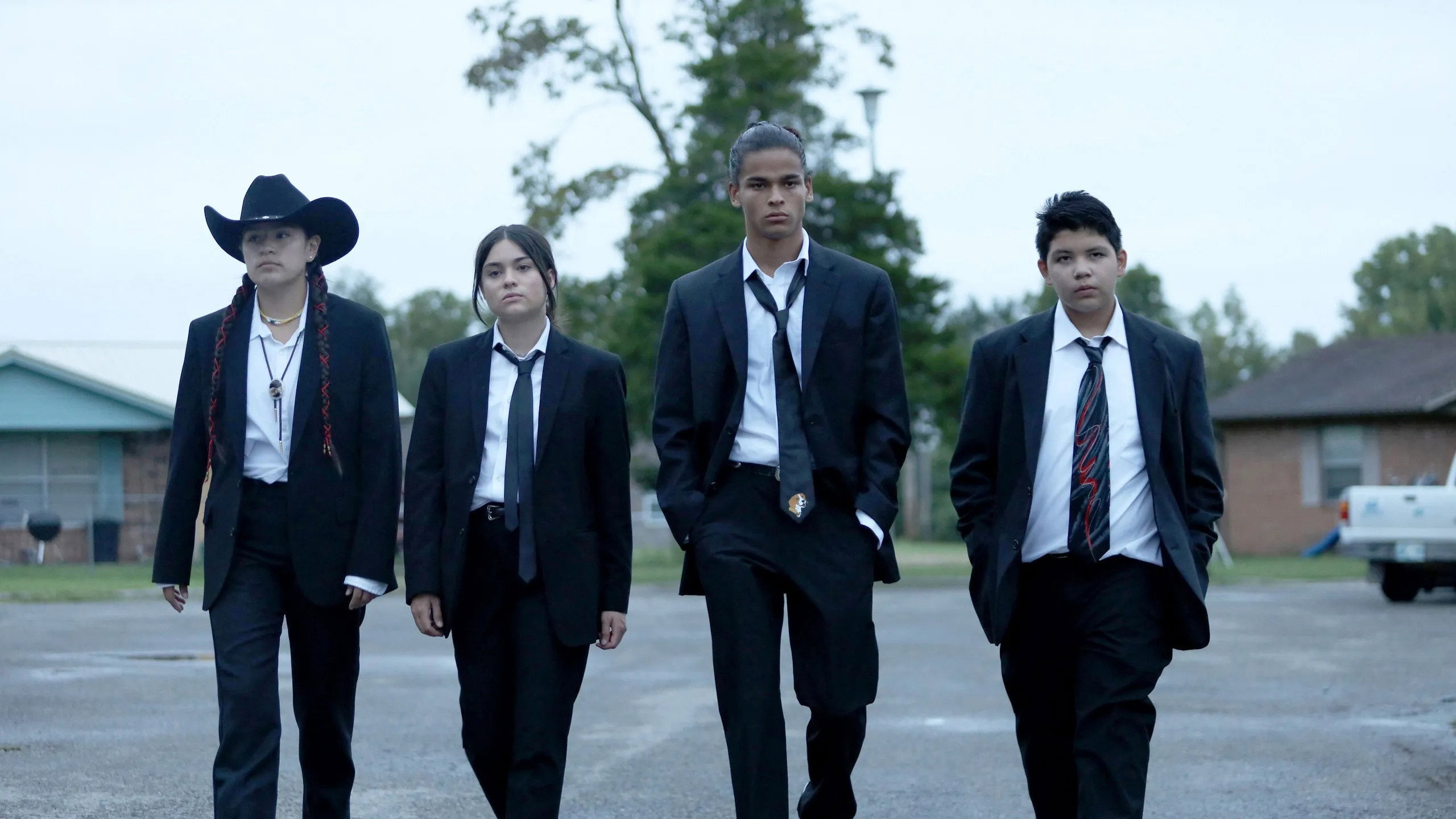
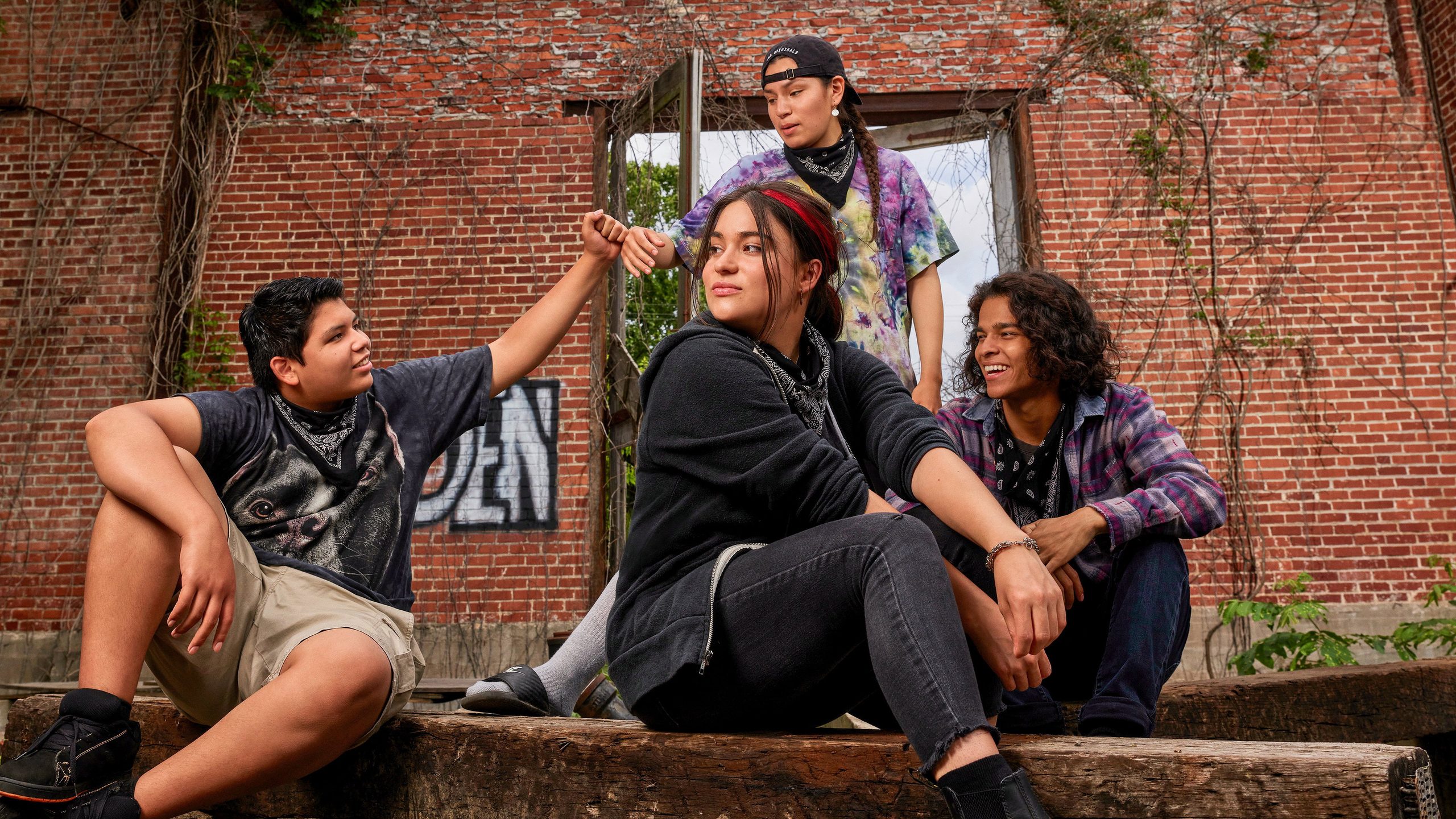
Four teenagers on a reservation in rural Oklahoma want to get to California. Their friend Daniel died a year ago and none of them can say why, so they steal things: a lorry full of crisps, copper wire, whatever turns into dollars towards the fare. That is the whole engine of Reservation Dogs, created by Sterlin Harjo and Taika Waititi, and it works because the series is not really about leaving. It is about the town they say they cannot wait to see the back of, and it is one of the best-made comedies we have watched in years.
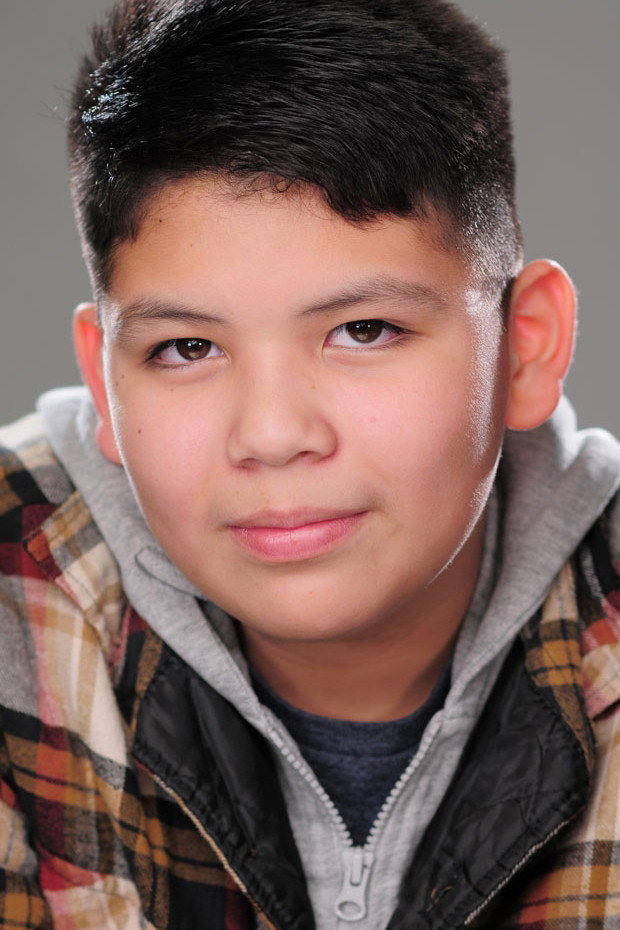
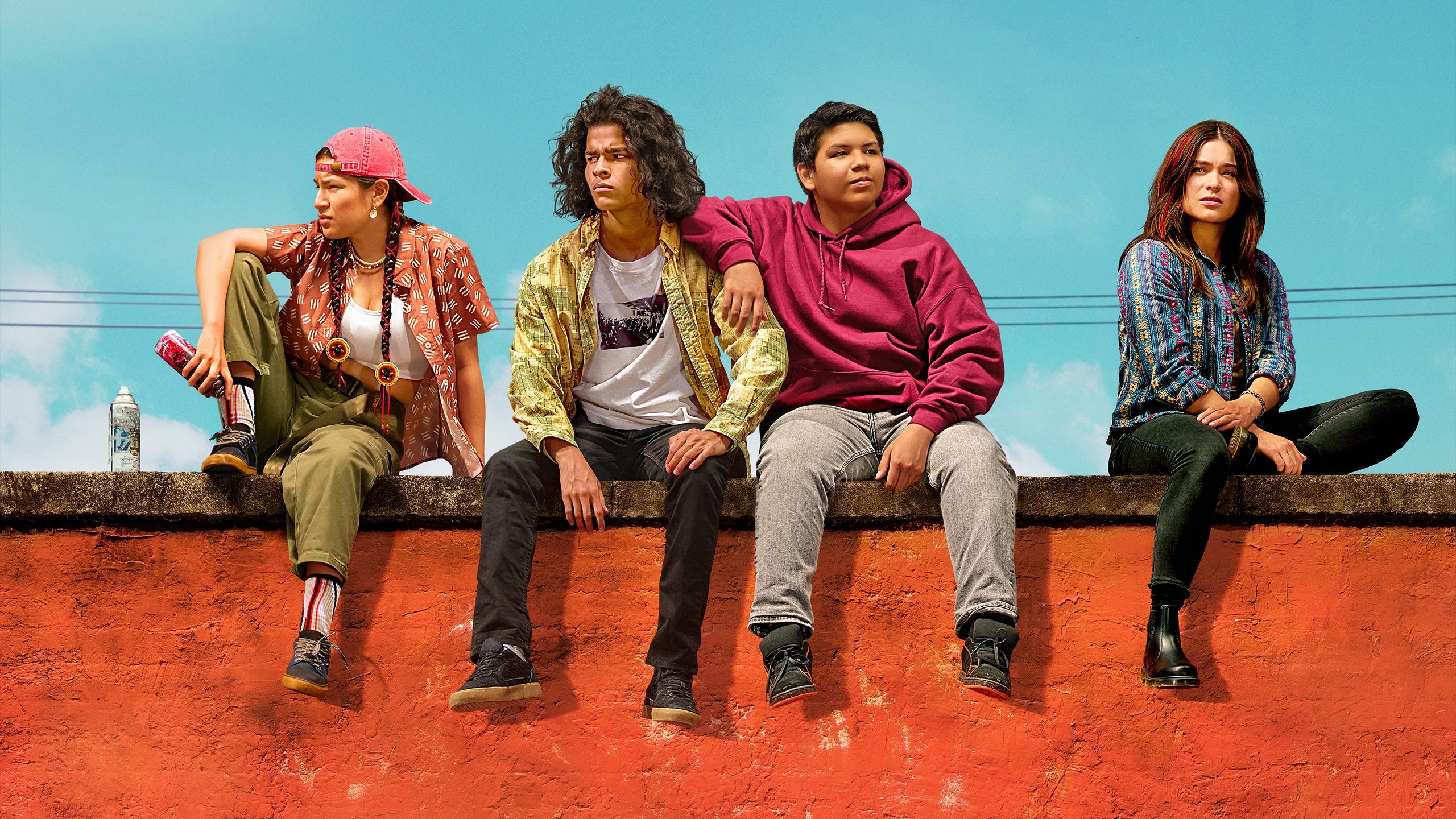
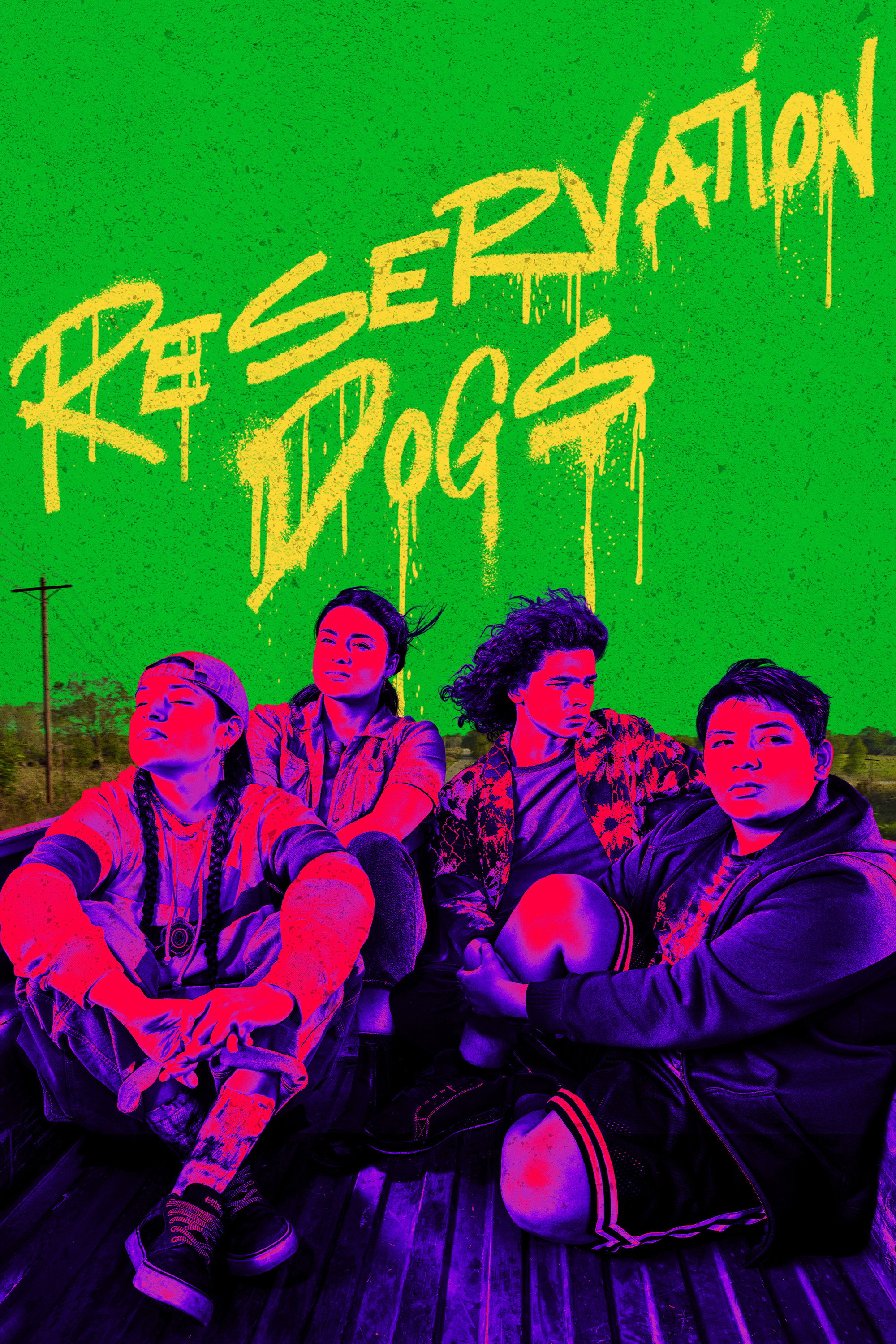
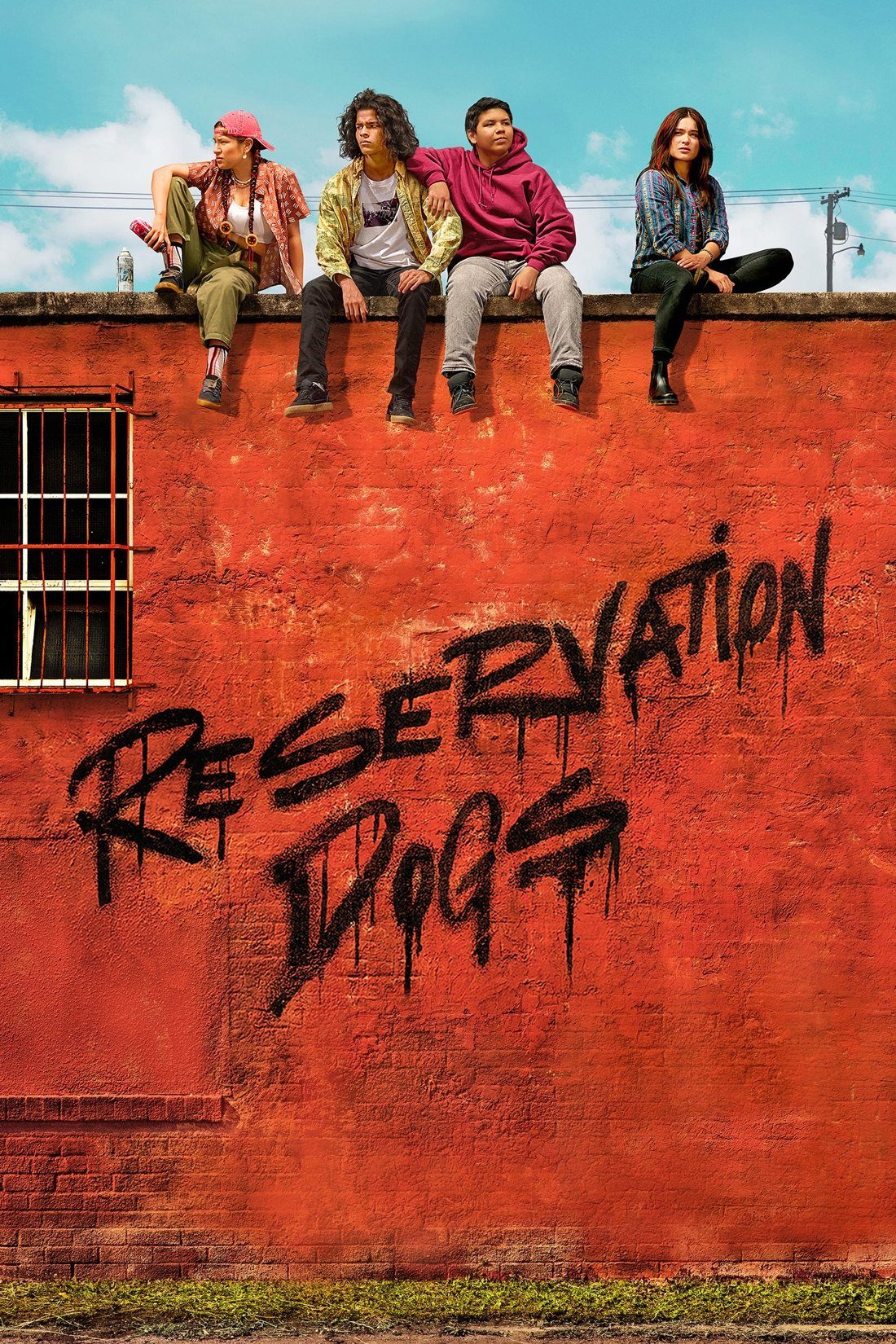
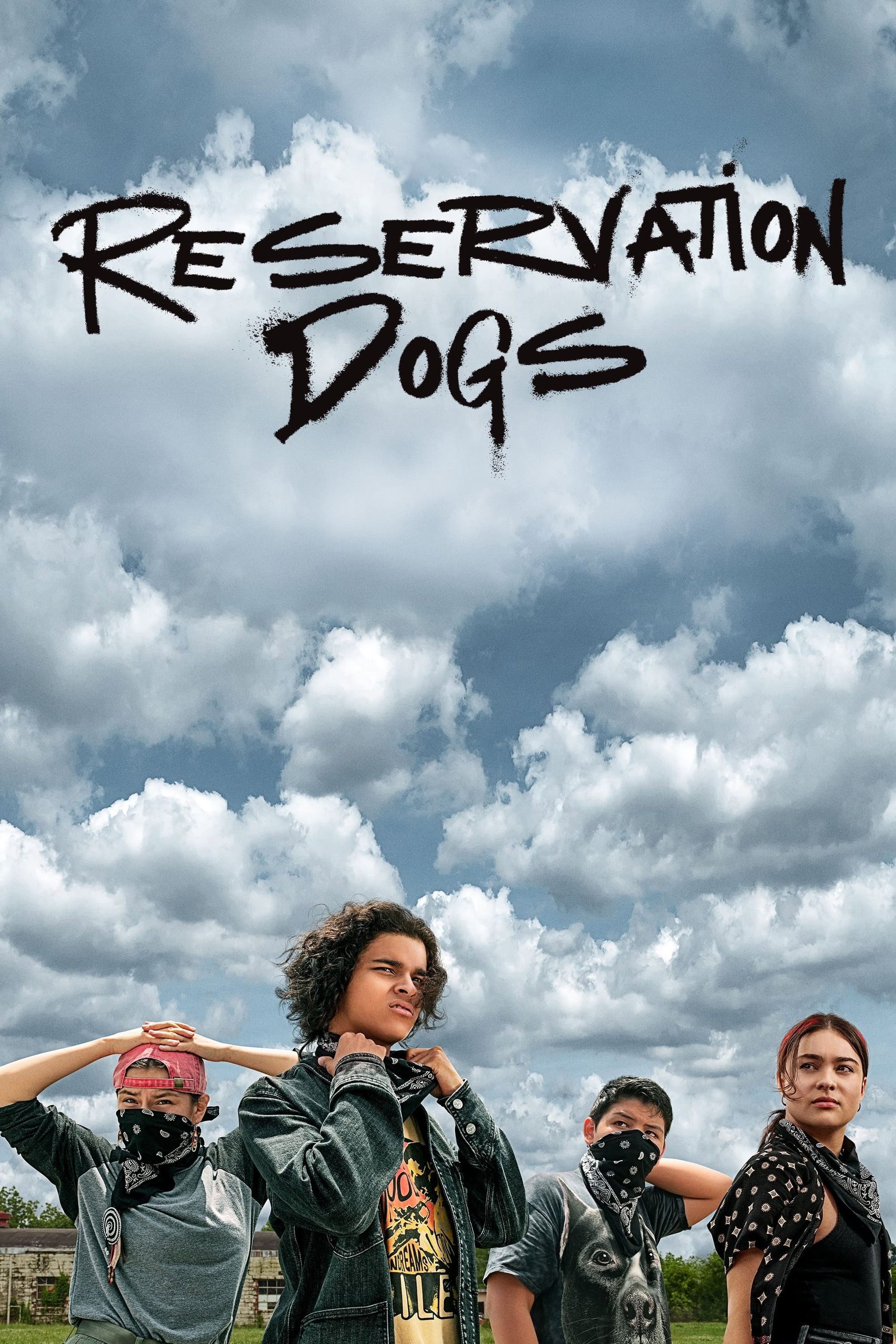
The four are well cast and well written. Devery Jacobs plays Elora as the one who has done the sums and will go, and she carries most of the sadness without being asked to speak it. D’Pharaoh Woon-A-Tai’s Bear appoints himself leader and spends three seasons finding out nobody agreed. Paulina Alexis gets the biggest laughs as Willie Jack, all flat delivery and sudden, exact insults, and Lane Factor’s Cheese is the polite boy who will sit in a police car all afternoon if someone asks him nicely. They talk over each other like people who have known each other since they were small.
Harjo directs and writes, alongside a room that includes Bobby Wilson, Ryan RedCorn and Dallas Goldtooth, and the writing has a shape. A scene sets up a joke, lands it, and then keeps going until something sadder or stranger walks in. Christian Sprenger and Mark Schwartzbard shoot the town in hard, hot daylight, wide frames of empty roads, four kids small in the corner of the picture. Rich Toyon and Brandon Tonner-Connolly’s production design gives us a convenience store, a clinic waiting room and a community hall that all look like they have gone forty years without repainting. Mato Wayuhi’s score slides between hip-hop and something closer to country, and it is used sparingly.
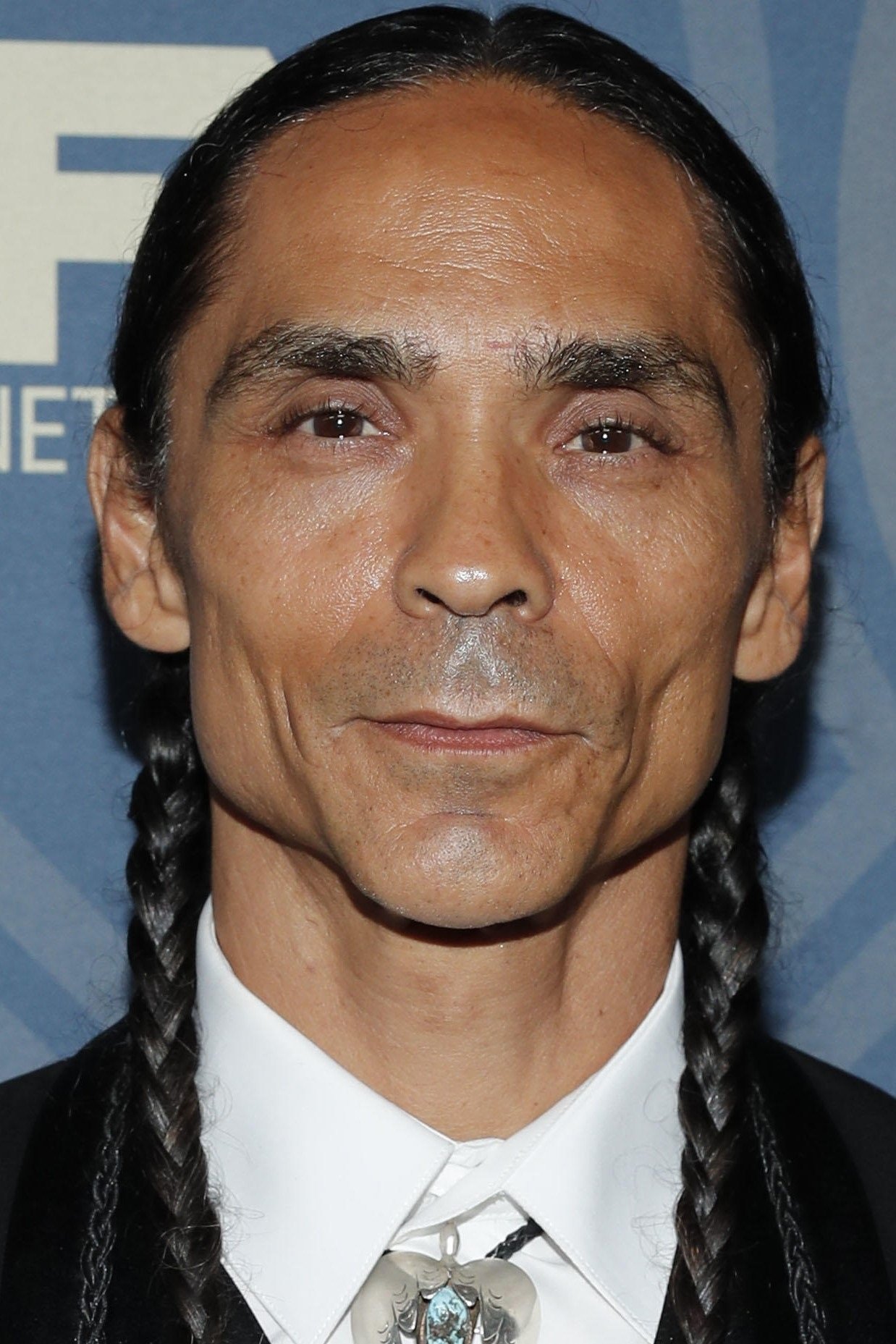
Zahn McClarnon’s Big, the tribal police officer who has theories about most things and evidence for none of them, made us laugh out loud more than anyone, because McClarnon plays him dead straight. Sarah Podemski’s Rita, Bear’s mother, gets the show’s adult weight: a woman working, dating, worrying, and watching her son turn into his absent father, the rapper Punkin Lusty (Sten Joddi), whose one hit follows Bear round like a smell. What got at us was how the grief arrives. Nobody makes a speech about Daniel. His name comes up sideways, in a photograph or a pause, and Jacobs’s face when someone else mentions California says more than anything out loud.
Then there is the spirit world, which the series is proud of and we are less sure about. Bear is visited by a warrior on horseback who claims a heroic death in battle and turns out to have died falling off his horse. It is a good joke the first time. Kaniehtiio Horn’s Deer Lady, a figure from Native folklore given episodes of her own, is stranger and better. But when an episode hands itself over to the supernatural, the flat daylight naturalism that makes everything else work goes soft, and the series starts to feel like a sketch show with a good heart.
It ran for three seasons and 28 episodes, and the later seasons widen to the adults, giving whole episodes to aunties, uncles and Bill Burr as a coach. Some are the best things in it; some are agreeable padding. We missed the four when they were apart, a compliment to the casting and a complaint about the plotting. The editors, David Chang and Yana Gorskaya among them, let scenes run past the punchline, which is the right choice and occasionally the slow one.
Waititi has made a film about a boy in a small Maori town before, Boy, and this has the same instinct: children who talk like adults, adults who behave like children. Harjo’s contribution is the weight. The town matters. Most people in it stayed, and the series lets you understand why without pretending it was easy.
The 18 certificate is for the language, constant and inventive. Give it three episodes; it is slow to declare itself, and it does not let go.