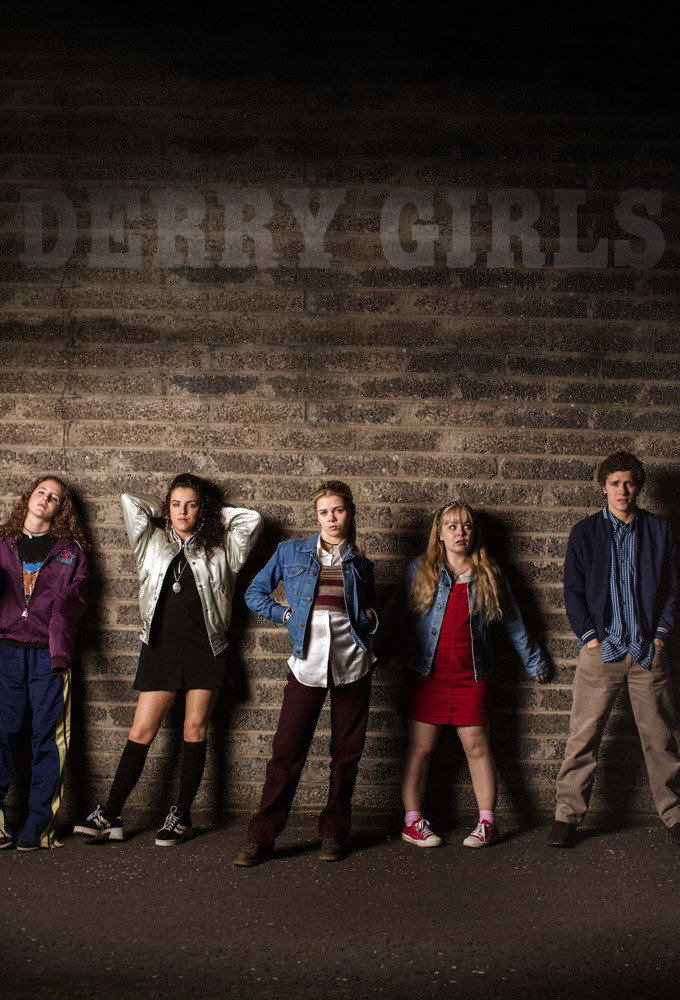
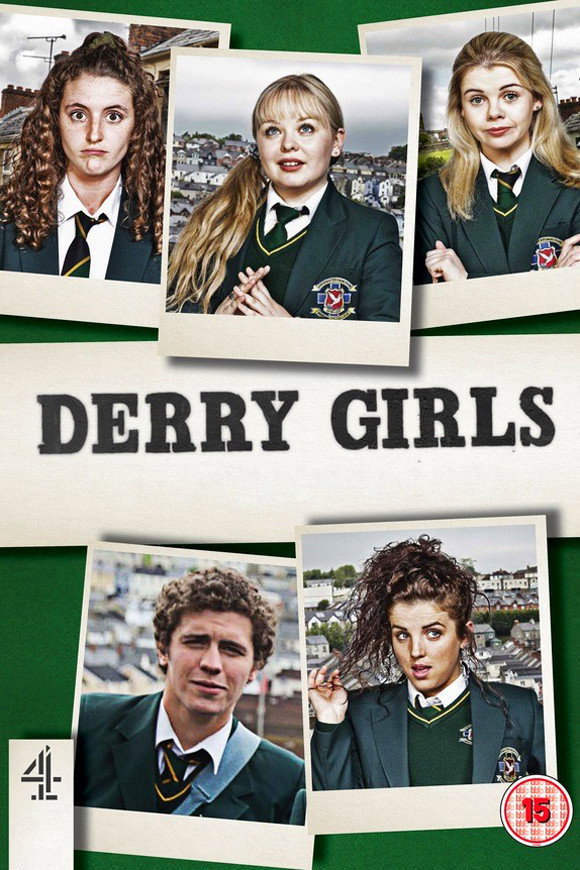
Lisa McGee’s sitcom puts five teenagers in 1990s Derry and treats the Troubles as a nuisance rather than a subject, which turns out to be the truest way of showing them. Fast, foul-mouthed and beautifully acted; only the plotting repeats itself.
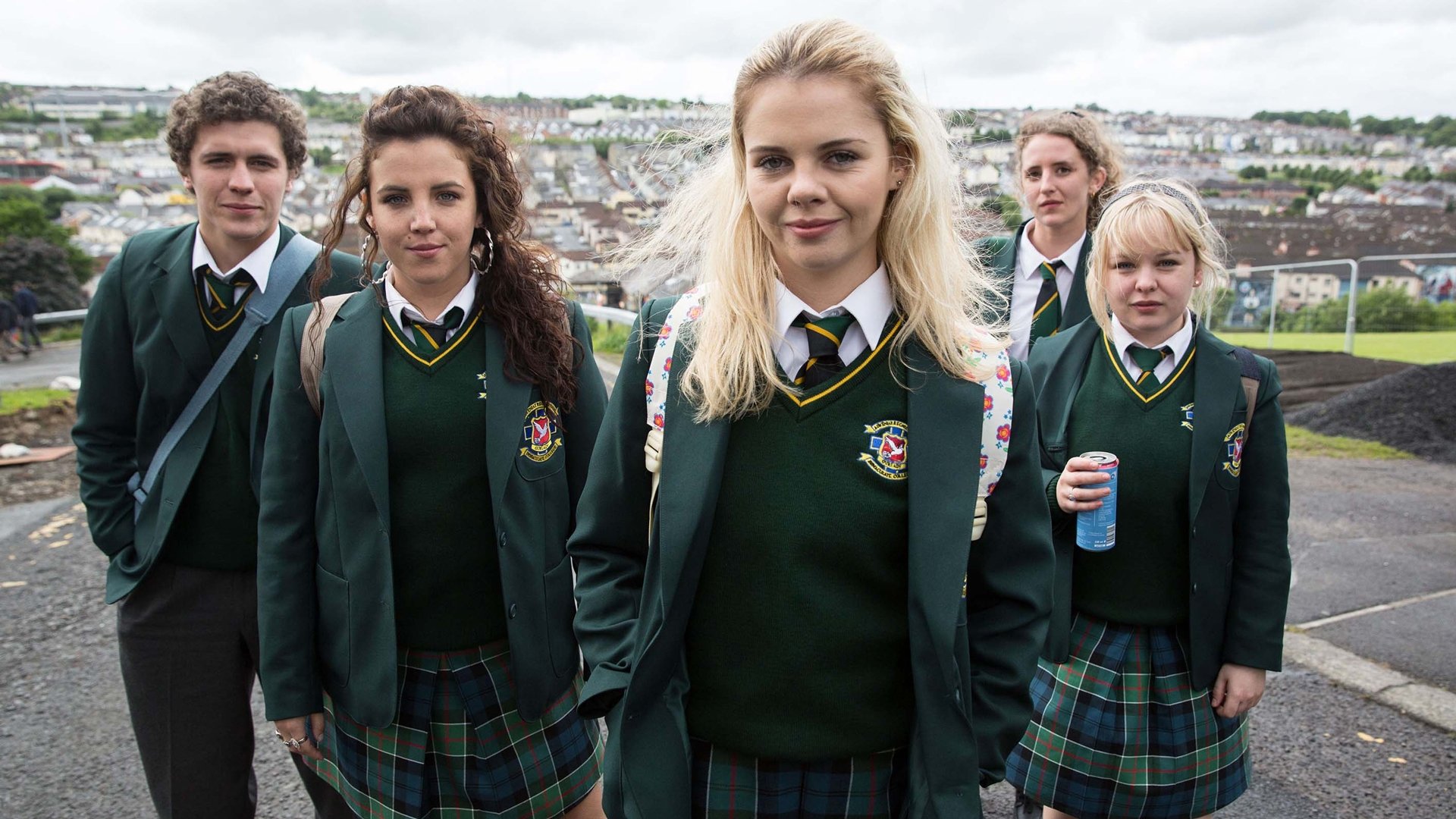
Lisa McGee has written a sitcom about five teenagers in Derry in the 1990s, and she has decided that the armed conflict outside their windows is the least interesting thing in their lives. Soldiers search the school bus; the girls are worried about whether one of them has got off with a boy. A bomb closes the bridge; the crisis is that it makes them late. Derry Girls is fast, filthy and, across three short series, more serious than it lets on. We recommend it warmly, with a caveat about how the plots are built.
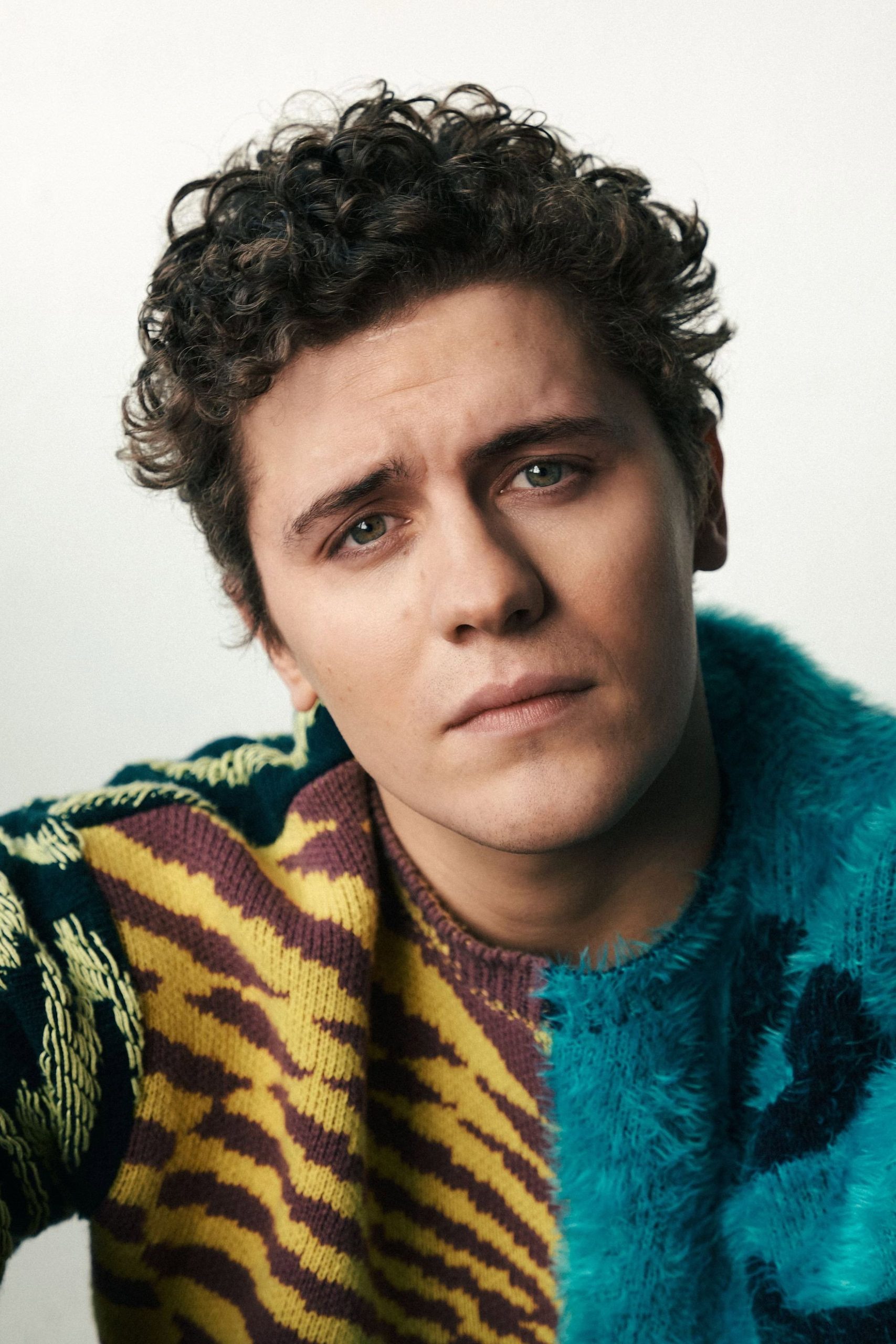
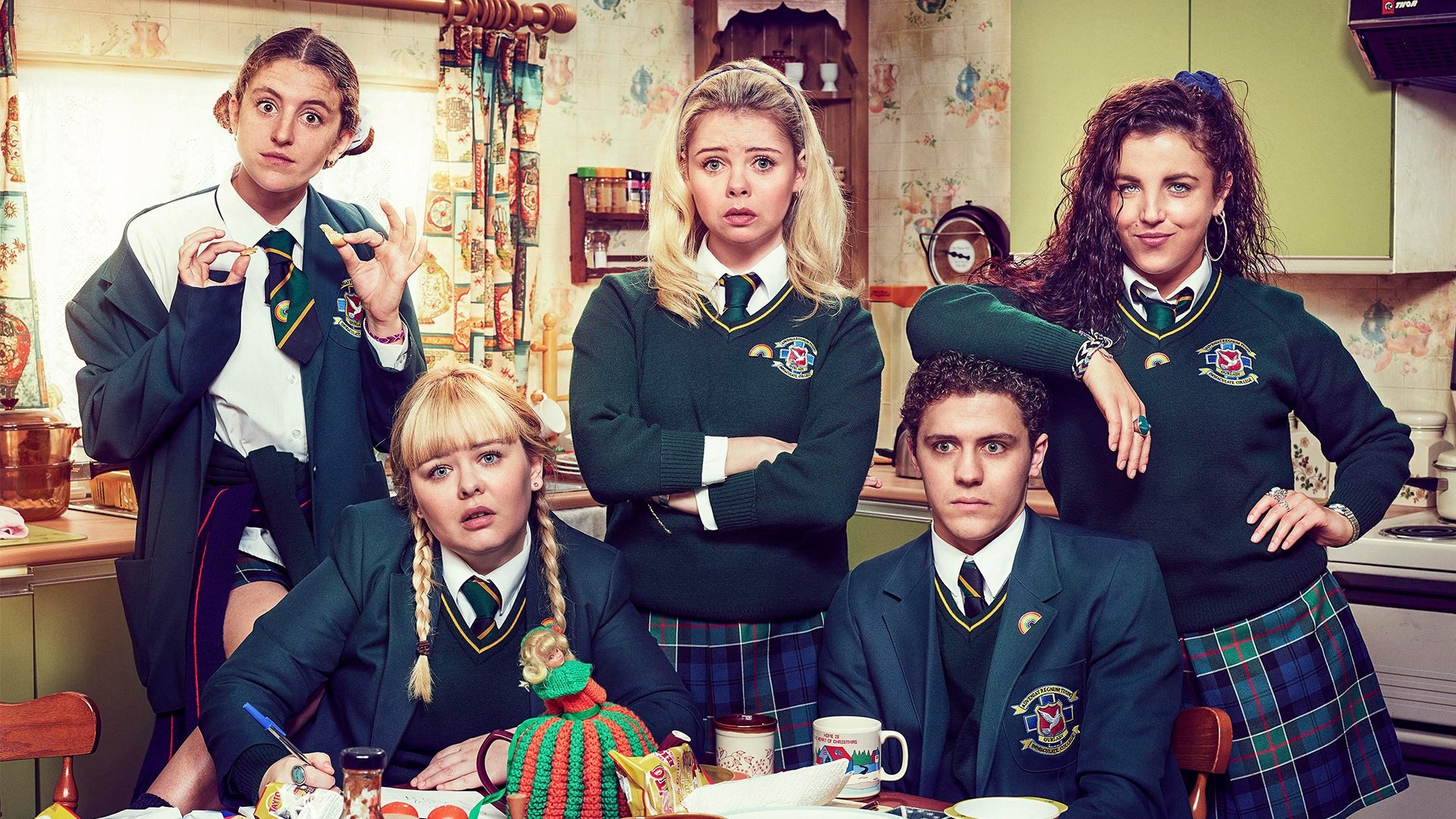
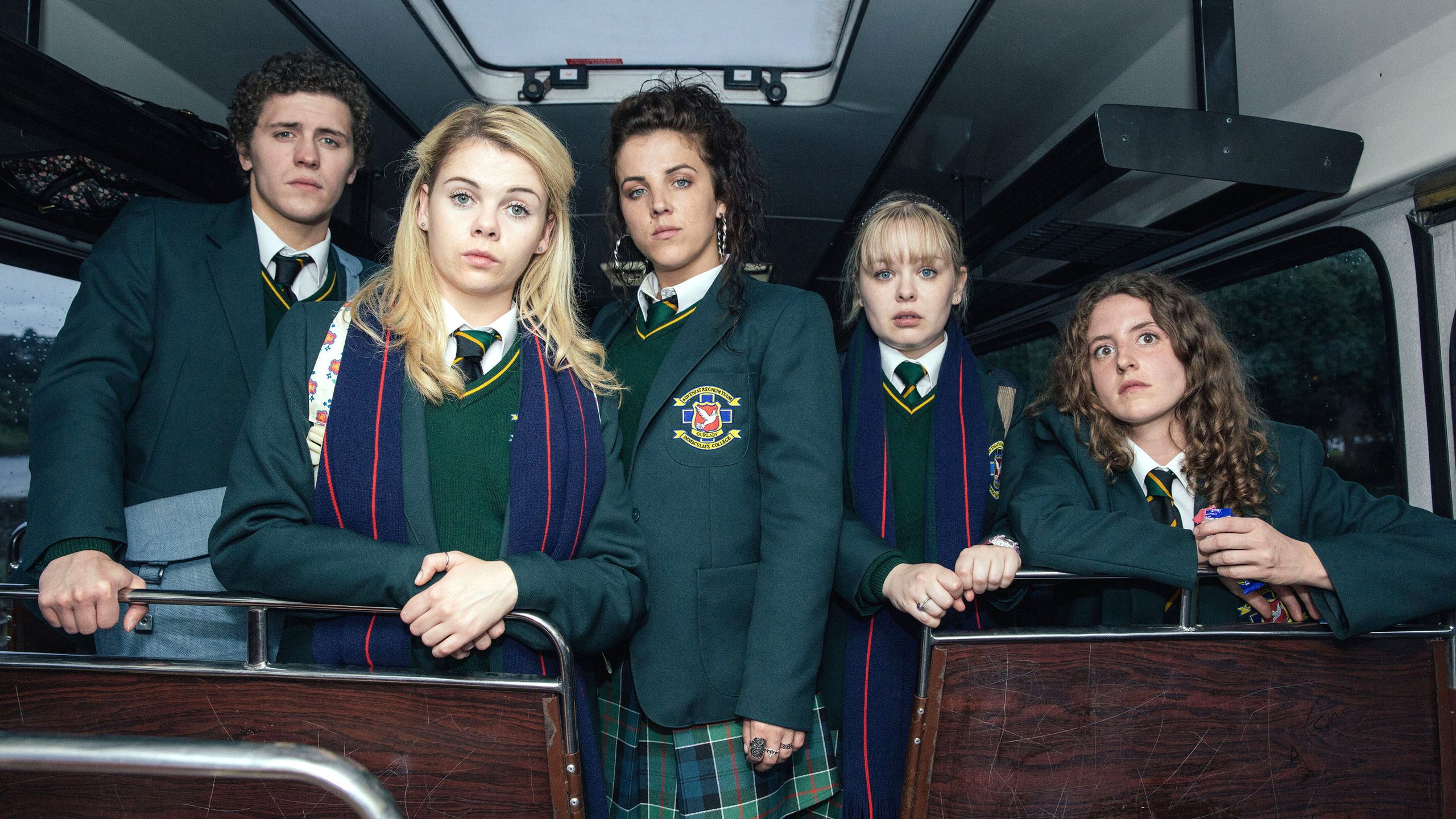
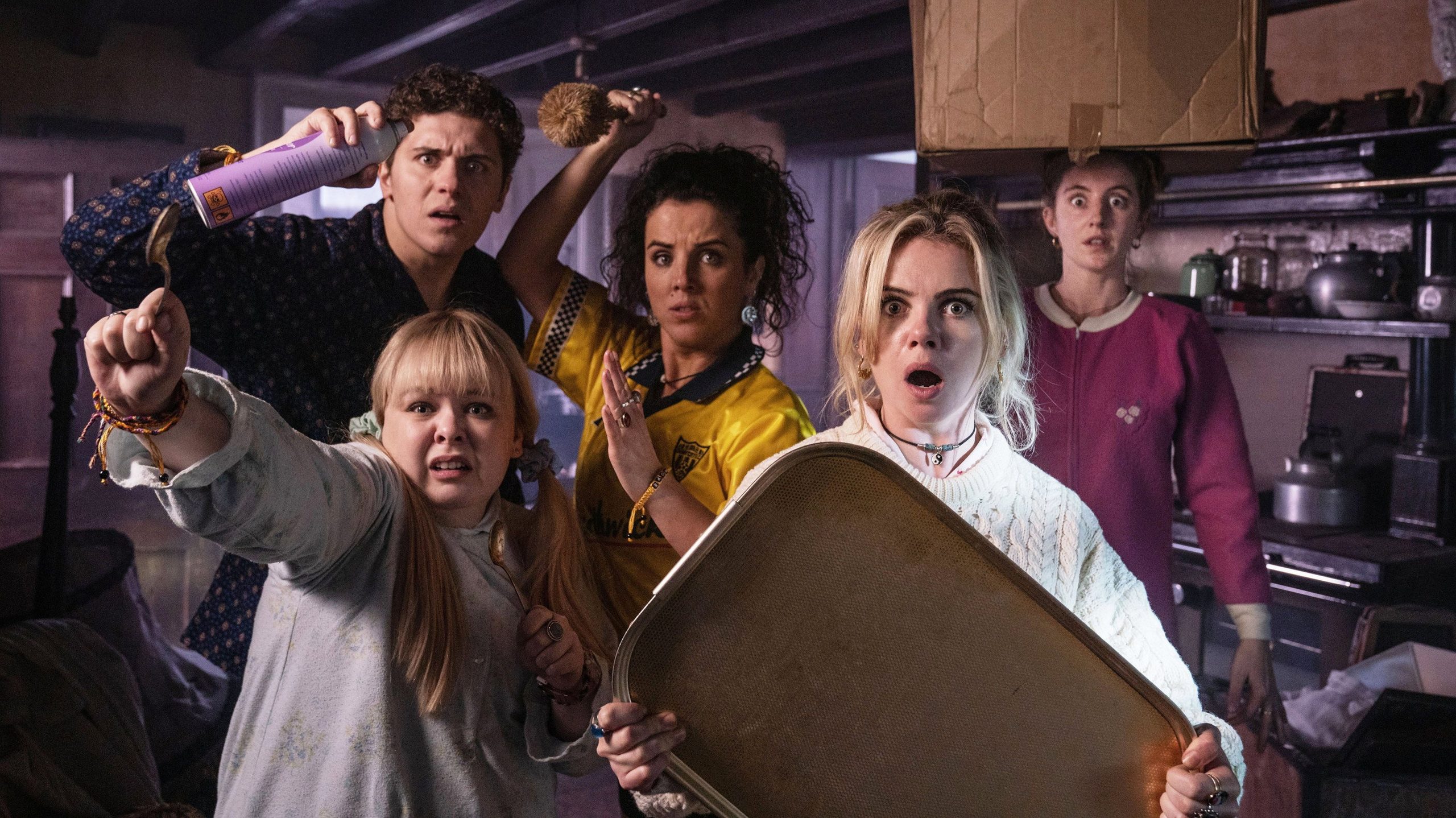
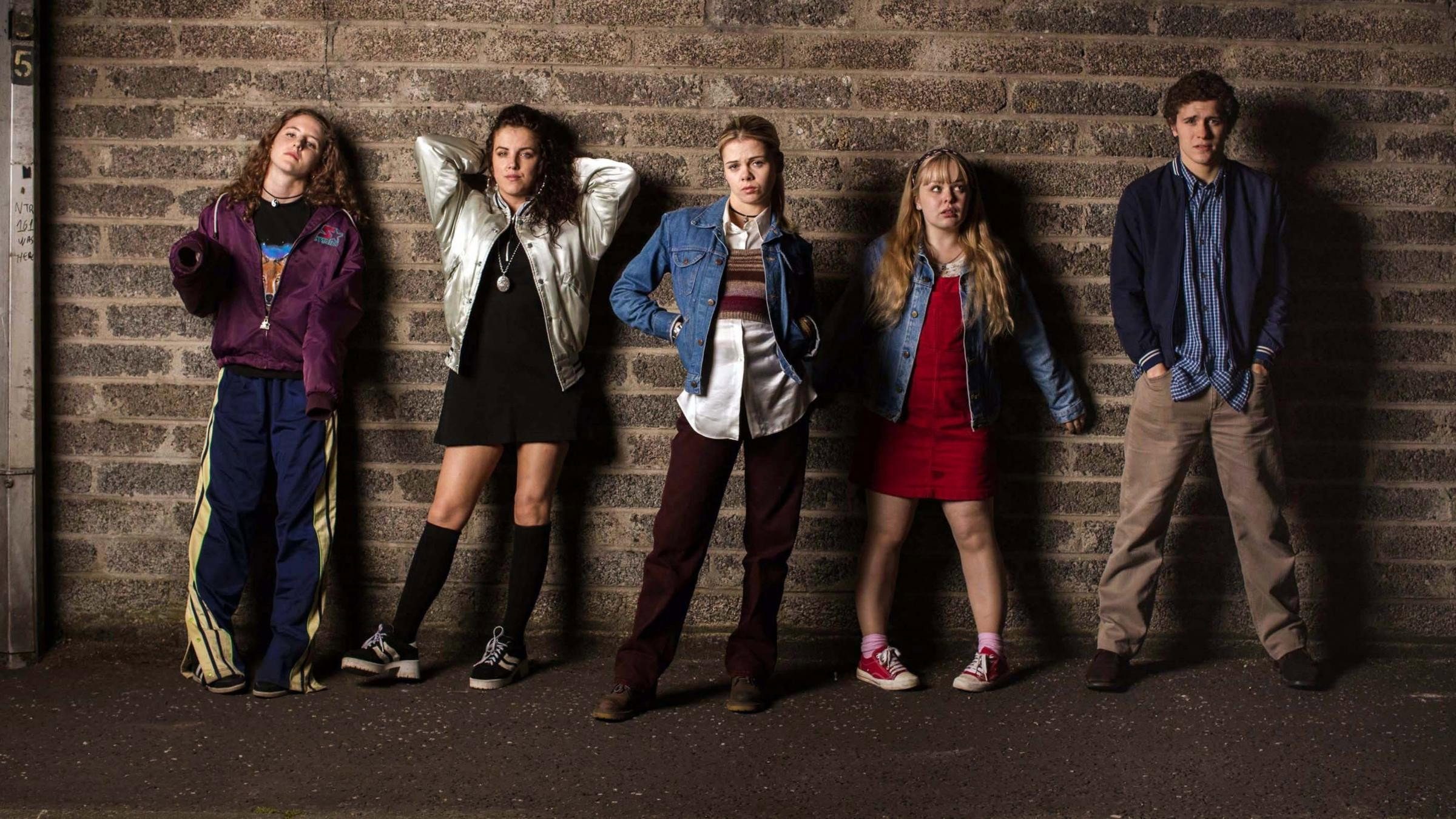
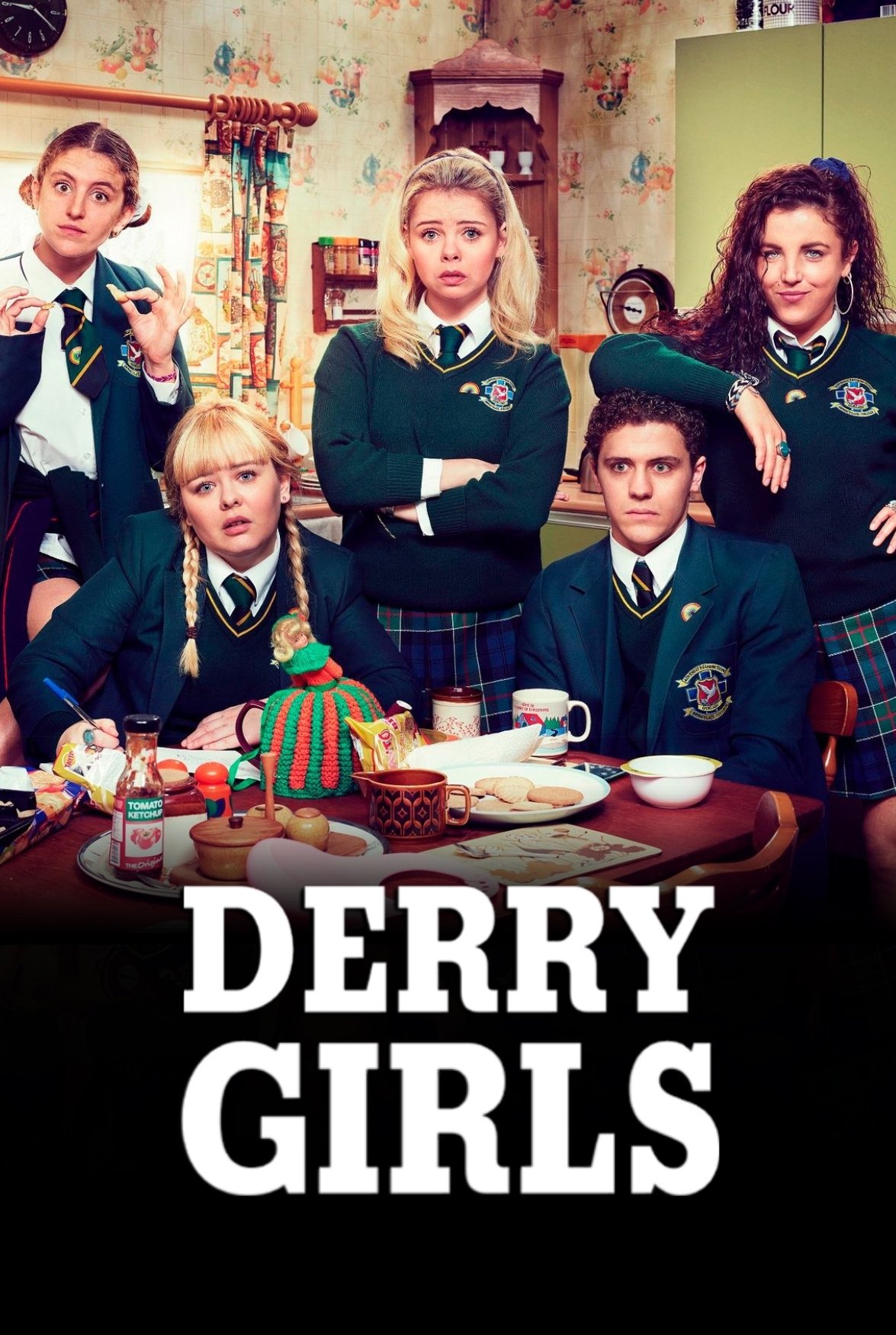
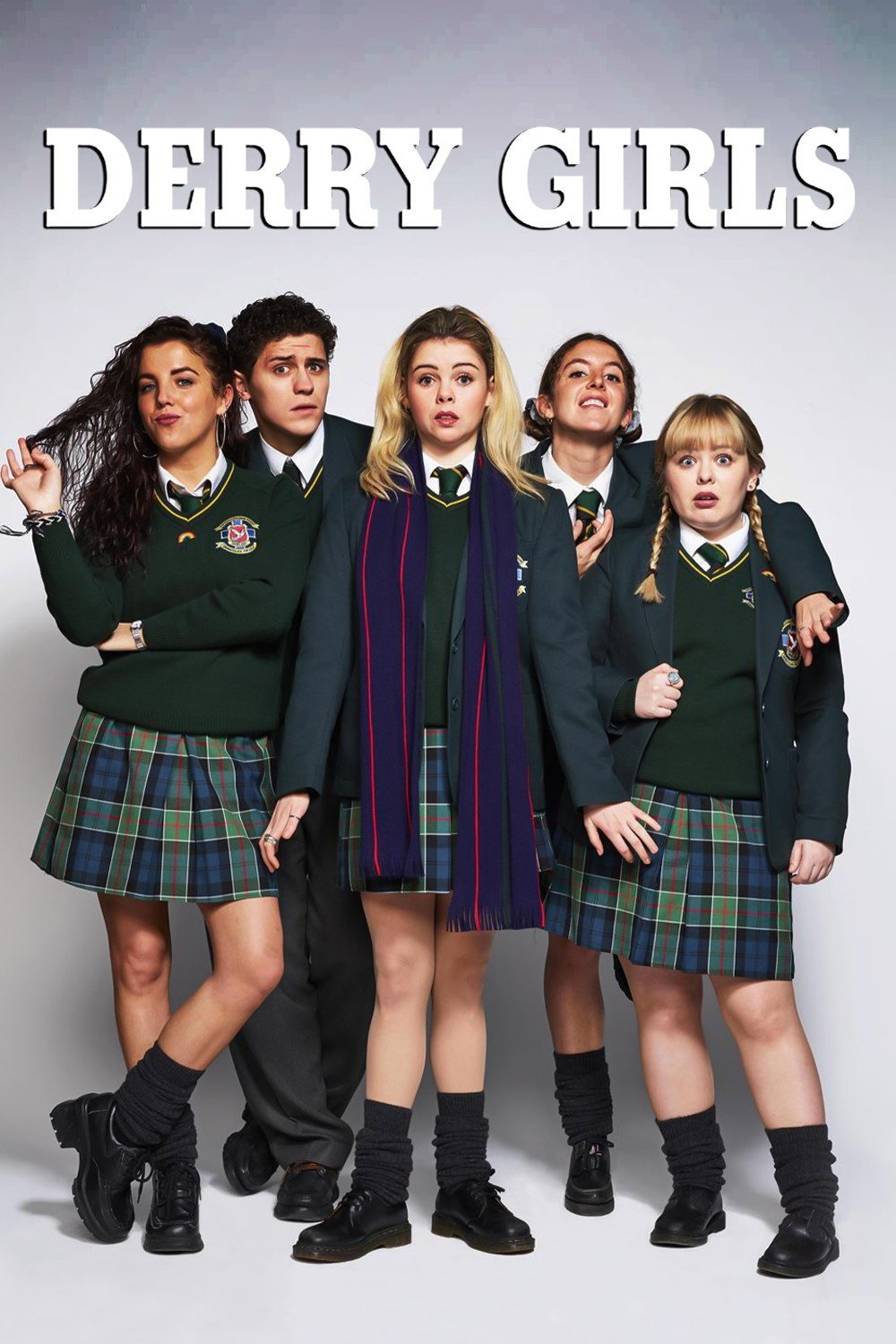
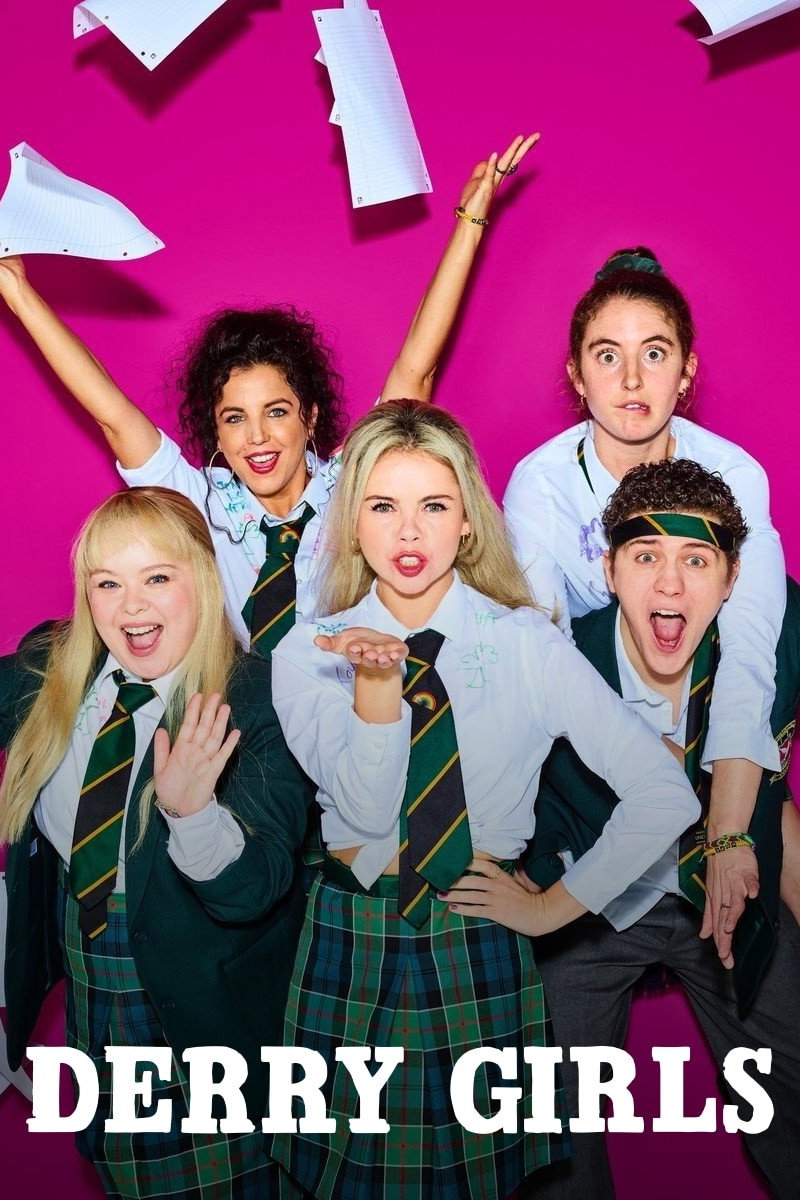
Erin Quinn (Saoirse-Monica Jackson) is the lead and the least self-aware person on screen. She wants to be a writer, keeps a diary, and believes herself the sensitive one in a family that does not agree. Jackson plays her with a face that does most of the work: the mouth goes one way, the eyebrows another, and the whole performance is a running argument between what Erin thinks she looks like and what she does. Her cousin Orla (Louisa Harland) is on another frequency altogether, doing step aerobics and saying the one true thing anyone has said all day, by accident. Nicola Coughlan’s Clare is the conscience, which in this group means she is the first to panic and the first to confess. Jamie Lee O’Donnell’s Michelle swears the most, plans everything and takes none of the blame. And Michelle’s English cousin James (Dylan Llewellyn) has been put in a girls’ school for his own safety, where he is the only sensible person present and is punished for it in every episode.
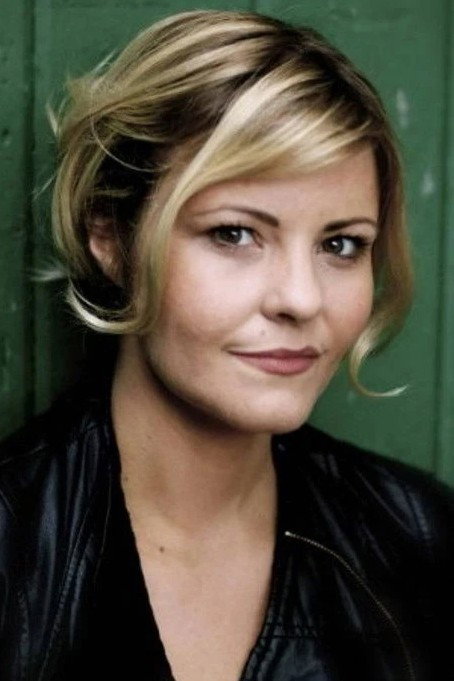
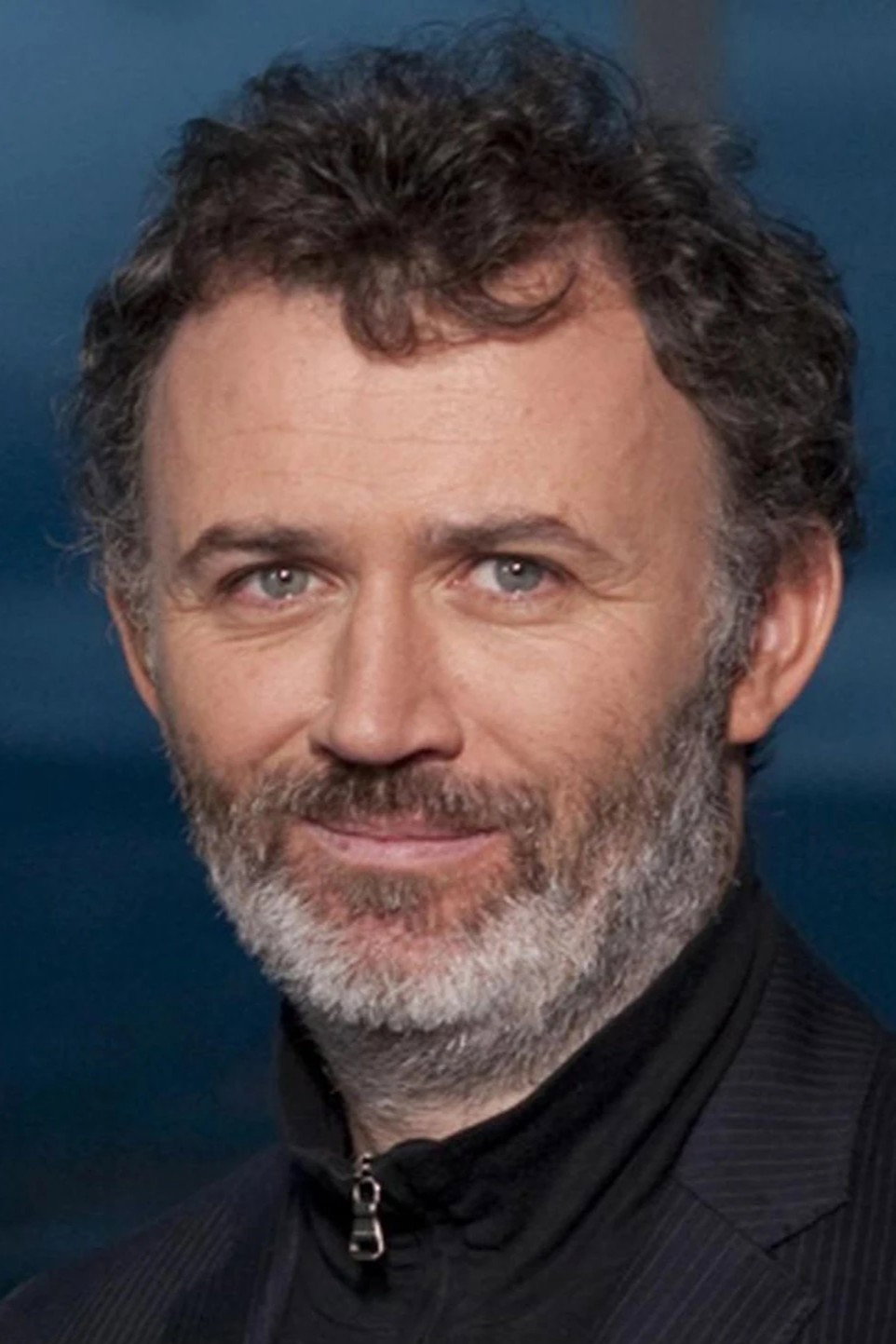
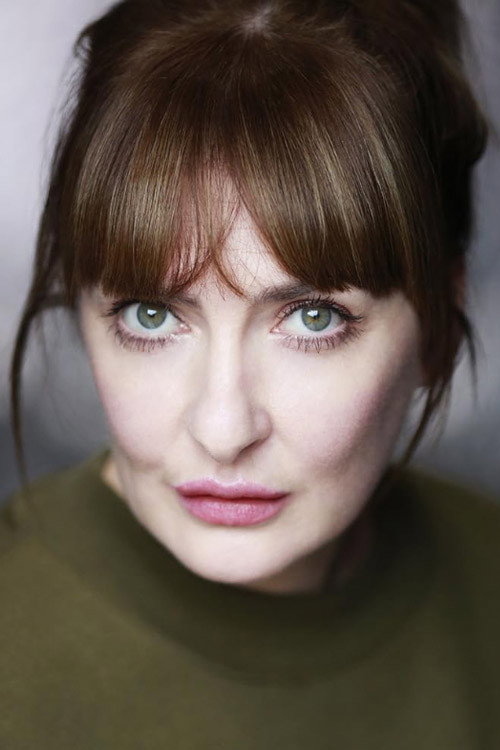
The adults are as good, and they have less time to be. Ian McElhinney’s Granda Joe conducts a decades-long campaign against his son-in-law Gerry (Tommy Tiernan), who has done nothing to deserve it and knows it will never end. Tara Lynne O’Neill’s Ma Mary runs the house on threats. Kathy Kiera Clarke’s Aunt Sarah is vain, vague and never wrong by her own account. Above them all sits Siobhán McSweeney’s Sister Michael, the headmistress, who gets the biggest laughs of the series by moving the fewest muscles. She looks at the girls as one might look at weather.
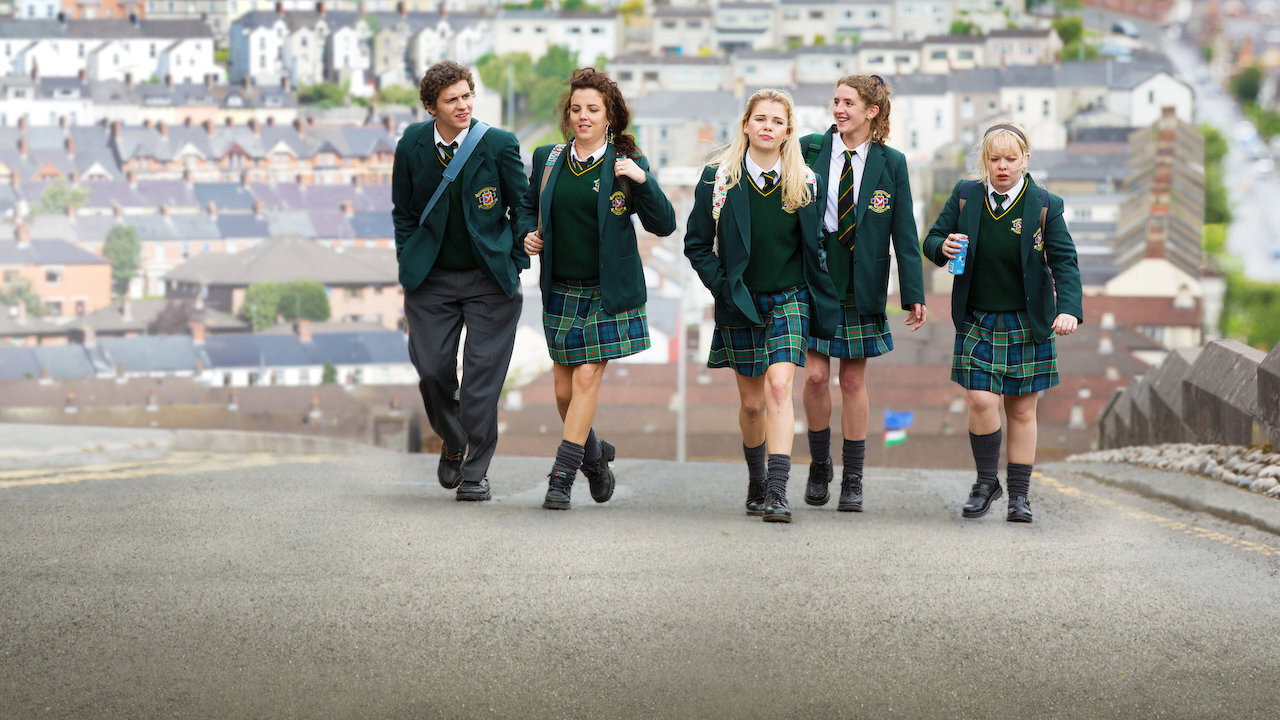
Michael Lennox directs at a pace that leaves no room for the camera to admire anything. The town is there in glimpses: a mural on a gable end, a soldier’s rifle at the window of the bus, the green blazers of a Catholic girls’ school moving in a pack. Nineties songs turn up in nearly every episode and do the work a score would, and the theme, The Cranberries’ Dreams, sets the mood before anyone has spoken. Twenty-three minutes is not long, and McGee fills each one so tightly that we frequently missed a line because we were still laughing at the one before.
Then, at the end of the first series, the show does something we were not braced for, and we will not describe it. It caught us out. We had laughed for six episodes at a family who treat checkpoints as a nuisance, and in a couple of minutes McGee made us look at every one of those jokes again. The third series, which arrived in 2022 after a three-year wait, is bolder about letting the history in, and it has earned the right.
The caveat is the machinery. Almost every episode runs on the same engine: Michelle has a plan, Clare has a fit, it goes wrong, and everyone ends up in Sister Michael’s office. It is a good engine, but by the third series you can hear it turning over. Leah O’Rourke’s Jenny Joyce, the prefect, is a useful irritant and never quite a person. The final run of seven episodes is looser than the first two, with more room for guests and for the sentiment McGee had kept under the floorboards. And the 15 certificate is honest; the language would strip paint.
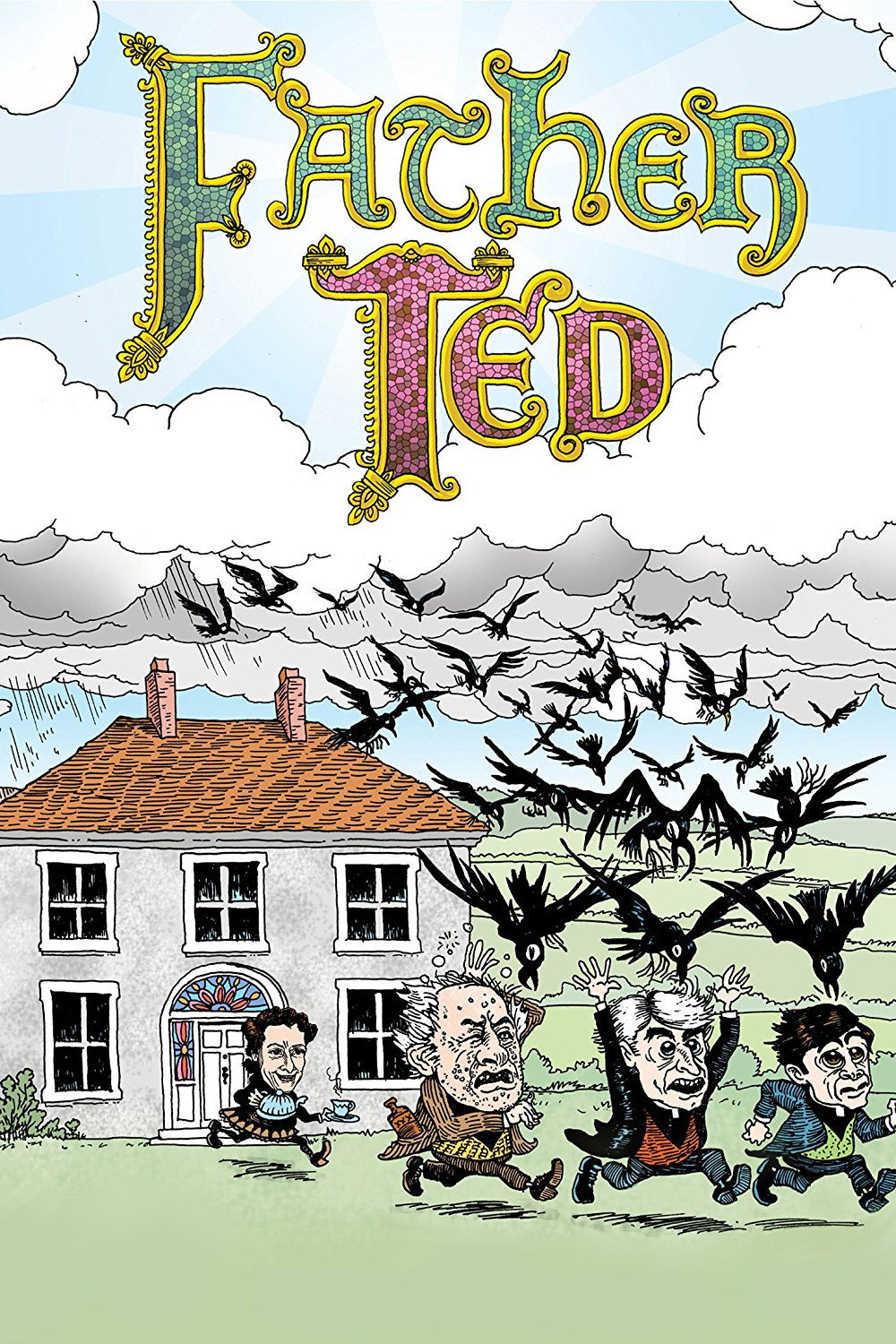
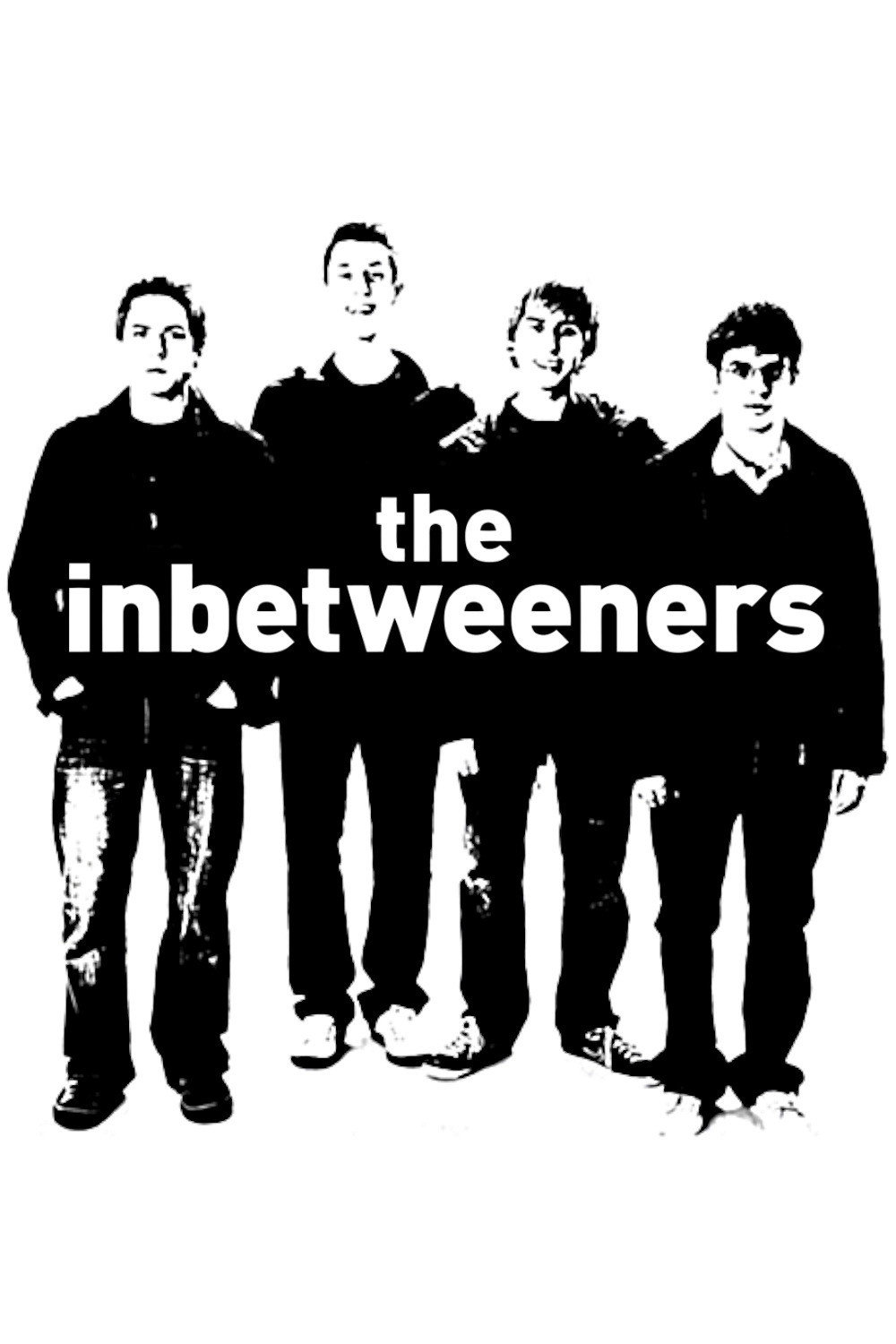
Set against its neighbours, it is quicker than The Inbetweeners, which it has been compared to since it first aired on 4 January 2018, and it is kinder. It has some of Father Ted’s taste for clergy and chaos, and a warmer view of the people it is laughing at. Watch it with the subtitles on, if the accent defeats you at first. Then turn them off, because the speed is the point.