Father Ted gets enduring laughs from four performers who know how to let foolishness pass without comment. Its broadest jokes can become repetitive, but the ensemble makes this an easy recommendation.
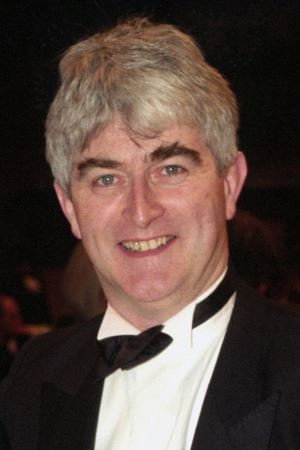
Father Ted is an excellent ensemble comedy that sometimes repeats its simplest jokes too often. Creators Arthur Mathews and Graham Linehan put Dermot Morgan’s Father Ted Crilly at the centre of a group whose clerical titles provide no protection against foolishness. They get plenty of comedy from the difference between what a priest ought to be and what these particular men can manage. The series is happiest when it lets a ridiculous exchange continue with nobody acknowledging quite how far it has gone.
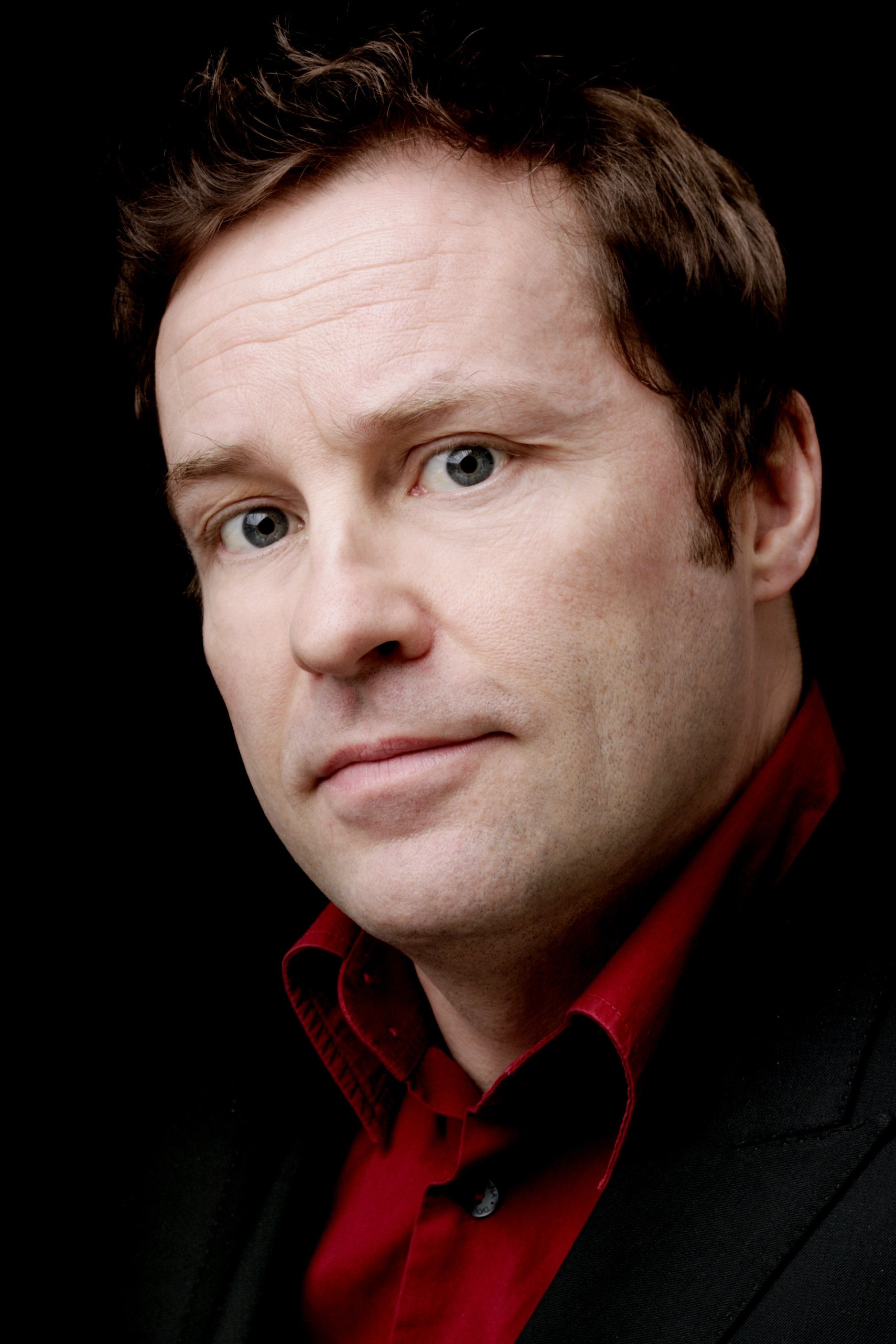
Morgan gives Ted enough self-regard to make embarrassment matter, without making him so objectionable that we stop caring. Ardal O’Hanlon’s Father Dougal McGuire is the right companion because his composure gives Morgan something to work against. The timing between them makes an exchange funny before either man has reached the line that would look like the joke on paper. Morgan seems to want the conversation under control; O’Hanlon can make that seem an unreasonable ambition.
Mathews and Linehan are particularly good at letting a joke appear to finish, then adding a further complication before the laughter has settled. We laughed at Morgan’s frustration, then laughed again because O’Hanlon seemed quite untouched by it. The second laugh depends on the actors resisting any temptation to hurry towards the next line. Morgan and O’Hanlon give those pauses enough time, allowing the conversation to become sillier without making their delivery more emphatic.
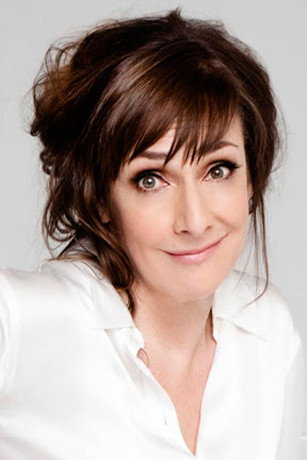
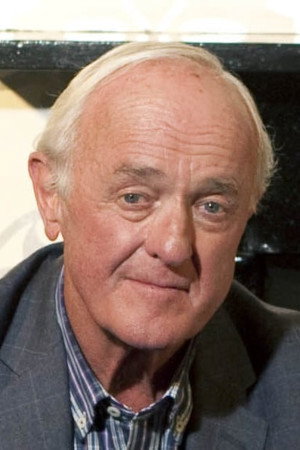
Pauline McLynn’s Mrs Doyle and Frank Kelly’s Father Jack Hackett keep the programme from becoming solely a partnership. McLynn brings a firmness that makes her presence felt even when the comedy around her becomes broad. Kelly’s performance is blunter, and its force can be funny even when the writing gives him little variation. Both are essential to the ensemble, although Jack is also where our patience is most likely to wear thin.
Linehan, Andy De Emmony and Declan Lowney let the exchanges run without forcing every ridiculous moment on our attention. The actors can respond as though the conversation still makes sense, long after it has stopped doing so. That gives a foolish answer time to sound reasonable to the person offering it. The approach suits the cast’s detached delivery, though it can also leave a weaker joke exposed when there is little happening beyond the familiar response.
Repetition is the chief limitation, especially when a character’s likely contribution is obvious well before it arrives. The writing needs another surprise at these points, and sometimes it simply gives the predictable response more space. Kelly can make some of that funny through sheer force, but not all of it. The broader passages are enjoyable in small doses; put too many together and the differences between the characters begin to matter less.
As ensemble comedies go, this one is unusually good at knowing who should speak next and who should be left to react. It does not need every character to be equally complicated, though the thinner ones do become familiar rather quickly. At around 24 minutes an episode, the format generally keeps that familiarity from becoming tiresome. Watch a couple of episodes rather than a whole series at once, and give the louder jokes time to become funny again.