A sharply funny family comedy whose performances reward close attention. The storytelling can grow tiring, especially in later stretches, but the Bluths remain worth the trouble.
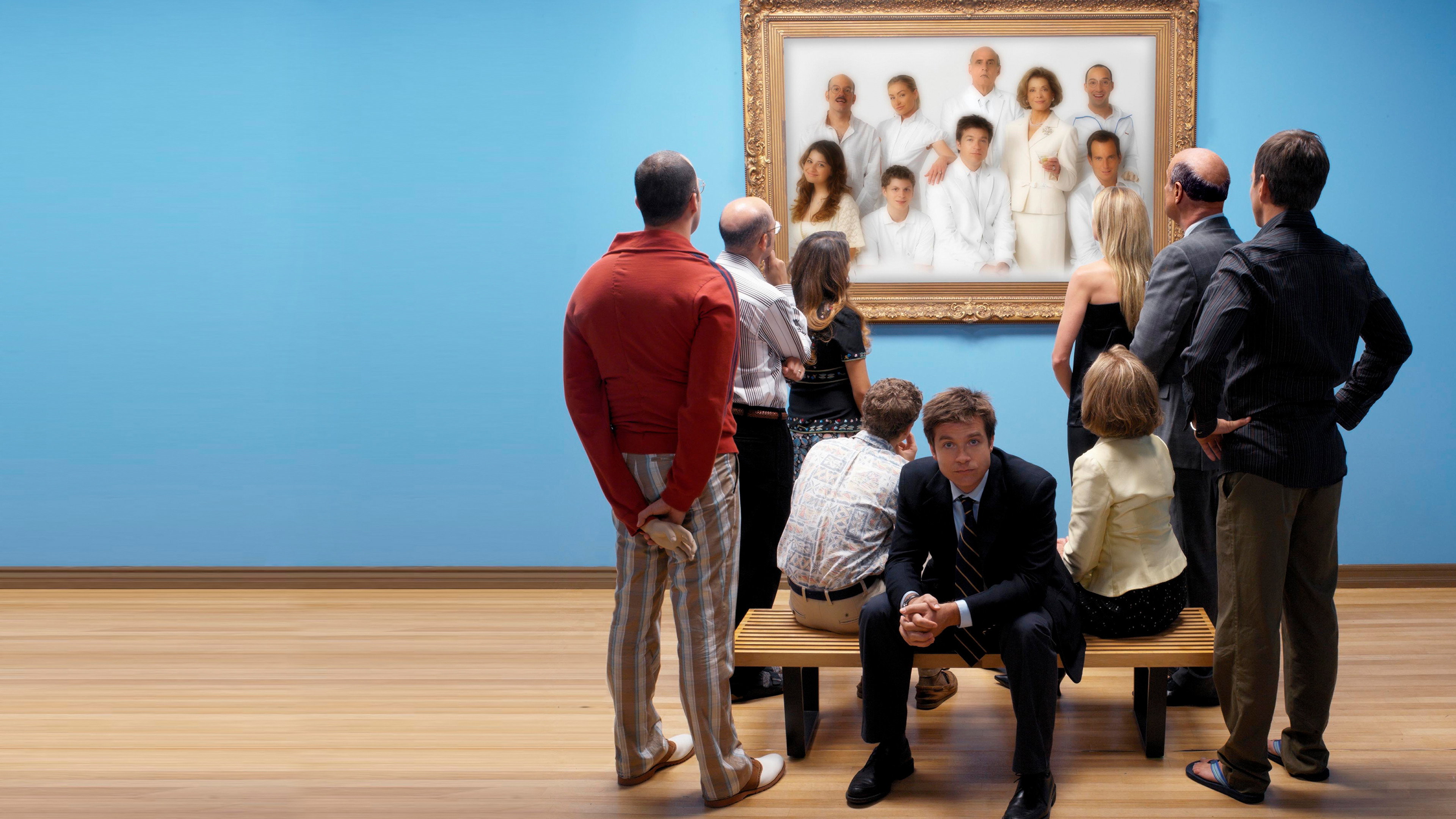
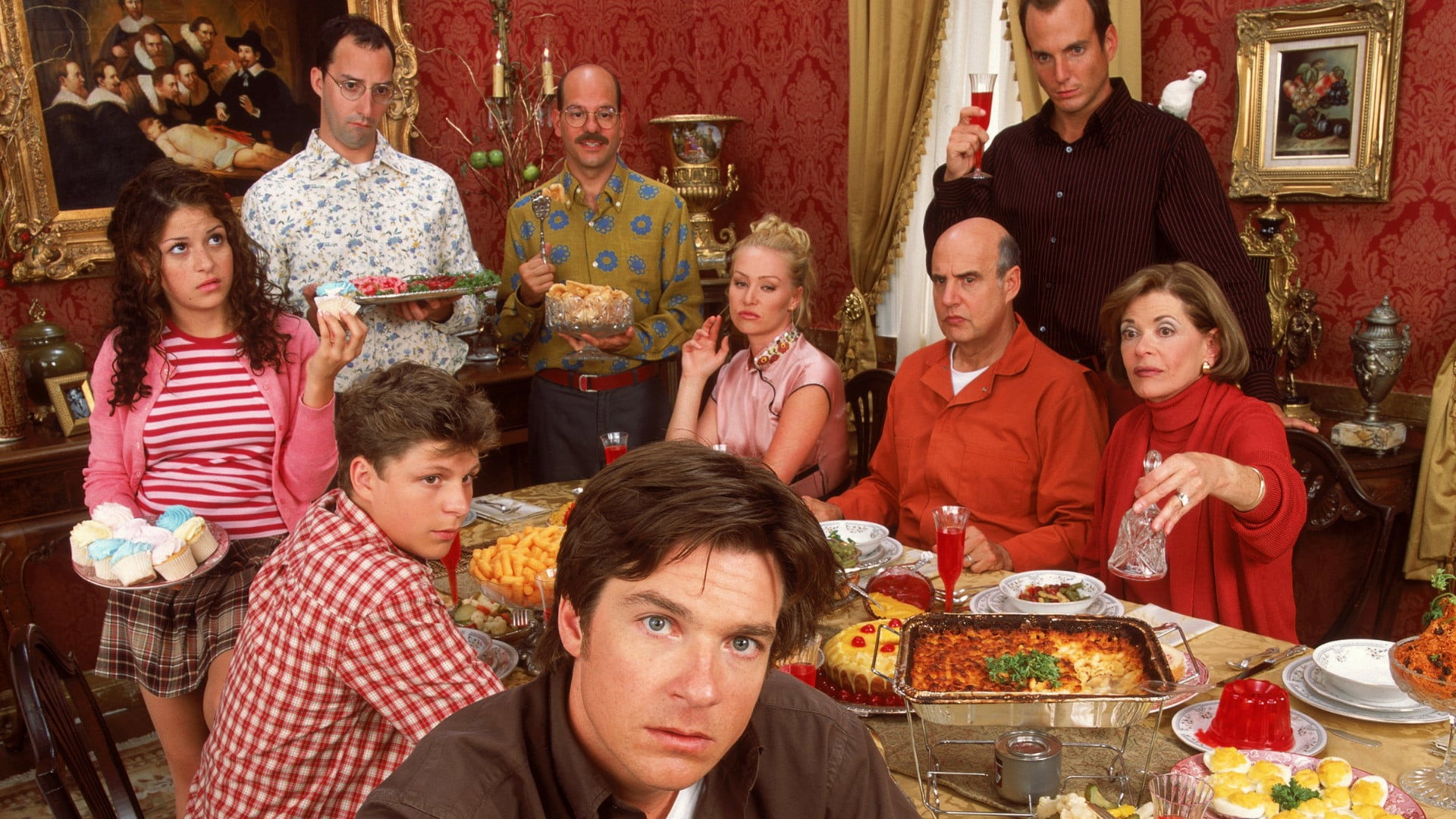
Financial ruin has brought the Bluth family together in a model home. Arrested Development makes a sharply funny comedy from their attempts to endure one another, though its crowded storytelling can occasionally become tiring. Writers including Mitchell Hurwitz and Jim Vallely take an ordinary family-comedy problem, the impossibility of getting everyone to behave, and give it an unusually capable cast. There is little comfort here, but plenty of recognisable bad behaviour.
The model home is a useful setting for people whose confidence seems so poorly supported by their circumstances. The documentary-style photography pays attention to faces, allowing a reaction to undermine somebody else’s account of events. Greg Harrington and James Hawkinson are among the cinematographers keeping the images plain enough for a small change of expression to matter. Ron Howard’s narration supplies a calm voice amid the competing demands for attention. His level delivery works because he sounds so much less aggrieved than the people he is describing.
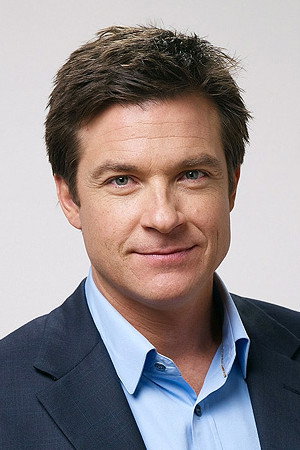
Jason Bateman gives Michael Bluth the weary patience that helps us find a way into this company. He is particularly good at allowing a pause to suggest how much Michael would like credit for remaining civil. Jessica Walter’s Lucille has no such interest in making herself agreeable. We laughed hardest at the calm with which Walter dismisses other people; she gives the cruelty no more vocal weight than an ordinary remark. Her precise emphasis lets us hear the selfishness without needing an exaggerated expression to underline it.
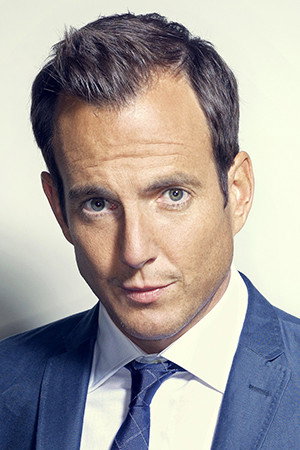
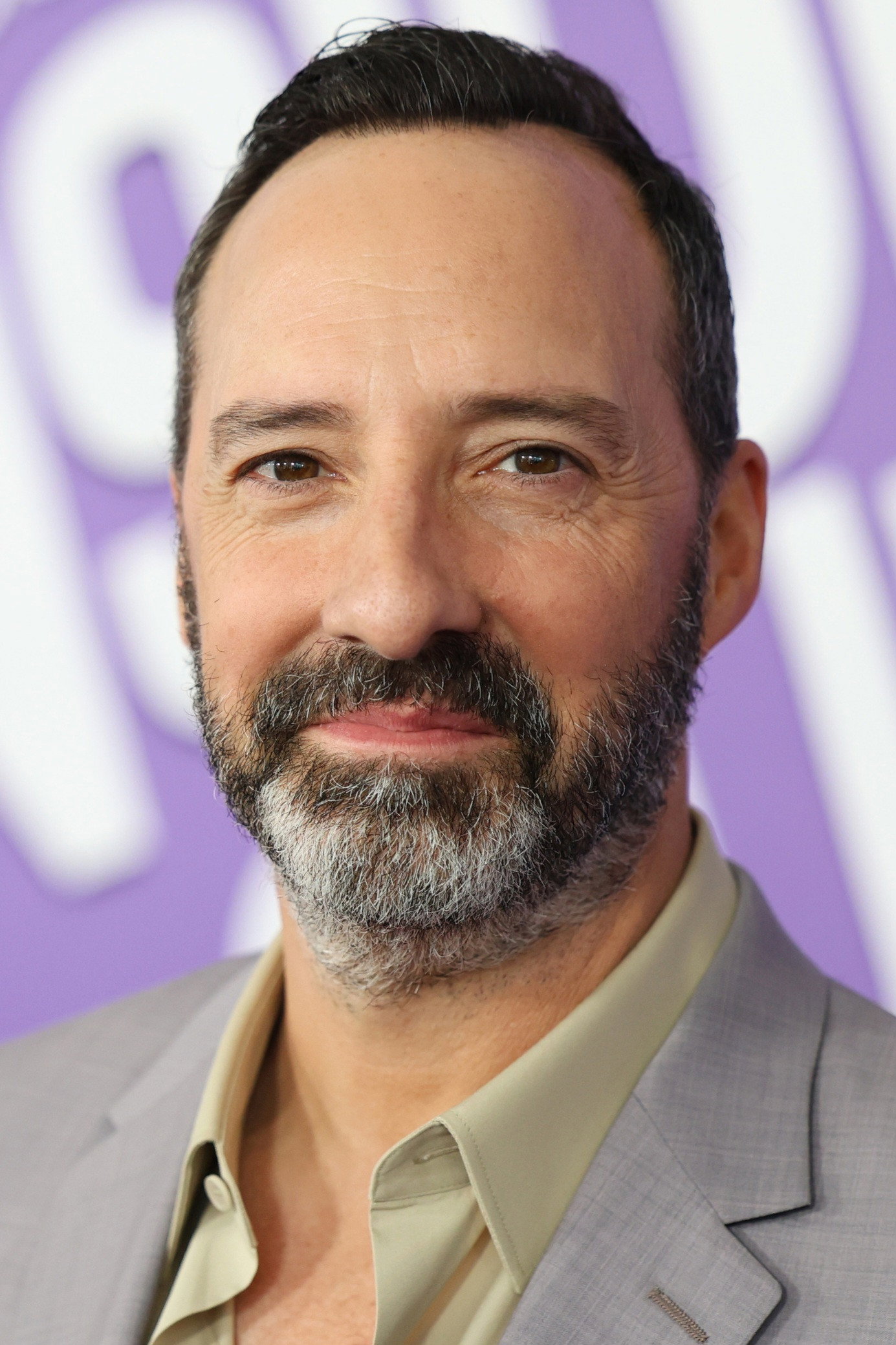
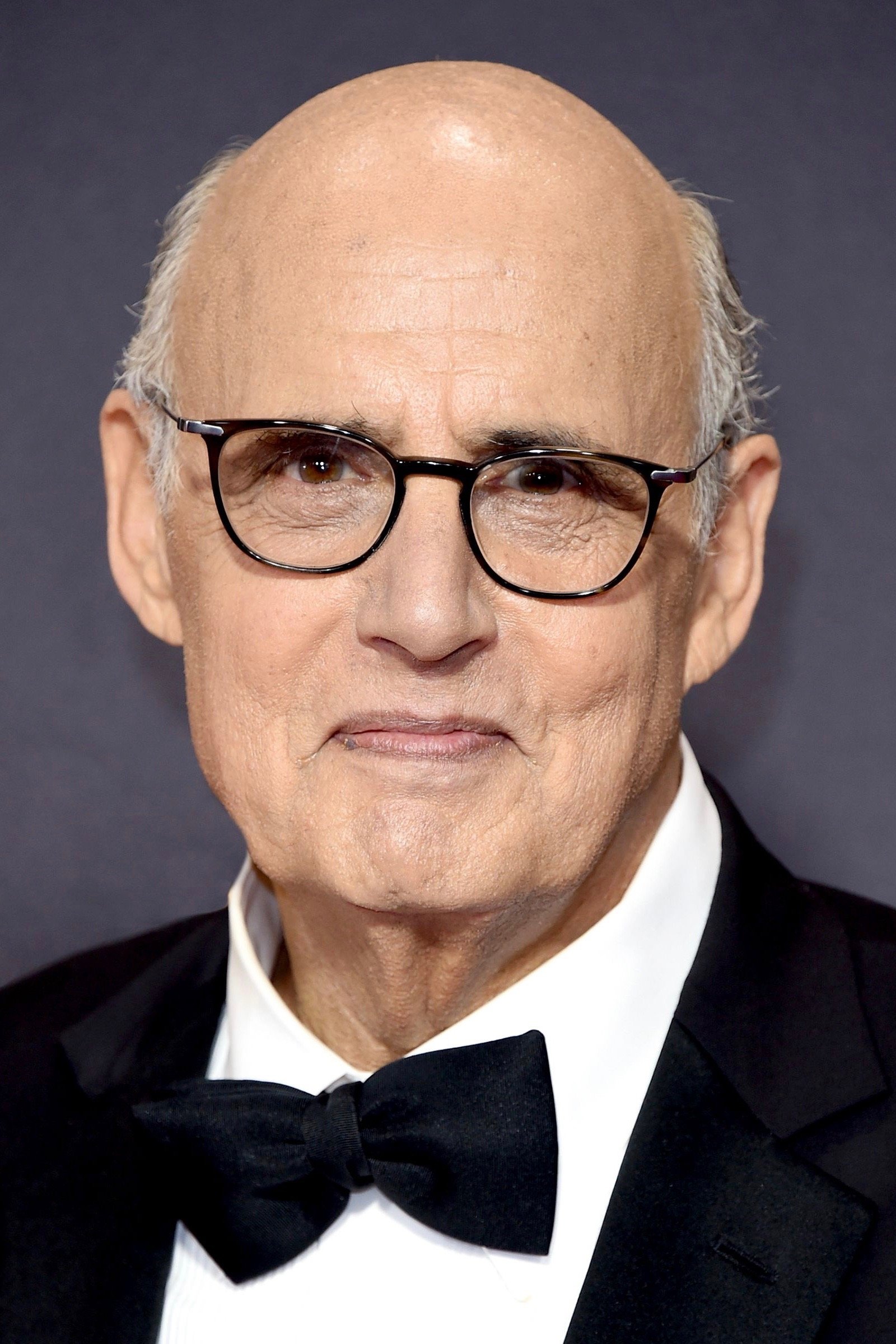
Will Arnett’s Gob is more strenuous company, and Arnett gets laughs from the effort of maintaining his own importance. Tony Hale makes Buster’s awkwardness physical, so that simply occupying space among these relatives can look like hard work. Jeffrey Tambor gives George Bluth Sr. an ease that makes the family’s predicament still more irritating: he can seem comfortable when comfort is hardly warranted. Michael Cera and Alia Shawkat provide welcome changes of pace as George Michael and Maeby. Their smaller reactions stop the ensemble from becoming a competition to be the loudest person present.
The cutting is crucial to making all this company bearable. Editors including Steven Sprung and Stuart Bass give a reaction just enough time to register before moving on, and that speed makes a small look count. We have to watch faces as well as listen to the dialogue. David Schwartz’s score adds a cheerful bounce that makes the self-pity funnier. Sometimes the combined insistence of performance, cutting and music makes us wish the programme would leave a little more space.
Across five seasons, the returns are uneven. The later stretches are less reliable, and some jokes take more arranging than their laughs justify. Hurwitz and his fellow writers can seem too fond of familiar behaviour to notice that it has stopped surprising us. There are passages we would happily shorten, even with this cast.
We do not need a family sitcom to reassure us that everyone is lovable. Bateman and Walter keep us interested in the Bluths without making their company look desirable. There is enough recognisable hurt beneath the squabbling to keep the selfishness from becoming monotonous. Start at the beginning, and save the conversation for between episodes.