Wes Anderson’s family comedy is funny and unexpectedly moving, with Gene Hackman giving its careful eccentricity some welcome bad manners. A few supporting characters deserve more space amid the decoration.
The Royal Tenenbaums is a funny, affecting family comedy whose fussiness occasionally gets in its way. Wes Anderson and co-writer Owen Wilson take a familiar hope, that a family might manage a second chance, and give it to people poorly equipped to make use of one. Their gifts have not made them any easier to live with, and disappointment has given them further difficulties. Royal’s invented terminal illness brings them together; everyone else’s need for attention keeps the reunion difficult.
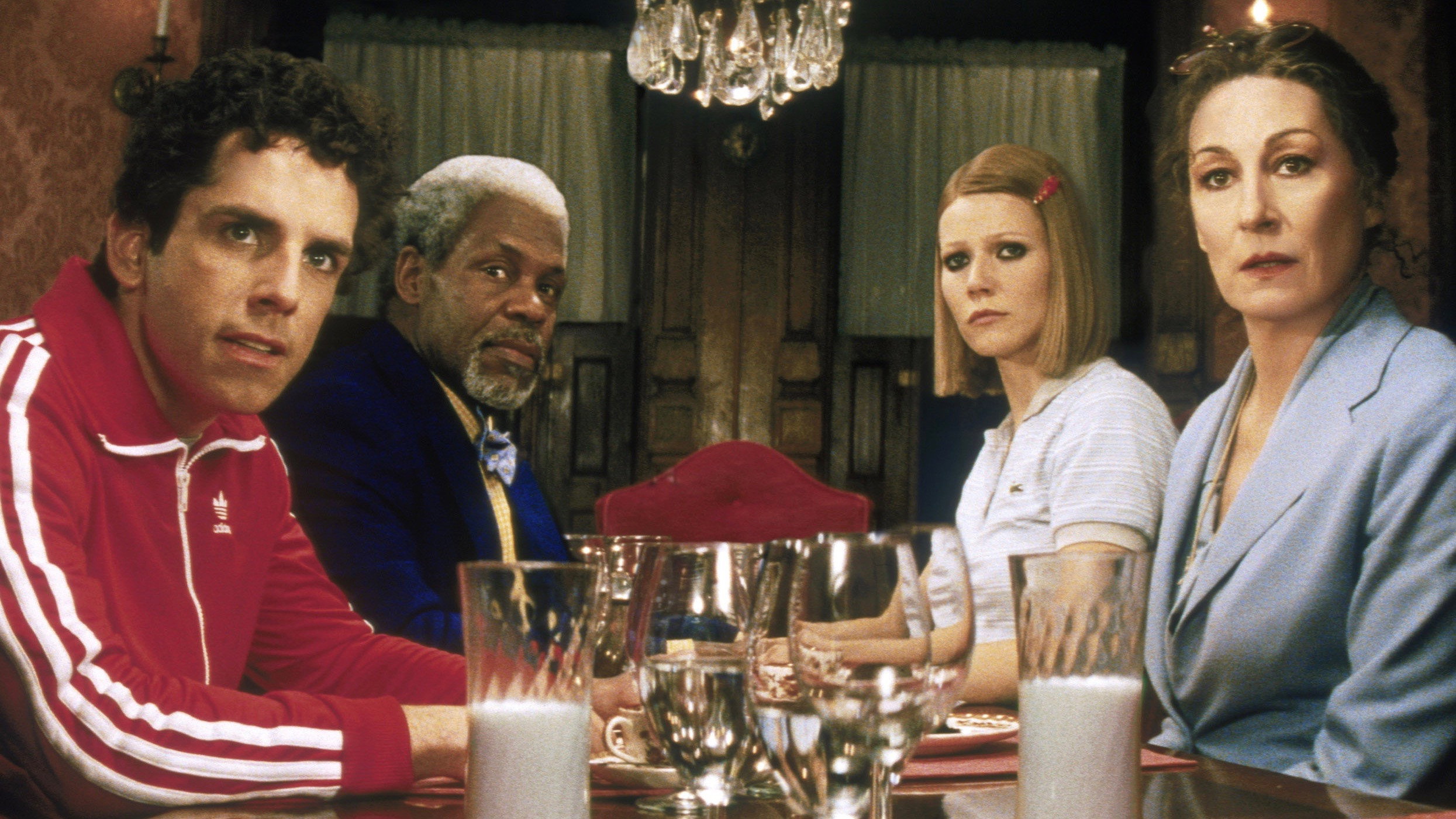
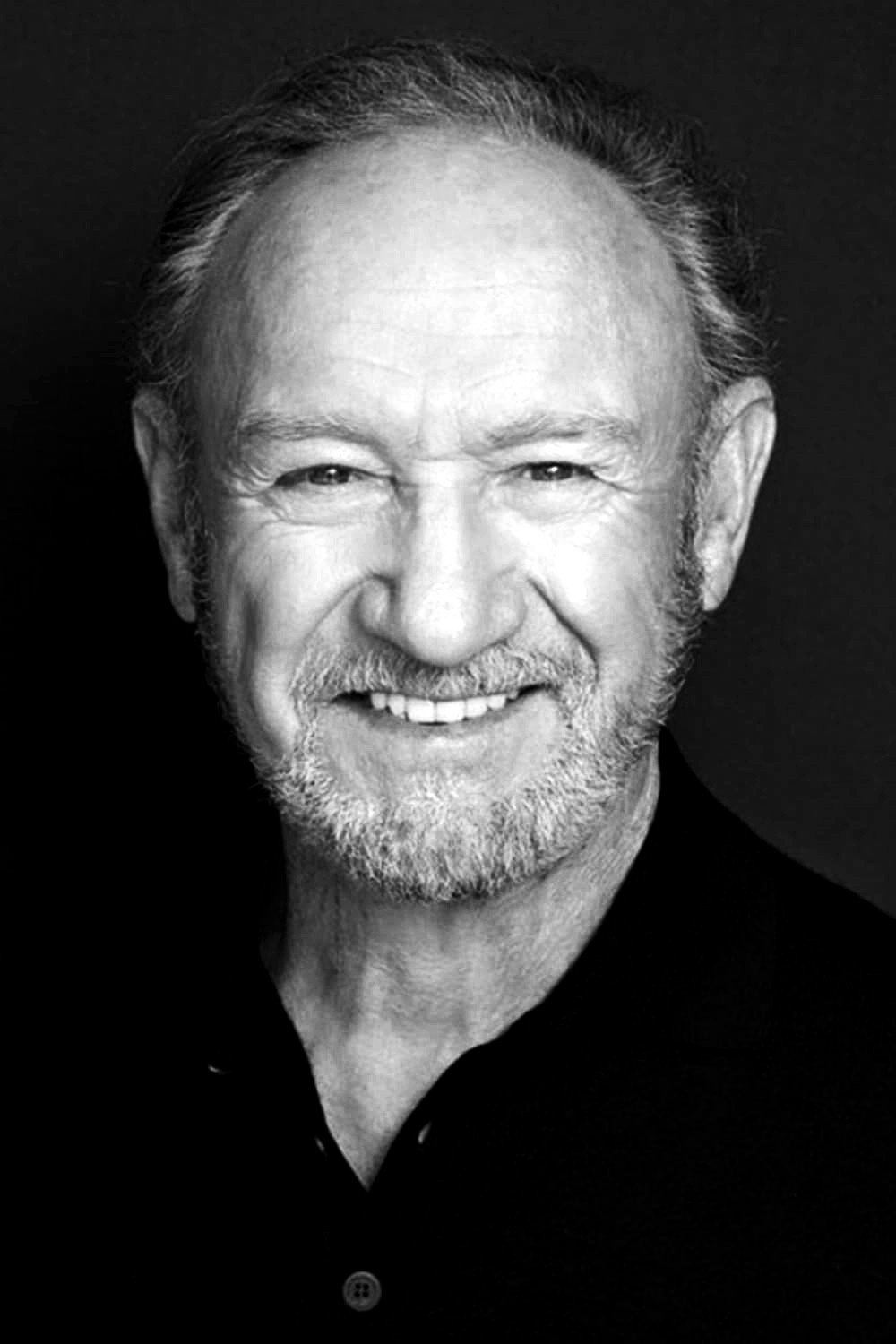
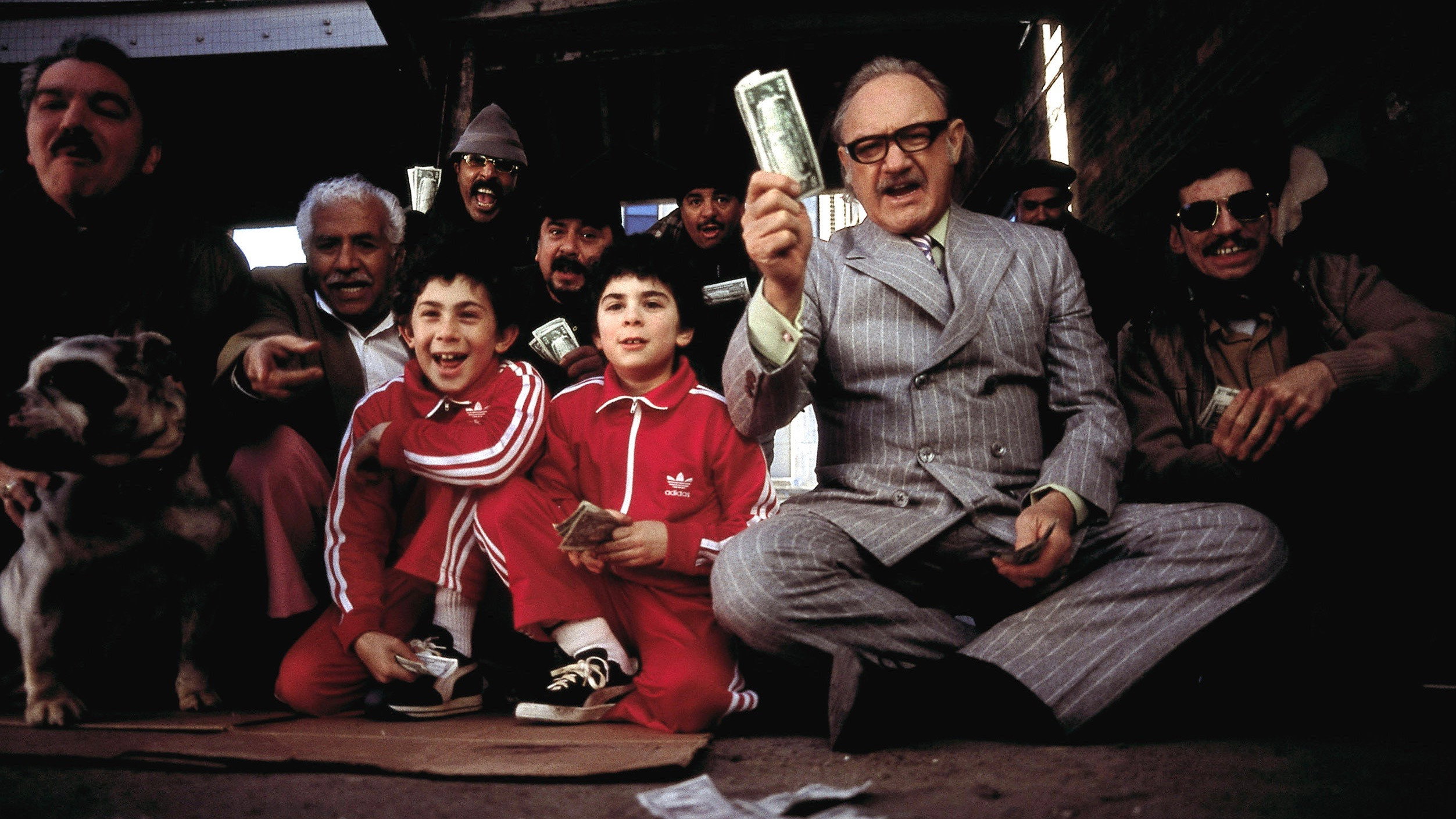
Gene Hackman gives Royal the necessary shamelessness, making his scheme funny without asking us to mistake it for kindness. We laughed at his dreadful excuse for bringing everyone together because Hackman plays the deceit with such unembarrassed energy. The performance also makes clear how much he wants access to his estranged family, and how little practice he has at asking honestly. There is no need to make Royal respectable before we can care what happens to him.
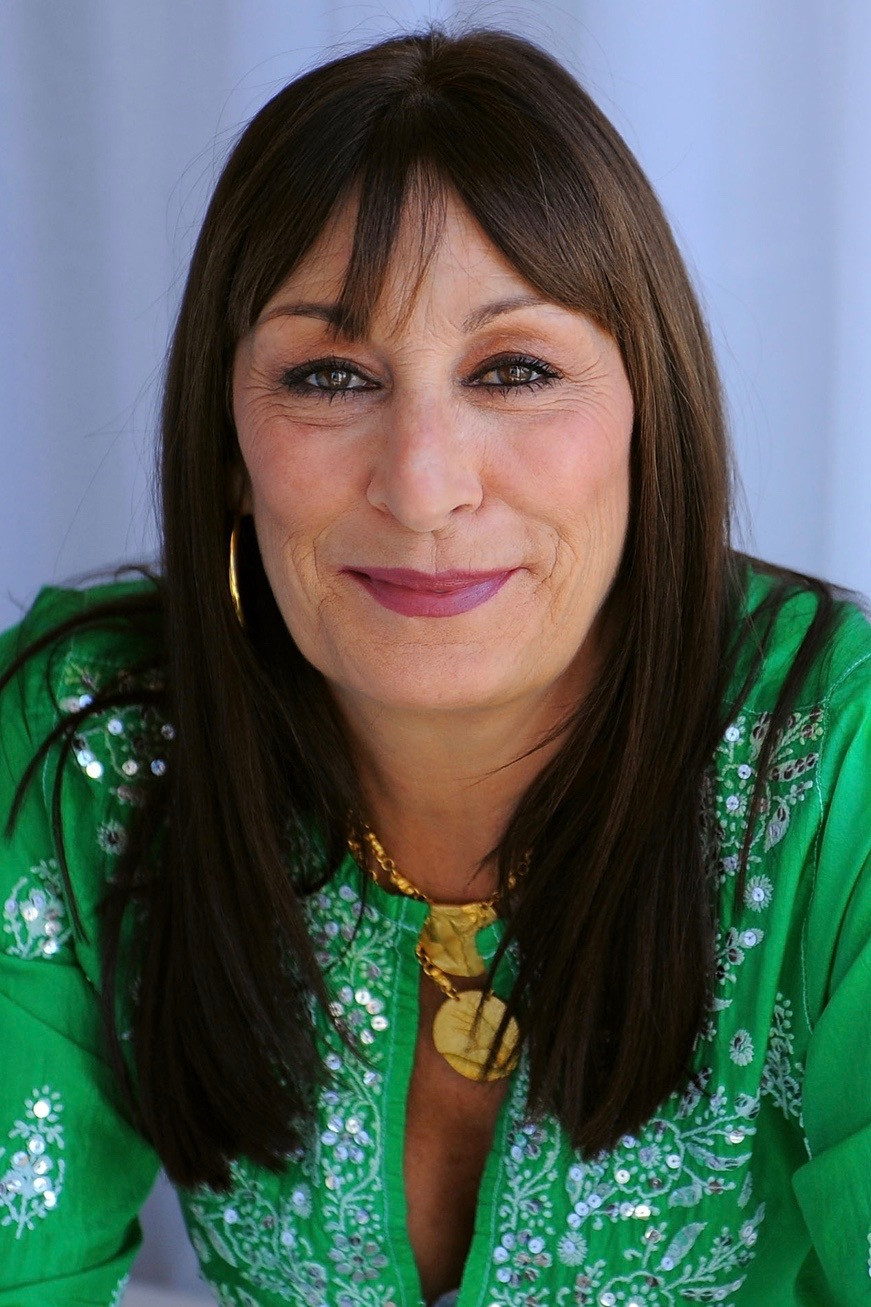
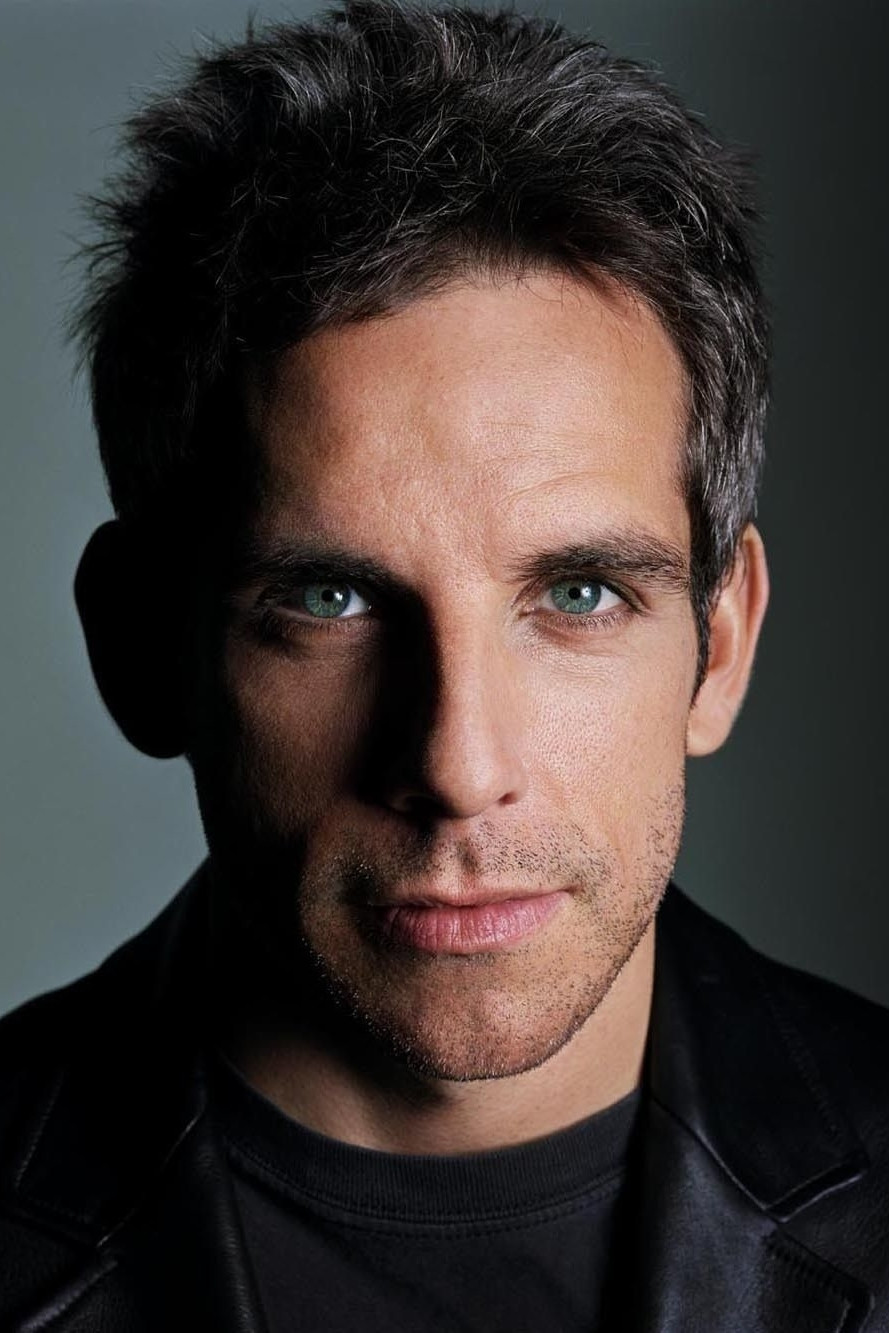
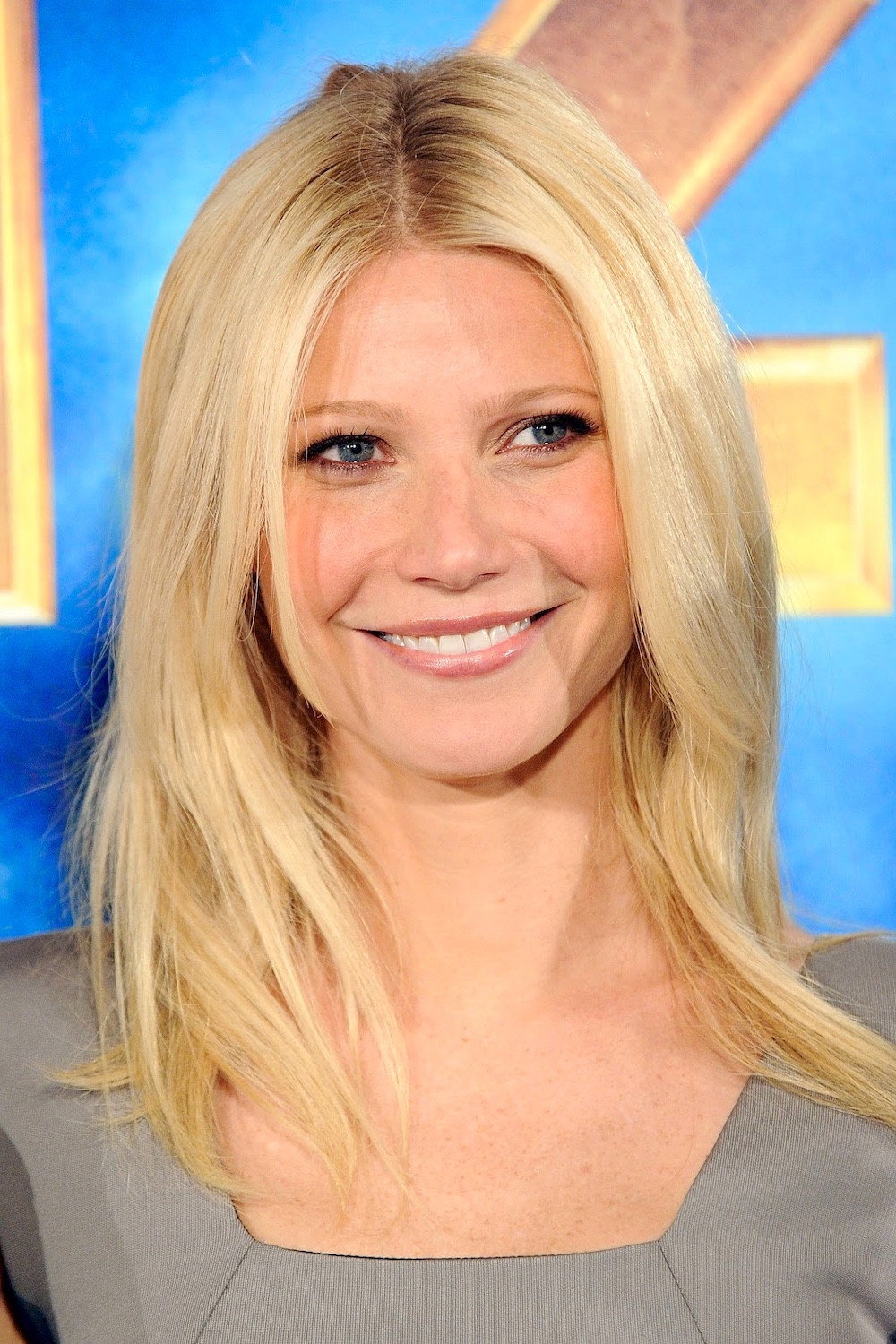
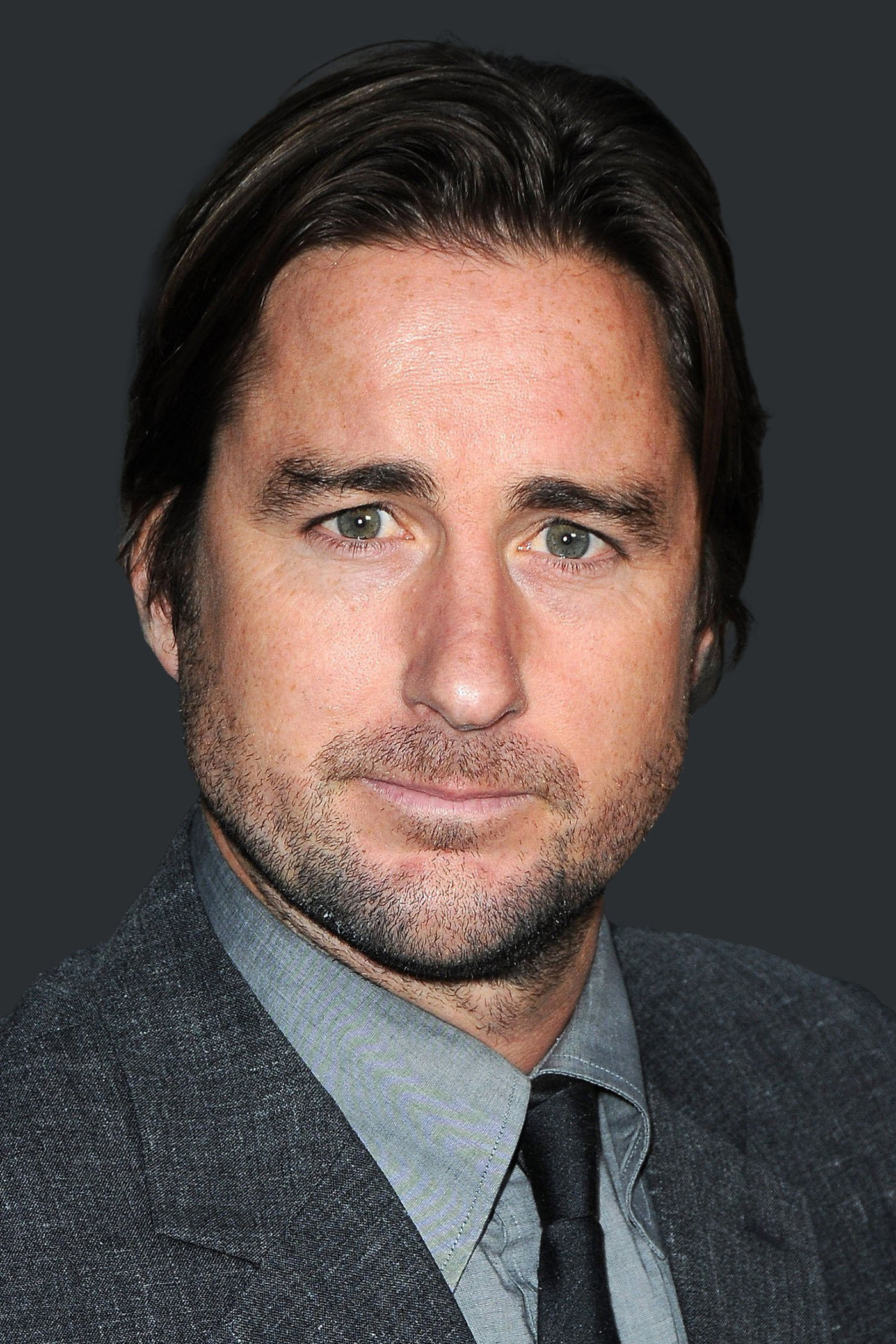
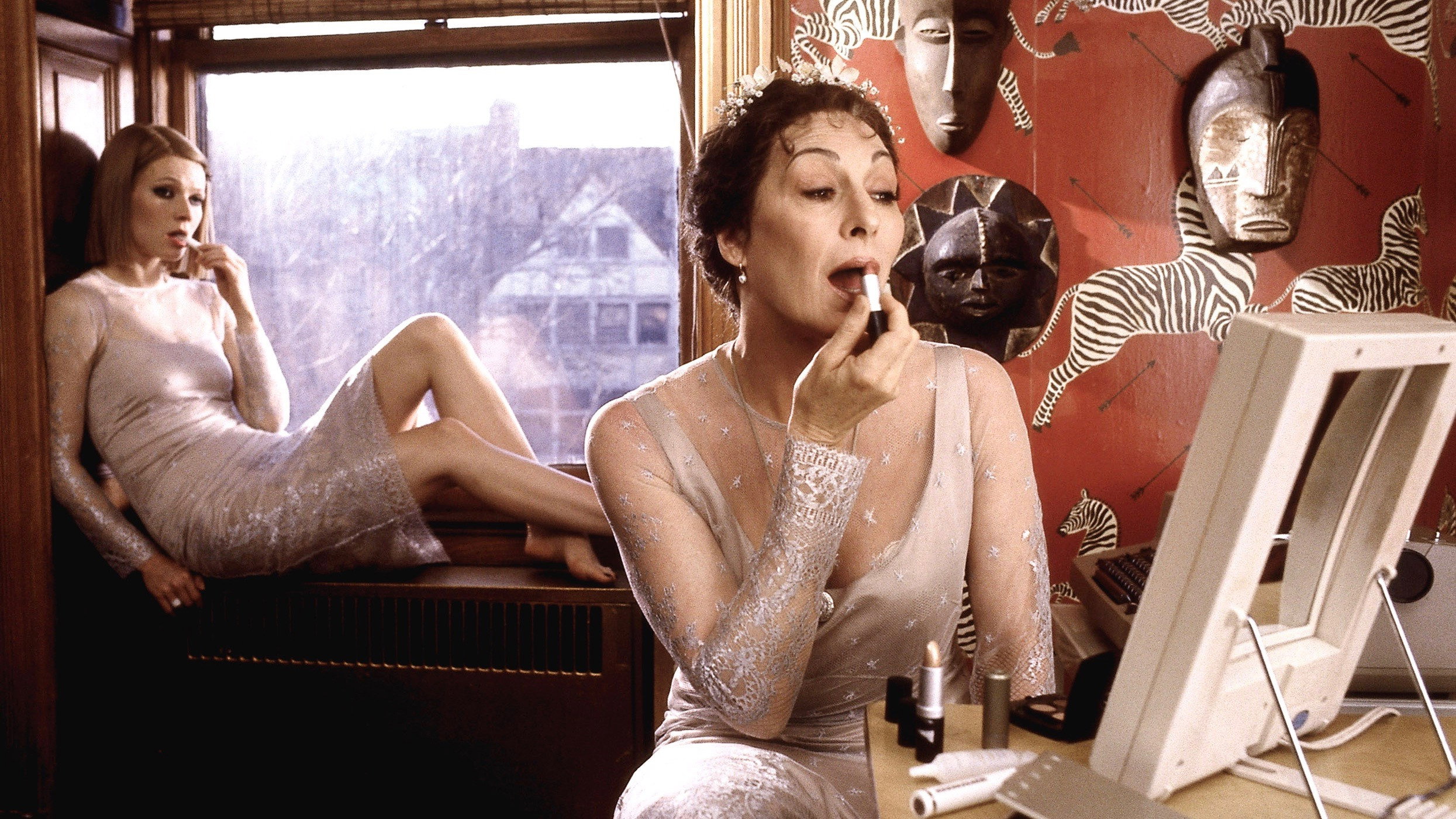
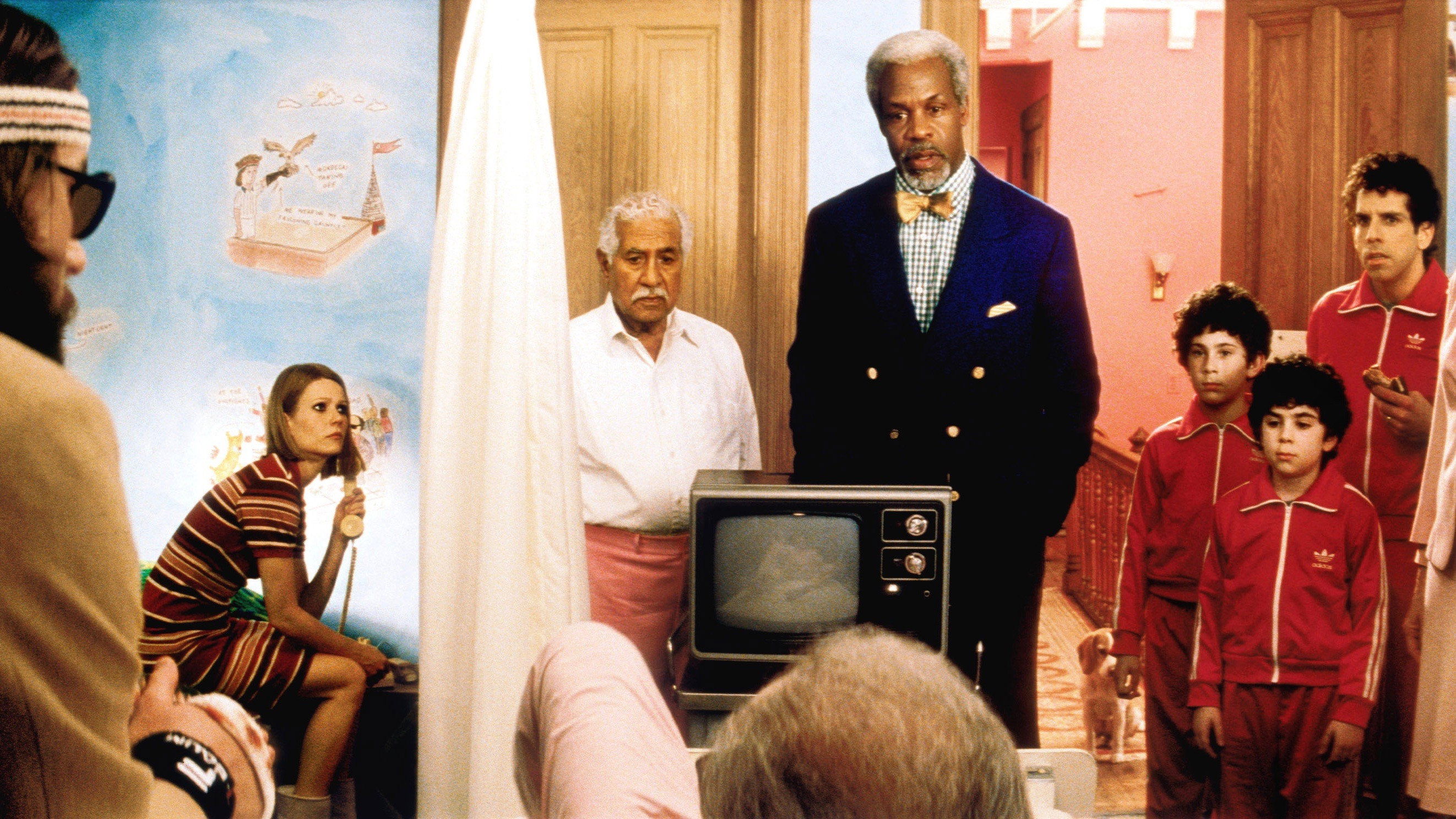
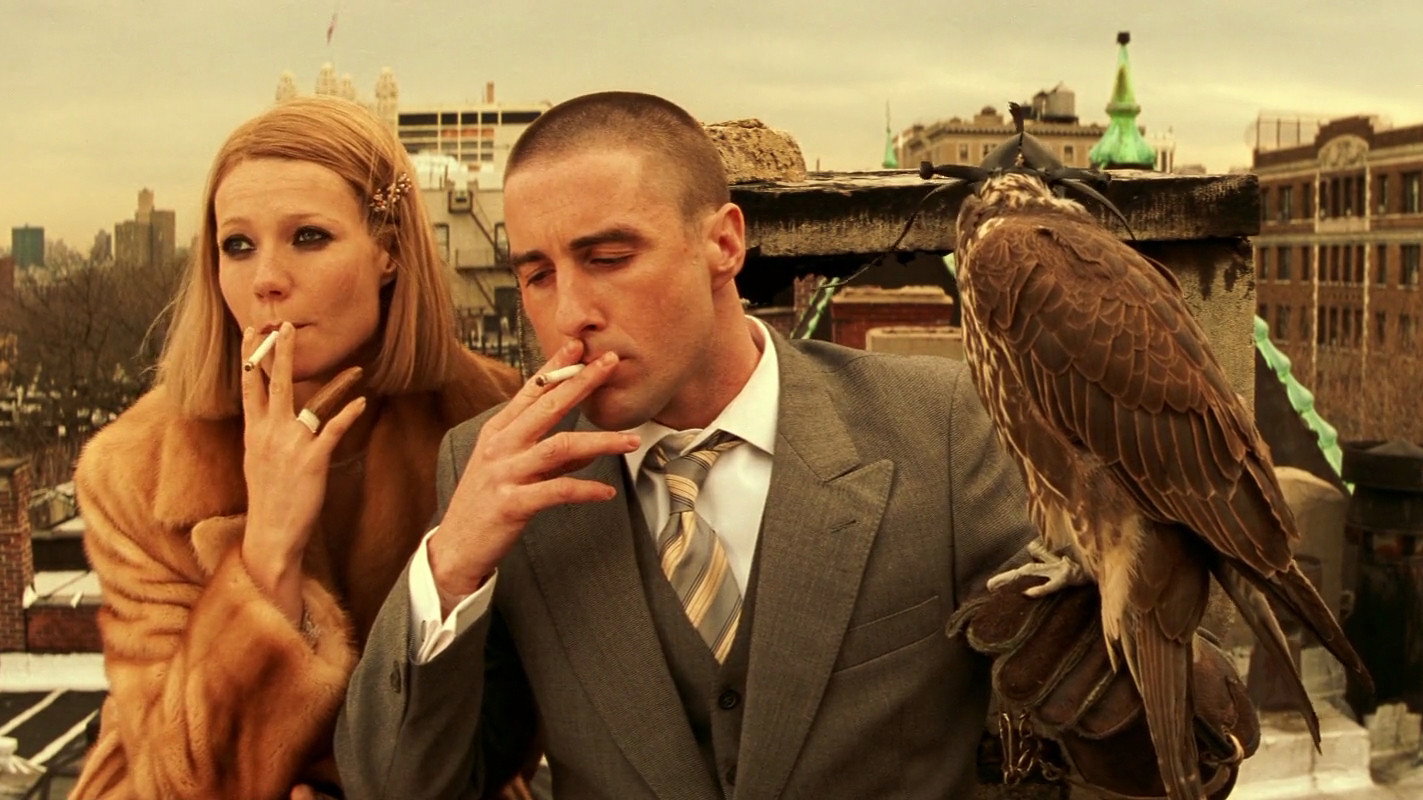
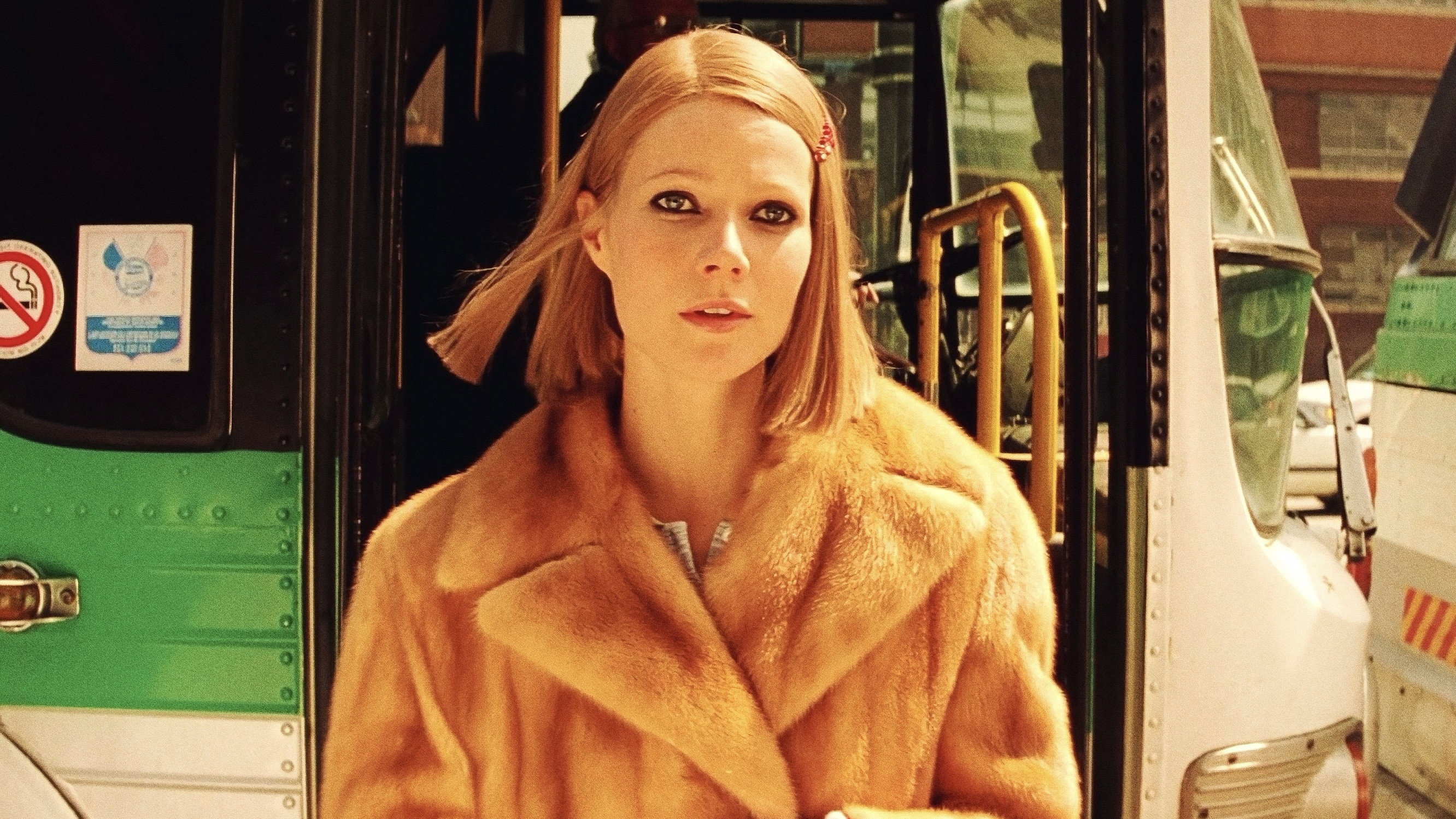
Anjelica Huston gives Etheline enough authority to stop Royal dominating our sympathies. Ben Stiller’s Chas, Gwyneth Paltrow’s Margot and Luke Wilson’s Richie suggest different ways of becoming difficult to reach. Their restraint matters in a film that invites us to notice every eccentricity, keeping the performances from becoming a competition for attention. The writing gives each a recognisable need for affection, even when the mannerisms threaten to become the whole character.
Robert D. Yeoman’s cinematography gives the imaginary New York a carefully controlled look, allowing its eccentricity to seem ordinary to the people who live there. David Wasco’s production design fills the settings with retro detail, and the density makes the family’s oddness feel less arbitrary. These people belong somewhere, however little that place resembles a city we might visit. The visual fuss has a purpose: it suggests lives so settled into their habits that one reunion is unlikely to change them easily.
Dylan Tichenor’s editing is less consistently helpful: some episodes feel cut short just as a character starts to interest us. Anderson and Wilson have written enough competing disappointments to strain the space available, and the minor figures can seem defined by their oddity before they have much chance to speak for themselves. Mark Mothersbaugh’s music helps the changes between comedy and sadness feel related, though it cannot give an abbreviated scene the development it lacks. At these points, we notice the presentation more than the person.
Family comedies often hurry towards forgiveness, as though gathering everyone in one place has already solved the trouble. Anderson pays closer attention to the ways people demand affection, and how those demands can make them harder to love. That makes the warmth persuasive to us, even when the elaborate styling becomes distracting. The harshest reviews find little feeling beneath the quirks; we think Hackman’s selfishness and evident need make that complaint difficult to sustain. The ensemble gives him people whose feelings matter beyond their usefulness to his scheme.
This is a good choice for an evening when outright cheerfulness would feel dishonest. Its people are troublesome enough to keep the comedy lively, and the affection is never so plentiful that we begin to feel instructed. Allow them a little time, particularly if Anderson’s fondness for detail usually tests your patience.