Film review

Life Is Sweet

1991 · Directed by Mike Leigh · 1h 43m · MPA R

In a sentenceA family we’d happily spend another hour with, provided we weren’t expected to move in

ComedyDrama

Mike Leigh’s comedy-drama follows a family through work, routine and disagreements that are harder to settle than they first appear. Alison Steadman plays Wendy and Jim Broadbent plays Andy, with Claire Skinner as Natalie and Jane Horrocks as Nicola. Timothy Spall plays Aubrey, while David Thewlis appears as Nicola’s lover and Stephen Rea as Patsy. Around the family, hopes of getting ahead meet the difficulties of earning a living. At home, contrasting temperaments make everyday conversation a source of both company and friction.

Plays from YouTube when you press play; nothing loads from them until then.

Fi1m review

Mike Leigh’s family comedy is funny, painful and warmly recommended, with Alison Steadman making its kindness feel hard-earned. A few performances push towards caricature, but the affection never depends on making everyone easy company.

Life Is Sweet is a warmly recommended family comedy, provided you can bear people who are not always pleasant company. Mike Leigh writes and directs with patience for the small irritations that keep a household busy and the larger unhappiness that cannot be laughed away. He lets the joking and the distress occupy the same conversation. There is little urgency about getting anywhere, and that is mostly a pleasure across its 103 minutes.

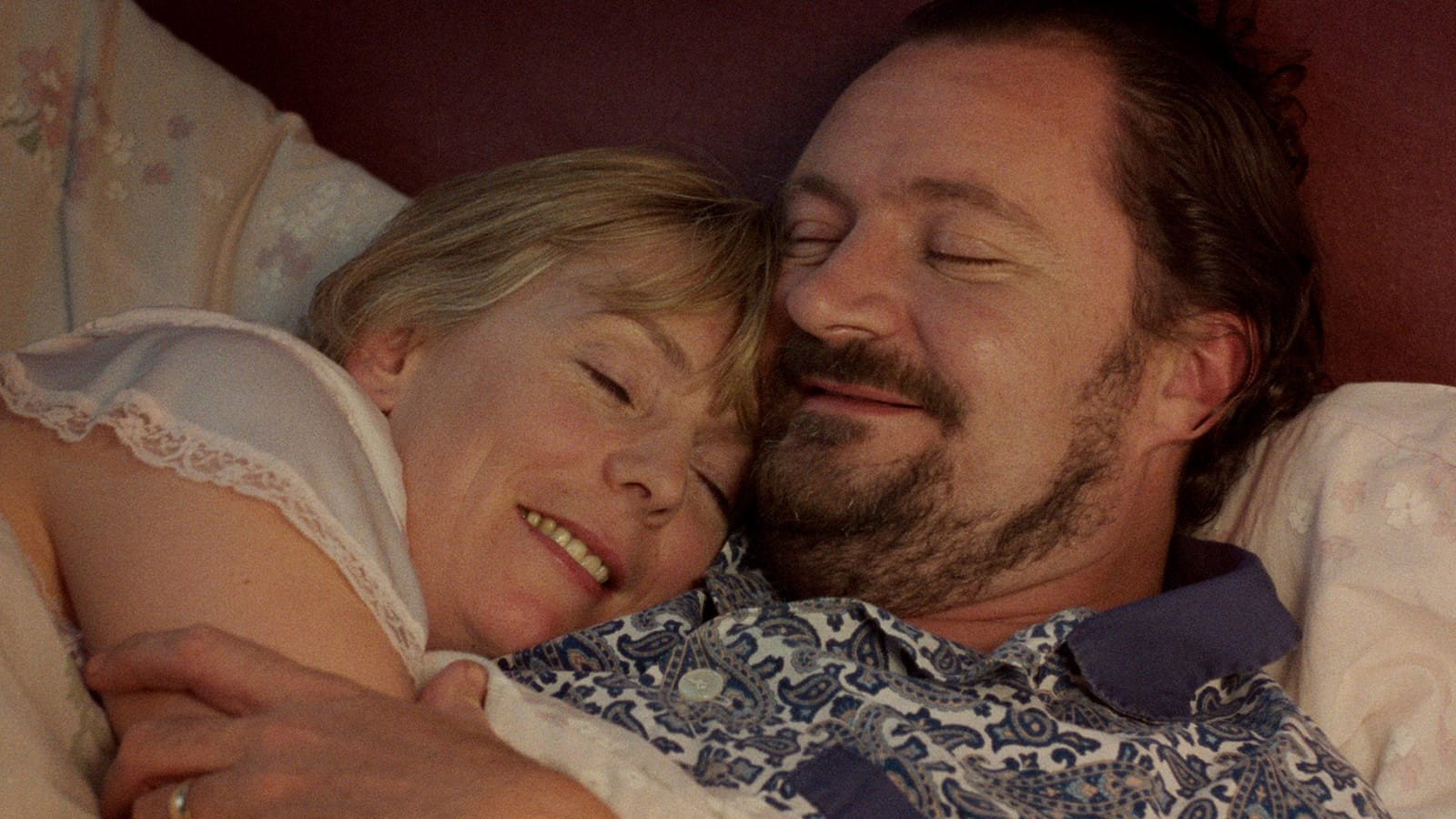
Alison Steadman’s Wendy supplies much of the warmth, and Steadman makes keeping cheerful look like something that requires attention. She gives the jokes energy without pretending that good humour solves everything. We were moved by the worry she lets us hear underneath the joking. Jim Broadbent’s Andy is a useful partner to her, making ordinary hopefulness touching without asking us to regard it as wisdom.

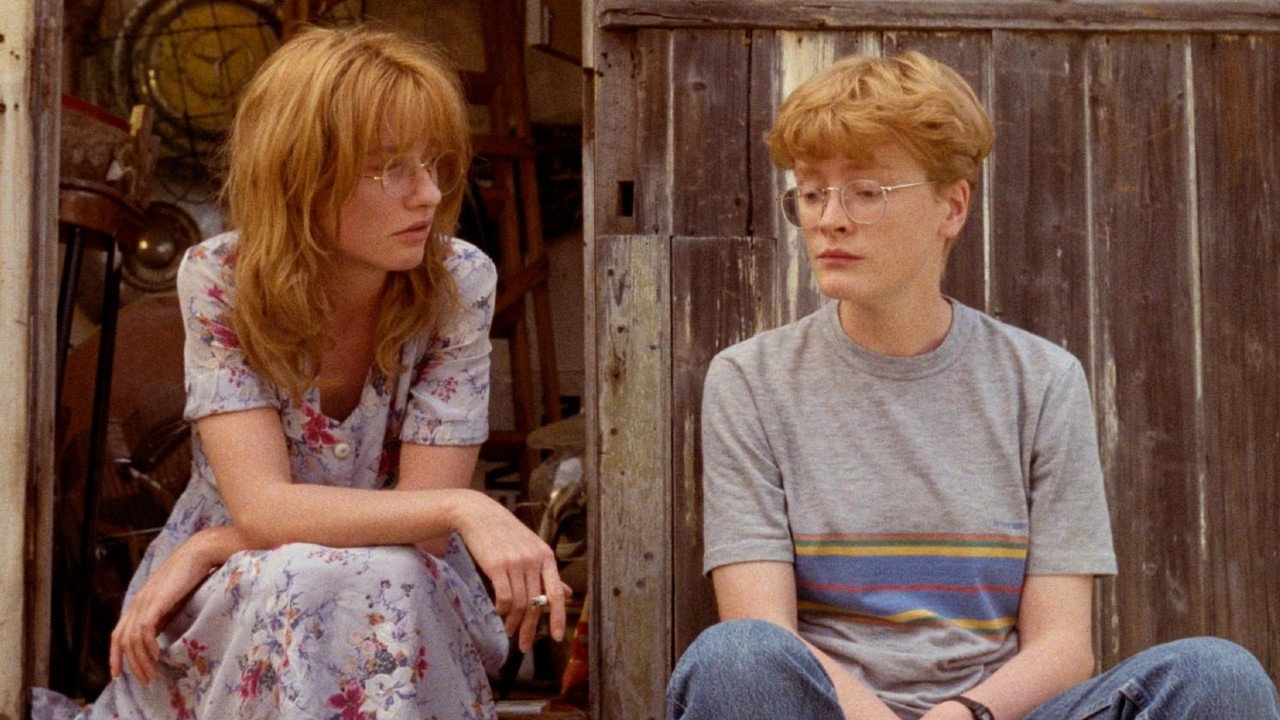
Jane Horrocks’s Nicola is difficult company, played with a conviction that occasionally becomes too insistent. Claire Skinner, as Natalie, offers a quieter presence, valuable in a film whose louder characters can occupy more space than they need. Timothy Spall’s Aubrey takes the broad comedy further still, and a little of that emphasis goes a long way. Leigh could trust these actors with a little less insistence; the more painful feelings are clear enough without it.

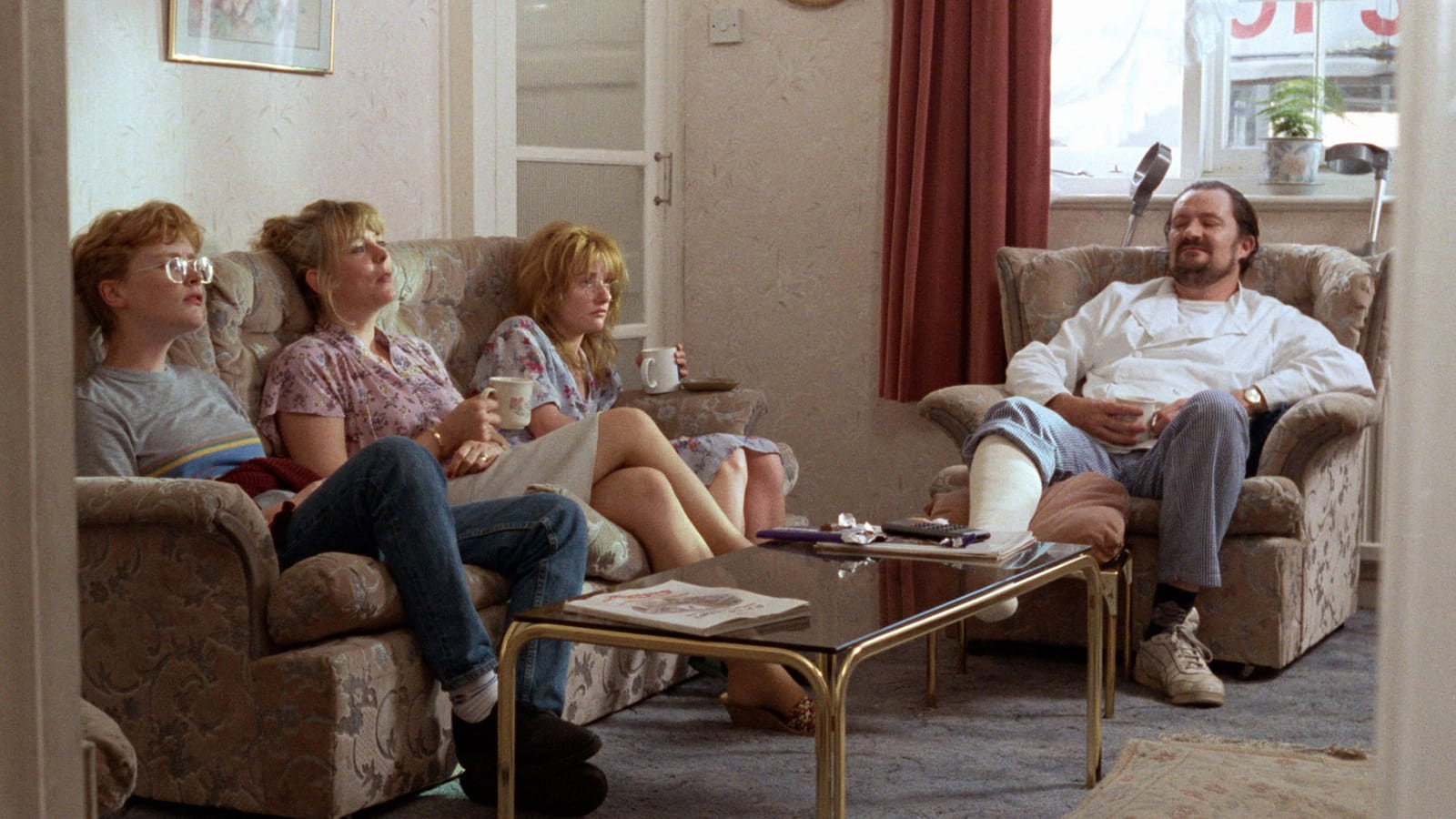
Dick Pope’s cinematography makes the domestic scenes feel intimate without insisting that we find every face endearing. The attention stays on the people doing the talking and the people having to listen, which is where much of the comedy lies. Alison Chitty’s production design gives the family rooms that feel used, so the actors seem at home even when they are uncomfortable with one another. The surroundings do not compete with the people for attention.

Jon Gregory’s editing allows conversation to find its own pace, including the stretches when nobody is being especially entertaining. That patience is essential to the film’s sense of family life, although a few passages could be shorter without losing much. Rachel Portman’s music adds a gentleness that helps the rougher comedy settle without smothering it. The more reflective mood is welcome after so much verbal and physical fuss.

The contrast between Steadman’s busy warmth and Skinner’s quieter acting also helps Leigh avoid a common failing of family comedy: making everyone express affection in the same way. He leaves room for people who do not dominate a conversation. That matters when some of the comic turns are so emphatic, and it keeps the film from becoming exhausting. The quieter performances are worth attending to even when someone else has the more conspicuous joke.

Give it an evening when a plot can wait. There is pleasure here in watching actors attend to the small changes in a conversation, and enough discomfort to stop the company becoming cosy. It is a good film to watch with someone whose habits you know rather better than you would like.

Critical consensus AI synthesised

85
Positive
7
Mixed
0
Negative
0

All seven reviews are positive, with praise clustering around Leigh’s feel for family life and his ability to let comedy coexist with distress. Most critics find emotional depth beneath the characters’ eccentric behaviour, crediting the improvisational method with performances that feel spontaneous and psychologically precise. Time Out singles out Broadbent and Steadman, while other reviews stress the strength of the family relationships. The everyday rhythms and ordinary struggles provide much of the film’s appeal.

The differences are chiefly in enthusiasm and emphasis, rather than any substantial disagreement. The New Yorker offers the most restrained assessment, describing a meandering passage through modest incidents but finding emotional intimacy and unpredictability along the way. The AV Club places particular weight on characters who initially resemble caricatures before revealing deeper troubles. Across the reviews, the loose plotting attracts less concern than admiration for what Leigh discovers within it.

RogerEbert.com
24 December 1991 · ★★★★/4 · Roger Ebert
100

The film makes discoveries alongside its characters through Leigh's improvisational method, blending humor and poignancy into a masterpiece about family life. It stands out for its spontaneous feel and deep insight into ordinary struggles.

Read the full review →
Slant Magazine
30 May 2013 · Chuck Bowen
90*

The review calls it one of Leigh's best, a tough compassionate study of a British family that gained him global esteem. It singles out the nuanced, ambiguous title and the rich, heartbreaking mother-daughter confrontation as exemplars of Leigh's ability to reveal desperation behind clownish facades.

Read the full review →
Los Angeles Times
13 November 1991 · Kenneth Turan
85*

Leigh's eccentric film is surreal yet real, with nothing happening yet everything experienced in a working-class Enfield family. Its success stems from impeccable psychological pitch and willingness to take wild chances.

Read the full review →
Time Out
10 September 2012 · SGr
85*

Leigh's improvisational method creates symmetry through contrasting chefs and twin daughters in this follow-up to High Hopes. The film mixes enormous fun with sad subjects like enterprise failure and adolescent despair, highlighted by strong performances from Broadbent and Steadman.

Read the full review →
The AV Club
29 May 2013 · B+ · Sam Adams
83

The critic praises Leigh's delicate balancing act with improv-derived characters that start as caricatures but reveal deeper pathologies and emotional truths. The film is highlighted for its magic social realism, blending grotesque comedy with heartfelt family dynamics in a way that restores balance to Leigh's reputation for comedies.

Read the full review →
The New York Times
25 October 1991
80*

Leigh's contemplative comedy captures a lower-middle-class north London family in the post-Thatcher era, where routine shapes lives amid subtle tensions. It breathes with authentic performances and everyday rhythms rather than plot-driven drama.

Read the full review →

Cast

Stills

If you liked this, try…

Another Year poster

Another Year

2010 · Another patient account of people trying, and sometimes failing, to help each other

Good Morning poster

Good Morning

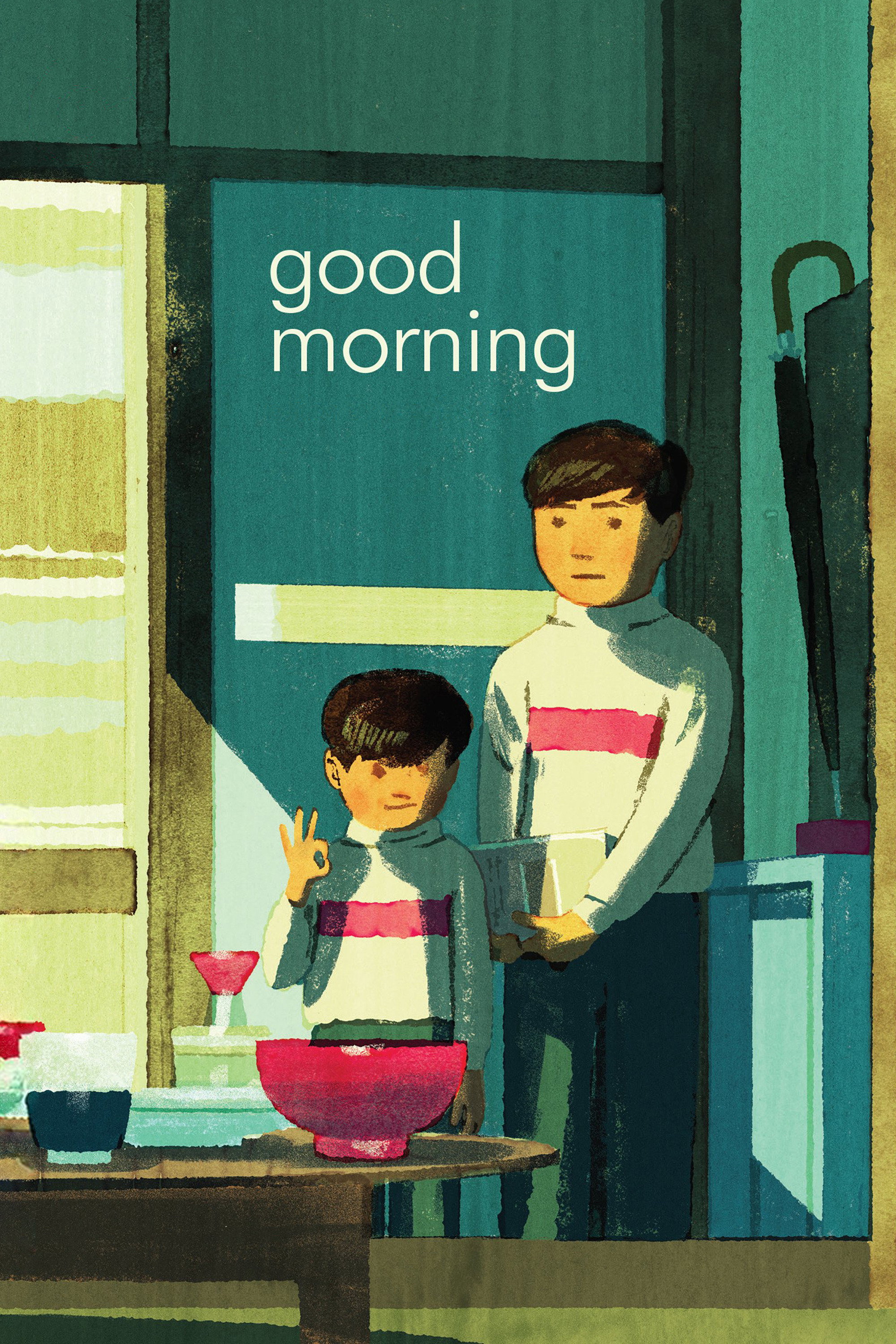
1959 · Small household disputes become funny and revealing without anyone having to be exceptional

The Castle poster

The Castle

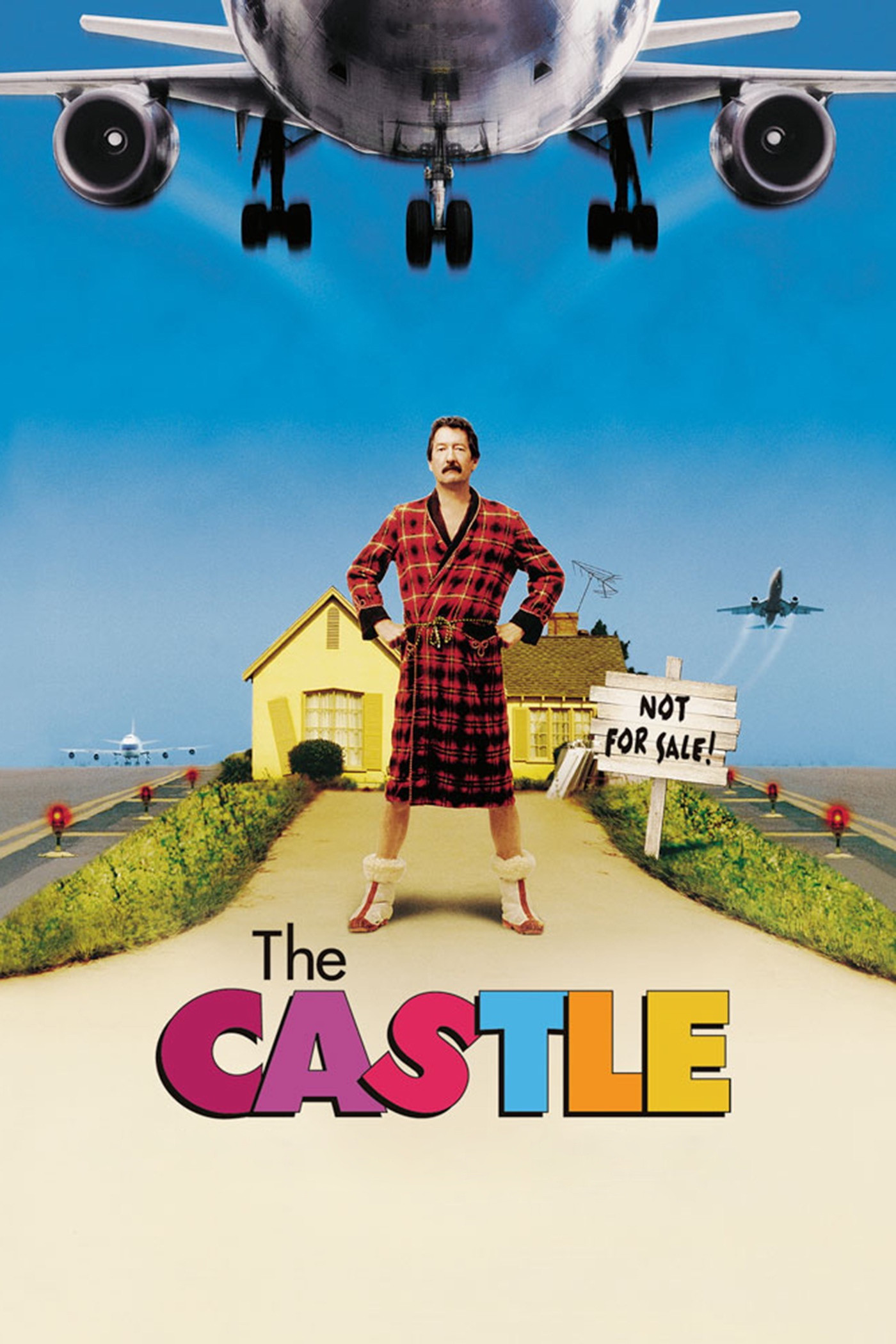
1997 · A family’s pride in its ordinary home supplies the jokes and the feeling

Monsoon Wedding poster

Monsoon Wedding

2001 · A crowded family gathering allows affection, resentment and awkward laughter to coexist

Toni Erdmann poster

Toni Erdmann

2016 · Another difficult family relationship, with jokes that make the discomfort considerably worse