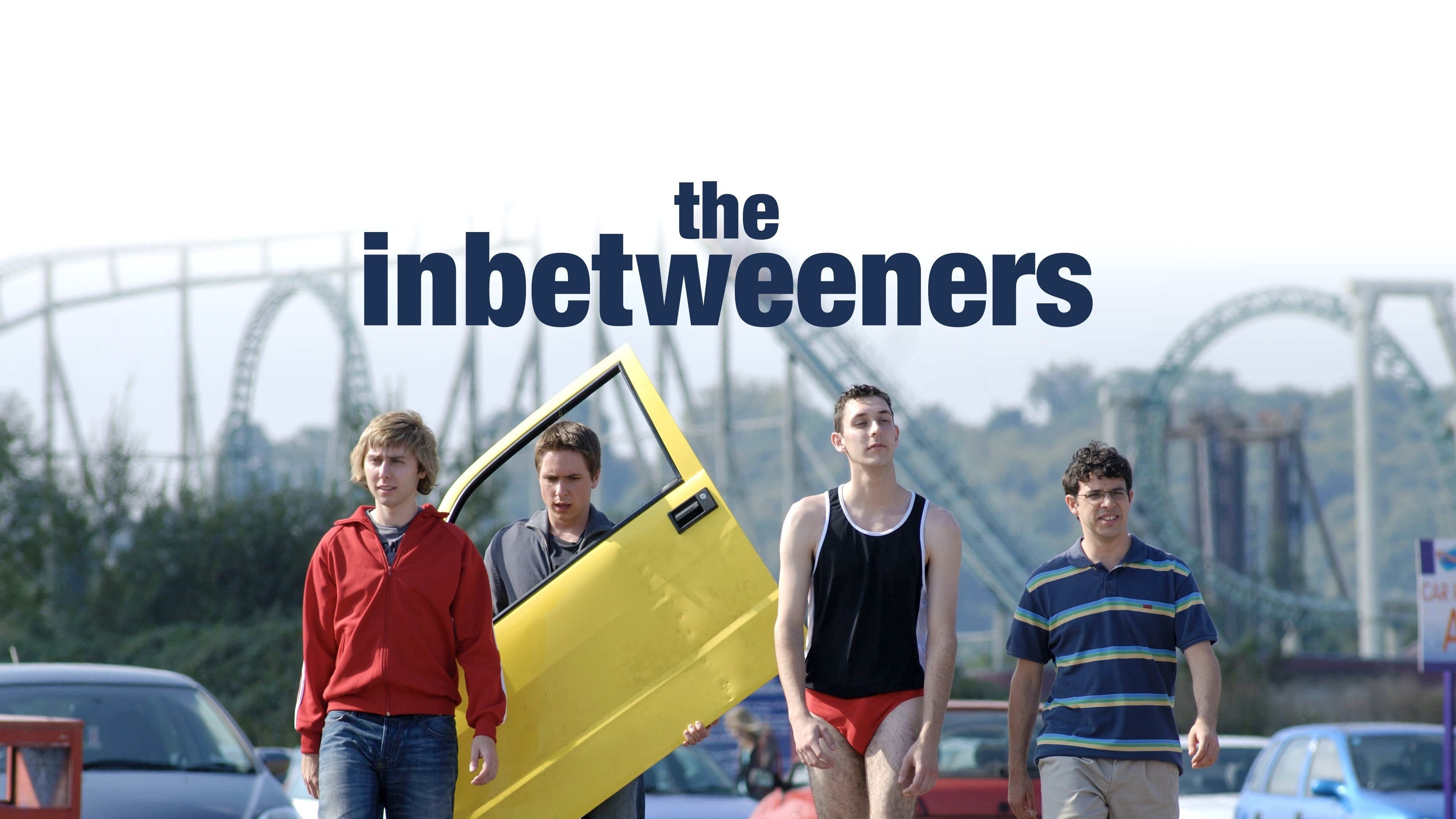
Damon Beesley and Iain Morris make adolescent boasting painfully funny, helped by four leads with excellent comic timing. The narrow view of girls is a limitation, but the boys’ embarrassing company is worth keeping.
The Inbetweeners is a sharply observed, frequently filthy comedy, and we recommend it with a reservation about how little attention it gives the girls. Creators and writers Damon Beesley and Iain Morris concentrate on suburban sixth-form life, where bunking off and trying to attract girls provide quite enough trouble. The scale is right. These boys have no need of an extraordinary crisis when an ordinary conversation can go wrong so quickly.
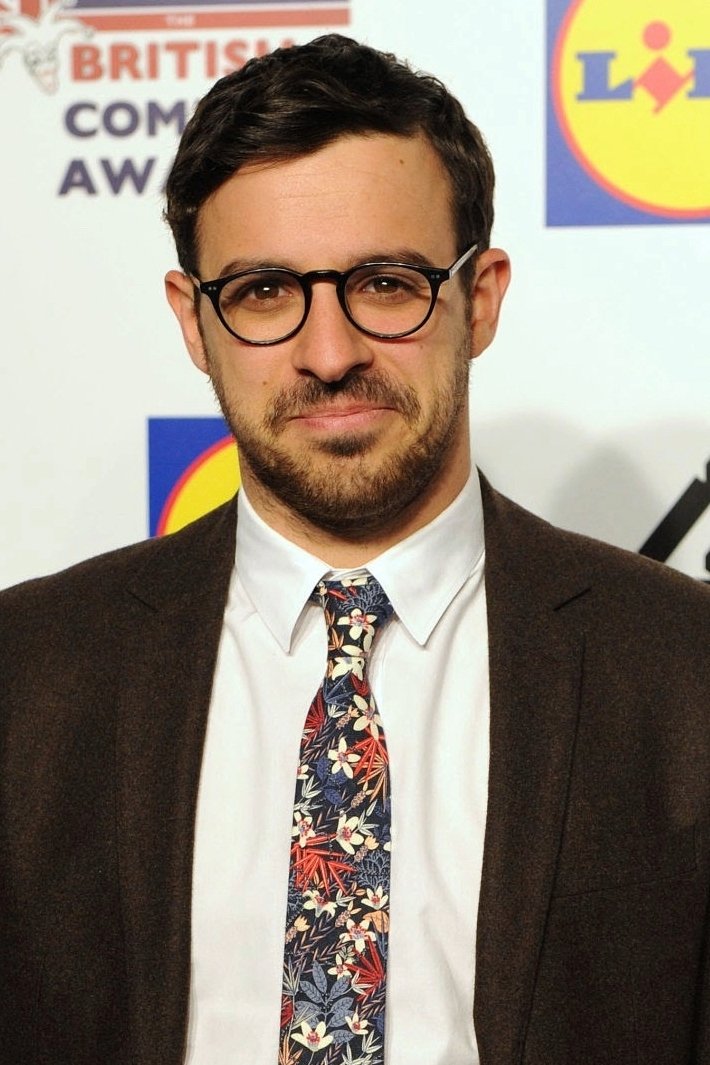
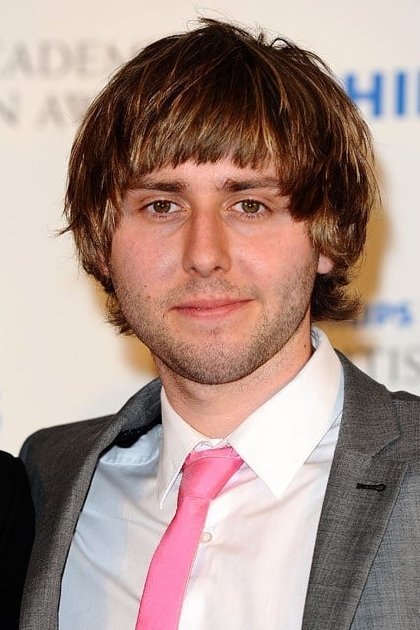
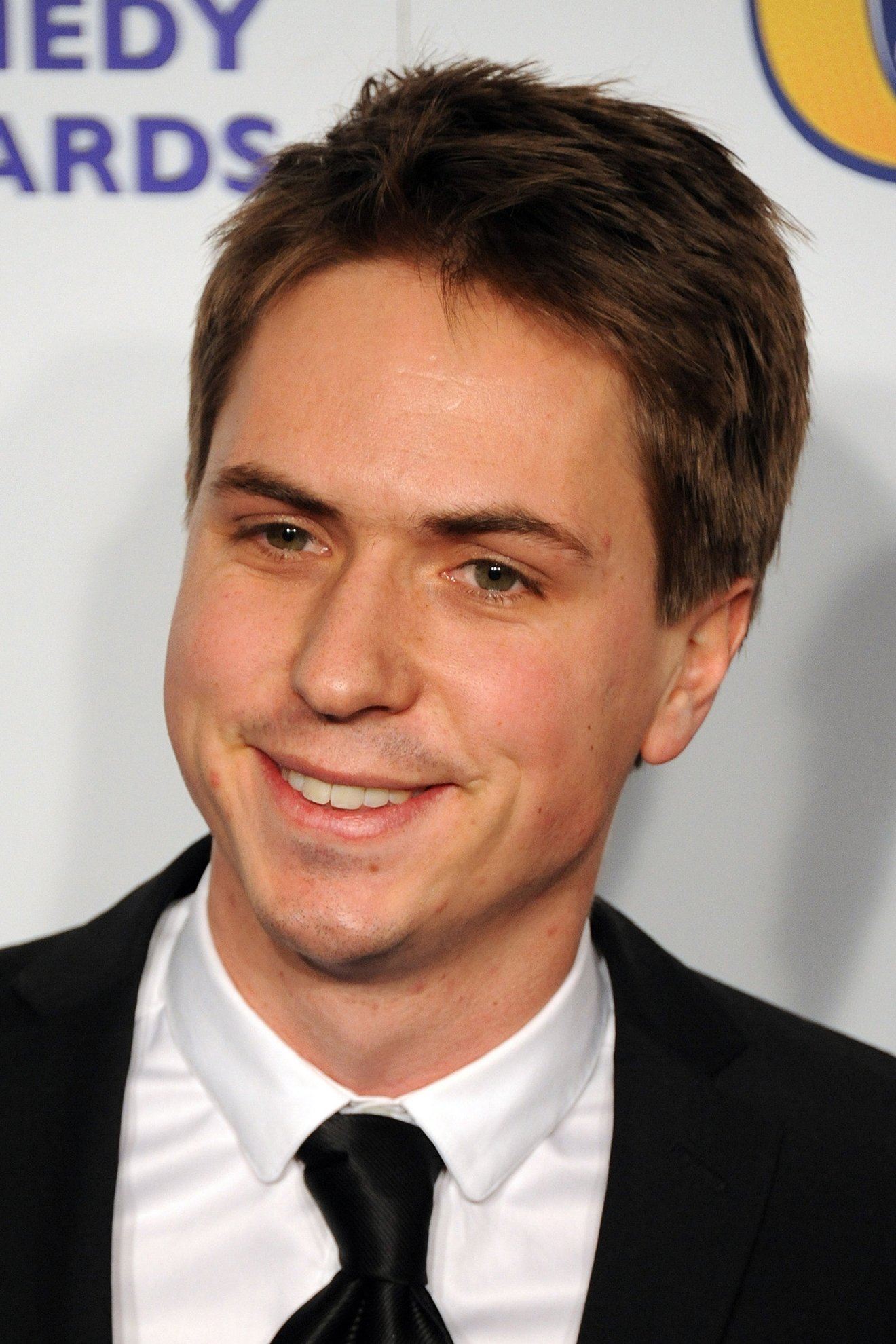
The central casting does much of the work. Simon Bird as Will McKenzie, James Buckley as Jay Cartwright, Blake Harrison as Neil Sutherland and Joe Thomas as Simon Cooper make the friendship convincing without asking us to approve of much that is said within it. There is pleasure in watching them share a scene, because none needs to win every exchange. A remark can be funny, and the response funnier, without either performer advertising the effort.
We laughed at the insults, then felt slightly ashamed of ourselves. The boys take such pleasure in one another’s embarrassment that laughing along briefly makes us part of the problem. Beesley and Morris understand how this sort of banter works: an audience of friends encourages behaviour that scarcely improves anybody’s chances of approaching a girl. The gross-out material can be blunt, but it belongs to the same adolescent urge to make everybody else uncomfortable before they can return the favour.
The plainness of the presentation helps. Cinematographers Jamie Cairney, Rob Kitzmann and Ben Wheeler give the ensemble room to work, keeping the boys’ reactions as important as whoever is speaking. Richard Drew’s production design makes their suburban surroundings feel suitably ordinary; nothing needs to look imposing for the boys to feel out of their depth. We would lose something if the images made growing up here look more attractive, because the awkward company is what holds our attention.
Editors Charlie Fawcett, William Webb and Billy Sneddon deserve credit for how firmly the exchanges move from boast to insult to reaction. The timing leaves enough space for embarrassment to register without making every joke an extended punishment. Greg Davies, as Mr Phil Gilbert, offers a welcome change of pace from the central quartet. His blunt delivery makes their elaborate efforts to impress seem even more exhausting. The 25-minute running time also helps keep the comedy brisk.
The writing is less generous towards the girls the boys pursue. Their limited understanding is often funny, but the programme does too little to give the girls comparable opportunities to be funny themselves. Following these boys does not require accepting their priorities quite so completely. There are also stretches when the insults feel interchangeable, and the confidence of the delivery cannot disguise a joke we have already heard in another form. The cast usually gets it through, though we occasionally wanted the writing to give them something else to do.
Within teenage comedy, its attention to ordinary social failure serves it well. Bunking off and chasing girls need not lead anywhere momentous when the conversation is this funny. The friendship remains persuasive even when spending time with any of these boys individually seems a questionable use of an afternoon. Choose it for company that requires no polite behaviour, and preferably no explanation of why that last insult made us laugh.