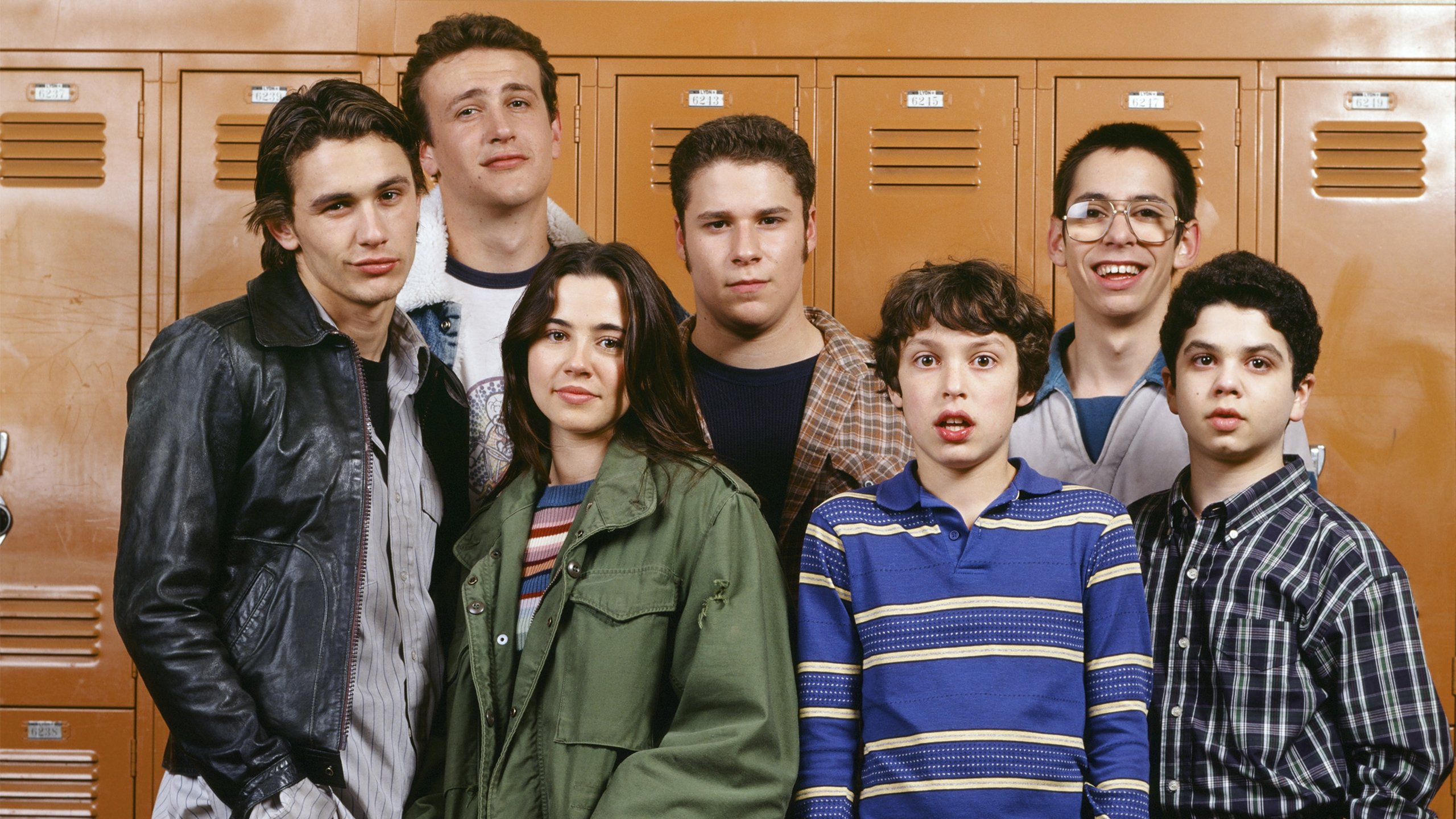
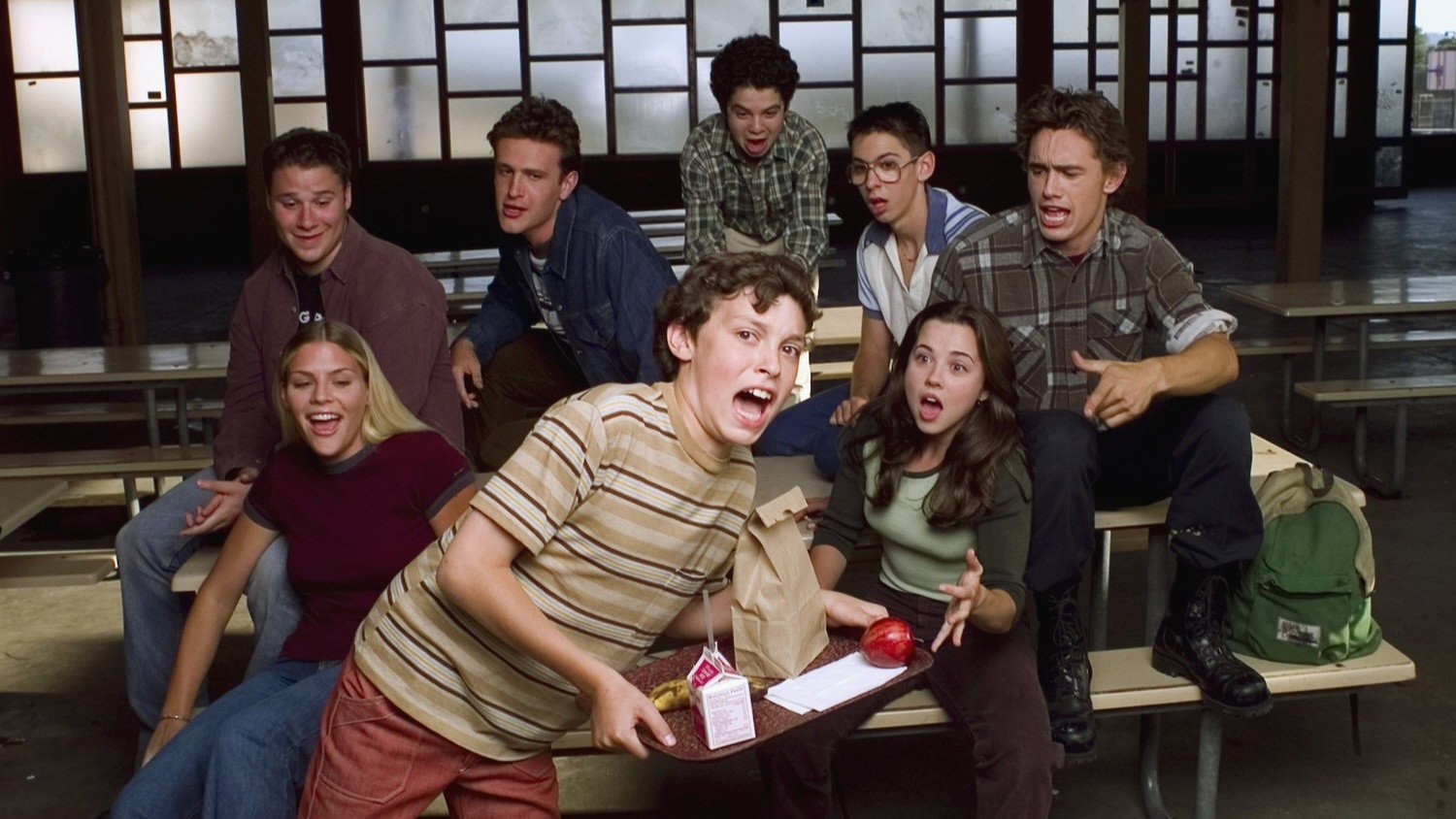
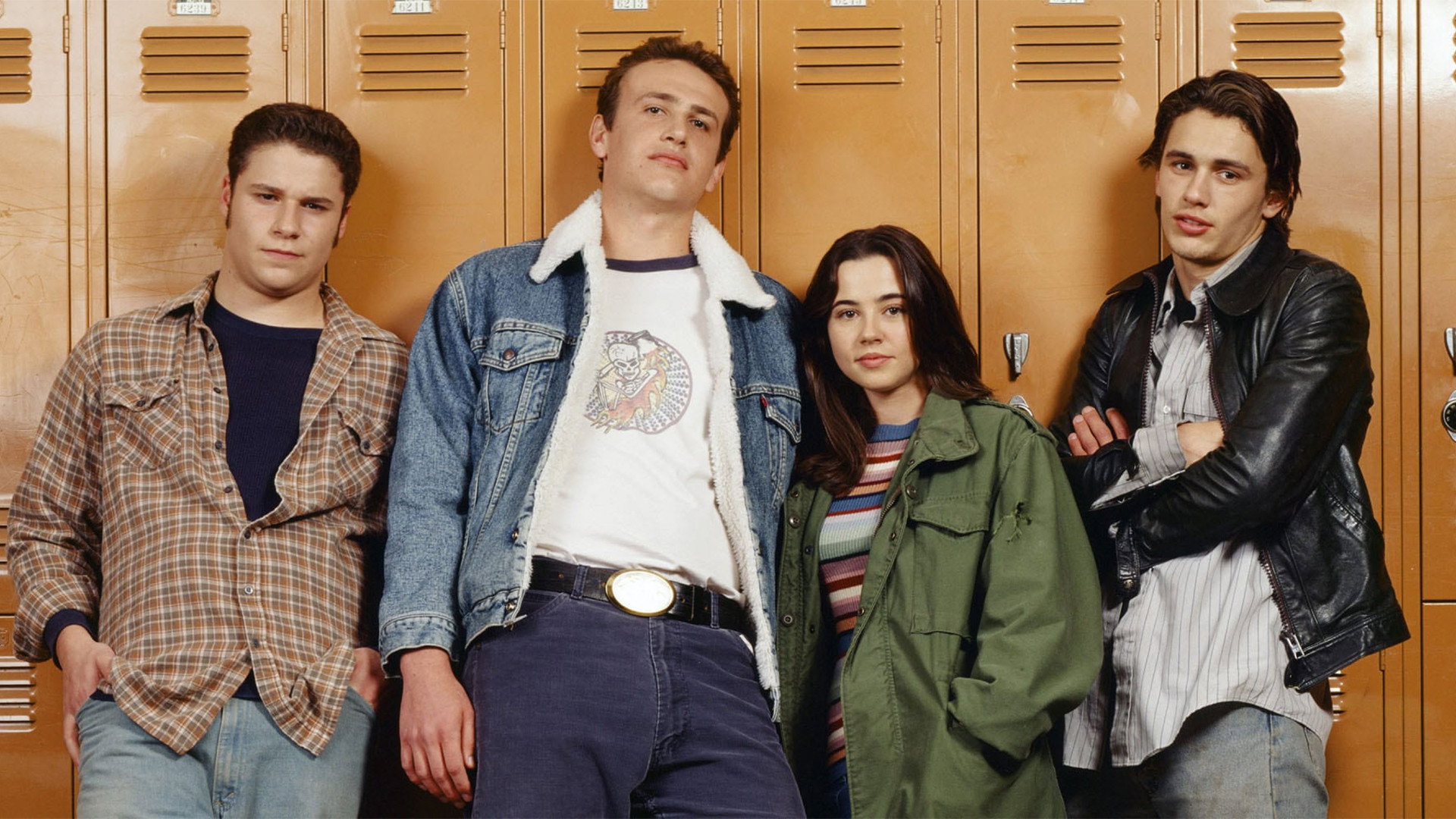
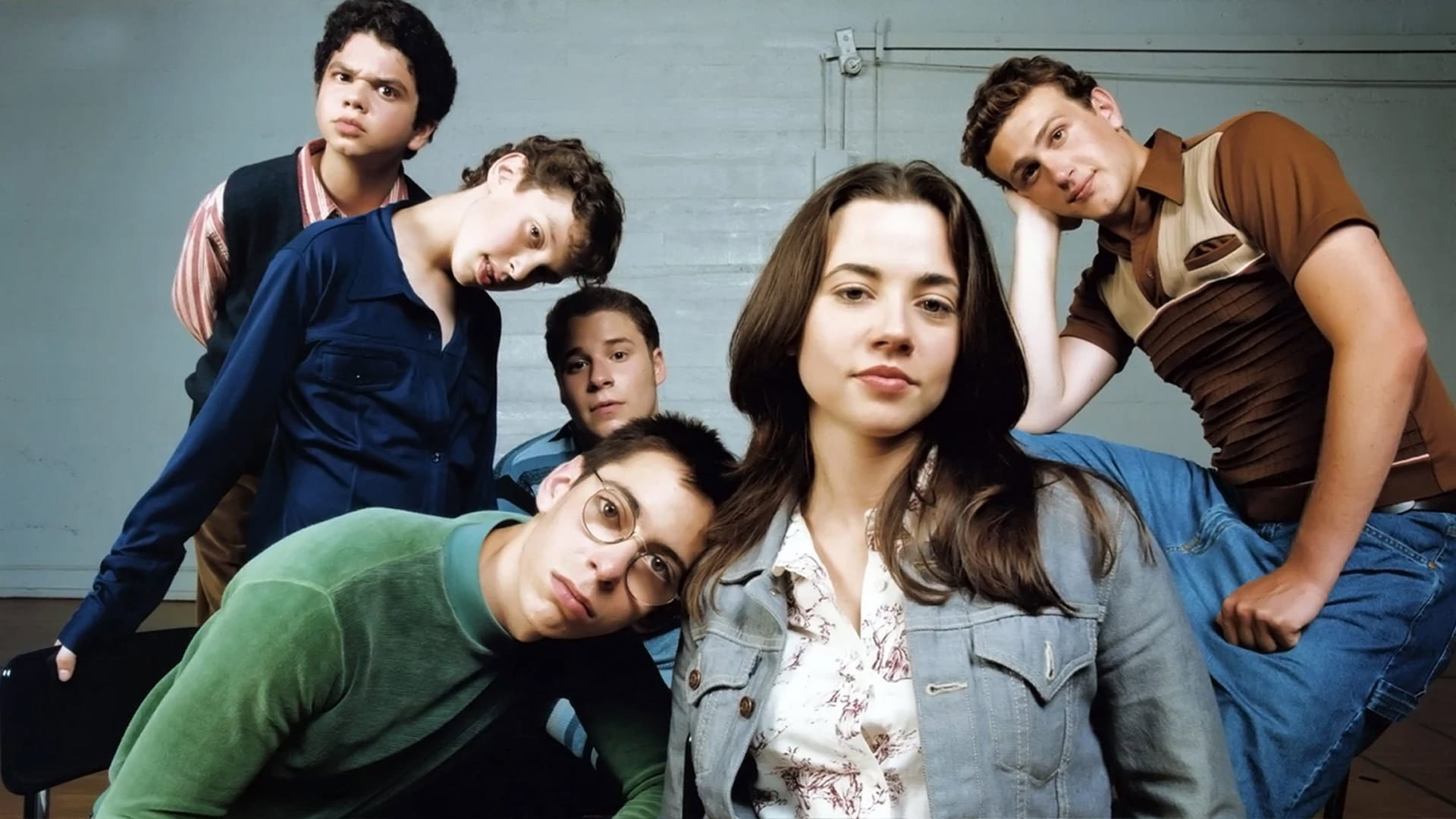
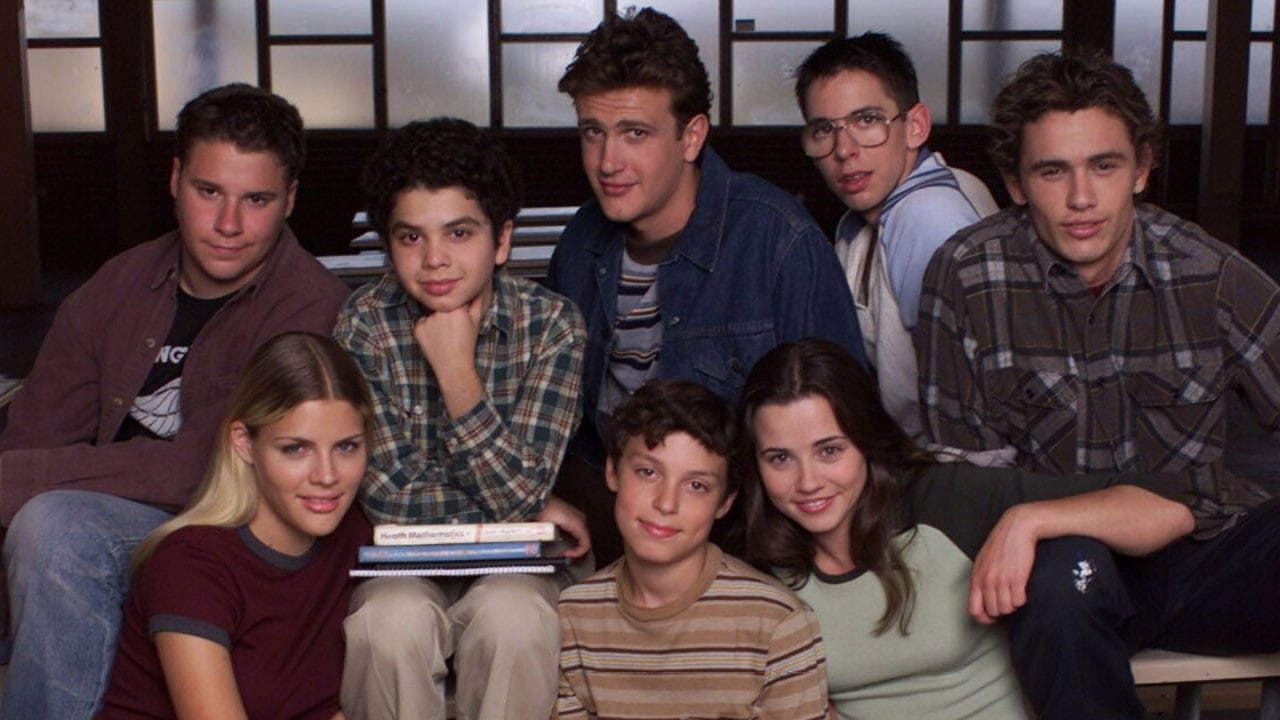
A warm recommendation for this funny, often uncomfortable account of school life, with Linda Cardellini making teenage uncertainty painfully recognisable. The patient pace occasionally becomes a drag, but the young cast keeps earning our attention.
Freaks and Geeks is a funny, tender school comedy that understands how tiring it is to feel watched, and we recommend it warmly. Its teenagers do not need an exceptional crisis to be miserable; the ordinary prospect of dealing with one another is enough. That can make for an uncomfortable evening if school is something we would rather have forgotten. But the humour comes from paying attention to these young people, including the moments when they are being tiresome.
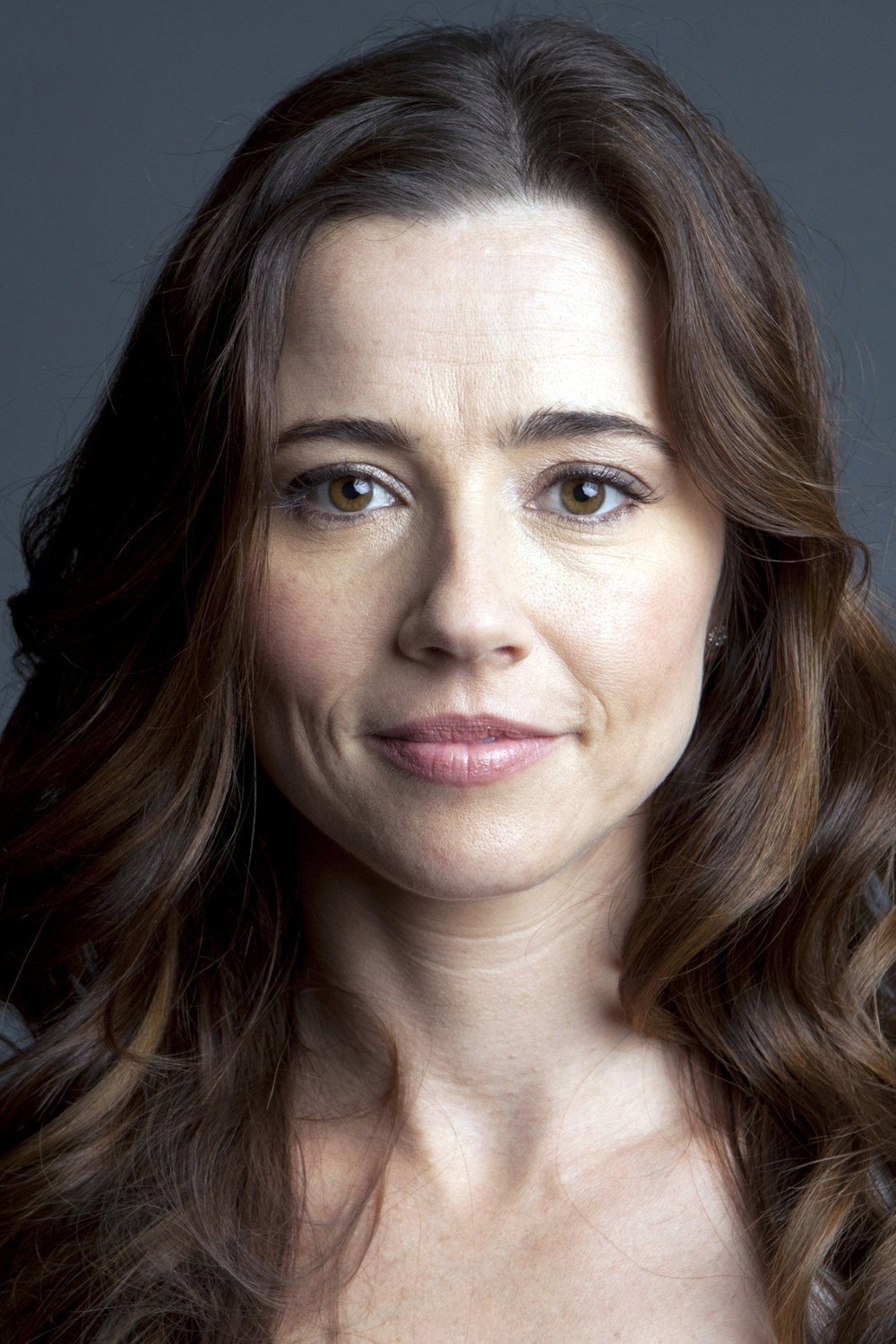
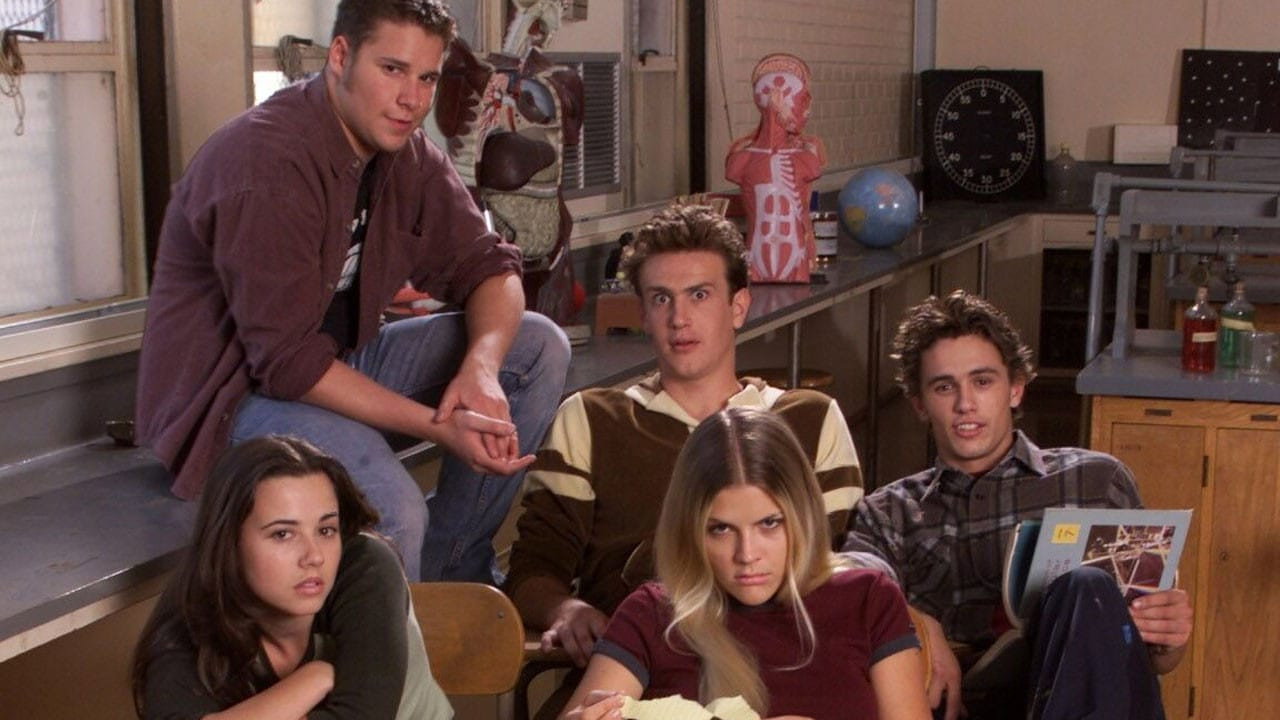
Linda Cardellini gives the series its most persuasive reason to stay. As Lindsay Weir, she allows uncertainty to complicate the simplest response, so that the effort of deciding how to behave remains visible. We felt protective of her because that hesitation makes an ordinary conversation seem capable of doing lasting damage. Jake Kasdan’s direction trusts the young actors to carry this awkwardness without turning every reaction into an announcement. Cardellini is especially good at letting an expression remain difficult to read.
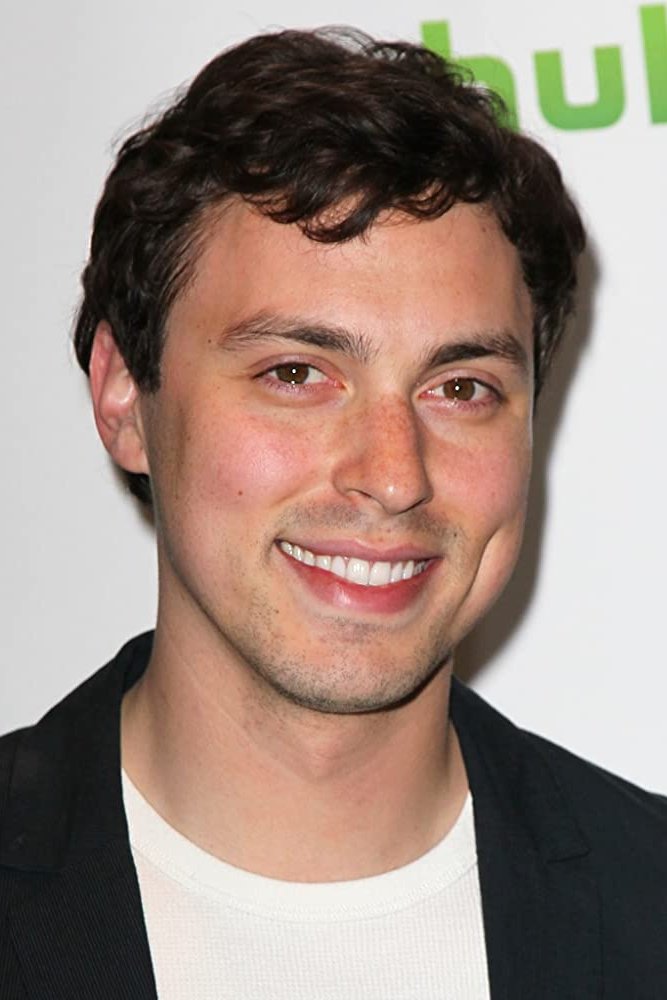
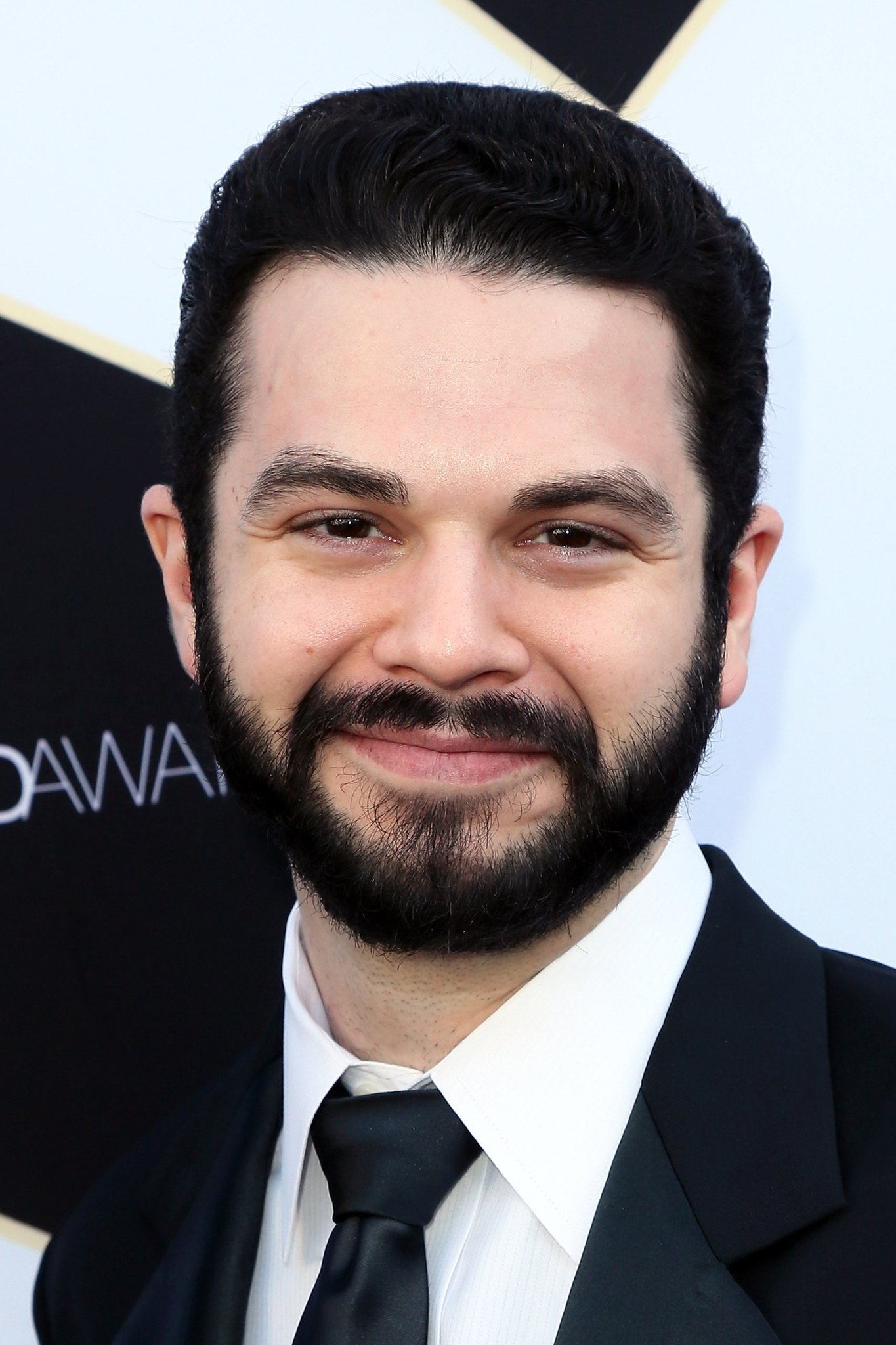
John Francis Daley makes Sam Weir less guarded than Lindsay and quicker to show his discomfort. Samm Levine and Martin Starr, as Neal Schweiber and Bill Haverchuck, help make the comedy feel particular to the people speaking. A lesser school comedy could get by on their differences in appearance and manner; here, there is time to register how much each person wants from an exchange. The pleasure is in watching an ensemble whose members do not all seem to have learned the same comic timing.
Cinematographers Russ T. Alsobrook and Bill Pope support that attention to faces. The framing lets an uncomfortable reaction matter without insisting that it become a gag, an approach particularly useful when nobody quite knows what to say. Production designers Philip Messina and Jefferson Sage keep the school surroundings from competing with the cast. The spaces feel ordinary enough to be tiresome to the people using them, which is right for a programme about having to turn up again tomorrow.
Debra McGuire’s costumes help distinguish the teenagers without making them look as though they have dressed for our amusement. Michael Andrews’s music is most effective when it leaves the awkwardness to the actors, without telling us how sorry to feel. The series is comfortable with pauses, and its cutting often lets embarrassment continue beyond the point at which a brisker comedy would escape. We have time to notice the effort behind somebody trying to sound casual.
That patience is also the chief reservation. At 44 minutes an episode, the programme sometimes gives an awkward encounter more room than it needs, and the reluctance to hurry can begin to feel indulgent. The sadness is convincing, but repeated discomfort does not always deepen our understanding of a character. Even a sympathetic portrayal of adolescence can leave us wishing somebody would get to the point.
The eighteen-episode season rewards the willingness to spend that time with its cast. Against school comedies that treat embarrassment as a reliable supply of jokes, this one pays unusually close attention to the person having to endure it. Its warmth survives the pupils being unkind, tiresome or simply difficult to like. Allow for an occasional slow stretch, and for the possibility that remembering school this clearly may not count as relaxation.