Winnie Holzman’s teenage drama is perceptive, funny and well worth watching. Claire Danes makes adolescent self-consciousness feel immediate, though the narration sometimes explains what her performance has already made clear.
My So-Called Life takes teenage embarrassment seriously enough to find it funny. Created by Winnie Holzman, it gives Angela Chase the attention that a self-conscious adolescent wants and dreads, and Claire Danes makes that uncertainty worth watching. We recommend it warmly, with a reservation about how much explaining the narration does. The programme’s strength is its interest in ordinary worries: who understands whom, how a remark is taken, why speaking plainly can feel impossible.
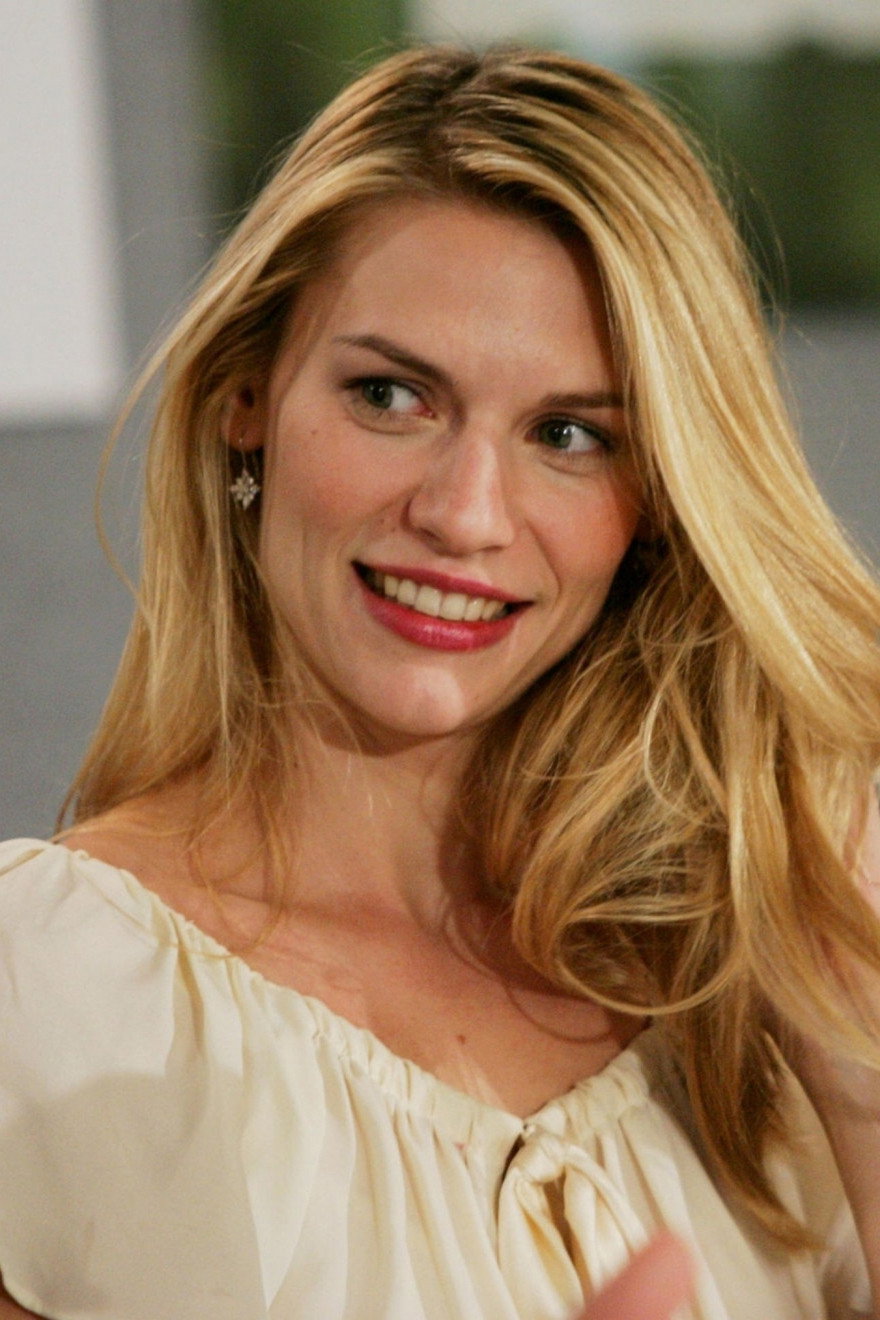
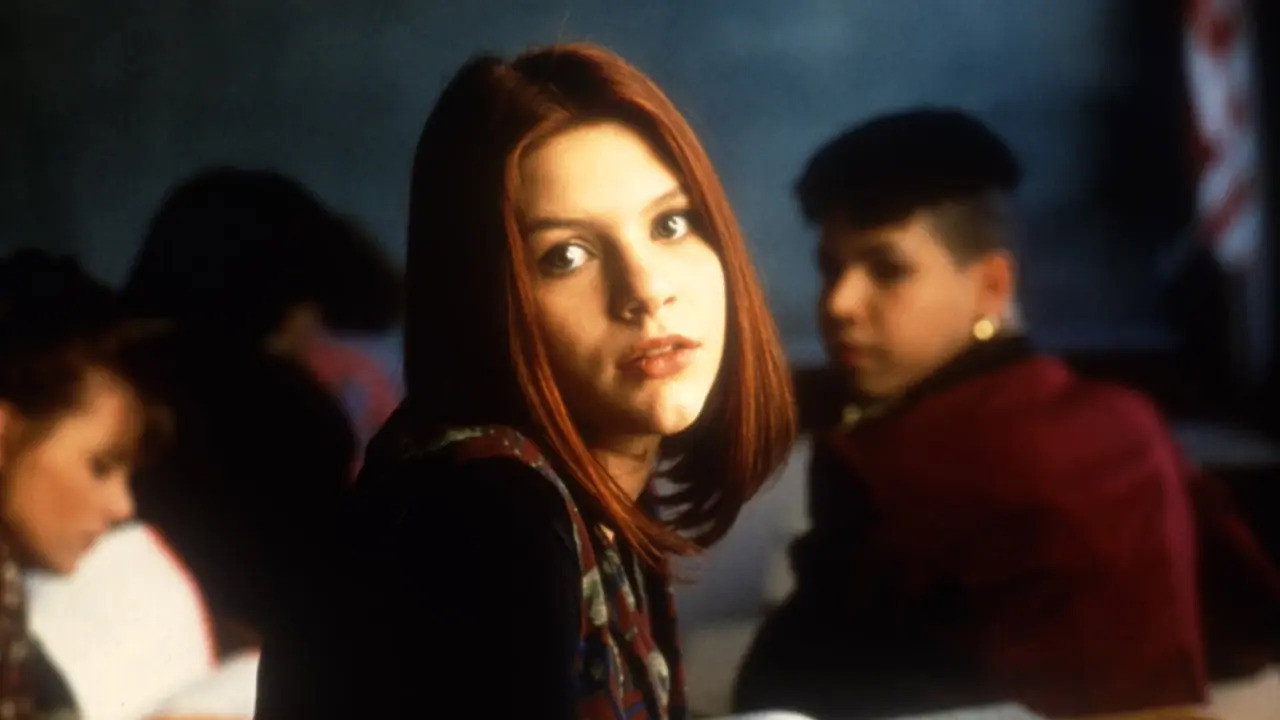
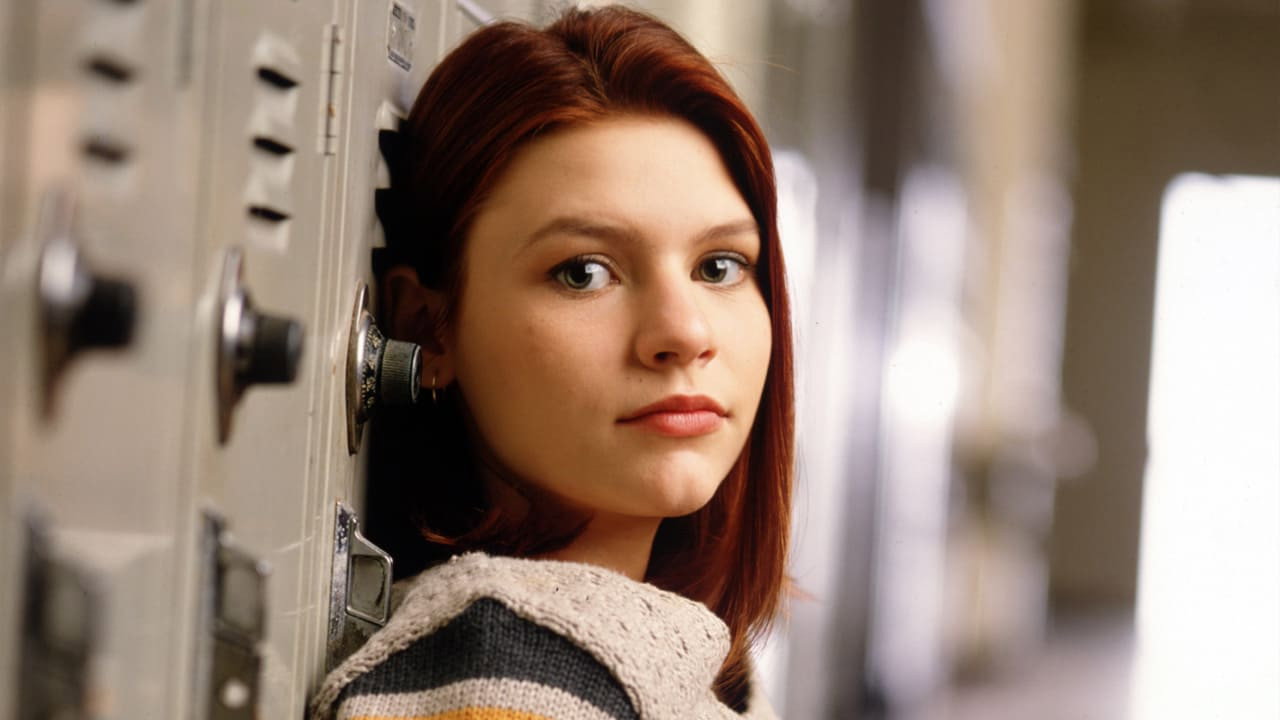
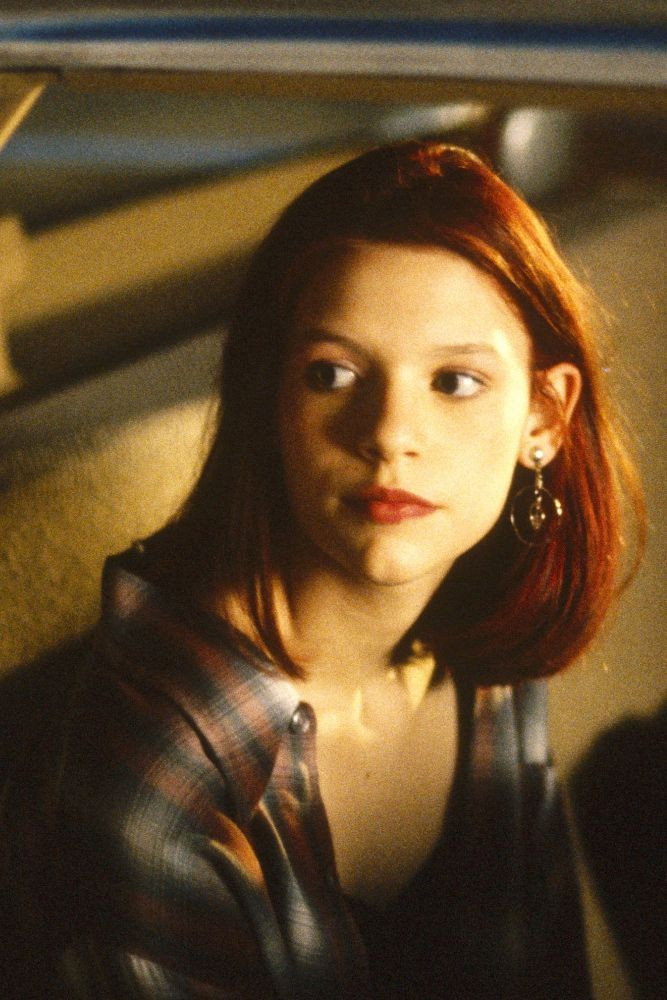
We winced with recognition at Angela’s self-conscious narration. Claire Danes makes the effort to understand her own reactions feel tiring, and the embarrassment comes from recognising how much attention she is paying to herself. The humour depends on taking those worries seriously enough to hear their absurdity. Occasionally the words seem too neatly considered for the uncertainty the performance conveys. We wanted the narration to ease off because the acting had already told us enough.
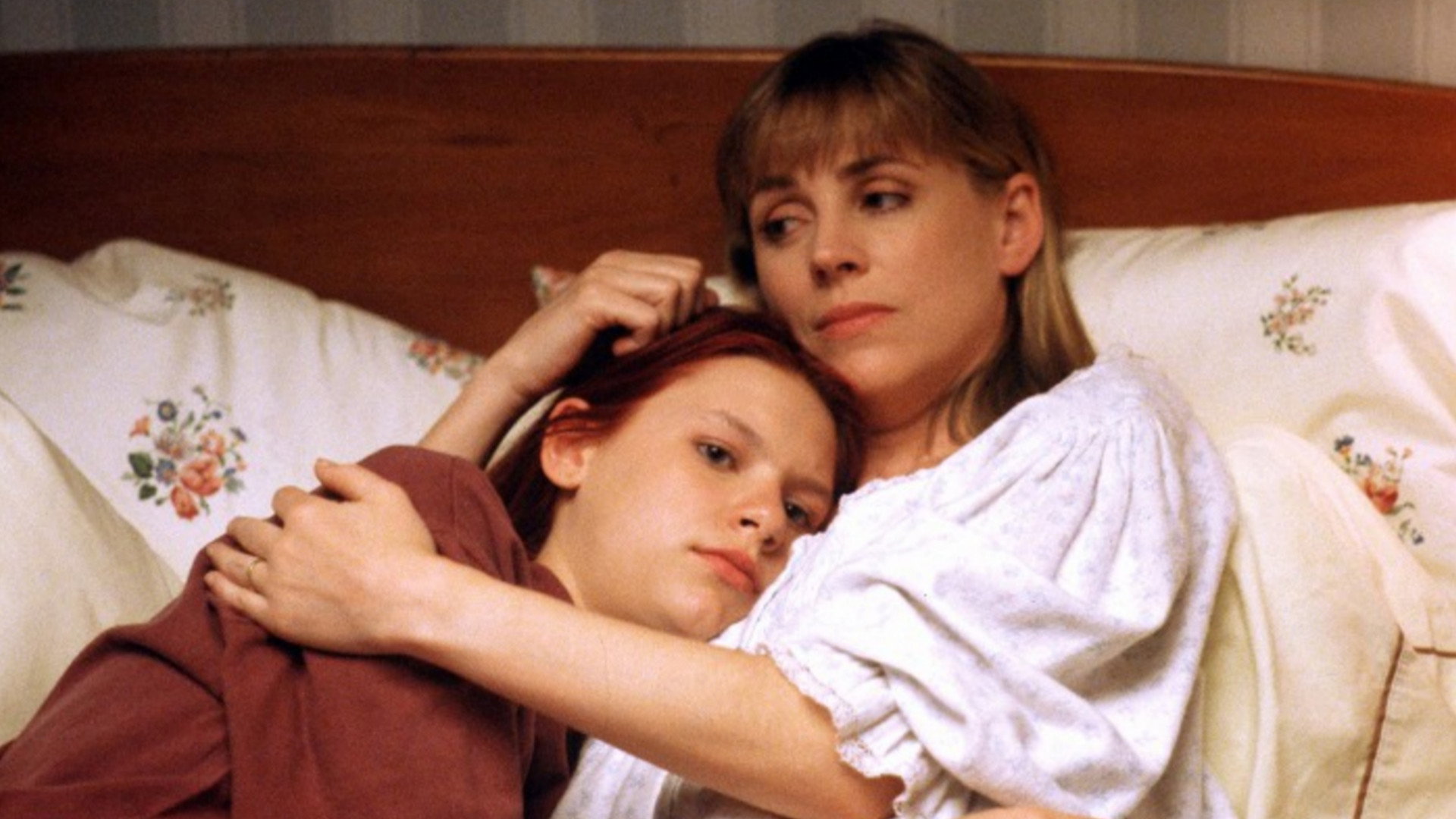
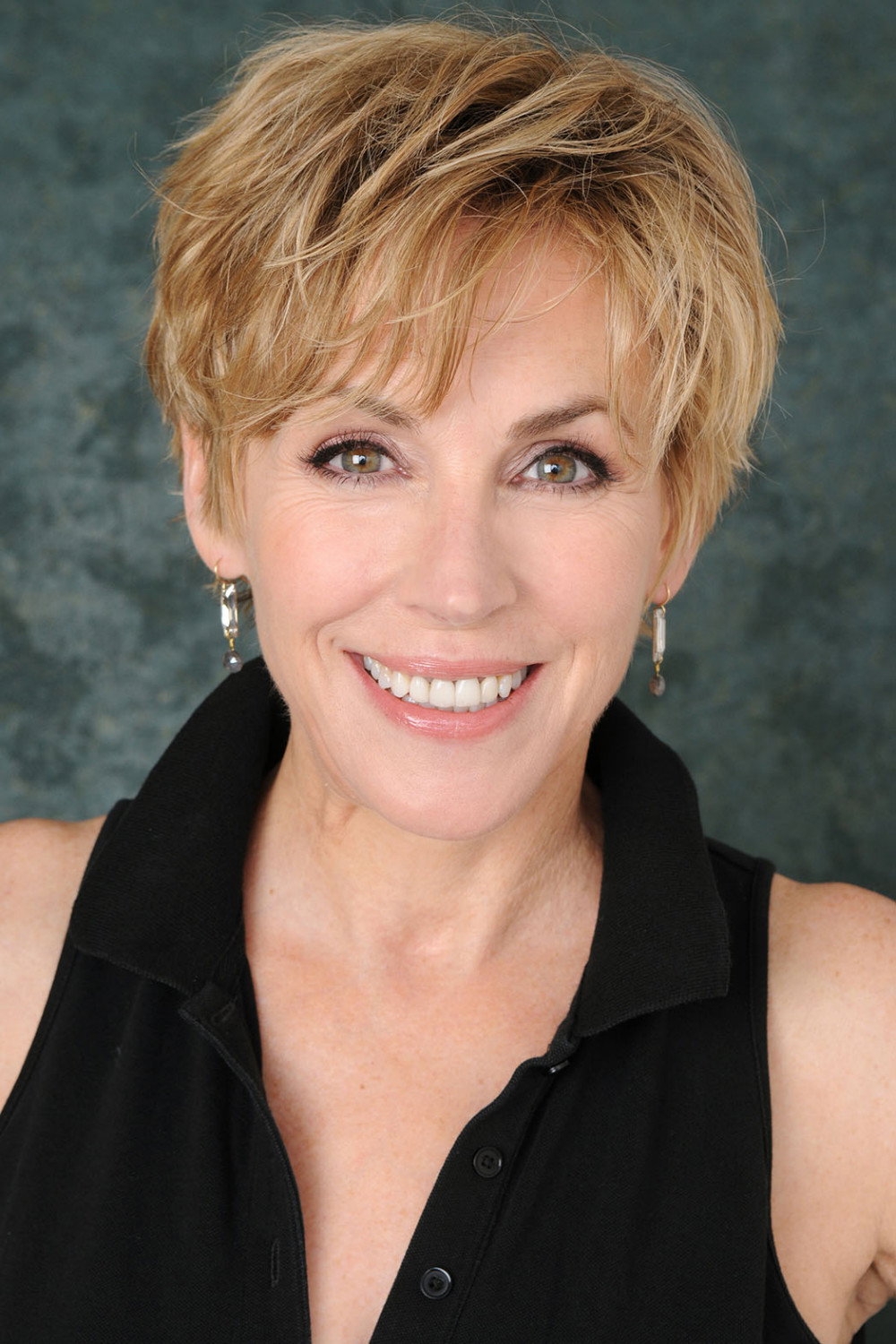
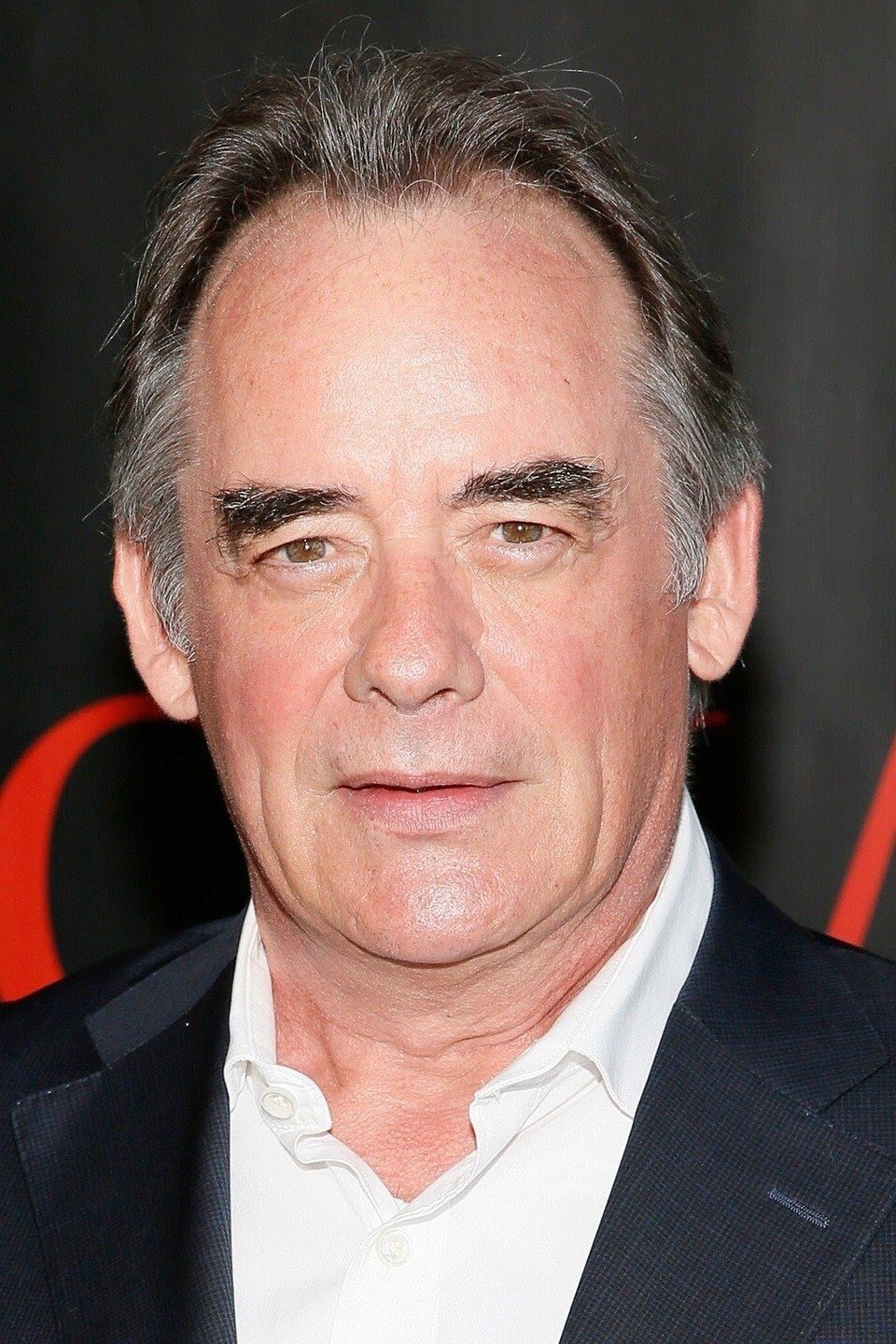
The generational disagreements are given more care than the familiar complaint that adults do not understand. Bess Armstrong as Patty Chase and Tom Irwin as Graham Chase make the older characters’ concerns worth hearing, without making Angela seem foolish for having different priorities. That is a substantial virtue in a teenage drama, where grown-ups can become obstacles with speaking parts. The writing lets us consider someone else’s worries without demanding that Angela immediately become reasonable about them.
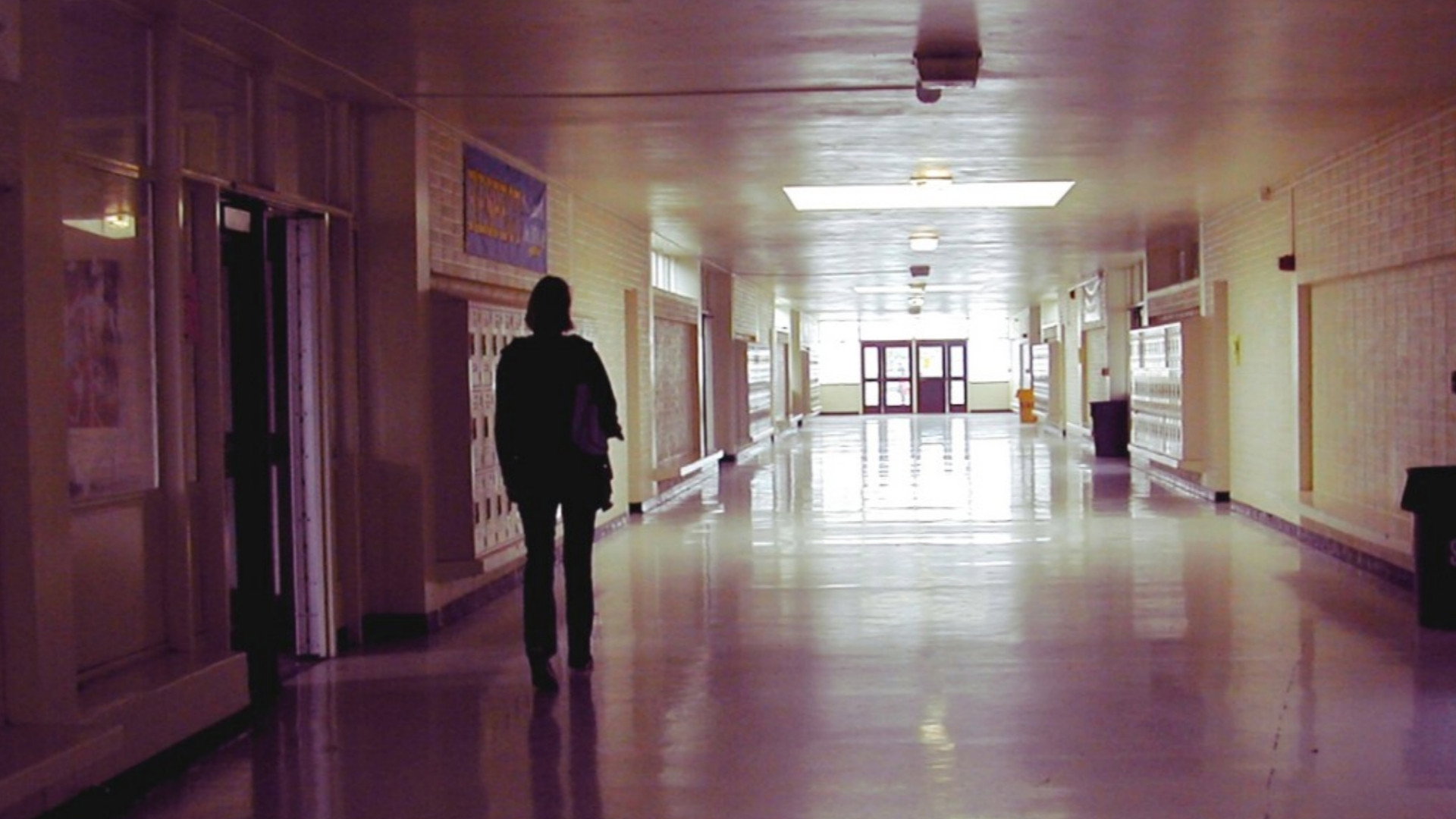
Charlie Lieberman and Ernest Holzman’s cinematography suits the programme’s lack of glamour. The visual restraint gives the performances room; we can attend to someone’s embarrassment without being distracted by how attractively it has been photographed. Production designers Brandy Alexander, Thomas A. Walsh and Cate Bangs make the surroundings feel ordinary and occupied, which helps these characters seem to have lives beyond the point of a scene. This unshowy approach is right for a programme so interested in everyday discomfort.
Editors Joanna Cappuccilli Lovetti, Ron Rosen and Robert Frazen give the exchanges enough room for self-consciousness to become uncomfortable. That patience matters, since hurrying past the hesitation would lose much of the comedy. We are less persuaded by W.G. Snuffy Walden’s music, which sometimes feels too reassuring for people this unsure of themselves. Its encouragement can seem unnecessary when a performance is already carrying the feeling. These are modest complaints, but they matter when the smaller experiences are what we believe most readily.
Against the teenage-drama habit of making every problem a lesson, the writing is welcome in its willingness to leave people difficult. A. J. Langer as Rayanne Graff and Wilson Cruz as Enrique Vasquez belong to an ensemble that keeps Angela’s account from feeling like the only possible one. The series can be easy to tease when its self-examination becomes solemn. Yet the humour usually survives because we can recognise the disproportion without being asked to despise the person feeling it.
There are 19 episodes in its single season, and the qualification is that it was not conceived as a complete one-season story. Expecting a fully settled account will make the experience more frustrating than it needs to be. We would accept that limitation rather than miss these performances. Watch it with someone who knew you at fifteen, if relations remain civil.