Michaela Coel writes and stars in a comedy about a devout 24-year-old on an east London estate who has decided to have sex. It is rude, quick and bright to look at, and best whenever Coel looks straight at us.
Michaela Coel created Chewing Gum from her own stage play, Chewing Gum Dreams, and she plays its lead, and it is hard to imagine anyone else doing either job. Tracey Gordon is 24, has been brought up in a strict Pentecostal household, and wants to have sex before she loses her nerve or her faith gets there first. That is the whole engine of the series: six half-hours in which a woman who knows nothing tries to find out everything, in a hurry, on a council estate. It is good, it is funny in a way British sitcoms rarely allow themselves to be, and it depends on Coel to a degree that is both its strength and its limit.
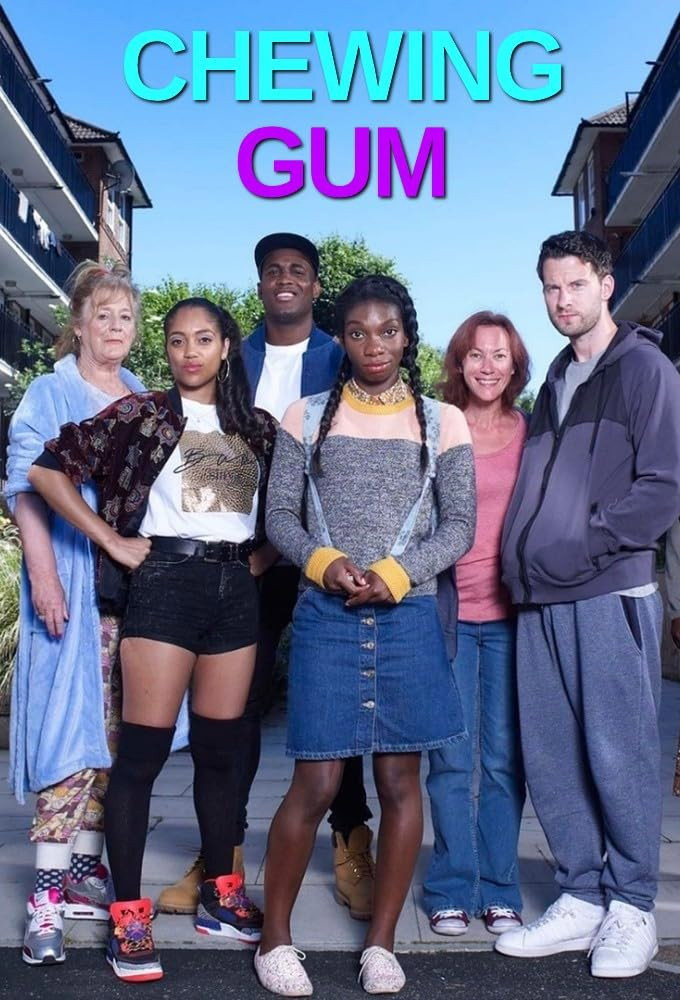
The first surprise is how it looks. Estates on British television are usually filmed in the colour of wet concrete, and Tom Marshall, who directs, has decided against that. The walkways are painted yellow, the doors are bright, the sun comes out, and the Gordons’ flat is lit like a place somebody actually chose to live in. Lucy Spink’s production design gives Tracey a bedroom that still has a child’s things in it and a corner shop that is all fluorescent tube and crisp packets. The music, by Shakka Philip and Coel herself, bounces, and it never once tells us the estate is a sad place.
Coel’s performance is the reason to watch. She has a face that can go from piety to appetite and back inside a second, and Marshall keeps the camera close enough to catch it. Tracey speaks to us directly, mid-scene, and the trick works because she is not confiding so much as asking: she wants to know if she is doing this right, and we are the only ones available. We laughed, out loud and repeatedly, at things we would normally look away from, most of them involving Tracey’s body and her total absence of a plan for it. Then, watching her pray in a panic after a small sin, we felt sorry for her, and the show had not asked us to.
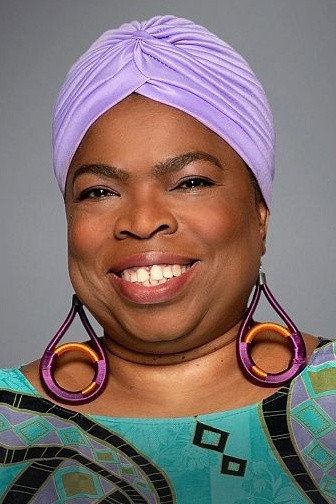
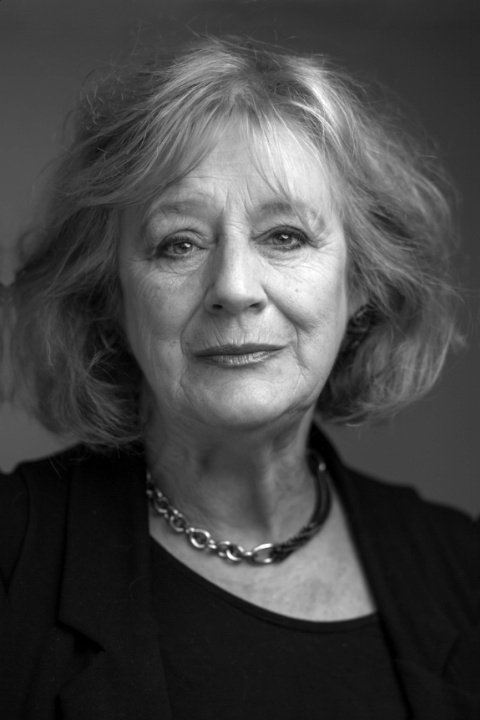
The people around her are drawn broad. Danielle Walters plays Candice as a woman who dispenses sexual advice with the confidence of someone who has read one magazine. Susan Wokoma’s Cynthia, the sister who has doubled down on the faith Tracey is fleeing, gets the biggest laughs in the family scenes by playing every line dead straight. Shola Adewusi’s Joy runs the flat as a church annexe. John Macmillan’s Ronald is a boyfriend who treats a kiss as a doctrinal question, and Robert Lonsdale’s Connor is kind, vague and usually stoned, which is exactly what Tracey needs and not at all what she expects. Maggie Steed turns up as Esther, Candice’s grandmother, and steals whatever scene she is in.
Broad is also the problem. Nobody but Tracey is given an interior, and after three episodes the supporting cast start to repeat their one note. The show’s appetite for shock is real and mostly earned, but some episodes end on a scene that exists only to be outrageous, and by the fifth of these we could see it coming. The second series, which arrived on 12 January 2017, is more assured and also louder, and it sometimes mistakes a bigger set-piece for a better one.
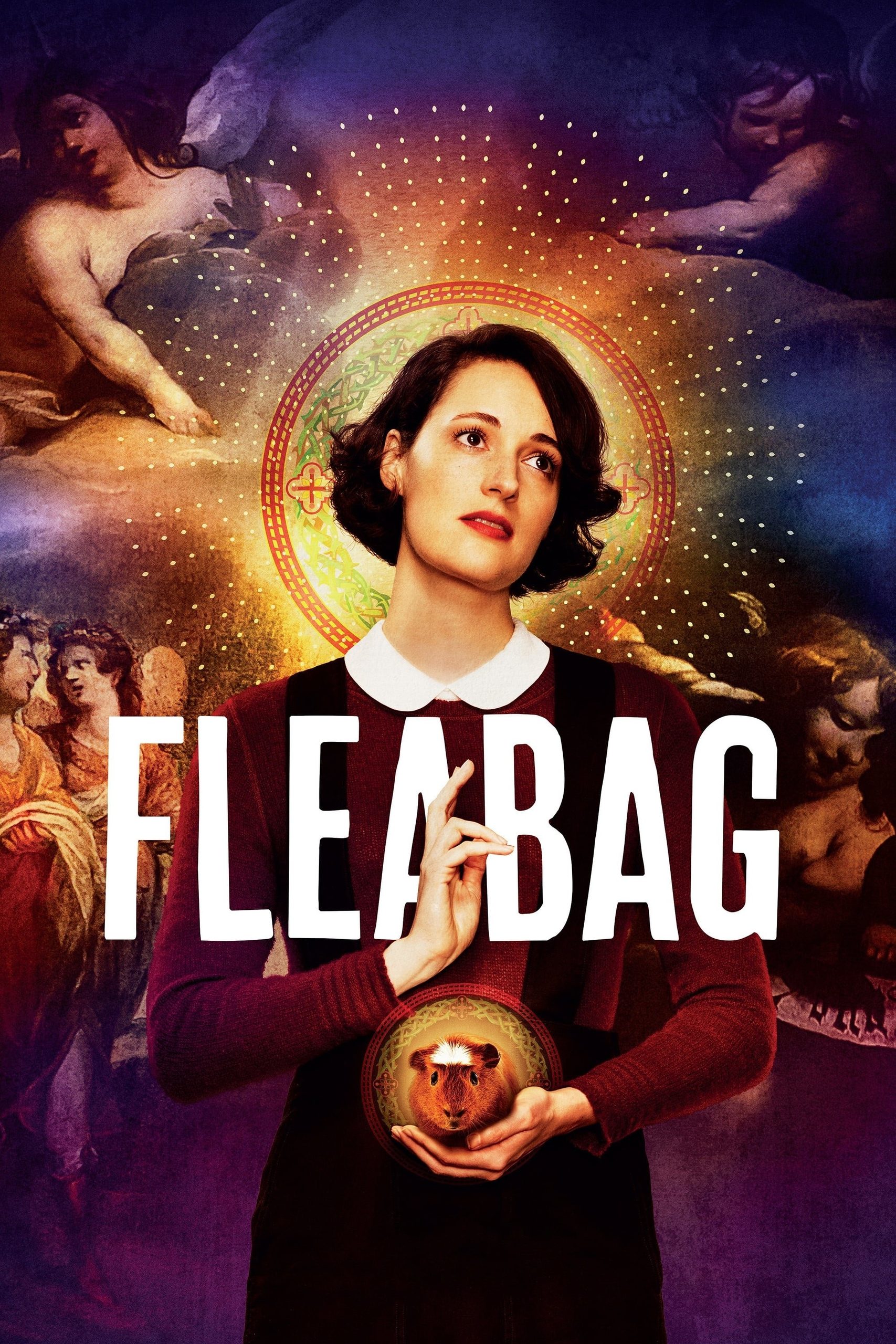
What the series gets right, and what most comedies about estates get wrong, is that the estate is not the subject. Nobody is stabbed, nobody is rescued by a teacher, and the only person who thinks the place is a problem is Tracey, who thinks everything is a problem. It sits naturally next to Fleabag, which came a year later and did the same trick with a woman from a different postcode, and next to Coel’s own I May Destroy You, which took the same directness somewhere much darker. This is the lighter, cruder, younger one.
Six episodes of 30 minutes is a single evening. Watch the first series in one sitting, with someone who does not embarrass easily, and stop before the second unless you want more of the same at a higher volume.