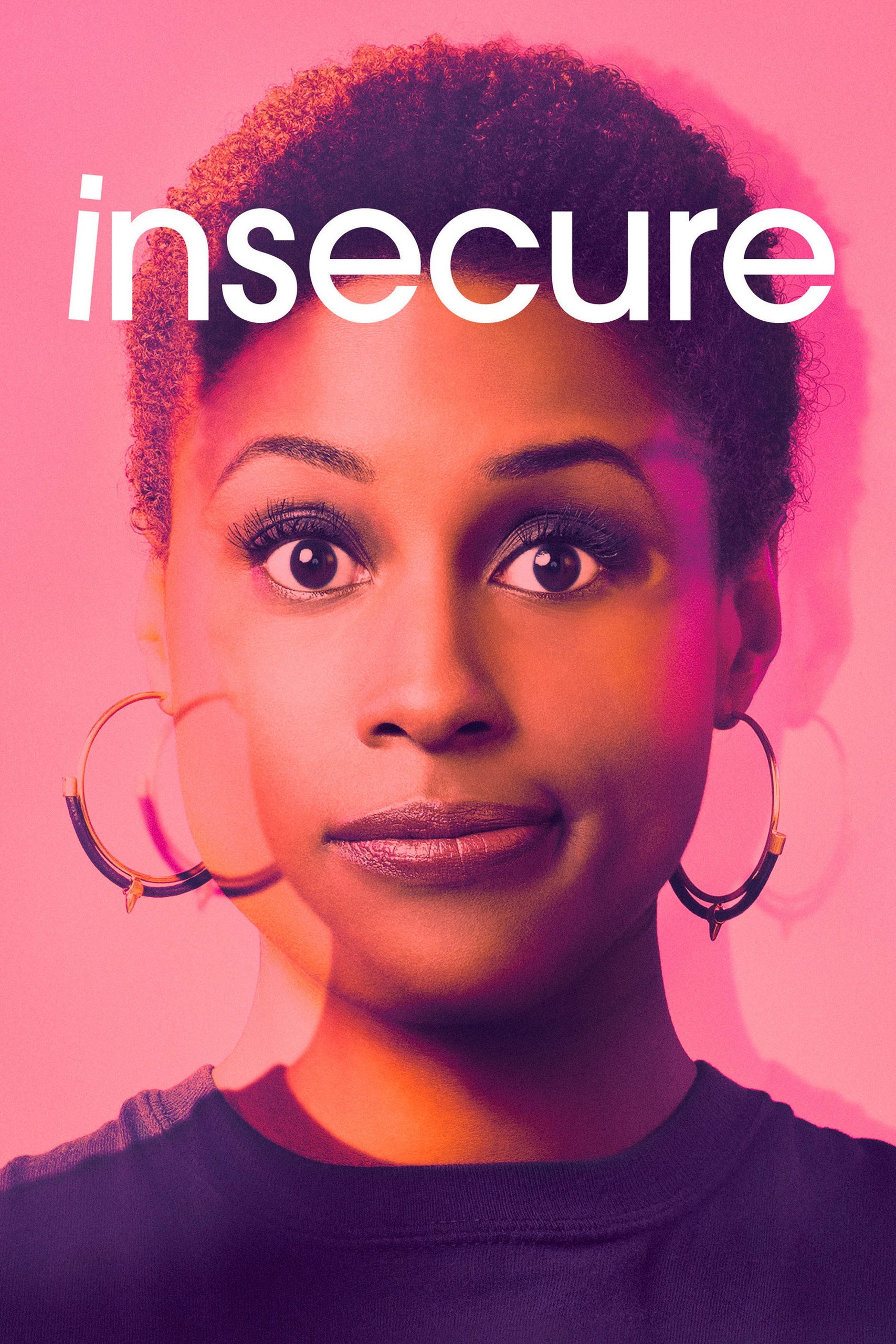
Issa Rae’s comedy about two friends in their late twenties in Los Angeles is sharp, warm and exact about how people talk at work and how they talk to each other. The office scenes are broader than the rest; the friendship is the point.
Insecure, which Issa Rae created with Larry Wilmore, is a half-hour comedy about a Black woman in Los Angeles who is not a mess, exactly, but is not sorted either. It ran for five seasons from 9 October 2016, and across forty-four episodes it turned from a sharp comedy into something closer to a drama with jokes. We think it is one of the better things the half-hour form has produced, and we recommend it with a caveat about its office.
The set-up is small. Issa Dee (Rae) is turning 29, works at a non-profit where she is the only Black person on staff, and lives with Lawrence (Jay Ellis), who has been out of work long enough for the sofa to have a shape. Her best friend Molly (Yvonne Orji) is a lawyer who can charm a partners’ lunch and cannot get a second date. What Issa cannot say to any of them she says to her bathroom mirror, in rhyme. Rae’s raps are the show’s best running joke, and they are also its method: everyone in Insecure has a public voice and a private one, and the comedy lives in the gap.
Melina Matsoukas directs the opening episode and sets the look. Ava Berkofsky, one of the show’s cinematographers, lights faces so that dark skin reads warm and detailed instead of falling into shadow, which sounds like a basic requirement and is, on television, rarer than it should be. Night scenes run to orange streetlight and blue car interiors. Christopher Brown and Kay Lee give Issa and Lawrence a flat that looks rented and Molly a flat that looks paid for. Ayanna James Kimani and Shiona Turini dress Issa in oversized shirts and Molly in dresses that fit like a job description. Raphael Saadiq’s score is bass and warm keys, and the songs under the closing credits have been chosen by someone who has watched the episode.
Orji is the find. Molly could have been the sensible friend and is instead the one whose competence is the problem: she runs her love life like a case and keeps losing. Ellis plays Lawrence as a decent man who has stopped noticing how long he has been on the sofa, which is harder than playing a bad one. Natasha Rothwell’s Kelli gets the filthiest lines in the show and delivers them as though reading the weather; Rothwell also writes and directs episodes, and you can tell which ones. Amanda Seales’s Tiffany is the married friend, the one who arrived early and is waiting for everyone else to catch up.
We laughed a great deal, at Kelli mostly, and then, some way into the first season, an argument between Issa and Molly in a car made us go quiet. It was Orji’s face. She lets it close before the sentence is finished, the way people do with friends they have known too long to perform for, and the show, which has been buzzing along, stops and watches her do it. That scene told us what the show is about, and it is not the jokes.
The caveat. The office scenes, particularly in the first season, are written in a broader hand than anything else in the show. Frieda (Lisa Joyce) and the rest of Issa’s colleagues are well-meaning white people drawn to be winced at, and the wincing gets repetitive. Lawrence’s story is given a weight early on that it takes a season to earn. And the later years, which we will not describe, spend more time than they need moving the same six people between the same few beds. Nena Erb and Daysha Broadway cut the episodes tight, but a tight episode can still go nowhere.
Set against the other Los Angeles comedies about being nearly thirty, this one is the most patient with its people and the least interested in punishing them. Most critics liked it about as much as we do. Watch it two episodes at a time, with someone you have known long enough to argue with in a car.