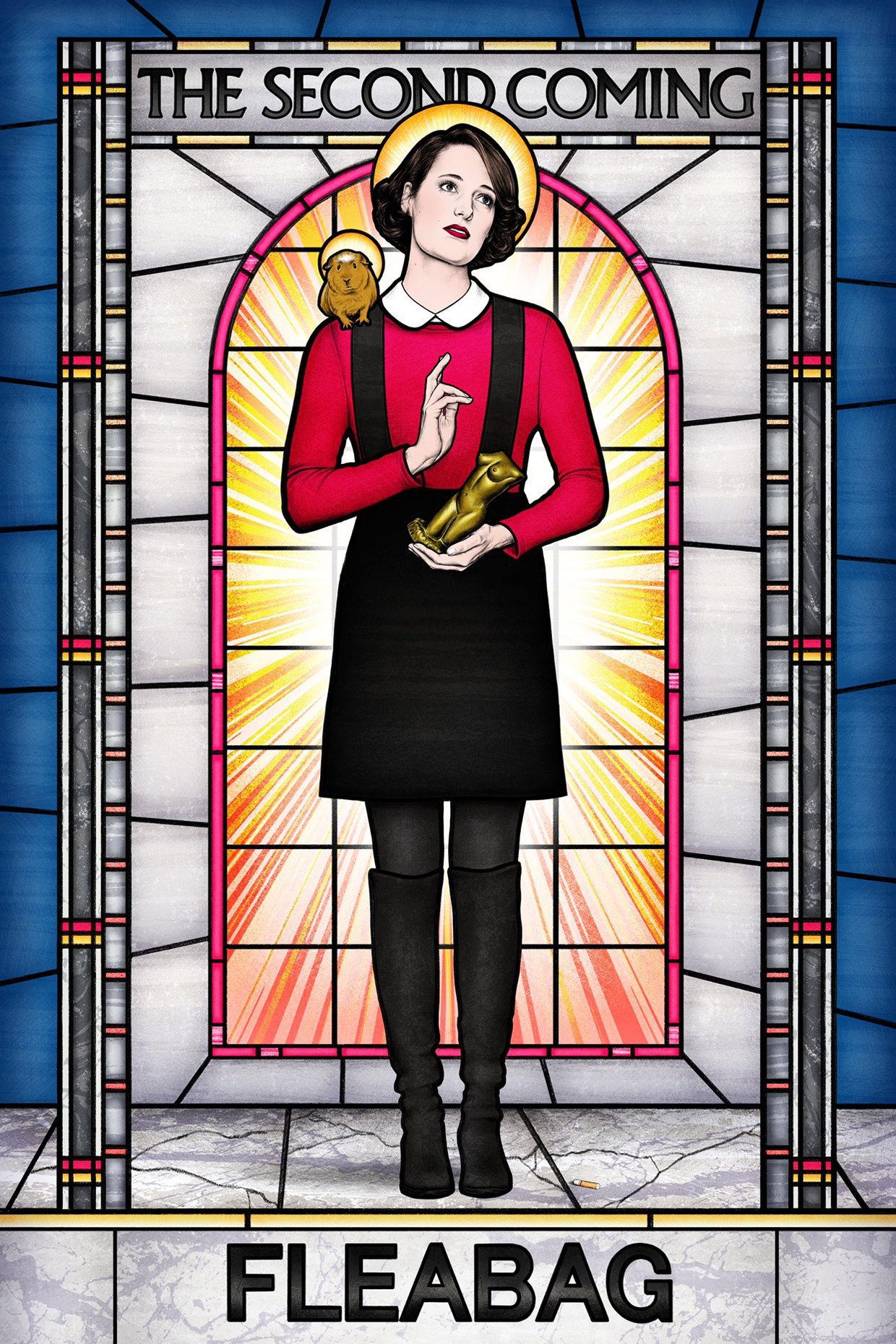
Phoebe Waller-Bridge’s two-series comedy about a grieving woman who confides in the camera is rude, exact and built to last. The first series is harsher and occasionally coarse for its own sake; the second is as good as half-hour television gets.
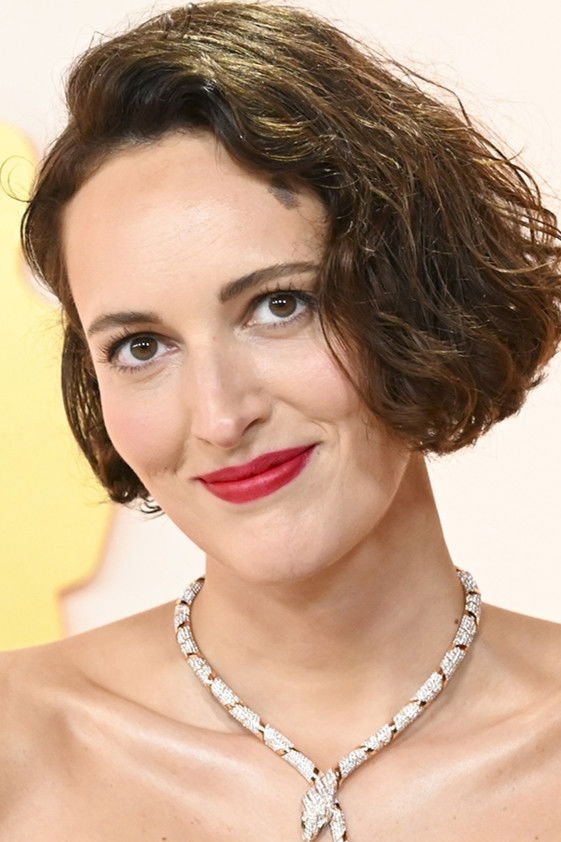
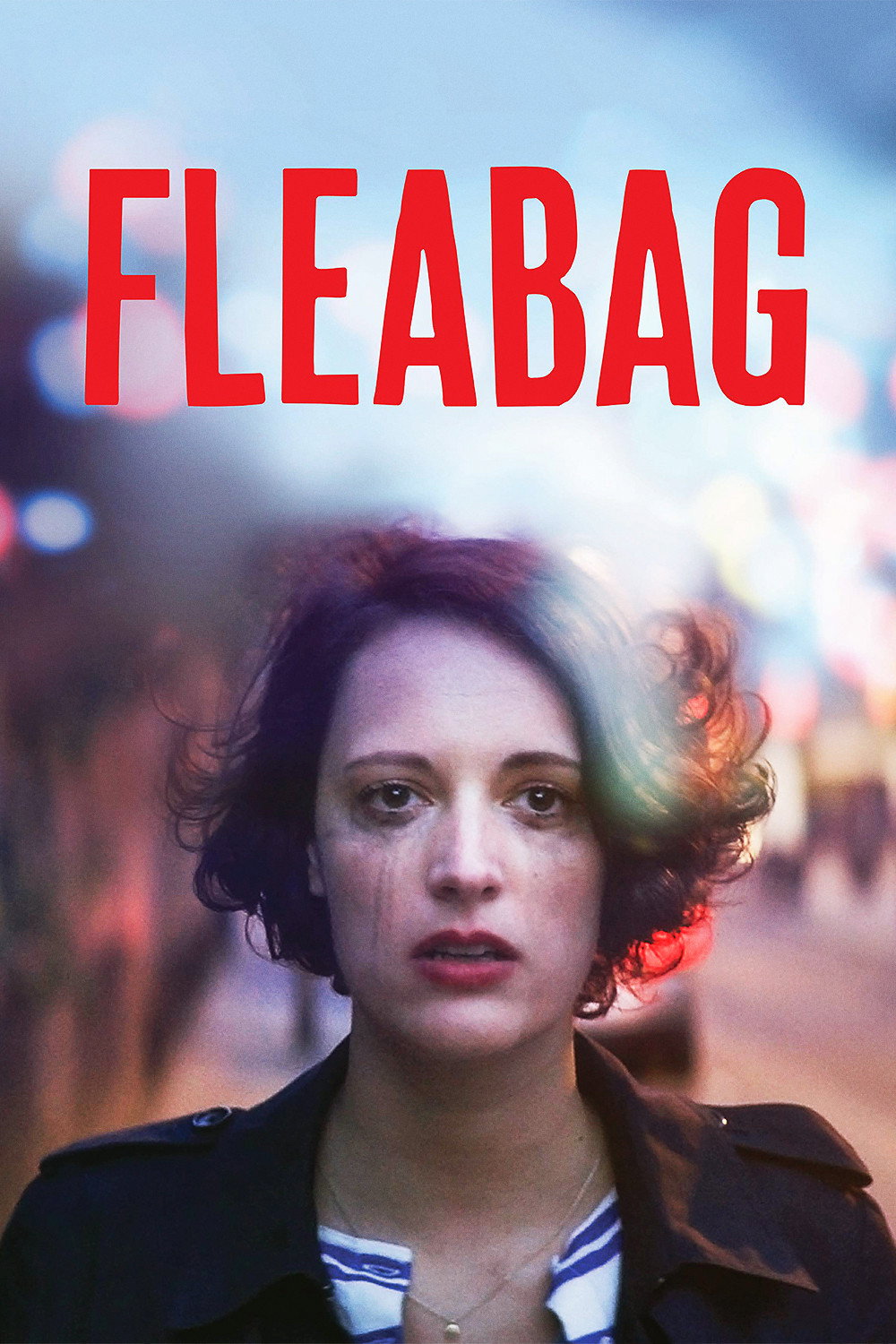
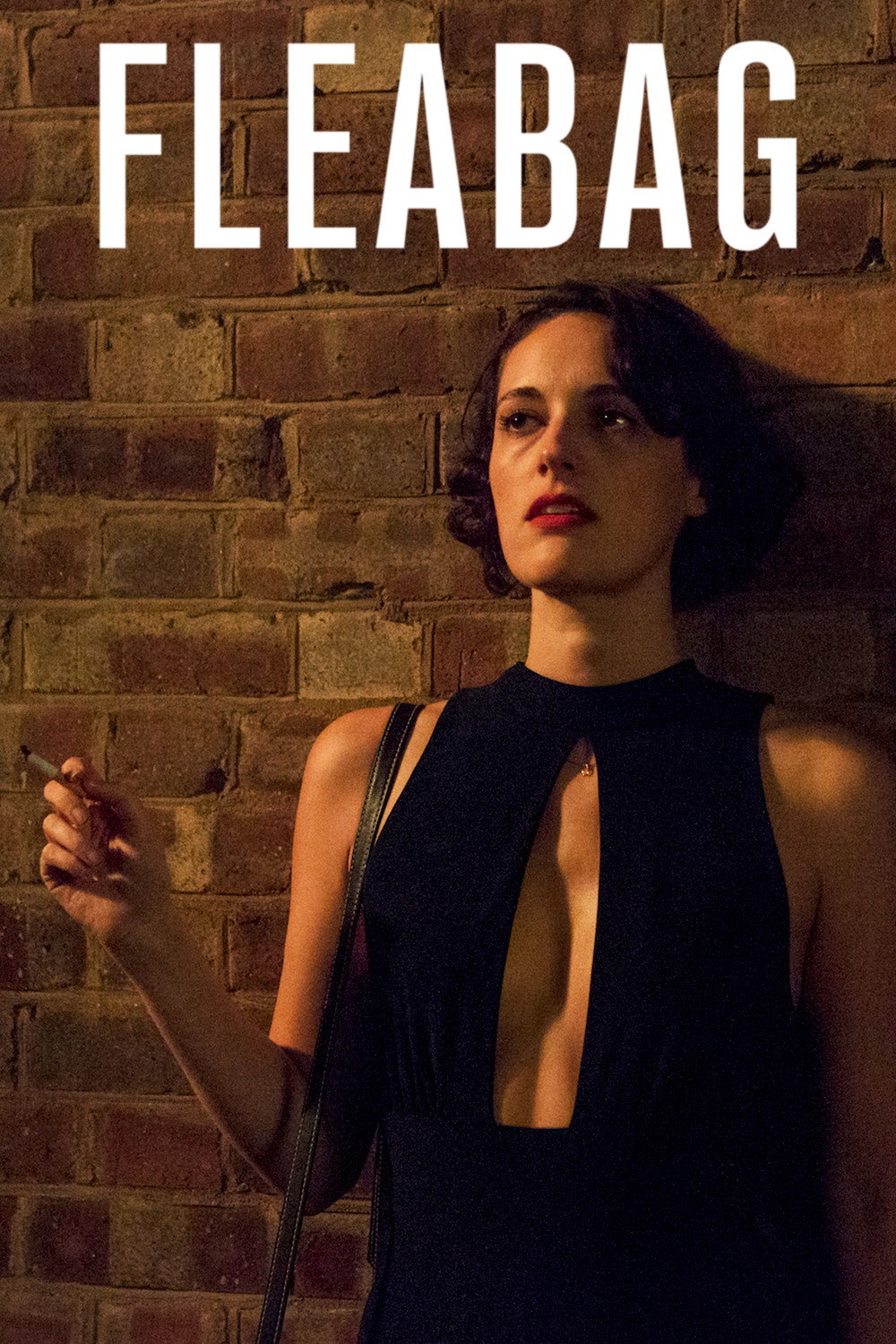
Fleabag is about a woman in London who has lost her best friend, is losing her café, cannot talk to her sister and sleeps with men she dislikes, and who deals with all of it by turning to us and making a joke. Phoebe Waller-Bridge created it, wrote every episode and plays the lead, and the whole thing rests on one device: she looks into the camera and tells us the truth, and nobody else on screen can hear her. There are two series of six episodes, the first from 2016 and the second from 2019, and they are different enough in temper that we will take them in turn.
Our verdict first. We would tell a stranger to watch it, which is not something we say often. The first series is the rawer of the two, quicker to reach for a filthy line when a quiet one would do, and there are a couple of episodes where the shocks come before the point does. The second series has no such problem. It is written with the confidence of someone who knows exactly how long a look can be held, and we did not find a wasted minute in it.
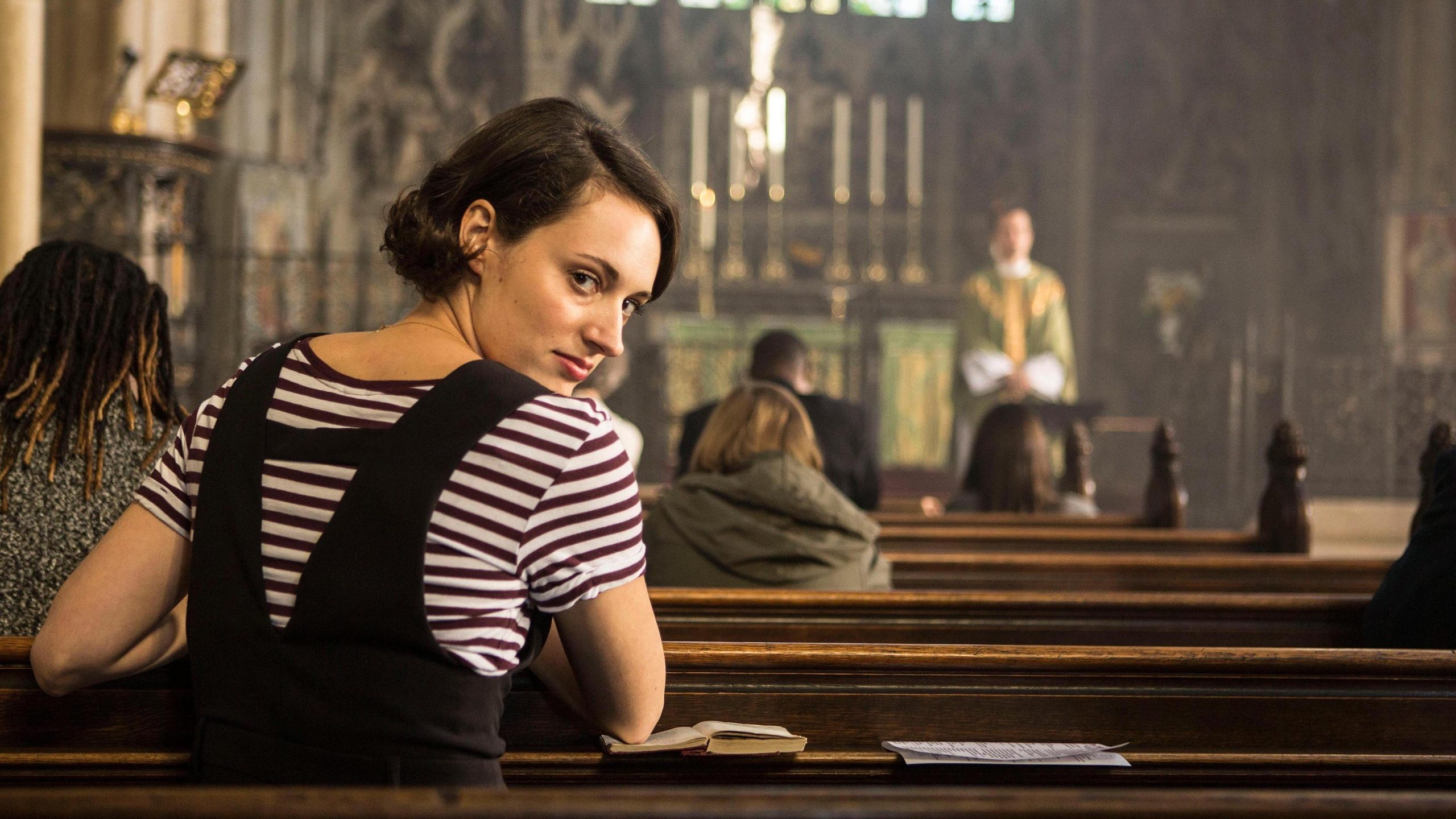
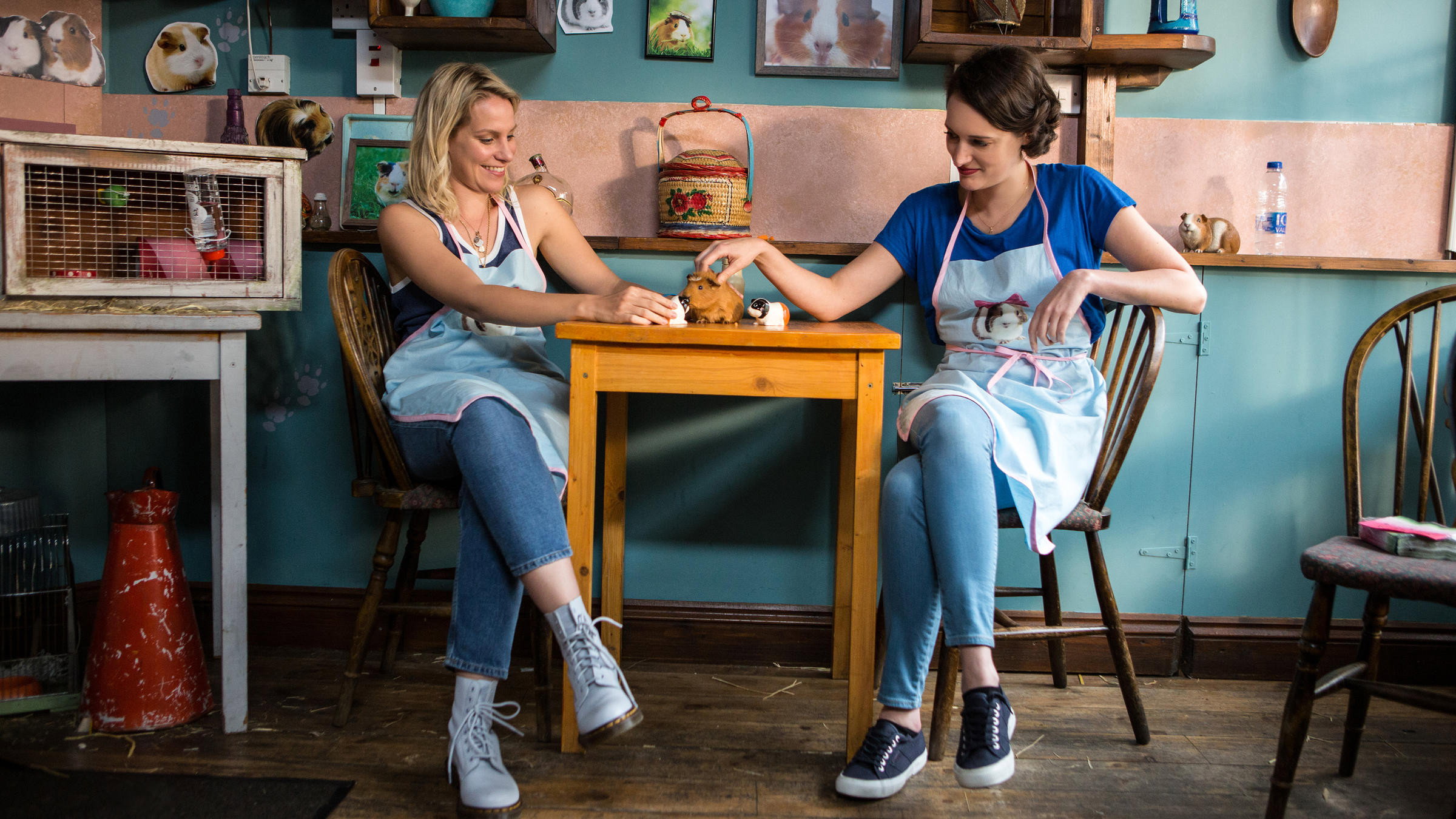
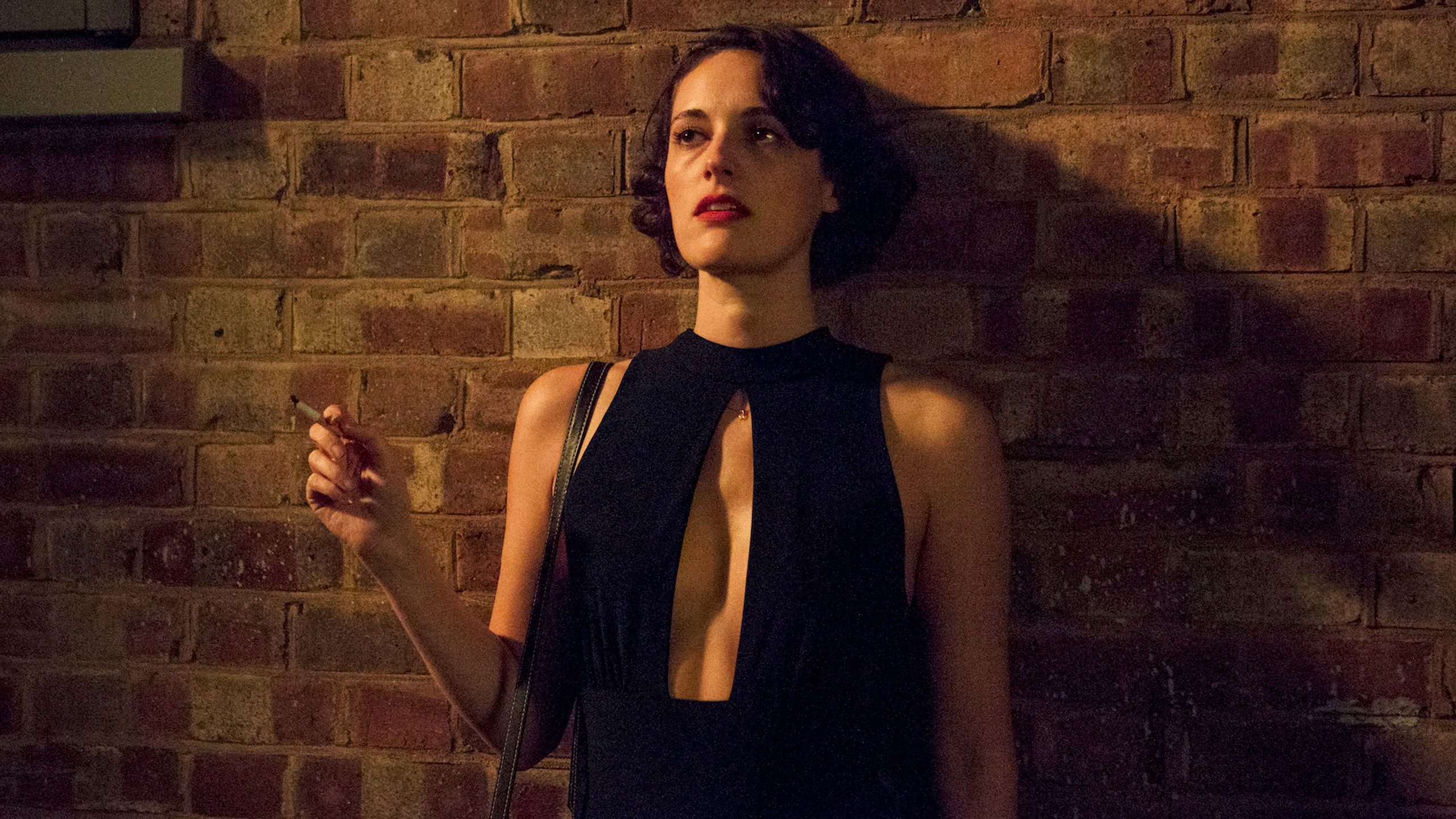
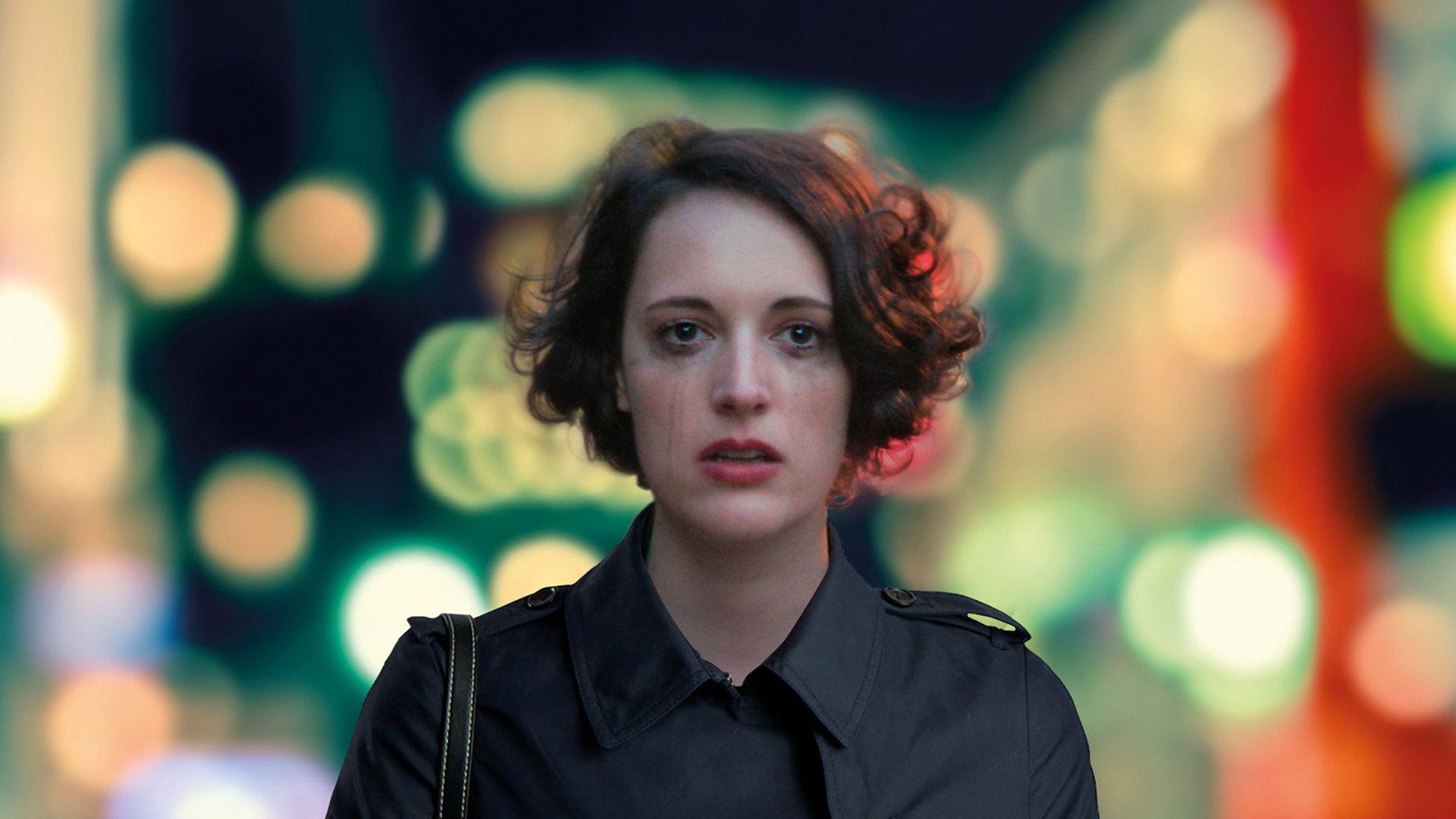
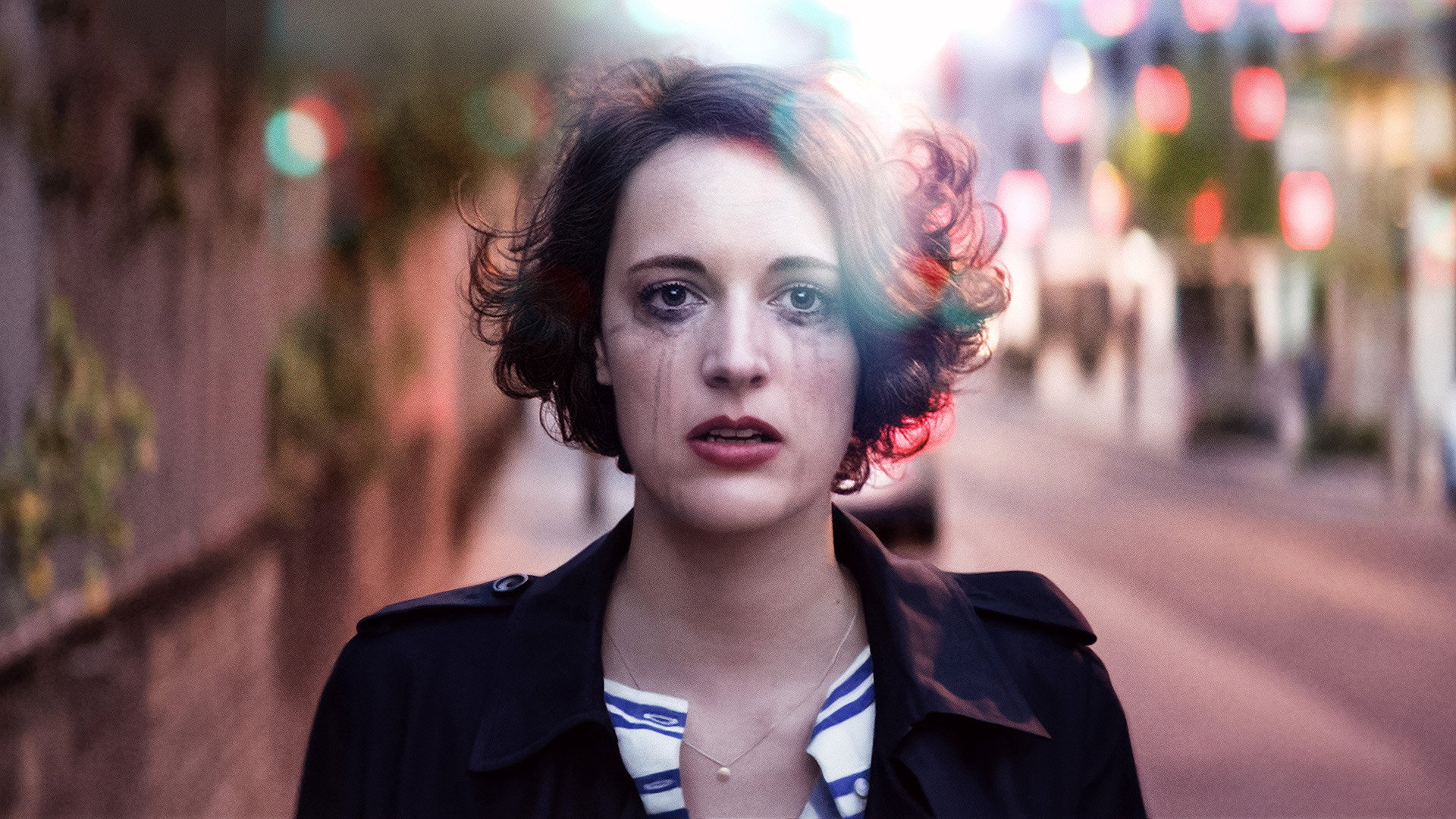
The look to camera is the thing everyone talks about, and it works because of how it is cut. Gary Dollner, the editor, gives the asides almost no room: a glance, a word, back to the scene before the other person has finished their sentence. The same speed is used for Boo. Jenny Rainsford turns up in flashes half a second long, laughing in the café, and then is gone, and the show never announces that these are memories or explains what they mean. Harry Bradbeer and Tim Kirkby, the directors, keep the camera close to Waller-Bridge’s face throughout, so we are watching her decide what to tell us and what to keep.
That is where the series got at us. For a while the asides are simply funny, and we laughed at them the way you laugh at a friend being unkind about a party. Then there is a moment, late in the first series, when she turns to us and has nothing to say, and we felt caught out, as if we had been enjoying a confession without noticing what was being confessed. The reason is on screen: Waller-Bridge plays the pause exactly as long as the jokes before it, and the silence lands in the space where a punchline should be.
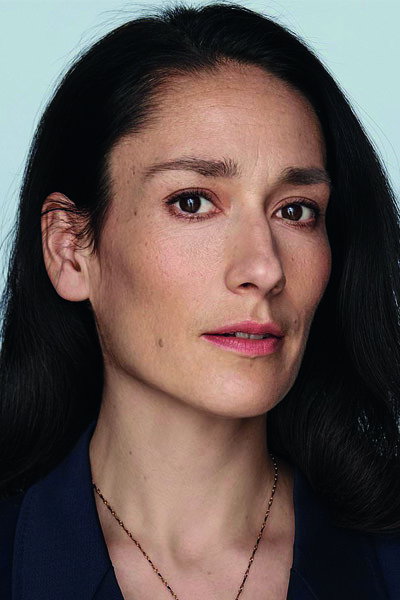
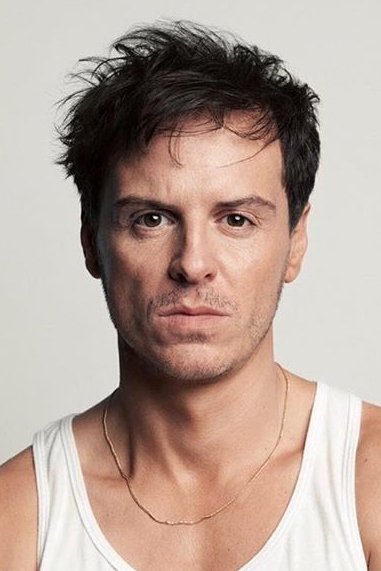
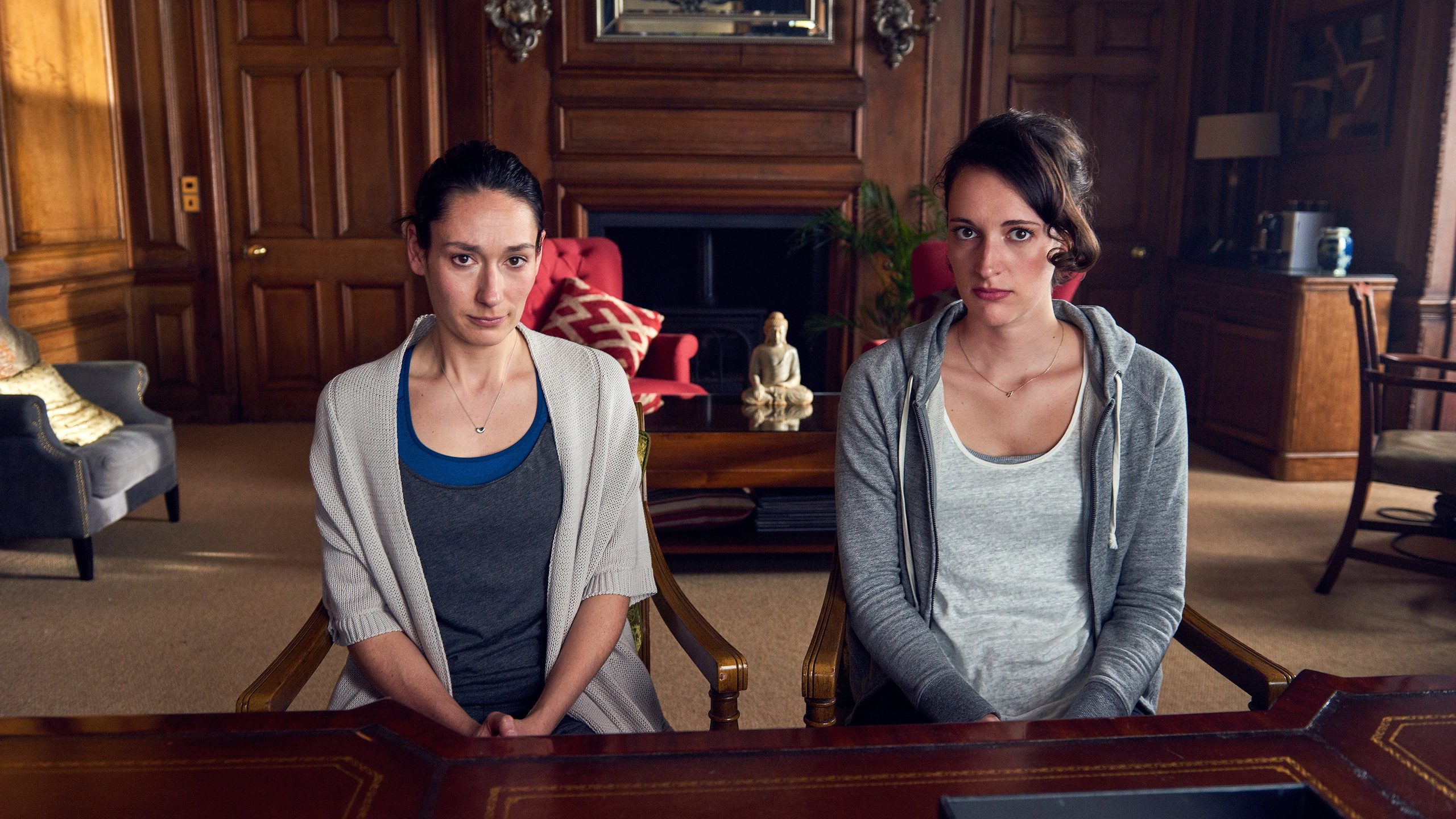
Sian Clifford is the other reason it works. Claire is the sister who has done everything right and is furious about it, and Clifford plays her as a woman holding herself together with posture alone; the scenes between the two of them, in kitchens and toilets and the backs of cars, are the best in either series. Ben Aldridge, as the man Fleabag names Arsehole Guy, is a running joke that keeps turning into something sadder. And in the second series Andrew Scott arrives as a priest, of all things, and the show becomes a love story without softening. He is the only person in twelve episodes who seems able to see all of her, and what the series does with that is something we will not describe.
There are faults. The gross-out material in the first series has dated faster than the rest, partly because so many other comedies have since borrowed the tone. A few of the supporting men are drawn with a single line and asked to stand there. And the device, brilliant as it is, means that Fleabag is the only person we ever truly know; everyone else exists as she sees them, which is the point, and also a limit the show cannot get past.
It carries a 15 certificate, earned mostly in the first ten minutes of the first episode. If you can get through those without switching off, stay; the second series is the reward, and it is a considerable one.