Film review

Frances Ha

2013 · Directed by Noah Baumbach · 1h 26m · MPA R

In a sentenceWe would happily spend an evening with Frances, provided someone else sorted out the arrangements

ComedyDrama

Greta Gerwig plays Frances Halladay, a 27-year-old dancer trying to build a life in New York. Her ambitions remain uncertain, and her friendship with Sophie Levee, played by Mickey Sumner, matters as much to her as any plan for work. Frances approaches setbacks with enthusiasm, but becoming independent means questioning what she expects from other people and from herself. Written by Gerwig and director Noah Baumbach, this comedy-drama follows her through the mistakes and social awkwardness of a life that is not developing quite as she imagines.

Plays from YouTube when you press play; nothing loads from them until then.

Fi1m review

Greta Gerwig makes Frances Ha funny and unexpectedly affecting, while Noah Baumbach keeps its awkwardness sharp enough to matter. It is sometimes too willing to forgive its heroine, but the friendship at its centre earns our affection.

Noah Baumbach’s Frances Ha is a funny, tender comedy about the difficulty of becoming independent when nobody has agreed what that should look like. We recommend it, with a small reservation about how readily it forgives its heroine. Frances Halladay, played by Greta Gerwig, is a New York dancer whose enthusiasm runs ahead of her prospects. At 27, she still expects friendship and ambition to provide some direction. The film is patient with that expectation, even when Frances makes patience difficult.

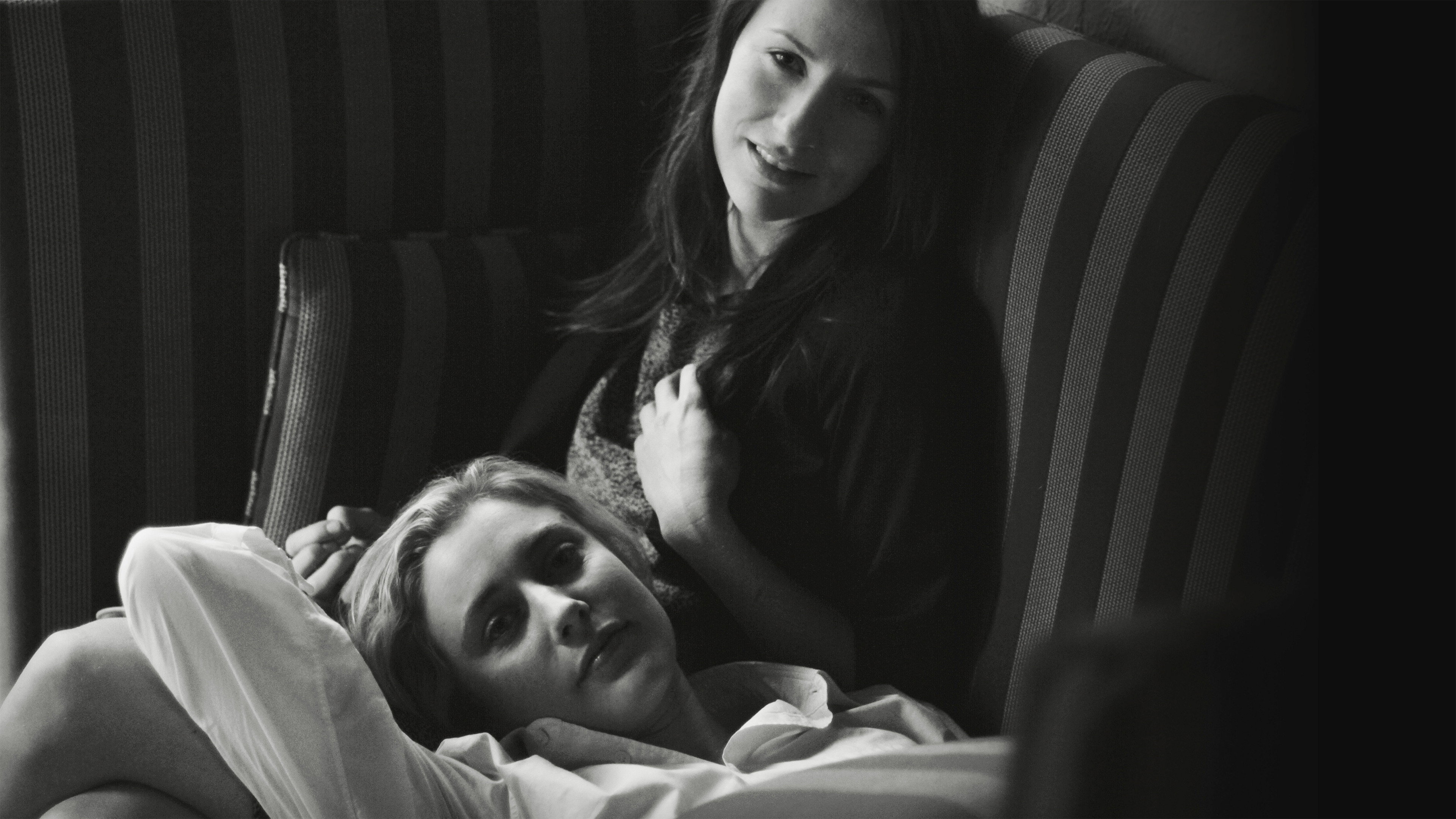
Baumbach and Gerwig’s script puts Frances’s friendship with Sophie, played by Mickey Sumner, at the centre of her uncertainty. The importance Frances gives it can be touching and exhausting within the same exchange. Sumner provides enough resistance to keep Sophie from becoming merely someone who lets Frances talk. Gerwig makes neediness funny without making it harmless: being close to this woman would sometimes require more reassurance than anyone had available. That is a sound basis for a comedy about friendship.

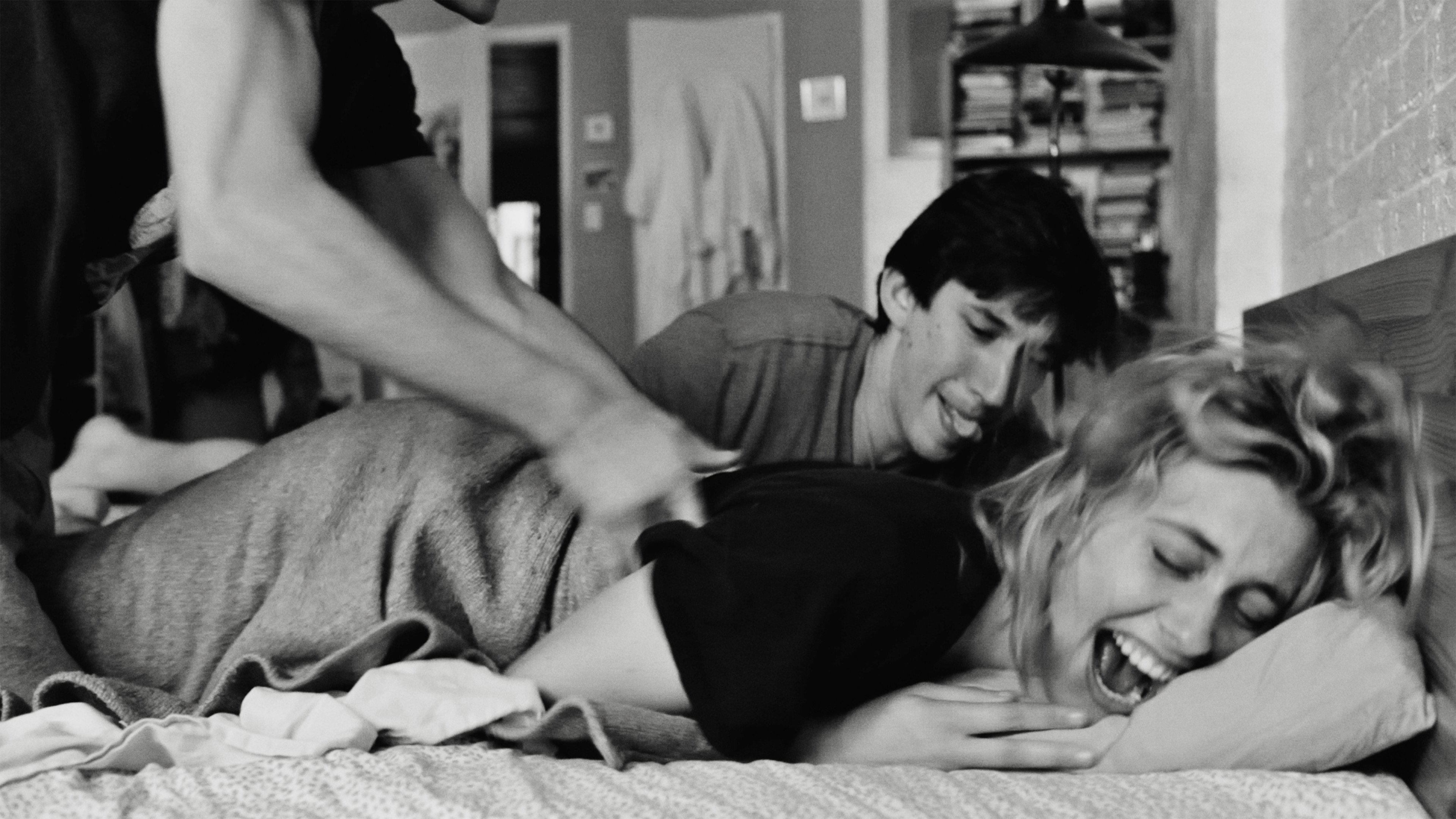
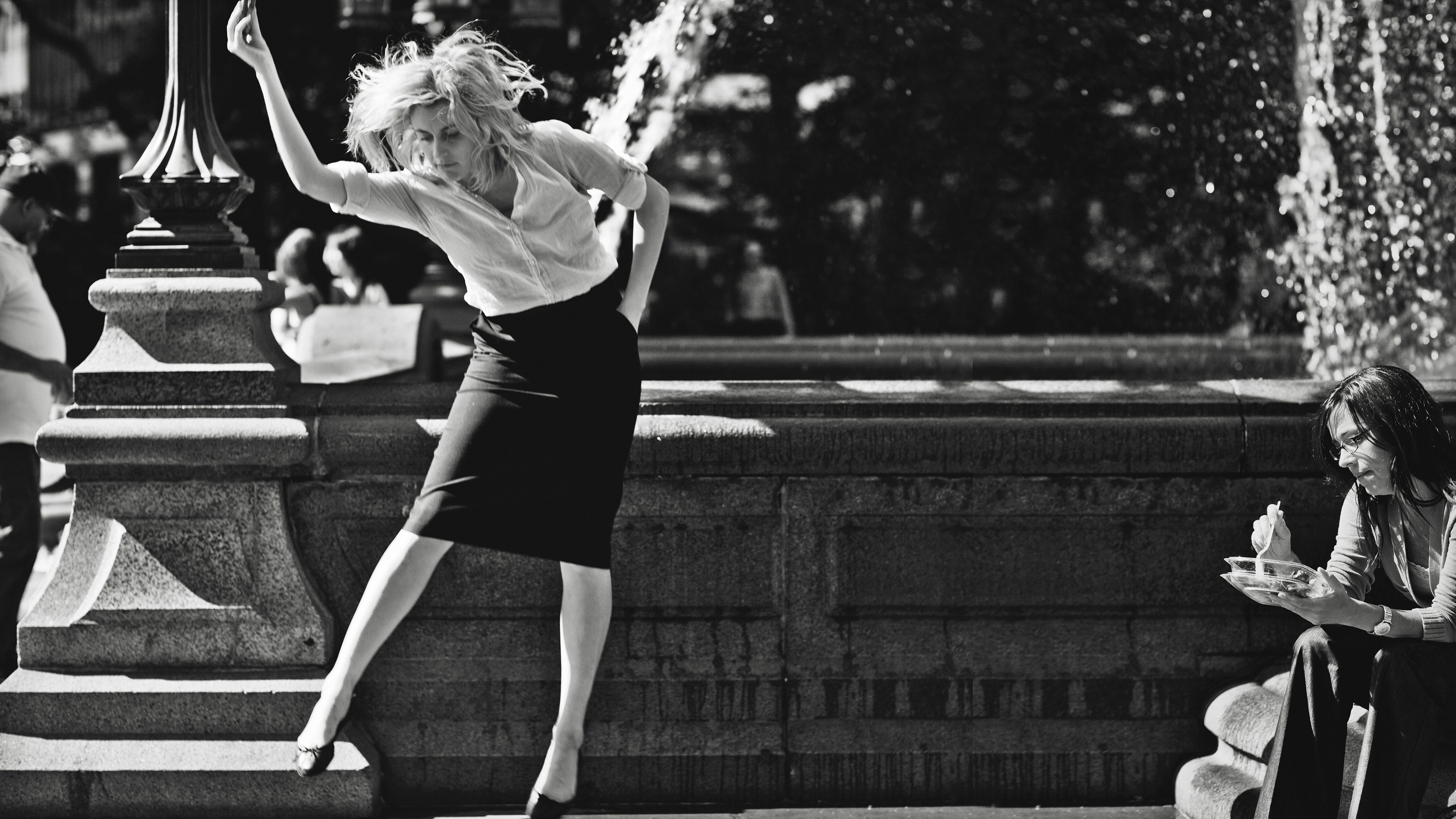
Gerwig is especially good at letting physical confidence and social uncertainty interfere with each other. Frances’s pratfalls and mishaps are funny because the enthusiasm survives the embarrassment, though we can see what the embarrassment costs. We laughed, then found ourselves worrying about her. Gerwig’s timing does that: she gives the awkwardness long enough to become uncomfortable without turning Frances into an object of disgust. Baumbach occasionally lets the humiliation run on, but his affection for her remains clear.

Sam Levy’s black-and-white cinematography gives the drifting New York life a coherence that Frances herself lacks. The images are clear and inviting, and the pleasure of looking never quite cancels the discomfort of watching her struggle. Sam Lisenco’s production design keeps the question of money visible in the places Frances occupies. That gives her uncertainty a practical cost, though we wish the writing pressed harder on the differences in wealth. The film notices class, then often lets Gerwig charm us past it.

Jennifer Lame’s editing gives the film its briskness without making Frances’s uncertainty feel tidily organised. At 86 minutes, it has room for awkward pauses but little appetite for explaining every change of mood. Delerue’s music supplies a sweep of feeling that suits Frances’s hopeful view of herself. The French New Wave references are affectionate and sometimes a little flattering to everyone involved. Still, the movement and music make her enthusiasm easy to share, which matters when her behaviour is less appealing.

Within the coming-of-age comedy, its useful choice is to take friendship as seriously as personal ambition. Frances does not need to become unpleasant for her dependence on Sophie to cause trouble, and the film understands that fondness can survive irritation. Its optimism is welcome, particularly because the jokes can hurt. The problem comes when that optimism seems to excuse behaviour the script has already shown us clearly. We wanted a little more room for the people who have to live with Frances’s mistakes.

That reservation need not keep anyone away who enjoys a comedy built around an awkward, talkative person. Gerwig makes Frances worth spending time with, and Sumner gives their friendship weight beyond the jokes. Watch it with a friend who has known you long enough to remember your less convincing plans.

Critical consensus AI synthesised

81
Positive
16
Mixed
1
Negative
0

Most critics greet Frances Ha warmly, with praise centred on Greta Gerwig’s comic timing and her ability to make a directionless, sometimes difficult heroine sympathetic. The reviews find humour and tenderness in Frances’s friendships, awkwardness and uncertain progress towards adulthood. Black-and-white photography and French New Wave influences also draw approval, while the Baumbach–Gerwig collaboration is widely credited with giving the familiar story of young New York drift a lighter, more affectionate touch.

The reservations concern how much insight accompanies that charm. The Guardian finds warmth and watchability but little decisive insight or satire; Sight and Sound admires Gerwig while finding the film inconsequential. Vulture offers a sharper dissent, objecting to the sourness of the humiliation scenes while valuing the quieter friendship moments. The spread runs from enthusiastic praise to qualified appreciation, with disagreement chiefly over whether the loose storytelling feels truthful or merely slight.

Evening Standard
26 July 2013
90*

Greta Gerwig is irresistible as the kooky, gawky heroine in this black-and-white New Wave pastiche that follows her through aimless New York life and personal setbacks. The film is touching, vital and enchanting, a love letter to its star.

Read the full review →
Radio Times
· Trevor Johnston
90*

A winning serio-comic saga and triumph that blissfully combines spot-on humour and genuine insight, with a career-defining performance from Greta Gerwig as the bumbling yet endearing Frances.

Read the full review →
The AV Club
16 May 2013 · A- · Ben Kenigsberg
90

The film is a wry and moving portrait of friendship and the dawning independence of its needy but sympathetic heroine. Gerwig gives her richest showcase yet as the exuberant Frances, with the black-and-white visuals probing class paradoxes among aimless twentysomethings.

Read the full review →
Empire
13 June 2013 · David Hughes
85*

The film is a charming, bittersweet coming-of-age comedy anchored by Greta Gerwig's performance as an optimistic but directionless New Yorker navigating friendship and ambition. It evokes Godard more than Woody Allen and feels light and refreshing.

Read the full review →
Little White Lies
26 July 2013 · 4/4/4 · Anton Bitel
80

A charming coming-of-age comedy that presents Frances as a joyfully goofy, rounded character who blooms through her mistakes, ultimately putting them in the service of art.

Read the full review →
Screen Daily
11 September 2012 · festival review
80*

A brisk and charming little film about twentysomething coming-of-age whose affectionate portrait of wayward young folks is both touching and meaningful, with Greta Gerwig shining in the lead.

Read the full review →

Cast

Stills

If you liked this, try…

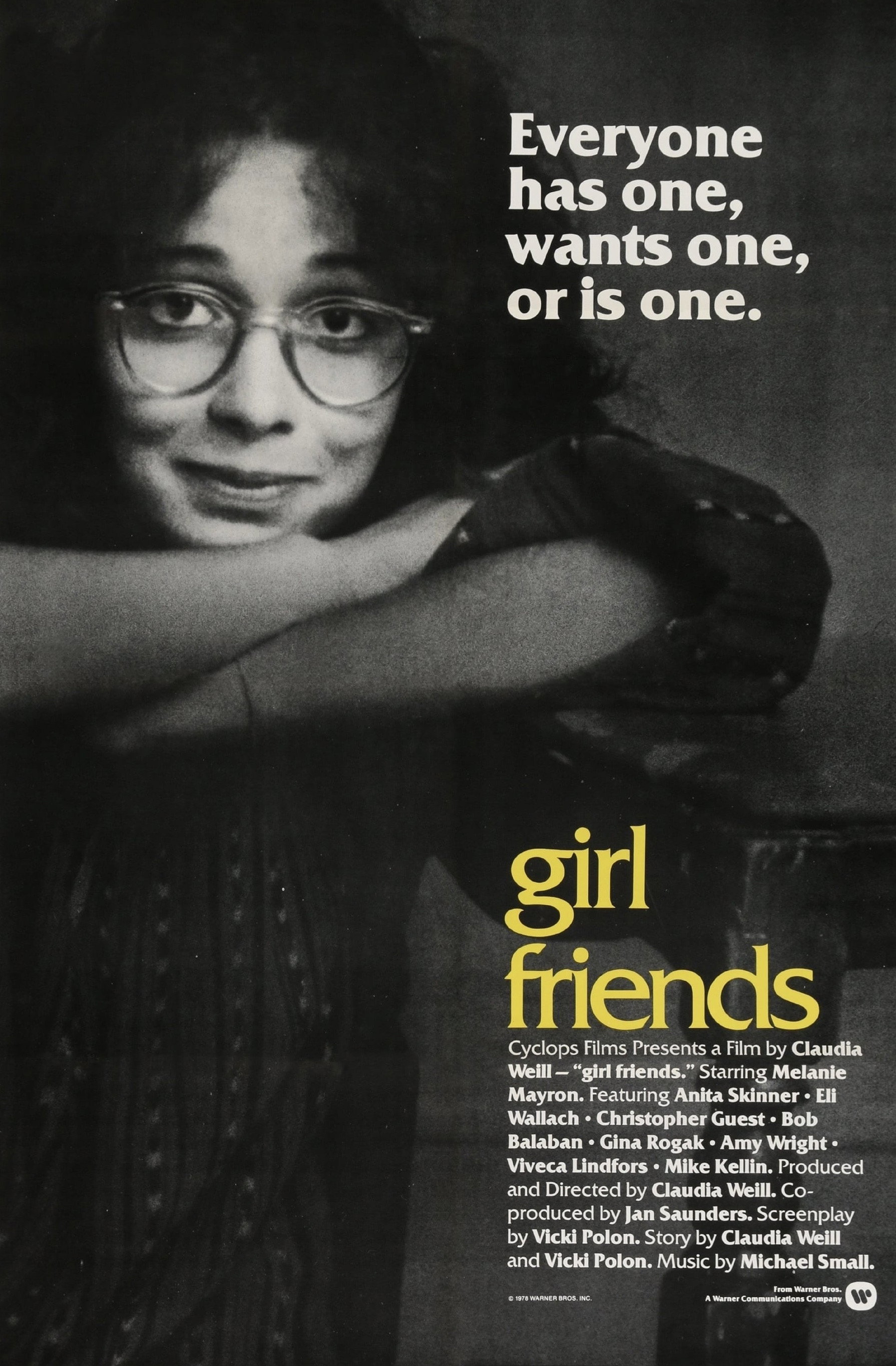
Girlfriends poster

Girlfriends

1978 · Another female friendship tested by the awkward business of building separate lives.

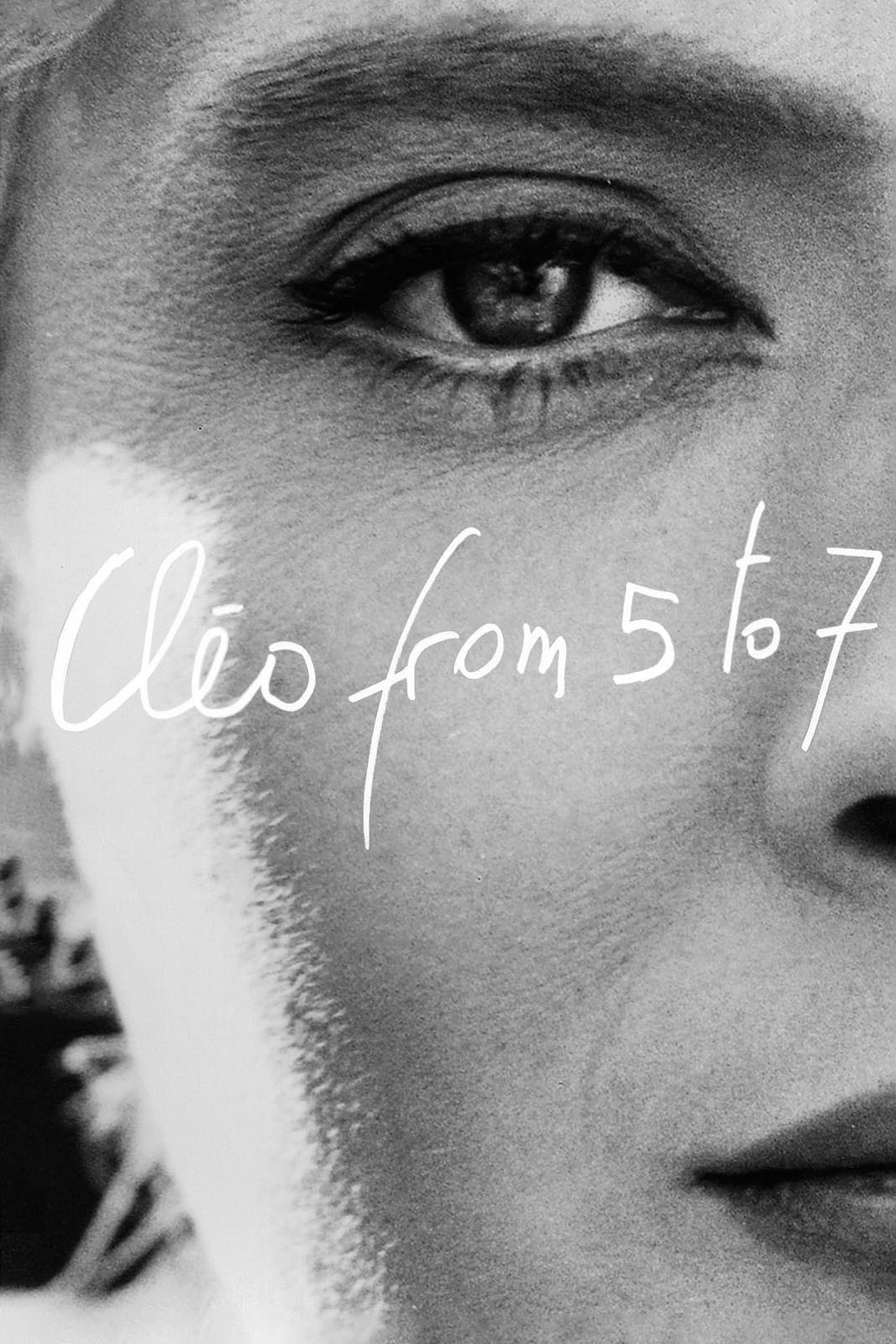
Cléo from 5 to 7 poster

Cléo from 5 to 7

1962 · Black-and-white city wandering, with a heroine learning to look beyond herself.

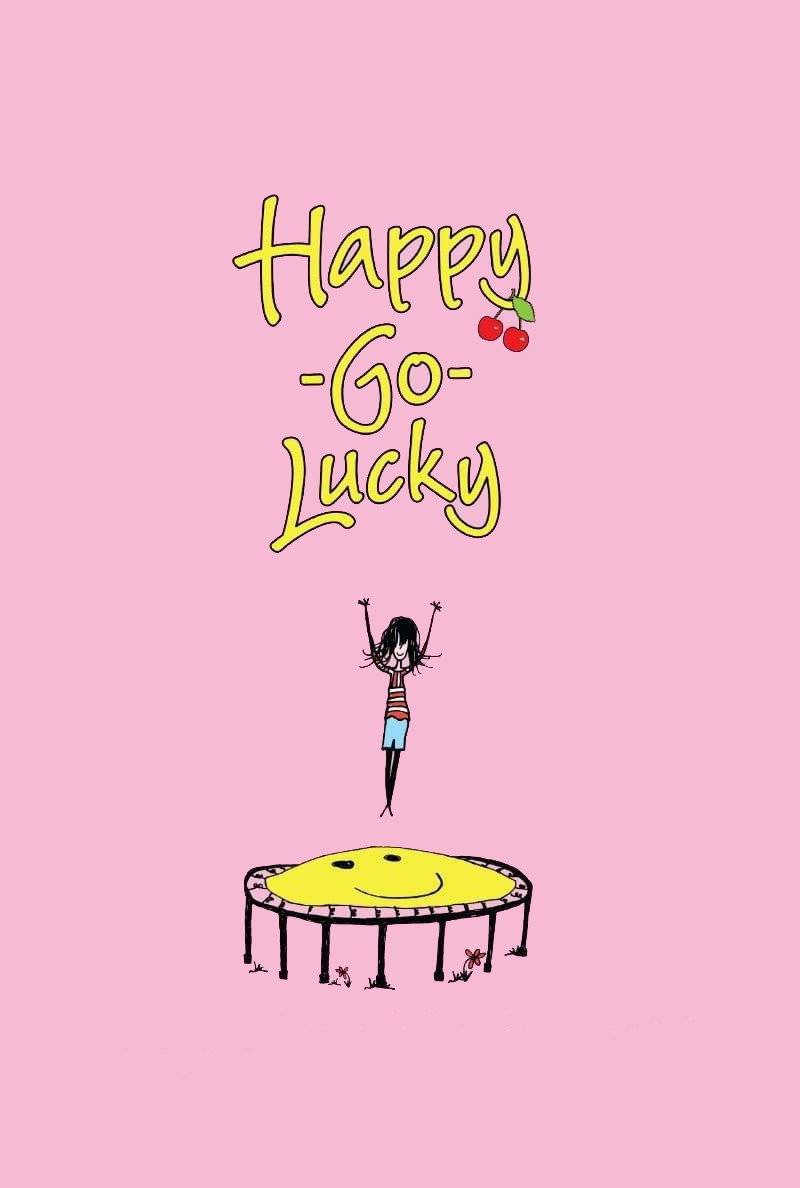
Happy-Go-Lucky poster83

Happy-Go-Lucky

2008 · An exuberant central performance, with optimism that has to withstand other people.

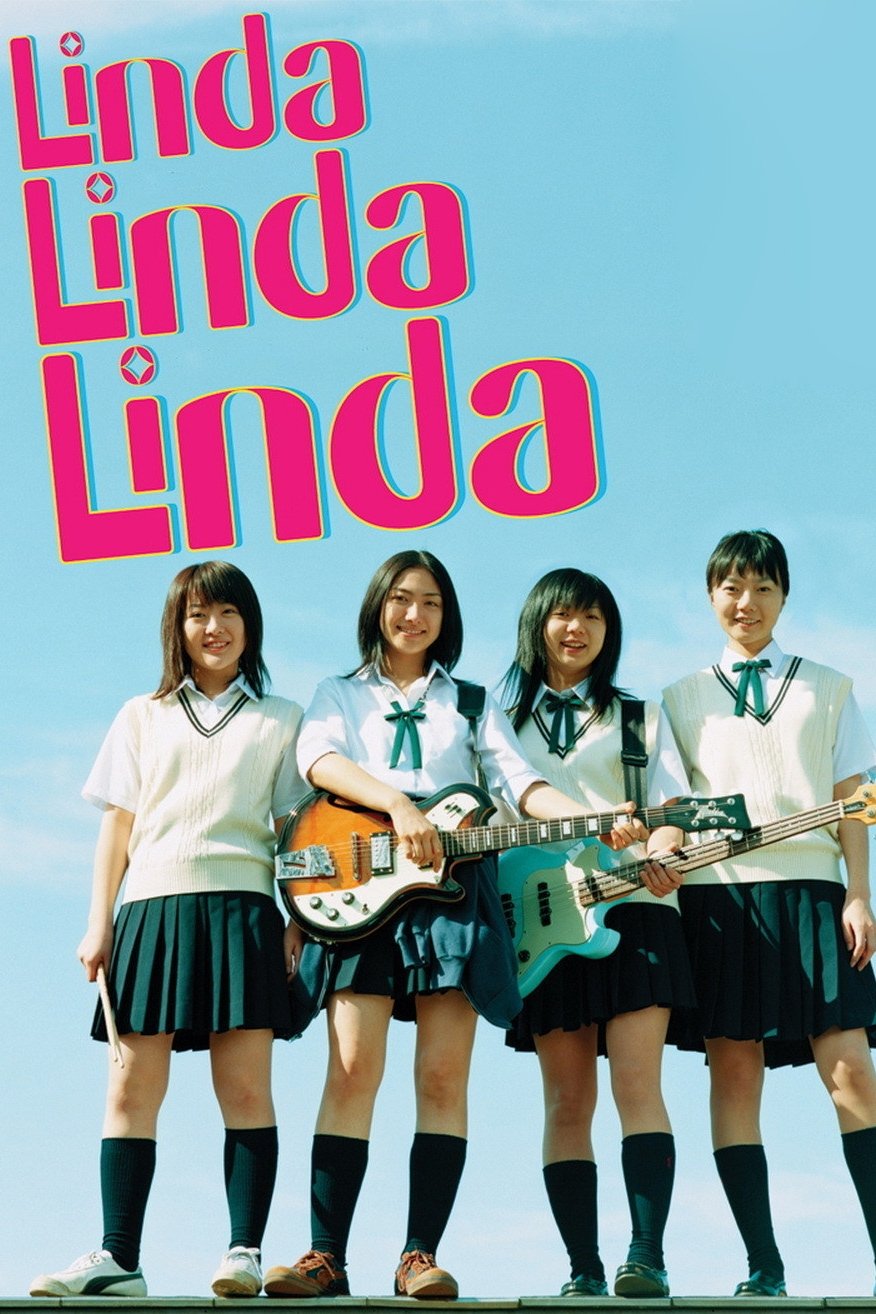
Linda Linda Linda poster

Linda Linda Linda

2005 · Female friendship takes shape through music, rehearsals and the difficulty of communicating.

The Worst Person in the World poster

The Worst Person in the World

2021 · A sharper, more restless account of struggling to make decisions about work and love.