Mike Leigh’s comedy makes a persuasive case for taking cheerful people seriously, with Sally Hawkins giving Poppy a life beyond her grin. It wanders, and occasionally labours its point, but the kindness feels earned.
Mike Leigh’s Happy-Go-Lucky asks us to spend time with a happy woman without waiting for her to be exposed as foolish or secretly miserable. We recommend it, with a warning that its heroine’s chatter can occasionally try the patience the film asks us to practise. Sally Hawkins plays Poppy Cross, a primary school teacher who meets other people with a persistent readiness to like them. Leigh gives that disposition serious attention, and Hawkins makes it worth the trouble.
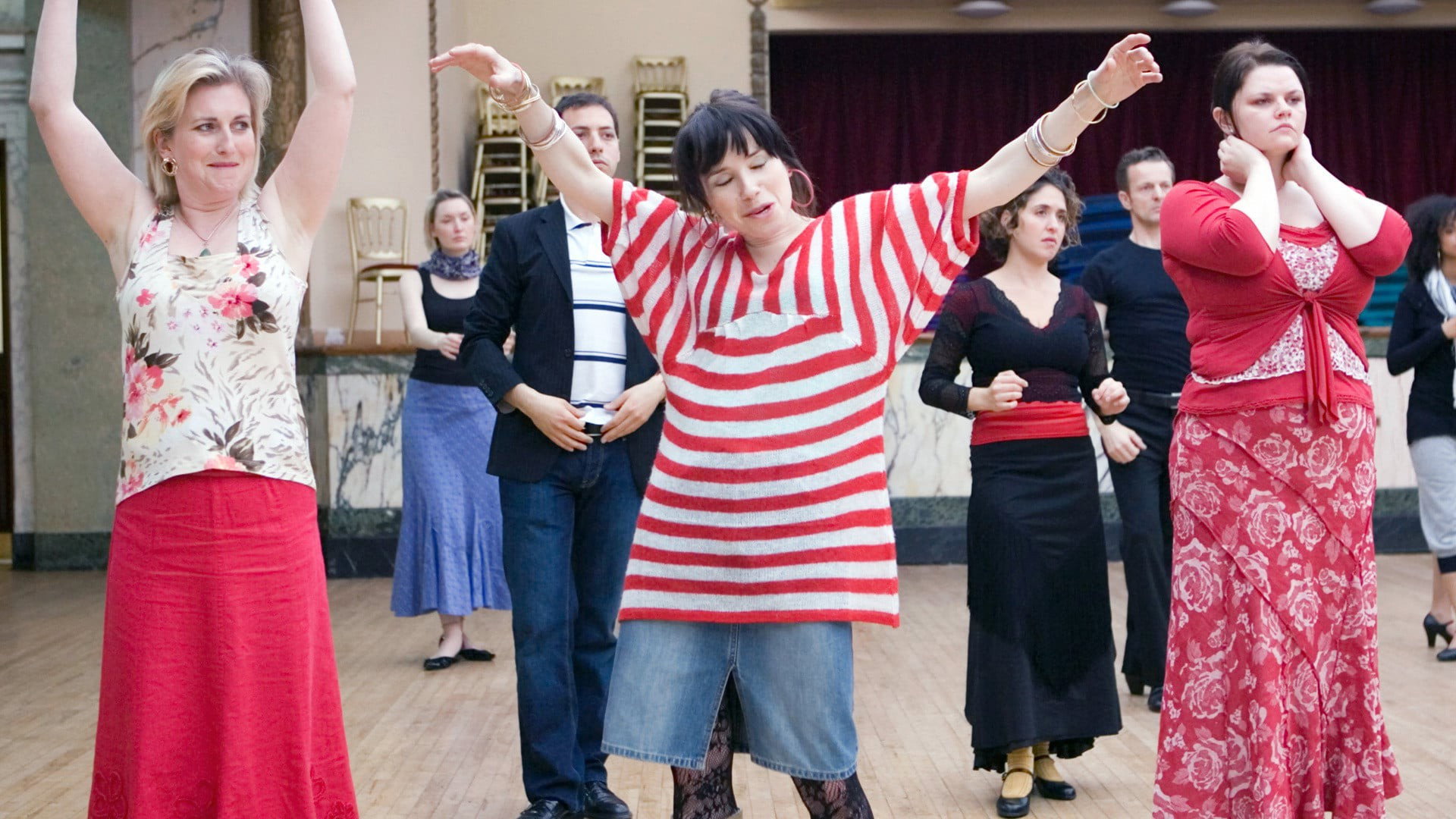
Hawkins has to establish how much Poppy notices behind all that talk, and this is where the performance earns our affection. Her attention to other people gradually makes it clear that she recognises hostility perfectly well. The cheerfulness can be intrusive, and Leigh is sensible enough to let us feel that before asking for our sympathy. We came to like Poppy because Hawkins makes her concern for others credible, including when her manner remains a little exhausting.
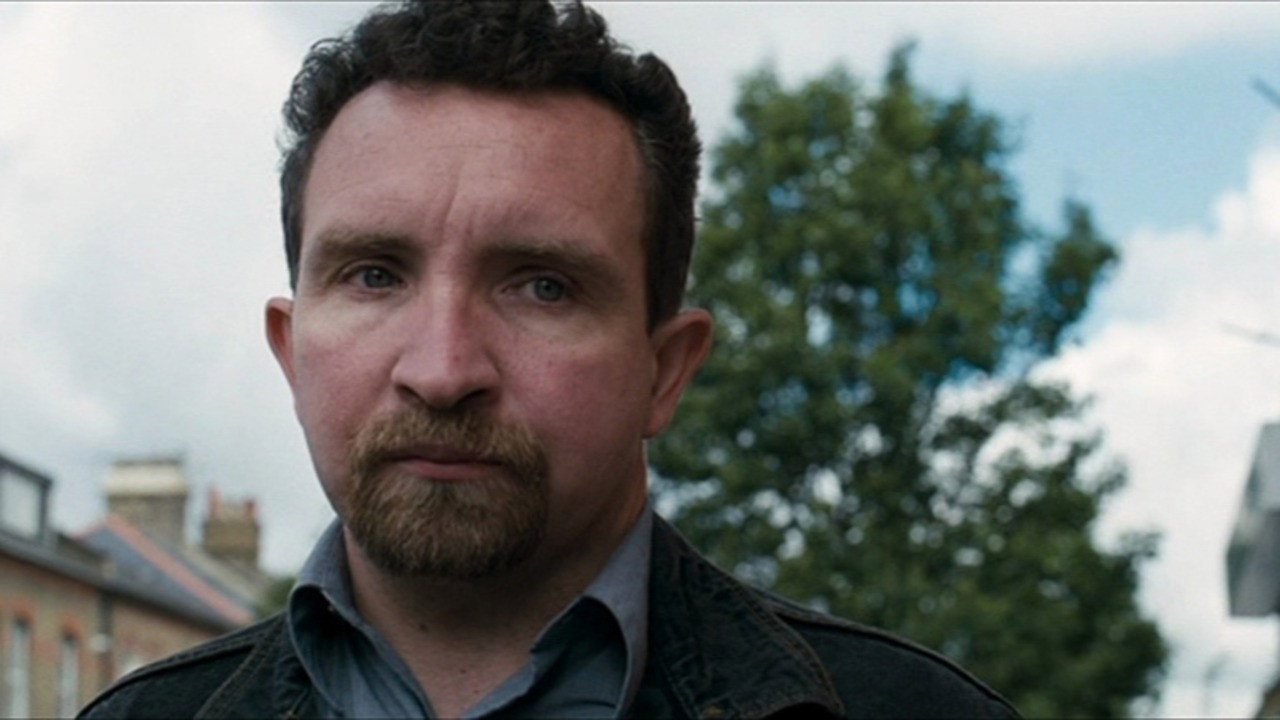
Eddie Marsan’s Scott, her driving instructor, provides the sharpest resistance to her approach. Marsan makes his anger uncomfortable enough that we begin to worry about Poppy’s determination to keep things friendly. We laughed at their incompatibility, then felt uneasy about laughing: Hawkins’s attempts to engage him meet a hostility that makes the next joke feel risky. The driving lesson is an effective setting, obliging these people to remain together while giving one the authority to tell the other what to do.
Dick Pope’s photography makes watching Poppy listen as rewarding as watching her talk. The pleasure is in being able to study Hawkins’s face and judge how much of another person’s unhappiness she understands. Mark Tildesley’s production design helps by giving the everyday encounters settings that feel ordinary, without making ordinary life look punitive. We believe that Poppy has a life between the encounters Leigh chooses to show us, which gives her optimism something substantial to rest on.
Jim Clark gives the performances time in the edit, and the lack of hurry generally suits them. At 118 minutes, though, the film has stretches when another encounter adds little to what Hawkins has already established. Gary Yershon’s score helps the comedy remain light, although we found Poppy quite capable of supplying the buoyancy herself. Occasionally Leigh seems too keen to secure our approval of her, and we started to notice how long he was taking over it.
As writer and director, Leigh is taking a useful risk with a familiar kind of character comedy. A cheerful lead can make everyone else look like an obstacle put there to prove her right, but Marsan gives Scott enough weight to complicate that easy arrangement. His resistance matters because Poppy cannot simply charm it away whenever a scene needs to move on. Hawkins makes kindness seem like something Poppy practises with individual people, so we can judge her conduct instead of accepting a general assurance that she is good.
The loose shape will trouble anyone waiting for the story to gather speed, and some conversations outstay their usefulness. Still, there is considerable pleasure in a comedy that allows us to reconsider somebody we might initially avoid. Anyone allergic to relentless good humour may need a while to settle in. Watch it for Hawkins, and allow her longer than the opening stretch to win us over.