Michaela Coel writes, co-directs and stars in a drama about a London writer piecing together the night she was drugged and raped. It is as funny as it is frightening, and twelve episodes is two too many.
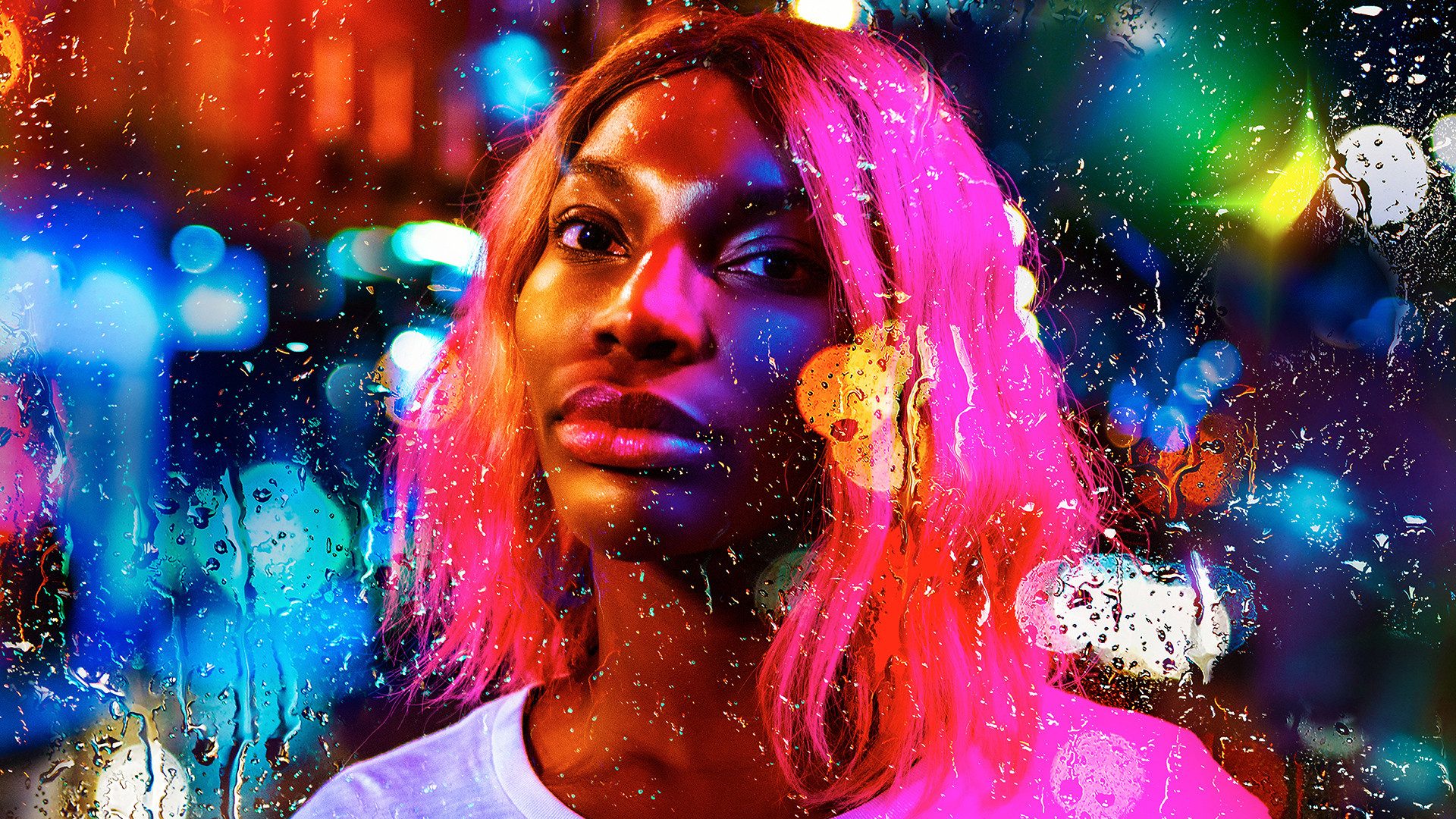
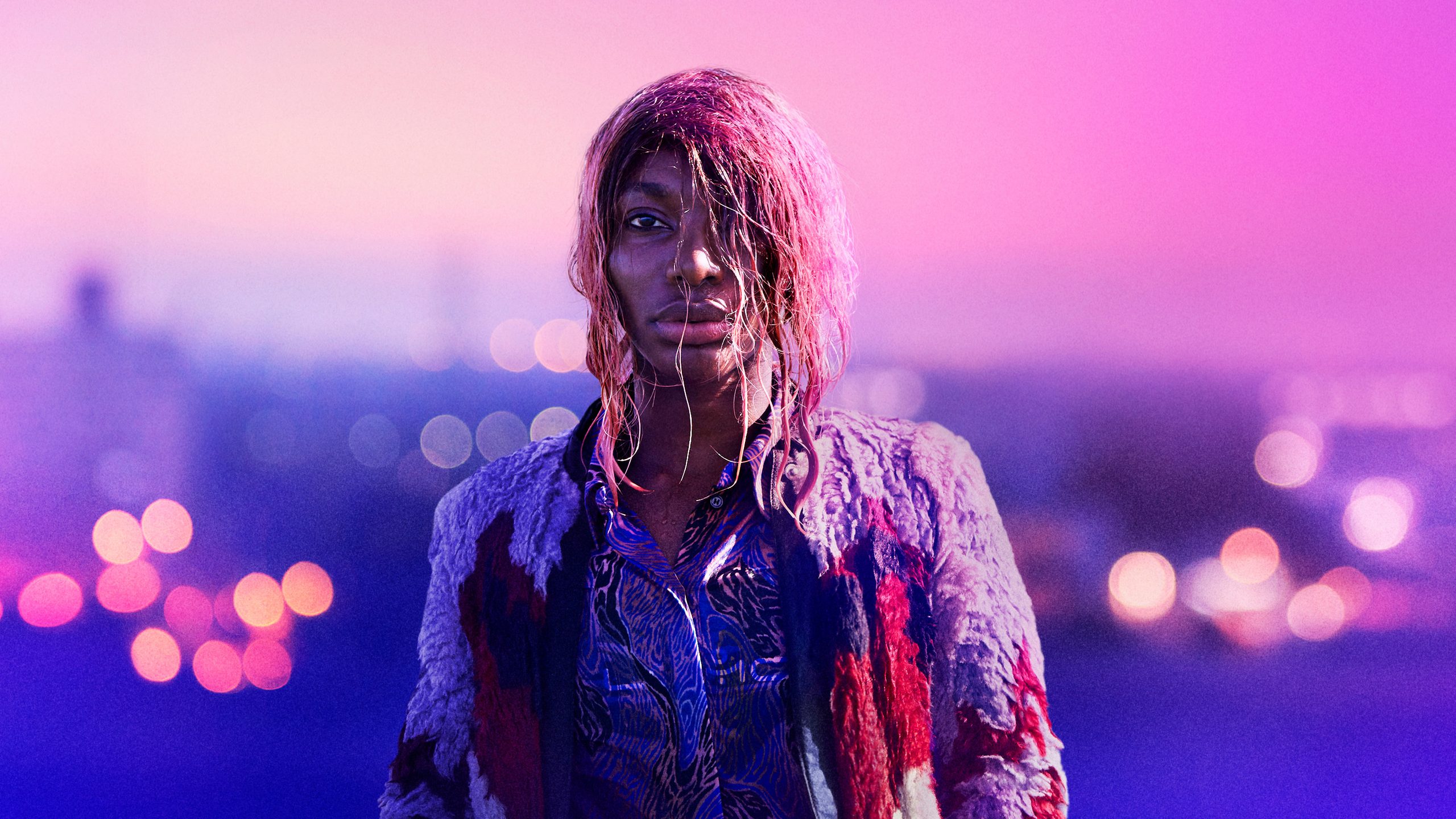
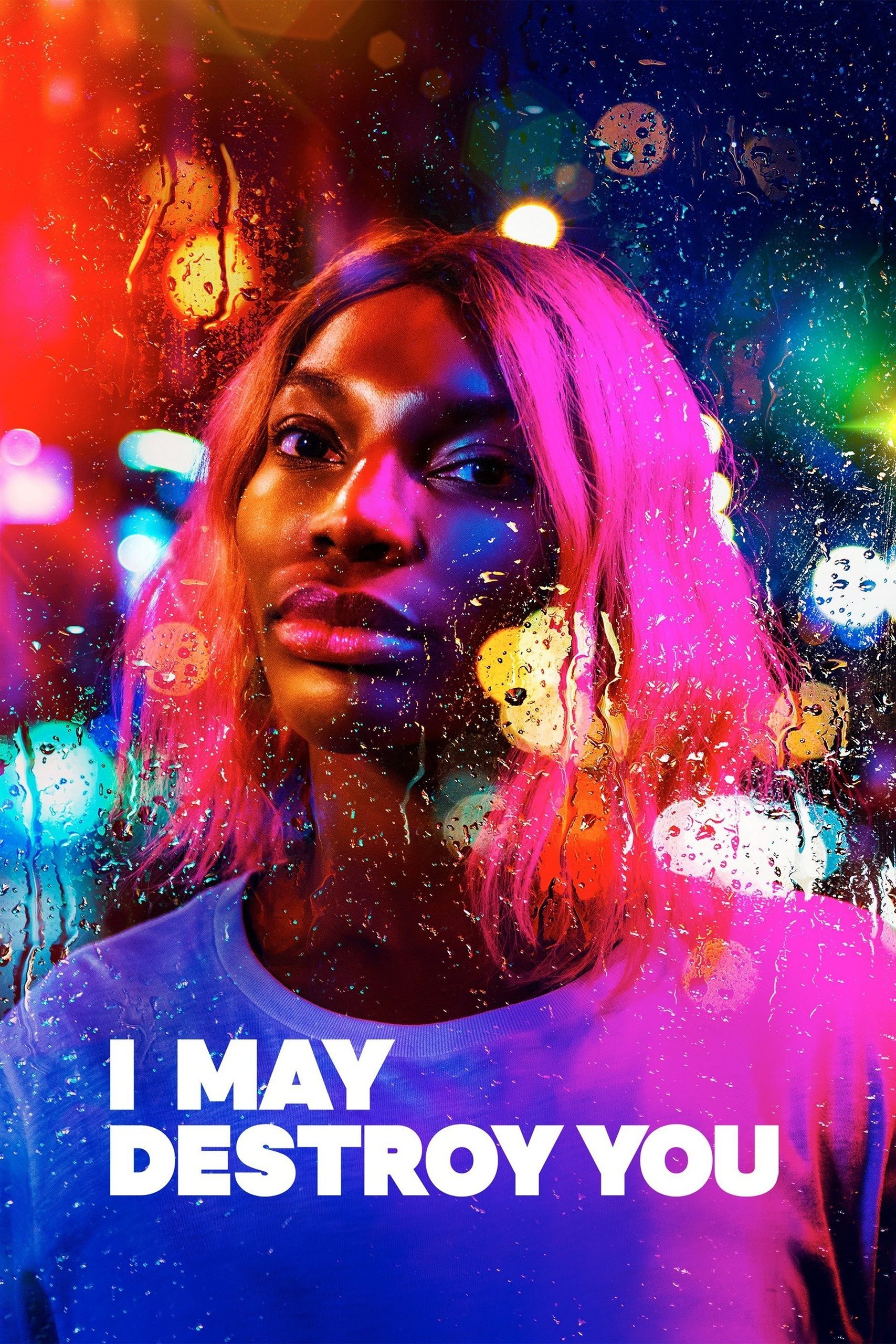
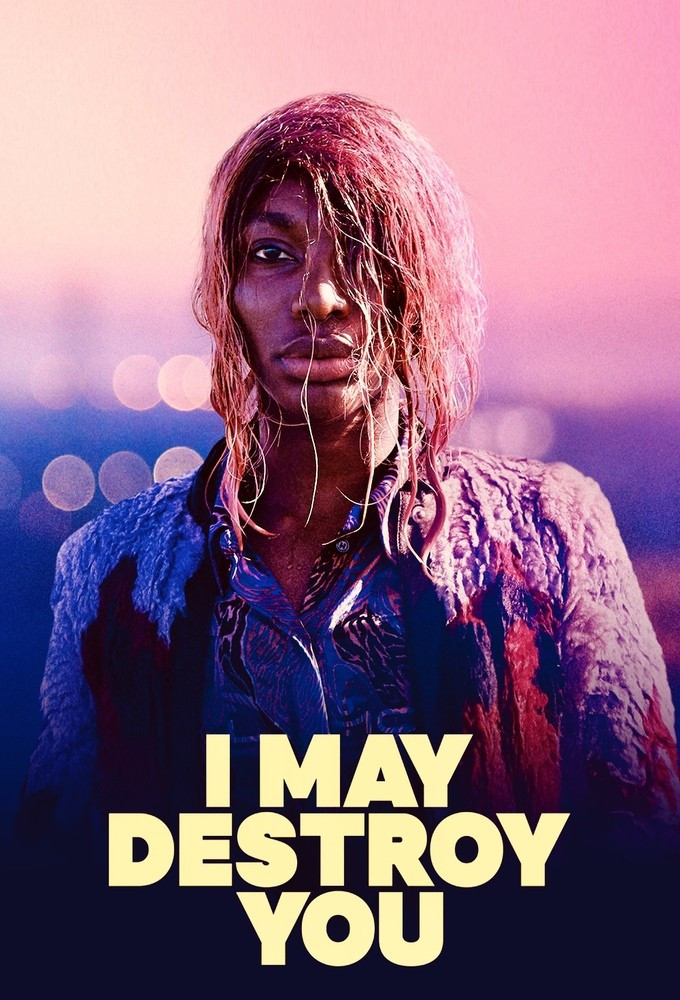
Arabella Essiuedu (Michaela Coel) is a London writer with pink hair, a first book that started life as tweets, and a second one she has not written. Her publishers, Julian (Adam James) and Francine (Natalie Walter), want a draft by morning. She goes out instead, for one drink with friends, and wakes at her desk with a cut over her eye, a smashed phone and a picture in her head that will not settle: a toilet cubicle, a man above her. Coel created and wrote I May Destroy You and directed it with Sam Miller, and all twelve episodes are Arabella trying to get that night back and deciding what to do with it.
That sounds like a grim evening, and often it is. It is also funnier than seems decent, because Coel will not let Arabella stop being Arabella. She is vain, generous, late for everything and quick with her mouth, and what happens to her does not turn her into a symbol. The first episode has been faulted for throwing too many people at us too fast, and it does; we lost track for a while of who was sleeping in whose flat. Then the club scene arrives, Adam Gillham’s camera starts to blur and drift with her, and the editors, five of them credited, Mike Phillips, Christian Sandino-Taylor, Lindsey Woodward, John Dwelly and Guy Bensley, drop a single frame of the cubicle into the morning after like a splinter. Our stomach dropped. We knew before she did.
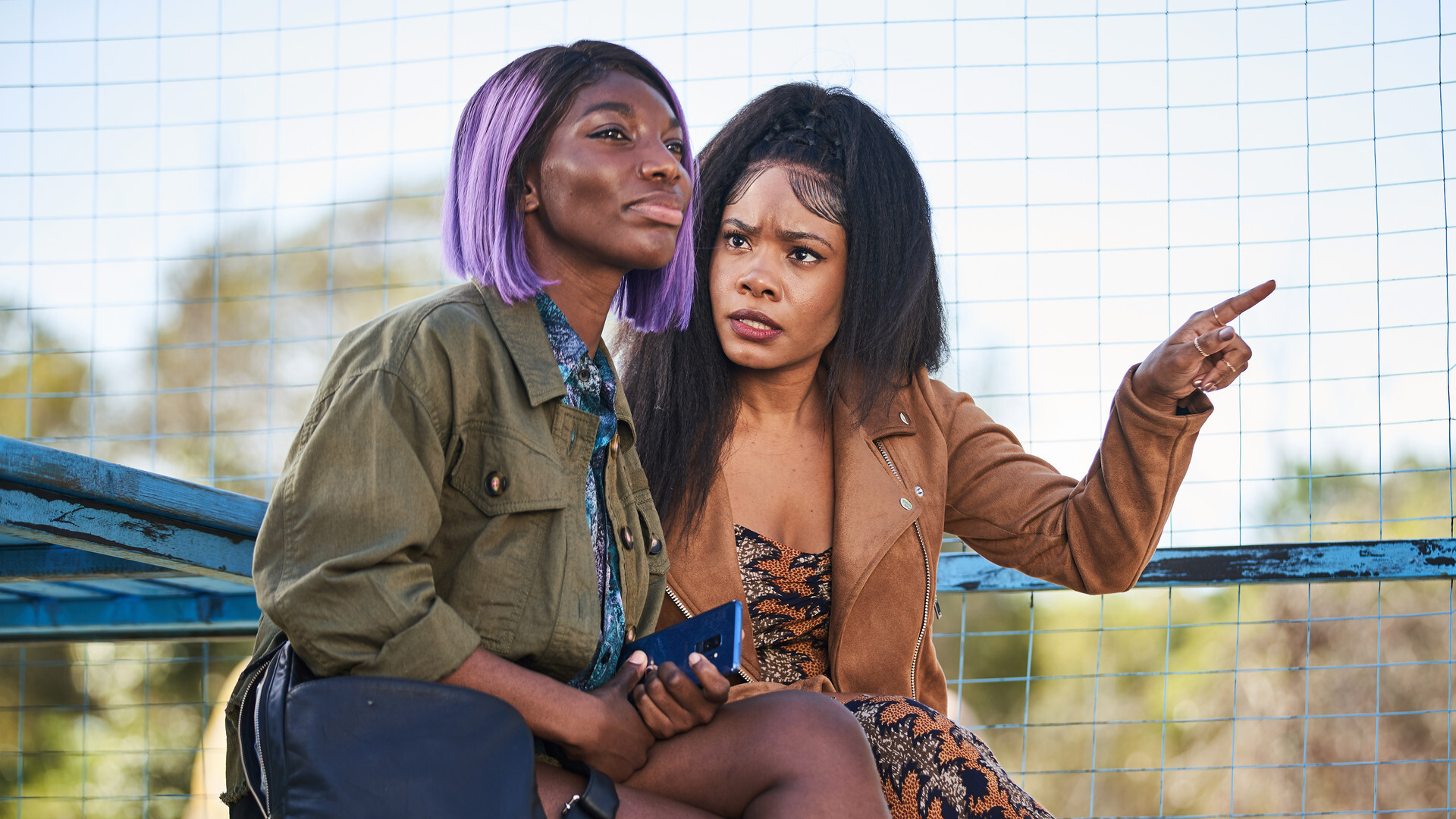
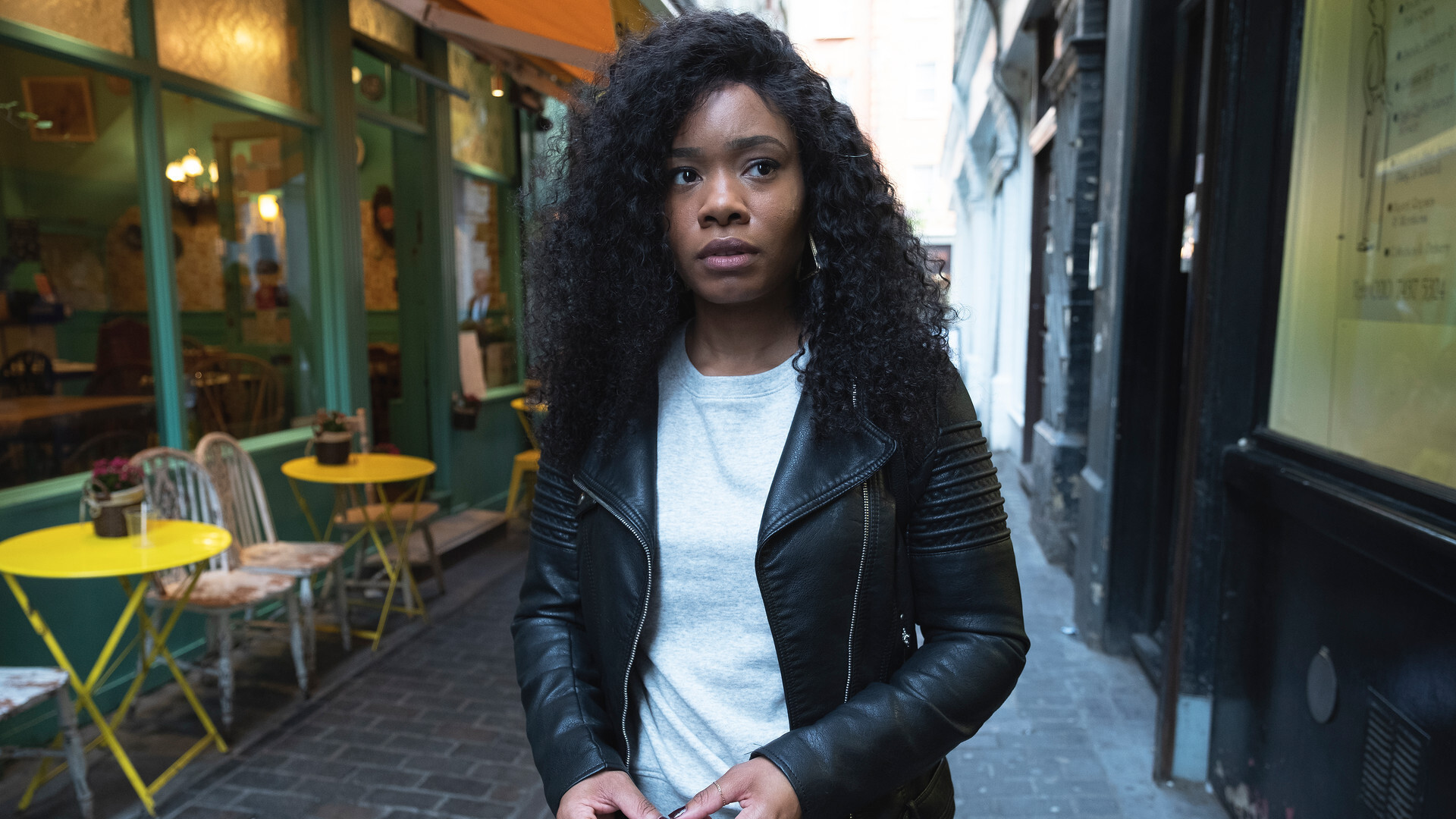
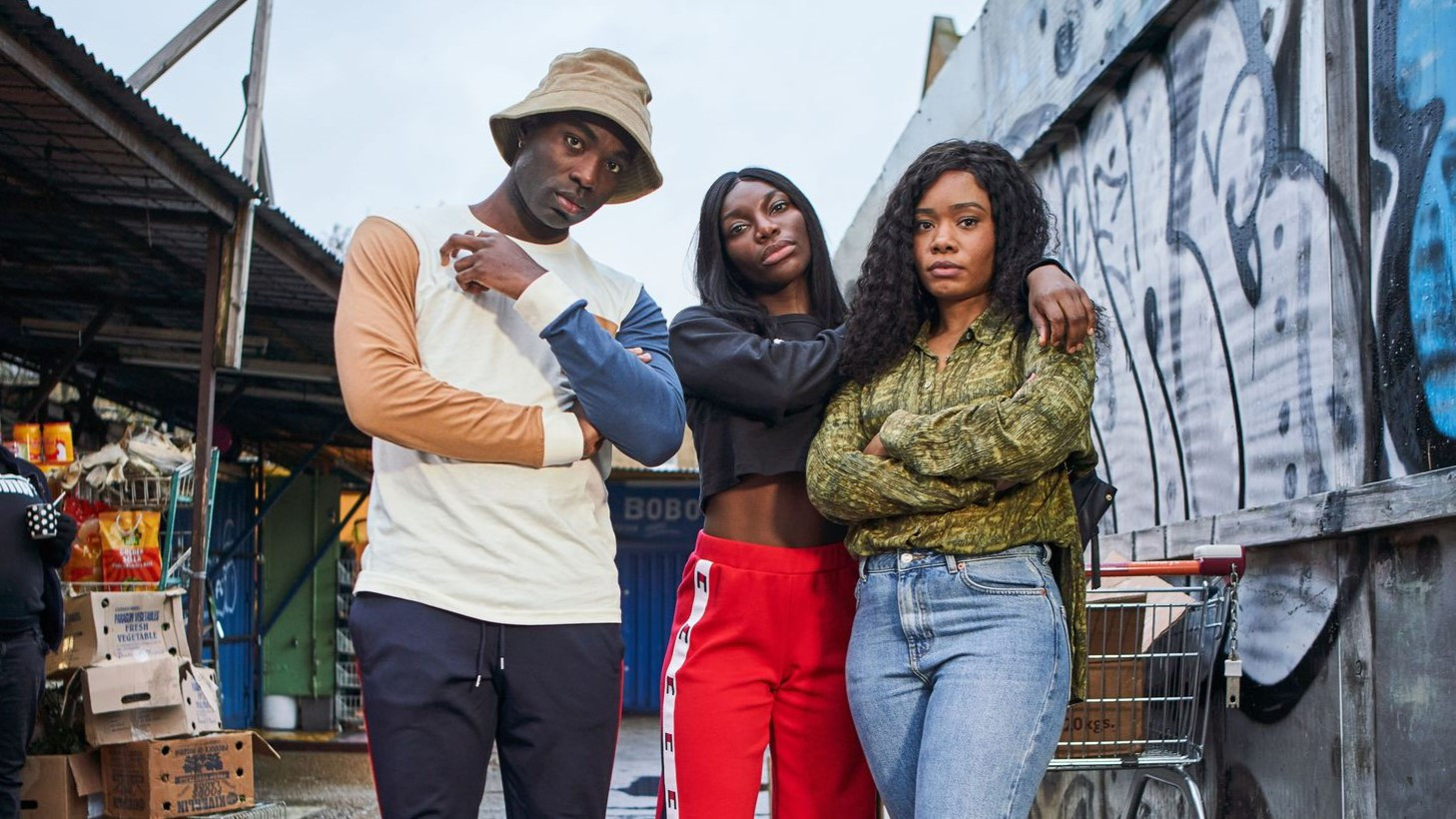
The series’ best decision is to give Arabella two friends written as fully as she is. Terry Pratchard (Weruche Opia) is an actor who pretends her auditions went well and loves Arabella with a fierceness she is not always thanked for. Kwame Acheamong (Paapa Essiedu) is a fitness instructor who runs his sex life through an app and keeps the rest of his life to himself. Opia does something hard: she plays a good friend who is also, in one or two specific ways, a coward, and lets us like her anyway. The three of them on a sofa arguing about nothing is what the whole series is protecting.
The scene that got at us most is not the assault. It is the police station, where two officers, Officer Beth (Mariah Gale) and Officer Funmi (Sarah Niles), take Arabella’s statement with a form and a great deal of patience and ask, gently, what she had drunk. Nobody is cruel. What made us angry was the sight of a woman being asked to turn a hole in her memory into evidence, and being kind to the people asking. Coel plays it half-present, still making jokes, and Gale and Niles let the jokes pass without answering them.
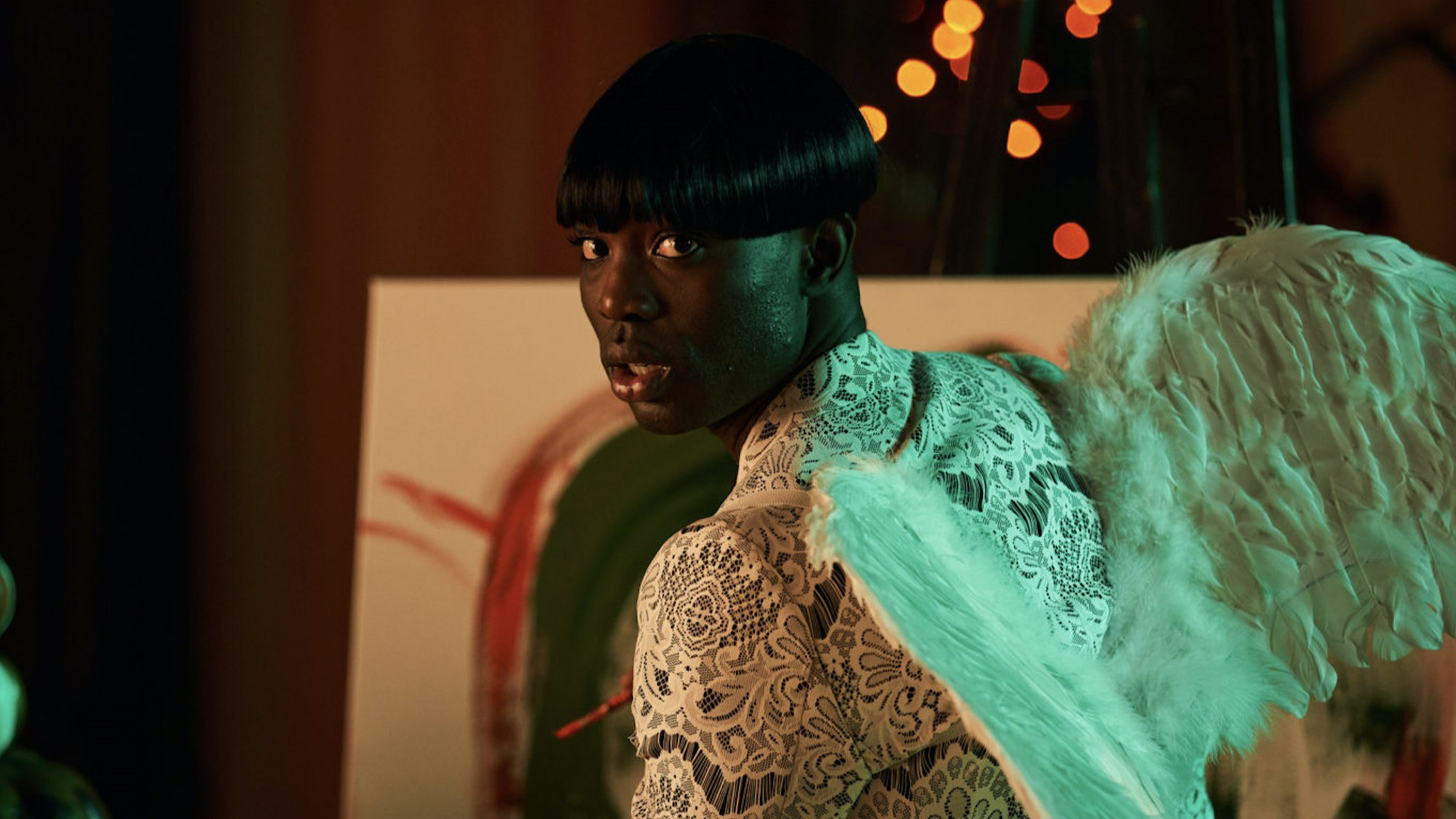
It looks like the London it is set in rather than the one television usually shows. Paul Cross’s flats are small, shared and full of other people’s washing. Maurizio Basile and Lynsey Moore dress Arabella in loud prints and bright coats, so that she is the most visible person on every street, and the series later has things to say about being looked at. Gillham shoots the nights in hot pink and green and the days in flat, tired grey.
Not all twelve episodes earn their keep. The middle stretch spends whole episodes away from Arabella’s night, and while each of them is defensible on its own, together they slow the series to a walk. Coel is arguing that a trauma does not arrive as a single lesson, and she is right, but ten episodes would have made the argument too.
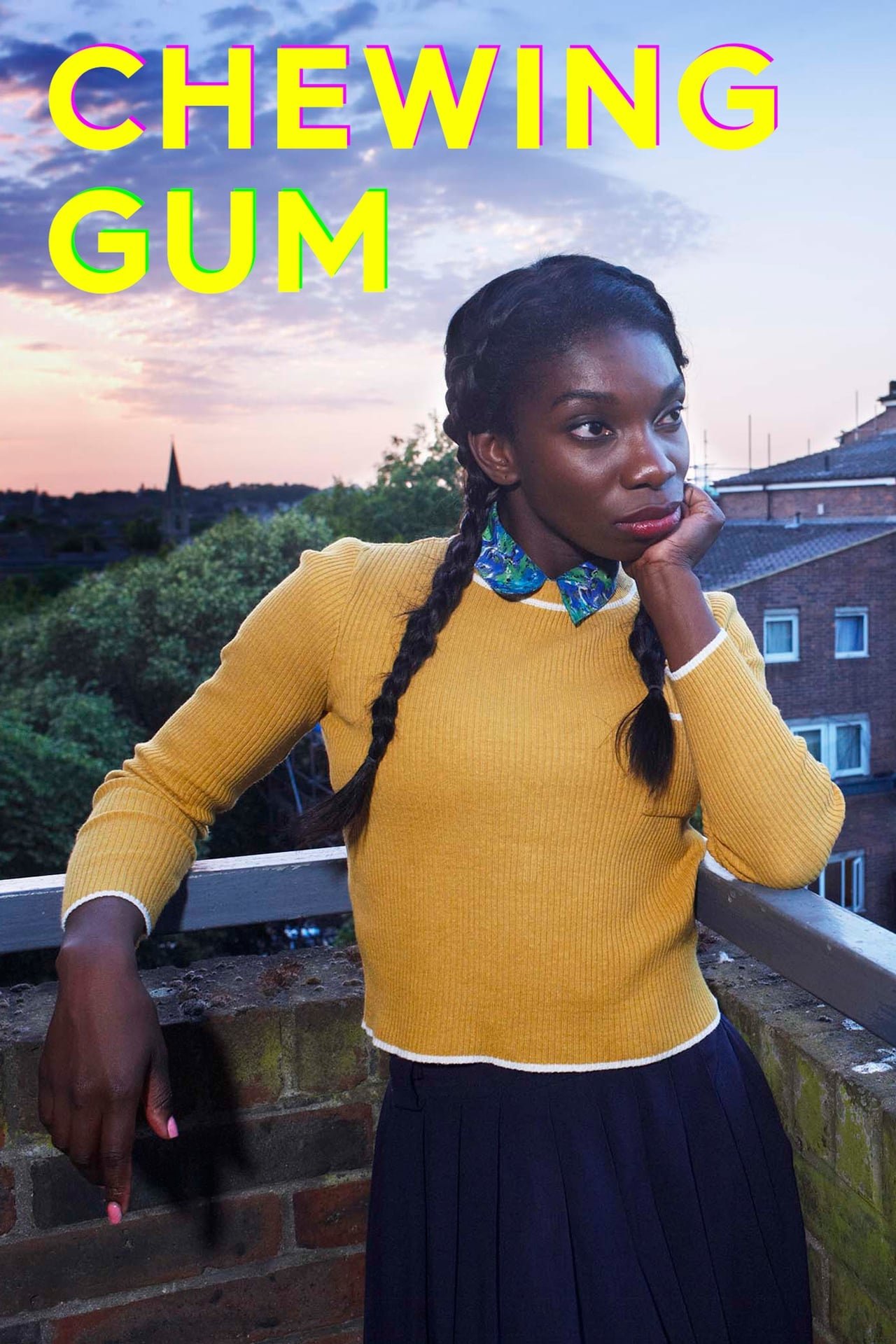
Set against Chewing Gum, the comedy Coel made before this, it is a bigger and harder thing. The speed is the same, and so is the taste for the excruciating, but the subject cannot be laughed off, and Coel knows exactly when to stop laughing. We were more shaken by it than we expected, and more entertained, often inside the same minute.
Watch it one episode at a time rather than in a run. It is built to be sat with, and the last episode, which we will not describe, needs you to have done the sitting.