Series review

Top of the Lake

2013 · Created by Jane Campion, Gerard Lee · Series · MPA TV-MA

In a sentenceOne missing girl, one drug baron, one grey-haired guru in a shipping container, and a lake that looks like it knows something

CrimeDramaMystery

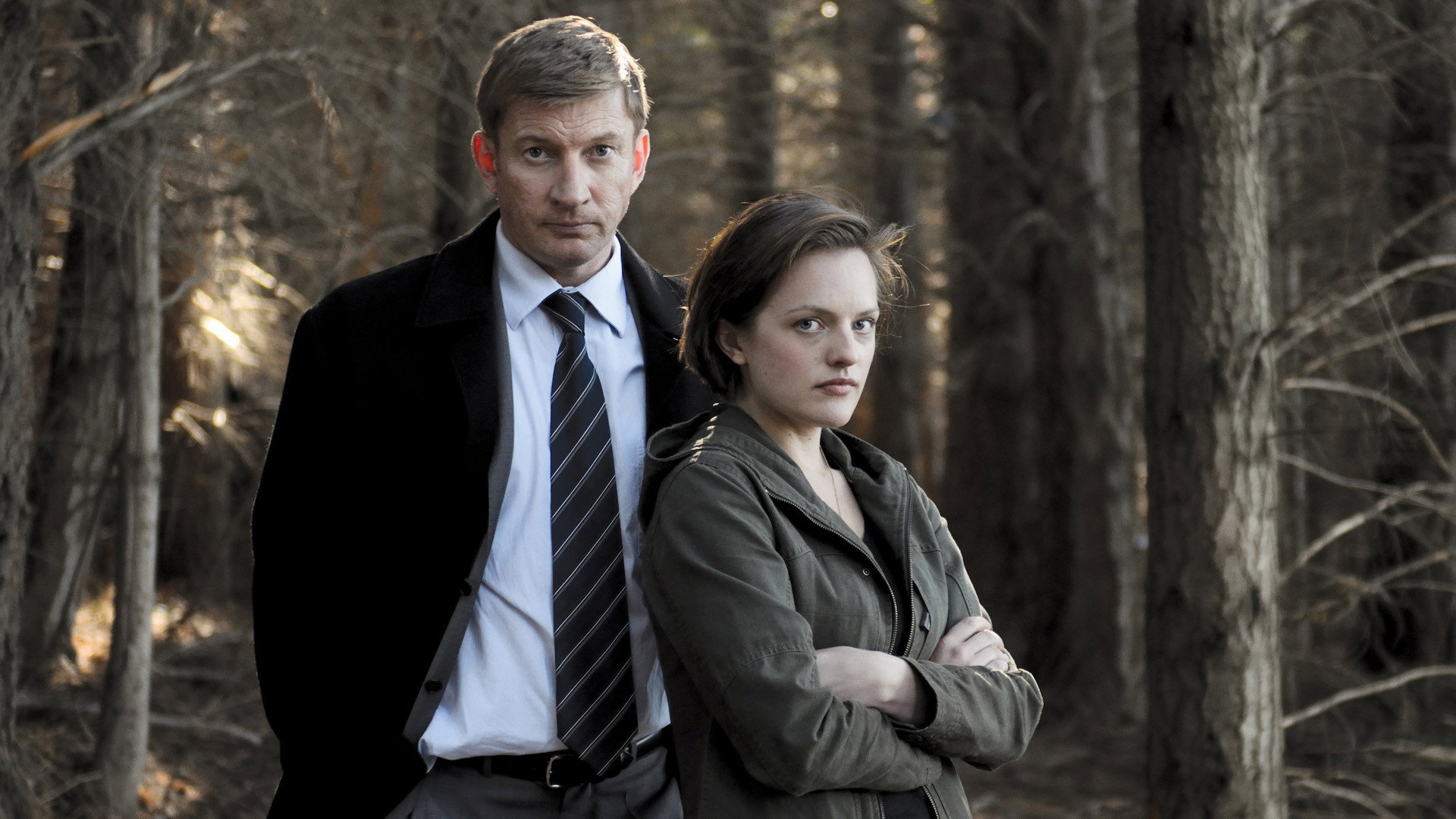
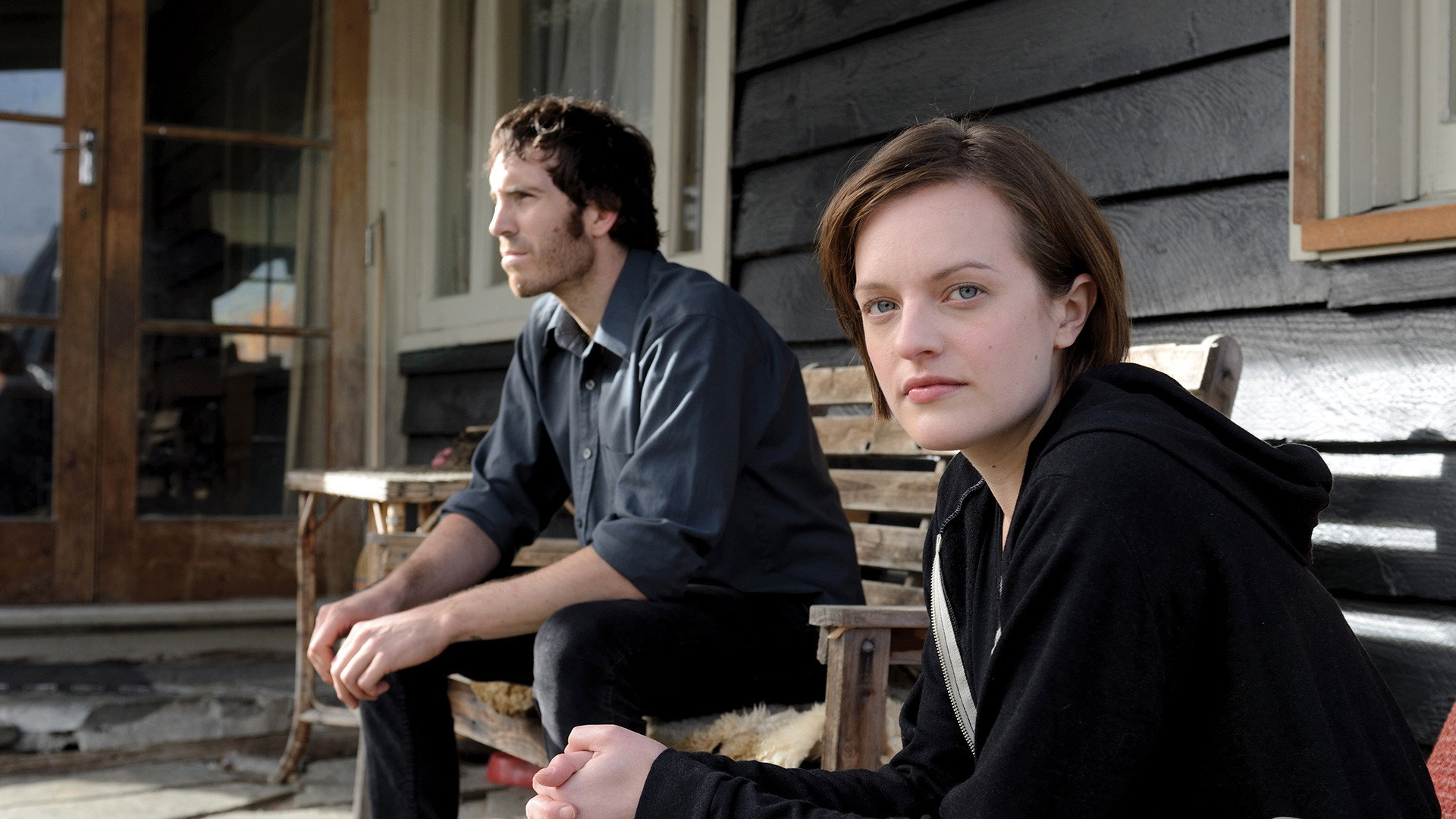
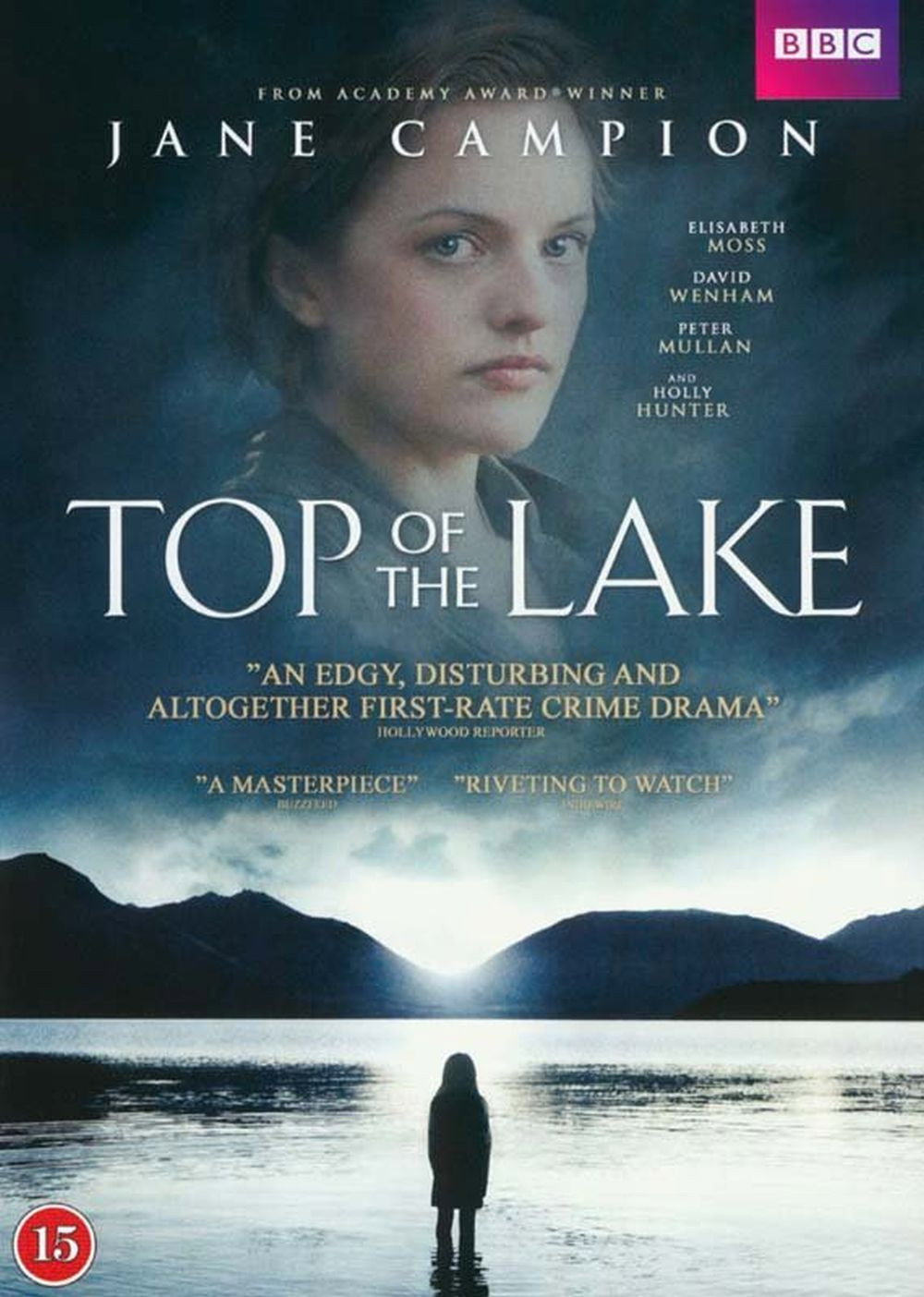
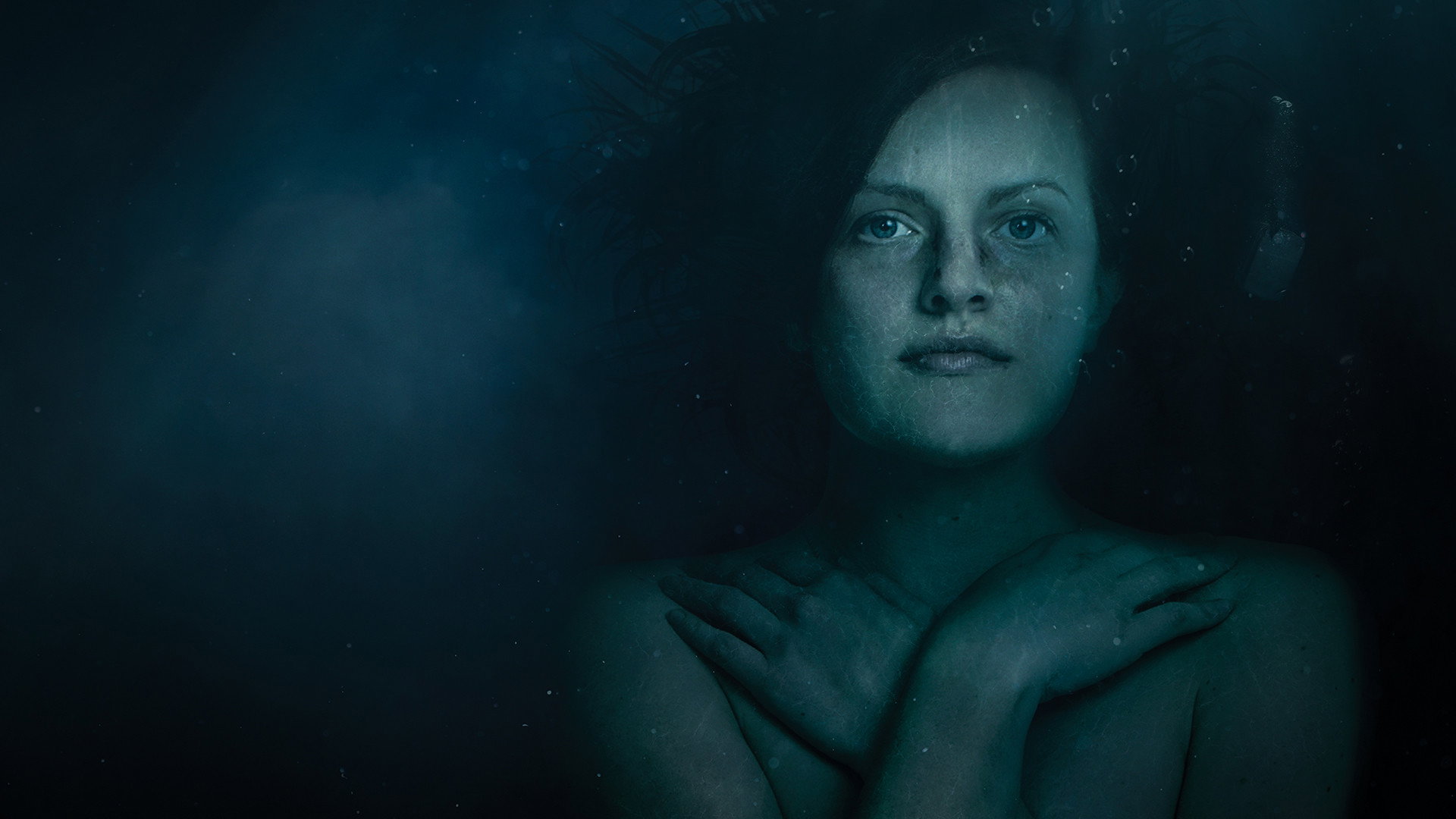
A small town on a lake in New Zealand. Tui, the twelve-year-old daughter of local drug baron Matt Mitcham (Peter Mullan), walks into the freezing water and is pulled out; a doctor finds she is pregnant. Detective Robin Griffin (Elisabeth Moss), home to sit with her sick mother, is asked by the senior local officer Al Parker (David Wenham) to interview the girl, because children are her line of work. Then Tui disappears. A group of middle-aged women led by a grey-haired guru called GJ (Holly Hunter) set up camp in shipping containers on a lakeside plot called Paradise, land Matt considers his. Robin wants the girl found. The town, and her own history in it, stand in the way.

Plays from YouTube when you press play; nothing loads from them until then.

Fi1m review

Jane Campion’s seven-part crime story is slow, odd and for the most part sure of itself, with Elisabeth Moss doing the best work in it as a detective who should not have taken the case. The women’s camp at Paradise is where it wobbles.

Jane Campion and Gerard Lee have written seven hours of crime television, and it is not quite a police procedural and does not want to be. A twelve-year-old girl is pregnant and then gone. A detective who grew up in the town comes back to look for her. Around that thread Campion hangs a portrait of a place where the men have the land and the guns and the women have arrived in shipping containers to sit by the shore and talk about their lives. It is slow, it is strange, and for most of its seven episodes we were held.

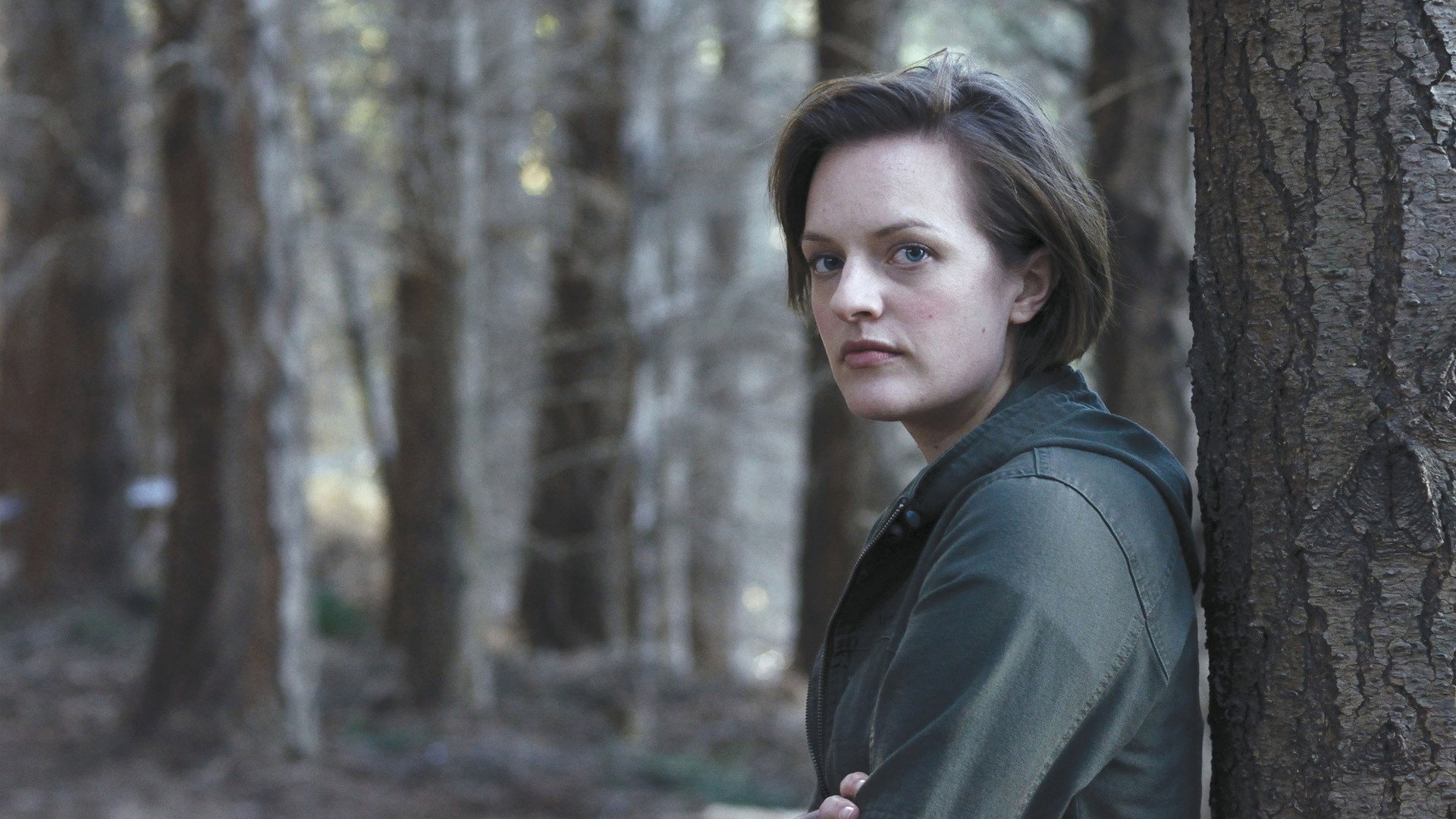
Elisabeth Moss is the reason it holds. Robin Griffin is a detective who specialises in children and who should not be anywhere near this case, and Moss plays her as someone who knows that and cannot help herself. She listens more than she talks. When she does talk her voice goes flat and quiet, and it is the flatness that frightens; the men across the table from her keep waiting for her to raise it, and she will not.

Peter Mullan’s Matt Mitcham is the other pole. He runs the town’s drugs from a compound in the hills with his grown sons, one of them Johnno (Thomas M. Wright), who has history with Robin, and he is the sort of man who can be gentle for an entire scene before he hits somebody. Mullan gives him a grief under the menace that we did not expect and did not entirely want. David Wenham’s Al Parker, the senior detective, is affable, helpful and pours a good deal of wine, and Wenham keeps him hard to read, which we take to be the point.

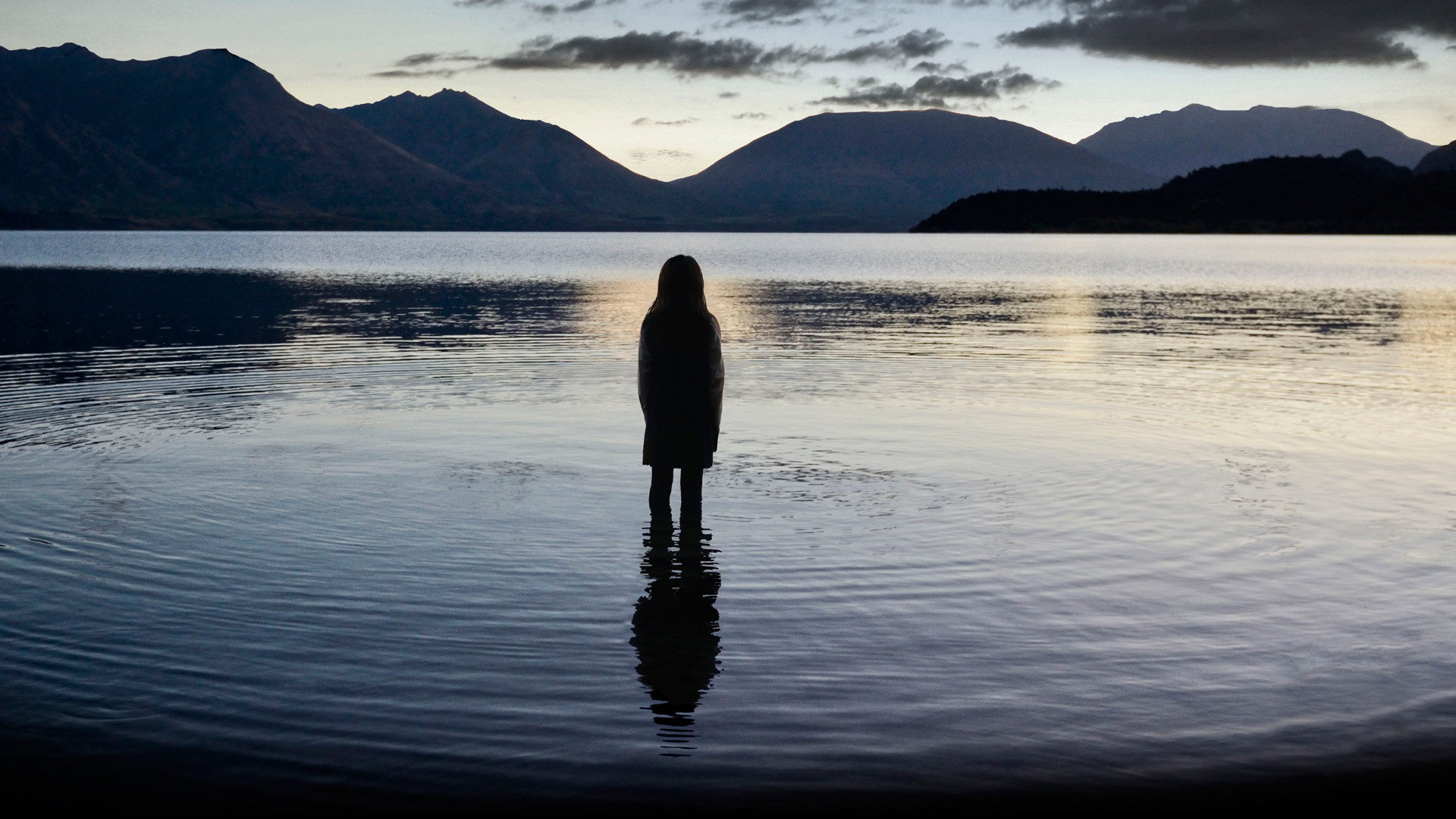
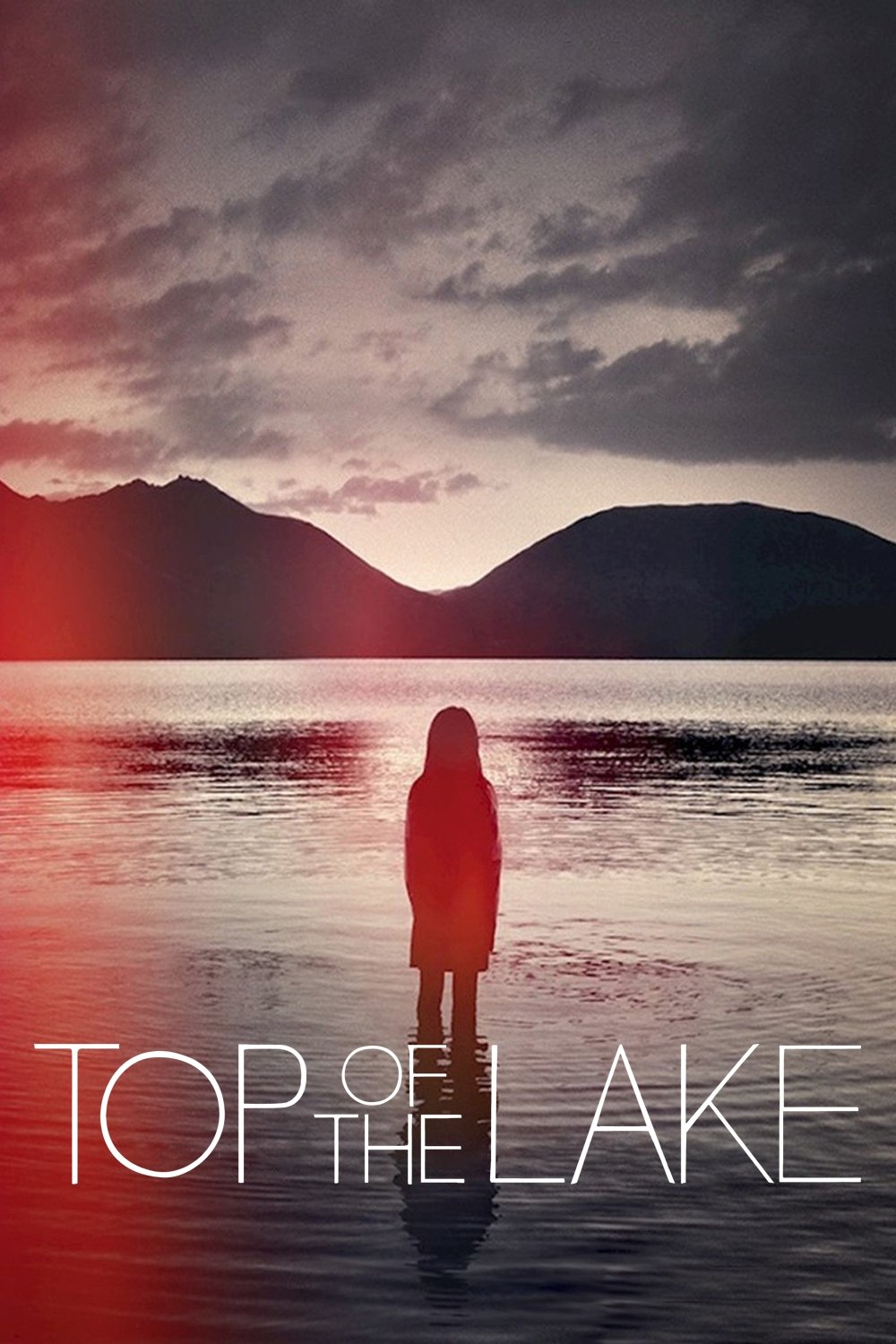
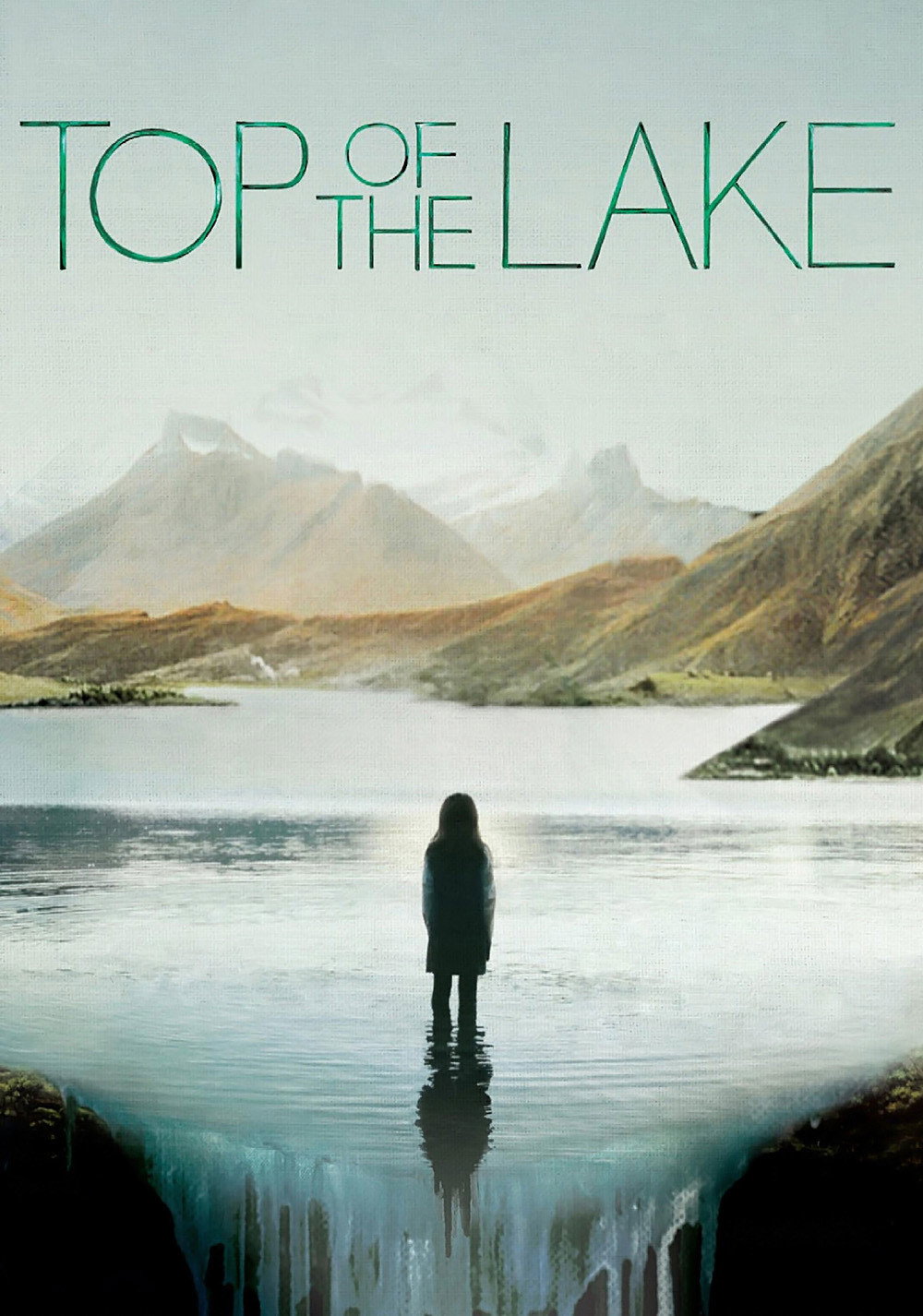
Ariel Kleiman, Garth Davis and Jane Campion share the directing, and the look is consistent between them. The camera sits still and lets a figure walk into a large frame: a girl on a jetty, a woman on a track, and behind them the lake, grey-green and enormous, with mountains going up out of it. People are small in this series and the water is not. GJ’s camp, a row of rusting containers dropped on a lawn with folding chairs and a kettle, is the best set in the thing, and the funniest.

It is also where the series wobbles. Holly Hunter’s GJ has grey hair to her waist and answers every question with a question and occasionally with an insult, and Hunter plays her without a flicker of warmth, which is brave and right. The women around her, Bunny (Genevieve Lemon) and Anita (Robyn Malcolm) among them, are given speeches about ex-husbands and lost children that are meant to be funny and sad at once and often land as neither. The one mixed review we have read complains about this dialogue, and it has a point. It reads as written.

What got at us was the opening. A child in a school uniform walks into a lake in the cold, up to her chest, and stands there, and the camera does not go to her face for a long time. We were frightened for her in a way the series then spends seven hours making worse, because it keeps returning to that picture of a girl standing in water nobody else will enter. Later a bar scene between Robin and a table of Matt’s men goes on well past the point where any other series would have cut, and we watched it with a hand over our mouth.

The ending we will not describe. It resolves more than we expected and faster, and one or two turns in the final hour need more room than they get. Most critics have been warm and we are with them, a degree cooler. A second series, China Girl, followed in 2017 with six episodes; this one stands on its own.

Watch it in the dark, two episodes at a time, and do not expect to like anyone in it for long. The 15 certificate is earned: it is about a pregnant twelve-year-old, and it treats that as the horror it is.
Critical consensus AI synthesised

80
Positive
6
Mixed
1
Negative
0

Most critics are firmly behind Top of the Lake. The reviews describe a slow, atmospheric crime story set in an isolated New Zealand community, and nearly all of them treat the landscape as part of the drama rather than a backdrop. Jane Campion’s direction is praised for its control, and her long-standing interest in the friction between men and women is seen as the spine of the series. Elisabeth Moss is singled out in almost every notice, with several calling her detective the anchor of the whole thing; Peter Mullan draws praise too.

The spread is narrow. Six of the seven reviews land somewhere between good and excellent, and the reservations are mild: a few remark on the oddness of the pacing and the Twin Peaks echoes without quite counting them as faults. The one mixed notice comes from The Guardian, which likes the lead and the bones of the story but finds the dialogue in the women’s commune odd and hard to believe.

Vulture
21 March 2013 · Matt Zoller Seitz
90*

The critic praises the miniseries as a masterful police procedural that stands out for its atmospheric depth and exploration of sexism in a specific community. He singles out the symbolic potency of the New Zealand landscapes and Campion's command of the material as particularly compelling.

Read the full review →
Variety
20 January 2013 · Justin Chang
85*

The critic finds the miniseries absorbing and richly atmospheric, centered on a multistranded crime saga in an isolated New Zealand community. Moss's excellent performance as the detective is highlighted, along with the singular strangeness and provocative setting that lingers beyond the plot.

Read the full review →
The Hollywood Reporter
21 January 2013 · festival review · Todd McCarthy
80*

The critic calls it an edgy, disturbing and first-rate crime drama that centers on women and features strong performances, especially from Moss and Mullan. It praises the atmospheric setting and Campion's direction while noting its Twin Peaks-like qualities and moral rot beneath beauty.

Read the full review →
The Telegraph
17 August 2013 · Gerard O'Donovan
80*

The finale delivers a satisfying resolution to an odd but engrossing series involving shocking twists. The critic highlights the breathtaking denouement and praises Elisabeth Moss's range.

Read the full review →
The Guardian
15 July 2013
65*

Jane Campion's series is a complex, dark crime story with a strong female lead. The critic praises the seeds of a gripping narrative and Elisabeth Moss's performance but finds some dialogue in the women's commune bizarre and unconvincing.

Read the full review →
Collider
18 March 2013 · Allison Keene
80*

The critic finds the series haunting and intensely engaging, with its unhurried, atmospheric storytelling grounded by a central mystery and propelled forward by a stunning New Zealand backdrop. Strong performances, especially Elisabeth Moss's raw work, stand out amid themes of moral decay and broken women.

Read the full review →

Cast

Awards

Golden Nymph for Best Mini Series, 2014

Won
Golden Nymph for Best Mini Series

If you liked this, try…