Gerard Lee's screenwriting is bound up with Jane Campion's, from Sweetie in 1989 to Top of the Lake, and it prefers strange, particular people to a tidy plot. That preference is the series' strength and, at the women's camp, its trouble.
Fi1m perspective
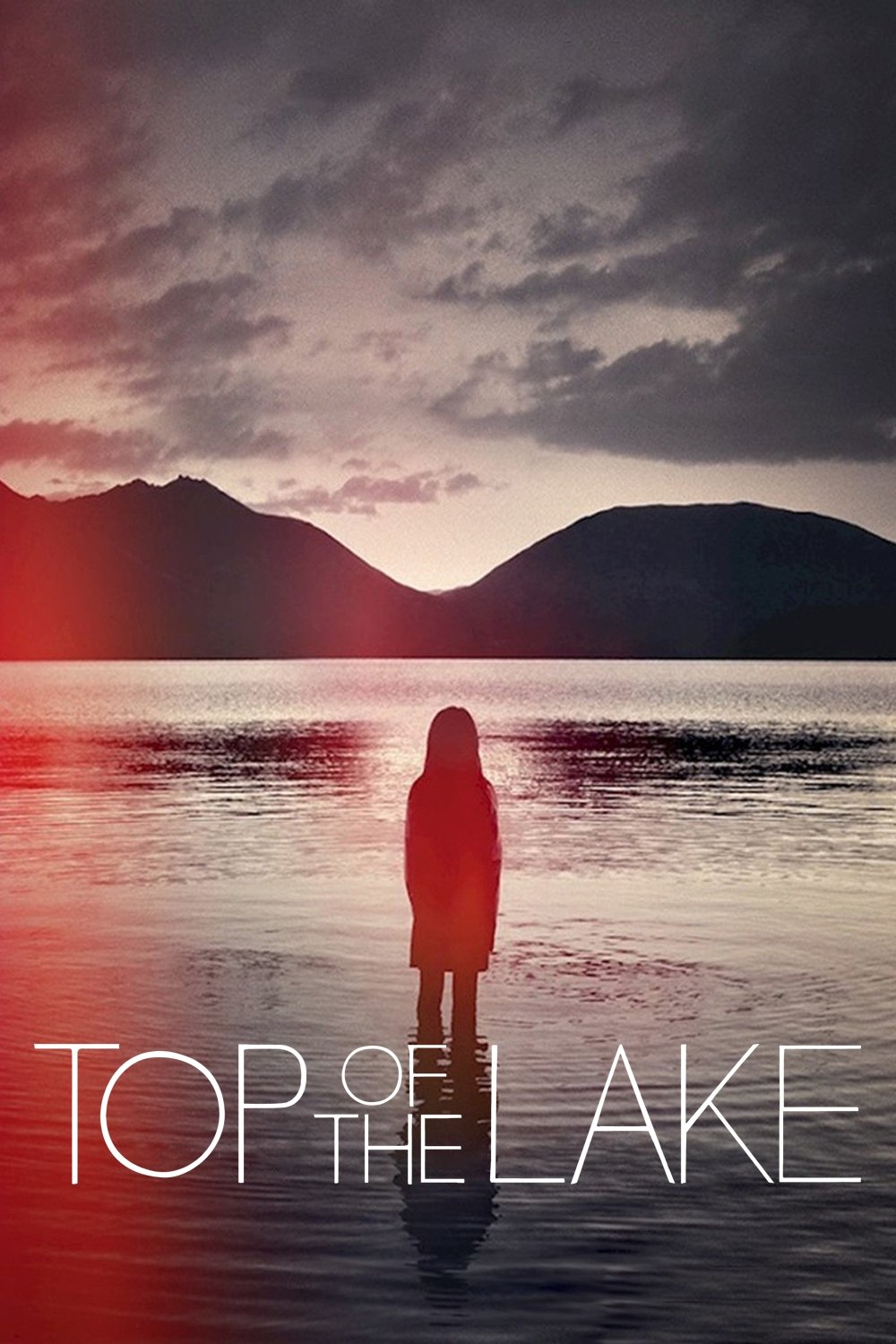
The women at Paradise sit by the lake in their shipping containers and talk, and the plot of Top of the Lake (2013) has to wait for them. That is the Gerard Lee habit, on the evidence of seven hours of television: he and Jane Campion built a crime story and then kept letting the crime stand aside for the town. A twelve-year-old girl is pregnant and then gone, and a detective who grew up in the town comes back to look for her. Around that thread the writers hang the men who have the land and the guns, and the women who have arrived to sit by the shore and talk about their lives. It is not quite a police procedural, and it does not want to be.
Lee wrote before he wrote for the screen, beginning as a cadet journalist at sixteen and publishing novels and stories from the 1970s to the 1990s, and he met Campion at film school in the early 1980s. Their first work together was the short Passionless Moments (1983); then came Campion's first feature, Sweetie (1989), which he co-wrote. He wrote and directed All Men Are Liars (1995) in the Queensland cane fields, and went back to Campion for both seasons of Top of the Lake, the second, China Girl, in 2017, the same year he was principal screenwriter on Breath, from Tim Winton's novel, for the director Simon Baker. Australian places, Australian people, and a taste for starting from a book or from a character rather than from a plot.
What the partnership does well is put strange, particular people in front of us and decline to explain them. Elisabeth Moss's detective in Top of the Lake should not have taken the case, and the script knows it and lets her take it anyway. We were held for most of the seven episodes, and what held us was the place more than the case: a town where the men have the land and the guns and the women have to make do with the shore. The camp is also where it wobbles. The scenes there go slack, and a story that had been sure of itself starts to drift, which is the trouble two writers who care more for character than for plot will be prone to.
Lee's own motto, given to an interviewer in 2014, was "Write something, or there’ll be no cake." He kept to it: novels, a short, features, two seasons of television. He also had scripts set in Queensland that never found the money, and he died in November 2025 with them unmade. If you want to see what the partnership with Campion could do at length, the first season of Top of the Lake is the place, and if the scenes at Paradise lose you, stay; the detective is worth it.
Biography
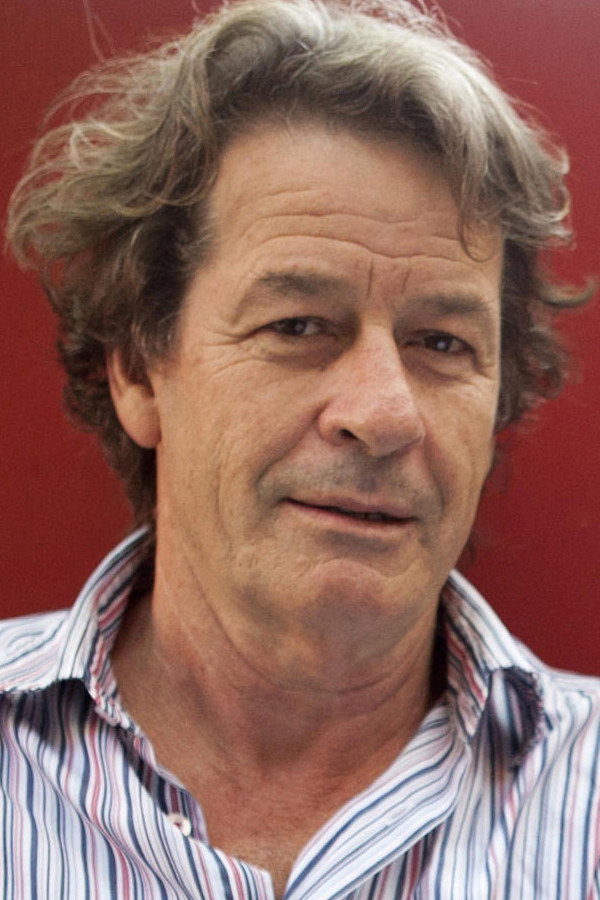
Gerard Lee (23 November 1951 – 25 November 2025) was an Australian screenwriter, novelist and director. Born in Melbourne and raised in Brisbane, he began writing for a newspaper as a teenager and later studied at the University of Queensland and the Australian Film, Television and Radio School (AFTRS).
At AFTRS he met Jane Campion and began a long collaboration. He co-wrote her debut feature Sweetie (1989) and co-created and co-wrote the television series Top of the Lake (2013) and its sequel Top of the Lake: China Girl (2017). He was the principal screenwriter of the film Breath (2017), adapted from Tim Winton’s novel, and wrote the screenplay for My Mistress (2014). Lee also published novels and short stories with University of Queensland Press.