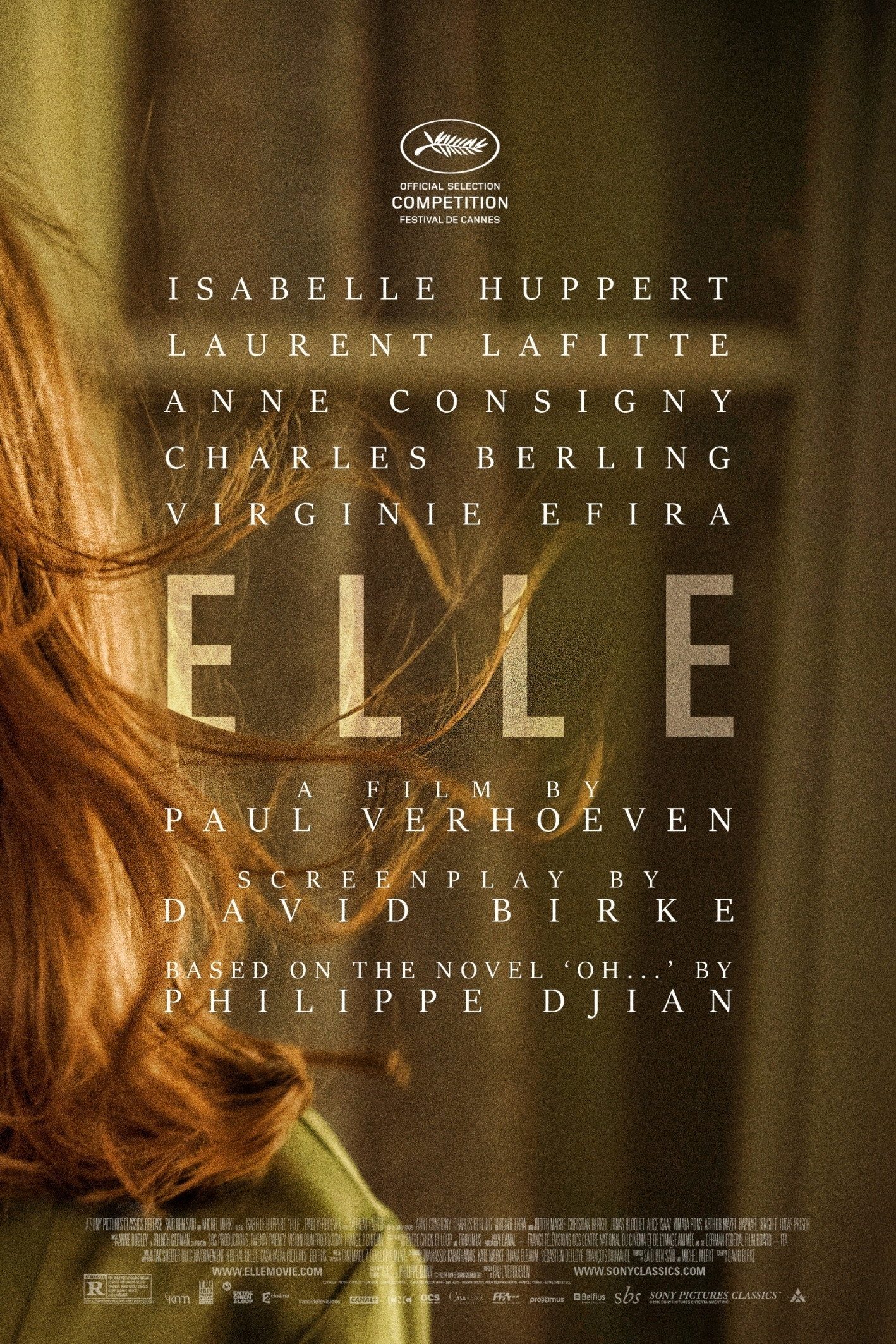
Paul Verhoeven’s Elle is a disturbing, often funny thriller with an exceptional Isabelle Huppert performance. Its elaborate plotting sometimes tries too hard, but we recommend it to those prepared for brutal sexual violence.
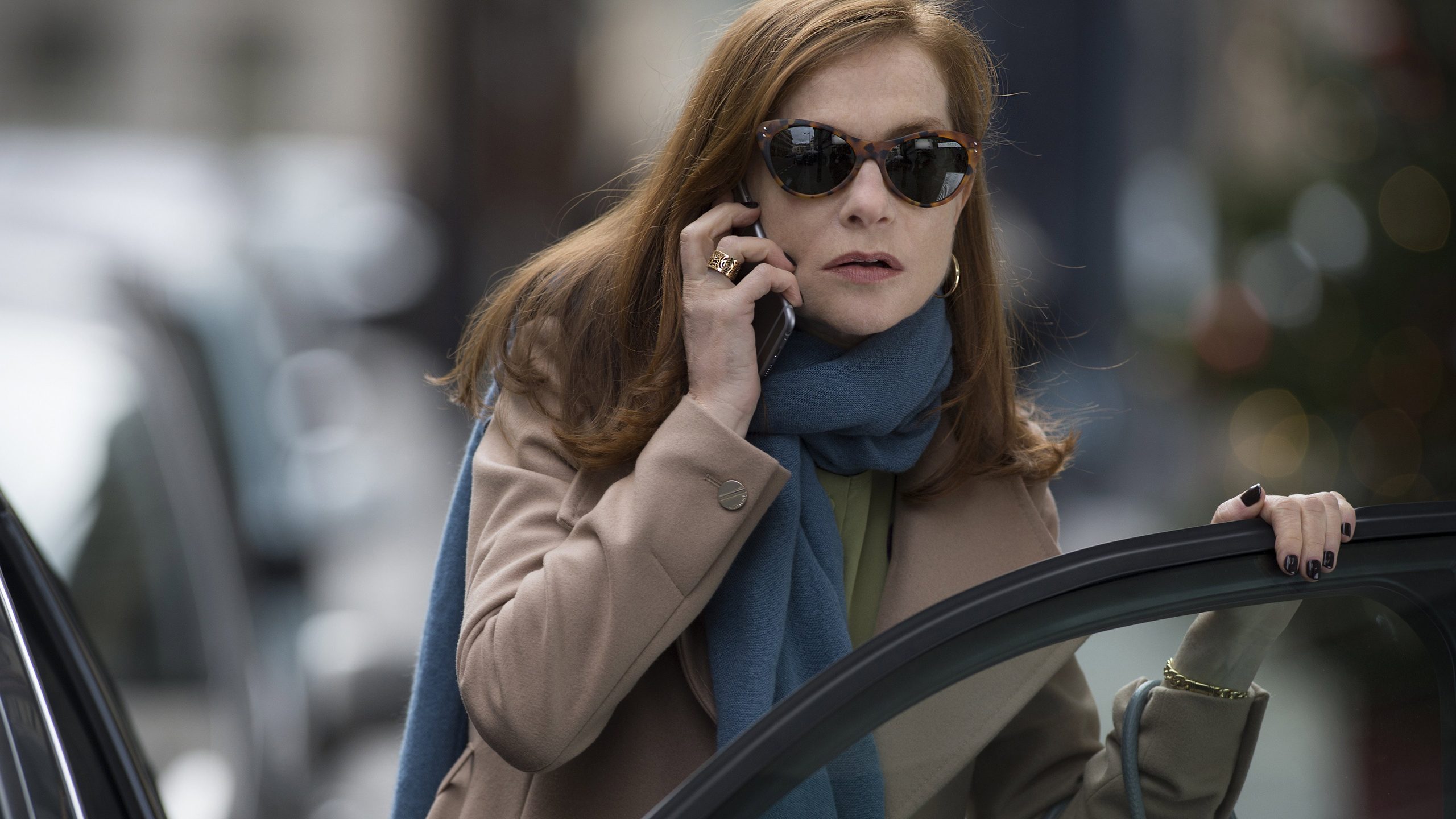
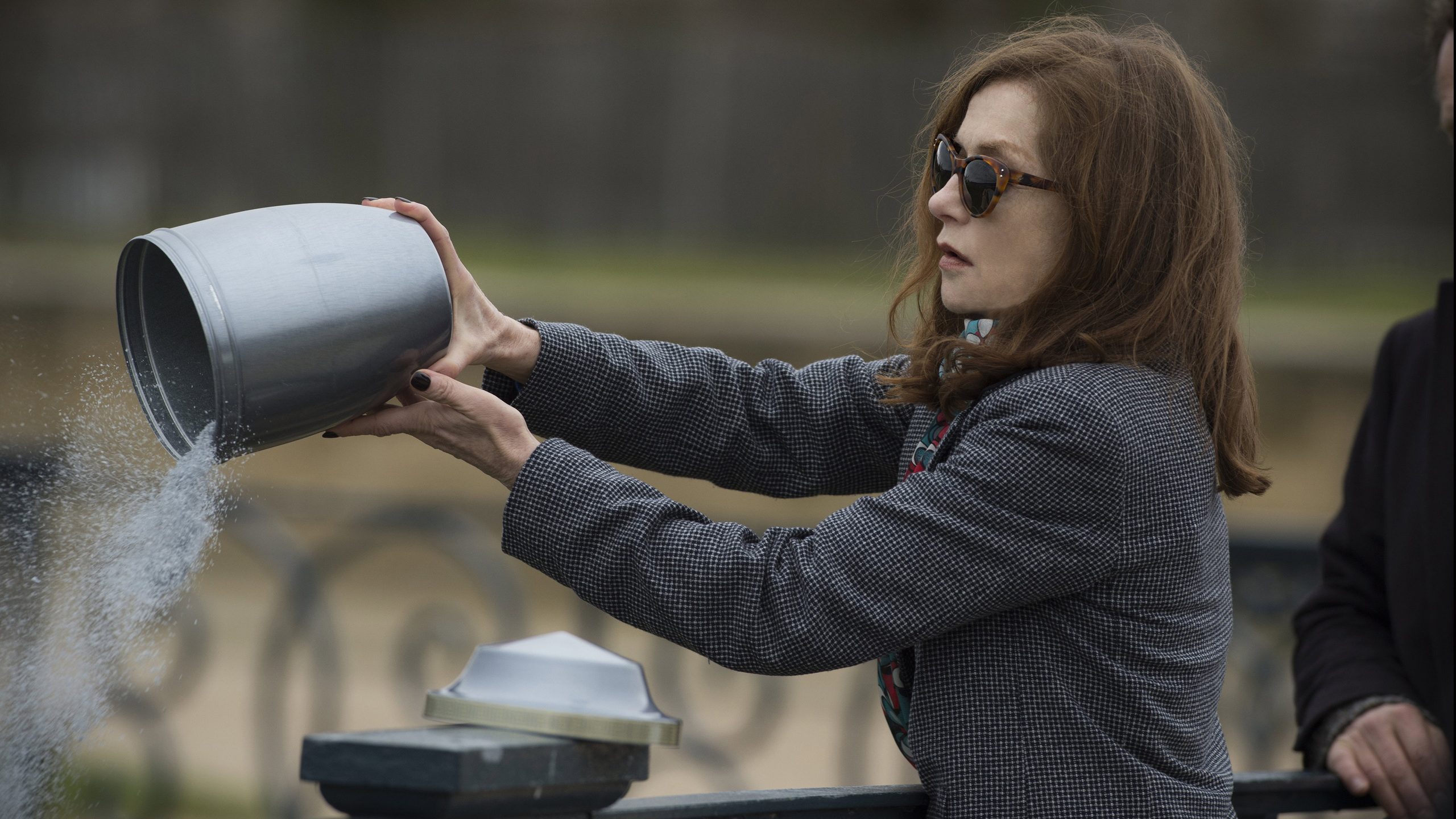
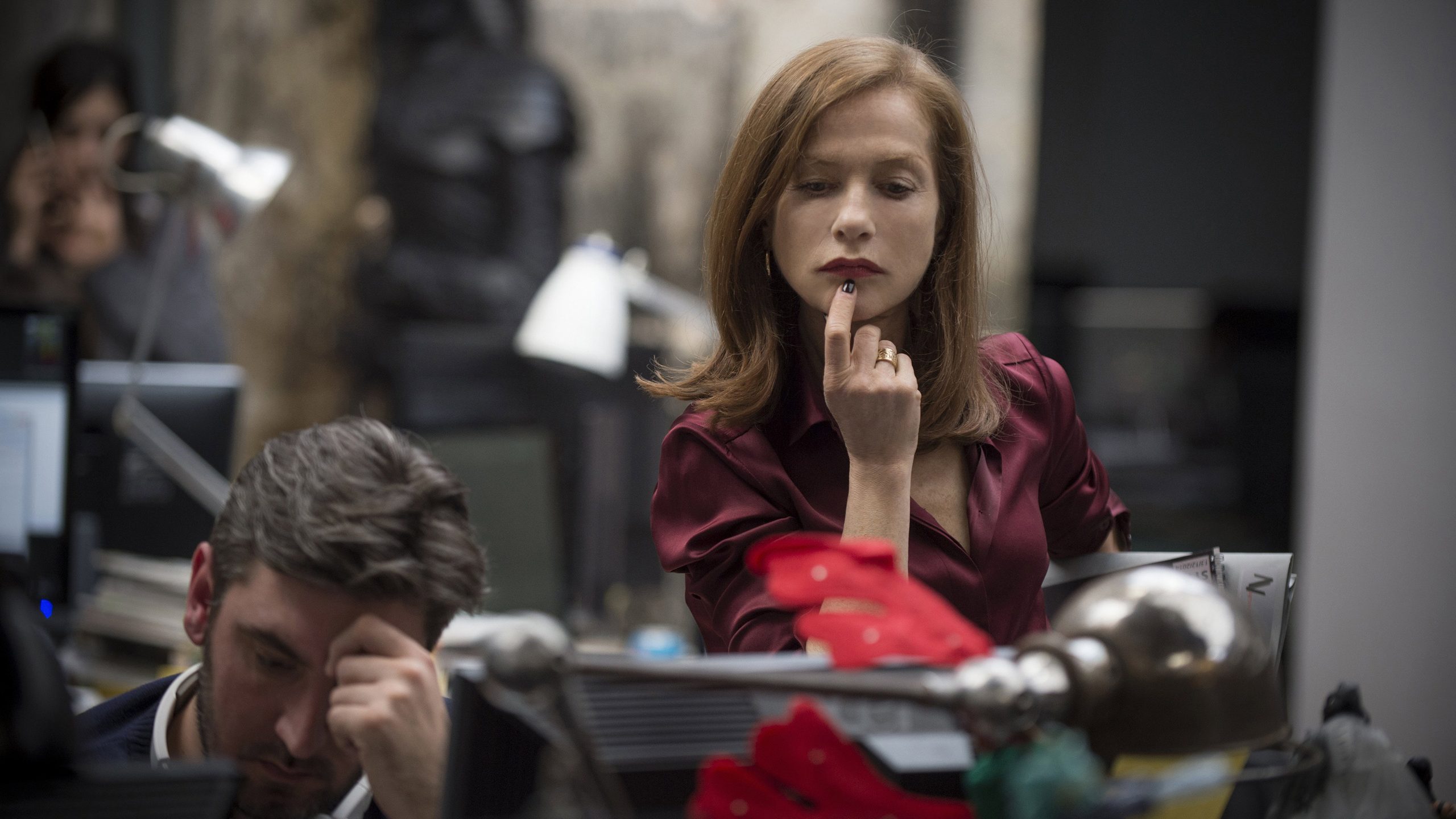
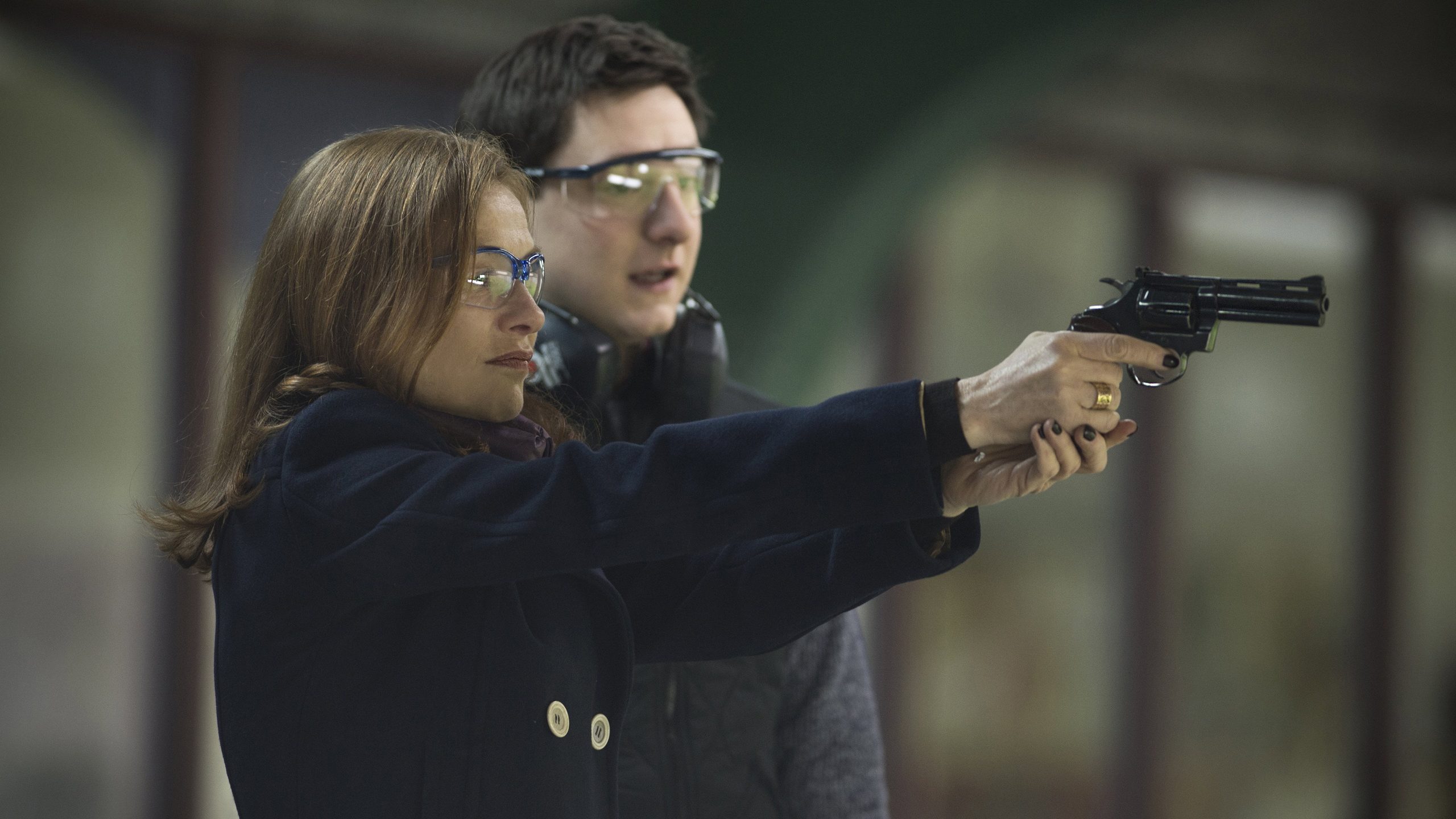
Paul Verhoeven’s Elle is a strong, troubling thriller that gives its central woman more freedom than its elaborate plot sometimes allows. After Michèle is raped, we might expect the familiar business of pursuit and punishment. Her continuing appetite for pleasure and control receives just as much attention. This is risky material, and Isabelle Huppert makes it work by refusing to play Michèle as somebody whose behaviour must explain how survivors ought to behave.
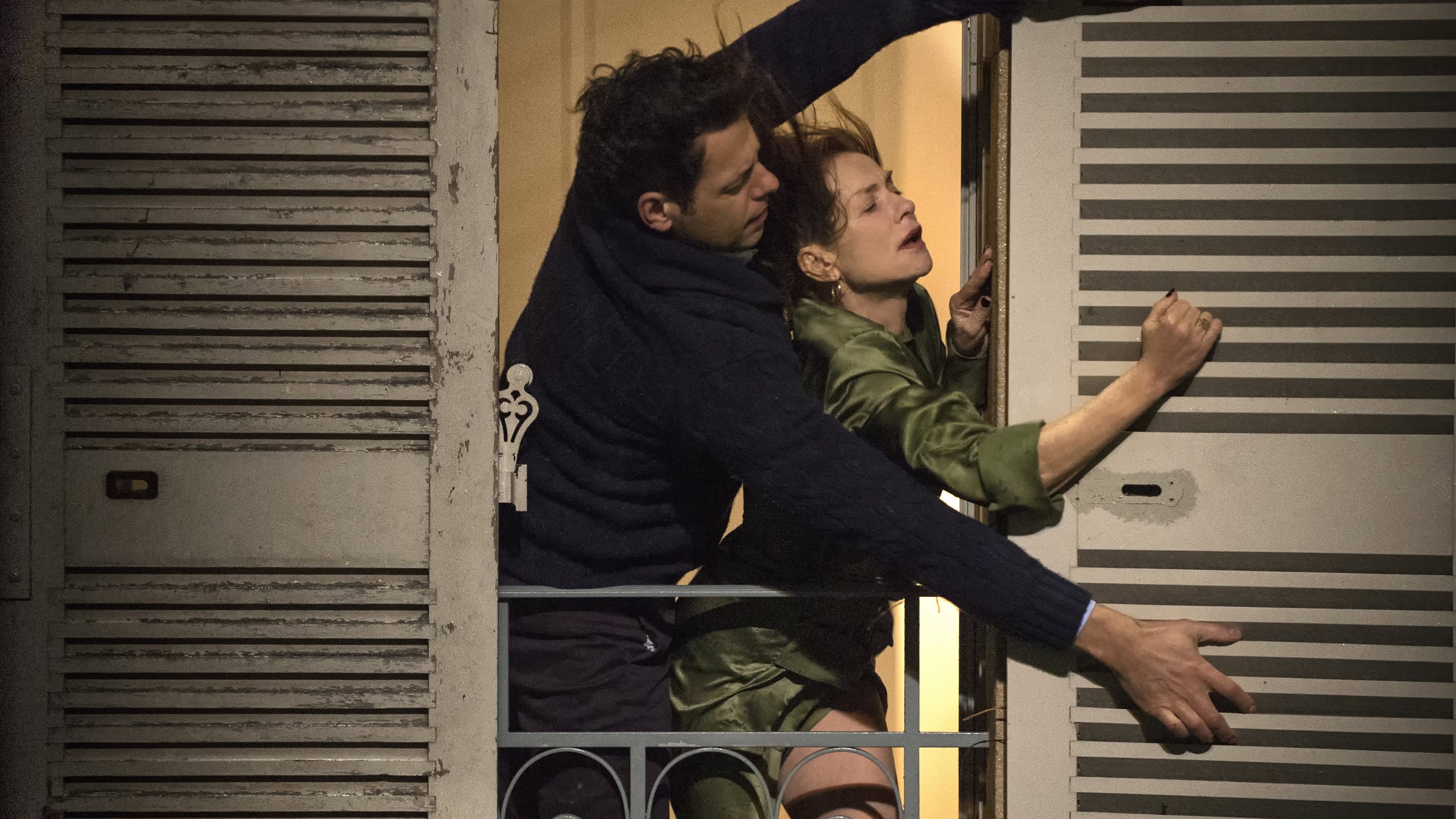
We were horrified by the assault. Its brutality makes the subsequent comedy uncomfortable, particularly when the film invites us to enjoy Michèle’s capacity for mockery. The performance does not offer a reassuring change of manner to announce that laughter is now permitted. She can be funny, cruel and hurt without arranging those feelings into separate scenes for our convenience. We are asked to keep watching someone whose response cannot be reduced to the crime committed against her.
Isabelle Huppert is especially good at making authority look like a daily habit. Michèle’s desire to control what other people know about her feels intelligible even when her decisions remain difficult to understand. The pleasure she takes in power comes through as clearly as the effort required to maintain it. There is enough humour in the performance to make her company enjoyable, and enough severity to discourage any wish to be her friend. Her contradictory behaviour never feels like an invitation to stop taking her seriously.
Stéphane Fontaine’s cinematography and Laurent Ott’s production design give the social comedy a polish that feels uncomfortable beside the violence. That civilised appearance works because the characters’ manners can remain intact while their behaviour grows ugly. Job ter Burg’s editing keeps the switches between comedy and suspense brisk, denying us much time to settle into either. Anne Dudley’s score helps sustain the threat, although the uncertainty in the central performance is more unsettling than the recognisable thriller cues. The craft supports the changes of tone without making them comfortable.
The weakness lies in David Birke’s screenplay, which sometimes piles complication onto Michèle as though another contradiction will make her more interesting. The tangled relationships are often entertaining, but there are stretches when the plotting seems too pleased with its ability to surprise us. We begin to notice how much has been arranged to keep this woman difficult to explain. Isabelle Huppert does not overplay the material, which helps, but her precision cannot make every development feel equally plausible.
Against the rape-revenge thriller’s usual promise of a satisfying reckoning, the attention paid to Michèle’s continuing social and sexual life is valuable. She is allowed to want things that do not help an audience approve of her. Nothing about those desires makes the assault less violent, and nothing about being assaulted obliges her to become kinder. The film is persuasive when it trusts us to understand that. It becomes harder to defend when another provocation threatens to crowd out the woman we have been watching.
We would not offer this as a reassuring film about surviving violence, and its humour does not soften what is shown. Nor should Michèle be made to stand for anyone beyond herself. See it for Isabelle Huppert, and allow some time afterwards to disagree about the script.