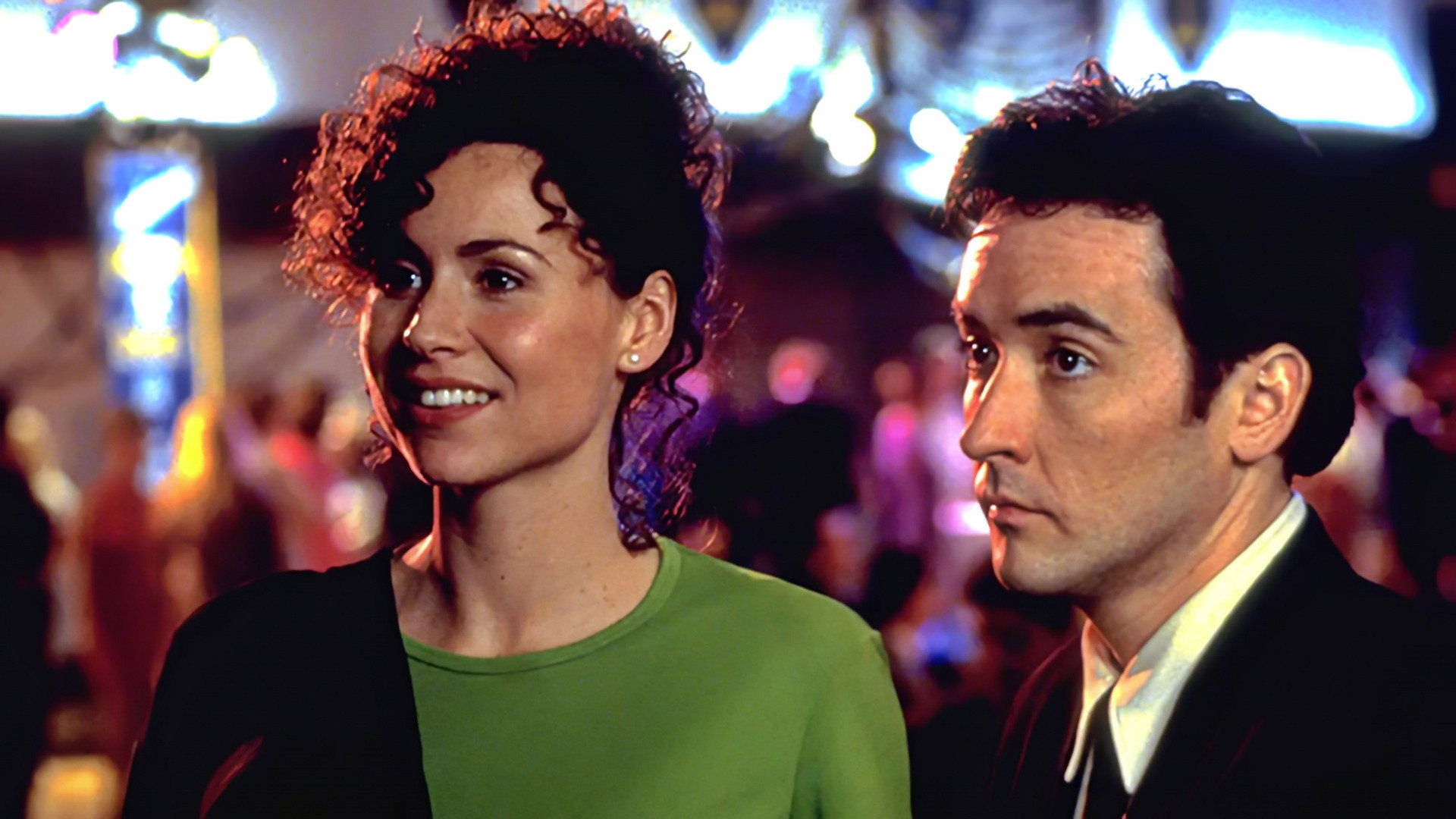
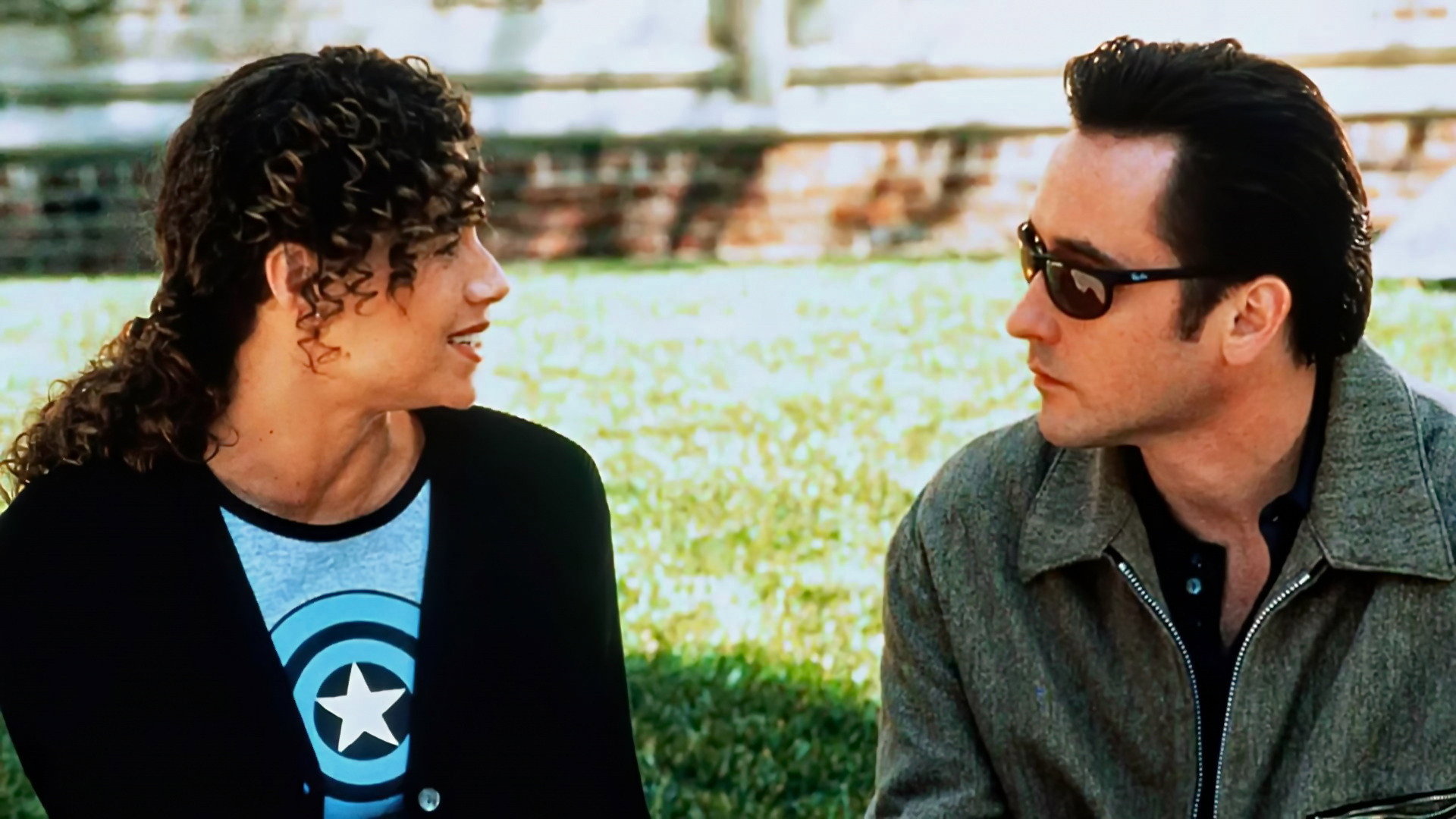
John Cusack and Minnie Driver make an unlikely romance worth following, and the early comedy is sharp. But Grosse Pointe Blank grows pleased with its own cleverness and never finds enough to do with its premise.
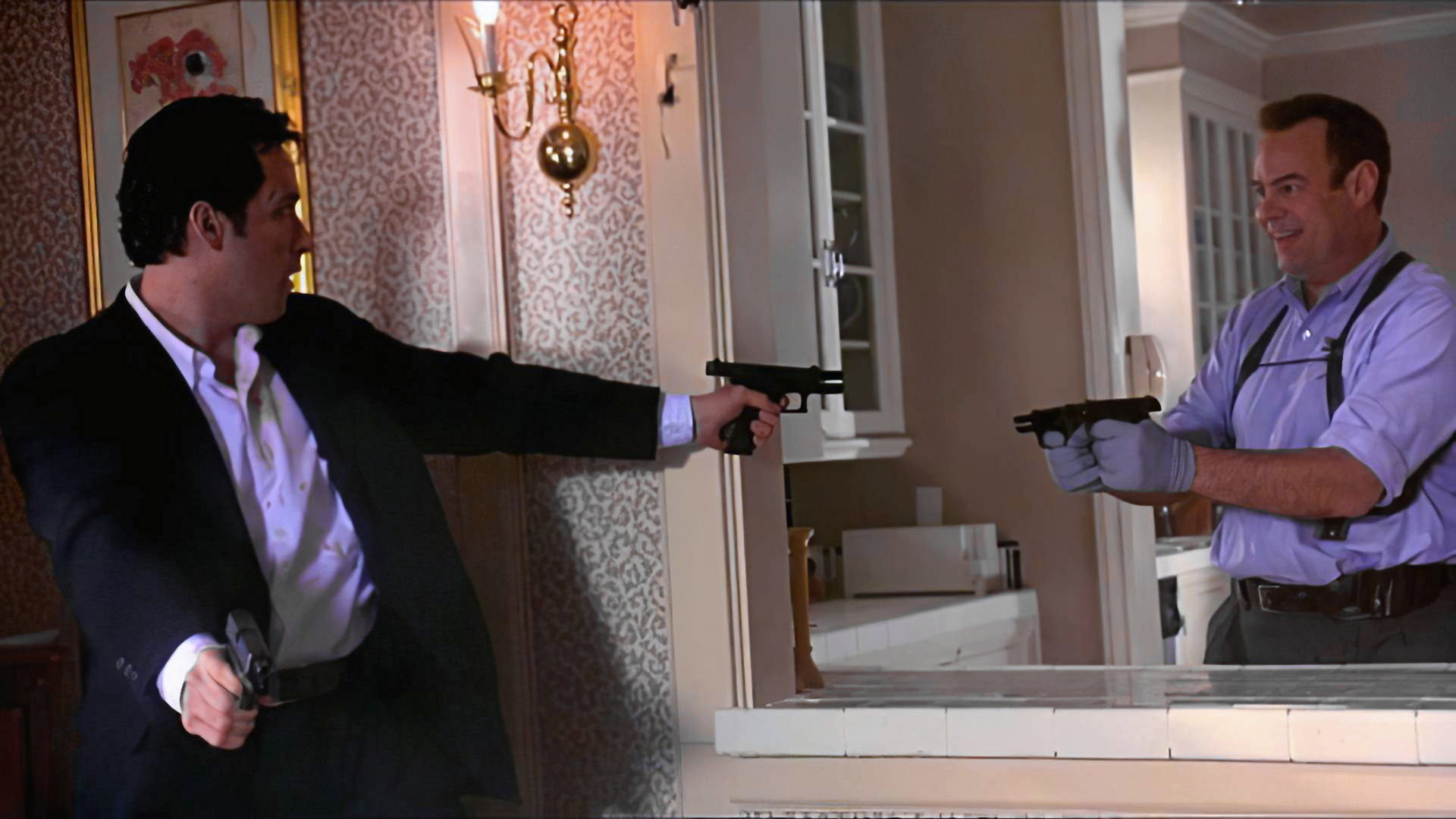
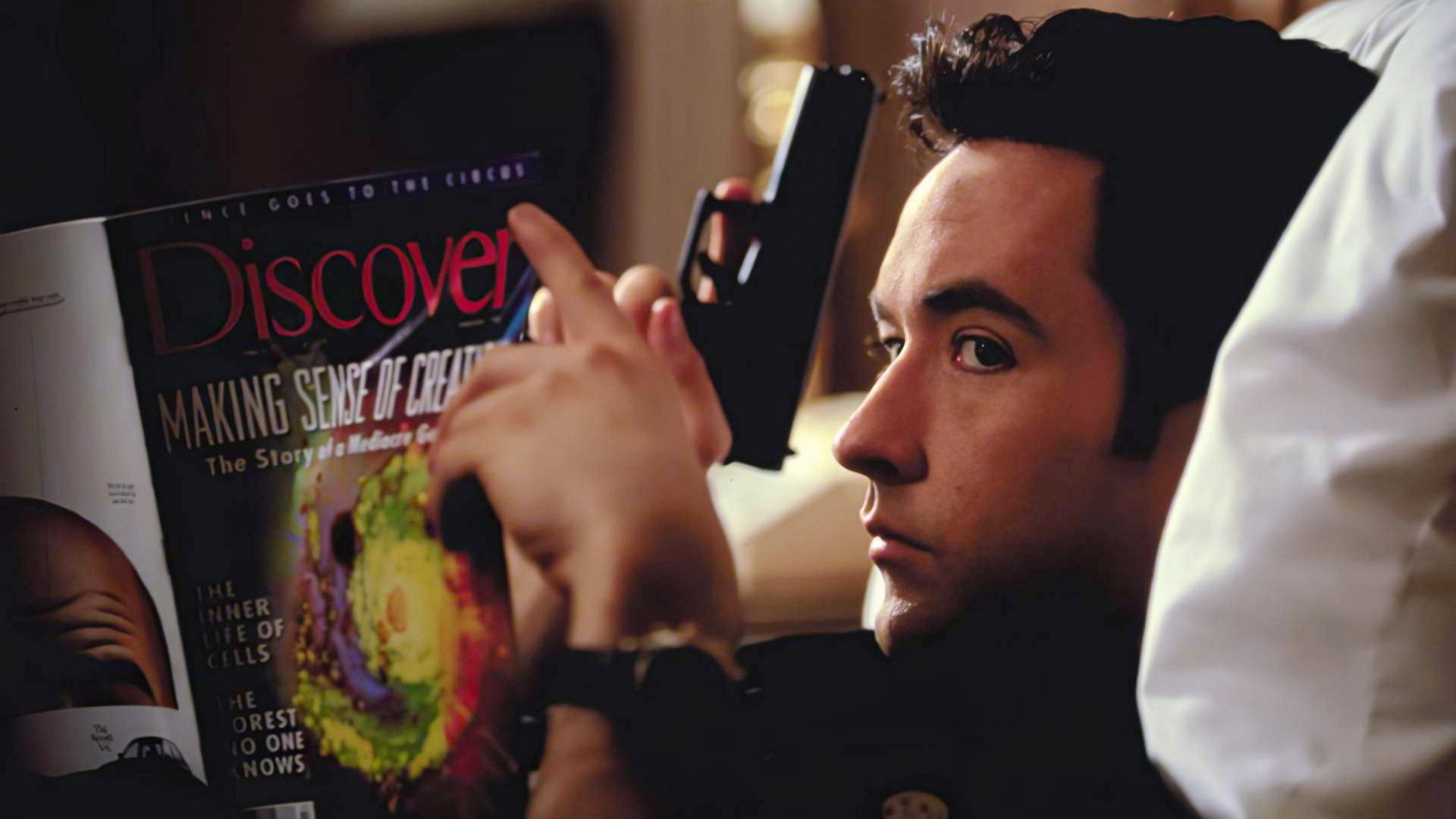
Grosse Pointe Blank has a useful answer to the anxiety of a school reunion: at least most of the guests do not kill people for a living. George Armitage puts John Cusack’s Martin Q. Blank through the familiar business of wondering what became of his life, with an occupation that ought to make the question harder to answer. The opening is funny and the romantic leads are appealing. But this is a mixed comedy, increasingly content to keep its central joke going without making it more uncomfortable.
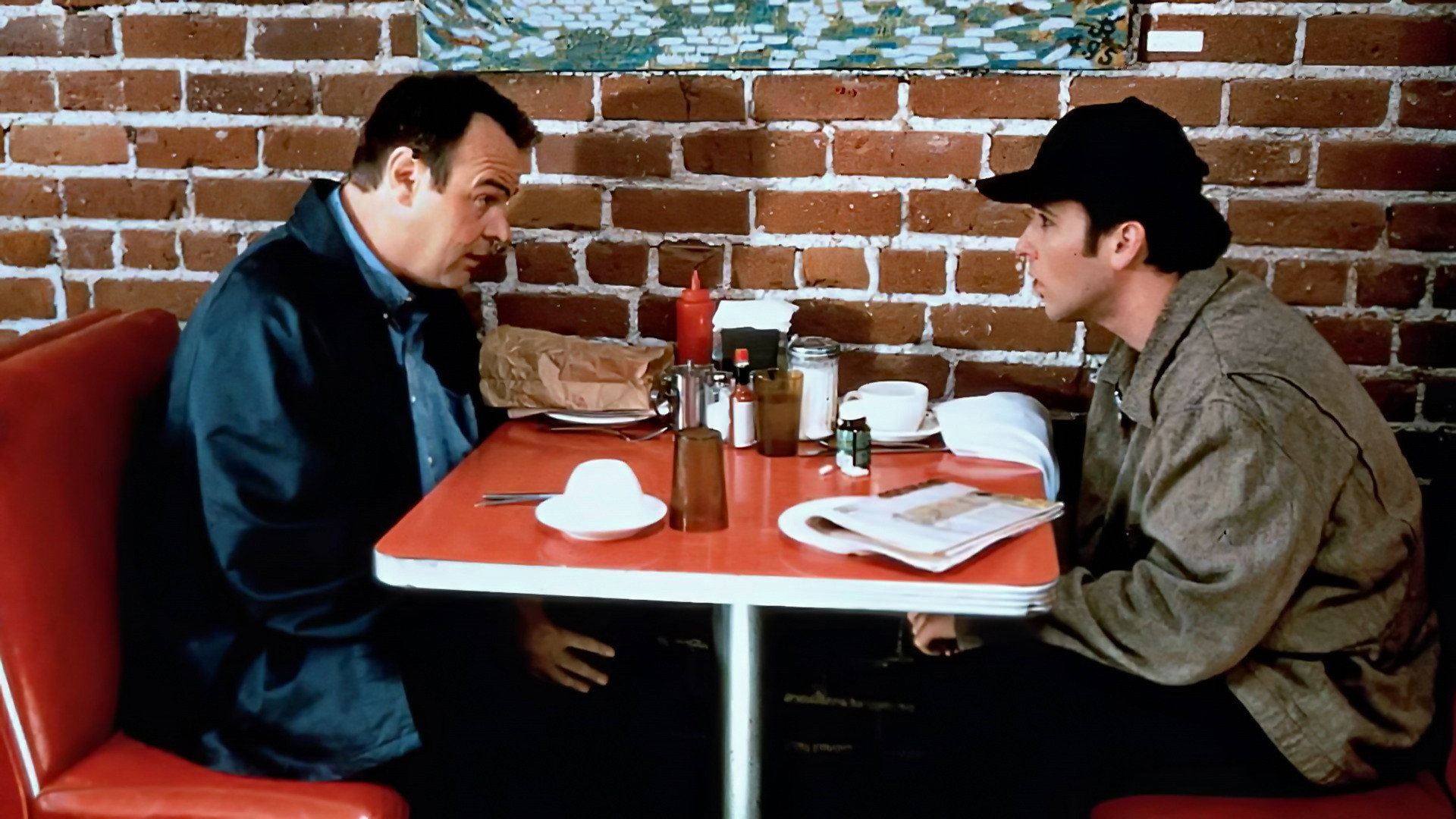
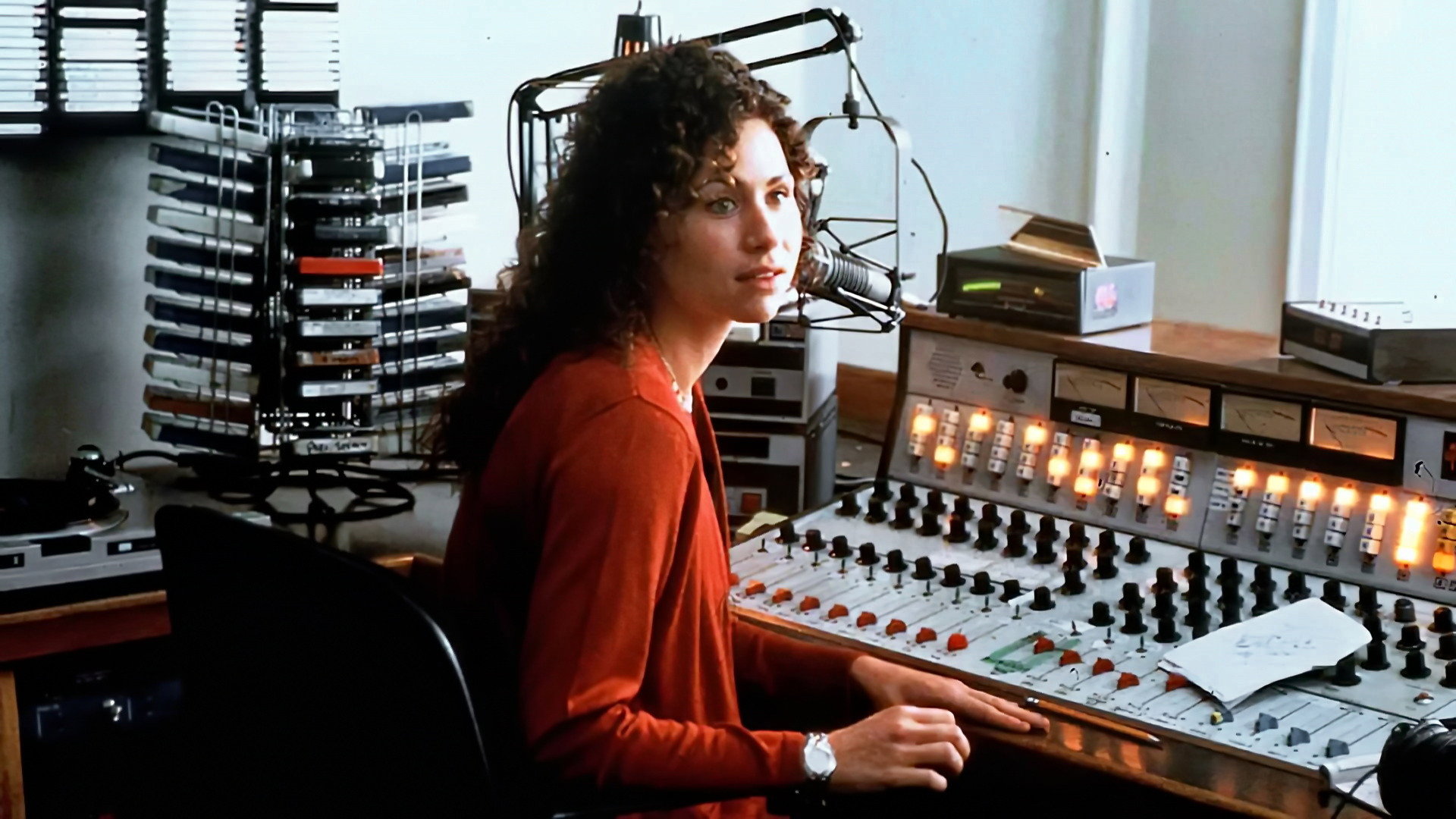
Cusack is good at making Martin’s self-questioning sound quite ordinary, which is where the early humour comes from. We laughed at those opening comic duets because his dry delivery lets the killer’s worries sound almost sensible. Minnie Driver’s Debi Newberry gives the romance enough warmth that spending time with these two remains pleasant even as our interest in Martin’s predicament begins to fade. Their appeal is considerable, and it lets the film postpone awkward questions about why this man should deserve our affection.
The screenplay, credited to Tom Jankiewicz, D.V. DeVincentis, Steve Pink and John Cusack, is alert to the embarrassment behind the reunion. Martin’s profession makes the usual doubts about work and identity seem absurd, and the dialogue gets good laughs from treating both problems with similar gravity. That is a sound basis for a short exchange. Across 107 minutes, the joke becomes wearing, especially when the film asks us to take his unhappiness seriously without making his self-examination much more searching.
Armitage handles the changes between romance, action and comedy with enough control that the mixture seldom feels forced. Jamie Anderson’s cinematography serves the deadpan tone, keeping our attention on the performers rather than trying to add another joke. Brian Berdan’s editing is most effective in the opening exchanges, where the dialogue has a snap that the film cannot sustain. As those exchanges give way to more of Martin’s crisis, the pace begins to feel leisurely without becoming more revealing.
Joe Strummer’s music sits alongside the 1980s songs, which do much of the work of making the reunion feel personal. The soundtrack is inviting, though the familiar records eventually do too much of the emotional work. Stephen Altman’s production design keeps the reunion setting ordinary enough for Martin’s profession to remain the conspicuous oddity. These choices make the film welcoming, sometimes to the detriment of a story about a professional killer.
The trouble becomes clearest when judged as black comedy. A killer worrying about his identity offers opportunities for uglier laughs than the film seems willing to pursue, and Martin’s charm gradually becomes a way of avoiding them. Armitage’s steady handling keeps the tone consistent, but it also protects Martin from seeming as troubling as his occupation suggests. We need not dislike him, but the film could afford to make liking him a little more difficult.
There is enough wit here to explain the film’s appeal, and Driver keeps the romance from becoming merely another clever complication. The problem is how little the later stretches add to what the opening has already established. The actors remain agreeable company long after Martin’s crisis has ceased to surprise. For a sharper black comedy, we would look elsewhere.