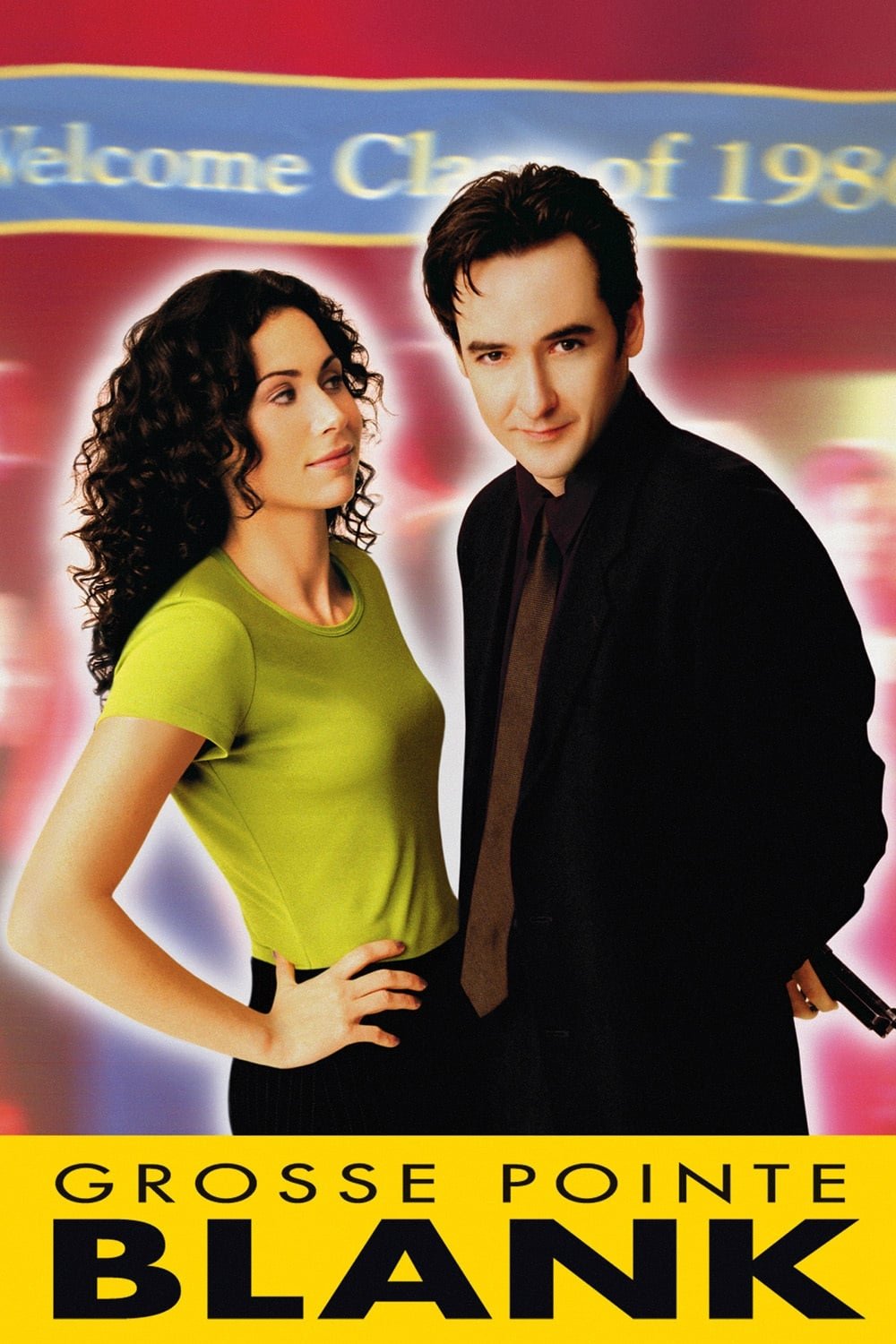
George Armitage's crime comedies give disreputable people room to be funny. We value his control of tone, but Grosse Pointe Blank shows the limit: keeping a killer likeable can spare him too many awkward questions.
Fi1m perspective
A hired killer faces a school reunion and starts wondering what became of his life. In Grosse Pointe Blank (1997), George Armitage makes that worry familiar enough to be funny, despite the profession of John Cusack's Martin Q. Blank. We laughed at the early comedy because Martin's work makes the ordinary business of comparing lives so absurd. The disappointment is how little more uncomfortable Armitage makes the joke as the film goes on.
Armitage came to features through Roger Corman, writing and directing Private Duty Nurses (1971) and Hit Man (1972). After Vigilante Force (1976), much of the 1980s went on screenplays that were never made. Miami Blues (1990), which he wrote and directed from Charles Willeford's novel, revived his directing career. The gaps interrupt the progression, but the recurring interest in crime and badly behaved protagonists is clear. Post-production changes to his last film as director, the Elmore Leonard adaptation The Big Bounce (2004), complicate any judgement of his intentions there.
His preference for shooting scripted, understated and exaggerated versions of scenes gave actors room to find their characters. That approach makes sense of the easy company in Grosse Pointe Blank, where Cusack and Minnie Driver sustain a romance worth following even when the premise begins to tire. Jamie Anderson's cinematography sensibly keeps attention on the performers. Brian Berdan's editing gives the early exchanges their snap, though the later stretches grow leisurely without telling us much more about Martin. Armitage moves between romance, action and comedy without making the changes feel laboured.
The limitation is clearest when Martin's charm saves the film from having to think harder about his work. Armitage need not make him repellent, but the film could give us more reason to question why we enjoy his company. His control keeps the comedy consistent even as he keeps repeating the same central joke. Anyone hoping the reunion will become more awkward should lower their expectations.
Biography
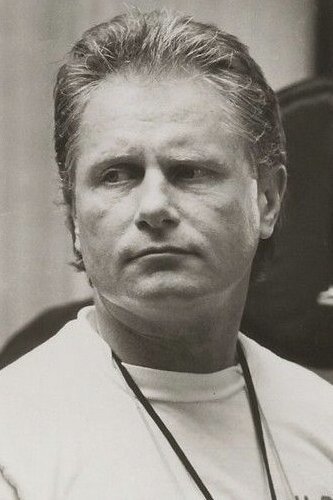
George Armitage (1942–2025) was an American filmmaker, screenwriter and producer. He began his career in the late 1960s working for Roger Corman’s New World Pictures and directed his first feature, Private Duty Nurses, in 1971.
He is best known for directing and writing Miami Blues (1990) and directing Grosse Pointe Blank (1997). Other credits include directing Vigilante Force (1976) and The Big Bounce (2004), and writing the television film The Late Shift (1996). His son Brent Armitage worked as an associate producer on Grosse Pointe Blank.