Film review

Something Wild

1986 · Directed by Jonathan Demme · 1h 54m · MPA R

In a sentenceJeff Daniels makes being led astray look like a difficult administrative decision

CrimeComedyRomance

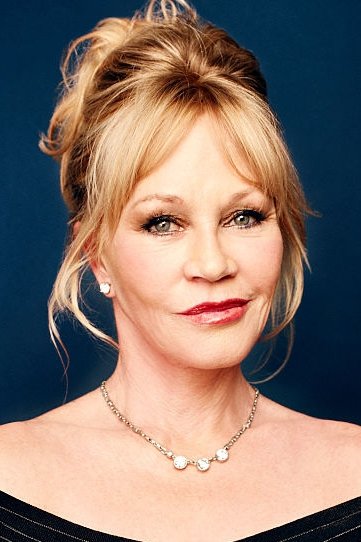
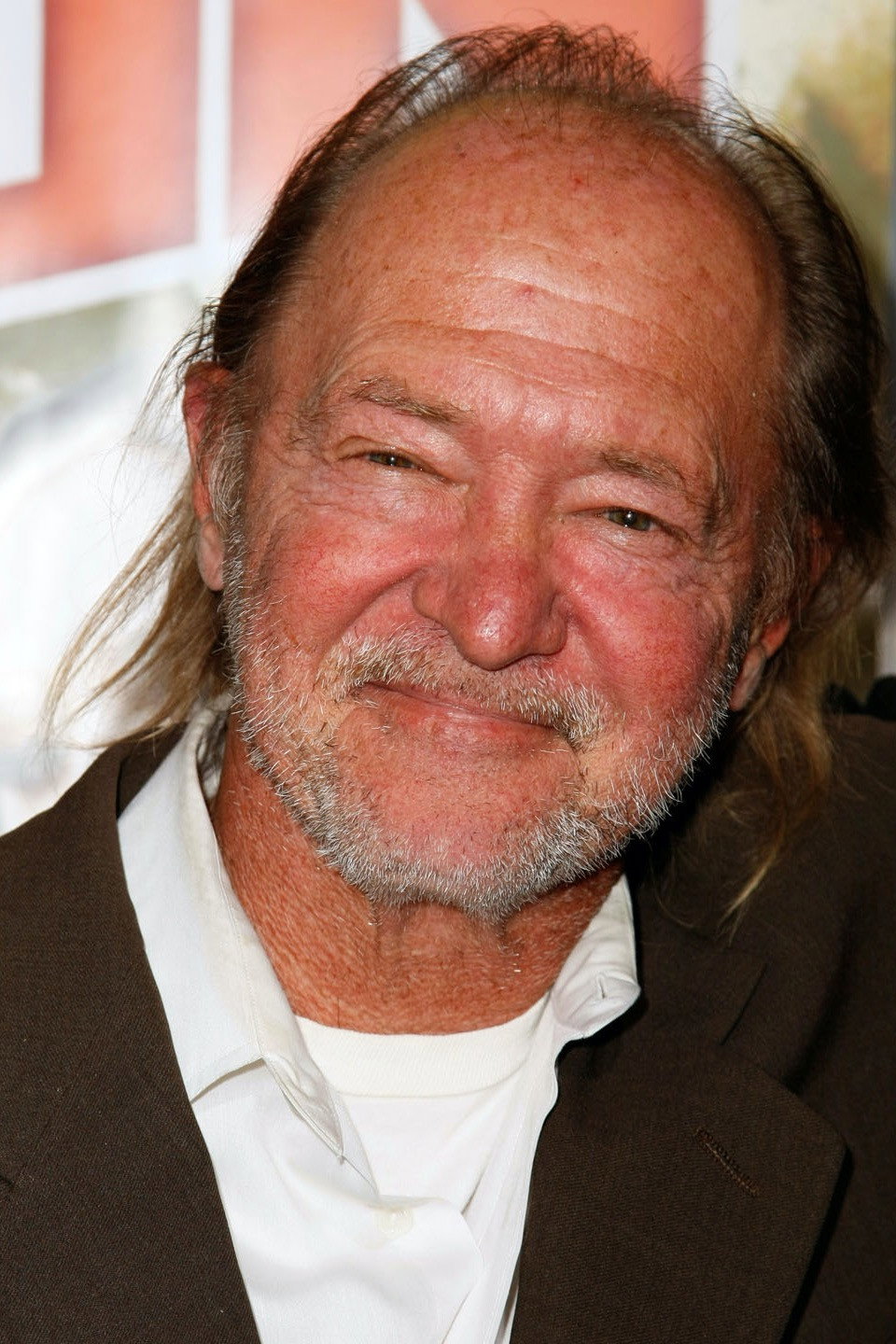
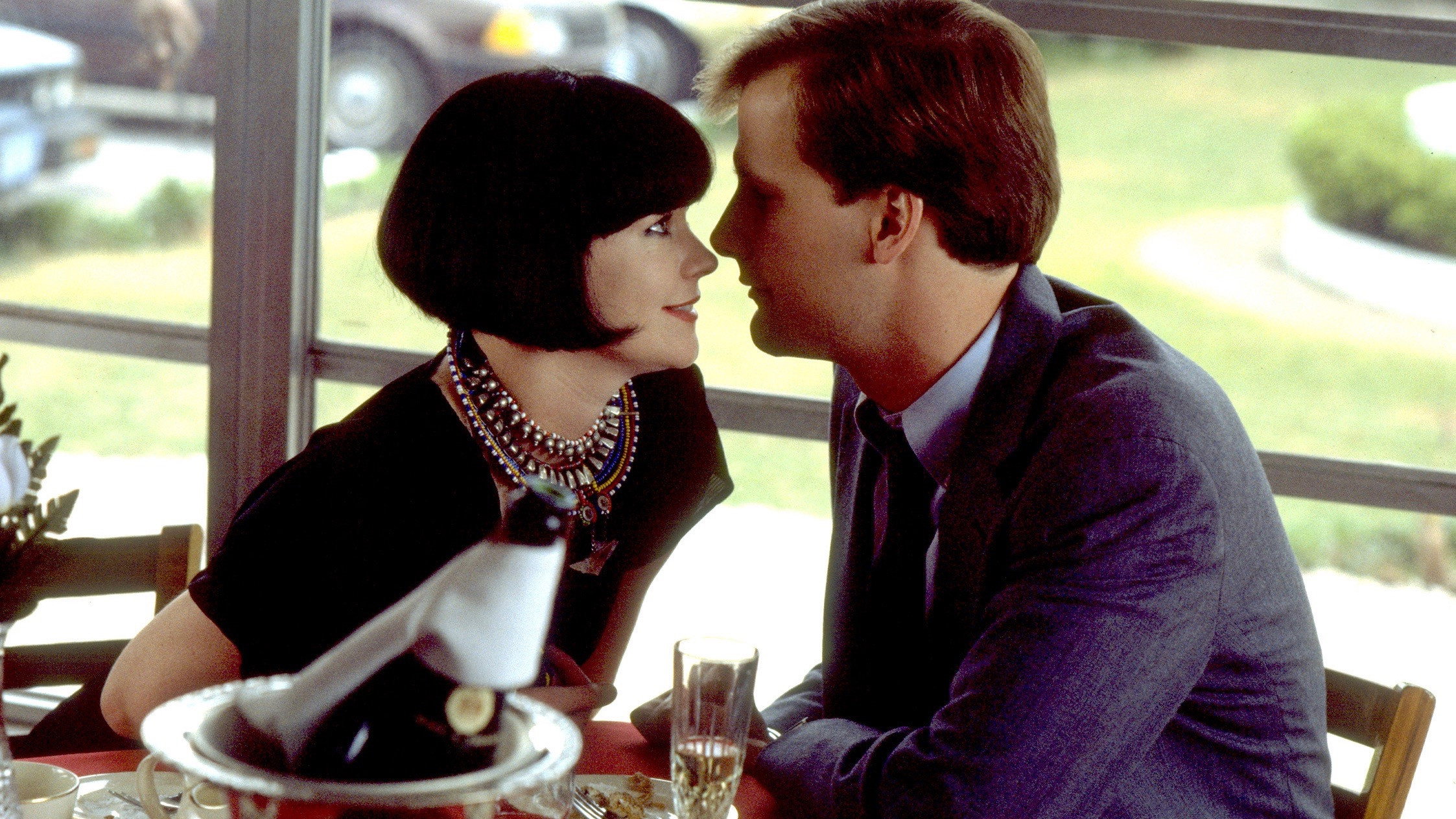
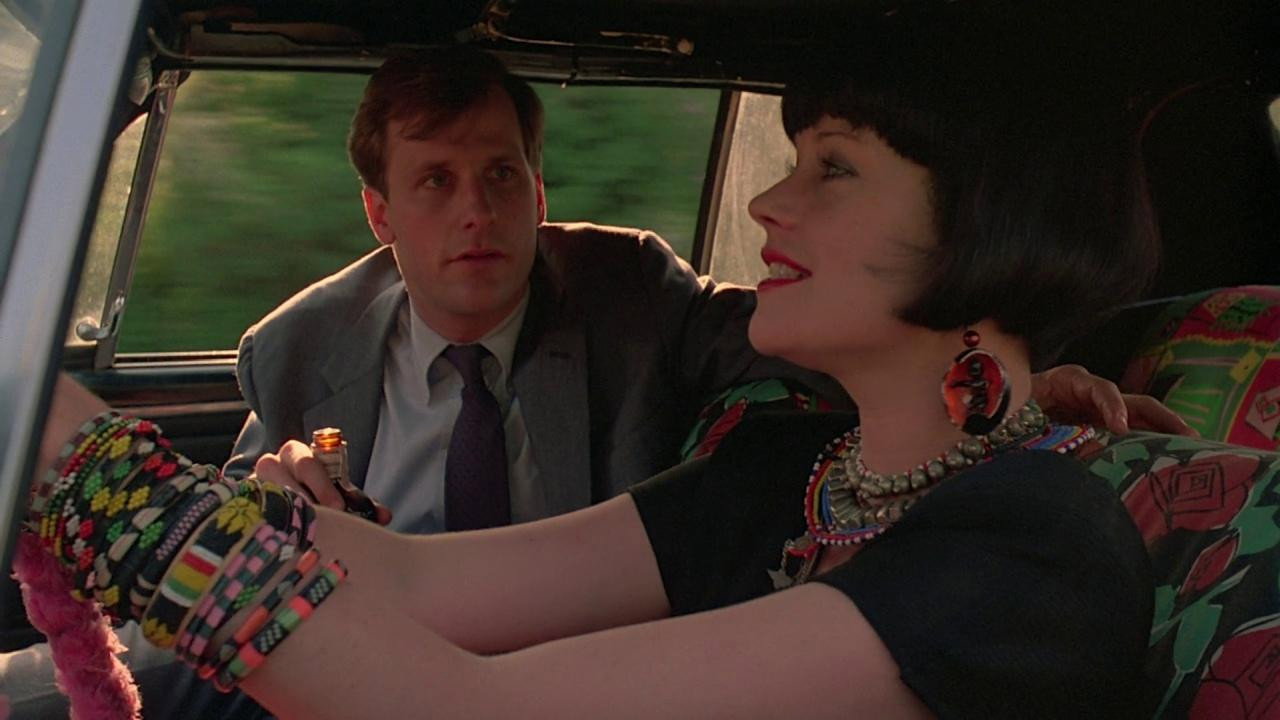
Charles Driggs (Jeff Daniels) and Audrey Hankel (Melanie Griffith) are an unlikely pair at the centre of a road trip involving sexual attraction and petty crime. Their encounter takes Charles away from respectable routines and into the company of someone less concerned with keeping to them. As the two get to know each other, romance competes with the complications of their journey. Jonathan Demme directs Frye’s story, which combines crime, comedy and romance against a backdrop of everyday American life. Ray Liotta also stars as Ray Sinclair.

Plays from YouTube when you press play; nothing loads from them until then.

Fi1m review

Jonathan Demme’s crime comedy is funny, sexy and unusually fond of the people other films would hurry past. Jeff Daniels and Melanie Griffith make it worth following, even when the script begins to settle for familiar trouble.

Something Wild is funny, sexy and generous towards its oddballs; we recommend it, with a reservation about where the script takes them. Jonathan Demme takes the familiar prospect of a respectable man being led astray and gives the strangers around him more attention than that premise requires. The pleasure comes from meeting them, watching them and wondering what they might do. The trouble comes when Frye’s screenplay has to make all that wandering serve a plot.

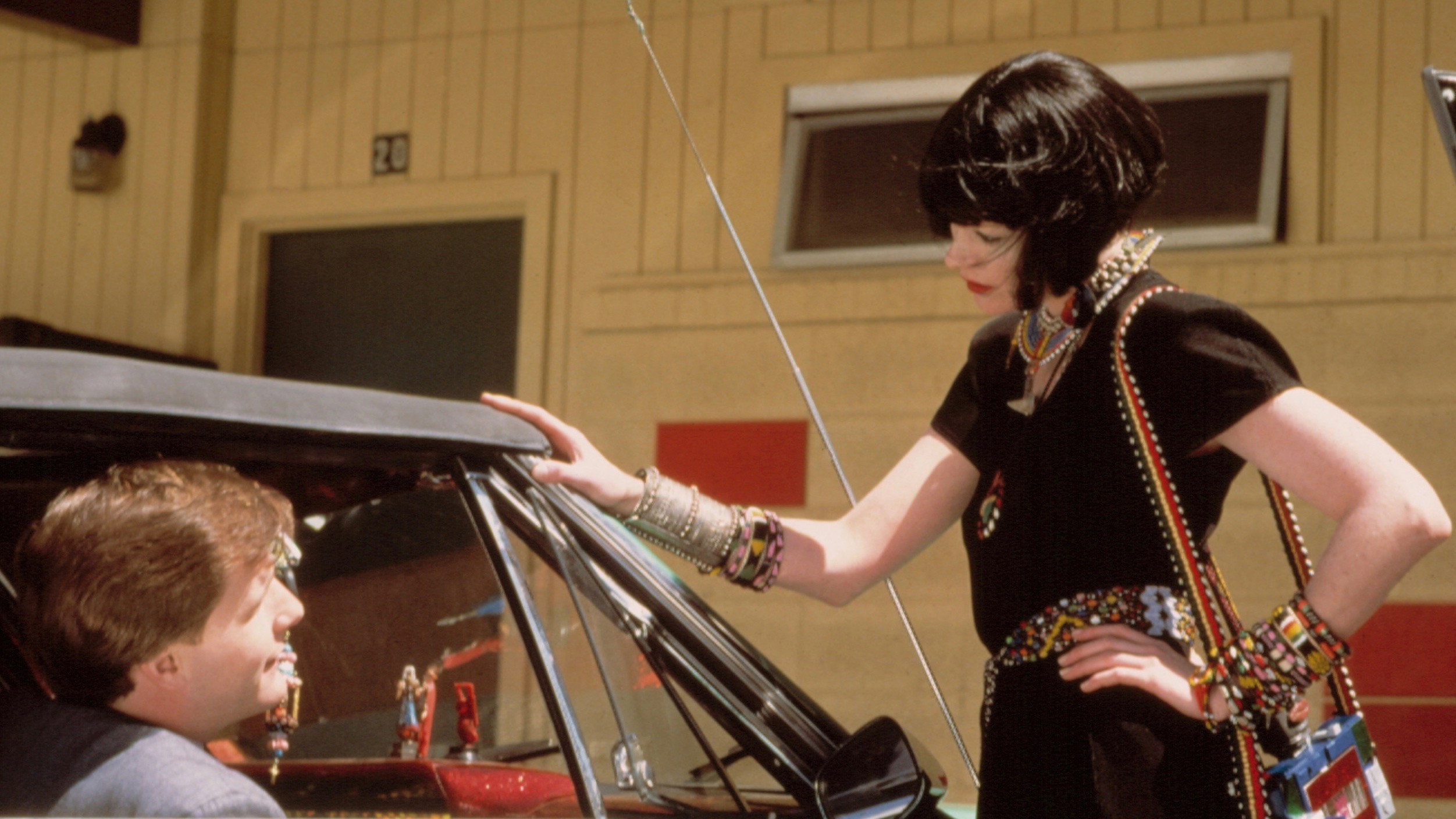
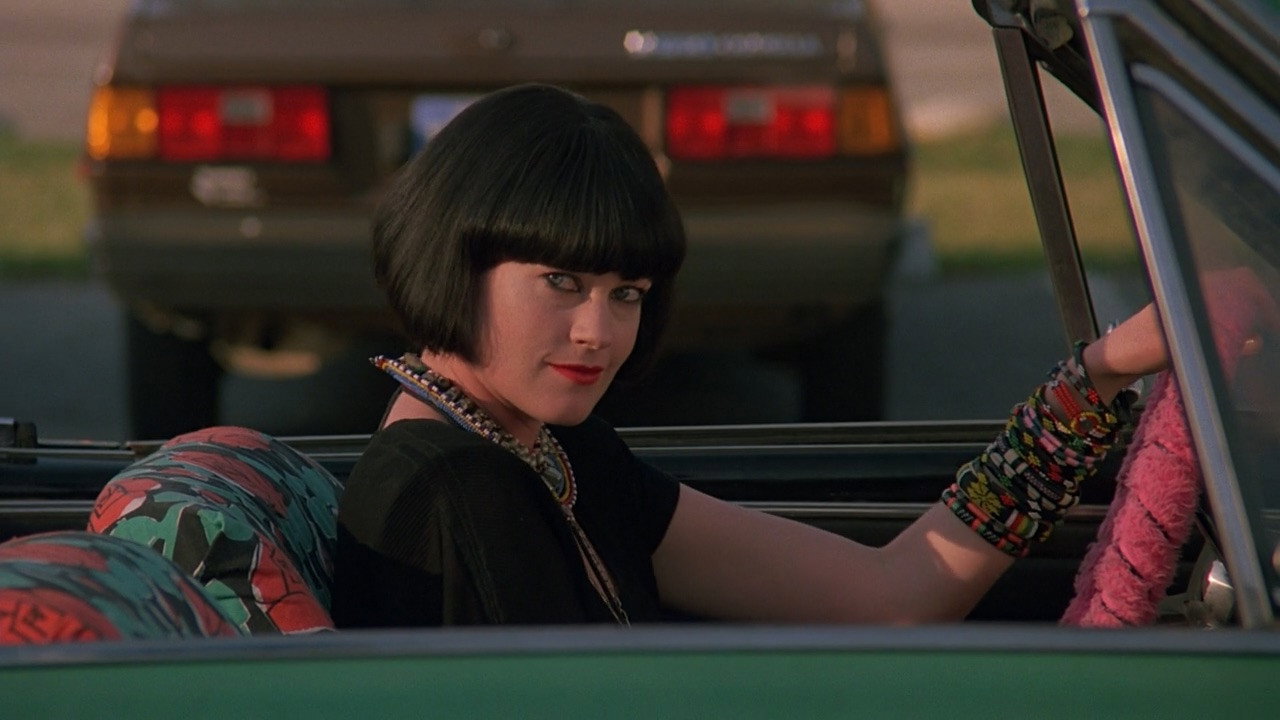
Jeff Daniels makes Charles Driggs’s self-consciousness funny without asking us to despise him for it. Opposite Melanie Griffith’s Audrey Hankel, he seems to be working out how much enthusiasm he can safely admit. Griffith gives their early encounters an ease that makes his hesitation funnier, and their attraction does not need explaining. We laughed at his efforts to look comfortable with her sexual confidence, then felt unexpectedly fond of him. Daniels keeps the embarrassment small enough to recognise.

As Ray Sinclair, Ray Liotta gives the film a threat that makes us watch him closely. His force sharpens the responses of the other two leads, without reducing them to supporting players in their own story. Griffith, in particular, has enough range to keep Audrey from becoming merely an invitation for Charles to enjoy himself. Demme remains interested in her when the easy joke would be to make everything about his discomfort.

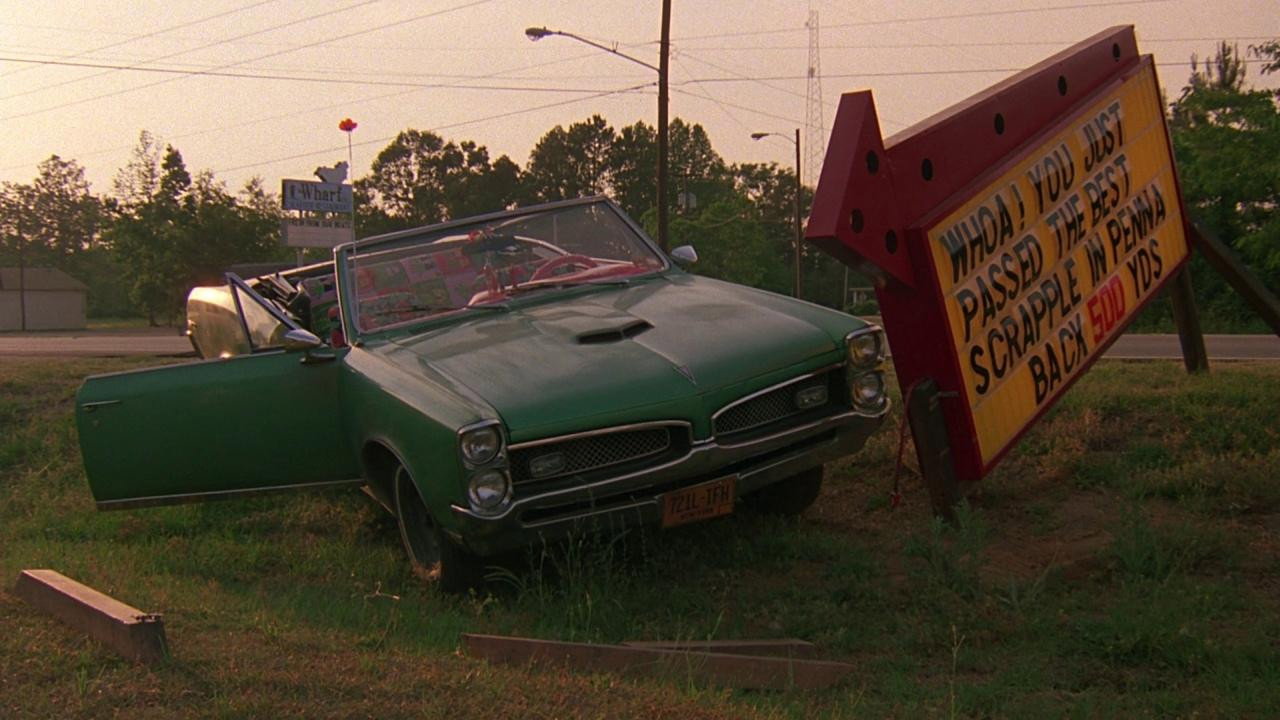
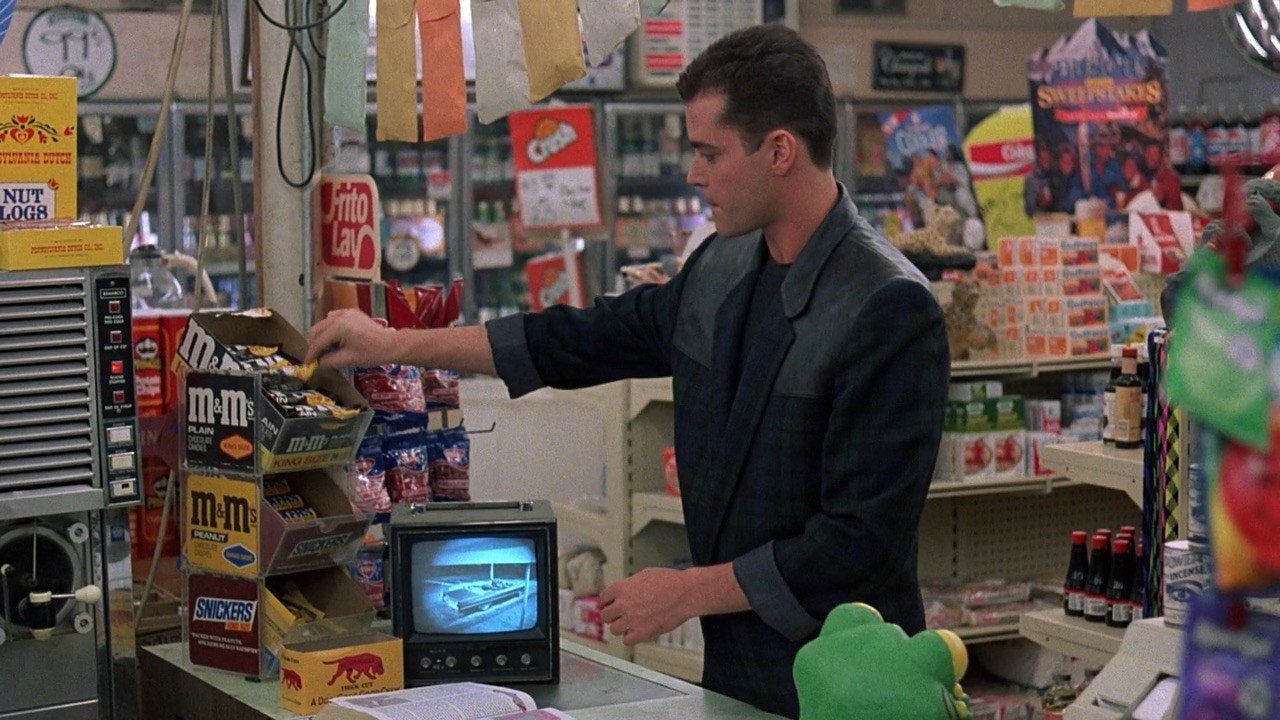
Tak Fujimoto’s cinematography makes room for faces, including those belonging to people who will never carry the story. That attention supports Demme’s interest in the ordinary places the journey passes through, giving us reasons to look beyond the central couple. Norma Moriceau’s production design and costumes make the film’s 1980s fashions hard to miss. Some choices now draw attention to themselves, but the care given to the surroundings helps the minor encounters feel like something more than interruptions.

Craig McKay’s editing gives the opening a welcome headlong pace without losing the small hesitations that make Daniels funny. The changes of mood are less consistently persuasive, although the performances provide continuity when the storytelling becomes abrupt. Laurie Anderson and John Cale provide the music, alongside a rock soundtrack that makes the journey feel sociable and unpredictable. The songs sustain the excitement of going somewhere new, even when the plot becomes easier to anticipate.

The principal weakness is Frye’s increasingly conventional plotting. The opening lets attraction and bad judgement set the pace, and for a while almost any encounter seems worth following. As the crime story becomes more insistent, it leaves less room for the casual comedy and incidental people that first interested us. A smaller reservation is that petty crime is treated as an attractive habit rather too readily. Demme and the cast keep it entertaining, but the later situations are less surprising than the behaviour in those early encounters.

Within the comedy of a respectable man getting into trouble, Demme’s warmth makes a substantial difference. He does not assume that eccentricity makes someone ridiculous, or that a small part deserves only a single joke. His attention to the people surrounding Charles and Audrey gives the film pleasures beyond the couple’s chemistry. Choose it for Daniels and Griffith, and allow for a script that becomes less adventurous than they are.

Critical consensus AI synthesised

1 of 6
Positive
1
Mixed
0
Negative
0
Empire
1 January 2000 · William Thomas
70*

The film is breezy fun as an artefact of the mid-80s. It singles out the superb soundtrack and bizarro cameos for praise while noting that the trendiness dates fast.

Read the full review →
Los Angeles Times
6 November 1986 · Sheila Benson

Demme returns to form with a free-spirited road movie that mixes '60s energy and '80s yuppie satire, buoyed by three standout performances from Griffith, Daniels, and Liotta. Benson highlights the vibrant soundtrack and production design while noting a lingering late-'60s attitude toward petty crime that feels dated.

Read the full review →
RogerEbert.com
7 November 1986 · Roger Ebert

The film starts with a headlong erotic charge in its opening scenes but settles into a more conventional groove later on. It remains a good movie thanks to Demme's skill at finding the bizarre in the ordinary and the strong chemistry between Daniels and Griffith.

Read the full review →
The New Yorker
10 November 1986 · Pauline Kael

Demme turns a familiar genre premise into something authentically wild, crossing from anarchic screwball comedy into scary slapstick thriller territory. Kael singles out the performances—especially Griffith's range and Daniels' subtle transitions—and Demme's democratic eye for bit players and pop-culture energy.

Read the full review →
The New York Times
7 November 1986 · Vincent Canby

The film begins with a promising screwball-comedy premise but fails to sustain momentum across its shifting genres, becoming something of a disappointment. Canby praises the performances, especially Daniels, Griffith, and newcomer Liotta, while criticizing the screenplay's lack of real payoff.

Read the full review →
Time Out
15 June 2017 · GA

The critic praises Demme's film as an original mix of screwball comedy and film noir that stands out from similar yuppie nightmare movies through its sympathy for eccentric characters. Demme's warm observation of everyday American life, the rock soundtrack, and strong performances from Daniels, Griffith and Liotta are highlighted as key pleasures.

Read the full review →

Cast

Stills

If you liked this, try…

After Hours poster80

After Hours

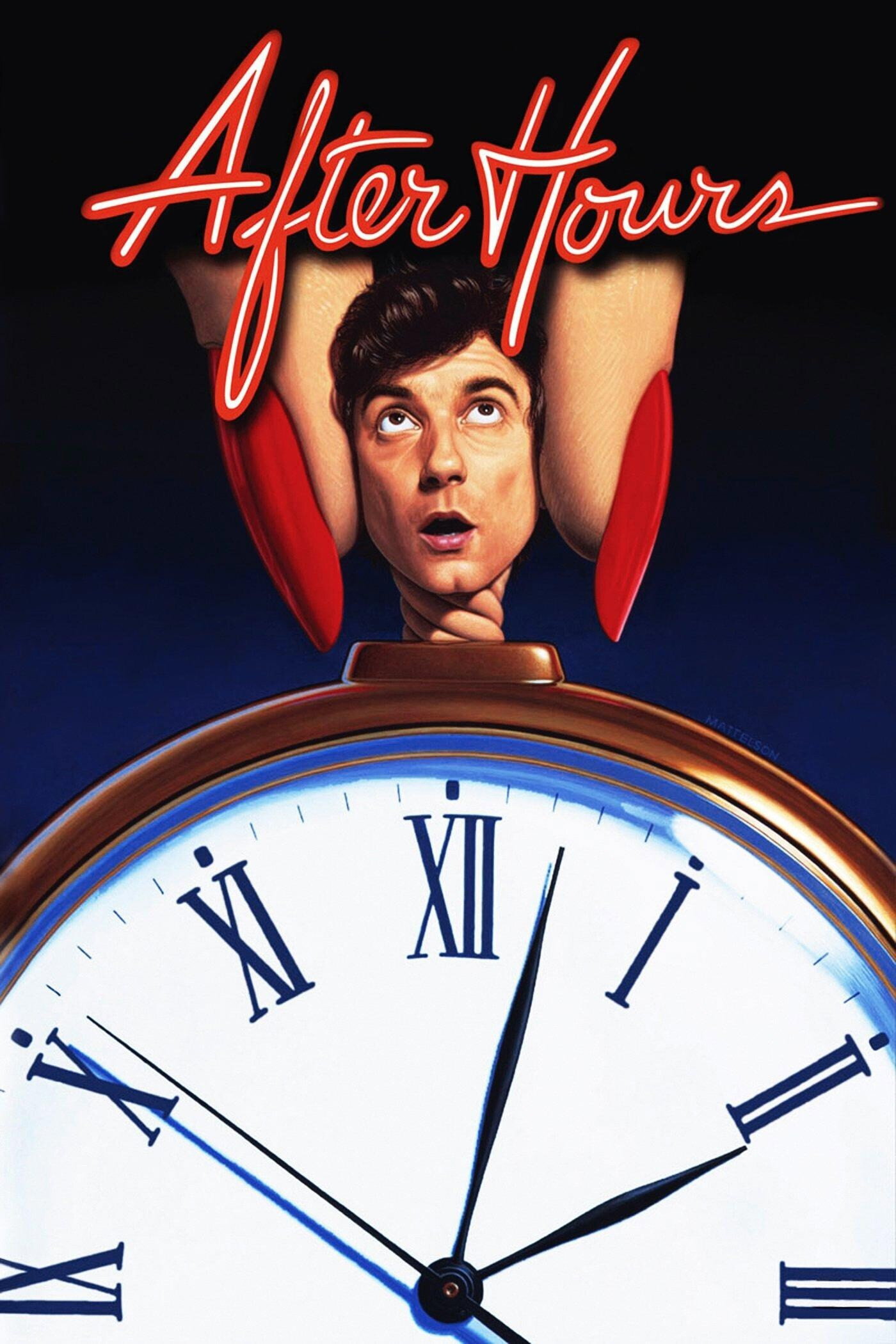
1985 · Another respectable man’s escape from routine, with considerably less reassurance.

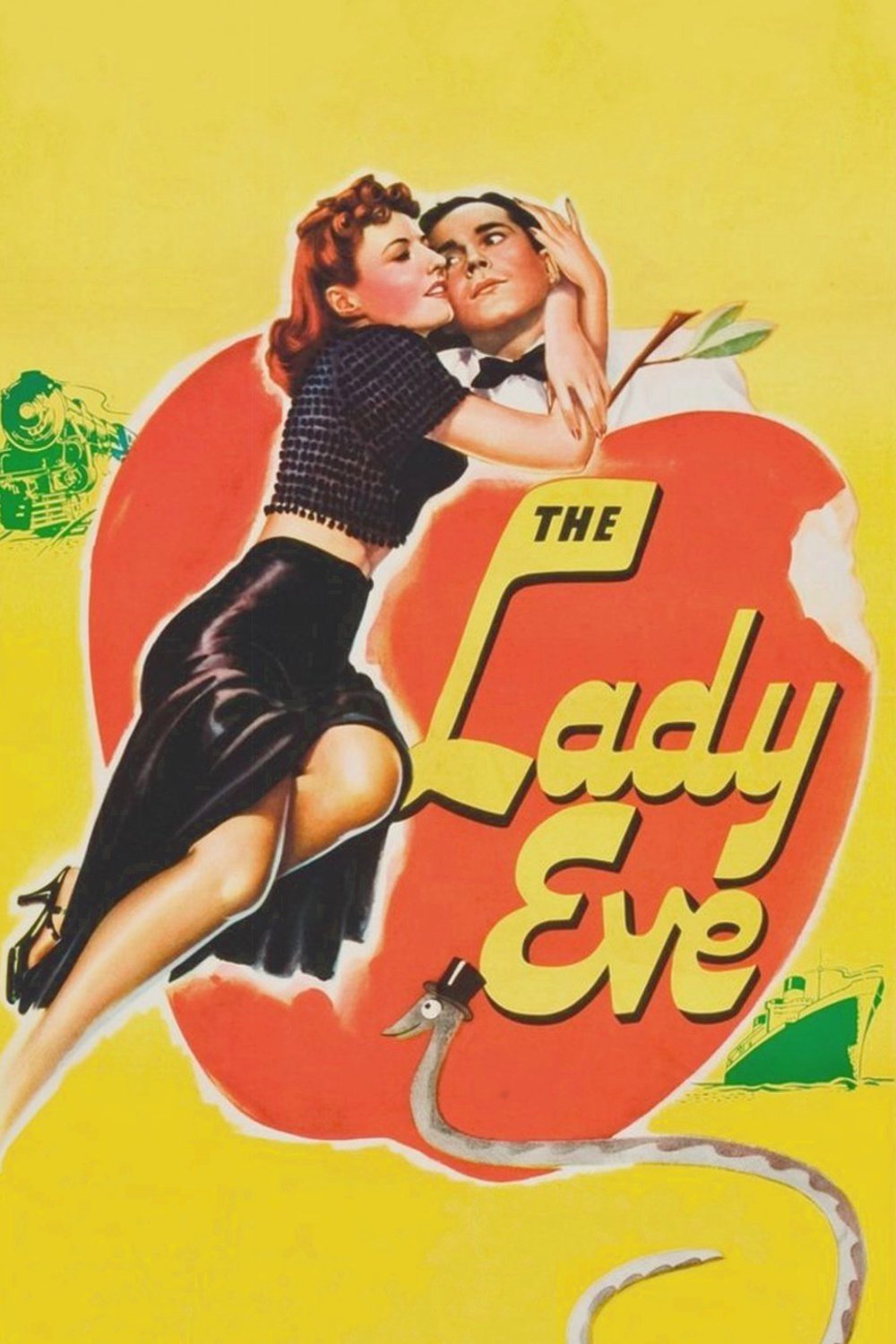
The Lady Eve poster

The Lady Eve

1941 · Barbara Stanwyck makes seduction look effortless and male dignity look temporary.

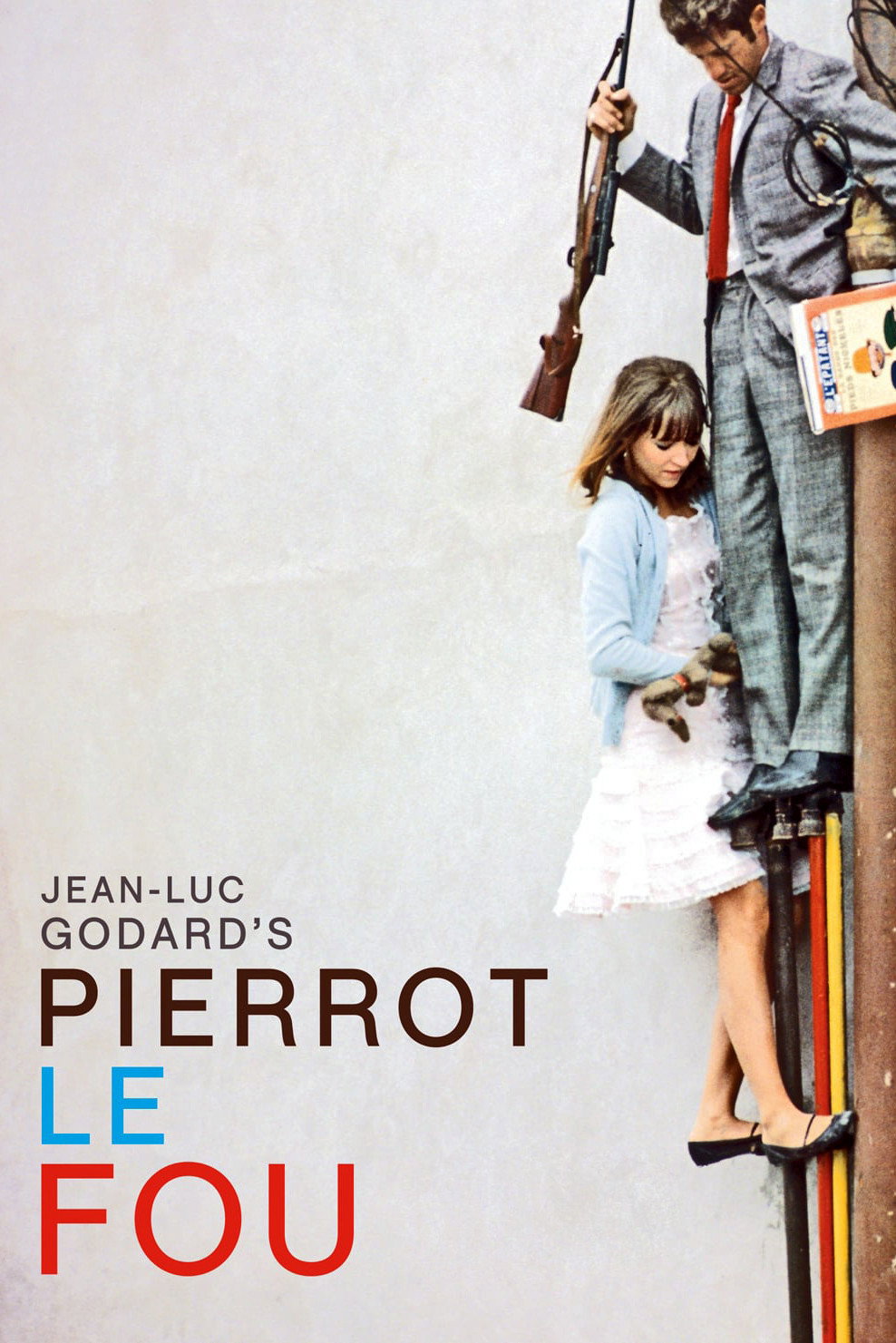
Pierrot le Fou poster

Pierrot le Fou

1965 · Romance, crime and a road journey that refuses to behave.

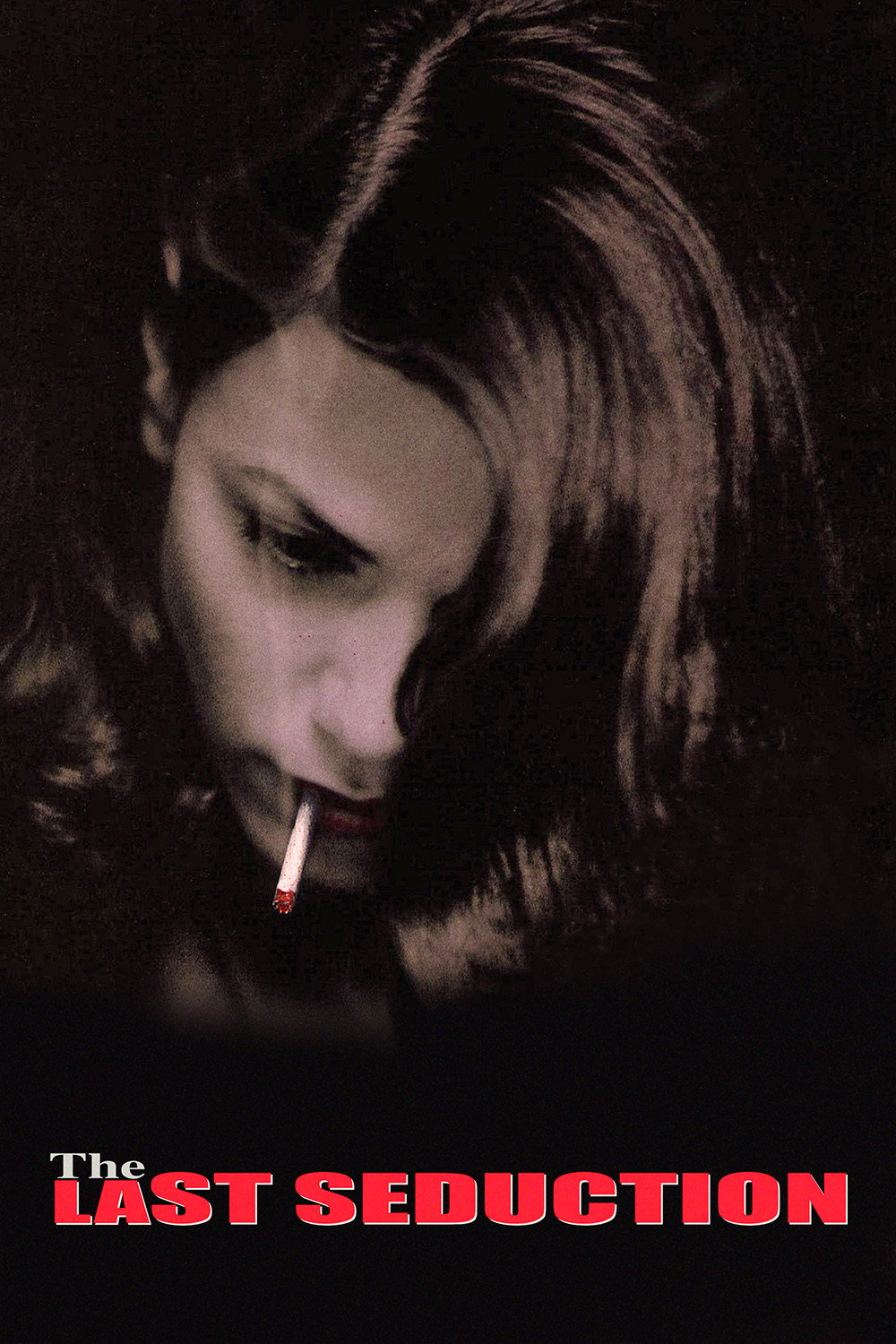
The Last Seduction poster

The Last Seduction

1994 · For the attraction to bad behaviour, with the kindness removed.

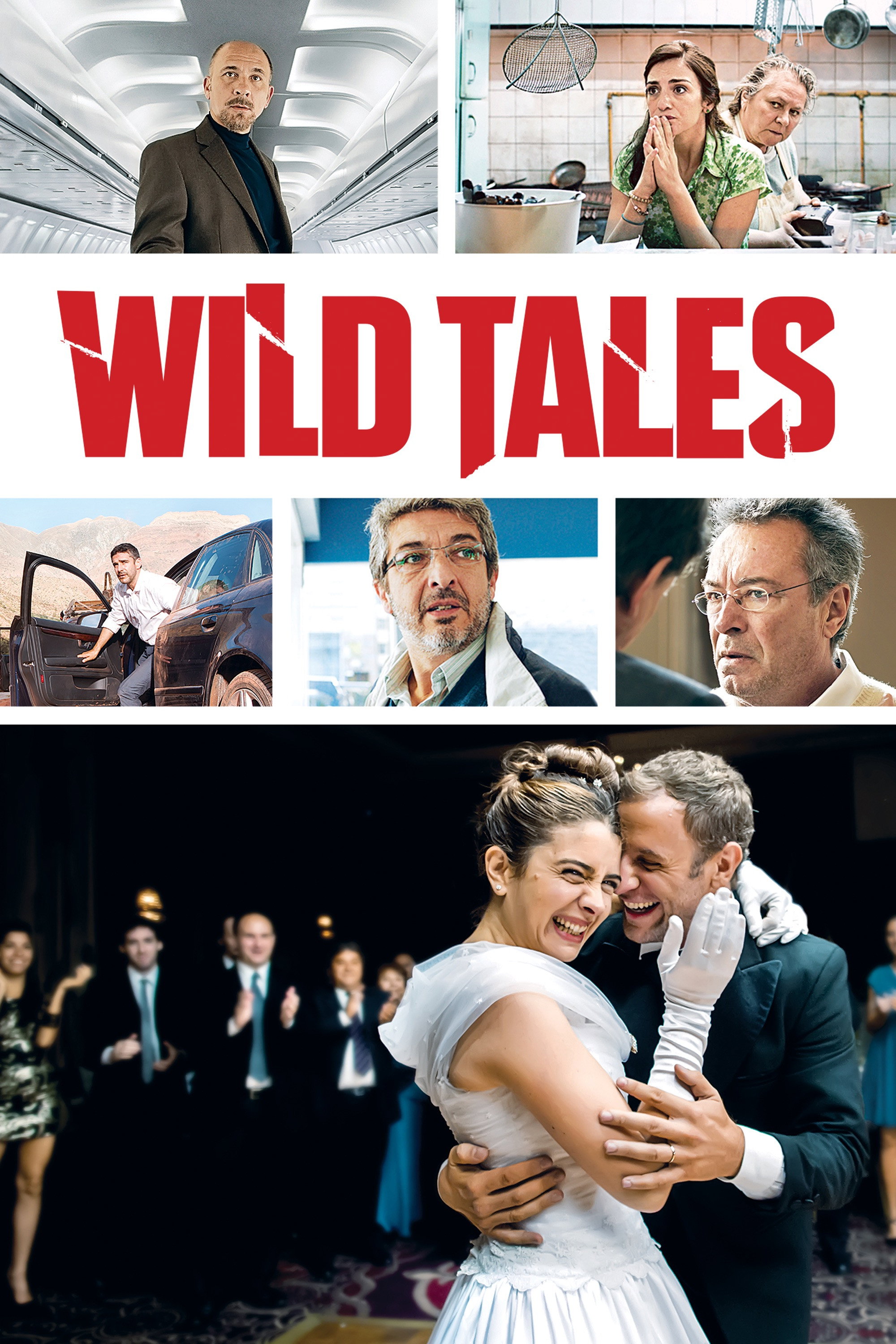
Wild Tales poster83

Wild Tales

2014 · Argentinian comic nightmares where ordinary frustrations become dangerous with alarming speed.