Film review

The Wicker Man

1973 · Directed by Robin Hardy · 1h 33m · 18

In a sentenceAn island full of cheerful singers makes a reasonable case for staying on the mainland

Horror

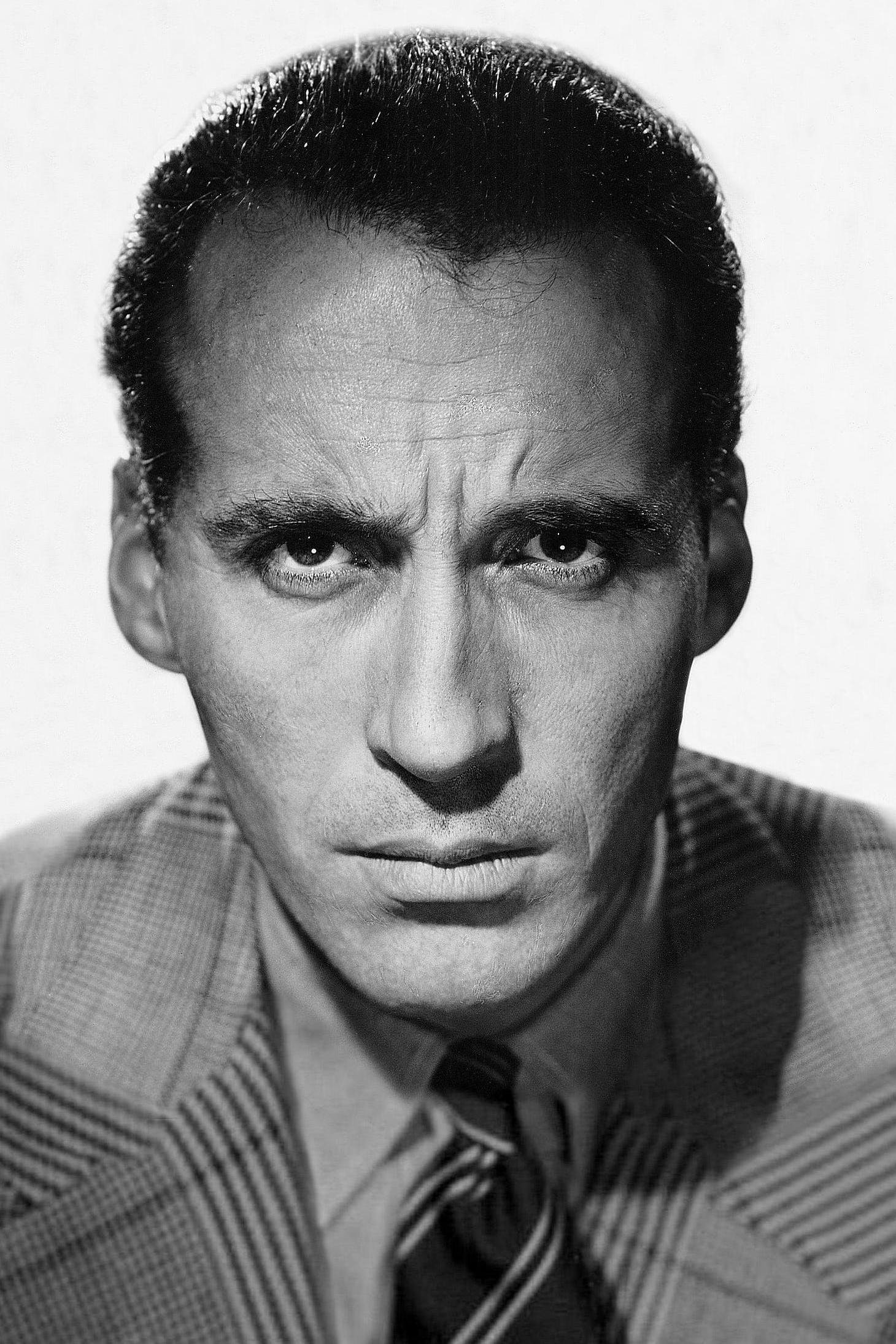
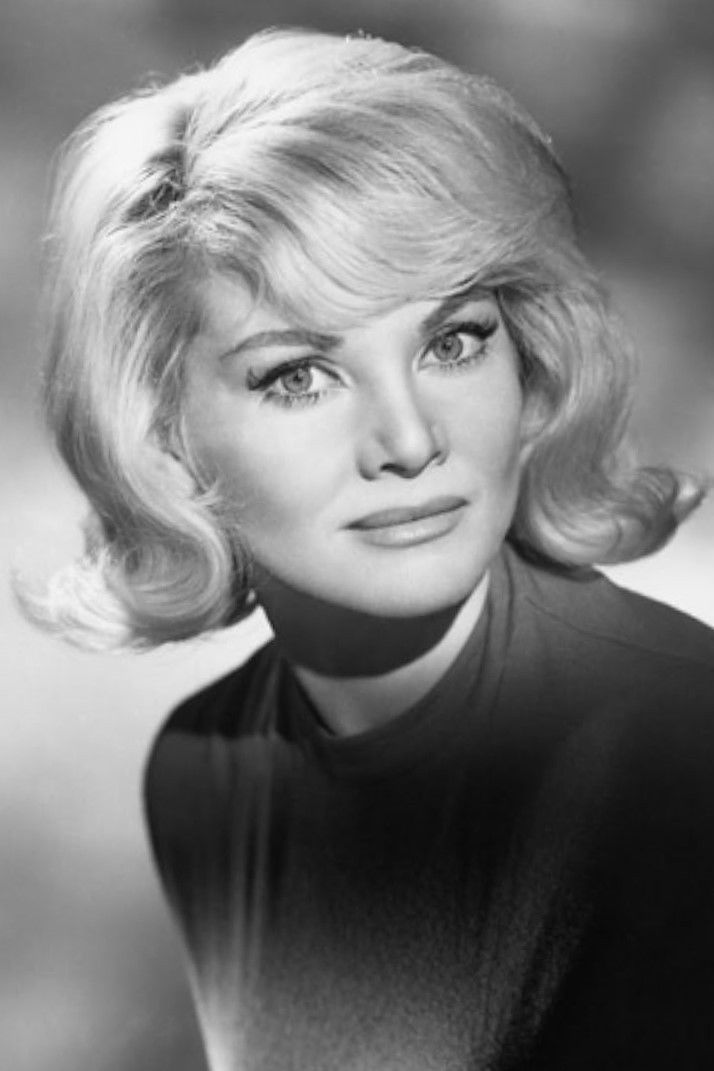
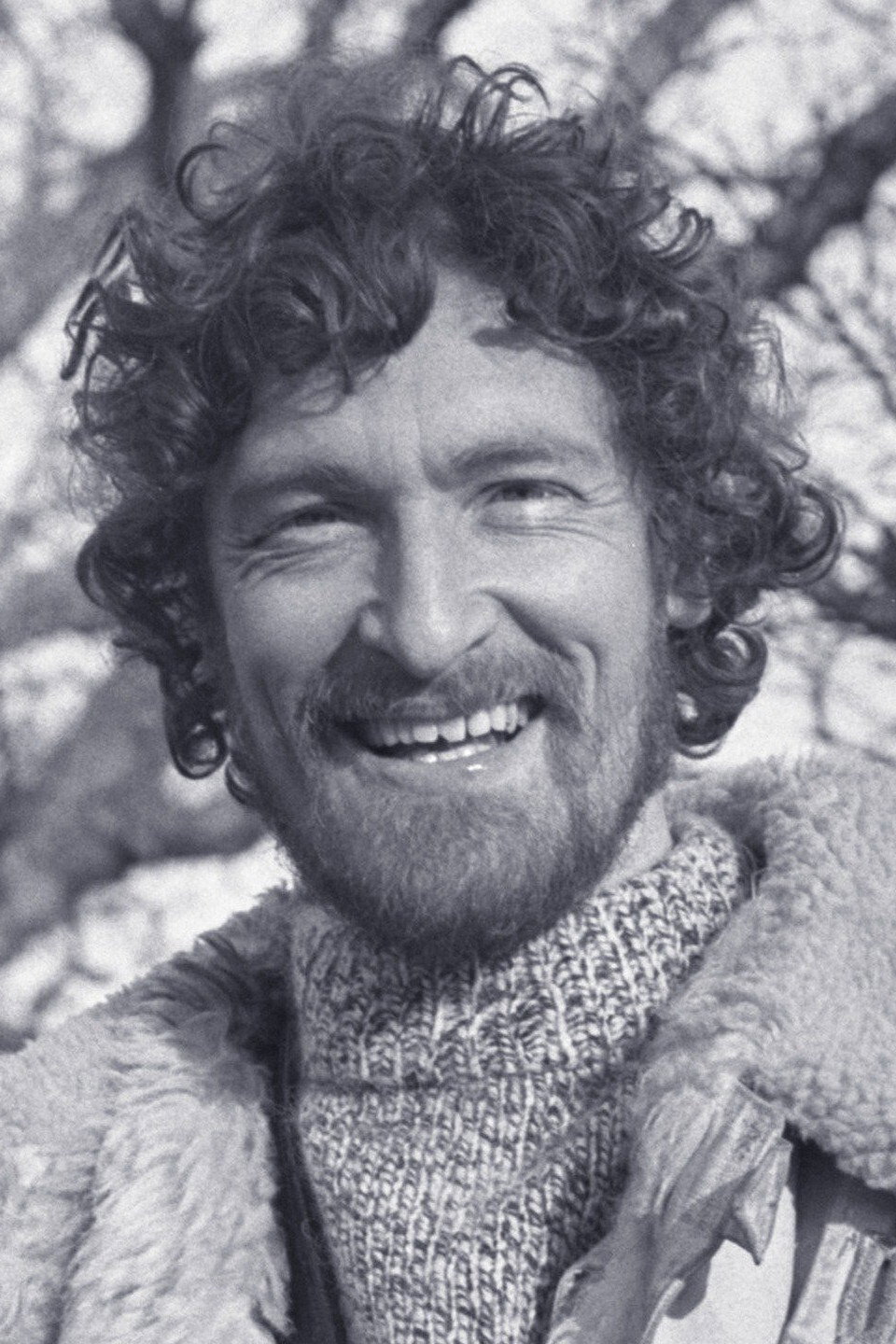
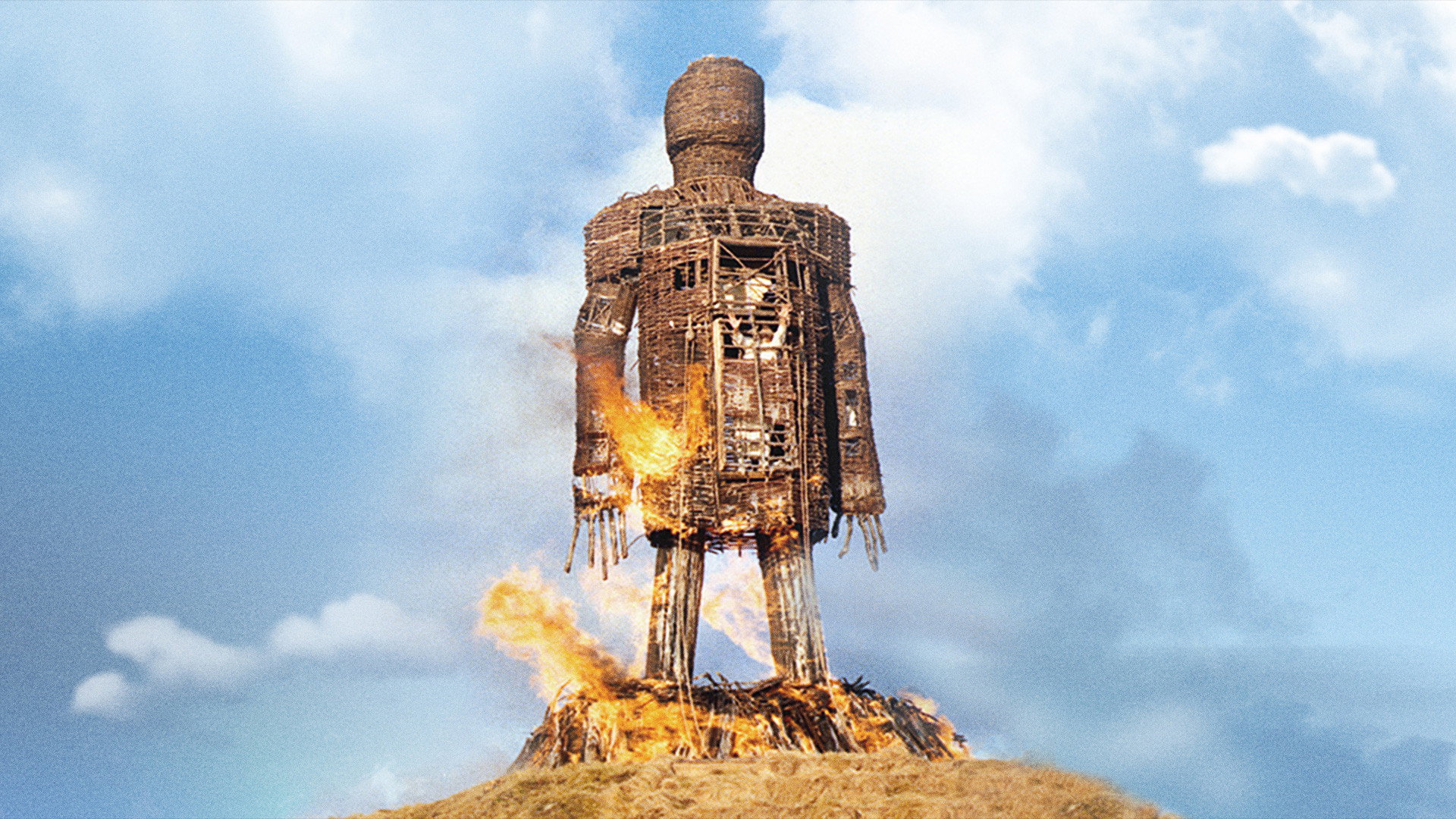
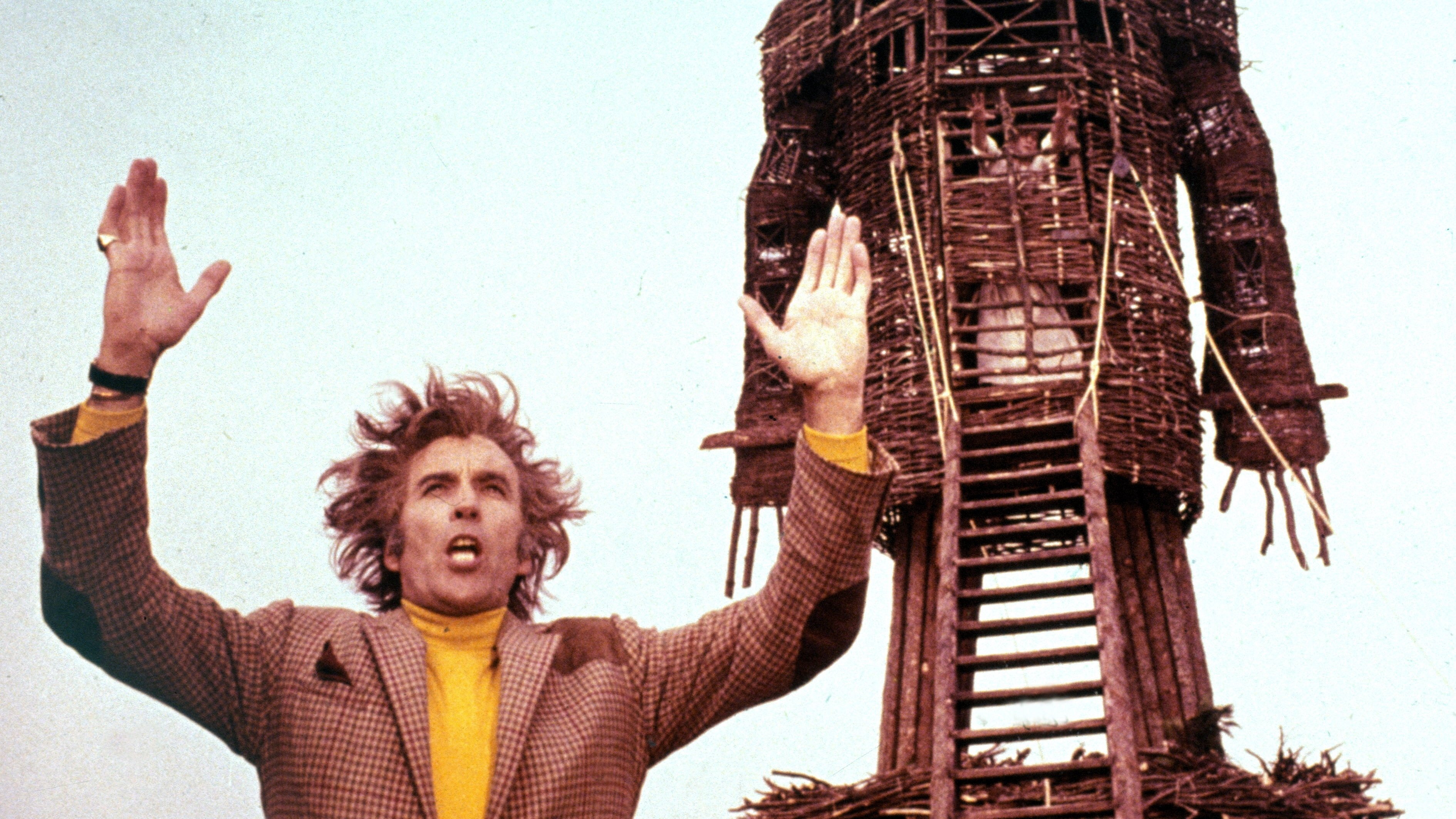
Sergeant Neil Howie (Edward Woodward) travels to a remote Scottish island to investigate a disappearance. A Christian, he finds a community whose pagan beliefs and fertility rites clash with his own convictions. Lord Summerisle (Christopher Lee) presides over the island, where singing and ritual accompany the sergeant’s enquiries. As Howie tries to establish what has happened, his disapproval of the inhabitants complicates his dealings with them. Robin Hardy directs Anthony Shaffer’s screenplay, with Britt Ekland as Willow MacGreagor, Diane Cilento as Miss Rose and Ingrid Pitt as the librarian.

Plays from YouTube when you press play; nothing loads from them until then.

Fi1m review

Robin Hardy’s The Wicker Man makes a police enquiry funny, seductive and frightening, with Edward Woodward giving its religious conflict a stubborn human presence. A little stiff in places, it earns its lasting unease.

Robin Hardy’s The Wicker Man is a frightening, funny horror film that makes religious conviction matter to the people holding it. Anthony Shaffer’s screenplay follows Sergeant Neil Howie, a Christian policeman investigating a disappearance on a remote Scottish island, into a community that sees nothing shameful in its pagan customs. Howie objects, and the islanders have little interest in accommodating him. Hardy lets us enjoy his discomfort long enough for that enjoyment to become something we ought to question.

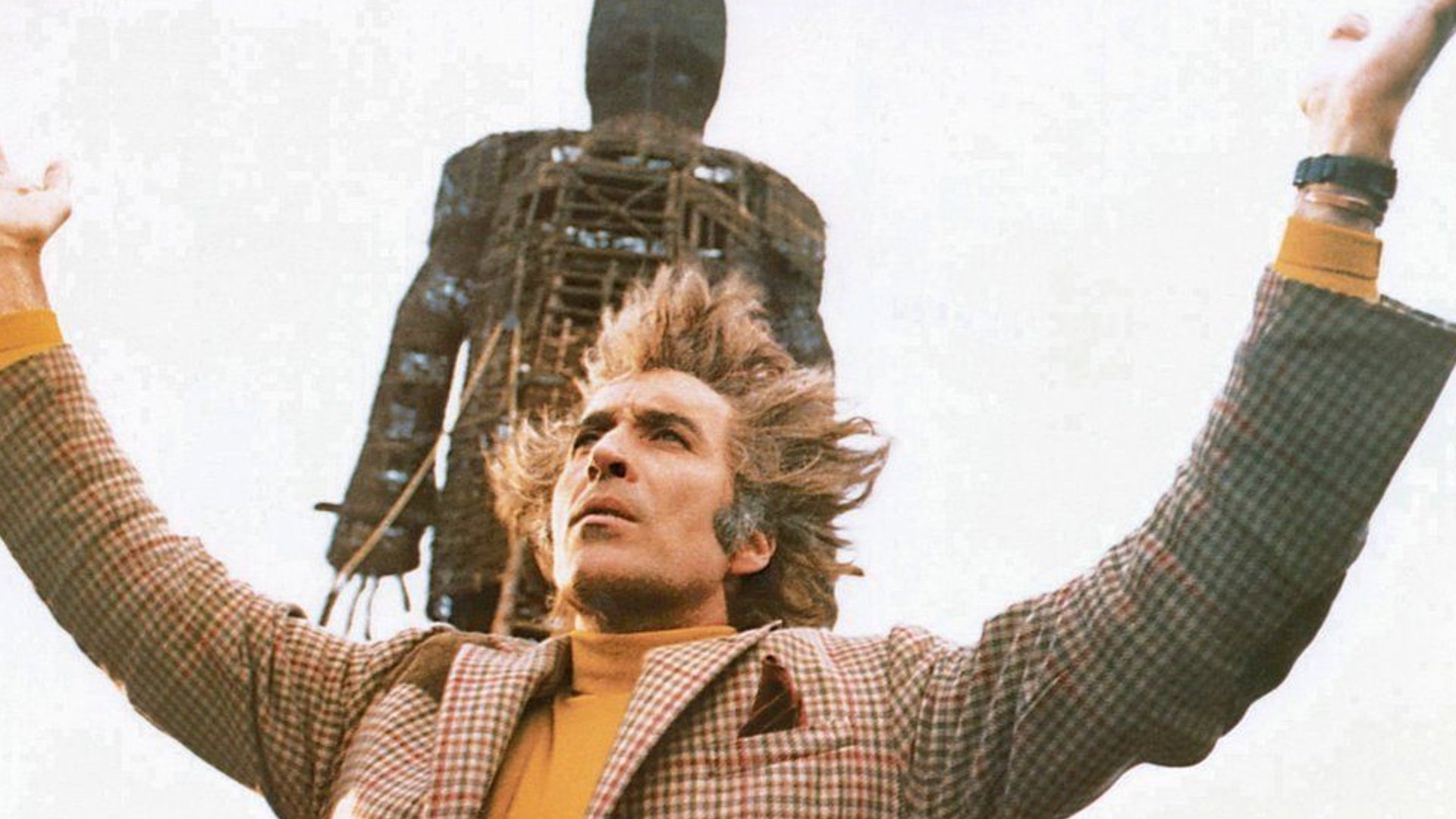
Edward Woodward gives Howie’s disapproval the force of a physical effort; even allowing these people to explain themselves seems to cost him something. His stiffness is funny because the islanders appear so comfortable with the customs he finds intolerable. We laughed at his discomfort among the singing islanders, then felt uneasy about our readiness to join in. Woodward keeps his conviction sufficiently serious that dismissing him as a fool would mean ignoring much of what the performance tells us.

Christopher Lee’s Lord Summerisle is good company in a way that ought to worry us. Lee gives the island’s ruler an ease that makes Howie’s outrage seem faintly provincial, and he does not need to strain for menace. Their opposition is the film’s most useful source of tension: each man regards his own beliefs as perfectly reasonable. The religious conflict works because both actors play people who expect to be believed, even when what they are saying sounds alarming.

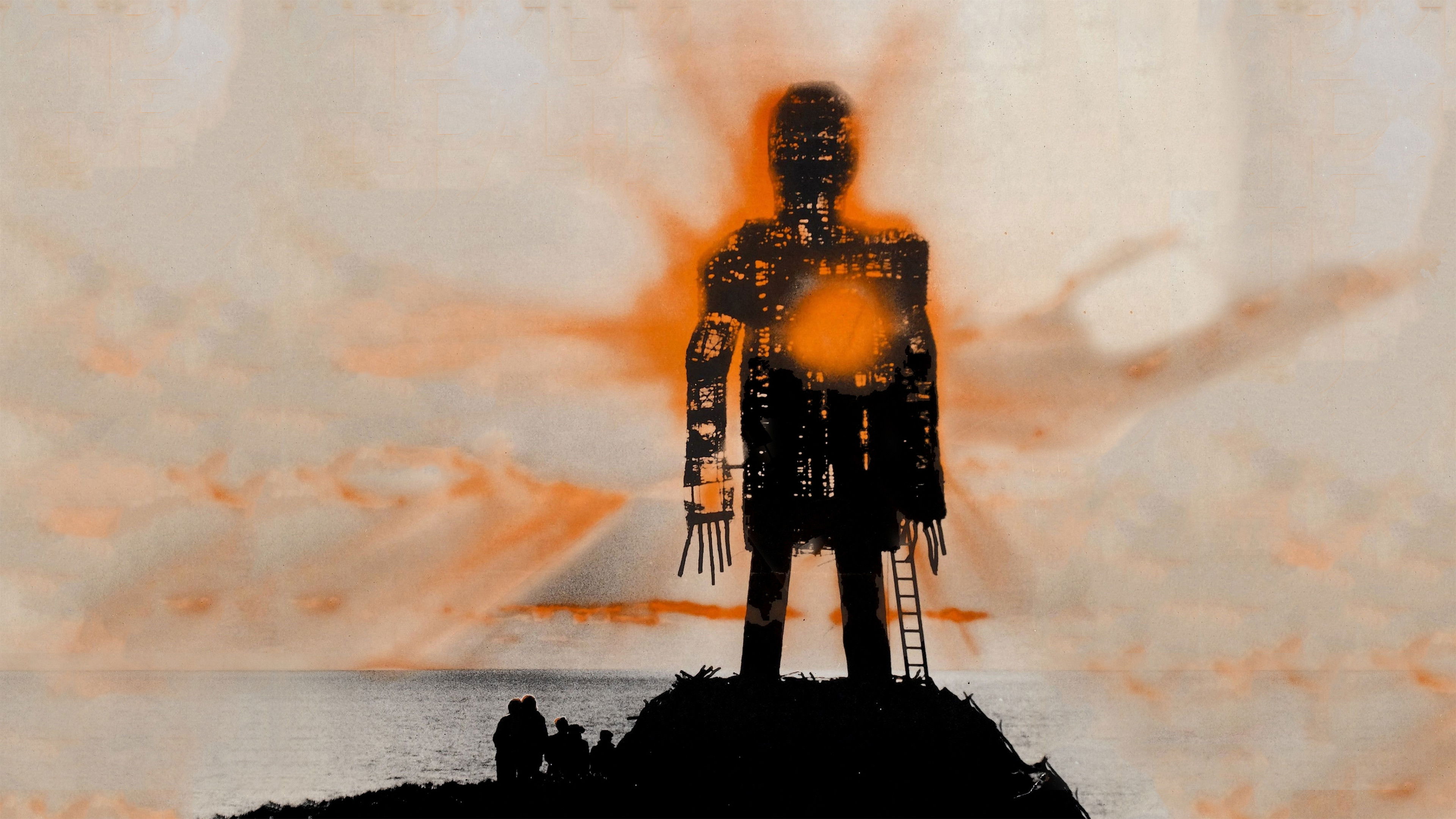
Harry Waxman’s photography makes effective use of the island locations, giving the community a convincing place to live. That matters when the rituals arrive, since they belong to people we have already spent time watching. Paul Giovanni’s folk music is just as important, giving the singing islanders an appeal that a more insistently threatening score would destroy. We are allowed to enjoy the music without being told at every moment how to respond to the people making it.

Eric Boyd-Perkins’s editing keeps the police enquiry clear as Hardy moves between comedy, folk songs and unease. The enquiries keep us occupied while the differences between Howie and his hosts become harder to laugh off. There are stiff passages, though, when the screenplay’s need to explain a belief becomes too easy to hear in the dialogue. Hardy does not always get those exchanges moving naturally, and for a few moments the people seem to be waiting their turn to state a position.

Hardy does not need everyone to behave like an obvious threat. These people can sing, discuss their beliefs and seem quite at ease without making us feel safe. Shaffer understands the suspicion generated by a mystery, but he also understands the irritation of being surrounded by people who think our objections are absurd. The humour is worth keeping: without it, Howie would be easier to support and the islanders much easier to dismiss.

At 93 minutes, it has time to make the island attractive without wearing out the police enquiry. The later developments deserve to be encountered without a guide, so we will say only that Hardy’s confidence in the story is justified. We recommend it even to those who usually avoid horror, with one warning: the songs are no promise of a comfortable evening.

Critical consensus AI synthesised

88
Positive
8
Mixed
0
Negative
0

The consensus is strongly positive: most critics find The Wicker Man unsettling, darkly funny and unusually assured in its mixture of mystery, music and religious conflict. Praise clusters around Anthony Shaffer’s script, which builds unease through the investigation, and the performances of Edward Woodward and Christopher Lee. The folk music also draws praise, while Time Out singles out Woodward’s restraint and the balance between narrative logic and uncanny mystery.

The differences concern degree of enthusiasm and emphasis rather than outright objections. Radio Times notes some stilted moments, and The AV Club finds directorial missteps without losing admiration for the script and performances. Sight and Sound treats the film as enjoyable, carefully researched hokum, placing particular weight on Shaffer’s handling of mystery mechanics. Reservations remain minor across the reviews; critics differ more over whether to stress the horror, the humour or the treatment of belief.

Time Out
23 June 2023 · ★★★★★ · Phil de Semlyen
100

The review hails the film as a high-water mark of folk horror and British cinema itself. It singles out Edward Woodward’s brilliantly measured performance and the balance of narrative logic to uncanny mystery for praise.

Read the full review →
Slant Magazine
10 October 2013 · Greg Cwik
85*

The restored film feels like a lucid dream, darkly comic and bizarrely charming with fluctuating tones from hysterical to horrifying. The critic singles out the quirky humor in cultural clashes and the wickedly profound final revelation.

Read the full review →
Radio Times
★★★★ · Andrew Collins
80

The critic notes that the film has attained classic status and packs a bizarre, disturbing punch. They single out the brilliant scripting by Anthony Shaffer and impressive location staging for praise, while noting some stilted moments.

Read the full review →
Sight and Sound
80*

The critic finds the film an immensely enjoyable piece of hokum that is thoroughly well researched, performed and directed. They single out Anthony Shaffer's cleverly dovetailed script for particular praise, noting how it builds unease and manipulates mystery thriller mechanics with sly delight.

Read the full review →
Empire
1 January 2000 · Adam Smith

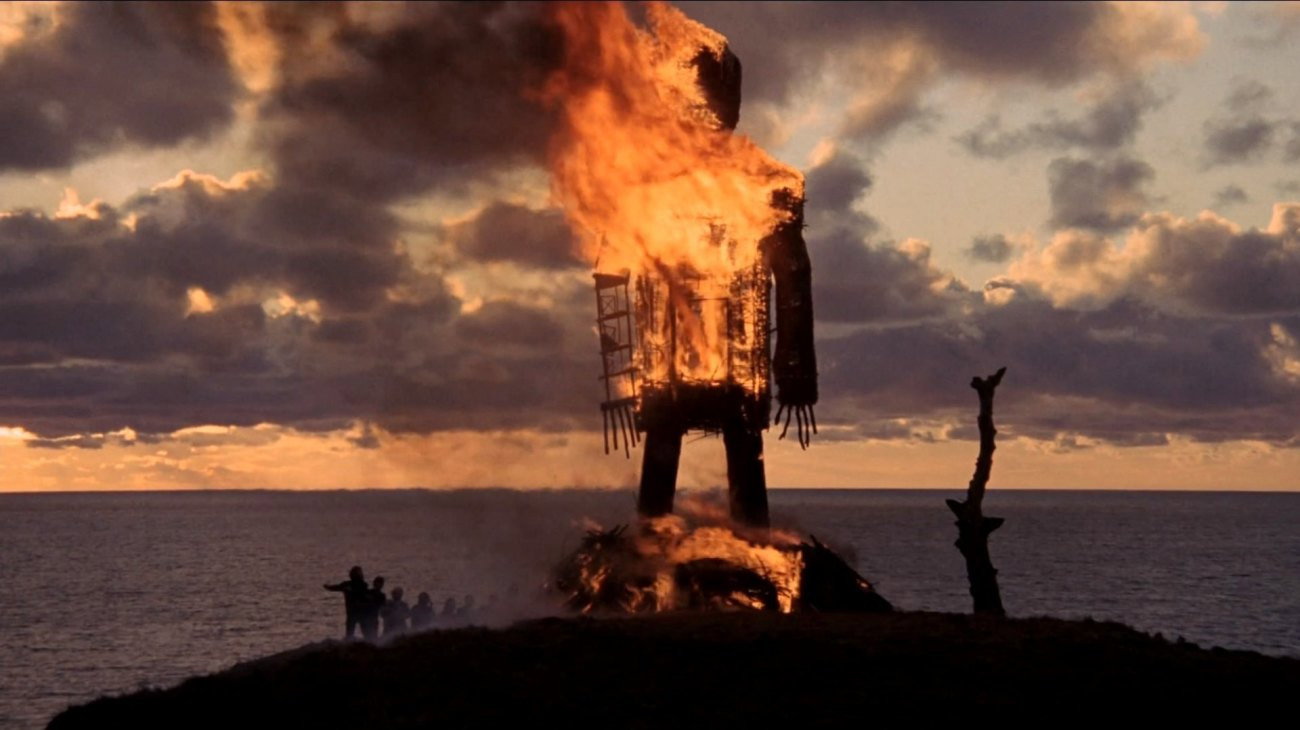
The critic hails the film as towering above other British horrors for its intelligent, troubling take on paganism versus Christianity and repression. Its power stems from believable religious dogma and the unforgettable final sequence of the burning wicker man.

Read the full review →
Evening Standard
10 April 2012

The piece notes the cult horror's audacious pagan rituals and feel-bad ending, which still provoke smiles and shivers despite missing footage in the version reviewed.

Read the full review →

Cast

Stills

If you liked this, try…

Witchfinder General poster

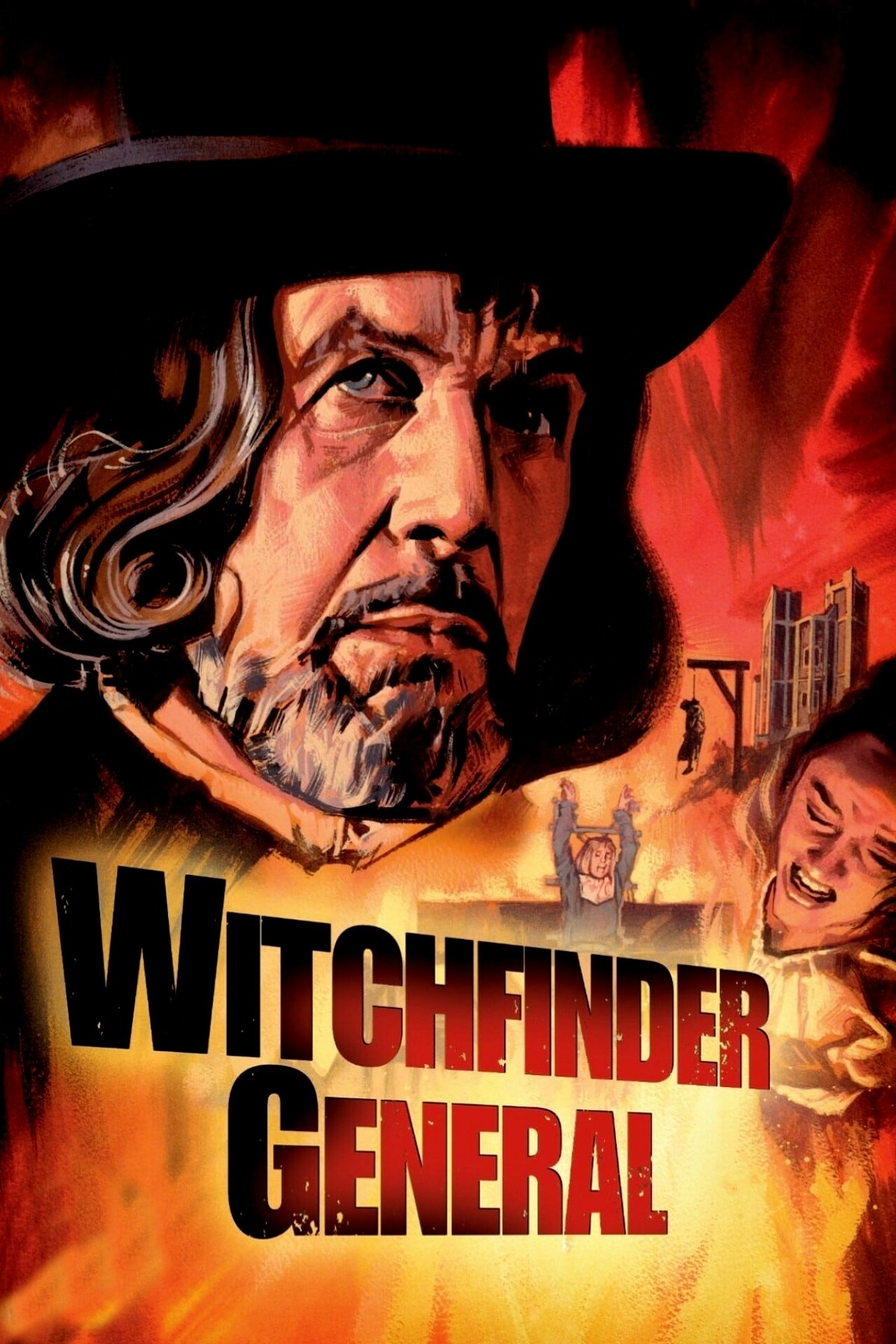
Witchfinder General

1968 · Another unsettling account of religious certainty, with little comfort in authority.

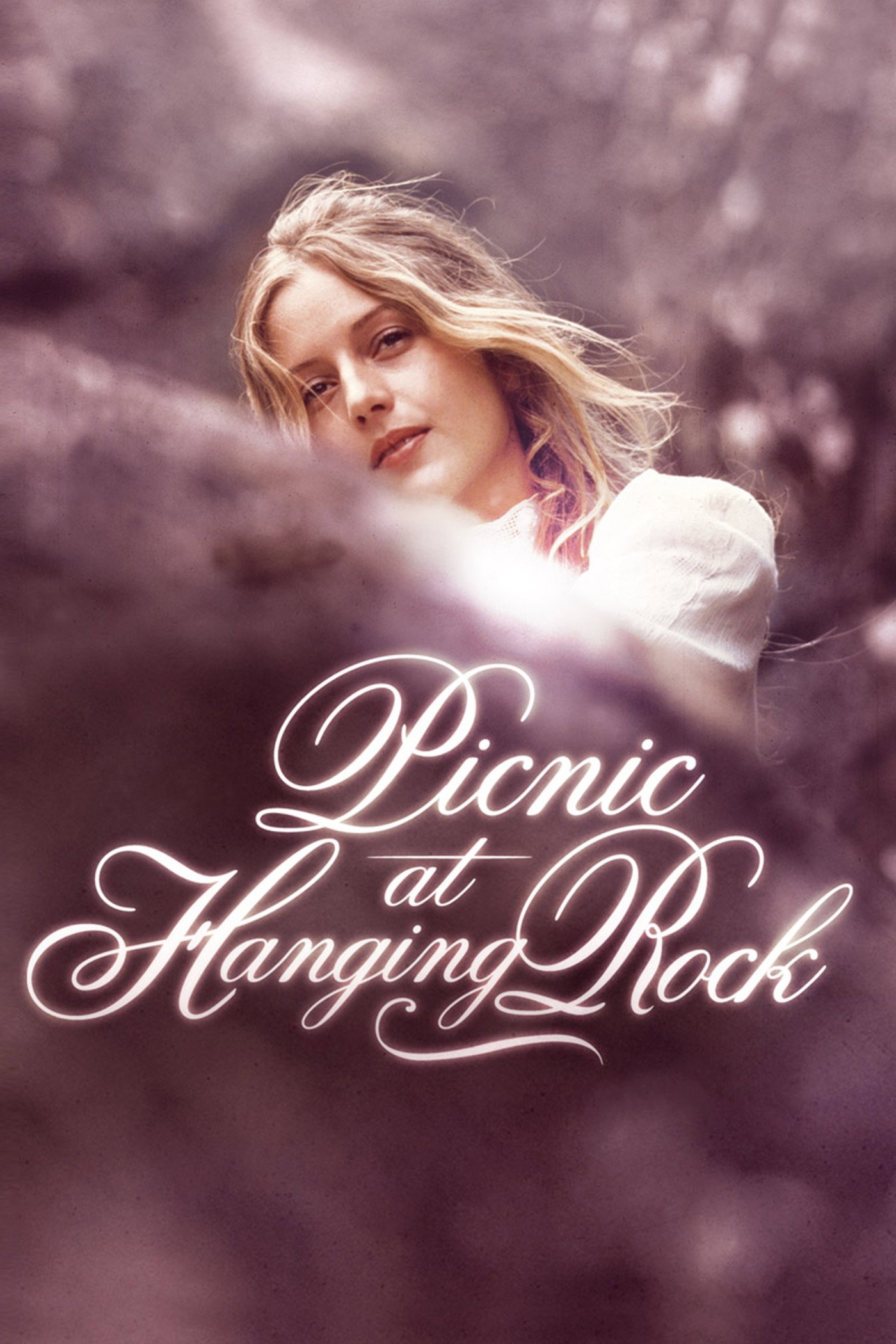
Picnic at Hanging Rock poster

Picnic at Hanging Rock

1975 · A disappearance unsettles a community whose rules offer less protection than expected.

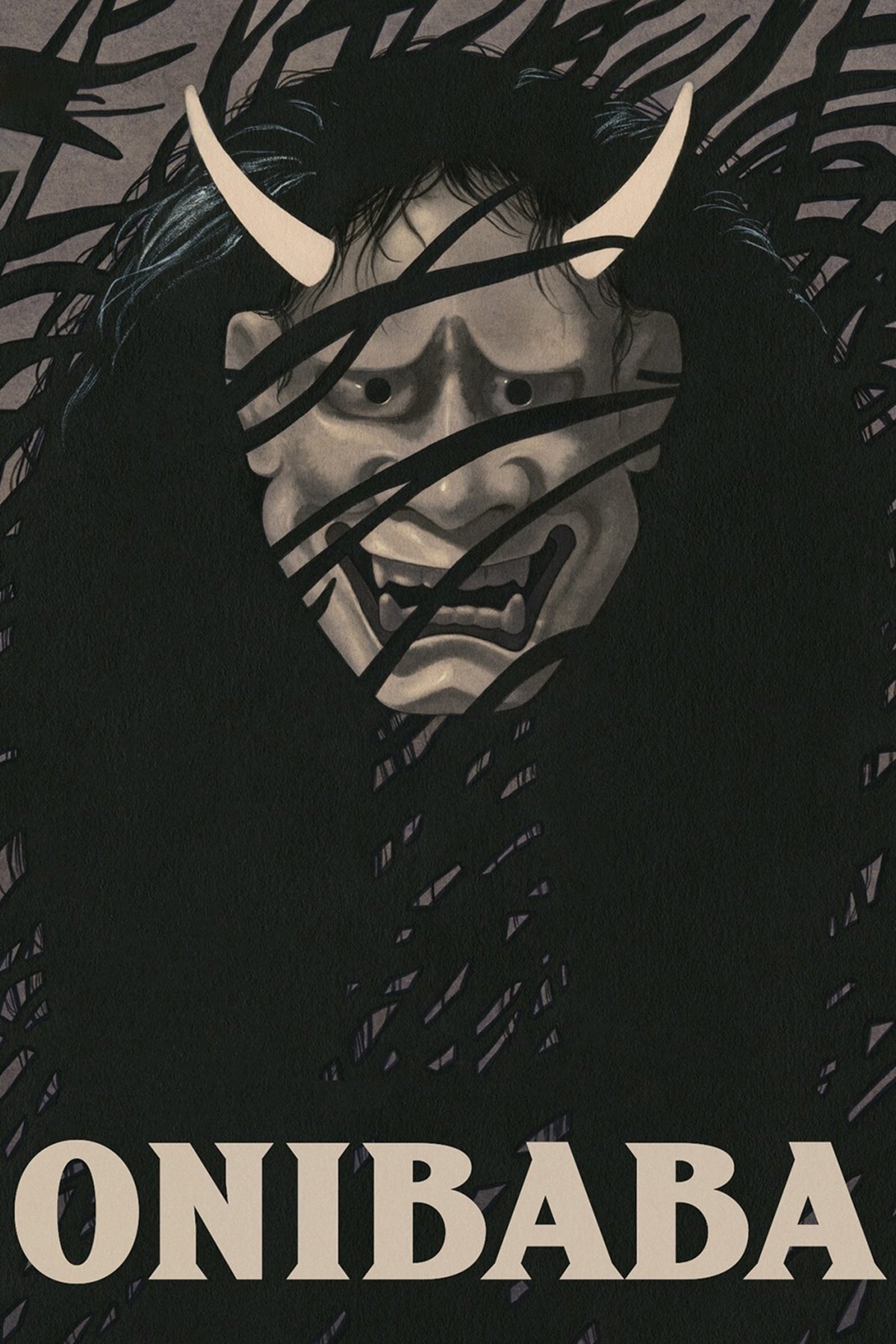
Onibaba poster

Onibaba

1964 · Rural isolation, sexual jealousy and frightening beliefs, with scarcely a moment’s comfort.

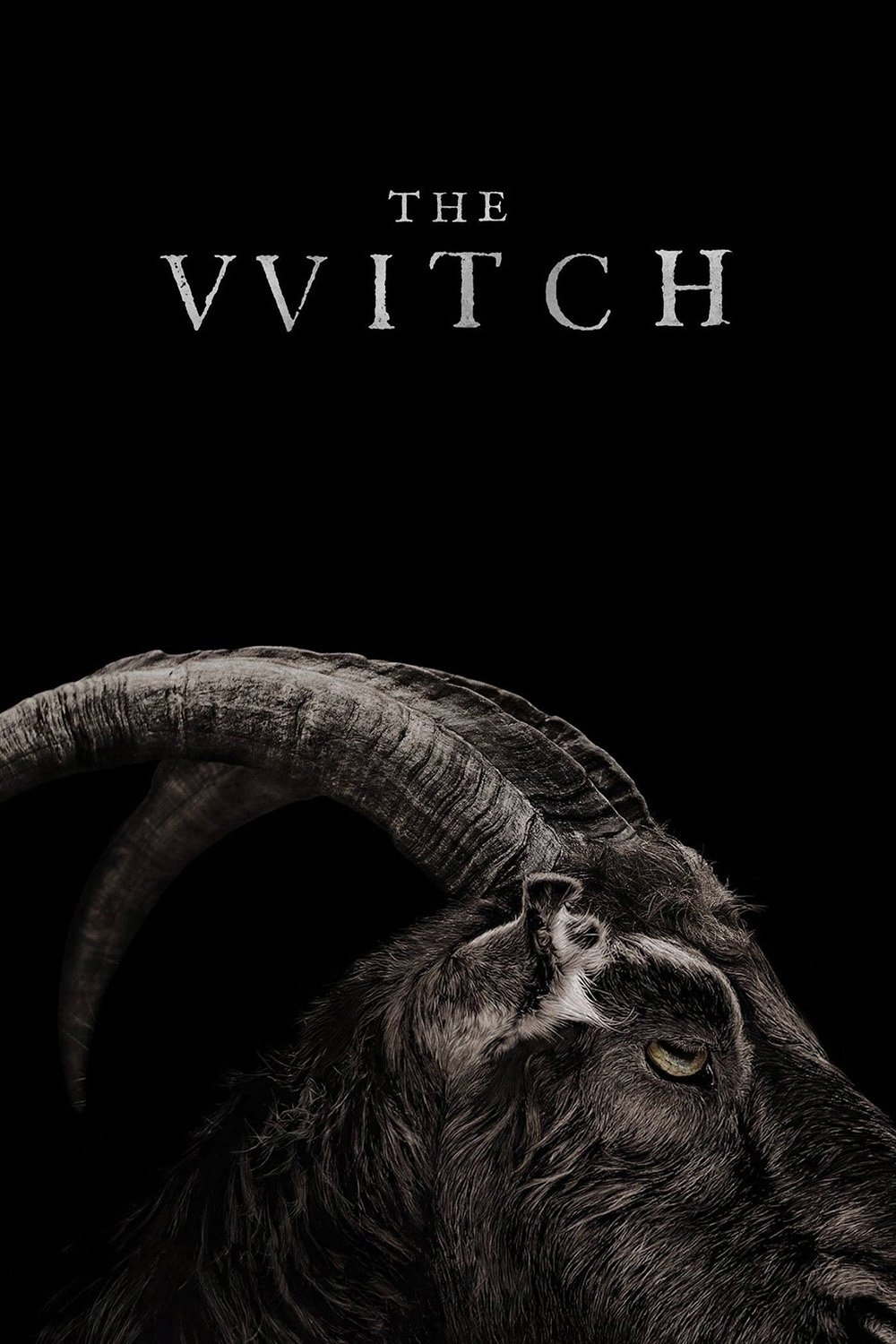
The Witch poster

The Witch

2015 · A family’s religious convictions make every misfortune more frightening and more personal.

November poster

November

2017 · Folklore governs daily life, with strange humour and cruelty seldom far apart.