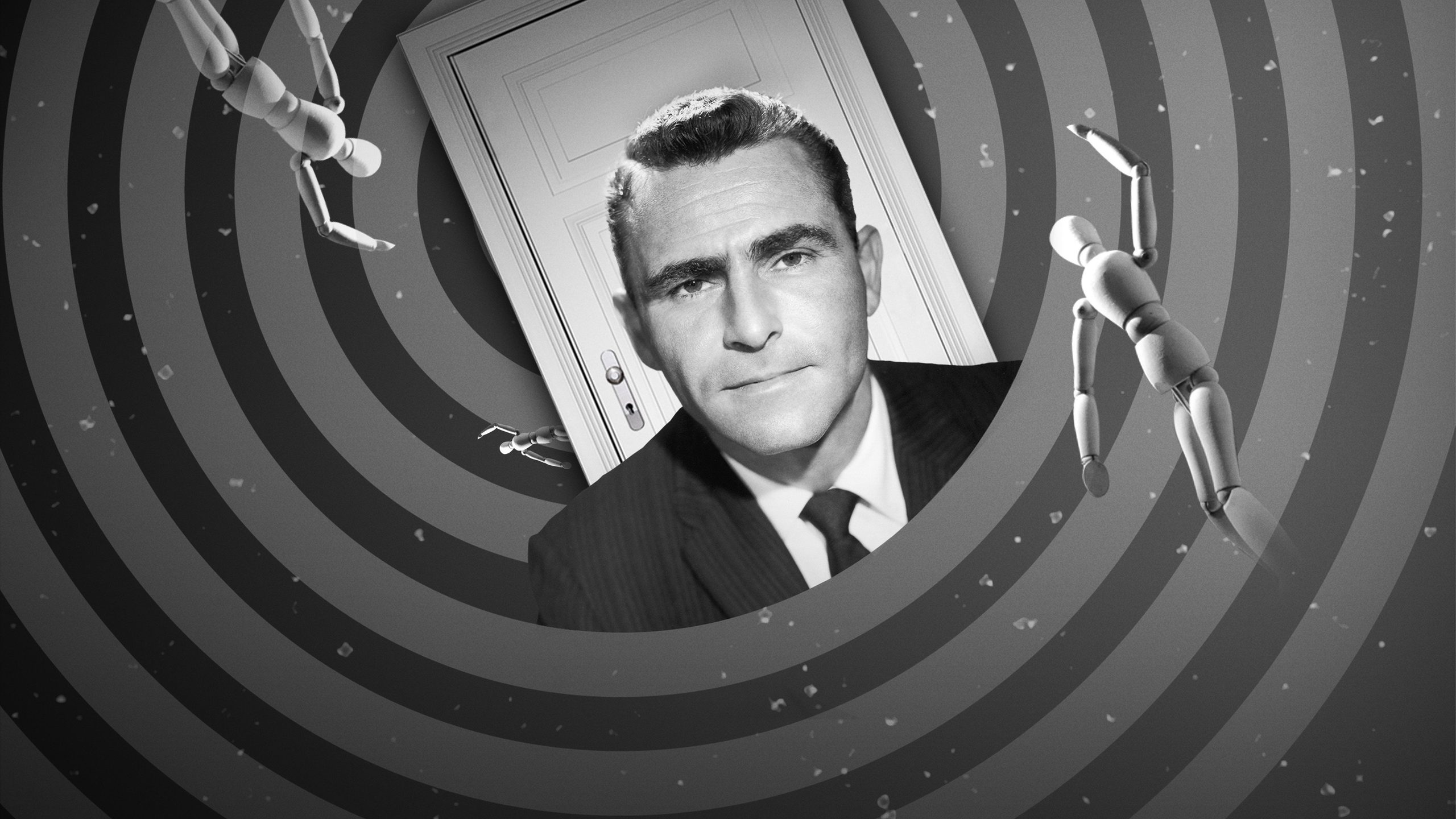
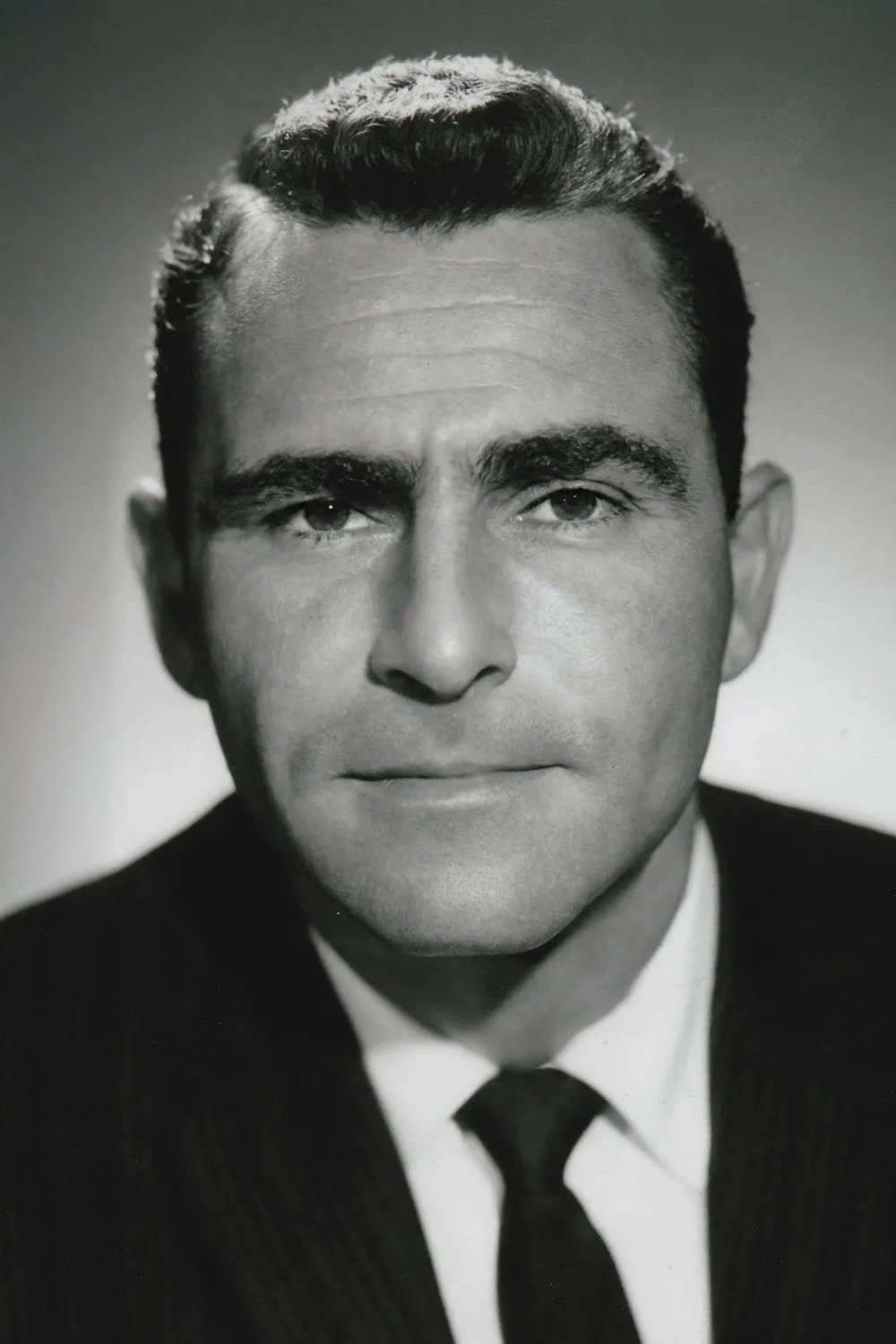
Rod Serling’s fantasy anthology earns its unease through disciplined storytelling and careful craft. The weaker entries offer less to think about than their premises promise, but we recommend it warmly, one story at a time.
Rod Serling’s The Twilight Zone is an excellent choice when we want a short story to unsettle us, with one reservation: some instalments offer little beyond their central idea. The anthology format gives the programme room to change its cast and begin again, without asking us to wait for a larger plot to become interesting. It takes fantasy seriously and gives suspense time to develop. We recommend it for that patience, while allowing ourselves to be selective.
The opening episode makes a persuasive case for this approach. We were unsettled because its strange events follow a logic we can accept, giving us time to understand the situation and worry about it. That sounds like a modest achievement, but fantasy depends on getting it right. Once a programme persuades us to accept its premise, it can build tension without continually inventing new rules to keep us guessing.
Cinematographers George T. Clemens and Joseph LaShelle are among the contributors, with Lyle Boyer and Roland Gross among the editors. The series has considerable technical assurance, and the debut is particularly effective in the way its photography and cutting work together. Neither calls attention to itself at the expense of the dramatic situation. That restraint suits a programme which needs us to take unlikely events seriously, and the sets support the same effort by giving the drama surroundings that never become a distraction.
The music serves the drama well, with Bernard Herrmann, Franz Waxman and William Lava among the credited contributors. In the opening episode, music, sets and direction help sustain the suspense established by the photography and editing. The pleasure comes from their agreement about what the story needs. An extravagant flourish can make an improbable situation look ridiculous; here the technical work helps us accept it long enough to become involved.
The writing credits include Richard Matheson and Charles Beaumont as well as Rod Serling, and having different writers matters to an anthology. A change of story ought to bring a change of temperament, or the freedom to start again becomes an excuse to repeat the same trick. At its strongest, the programme gives its stories enough dramatic conviction to hold our attention beyond the initial curiosity. We want to spend time with the people caught up in them.
The reservation concerns how much remains once the immediate suspense has passed. The debut is dramatically effective, but we find less insight in it than its confidence leads us to expect. The first season also contains weaker entries, and its 36 episodes should not be mistaken for 36 equally rewarding evenings. A clever situation can carry a short television drama a fair distance; when the characters give us too little to think about, the ingenuity begins to feel like the whole point.
Within fantasy television, The Twilight Zone deserves its standing for the care with which it tells its stories. Its unevenness matters, but there is ample pleasure in a programme that can establish suspense without sprawling. We would start with a single episode and leave room afterwards to decide what it has actually said. Save another for an evening when a fresh story sounds more inviting than another instalment of an unfinished one.