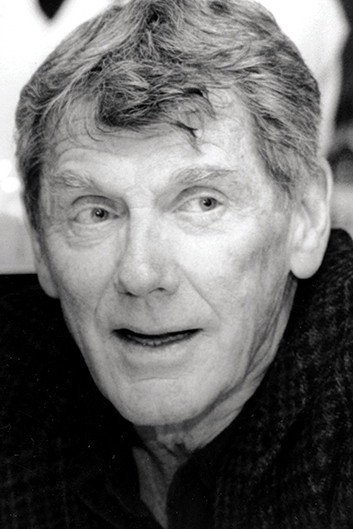
Robert Butler gave television programmes a look that other directors could carry on using. We value that practical imagination, from the tilted frames of Batman to the crowded police drama of Hill Street Blues.
Fi1m perspective
The tilted frames of Batman (1966) are a useful place to start with Robert Butler. He used hand-held cameras and Dutch angles in the pilot to establish its camp style. His speciality became pilots, which meant making decisions that would outlast his own involvement.
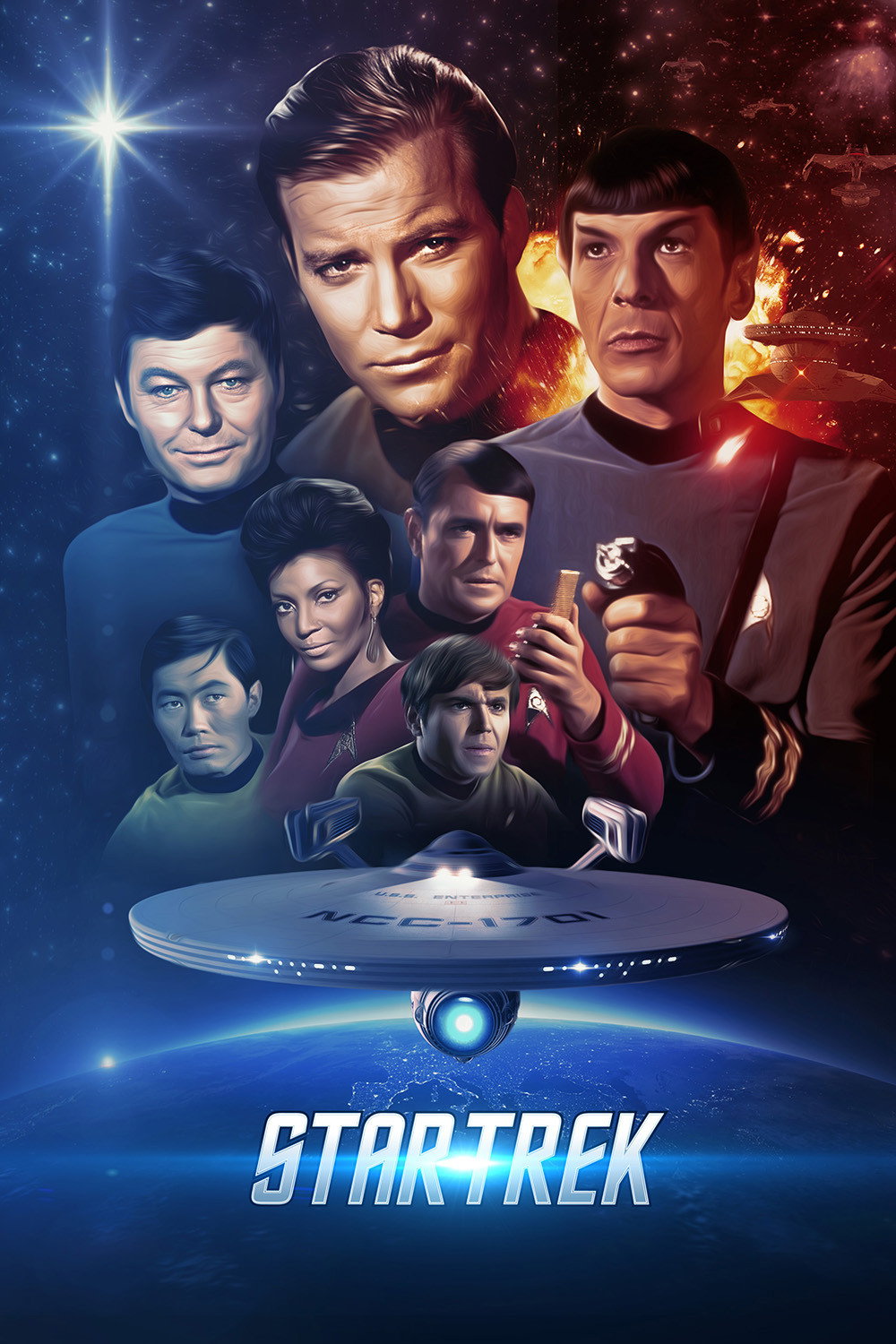
Star Trek (1966) shows both the importance and the limits of that job. Butler directed its original unaired pilot, which introduced the Enterprise and Mr Spock; the pleasures we singled out in the series extend well beyond that first piece of work. We took particular pleasure in watching William Shatner, Leonard Nimoy and DeForest Kelley disagree, because they make its hopeful outlook persuasive. The moral lessons can be blunt and the effects have dated, but the performers keep those arguments worth hearing. We recommend it warmly without crediting Butler for everything that followed his pilot.
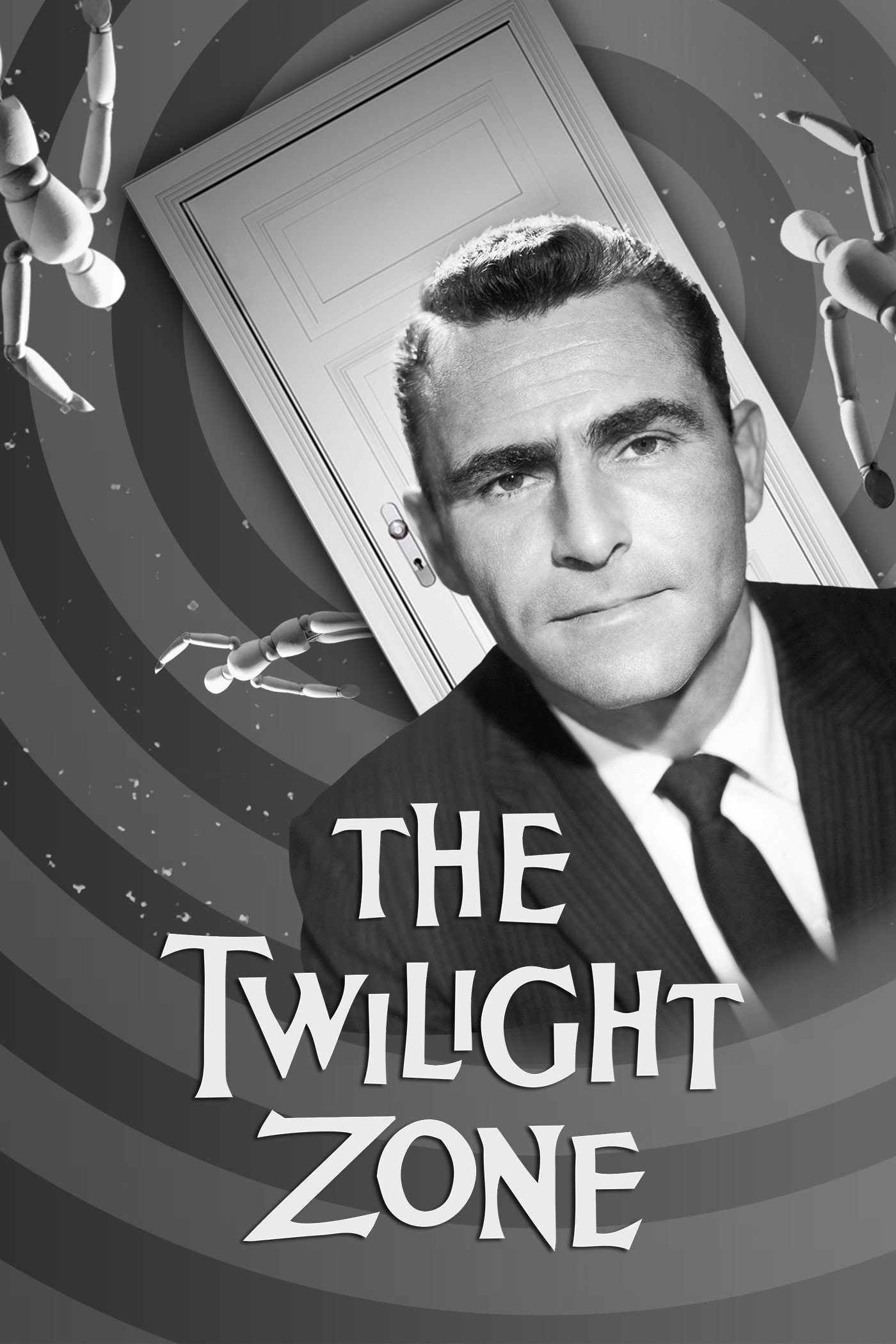
The Twilight Zone (1959), to which he also contributed as a director, needs a different kind of judgement. Its careful craft and disciplined storytelling make the unease persuasive, though some entries find less to do with their premises than we would like. We were unsettled by The Twilight Zone, because its careful storytelling makes the fantasy feel plausible. We prefer to watch it one story at a time, giving each the attention its construction deserves. For Butler, work within an anthology sits alongside the more conspicuous task of launching programmes: both require a director to understand what a particular story needs, rather than simply make the pictures distinctive.
Working with Kurt Russell on the Disney feature The Computer Wore Tennis Shoes (1969) took him beyond the pilot's job of getting things started. They made four films together. With the pilot of Hill Street Blues (1981), he pursued crowded scenes and hand-held filming to make the action seem live. He wanted the congestion, rather than a tidier view of the people.
Moonlighting (1985) brought another pilot, this time for a romantic comedy-drama. Start with the pilots of Batman and Hill Street Blues. Do not expect them to look like the work of the same director.
Biography
Robert Butler was an American television and film director. He directed two episodes of the original The Twilight Zone series (1959) and is known for directing the pilots of numerous series, including Star Trek (1966), Hogan's Heroes (1965), Batman (1966), Hill Street Blues (1981), Moonlighting (1985), Remington Steele (which he co-created), and Lois & Clark: The New Adventures of Superman (1993).
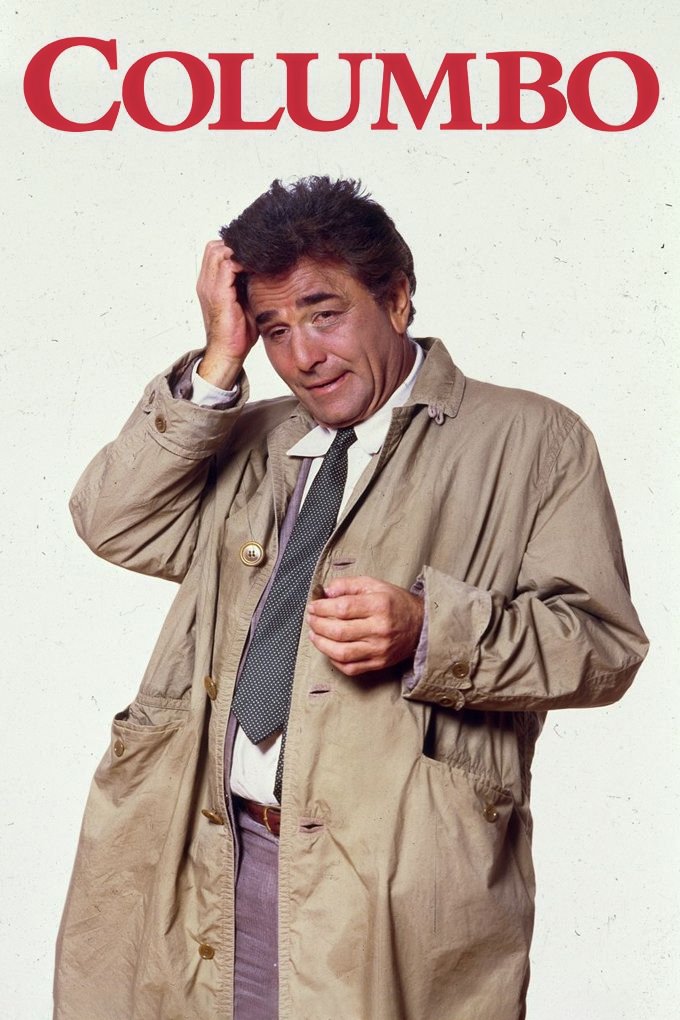
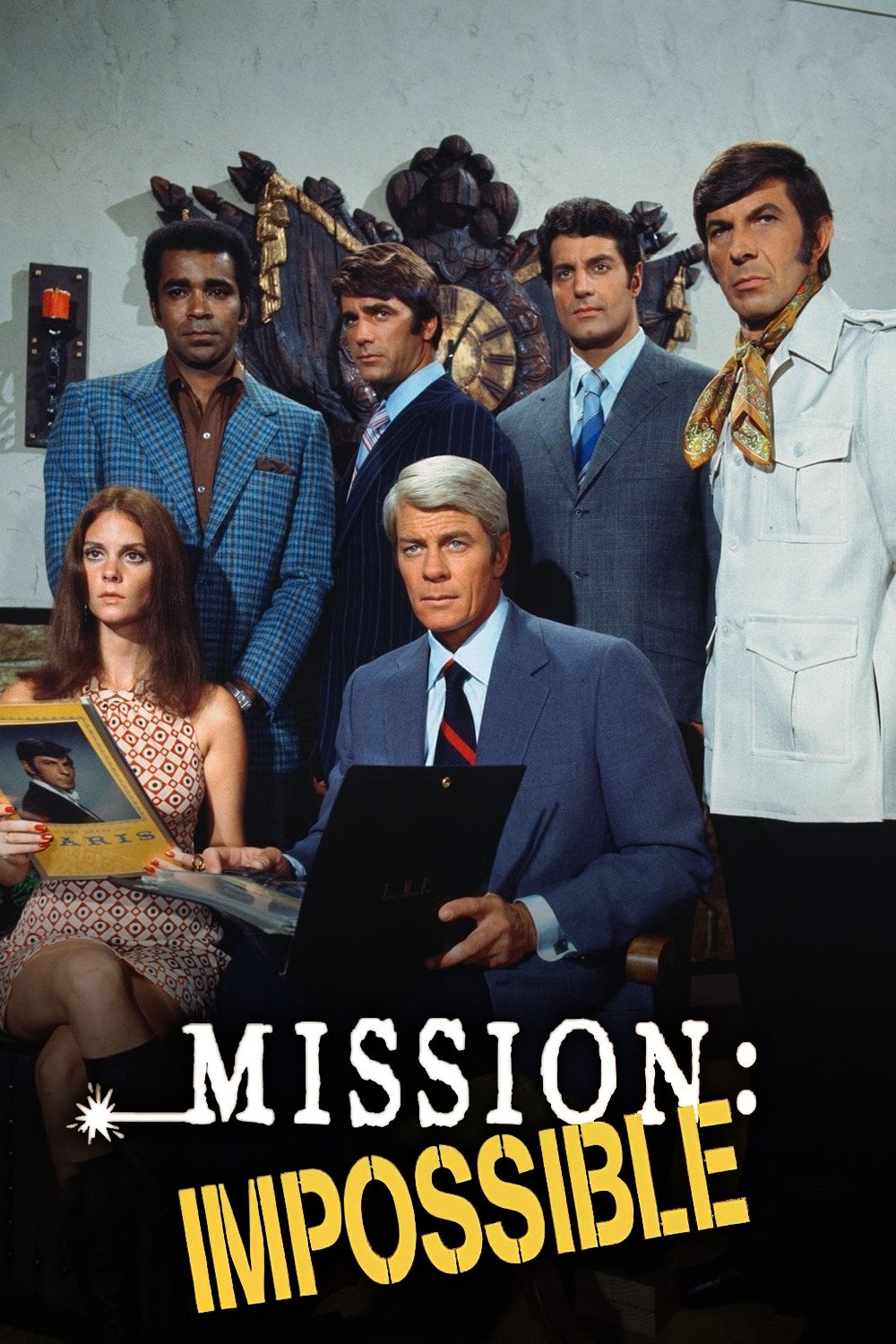
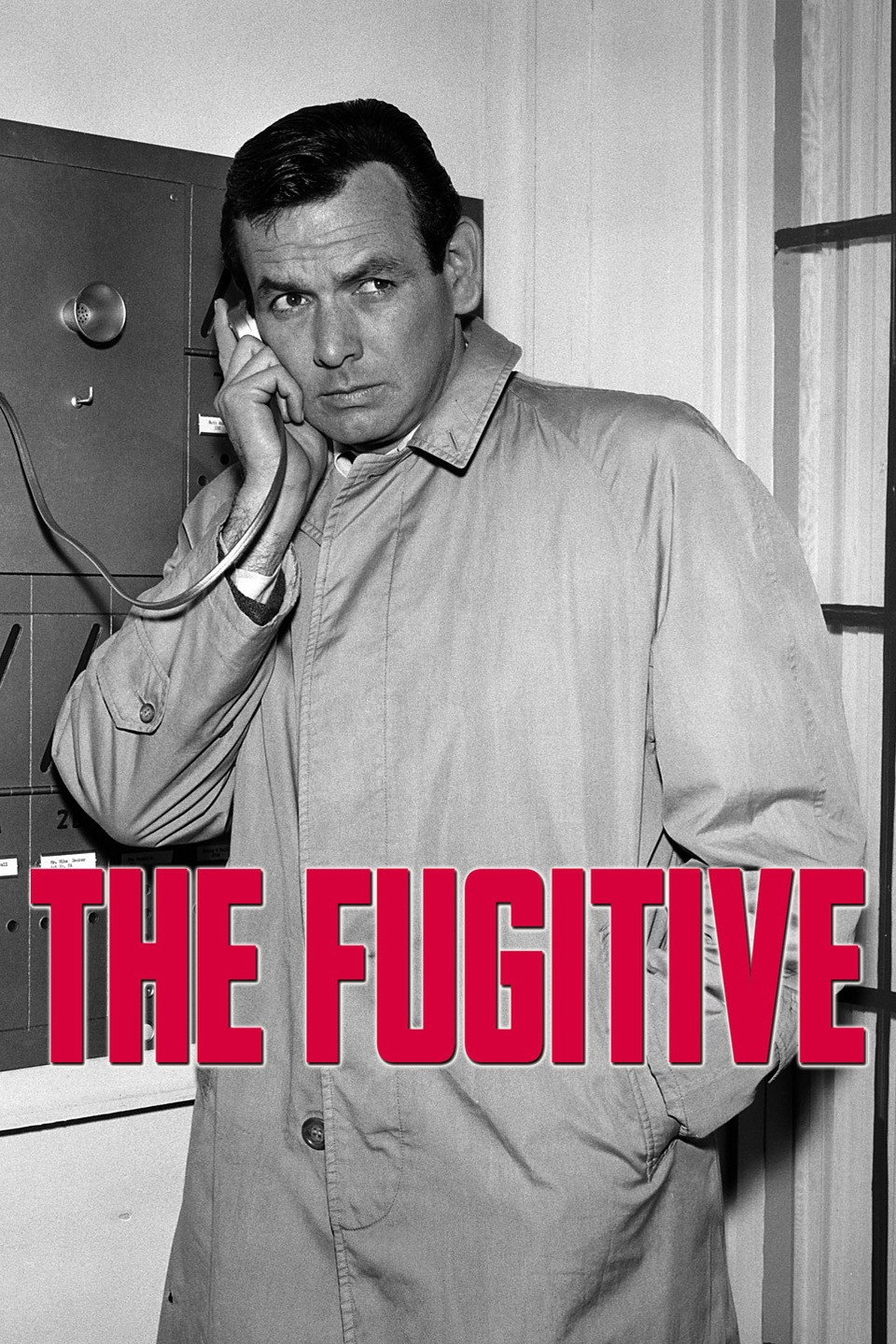
Born Robert Stanton Butler on 16 November 1927 in Los Angeles, he graduated from UCLA with a degree in English. He began directing in 1959 with the series Hennesey and went on to direct episodes of shows including The Dick Van Dyke Show, The Fugitive, Mission: Impossible, Columbo, Kung Fu, and The Waltons. Butler won two Emmy Awards for outstanding directing and received DGA awards, including a Lifetime Achievement Award in Television Direction in 2015. He died on 3 November 2023 in Los Angeles.