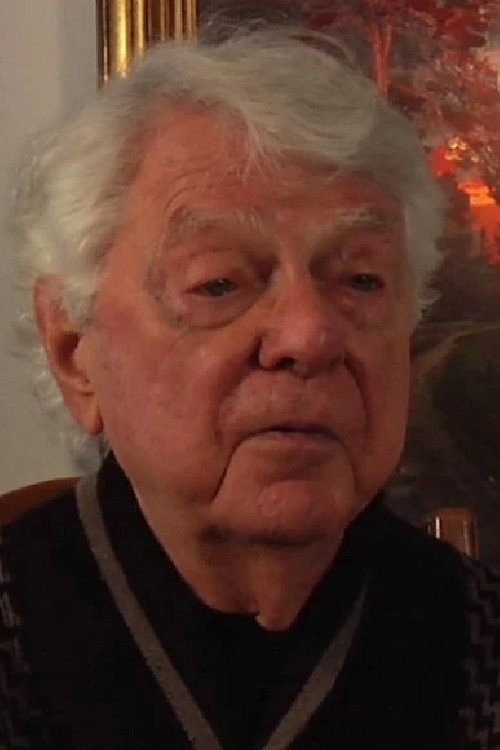
Ralph Senensky’s television gives actors room to make familiar characters surprising. We value the tenderness he brings to Star Trek, especially in his work with Leonard Nimoy, while recognising how much a visiting director inherits.
Fi1m perspective
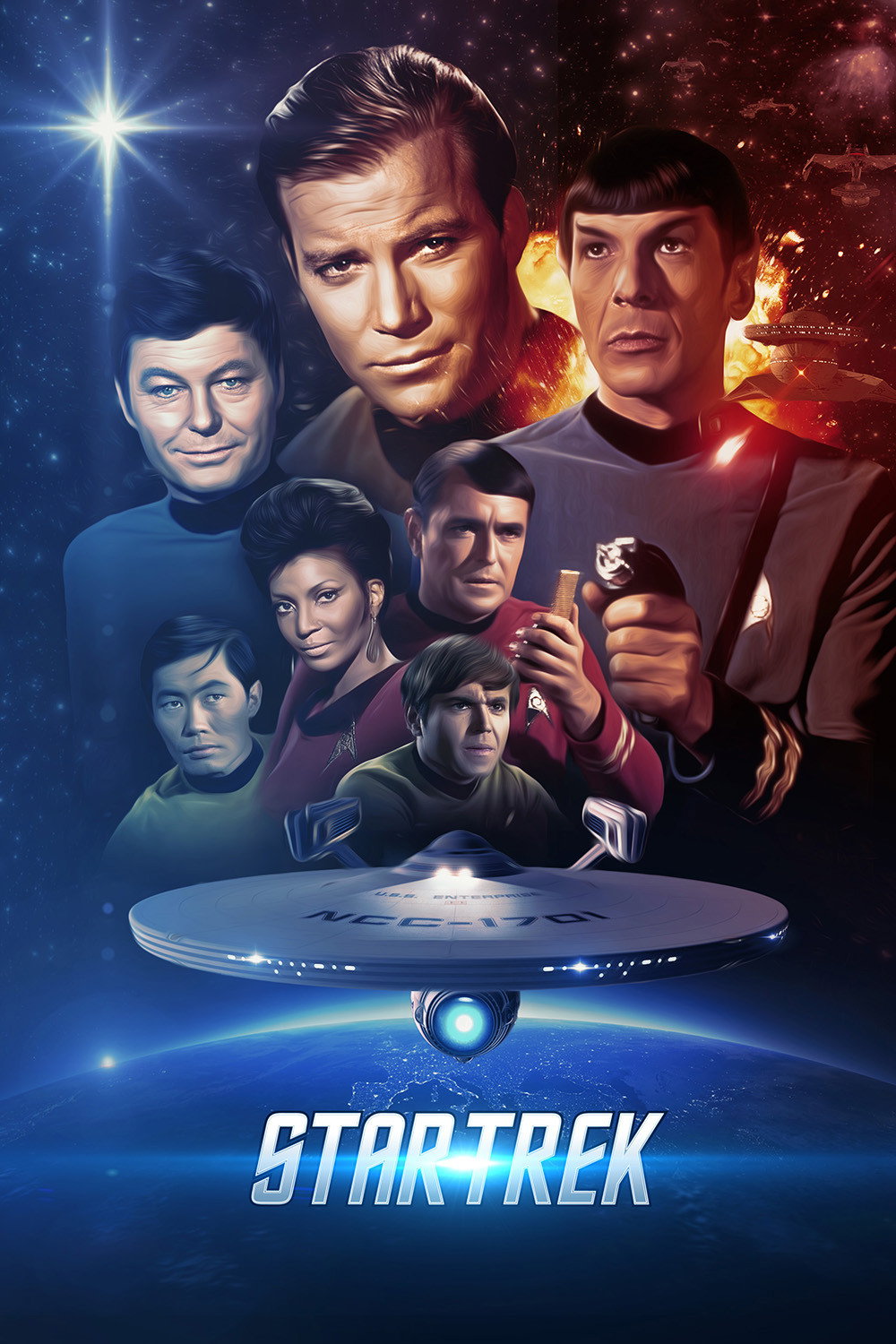
Leonard Nimoy’s Spock needs careful handling when the story asks him to be tender. In This Side of Paradise (1967), Ralph Senensky lets the love story matter without treating its central character as a novelty. We were moved by Nimoy here, because the tenderness is taken seriously rather than played as a joke. Senensky’s habit was to stage the scene and work with each actor individually, leaving them room to find the performance. It is a good fit for a programme whose strongest scenes depend on what its regulars can suggest beneath familiar behaviour.
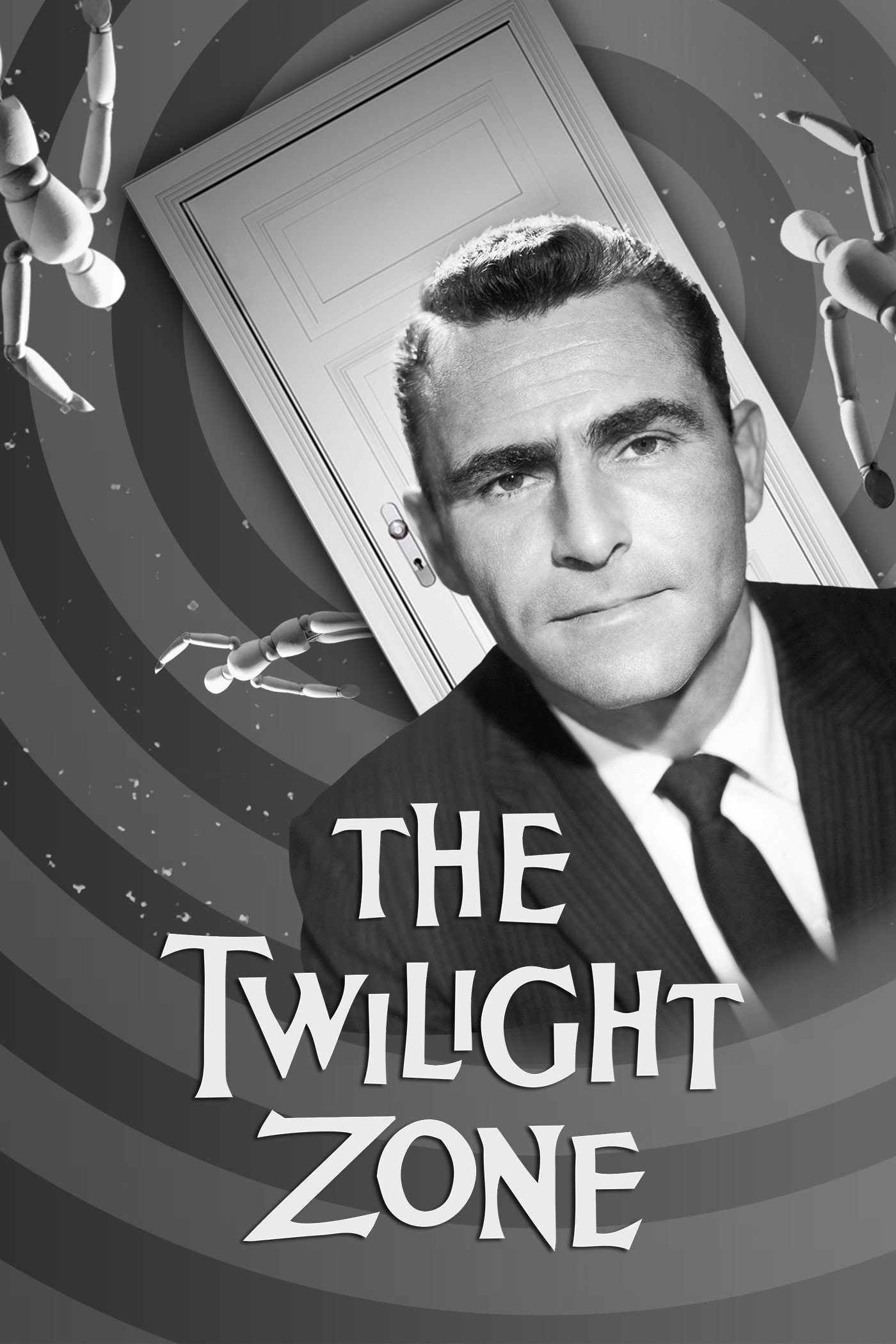
His episodic work began with Dr. Kildare in 1961, followed by anthology assignments including Printer’s Devil (1963) for The Twilight Zone (1959). We recommend that series for its disciplined storytelling, while finding some entries thinner than their premises promise. His contribution to Star Trek (1966) is more substantial: six credited episodes, including This Side of Paradise and Metamorphosis (1967). The romantic tone of Metamorphosis makes it a useful companion to the Spock story. These are sensible places to look for a director particularly attentive to actors and emotional material.
That attention was backed by practical preparation. Senensky used cranes and multiple cameras to save shooting time, and prepared carefully for tight episodic schedules. In Star Trek, the pleasure we take in William Shatner, Nimoy and DeForest Kelley disagreeing matters more than the dated effects. The moral lessons can still be blunt, and sensitive direction cannot remove that weakness. We recommend the programme readily, but its regular cast and its visiting directors deserve different kinds of credit.
The later family work follows naturally from this interest in performance. His work with Ellen Corby in Grandma Comes Home (1978) provides another example of his sensitive handling of actors, this time within The Waltons. He directed 12 episodes of that programme, returning often enough to do more than make a single favourable impression. We need not pretend that every assignment was unmistakably his to value the care he brought to an established series. Start with This Side of Paradise, and watch how much he trusts Nimoy to do.
Biography
Ralph Senensky was an American television director. Born in Mason City, Iowa, he studied at the Pasadena Playhouse and began his career directing community and regional theatre before working as a production supervisor on Playhouse 90.
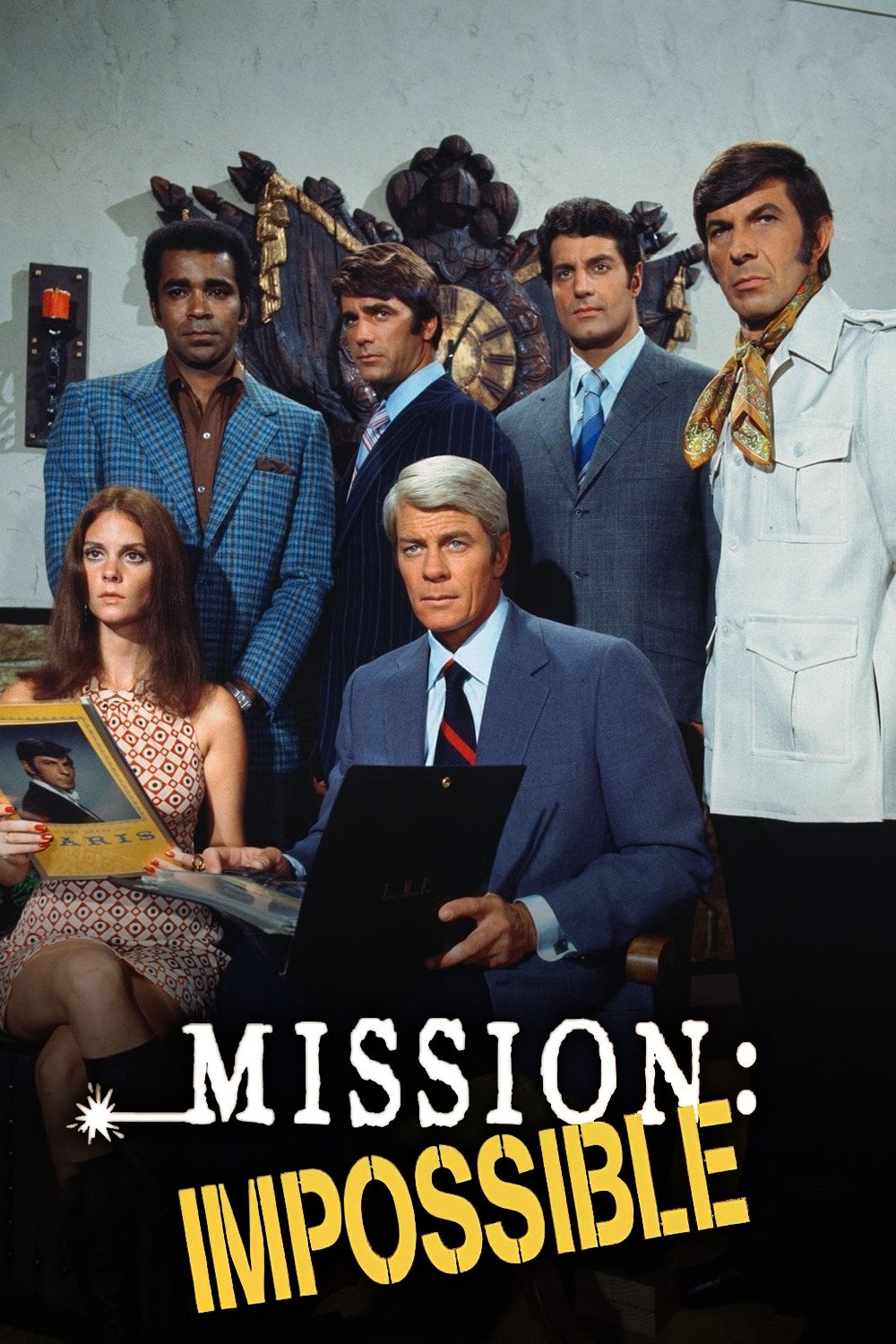
He directed episodes of numerous series from the early 1960s onwards, including one episode of The Twilight Zone (1959) in 1963, seven episodes of Star Trek (1966), twelve of The Waltons (1972) and several of Dynasty (1981). He also worked on Mission: Impossible (1966), Hart to Hart (1979), Night Gallery (1970) and many others. Senensky retired from regular television work in 1988 but directed a short film in 2013. He died on 1 November 2025 in Carmel-by-the-Sea, California.