Bruce Geller’s caper series makes disguises, teamwork and carefully arranged deception absorbing television. We recommend it for the ingenuity and the cast’s composure, though the formula becomes easier to see with repeated viewing.
Mission: Impossible is good television for people who enjoy watching a complicated job being done properly. Created by Bruce Geller, it builds its appeal around teamwork, disguises and the steady management of a deception. The cleverness is pleasurable because it gives us something to follow, without simply asking us to accept that the characters are clever. We recommend it, with one reservation: the operations are often more interesting than the people carrying them out.
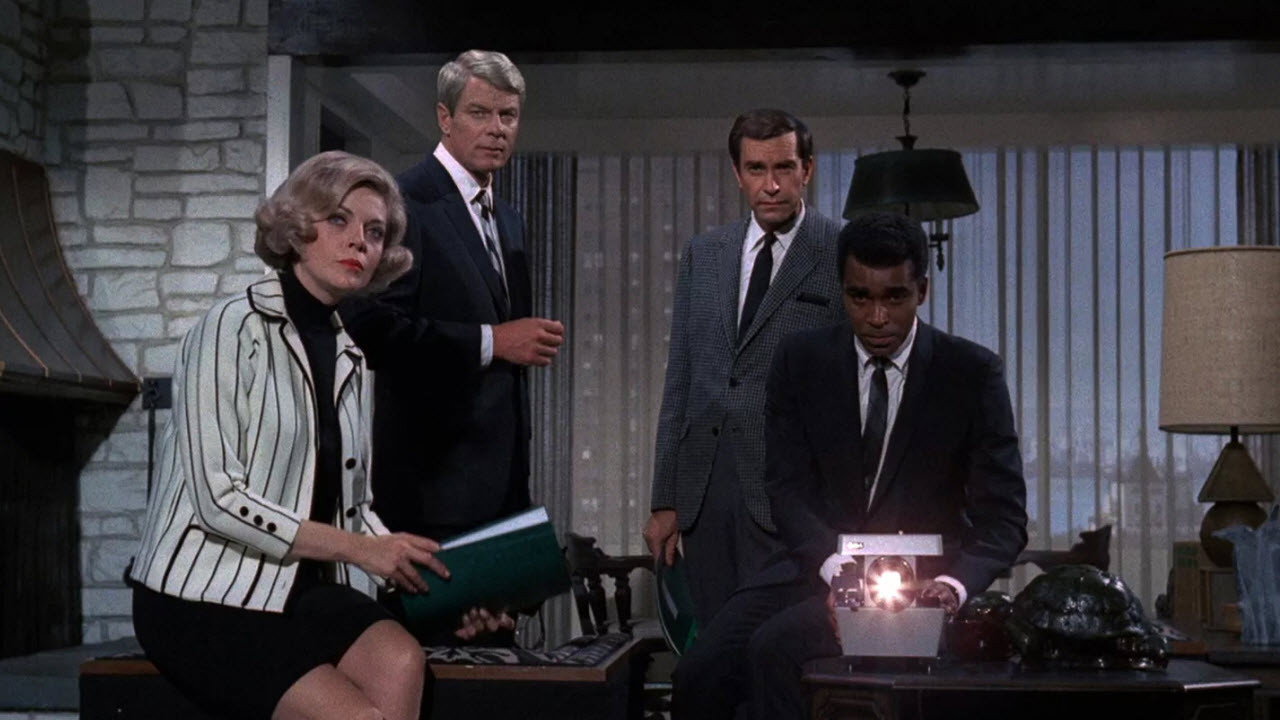
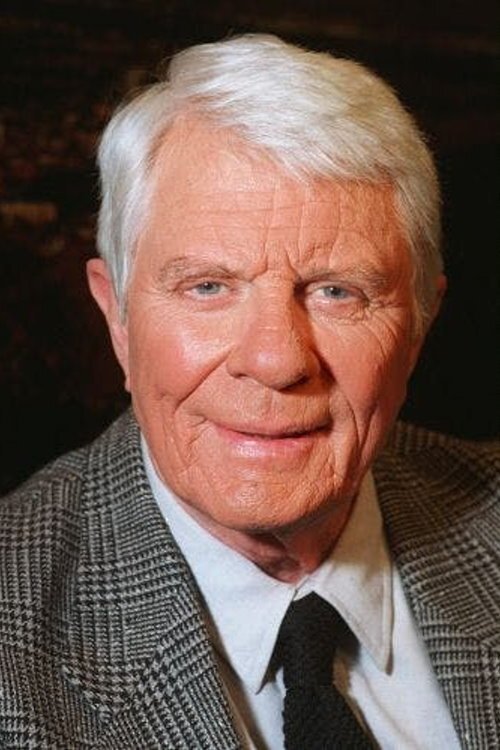
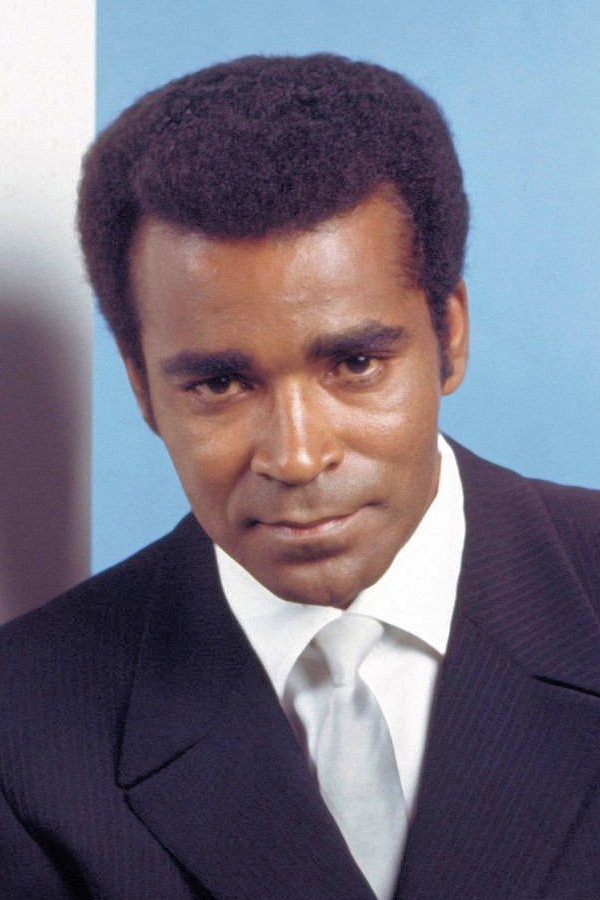
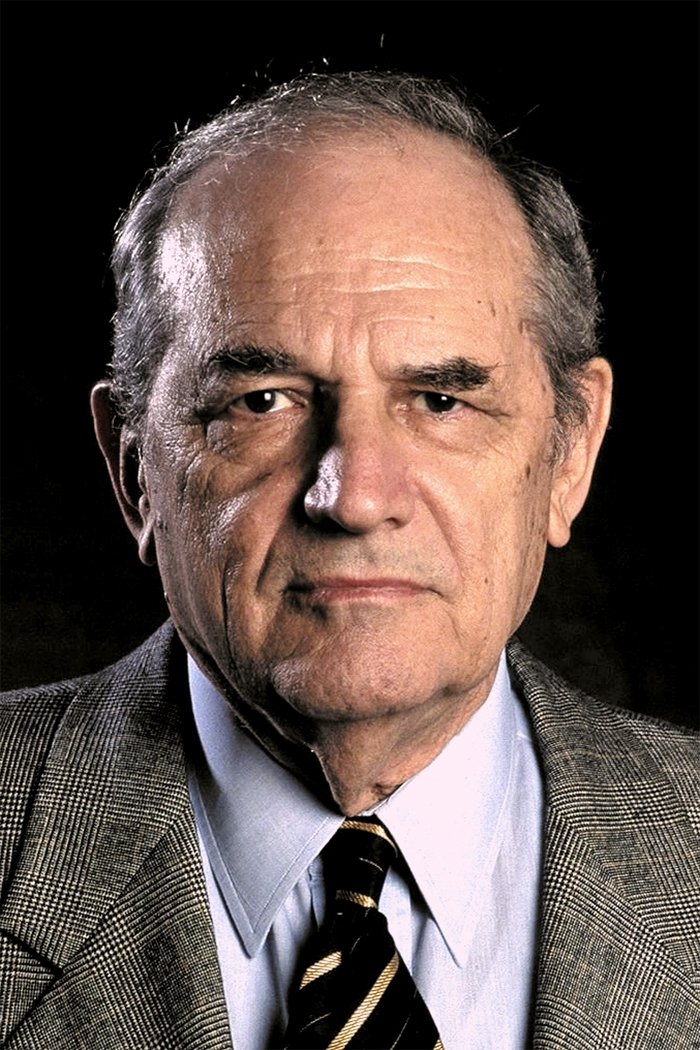
Peter Graves gives Jim Phelps the calm authority this sort of enterprise needs. Steven Hill, as Daniel Briggs, offers a more guarded presence, while Greg Morris makes Barney Collier’s competence reassuring without making it dull. Barbara Bain’s Cinnamon Carter belongs comfortably among these self-possessed people. The performances persuade us to accept a considerable amount of contrivance, although that same composure can leave the characters difficult to know beyond the work.
Martin Landau brings a useful playfulness to Rollin Hand, and that matters in a programme so attached to control. We found ourselves grinning at the disguises, because the cast treats the business of pretending to be somebody else with such unembarrassed seriousness. Nobody needs to signal that we are meant to enjoy the trick. There is pleasure in being allowed to watch deception without a character continually explaining how ingenious it is.
The subjective camerawork helps keep that pleasure from becoming a dry exercise. With cinematographers including Fred Koenekamp and John Alton, the series makes room for images that limit us to a character’s view. That can make a deception engaging before we have understood all of it. Editors including Donald R. Rode and Paul Krasny keep the operations legible, giving the next step enough importance to make us attend to it.
The music credits include Gerald Fried and Walter Scharf, and the score supplies a persistent forward push. That energy is useful in a programme which asks us to take preparation seriously. The disguises do their share of the practical work, too: appearances have to be convincing enough for us to accept that someone else would be fooled. Occasionally the polish makes us too comfortable, but much of the fun comes from seeing a complicated pretence presented with confidence.
The weakness is repetition, even when individual plots have been carefully varied. Across seven series, the dependable format can make an episode feel more settled than a story about deception ought to feel. Bruce Geller’s creation does not always find enough in its people to compensate when a scheme is less absorbing. We admire the discipline, but there are stretches when another display of competence is not quite enough to hold our attention.
As a caper series, it earns its place through the care taken over each operation and the actors’ willingness to serve it. It is less rewarding when asked to provide much sense of life outside the assignment. That is a limitation worth knowing about before settling in, rather than a reason to dismiss such enjoyable work. Try an episode when there is time to pay attention, and leave the next assignment for another evening.