Film review

The Sting

1973 · Directed by George Roy Hill · 2h 09m · MPA PG

In a sentencePaul Newman could probably cheat us at cards twice before we thought to stop smiling

ComedyCrimeDrama

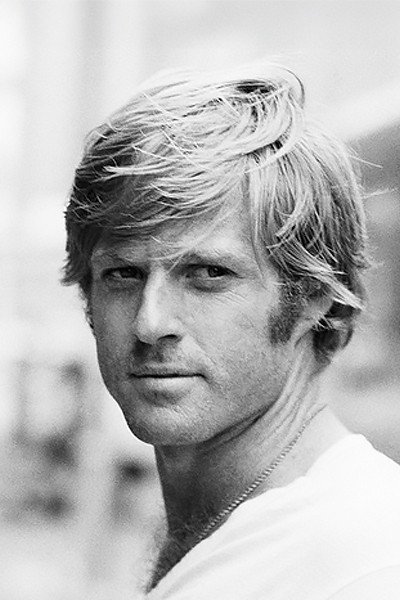
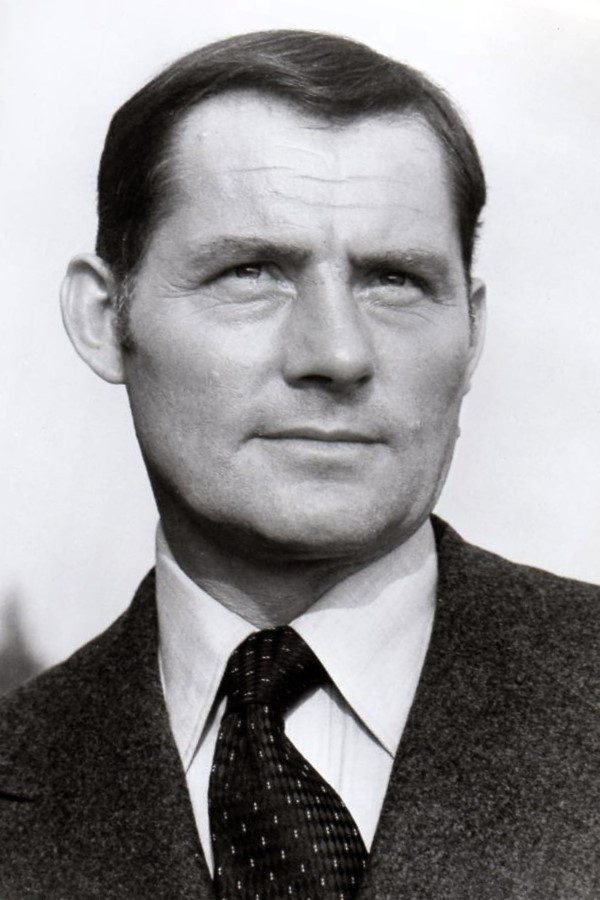
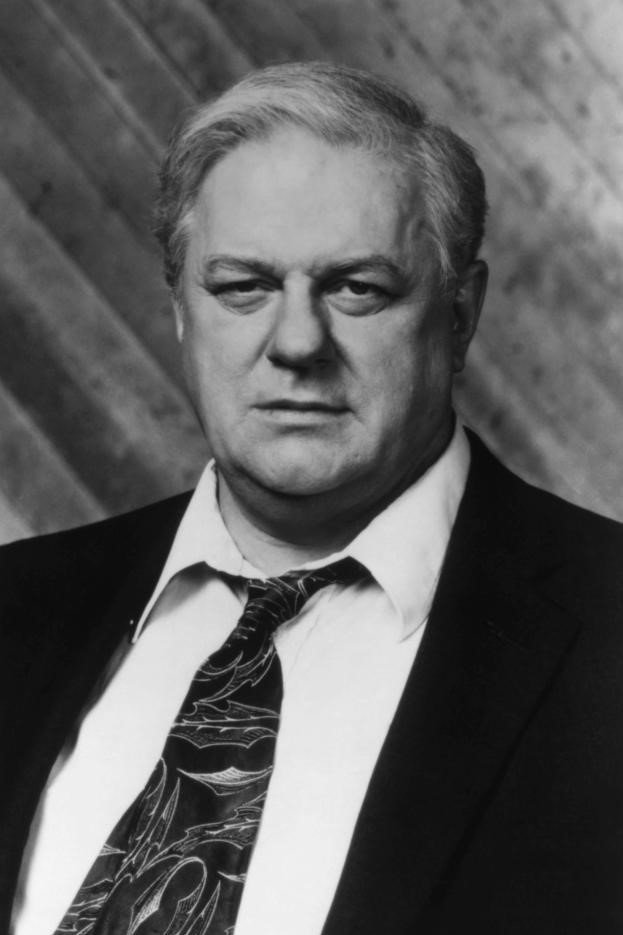
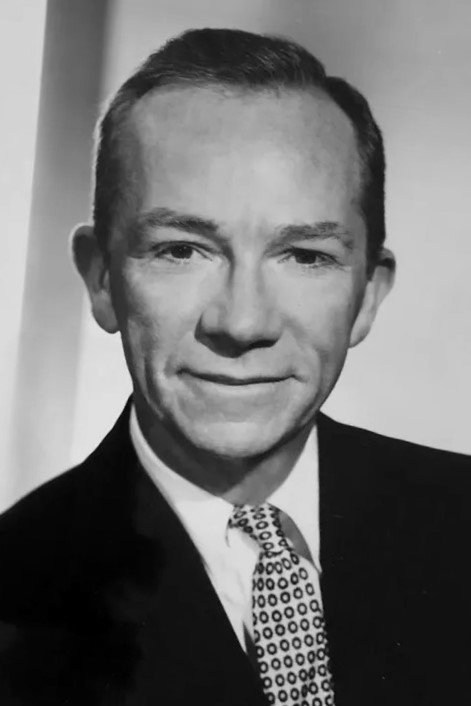
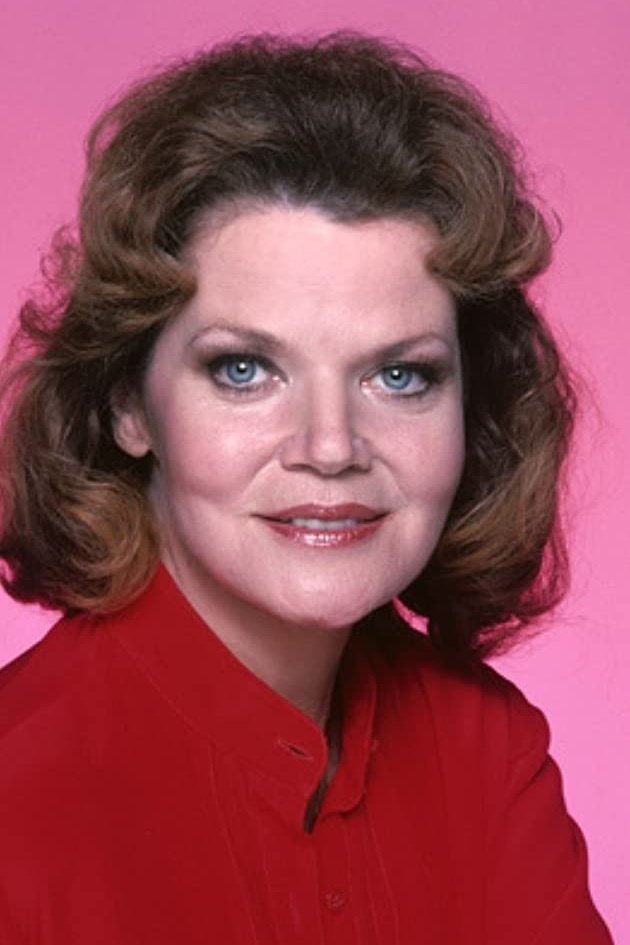
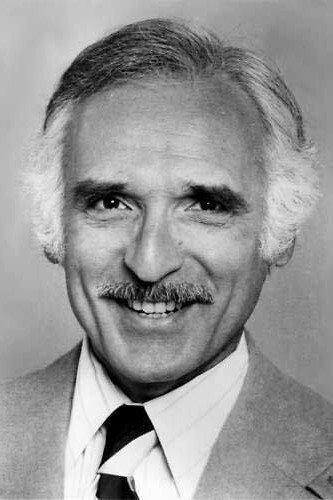
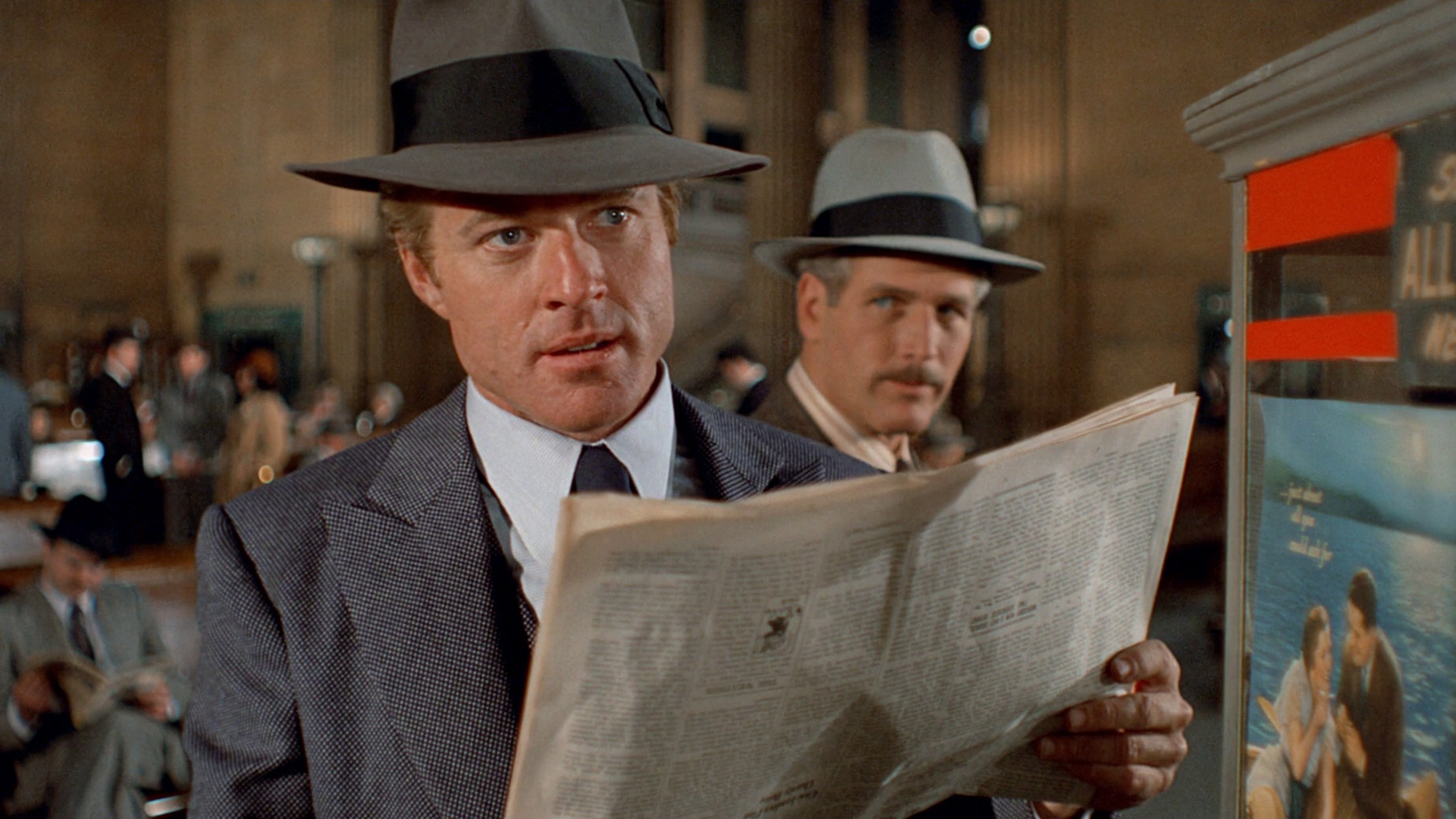
Henry Gondorff (Paul Newman) and Johnny Hooker (Robert Redford) are confidence men working in 1930s Chicago. An elaborate swindle brings their skills into play, as the story follows the planning and performance of a confidence trick. Cards, money and persuasion are part of the work, and appearances offer little certainty about what is happening. Robert Shaw plays Doyle Lonnegan, alongside Charles Durning as Lt. Wm. Snyder, Eileen Brennan as Billie and Harold Gould as Kid Twist. Crime and comedy share the telling, with the audience left to decide how much of what it sees to believe.

Fi1m review

George Roy Hill’s con-game comedy gives Paul Newman and Robert Redford room to be funny, and its elaborate plotting mostly earns the time it takes. A few stretches dawdle, but the company makes them easy to forgive.

George Roy Hill’s The Sting is a thoroughly enjoyable crime comedy, with a little more preparation than it needs. Set among confidence men in 1930s Chicago, it takes its pleasures seriously without requiring us to do the same. David S. Ward’s screenplay makes the swindle complicated enough to keep us occupied, while Hill finds time for the people arranging it. We are invited to enjoy their work, including the bits that a brisker film would hurry past. For most of its 129 minutes, that invitation is easy to accept.

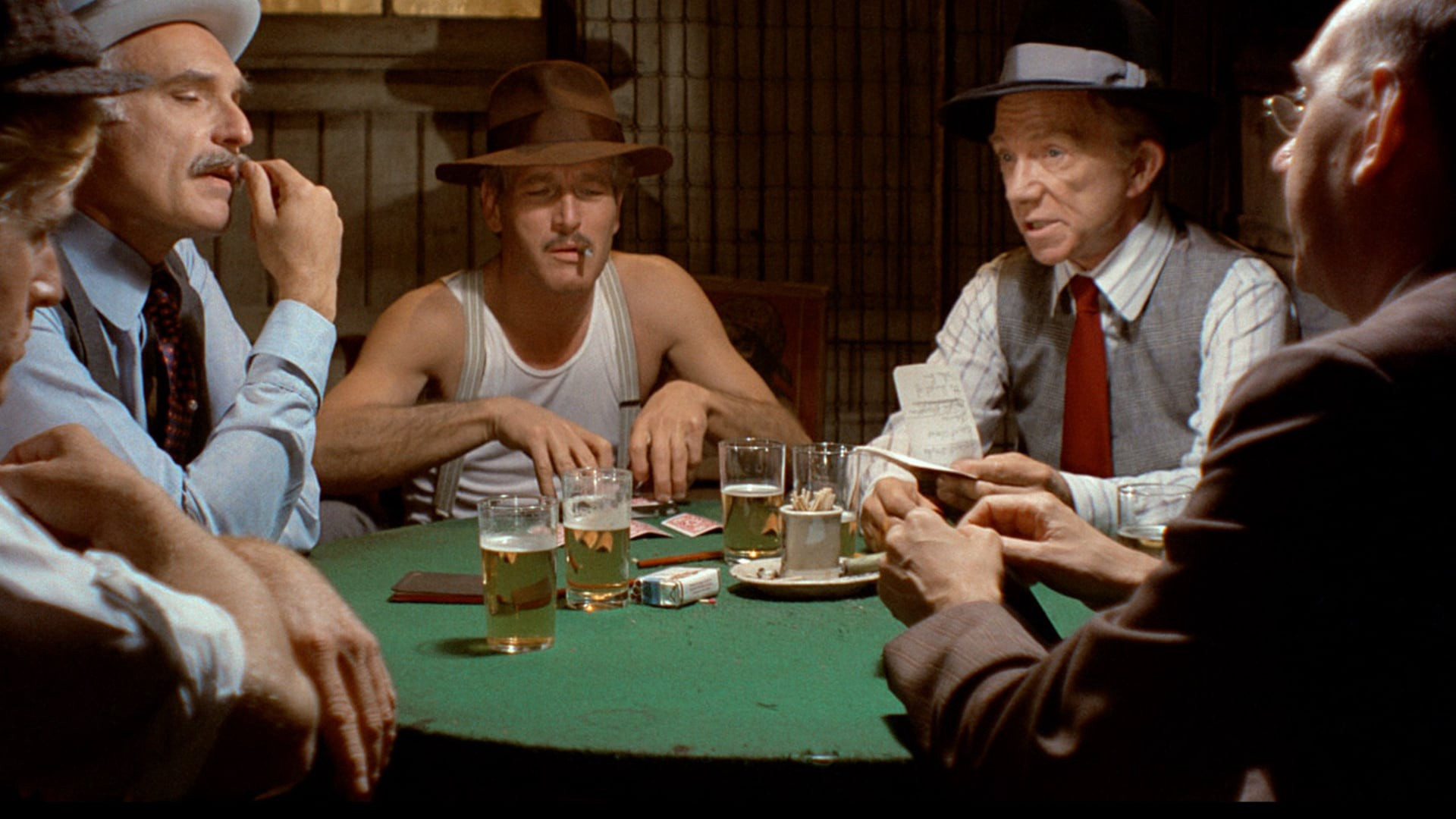
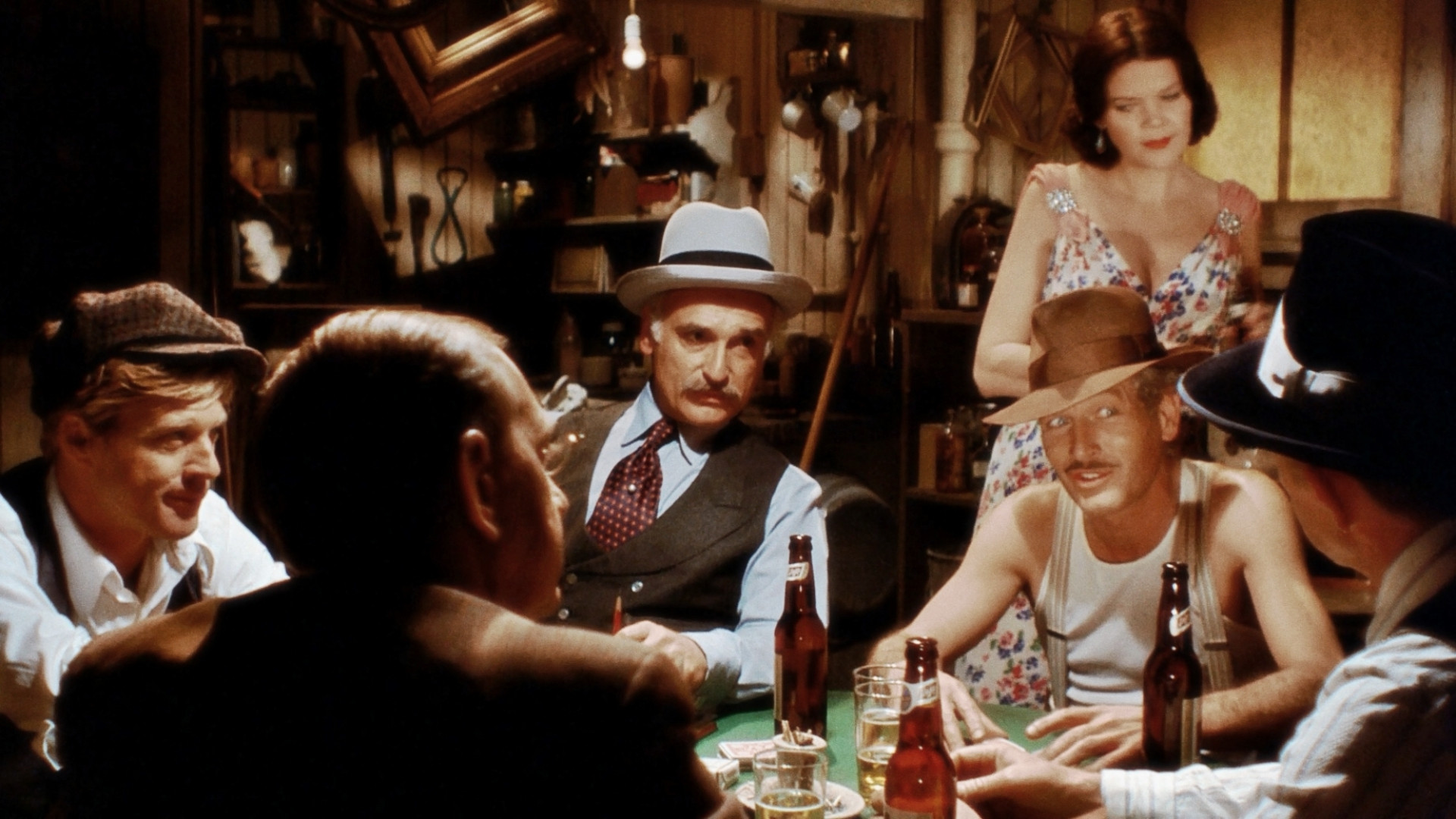
Paul Newman, as Henry Gondorff, makes confidence look like a matter of not being in a hurry. Robert Redford’s Johnny Hooker supplies more restless energy, and their different speeds keep the partnership interesting even when there is business to explain. We laughed at Newman’s poker-table performance. He takes such evident pleasure in deceiving someone that the joke needs little help from the dialogue. Hill knows when to leave an actor alone, and Newman rewards the attention without appearing to ask for it.

Robert Shaw’s Doyle Lonnegan provides the resistance the film needs. Shaw’s severity stops the charm becoming too easy, and he is funnier for refusing to advertise the joke. Eileen Brennan, as Billie, and Harold Gould, as Kid Twist, help make the supporting company worth watching in its own right. The pleasure of these smaller performances is that we can pay attention to someone other than the stars without feeling we are waiting for the proper film to resume.

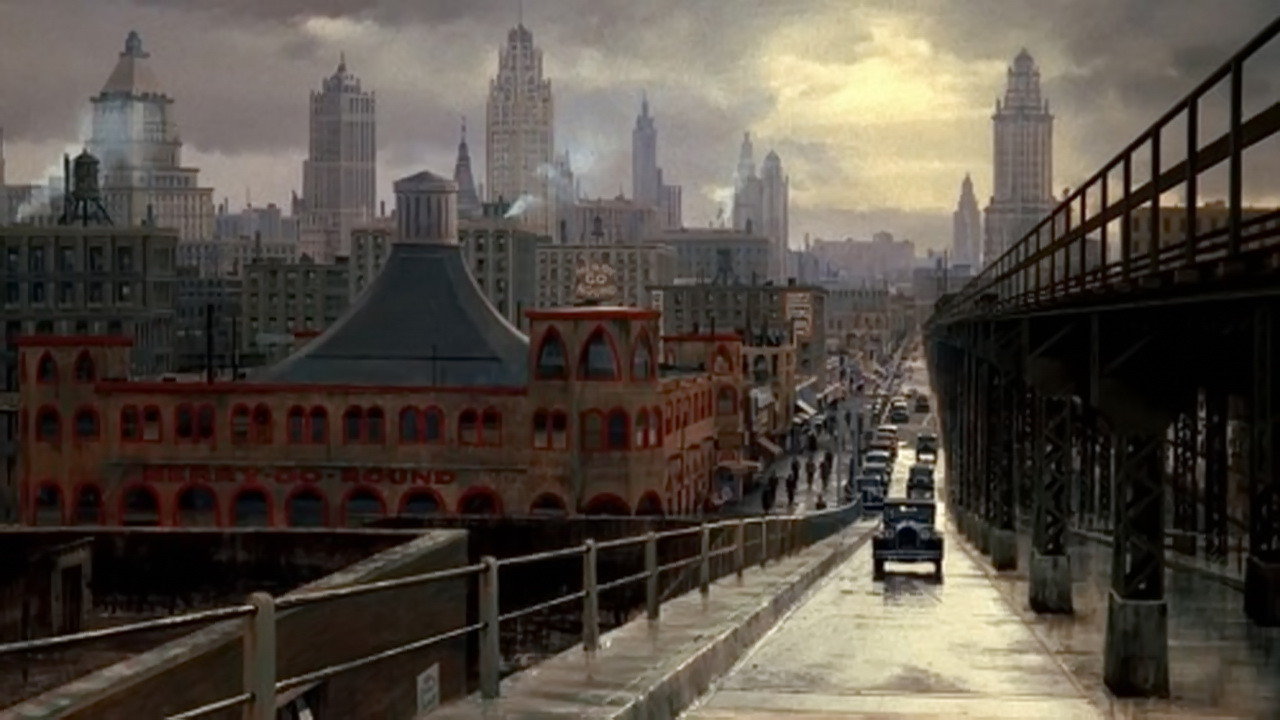
Robert Surtees’s cinematography makes the 1930s settings attractive without letting the scenery dominate every scene. The angled views keep the eye busy, rather than simply inviting us to admire the surroundings. Edith Head’s costumes contribute to the period detail without demanding attention at the expense of the faces above them. There is plenty to inspect in the production design, and Hill occasionally seems reluctant to leave it behind. That fondness for the setting is understandable, though it contributes to the leisurely pace.

William Reynolds’s editing works with the chapter headings to divide the complicated business into manageable stages. That structure is helpful, though it can also make us aware of how much arranging remains to be done. Scott Joplin’s ragtime, reworked by Marvin Hamlisch, does a good deal to keep the waiting enjoyable. Its buoyancy suits the cheek of the scheme without forcing every exchange into a joke. The music lets the film take its time more successfully than the cutting always does.

The qualification is that Ward and Hill sometimes enjoy the preparations longer than we do. There are stretches when the next piece of business feels more dutiful than amusing, and Reynolds does not quite disguise the extra length. We would happily lose a little of the arranging, even if it meant spending less time in those settings. The people are engaging, but the film seldom asks much of us emotionally. That limits it without spoiling the evening.

Con-game films can become tiresome when catching the audience out is their only source of amusement. Hill has the sense to make individual scenes enjoyable before we know how they fit together. His patience with the performers is particularly welcome in a genre that can reduce actors to delivering information and concealing it. Give it time, and resist turning it into a competition to guess ahead.
Critical consensus AI synthesised

85
Positive
10
Mixed
1
Negative
0

Most critics greet The Sting as a witty, good-natured con comedy whose pleasures depend on careful craft. Praise clusters around Newman and Redford’s rapport, the intricate screenplay and George Roy Hill’s controlled direction. The reviews repeatedly credit the chaptered storytelling and elaborate swindle with keeping the entertainment lively, while the 1930s settings and Scott Joplin music contribute much of its charm. For most critics, the polish is central to the pleasure of watching the scheme unfold.

Reservations concern length and how much warmth lies beneath that professionalism. Eye for Film enjoys the performances and direction but finds that the film occasionally drags. Time Out offers the clearest dissent, admiring the period detail while finding the familiar formula somewhat soulless. The spread is largely between enthusiasm and qualified enjoyment: most critics welcome the calculated construction, while a minority find it overextended or emotionally thin.

Radio Times
★★★★★ · John Ferguson
100

The reteaming of Butch Cassidy stars Newman and Redford with director Hill proved a glorious triumph that won seven Oscars. The real pleasure comes from the chemistry between the two leads, the lovingly created 1930s settings and Marvin Hamlisch's inspired reworking of Scott Joplin's music.

Read the full review →
RogerEbert.com
27 December 1973 · ★★★★/4 · Roger Ebert
100

The critic calls it one of the most stylish movies of the year and praises its light-fingered, witty con-game plot executed with off-balance pacing and oblique visuals.

Read the full review →
Empire
1 January 2011 · William Thomas
90*

The critic calls George Roy Hill the real king of the comedy crime caper for turning the slick script into one of cinema’s sassiest films, praising the episodic structure, Redford and Newman’s sizzling charisma, and the iconic ragtime soundtrack. It concludes that everything good about Hollywood fell into place at the right time, making it magnificent and timeless.

Read the full review →
The Independent
7 June 2012
85*

The critic describes it as a hugely enjoyable con-man caper from 1973 that reprises the chemistry between Redford and Newman from Butch Cassidy. It singles out the terrific Scott Joplin score, exquisite cameos and elegantly played-out sting for praise.

Read the full review →
The Telegraph
1 January 2015 · Patrick Smith
85*

The film is the definitive con artist comedy and a crafty, good-natured crime caper that surpasses the duo's earlier collaboration. It excels through its complex swindle, period detail, snappy script, and sleek direction with chapter headings.

Read the full review →
The AV Club
13 June 2012 · B+ · Scott Tobias
83

The critic calls it a model of old-school craft and a broadly appealing entertainment that runs like a top in an era of auteur-driven turbulence. The silky-smooth mechanics of the screenplay and direction are singled out as the primary allure, along with the effortless Scott Joplin score.

Read the full review →

Cast

Stills

Awards

Academy Awards, 1974

Nominated
Best Actor
Nominated
Best Cinematography
Nominated
Best Sound
Won
Best Costume Design
Won
Best Director
Won
Best Film Editing
Won
Best Original Song Score
Won
Best Picture
Won
Best Production Design
Won
Best Writing, Original Screenplay

If you liked this, try…

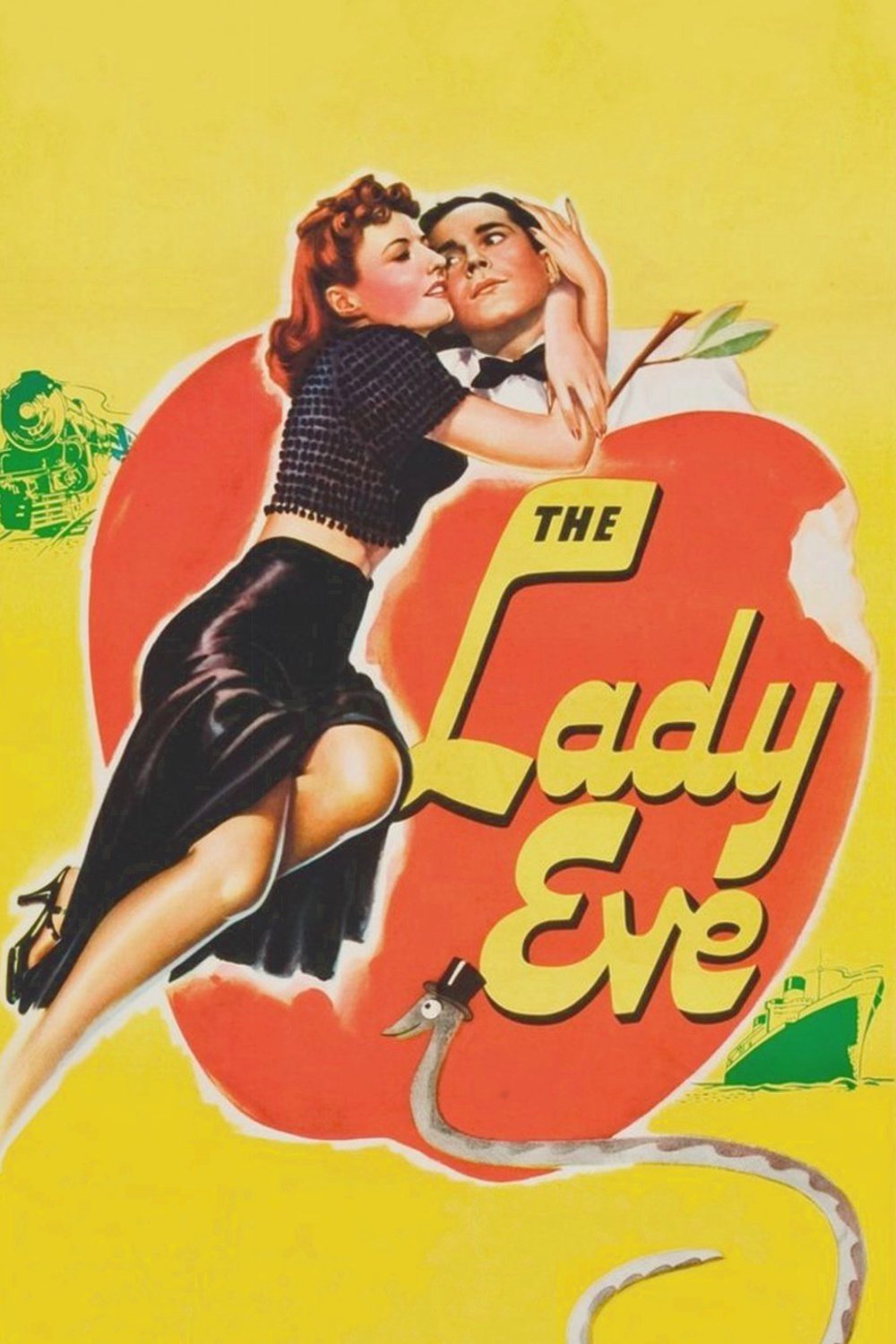
The Lady Eve poster

The Lady Eve

1941 · Romance complicates the swindle, with enough wit to make suspicion enjoyable.

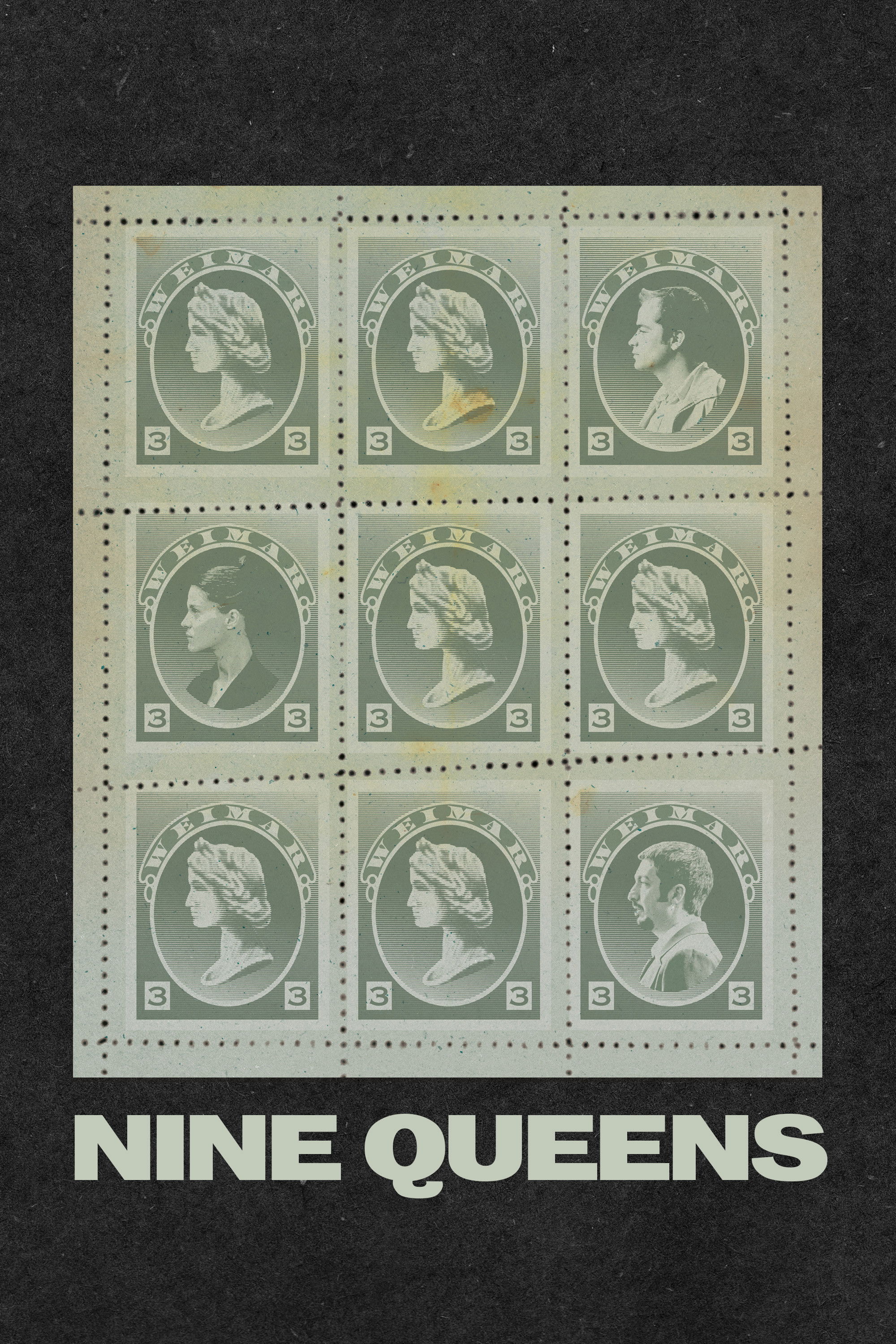
Nine Queens poster

Nine Queens

2000 · A brisker confidence game that makes every friendly gesture worth questioning.

The Grifters poster84

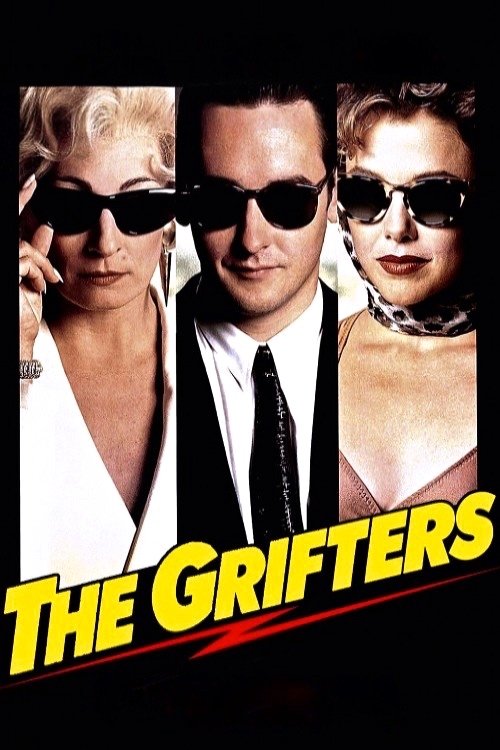
The Grifters

1990 · For the same profession with nastier motives and much less comfort.

The Lavender Hill Mob poster

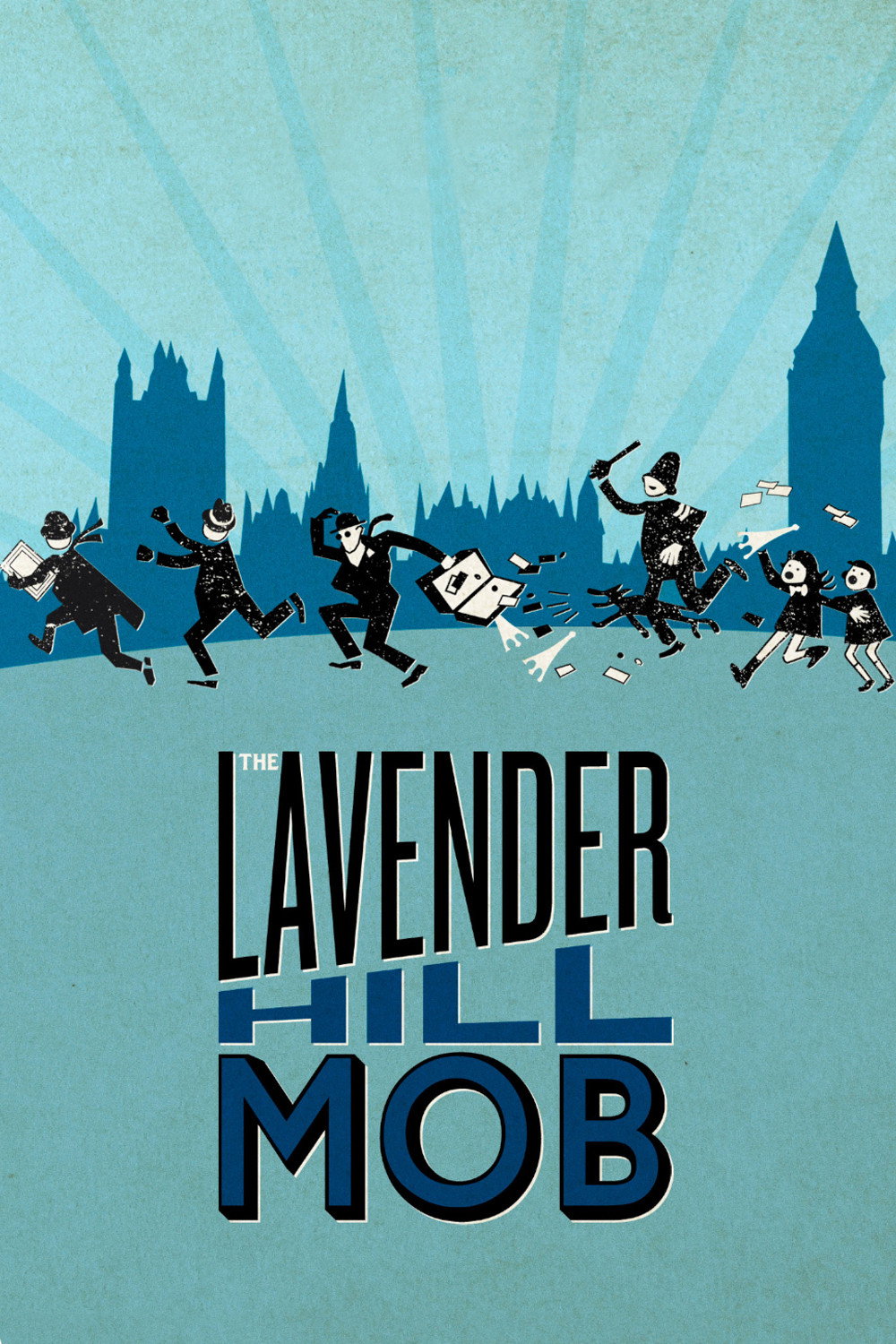
The Lavender Hill Mob

1951 · Another carefully organised crime, carried out by people worth spending time with.

House of Games poster

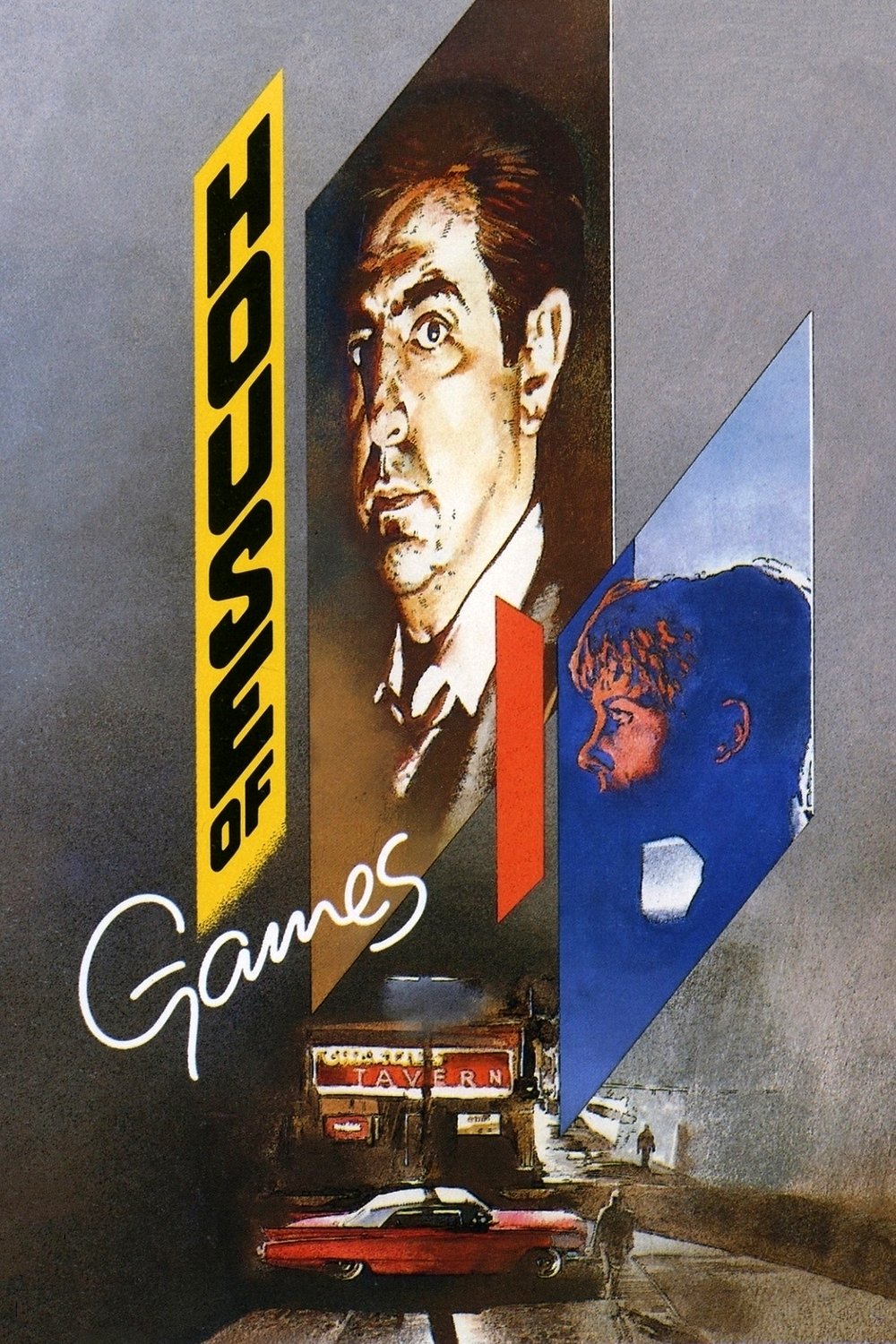
House of Games

1987 · Cooler, more unsettling deception, with close attention to how confidence gets manufactured.