Film review

The Grifters

1990 · Directed by Stephen Frears · 1h 50m · MPA R

In a sentenceAnjelica Huston makes a criminal’s mother considerably more frightening than the prospect of being caught

CrimeDrama

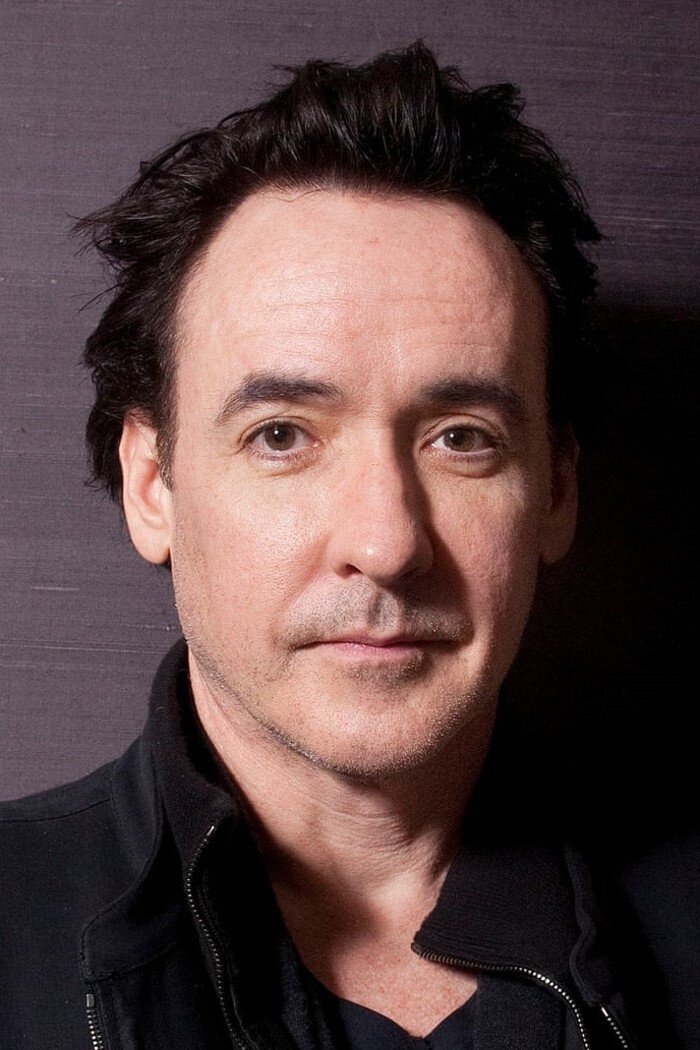
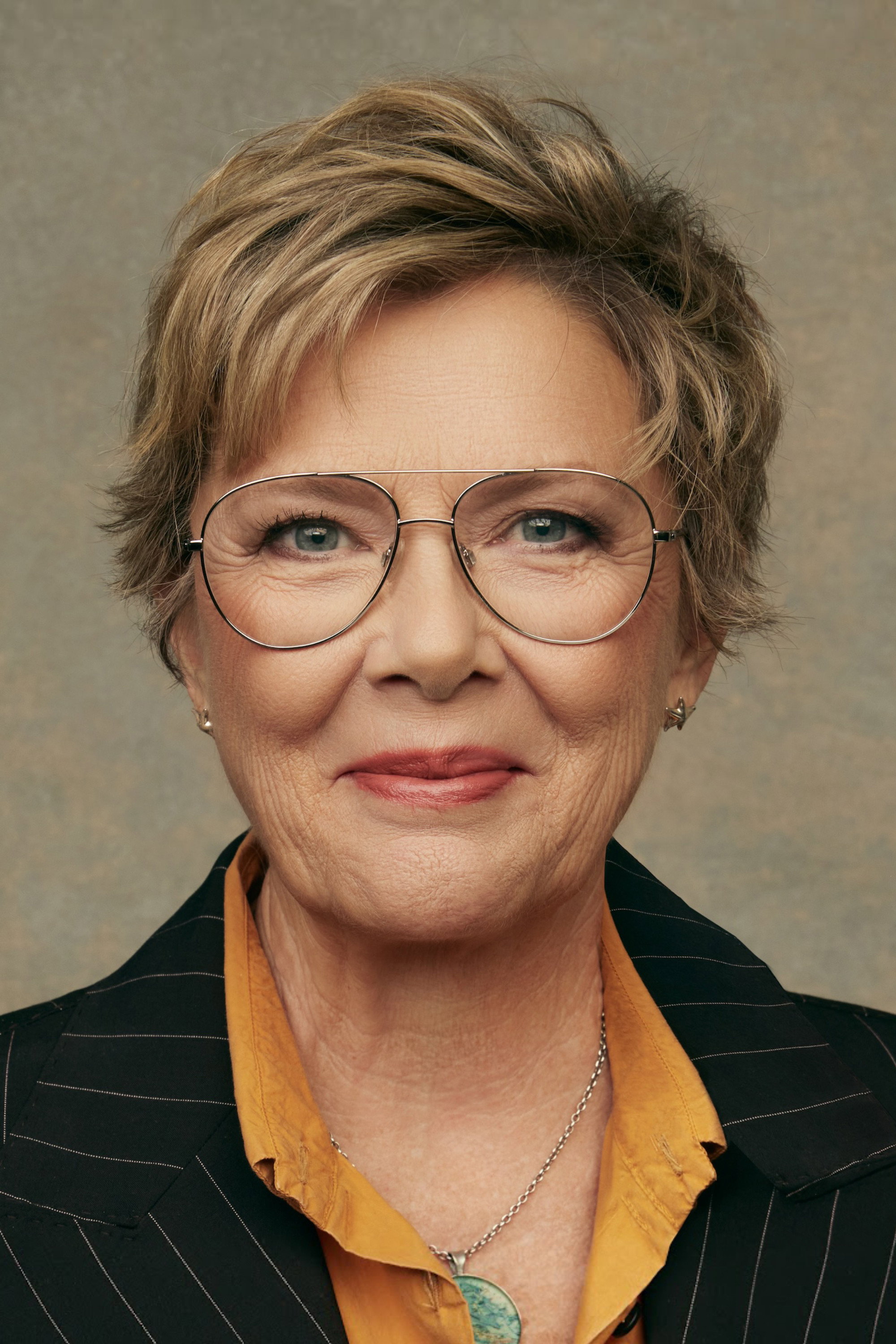
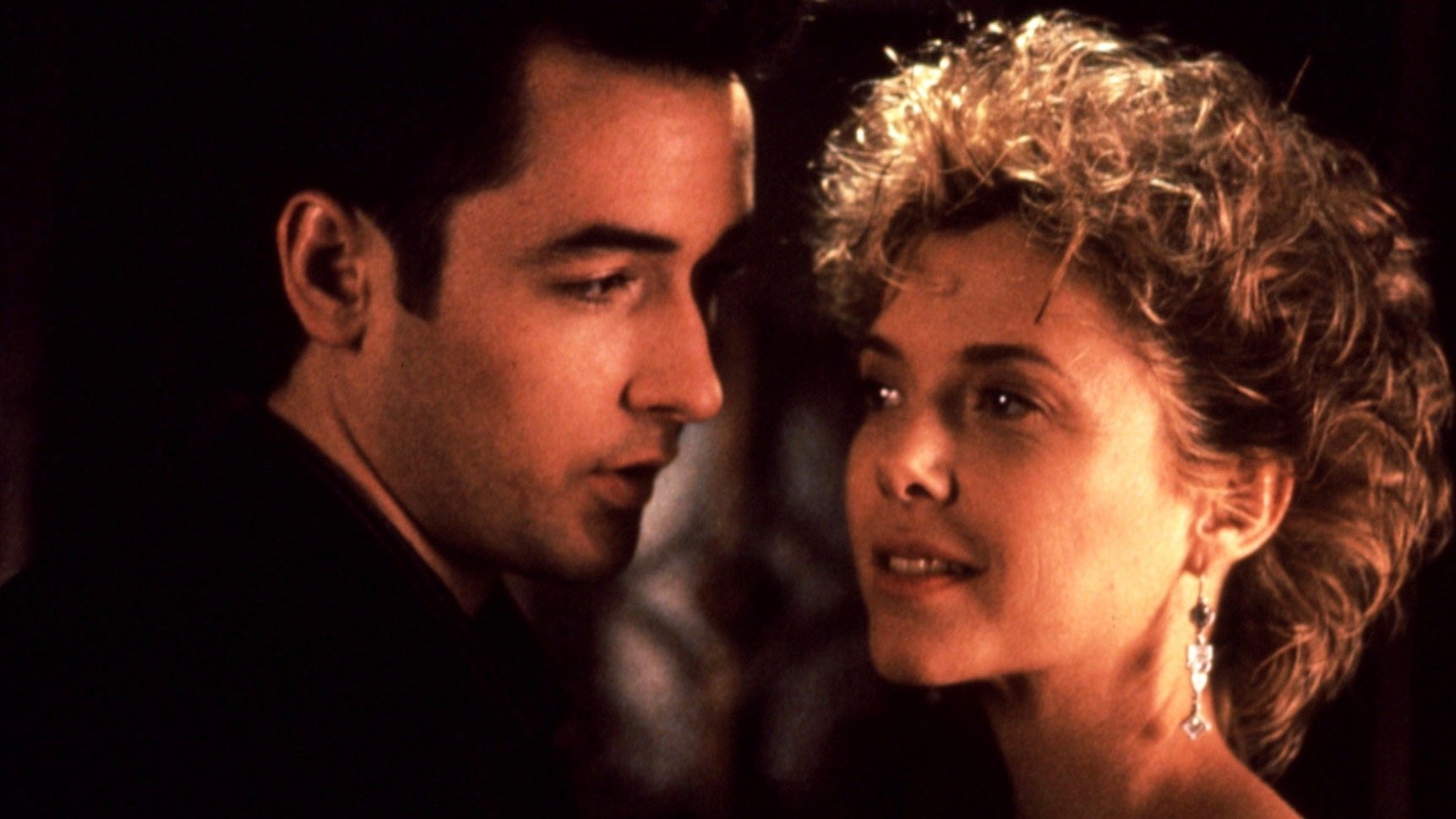
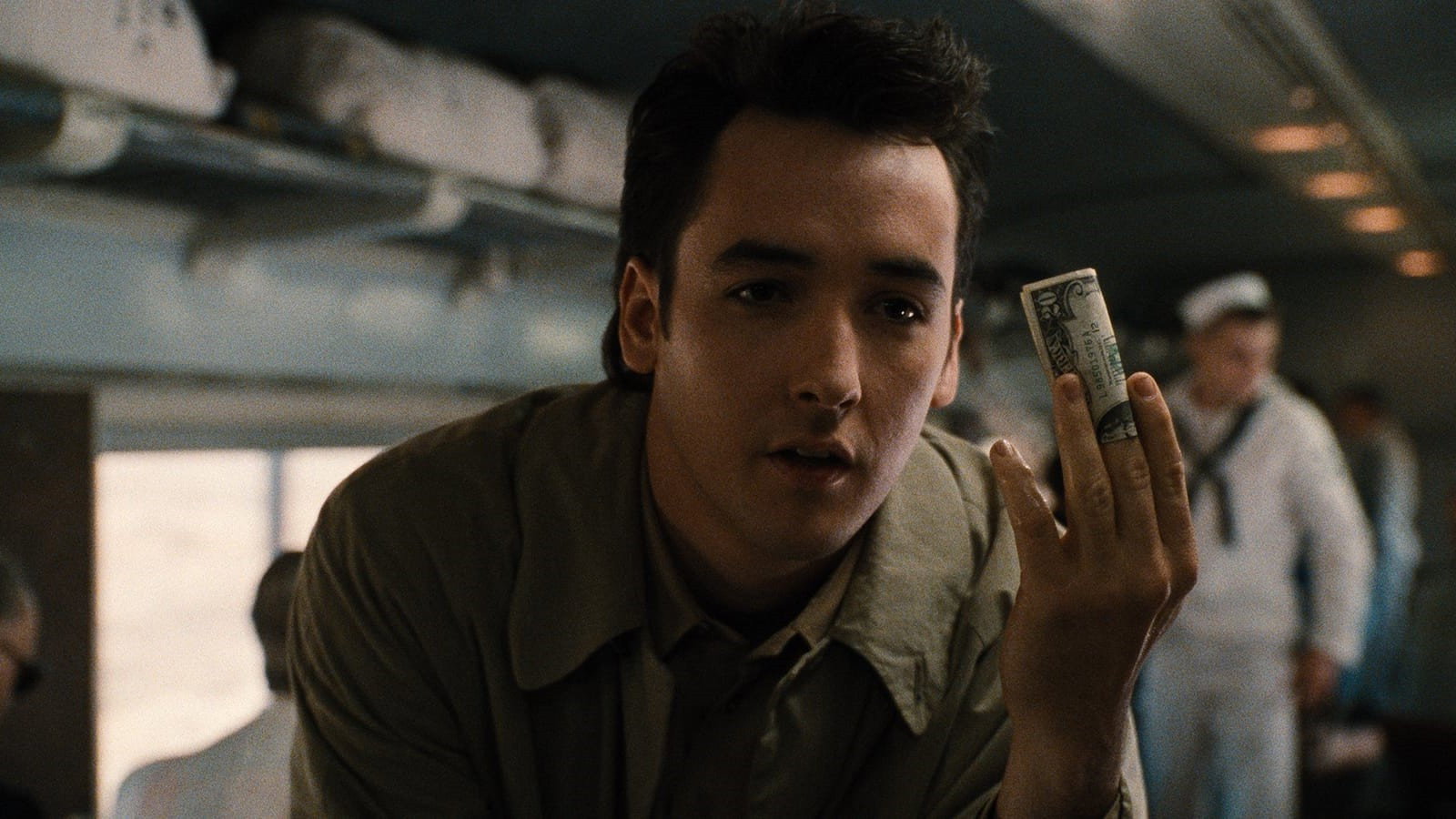
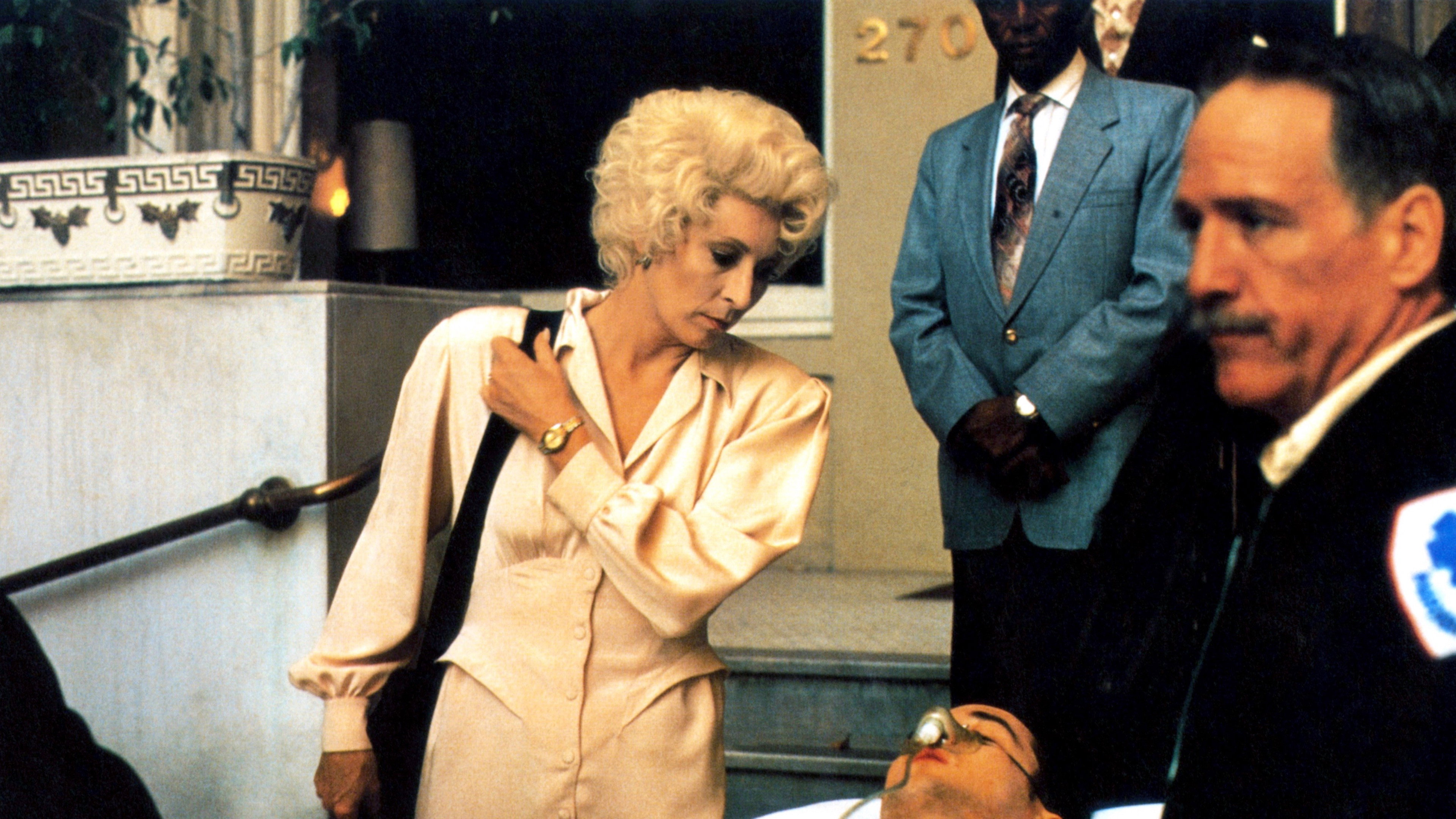
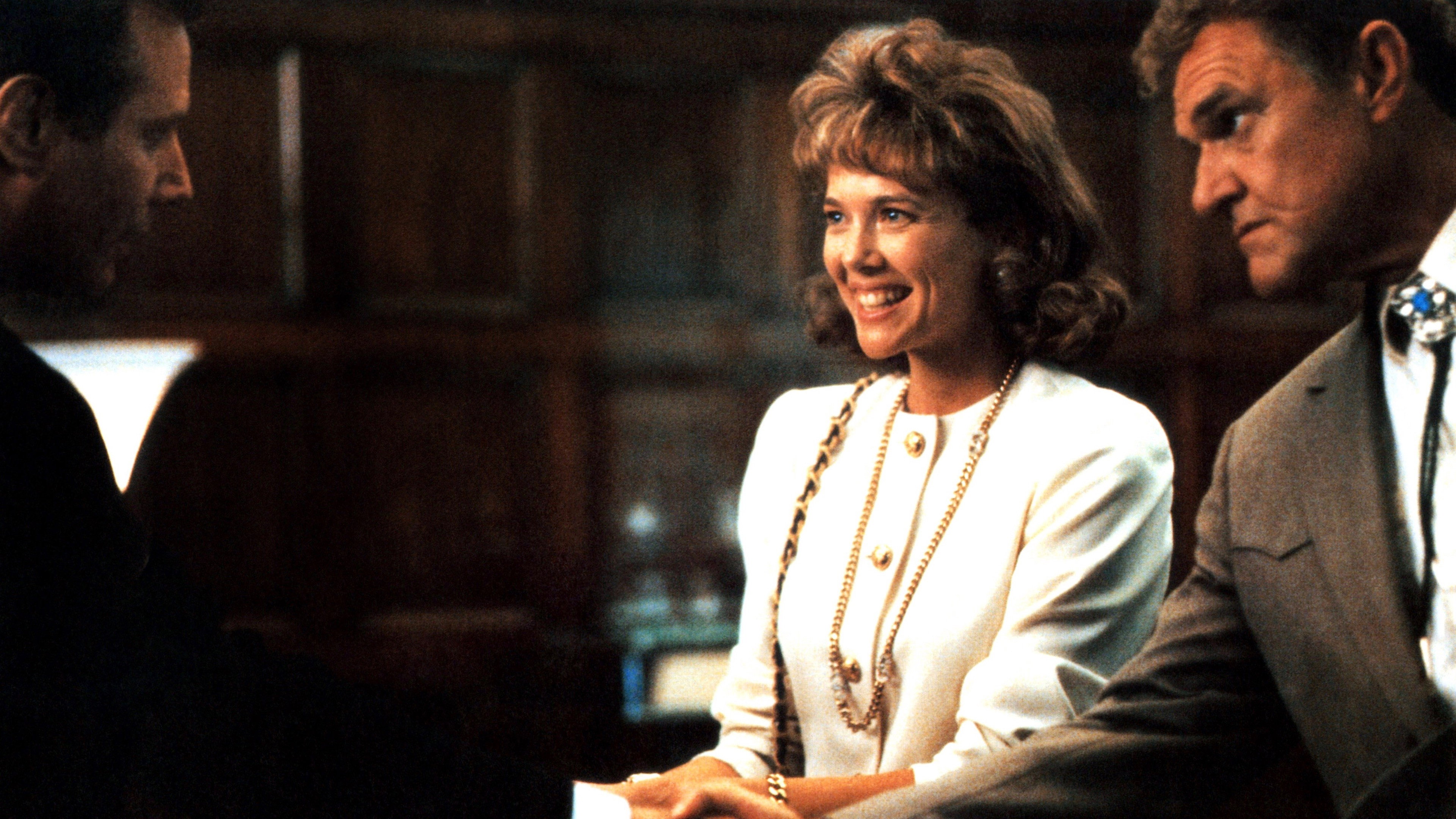
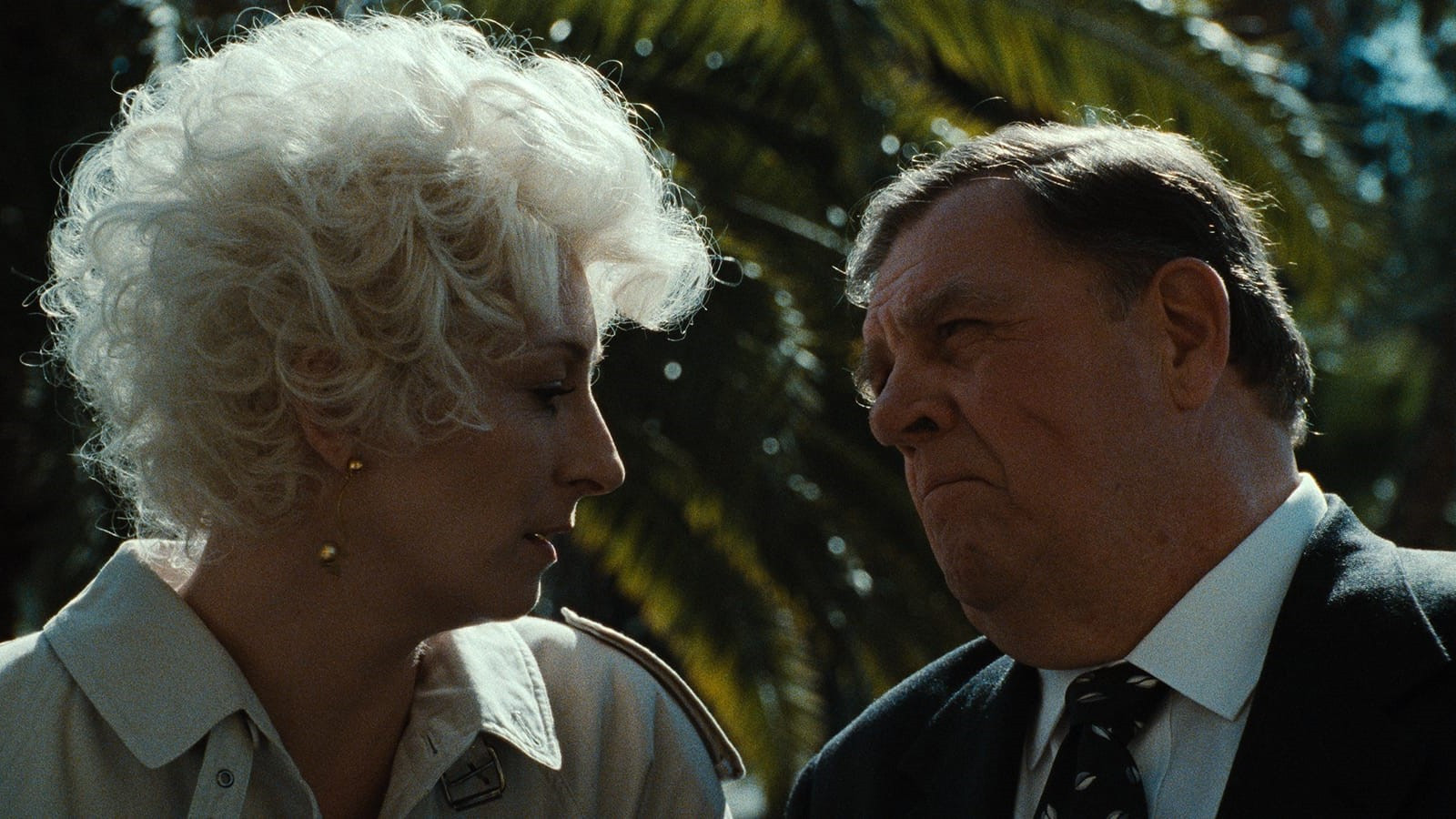
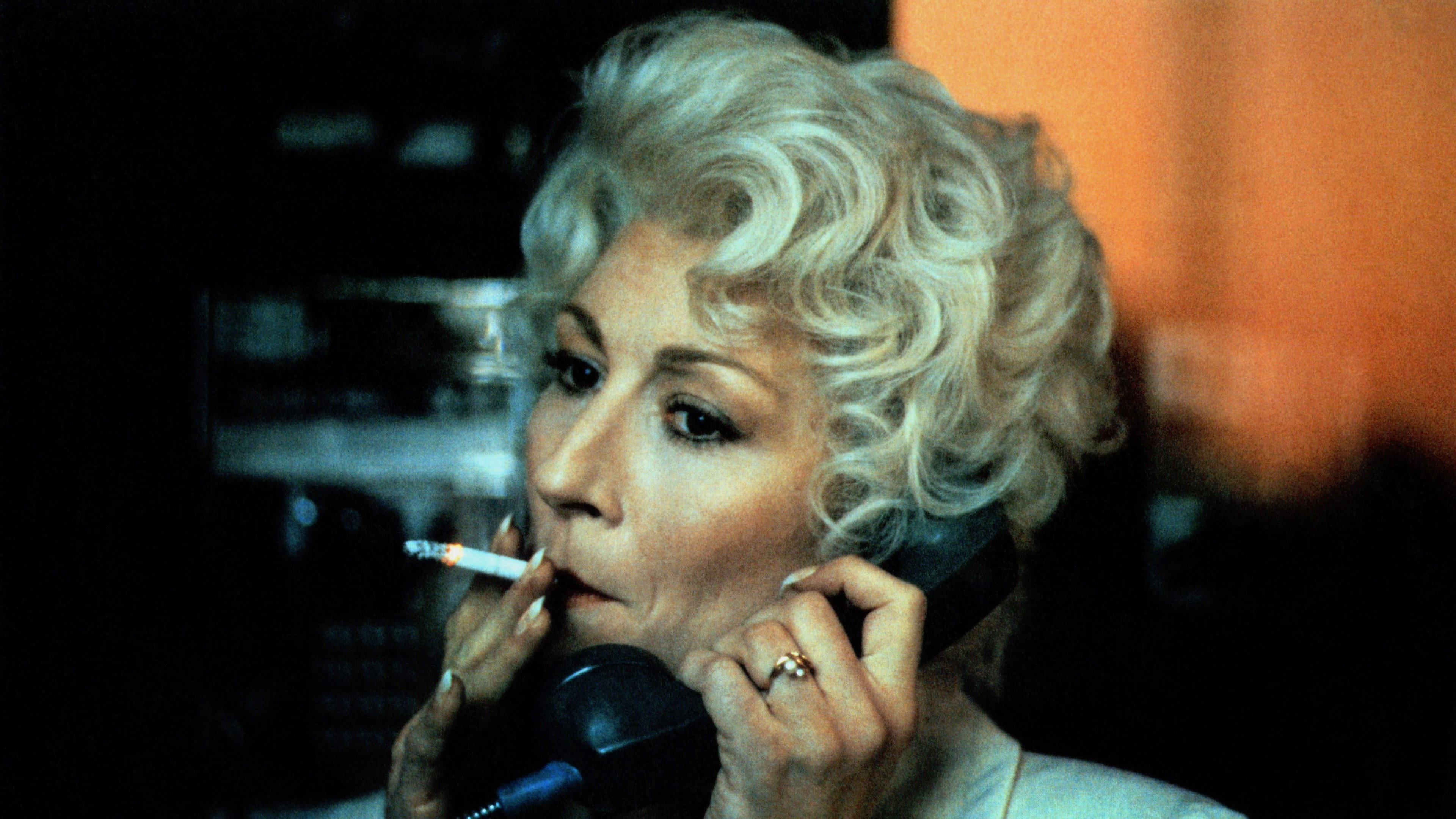
Roy Dillon (John Cusack) is a con artist with two other con artists close to him: his mother, Lilly (Anjelica Huston), and his girlfriend, Myra Langtry (Annette Bening). In Los Angeles, the three negotiate relationships in which affection, sex and the prospect of a profit are difficult to separate. Lilly brings a mother’s claim on Roy’s loyalty; Myra has competing demands of her own. Each knows how to deceive other people, but dealing with one another presents different problems. Stephen Frears directs this crime drama, adapted by Donald E. Westlake from Jim Thompson’s novel.

Fi1m review

Stephen Frears’s con-artist drama is cruel, funny and worth the discomfort. Anjelica Huston makes its mother-and-son struggle frightening, though John Cusack’s restraint sometimes leaves too much of the work to the women around him.

Stephen Frears’s The Grifters is a sharp, unsettling crime drama that we recommend, despite an imbalance between its central performances. It gets considerable pleasure from people who make a living deceiving others, and knows how unpleasant their company can become. Donald E. Westlake adapts Jim Thompson’s novel around three con artists: Roy Dillon, his mother Lilly and his girlfriend Myra. The interest is in what happens when people accustomed to deceiving strangers try to maintain relationships with those who know them.

Anjelica Huston gives Lilly the authority that makes the film work. She can be ruthlessly self-interested and still seem to care about her son, an awkward combination that Huston refuses to simplify. We were unsettled by her scenes with John Cusack, because Lilly’s concern for Roy carries such a strong expectation of obedience. Huston makes it difficult to decide how much of that concern Roy can safely accept, and Frears allows the discomfort to persist.

Annette Bening’s Myra supplies a more openly enjoyable kind of danger, and Bening makes her pleasure in manipulation persuasive. There is humour in the performance without a request to forgive the character, which is exactly what this material needs. Cusack’s Roy is quieter, a sensible choice beside two performances that might otherwise compete for every scene. The trouble is that his restraint sometimes leaves Roy looking underwritten: we understand why he cannot dominate these women, but there are stretches when his place at the centre seems something the screenplay has decided for him.

Oliver Stapleton’s photography keeps our attention on faces, making us search for signs of calculation even when somebody seems sincere. Dennis Gassner’s production design helps the Los Angeles setting accommodate people whose behaviour belongs to an older hardboiled crime story. That mismatch is part of the film’s unease, and Frears wisely avoids making it a joke.

Mick Audsley’s editing gives the exchanges time to become uncomfortable, while keeping the competing claims on Roy clear. We can follow who is putting pressure on whom without needing every change of advantage explained. Elmer Bernstein’s music is more emphatic, and occasionally presses the menace harder than the performances require. It suits the film’s taste for pulp melodrama, but there are moments when less insistence would have left us more attention for the actors.

Confidence-trick stories can encourage us to cheer the cleverest operator and forget whoever is being robbed. Frears makes that response difficult by bringing deceit into a mother-and-son relationship, where knowing someone’s weaknesses has consequences beyond an empty wallet. Westlake keeps the hardness funny without letting the family connection become an excuse for it. We do not need a decent person inserted into the story to tell us that something is wrong with the way these people treat each other.

At 110 minutes, it has time to make those relationships uncomfortable without labouring every exchange. We would choose it for Huston and Bening, with the warning that the humour offers little relief from the hostility between the characters. Keep it for an evening when nobody needs cheering up.

Critical consensus AI synthesised

4 of 6
Positive
4
Mixed
0
Negative
0
Los Angeles Times
5 December 1990 · Sheila Benson
85*

Frears and Westlake turn Thompson’s icy consideration of mother love into something diamond-hard and mesmerizing, with Huston as the ferocious motor of the piece and masterful control over the nerves in this updated noir.

Read the full review →
RogerEbert.com
25 January 1991 · Roger Ebert
85*

The film captures the cynical, despairing spirit of Jim Thompson's pulp noir through strong performances, particularly from Anjelica Huston as the ruthless mother and Annette Bening as the dangerous girlfriend, as three con artists seduce and betray one another in a web of consequences.

Read the full review →
Empire
1 January 2000 · Ian Nathan
80*

The critic praises the superb performances by Anjelica Huston, John Cusack and Annette Bening as masterful con artists in a gripping neo-noir thriller. Taut direction by Stephen Frears and the adaptation of the Jim Thompson novel stand out, making the film worth revisiting despite mixed original reviews.

Read the full review →
The New Yorker
12 November 1990 · Pauline Kael
80*

The film retains the novel's hardboiled pitilessness and creates tension by placing 1950s characters in 1990s L.A., with Frears and Westlake heightening sexual electricity and Anjelica Huston's monstrous Lilly biting through the pulp in a paralyzing final scene.

Read the full review →
Film Comment
1 November 1990 · Maitland McDonagh

The critic praises Stephen Frears, screenwriter Donald E. Westlake, and the cast's take on Jim Thompson’s novel. The review highlights the strong ensemble performances in this adaptation.

Read the full review →
The New York Times
5 December 1990 · NYT Critic’s Pick · Janet Maslin

Stephen Frears's taut, tough and funny adaptation turns the three con artists into a viciously entertaining parody of a trinity, delivering a gritty hard-boiled melodrama that examines the genre while ending on a sorrowful note.

Read the full review →

Cast

Stills

Awards

Academy Awards, 1991

Nominated
Best Actress
Nominated
Best Director
Nominated
Best Supporting Actress
Nominated
Best Writing, Adapted Screenplay

If you liked this, try…

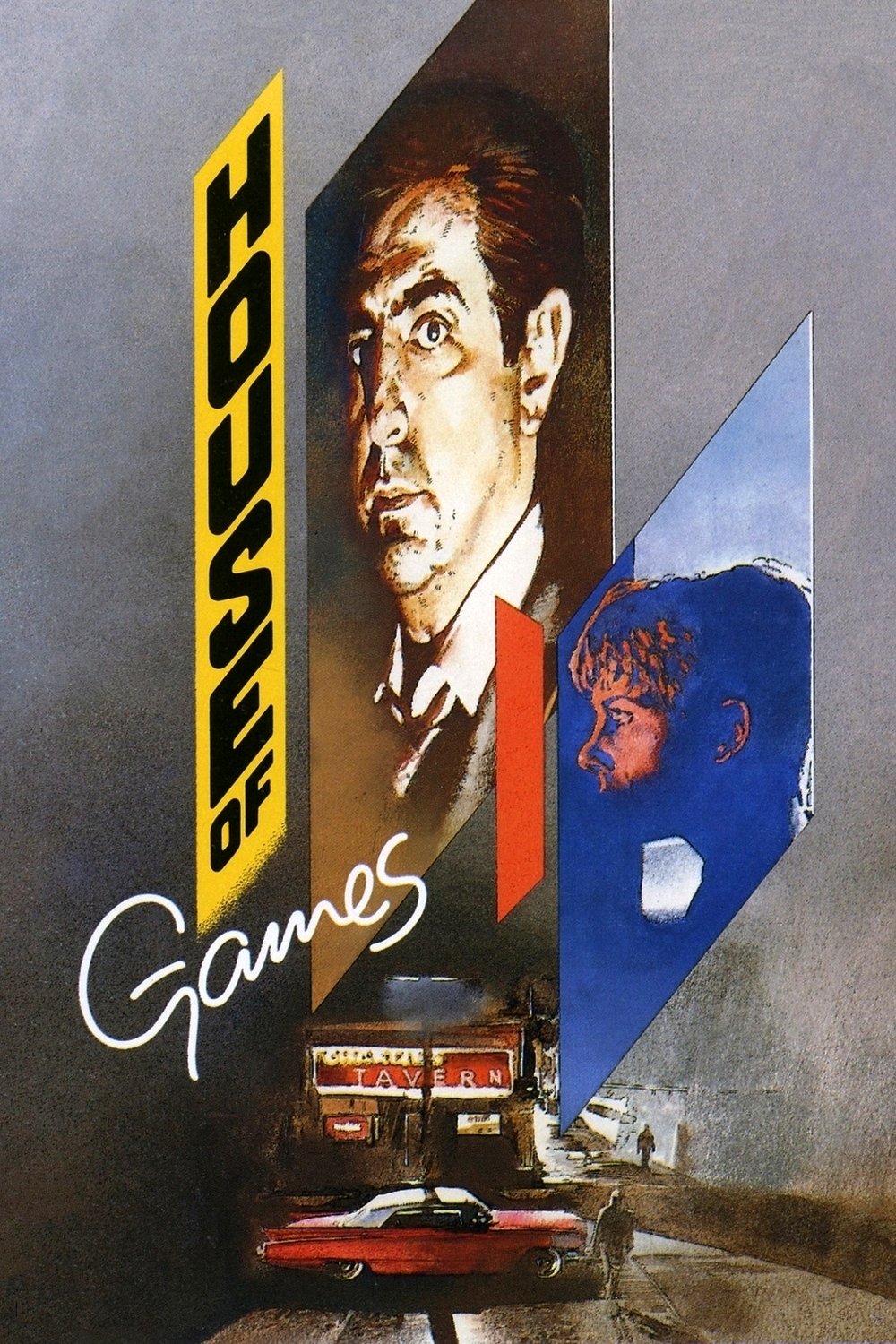
House of Games poster

House of Games

1987 · Another close look at professional deception, with trust treated as an expensive mistake.

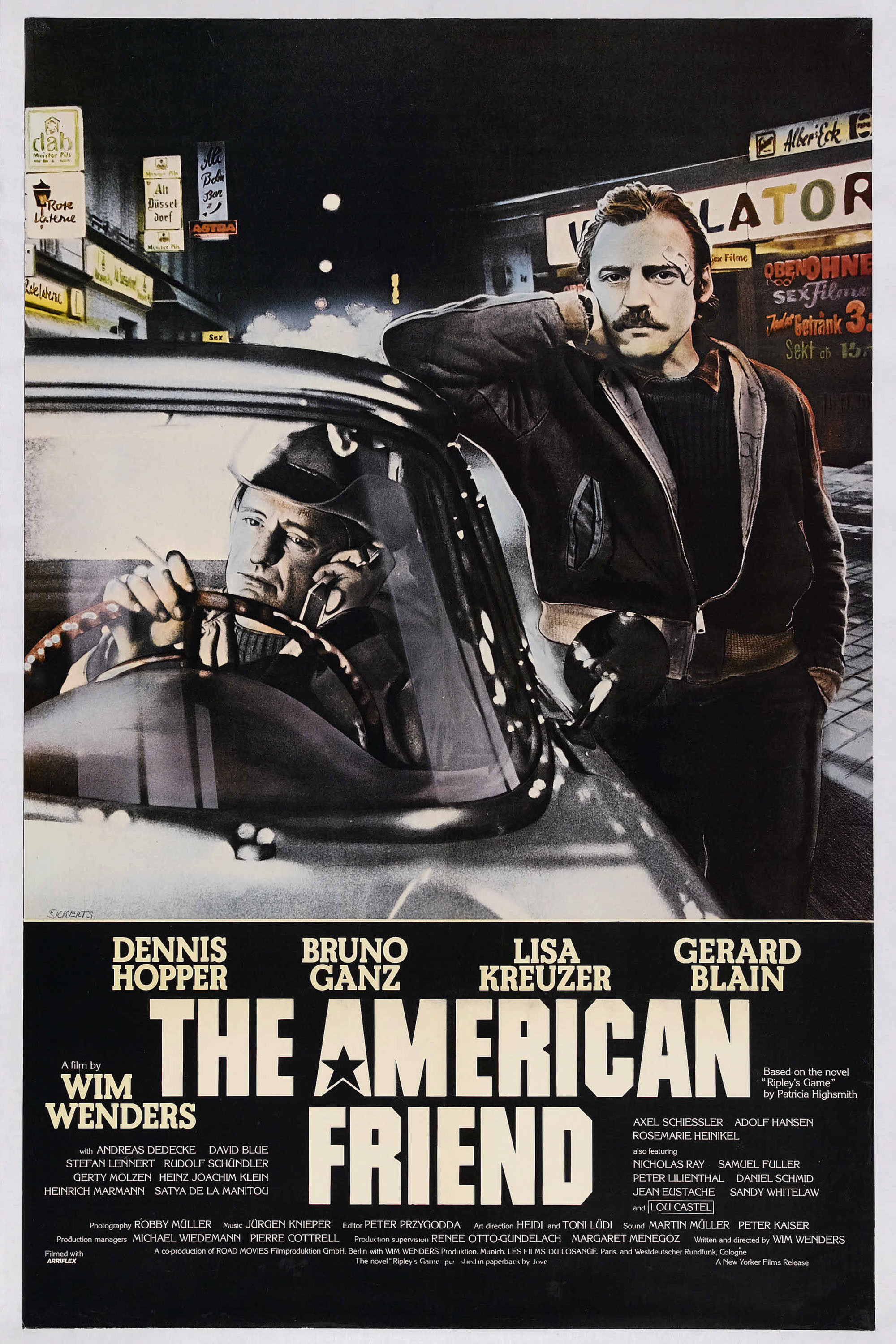
The American Friend poster

The American Friend

1977 · For criminal unease and people discovering how cheaply their loyalties can be bought.

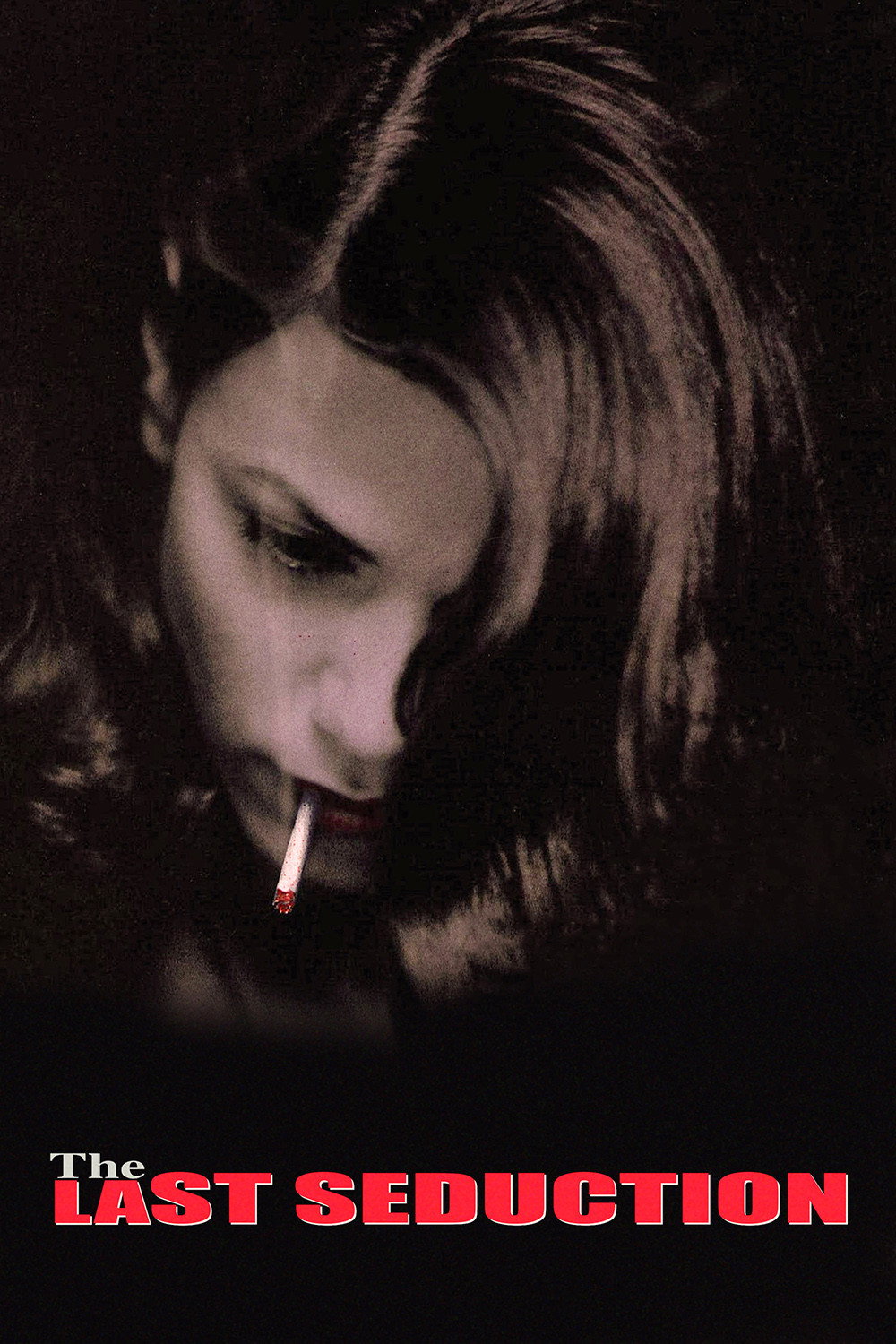
The Last Seduction poster

The Last Seduction

1994 · A ruthless woman drives another crime story with little patience for comforting morals.

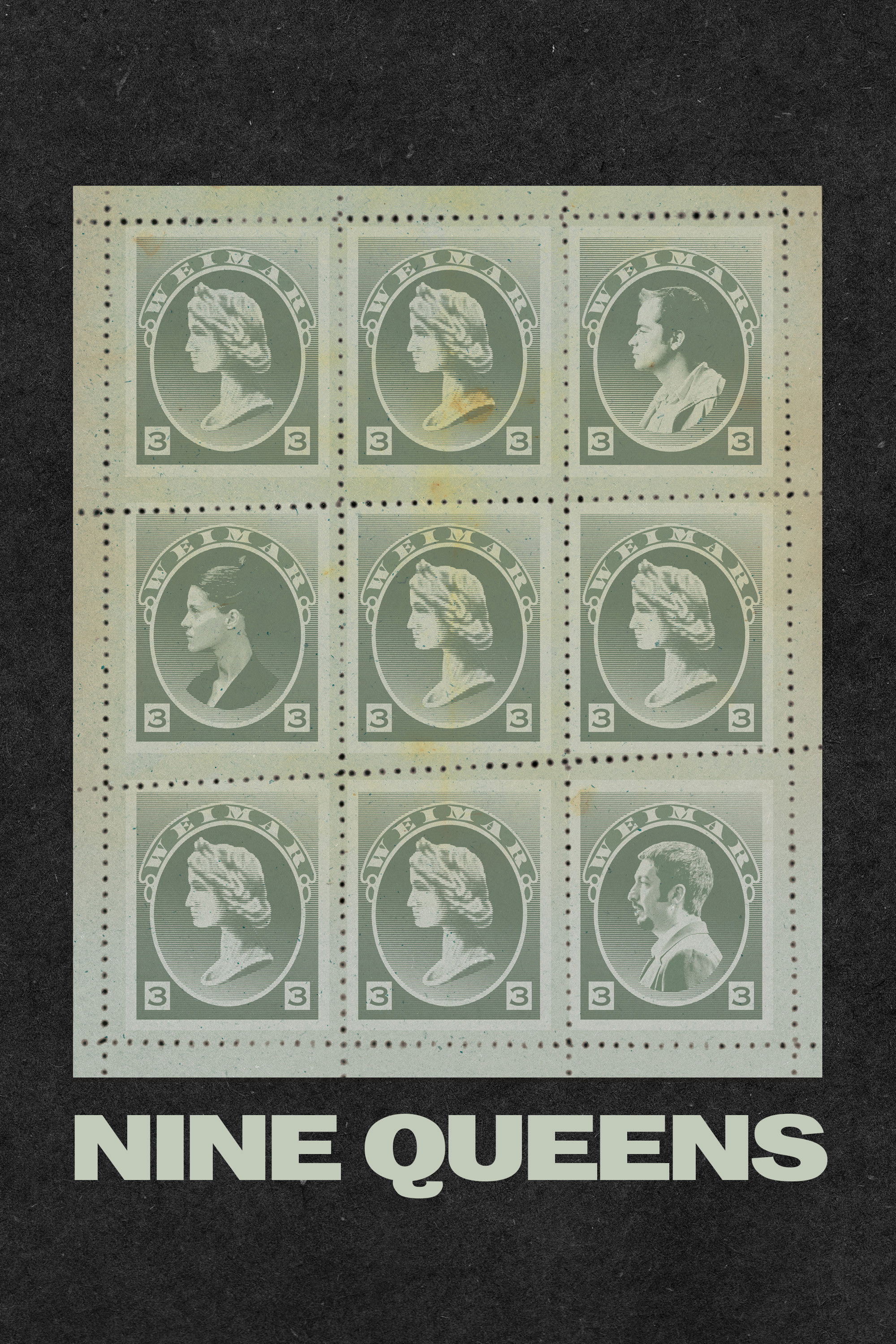
Nine Queens poster

Nine Queens

2000 · Two con artists make companionship look almost as risky as the job.

The Ladykillers poster

The Ladykillers

1955 · For a lighter evening of criminal planning undone by inconvenient domestic arrangements.