Sutton Roley brought a restless camera and bold framing to episodic television. We admire his willingness to make familiar crime and adventure scenes look different, though his compositions could sometimes distract from what people were saying.
Fi1m perspective
In Mannix (1967), a birdcage becomes part of the framing of a scene. Roley liked foreground objects, wide-angle lenses and a camera that did more than sit and observe. After live television in the 1950s, he moved into filmed series and became a regular director of crime, war and adventure programmes. His collaborators included producer Quinn Martin. The trouble, evident in Mannix, was that the compositions could distract from the dialogue.
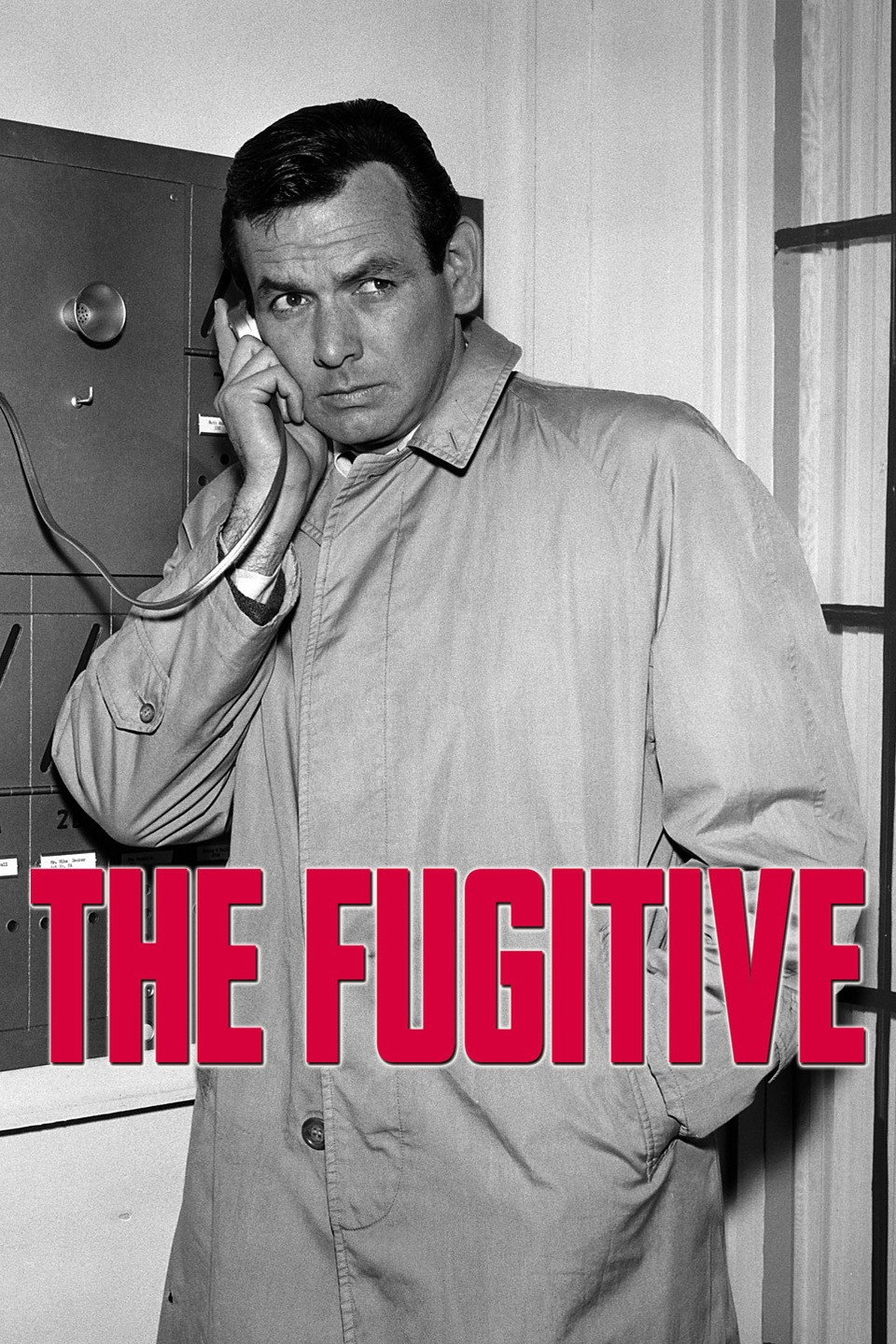
In The Fugitive (1963), the strongest reason to keep watching is David Janssen's tired, believable hero. We warmed to him because his weariness makes the repeated predicament feel like something a person has to live through. Roley directed episodes within this mixture of crime, action and melodrama, where an actor's composure matters at least as much as an arresting angle. The narration can insist too much, and the situations repeat, but the man remains worth following. It is television we recommend for its human centre, without pretending that one director accounts for everything that works.
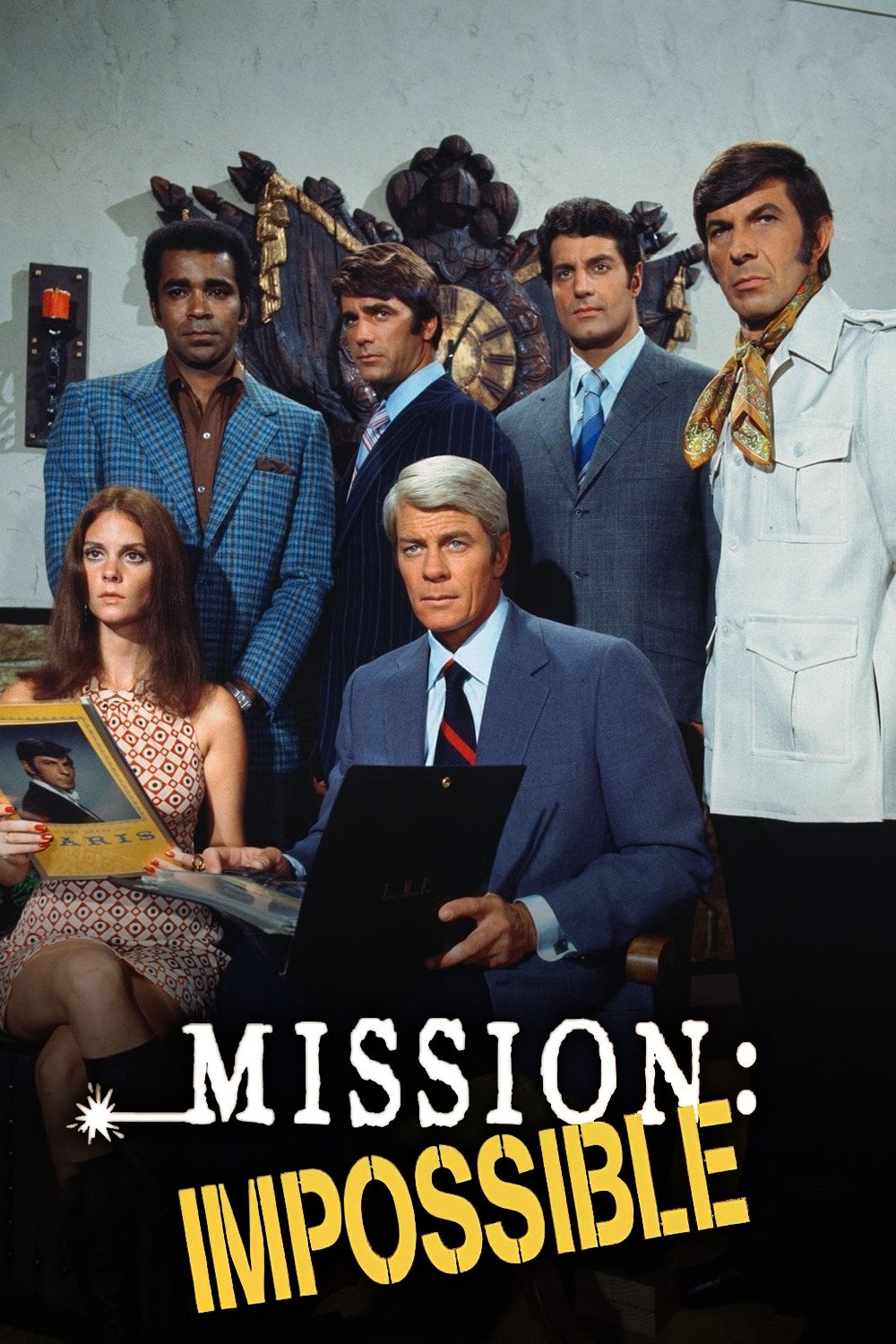
Mission: Impossible (1966) offers a different pleasure: Bruce Geller's caper series depends on disguises, teamwork and carefully arranged deception. Roley was one of its directors, and his interest in staging action within busy frames fits a programme in which the arrangement of people matters. We recommend it for the ingenuity and the cast's composure, while admitting that repeated viewing makes the formula easier to spot. A mobile camera cannot, by itself, make an established pattern surprising again. The attraction is watching the team carry out its plans with enough assurance to keep us interested.
His feature work included Chosen Survivors (1974), which took his heightened visual style into science fiction and horror. The television film Satan's Triangle (1975) is another point of interest for its eerie atmosphere. Still, a scene needs to hold our attention for what happens in it, and his framing could sometimes get in the way of that. Start with The Fugitive, but allow a little space between its repeated predicaments.
Biography
Sutton Roley was an American television director, producer and writer. He began his career in live television in the 1950s, directing and sometimes writing episodes of series including Lights Out and Highway Patrol, before moving into filmed television.
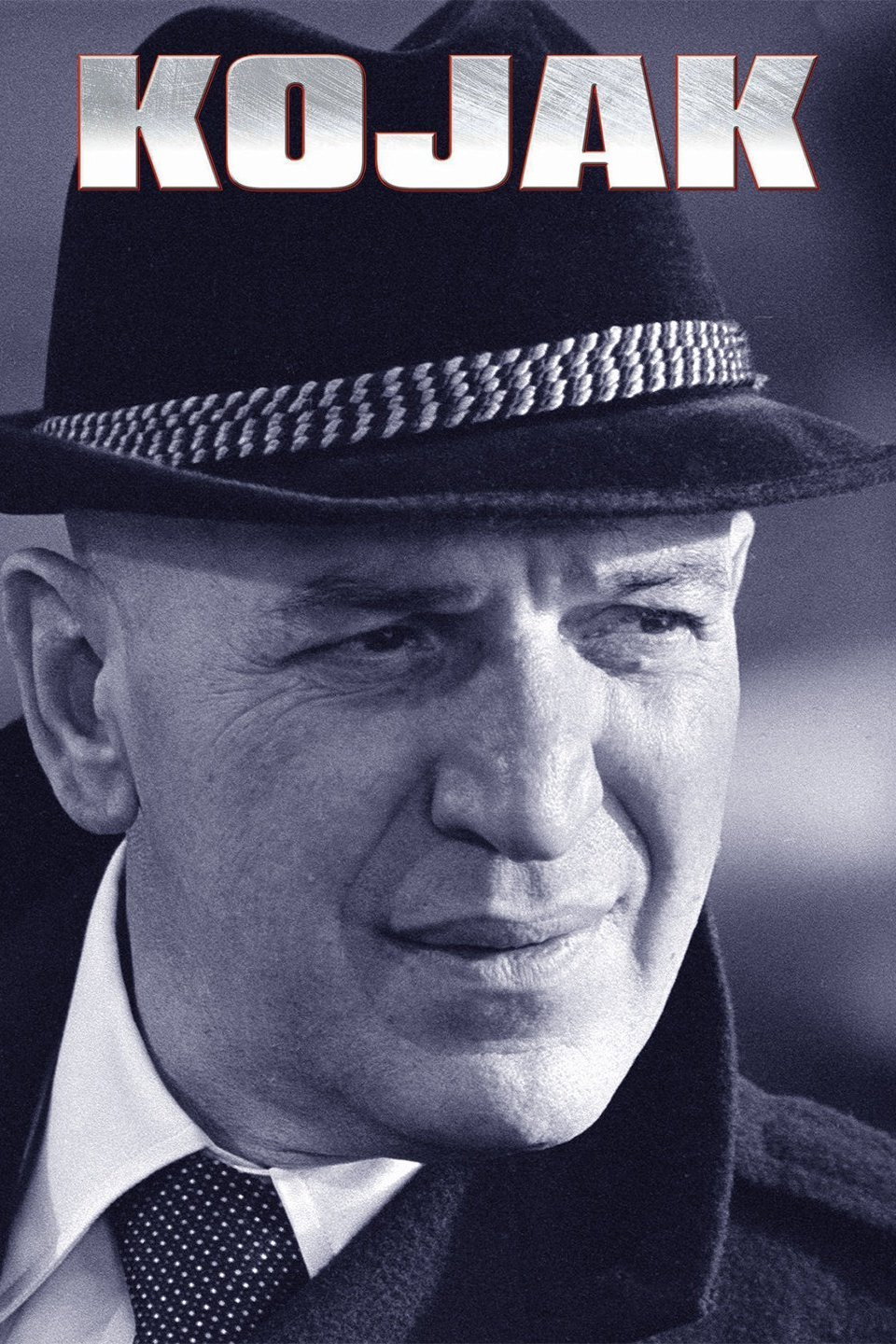
Roley directed episodes of numerous series, among them The Fugitive (1963), Mission: Impossible (1966), Combat!, The Man from U.N.C.L.E., Voyage to the Bottom of the Sea, Lost in Space, Starsky & Hutch, Kojak, Hawaii Five-O, Gunsmoke and Airwolf (1984), on which he also wrote an episode. He directed the feature films How to Steal the World (1968) and Chosen Survivors (1974), as well as several television movies.
Roley retired in the late 1980s and died in 2007.