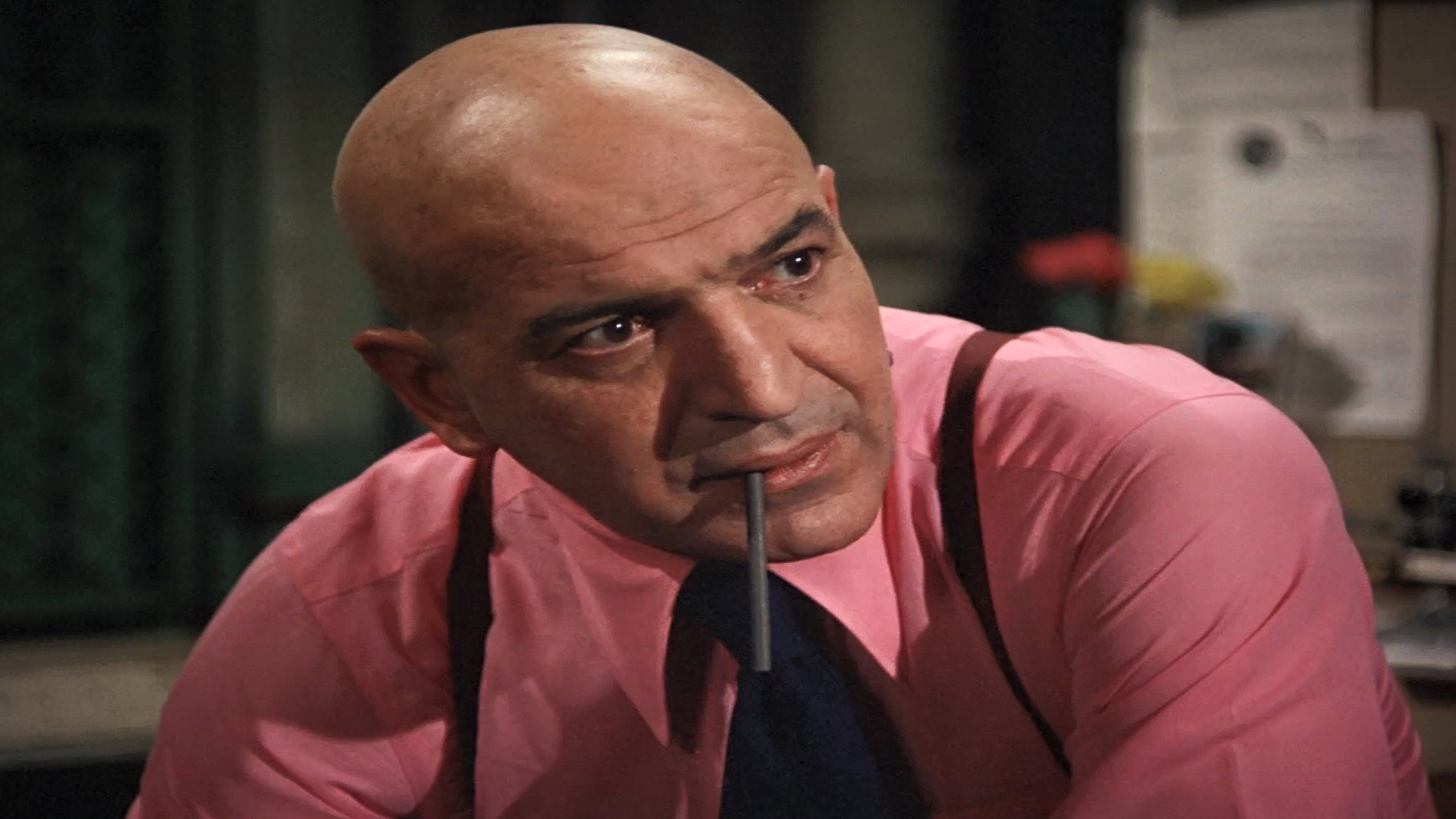
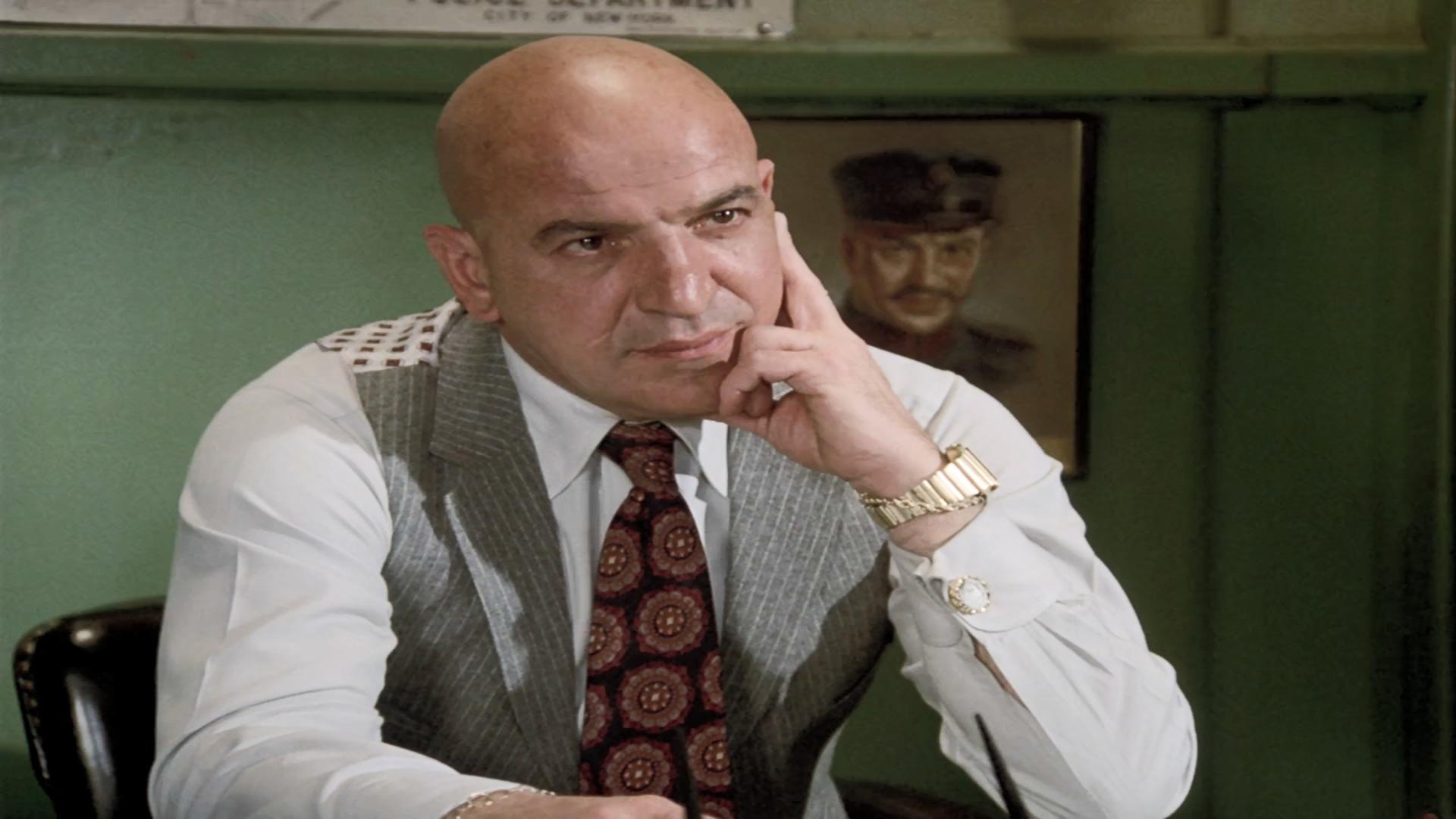
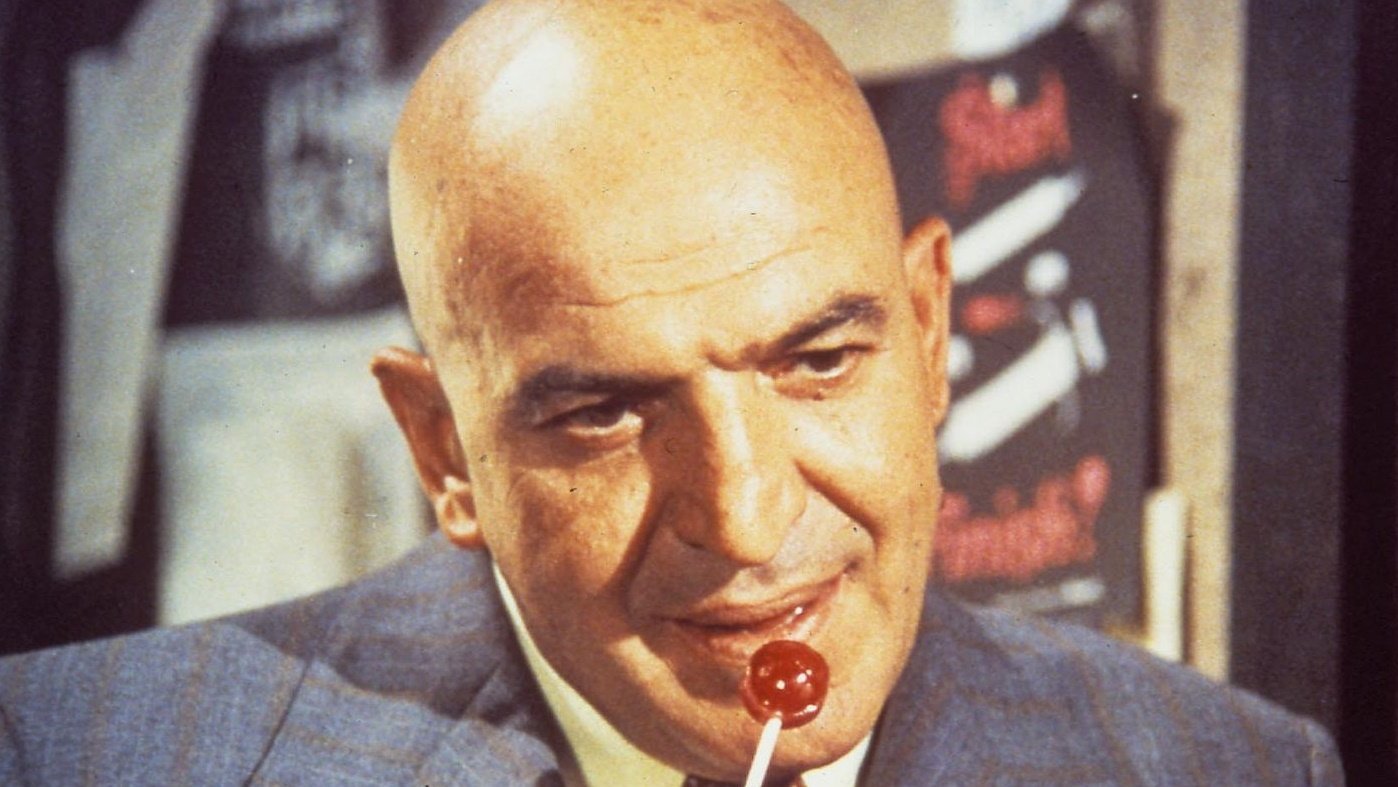
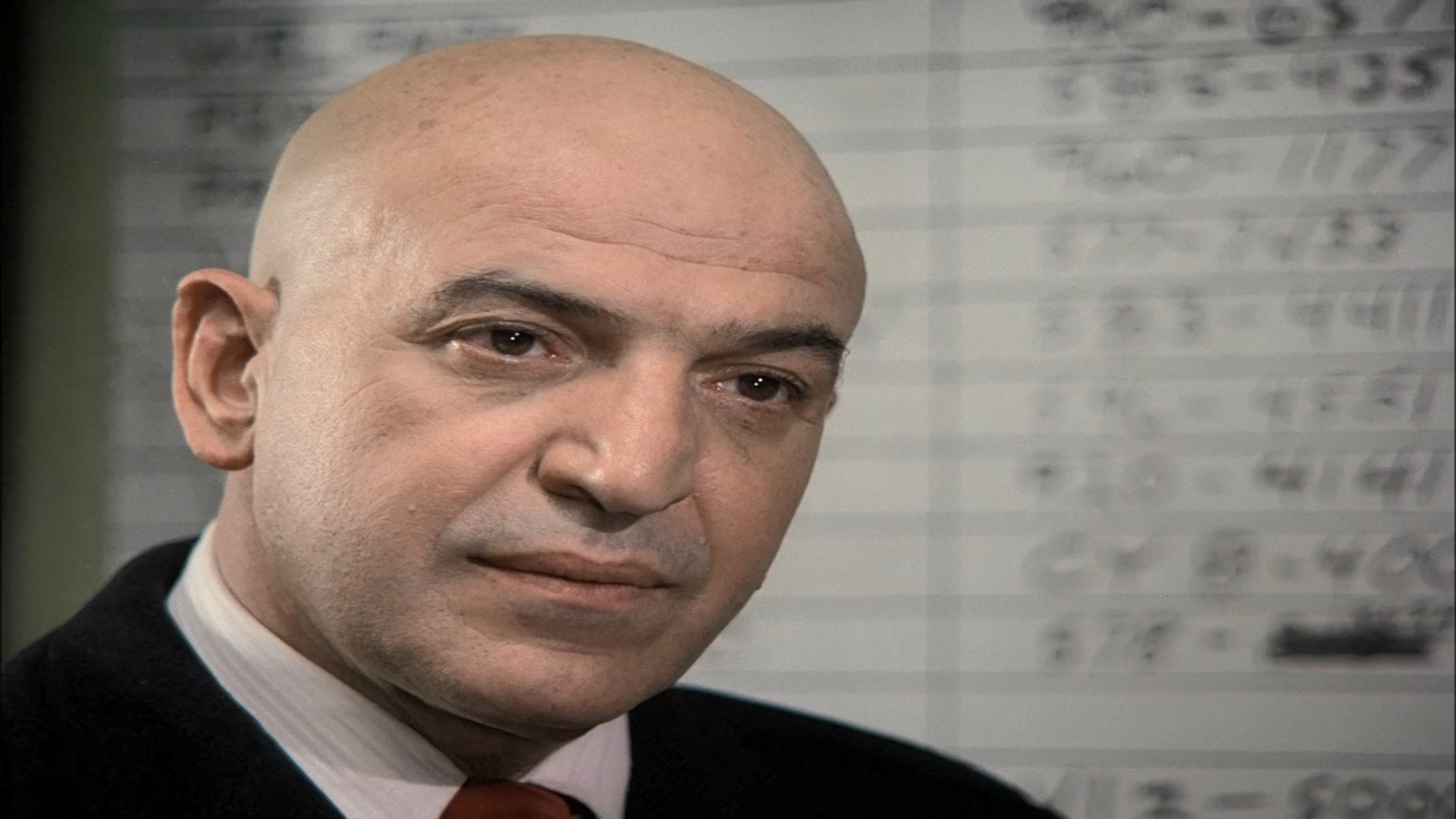
Telly Savalas makes Kojak worth returning to, and the street-level New York atmosphere gives him somewhere convincing to work. Some of the police drama has dated; the quiet charisma and moral complications have worn better.
Kojak is worth watching for Telly Savalas, but there is enough going on around him to reward more than an interest in its leading man. Abby Mann’s crime series puts a quietly commanding policeman into a grubby New York and gives him cases with some moral difficulty. We recommend it, with a caveat: its central policeman can be so reassuring that those difficulties lose some of their force. The street-level roughness is persuasive, though it does not make every police story feel less familiar.
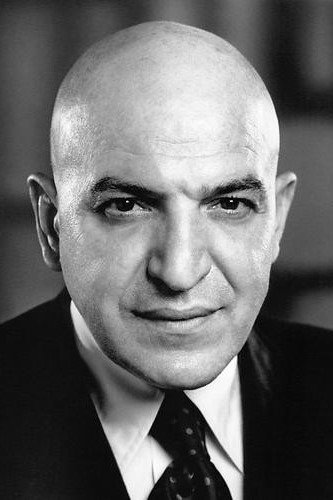
Telly Savalas plays Theo Kojak with a quietness that makes the suits and lollipops seem incidental, however readily they catch the eye. We were more absorbed than we expected, because that unforced authority makes the policeman worth watching even before a case has become interesting. There is humour in the contrast between the sweet and the job, but the performance does not depend on it. A more insistent actor would make the character’s recognisable habits exhausting; here we are happy to spend time with him.
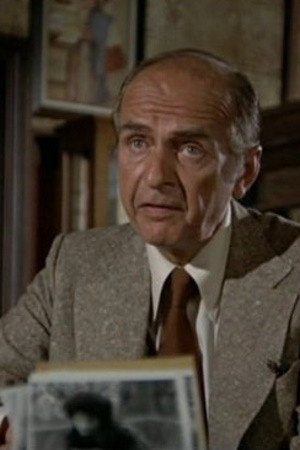
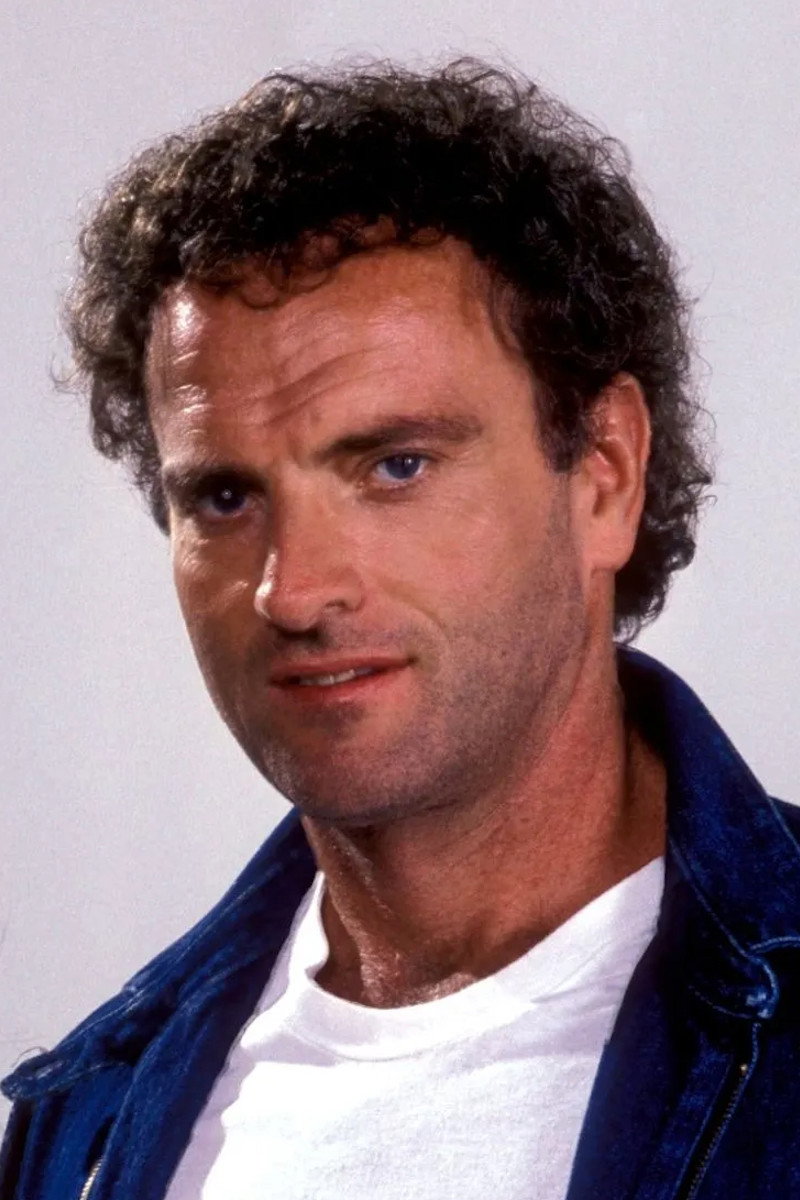
The supporting cast gives that pleasure some substance. Dan Frazer as Frank McNeill, Kevin Dobson as Bobby Crocker and George Savalas as Sgt. Stavros help the programme feel inhabited beyond its title character. We would not pretend that the balance is equal: Telly Savalas remains the main attraction. Still, their presence matters, because police work becomes less convincing when everyone around the lead seems to have been employed solely to receive instructions.
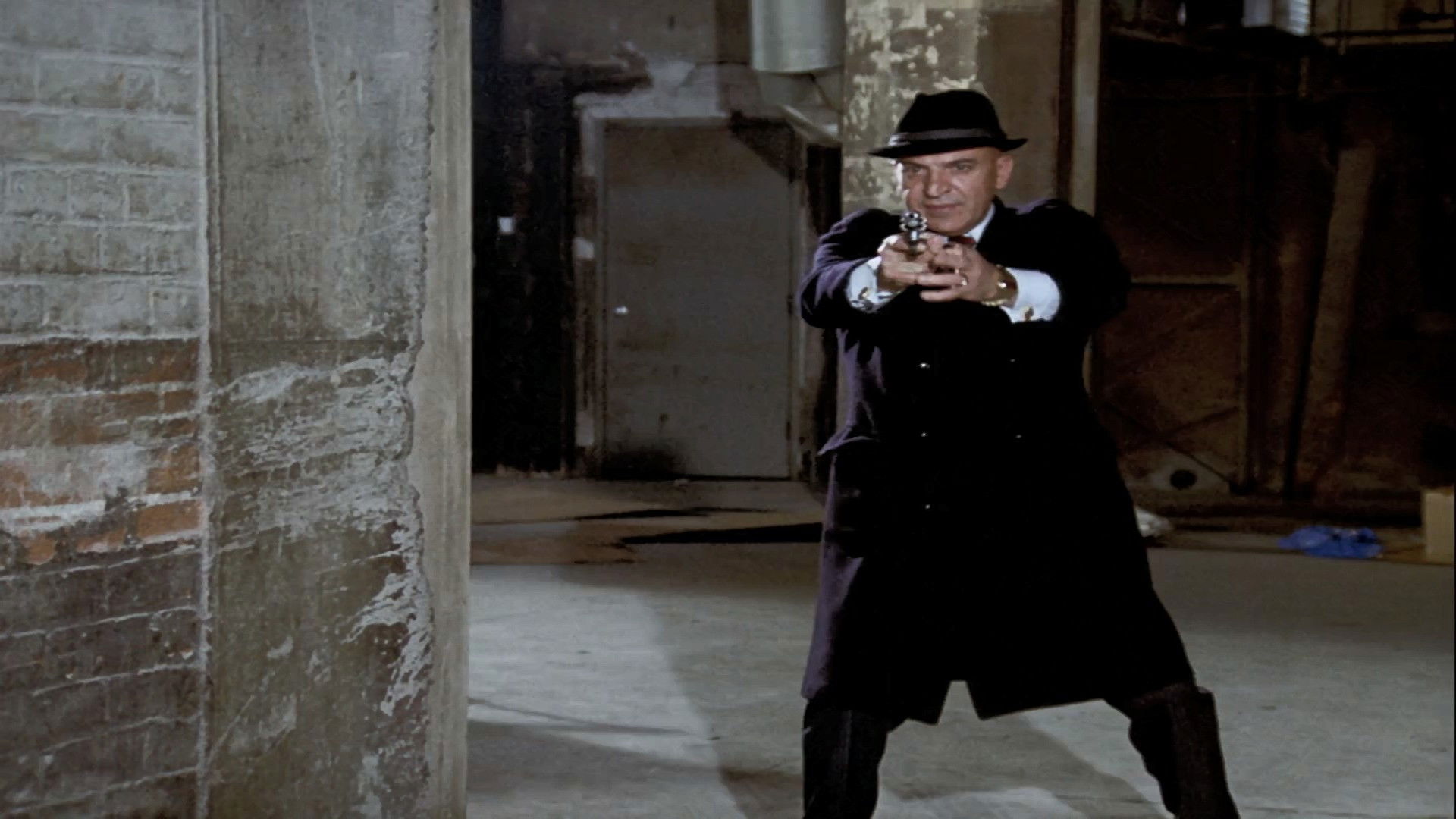
The New York atmosphere does considerable work, too, with cinematographers including Sol Negrin and Gerald Perry Finnerman contributing to the series. Its street-level photography gives the police stories a useful roughness, while the grubby production design prevents the smart suits from making everything look comfortable. We believe in the place before we have decided what we think of the case. That matters in a procedural, where the surroundings have to remain interesting even when the route through an investigation is familiar.
The lean episodes are another advantage, and editors including Louis San Andres and Richard Marks keep the storytelling direct. There is satisfaction in a programme willing to get on with an investigation instead of treating every piece of information as a grand revelation. John Cacavas supplies the music; we would put the acting and photography ahead of it among the reasons to return. The series is most persuasive when it allows the case and the people involved to occupy our attention without much ceremony.
The qualification is that a strong central performance can also make a difficult story too comfortable. Kojak has moral complications, but we sometimes find ourselves accepting its policeman’s authority more readily than considering the trouble in front of him. That is where the datedness shows most clearly for us, rather than in the clothes or the pace. Abby Mann’s creation offers enough uncertainty to be interesting, although we would welcome more occasions when the star’s confidence failed to settle ours.
There is no need to treat this as a historical assignment, or excuse its shortcomings simply because it comes from 1973. The attraction remains straightforward enough for anyone who enjoys a police procedural. We would start with an episode and let Telly Savalas make the case for another. Leave a little time between them if the reassuring familiarity begins to outweigh the interest in the crime.