Charles S. Dubin served television scripts carefully and sometimes found an unexpected way to film them. We value his work on MASH*, particularly its ability to make comedy and suffering belong in the same programme.
Fi1m perspective
In the MASH episode Point of View* (1978), the camera takes a wounded soldier's viewpoint and stays there. We felt exposed watching it because we could see only what the wounded man could see. Charles S. Dubin's direction makes that restriction count: it changes how we watch a programme whose comedy might otherwise put us at ease. It is a useful introduction to a director who usually served somebody else's writing, yet could find room in the assignment to try something different.
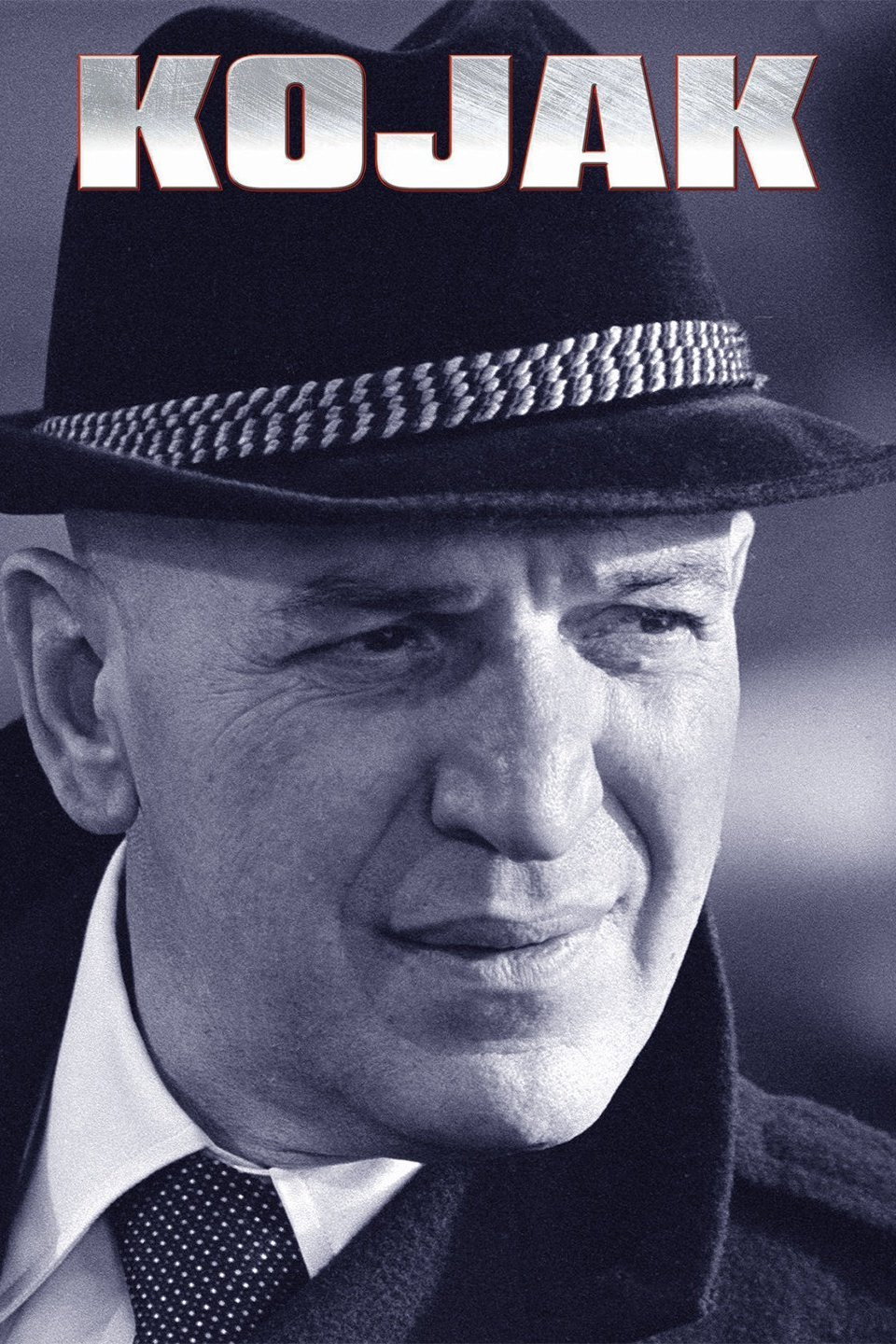
The early work was in live anthology and music television in the 1950s. His credits also include Cinderella (1965), the Rodgers and Hammerstein musical starring Lesley Ann Warren, and the crime series Kojak (1973). There is little use in pretending that these assignments all express one private obsession. Dubin's writer-focused approach offers a more useful explanation: decide what the audience needs to understand, then choose the pictures, sounds and performances that will convey it.
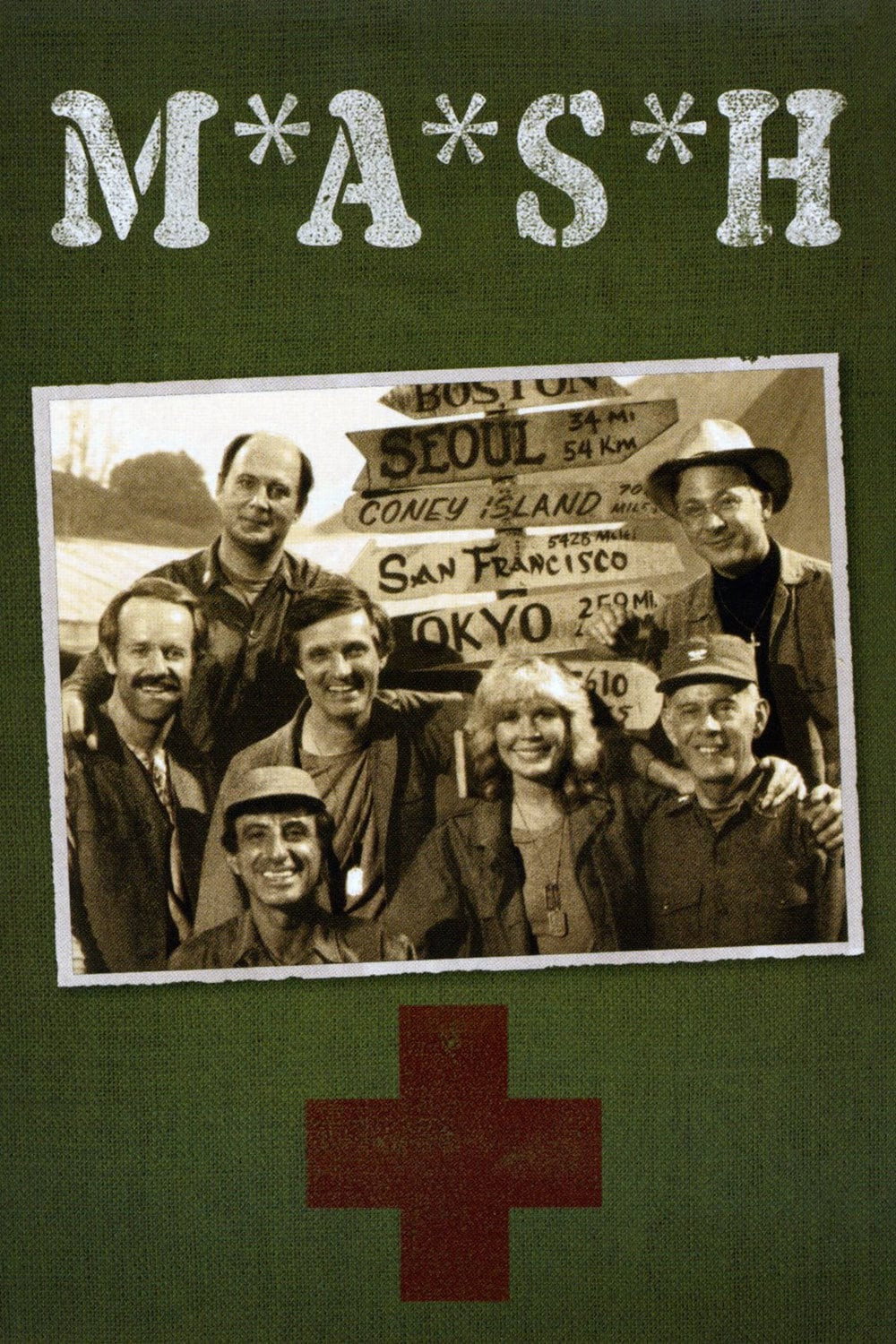
MASH* (1972) gives us the clearest basis for judging him: he directed 44 episodes between 1976 and 1983, more than any other director. The humane war comedy we recommend rests on an ensemble led by Alan Alda, and Dubin's ability to move between humour and distress suits it. His collaborators included producers Gene Reynolds and Burt Metcalfe. We should not give him sole credit for what works in a programme built by so many people, but that sustained contribution matters.
Our affection for MASH does not excuse its dated jokes or its occasional lectures. Those habits can make the programme less funny and less persuasive, however carefully an episode has been directed. We prefer the approach of Point of View*, which asks us to understand a predicament through where Dubin puts the camera. Start there, then give the ensemble time; forgive the occasional speech if the people delivering it have earned the patience.
Biography
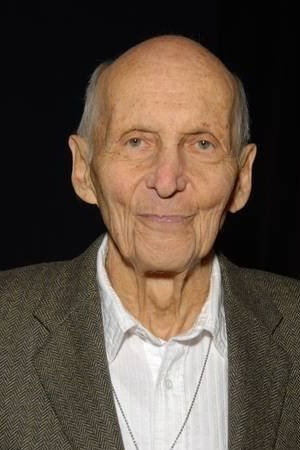
Charles S. Dubin was an American television director. Born Charles Samuel Dubronevski on 1 February 1919 in Brooklyn, New York, he trained as an opera singer, studied at the Neighborhood Playhouse in Manhattan and appeared in stage productions and on Broadway before moving into television in the early 1950s.
He directed episodes of numerous series, including The Defenders, Hawaii Five-O, Kojak, Lou Grant, Matlock and Murder, She Wrote. He directed 44 episodes of MASH* (1972) between 1976 and 1983, more than any other director on the series, and received three Primetime Emmy nominations for his work on the show. In 1958 he was subpoenaed by the House Un-American Activities Committee, refused to testify and was subsequently blacklisted.
Dubin retired in 1991 after directing episodes of Father Dowling Mysteries. He won a Daytime Emmy for directing on Square One Television. He died on 5 September 2011 in Brentwood, Los Angeles, California.