Larry Gelbart’s MASH* is a funny, humane war comedy with a few stubborn blind spots. Alan Alda leads an ensemble worth getting to know, provided we can forgive the dated jokes and occasional lectures.
Larry Gelbart’s MASH* is funny, humane television, worth the occasional stale joke and the more irritating occasions when it explains its own decency. Its Korean War setting puts people who can save lives inside an organisation that keeps sending them casualties. The comedy comes from their attempts to do the work without accepting all the rules that surround it. That is a durable basis for a series, and the pleasure is in how differently these people respond to the same pressure.
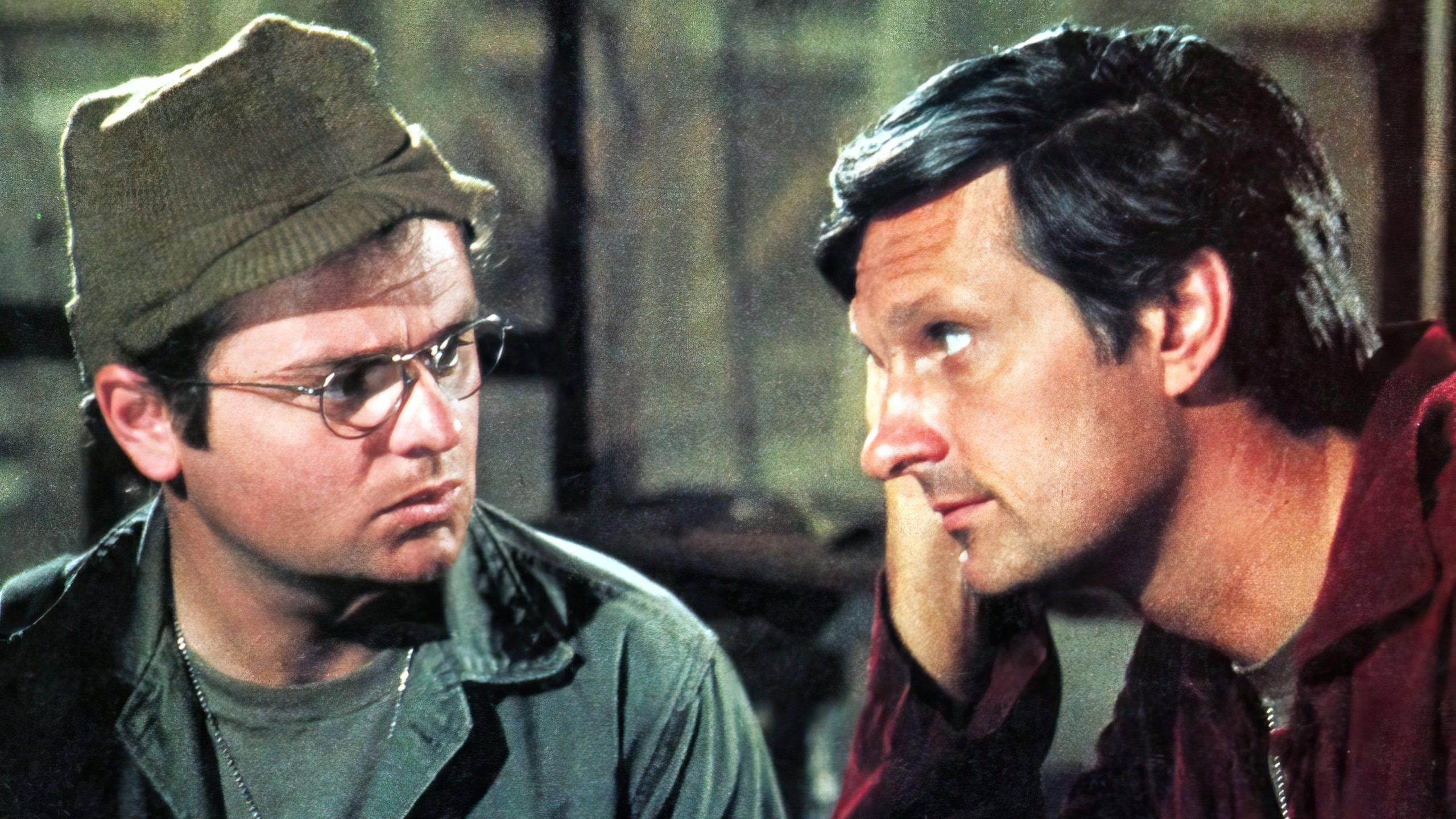
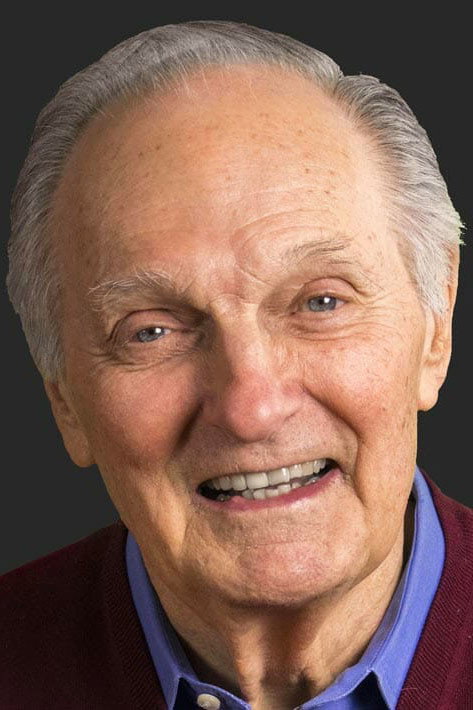
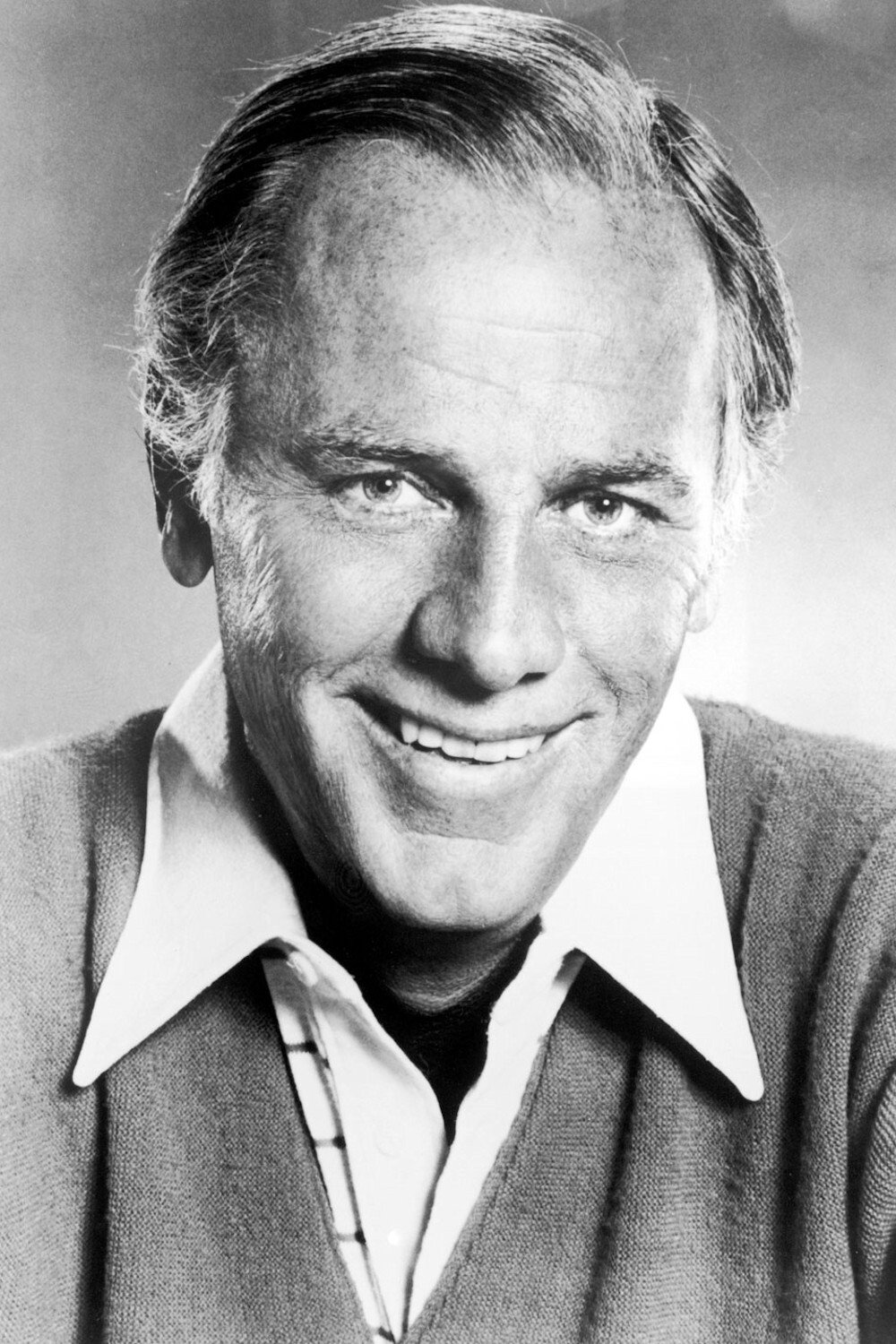
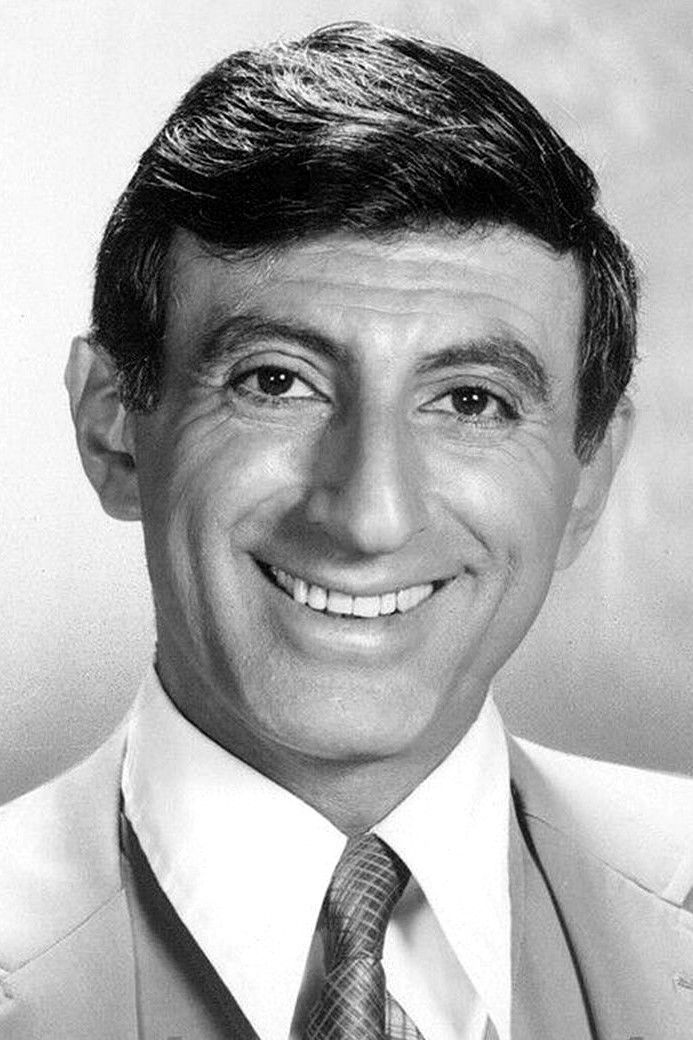
Alan Alda gives Hawkeye Pierce the charm required to make persistent insubordination enjoyable, though he sometimes enjoys being right a little too visibly. The delivery is quick, but the face can register fatigue before the next line has arrived. We were moved by those brief lapses in his cheerfulness, because the effort of keeping everyone amused suddenly becomes visible. Wayne Rogers, as Trapper, makes a useful companion: the banter feels shared rather than merely supplied for the leading man.
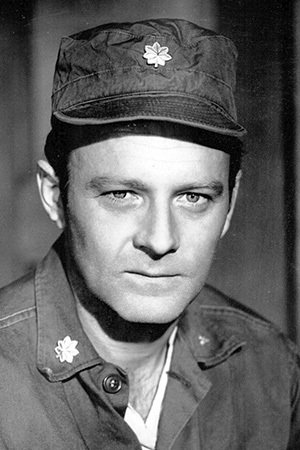
McLean Stevenson finds something endearing in Henry Blake’s difficulty with authority, including his own. Larry Linville has a tougher assignment as Frank Burns, who too often seems to have entered the scene solely to lose an argument. Loretta Swit gives Margaret Houlihan a firmness that deserves more than being treated as an obstacle to the men’s fun. The jokes at her expense can make the programme’s generosity look rather selective.
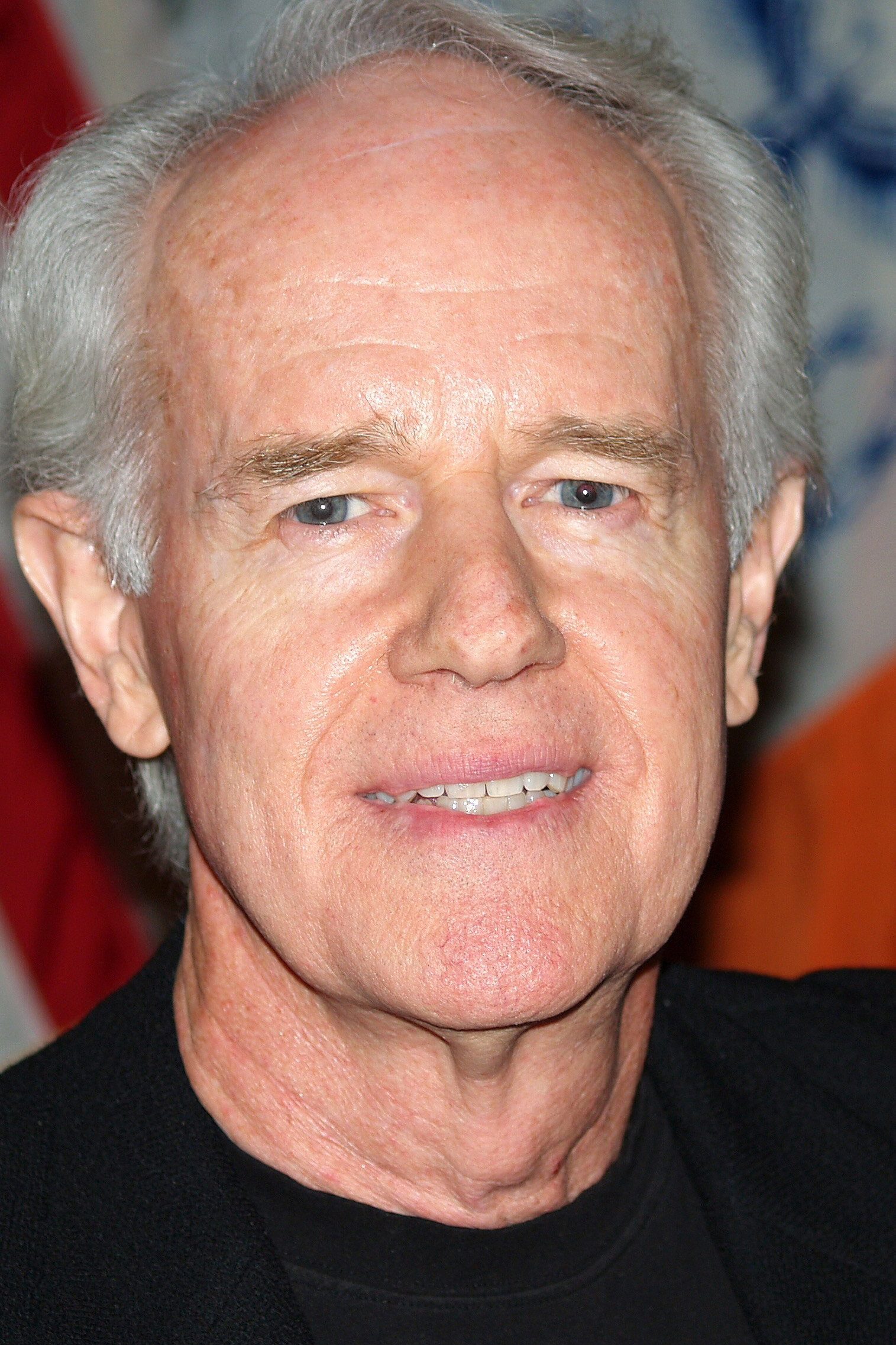
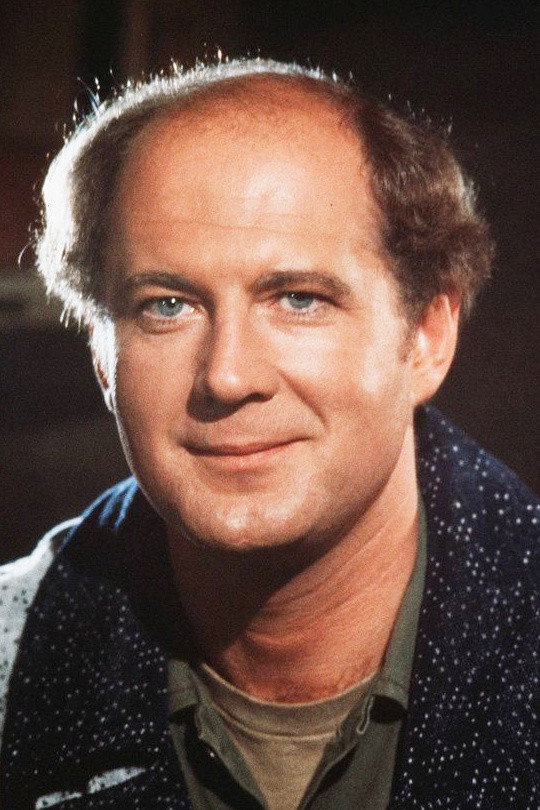
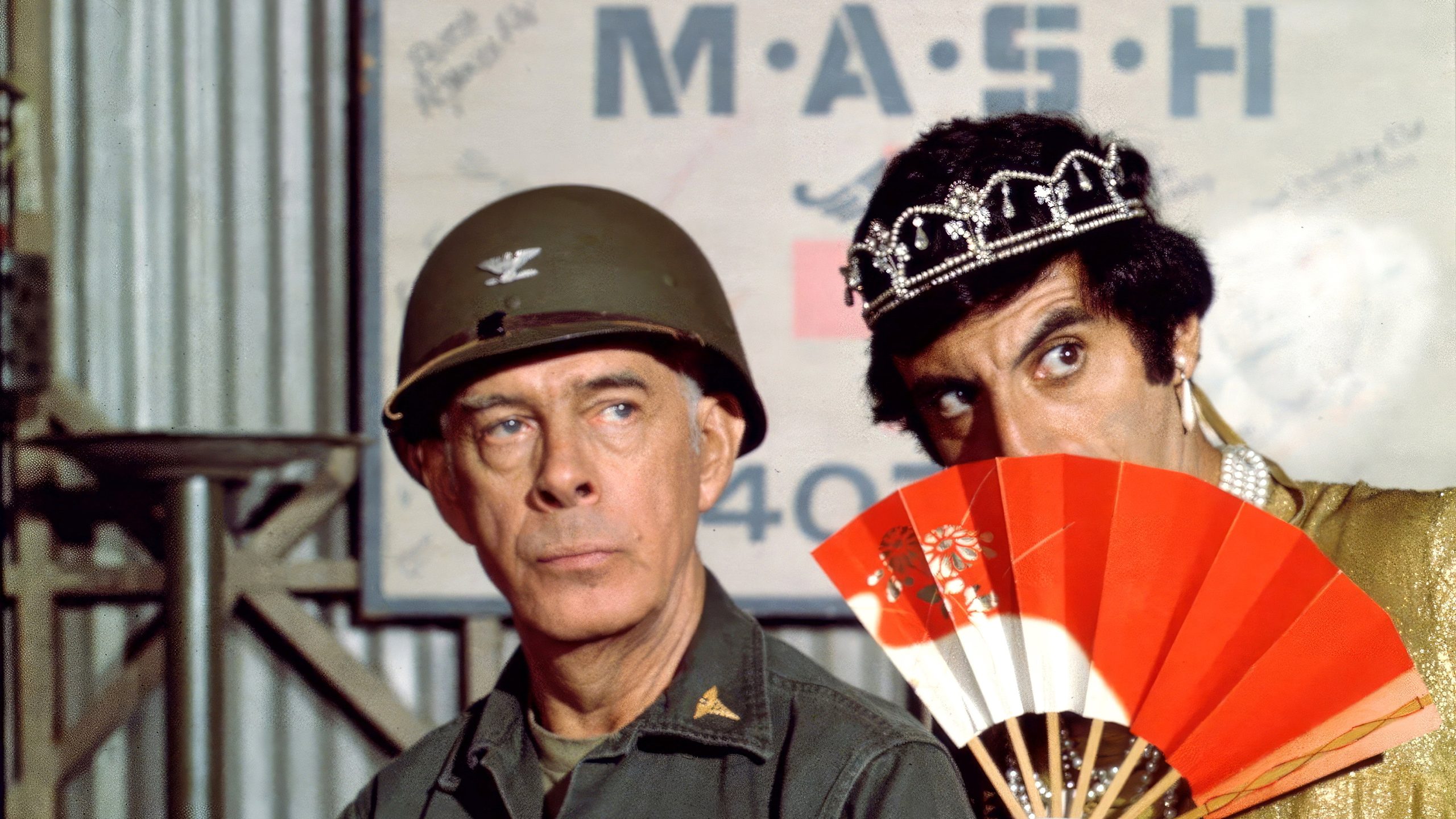
Mike Farrell’s B. J. Hunnicutt offers a quieter kind of company, and David Ogden Stiers gives Charles Winchester enough intelligence to make disagreement worth hearing. Harry Morgan’s Sherman Potter brings steadiness without draining the comedy from a scene. These performances matter to a series that gradually lets its people become more complicated than their first joke suggests. The tenderness is most persuasive when it comes from their dealings with one another, without a speech explaining why we should care.
The visual approach, with William B. Jurgensen among the cinematographers, is plain enough to seem negligible until we notice how much of the comedy depends on watching several people at once. It serves the performances without making the war inviting to look at. Stanford Tischler’s editing gives the answering look its place alongside the spoken joke, so the exchanges feel conversational even when the lines are carefully arranged. Johnny Mandel’s music supplies a melancholy that sits usefully beneath all this compulsive good humour.
Less persuasive is the habit of stopping to deliver the lesson. Alan Alda can give a reprimand conviction, but when Hawkeye Pierce is allowed the last word too insistently, a conversation begins to feel like an address. For a comedy so alert to the absurdity of being ordered about, it can be surprisingly bossy about the correct response. The writing is better when another character can puncture that certainty, and the ensemble is strong enough to do so without derailing the scene.
As a war comedy, it is unusually affectionate towards the people it mocks. That can soften its anger, but it also gives the jokes people worth returning to across eleven seasons. The patience pays off in the growing familiarity of these performances, rather than any obligation to admire a celebrated programme. Give it a little patience; the company is worth getting to know.