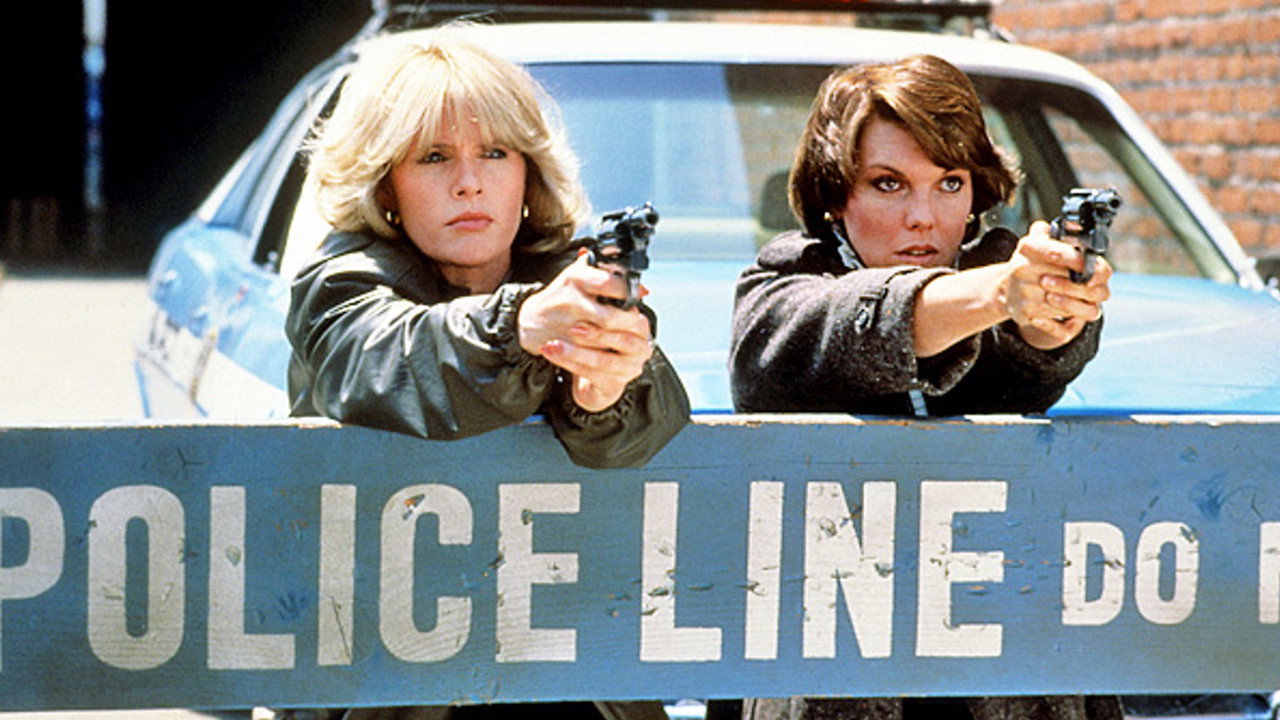
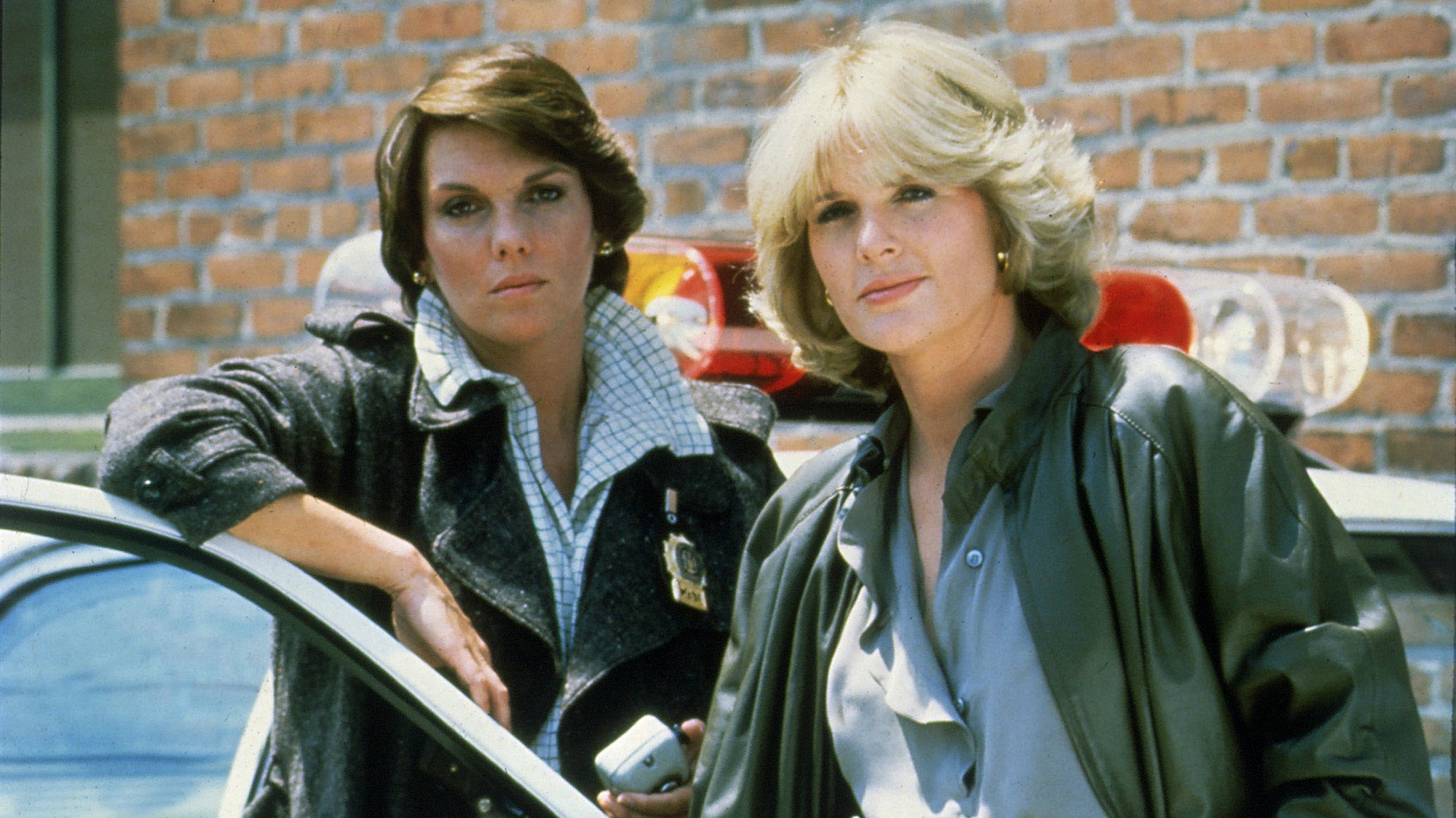
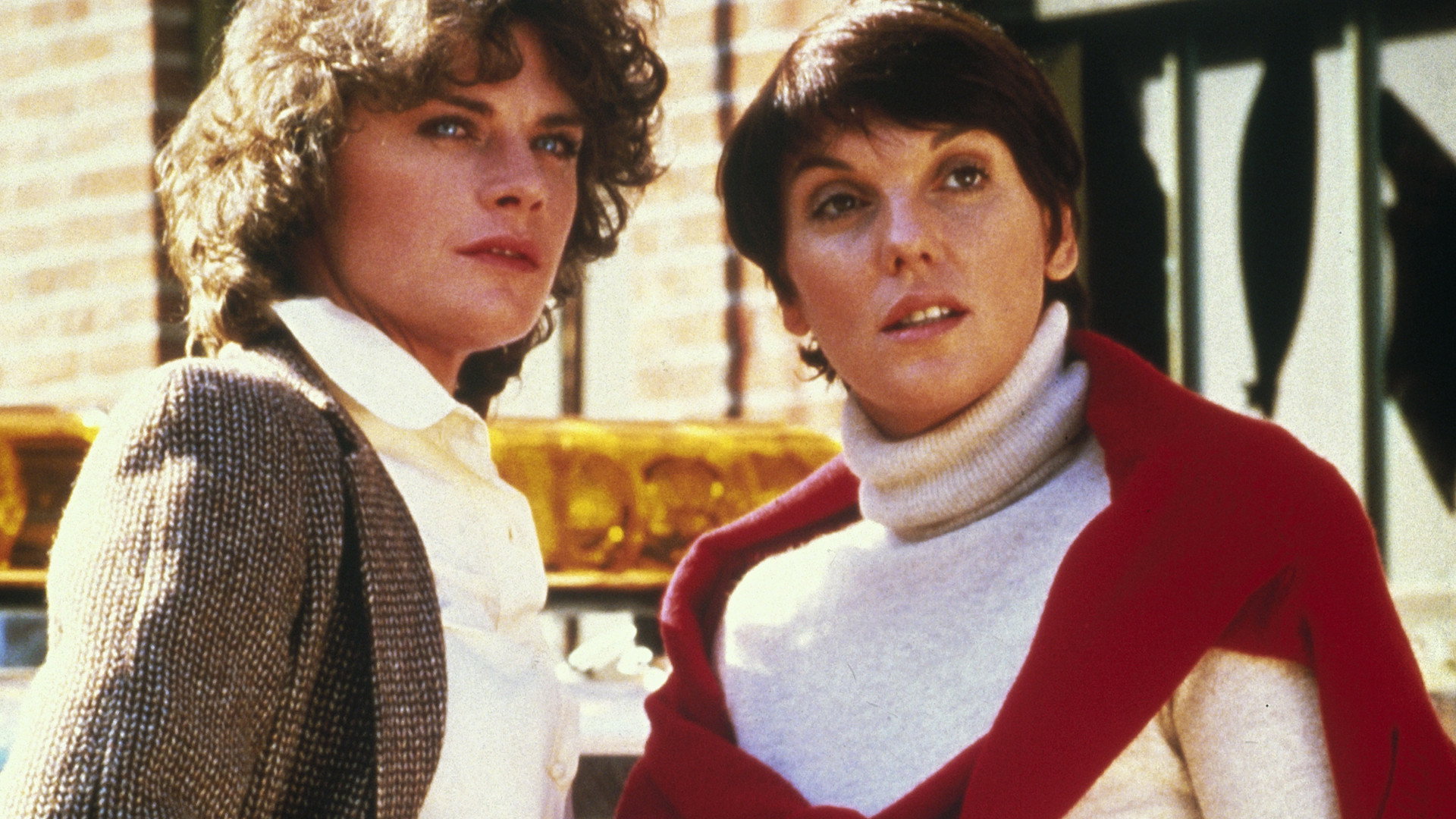
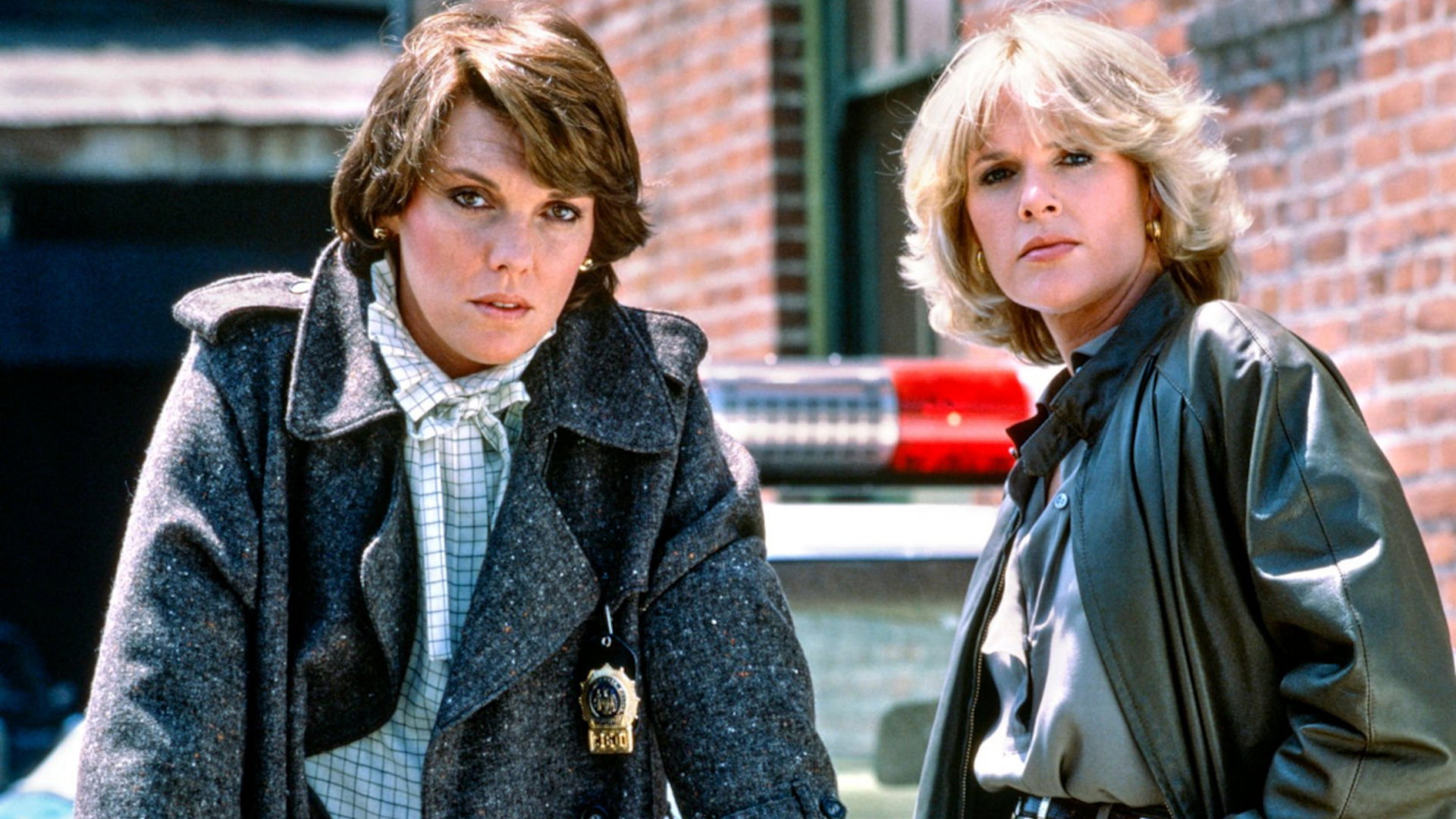
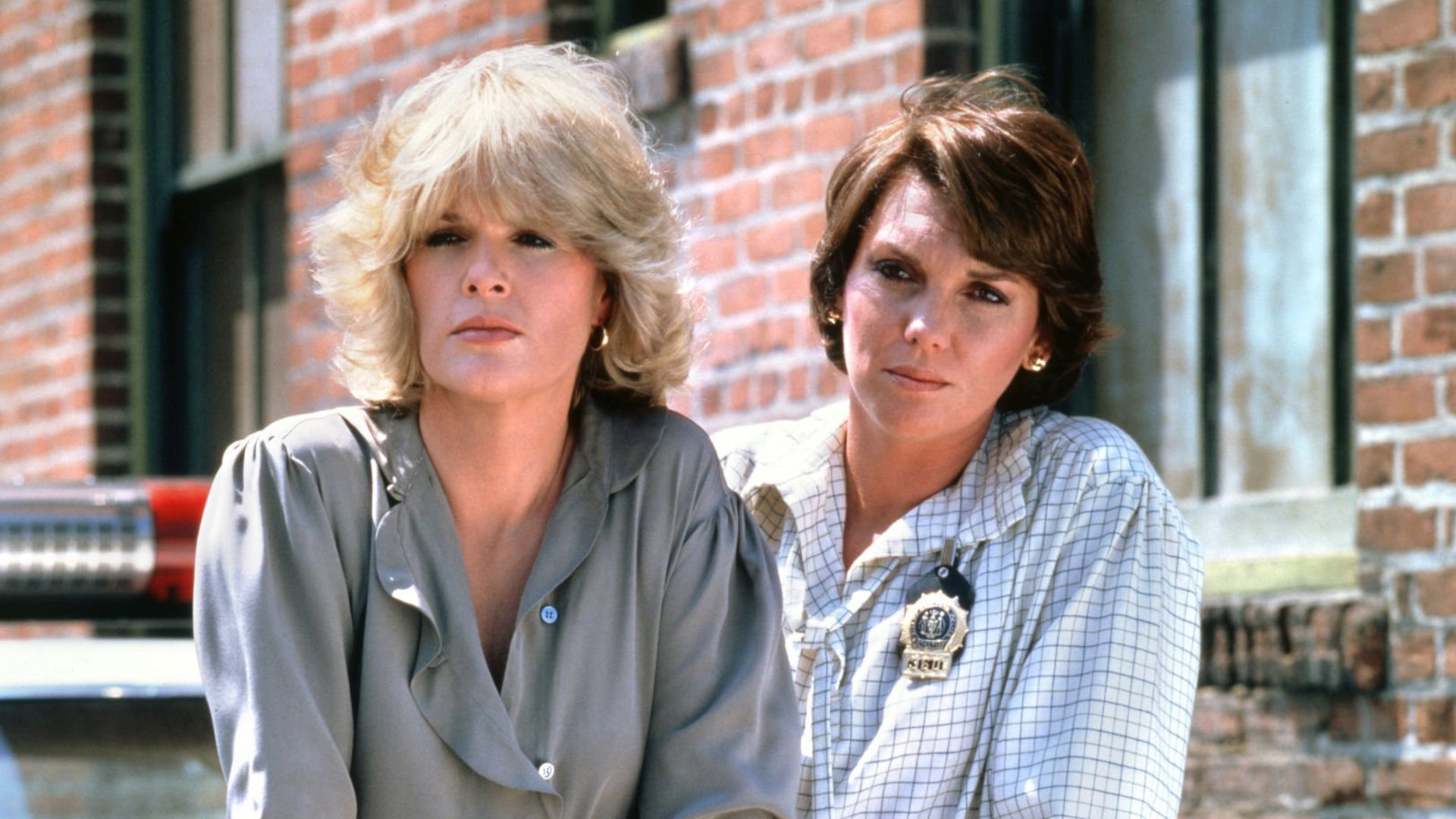
Tyne Daly and Sharon Gless make this police drama worth returning to for its friendship. The cases can be routine and the presentation plain, but the two women remain persuasive company.
Cagney & Lacey is good company, even when the police work feels routine. Created by Barbara Avedon and Barbara Corday, it puts two women at the centre of a crime drama and gives their relationship enough importance to sustain our interest between investigations. We recommend it for that relationship, with some patience required for the familiar procedural business. The attraction is getting to know people whose working lives require more effort than the recognition they receive would suggest.
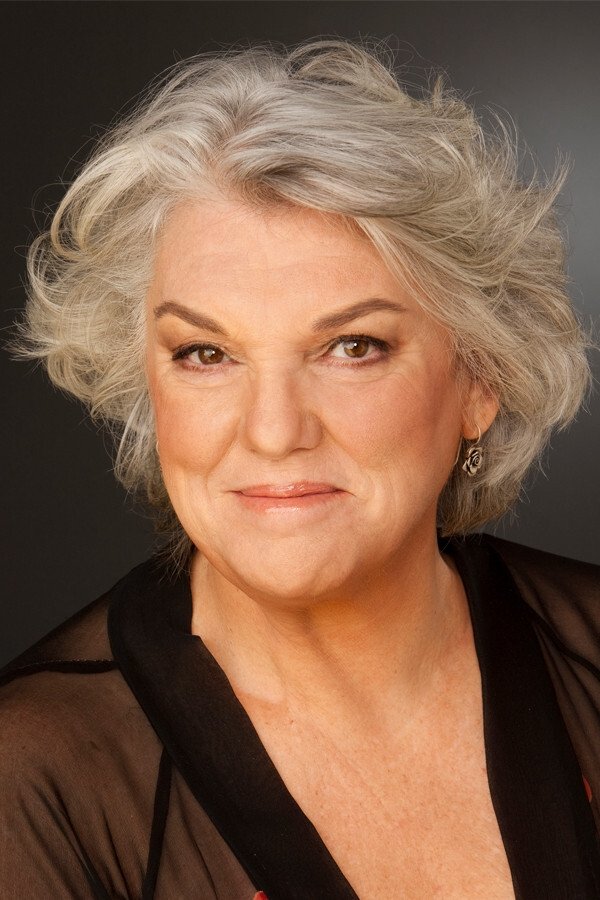
Tyne Daly’s Mary Beth Lacey is the strongest reason to give it that time. There is an everyday solidity to the performance that makes the character worth watching without requiring a crisis to announce her importance. We believe in her, and that belief carries a good deal of the more ordinary material. The programme benefits from having a lead who can hold our attention when the investigation itself offers few surprises.
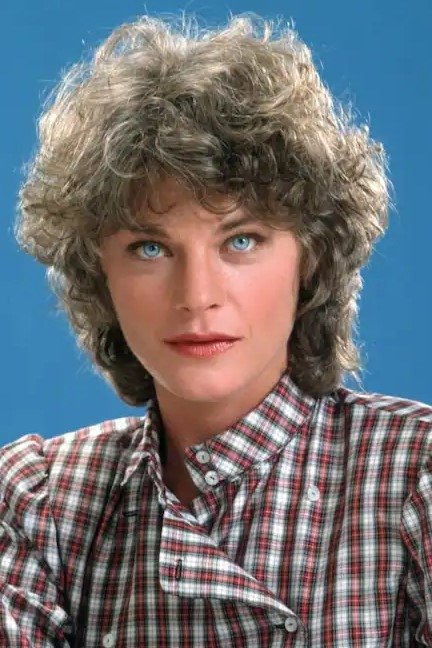
Sharon Gless makes Christine Cagney feel sufficiently distinct that the partnership has something to work with beyond shared employment. We were moved by the affection between these women. The two performances make being heard by a colleague seem important, and their interest in each other gives the friendship a warmth that no amount of worthy subject matter could supply. It is a pleasure to watch women take each other seriously without having to become solemn about it.
That is also where the feminism becomes useful drama. The premise acknowledges unequal recognition, but the leads are allowed enough individuality to keep them from becoming a pair of exemplary employees presented for our approval. They need not be admirable every moment to deserve attention, and the programme is more engaging when it trusts that. Its interest in women doing a job gives us something to care about beyond the question of who committed the crime.
Héctor R. Figueroa’s cinematography is serviceable, and we would not put the pictures ahead of the performances as a reason to watch. Richard Fetterman’s editing serves the exchanges between the characters more satisfyingly than it generates urgency around the cases. The music credits include Shirley Walker and Mark Snow, though the scoring makes less impression than the acting. At 45 minutes, an instalment has enough room for the leads to hold our interest, but also for us to notice when the plotting is merely doing its required business. A little more pace would help those stretches.
A crime series can offer a difficult puzzle, sustained danger or the pleasure of recognising the people who turn up to work each week. This one is strongest at the last of those, and we would return for its leads without needing to be told why they matter to television history. Some patience with routine police business is part of the bargain. Try it when getting to know two people appeals more than being kept guessing.