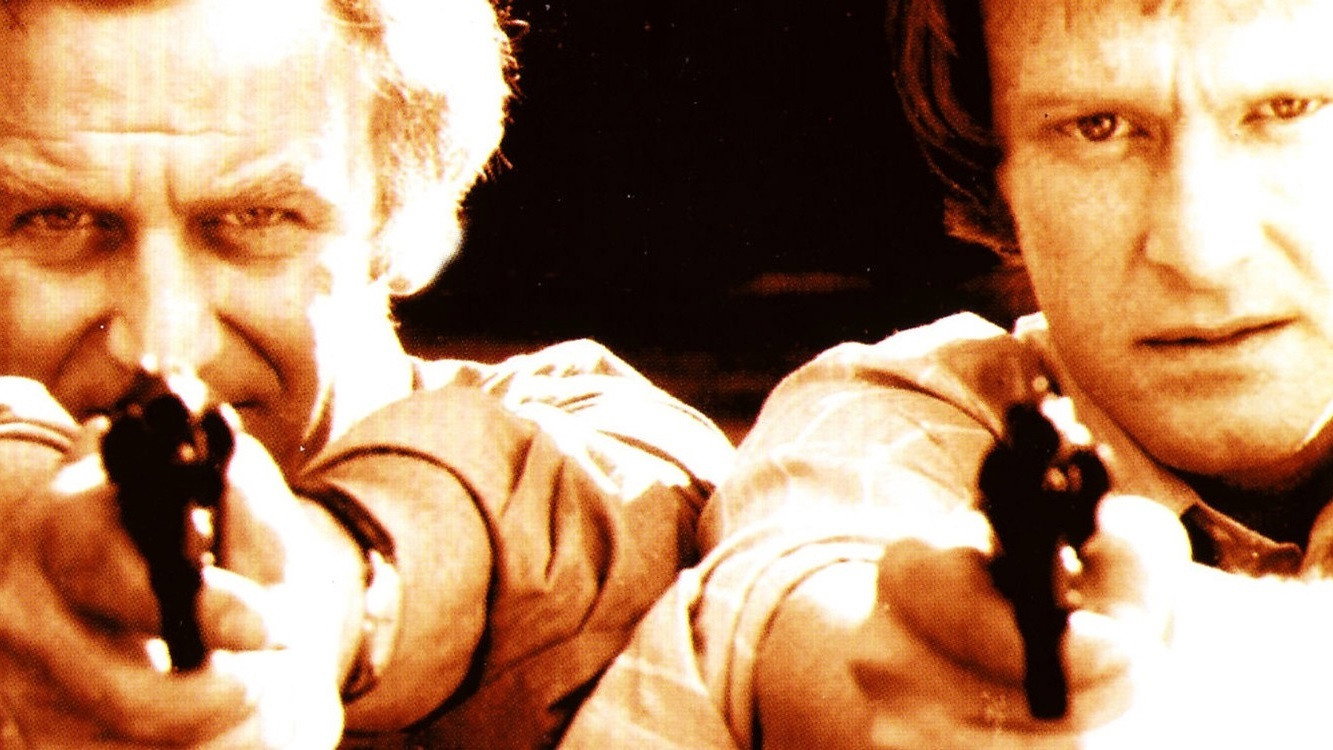
John Thaw and Dennis Waterman make The Sweeney forceful, funny crime television, helped by its drab London locations. The violence has weight; the programme is sometimes too fond of the men inflicting it.
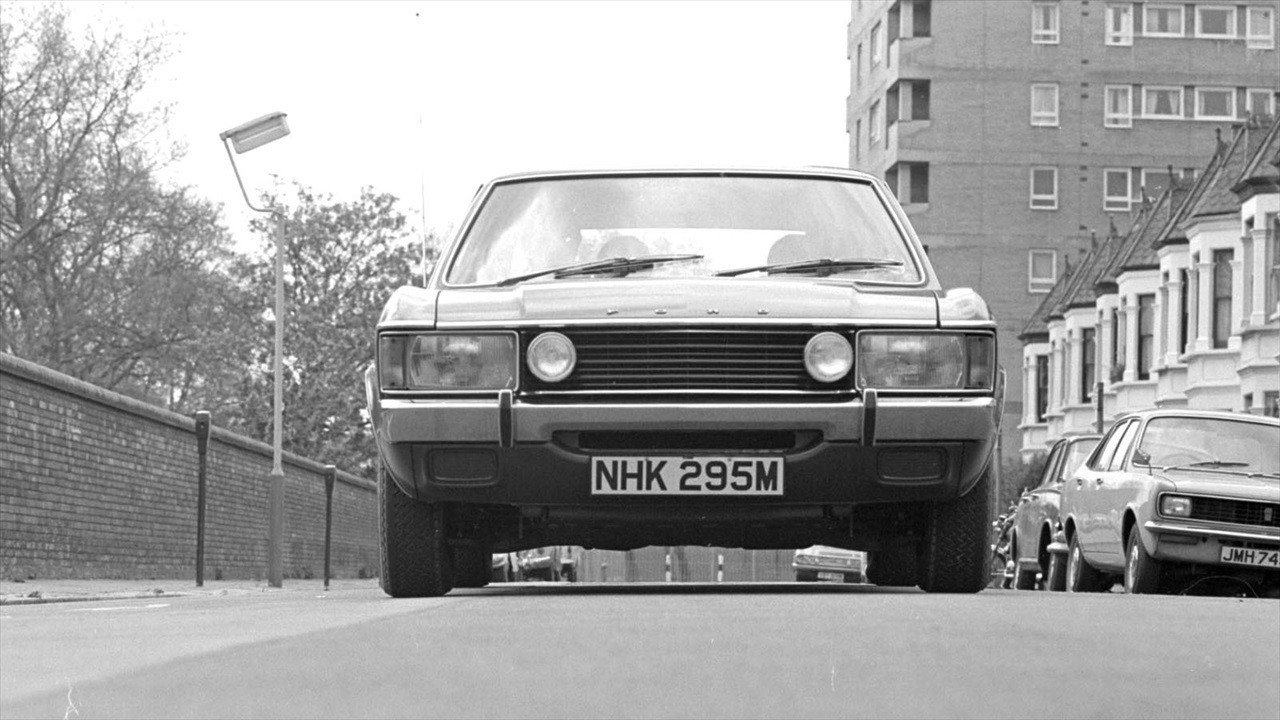
The Sweeney is gripping police television, though it indulges its detectives more often than it should. Created by Ian Kennedy Martin, it puts Regan and Carter’s rule-breaking close enough to their comradeship that separating our pleasure from our objections takes work. The London of the 1970s matters here: drab locations give the aggression an everyday setting, rather than somewhere conveniently distant from ordinary life. The detectives look at home in those streets.
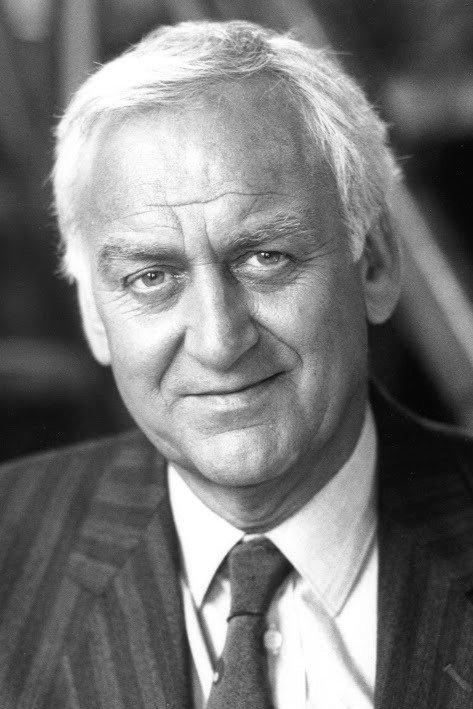
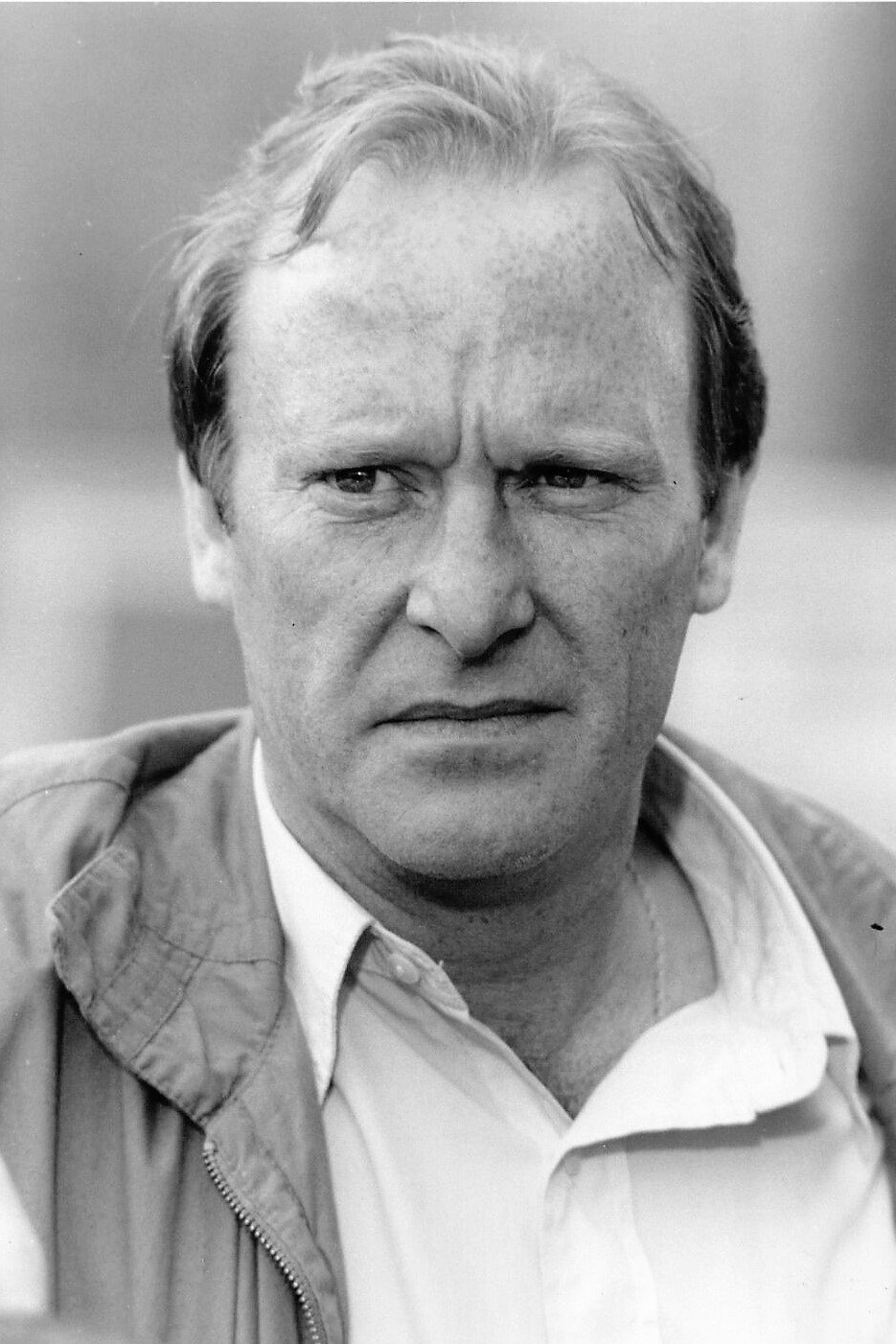
John Thaw plays Det. Insp. Jack Regan with the force needed to make his impatience compelling. Dennis Waterman, as Det. Sgt. George Carter, makes the partnership feel companionable without smoothing away its roughness. We warmed to them, then felt uncomfortable about how readily that warmth softened our judgement of their violence. Their loyalty gives the programme much of its feeling, and the performances persuade us that these men would seek each other out even without a job to do.
The 16mm location filming supplies much of the force. Cinematographers Michael J. Davis, Roy Pointer, Dusty Miller and Norman G. Langley give the drab London surroundings enough presence to compete with the actors. The grain helps those streets feel used rather than arranged for an important confrontation. There is pleasure in looking at this unwelcoming city, and the photography makes that pleasure possible without prettifying it. The locations keep the detectives’ swagger from taking over every part of the picture.
Directors including Tom Clegg and Douglas Camfield give the confrontations a bluntness that suits the material. The violence feels unpleasantly physical, with little invitation to admire anyone’s technique. Editors Peter Delfgou, Ian Toynton, Chris Burt and John S. Smith keep the action readable and the exchanges brisk, so the roughness does not become an excuse for slack storytelling. That pace is an asset, although it can also carry us past questionable behaviour before we have had time to object.
Garfield Morgan’s Det. Chief Insp. Frank Haskins gives official authority enough weight to matter alongside the more immediately appealing partnership. Regan is still an inspector in a hierarchy, however much his behaviour suggests he would prefer otherwise. Morgan keeps that fact present without needing to compete with the leads for force of personality. The programme benefits from having someone whom their camaraderie need not persuade.
The weakness is the fondness for familiar misconduct. Hard drinking and rule-breaking can tell us something about the work, but they can also become comforting habits for a programme and its audience. Writers including Richard Harris and Trevor Preston understand the appeal of these men, but the programme sometimes accepts their excuses too easily. In the weaker passages, being fond of Regan is supposed to settle too much. His certainty can become wearing.
As police drama, it is strongest when friendship complicates our response to what the detectives do. It is funny enough, and the acting sufficiently alert, that the moral discomfort seldom makes the programme heavy going. There is ample reason to spend time with these men, with a little caution about adopting their view of the job. Watch for John Thaw and Dennis Waterman; keep a few objections handy.