Douglas Camfield made television science fiction frightening through atmospheric lighting and careful casting. We rate his work highly, though the stubborn pacing of Doctor Who remains a reason to approach the programme with patience.
Fi1m perspective
In Douglas Camfield's Doctor Who (1963), the lighting helps make unlikely dangers feel serious. Inferno (1970) and The Seeds of Doom (1976) show his preference for science fiction that can also work as horror. We found Inferno unsettling because its sinister atmosphere makes the prospect of catastrophe feel oppressive. Camfield understood how much these stories needed that conviction, and we rate his ability to sustain it.
He began directing the programme in 1964, and his first full solo serial, The Crusade (1965), was a historical story. The twelve parts of The Daleks' Master Plan (1965–66) demanded a different kind of control: keeping a long, complicated production moving. Camfield's reputation for organising shoots with military precision is useful context, but it is not in itself a reason to watch. The point is what that preparation allowed him to attempt, particularly when a serial needed substantial action and effects.
The casting matters just as much as the lighting. Camfield chose Nicholas Courtney for Lethbridge-Stewart in The Web of Fear (1968), giving the programme an actor and character it would keep returning to. That choice suits a programme we value for performers who make absurd situations matter, with the Doctor's changing temperament keeping the adventure interesting. The qualification belongs to the programme as a whole, too: its pacing can be stubborn, and allowing characters time to talk does not always justify the time they take. We recommend it, but not on the promise that it will hurry.
The Seeds of Doom was his final Doctor Who serial. Beyond that programme, he worked on The Sweeney and Blake's 7, with Ivanhoe (1982) among his later credits. His reputation remained tied to popular series, despite his interest in feature films. That is no reason to underrate the practical skill of directing actors, action and effects across a long serial. Start with The Web of Fear for the casting, or The Seeds of Doom if the evening could use something sinister.
Biography
Douglas Camfield (8 May 1931 – 27 January 1984) was a British television director. He is best known for directing numerous episodes of Doctor Who between 1964 and 1976, including The Crusade, The Time Meddler, The Daleks' Master Plan, The Web of Fear, The Invasion, Inferno, Terror of the Zygons and The Seeds of Doom.
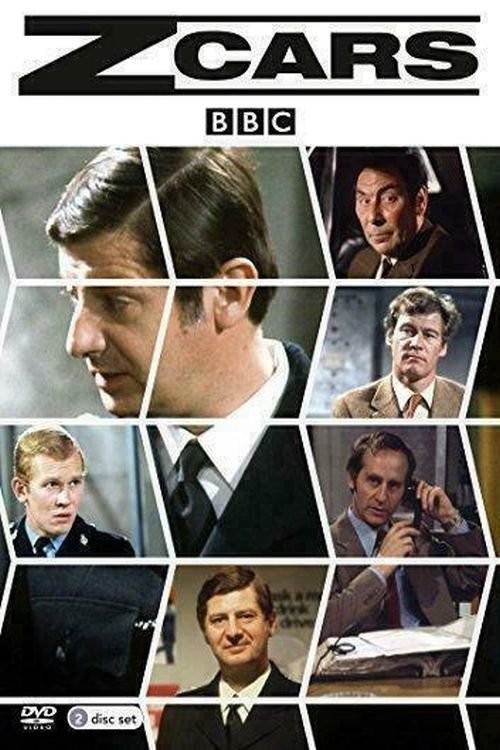
Camfield began his BBC career in the 1950s as a call boy before becoming a production assistant on the first Doctor Who serials. He later directed episodes of series including Z-Cars, Paul Temple, Blake's 7, The Professionals, The Sweeney and Shoestring, as well as the 1982 television films Beau Geste and Ivanhoe. He was married to actress Sheila Dunn, who appeared in several of his Doctor Who stories.