Doctor Who earns its scares through actors who make absurd situations matter. The pacing can be stubborn, but the Doctor’s changing temperament keeps this science-fiction adventure worth returning to, provided we allow it room to talk.
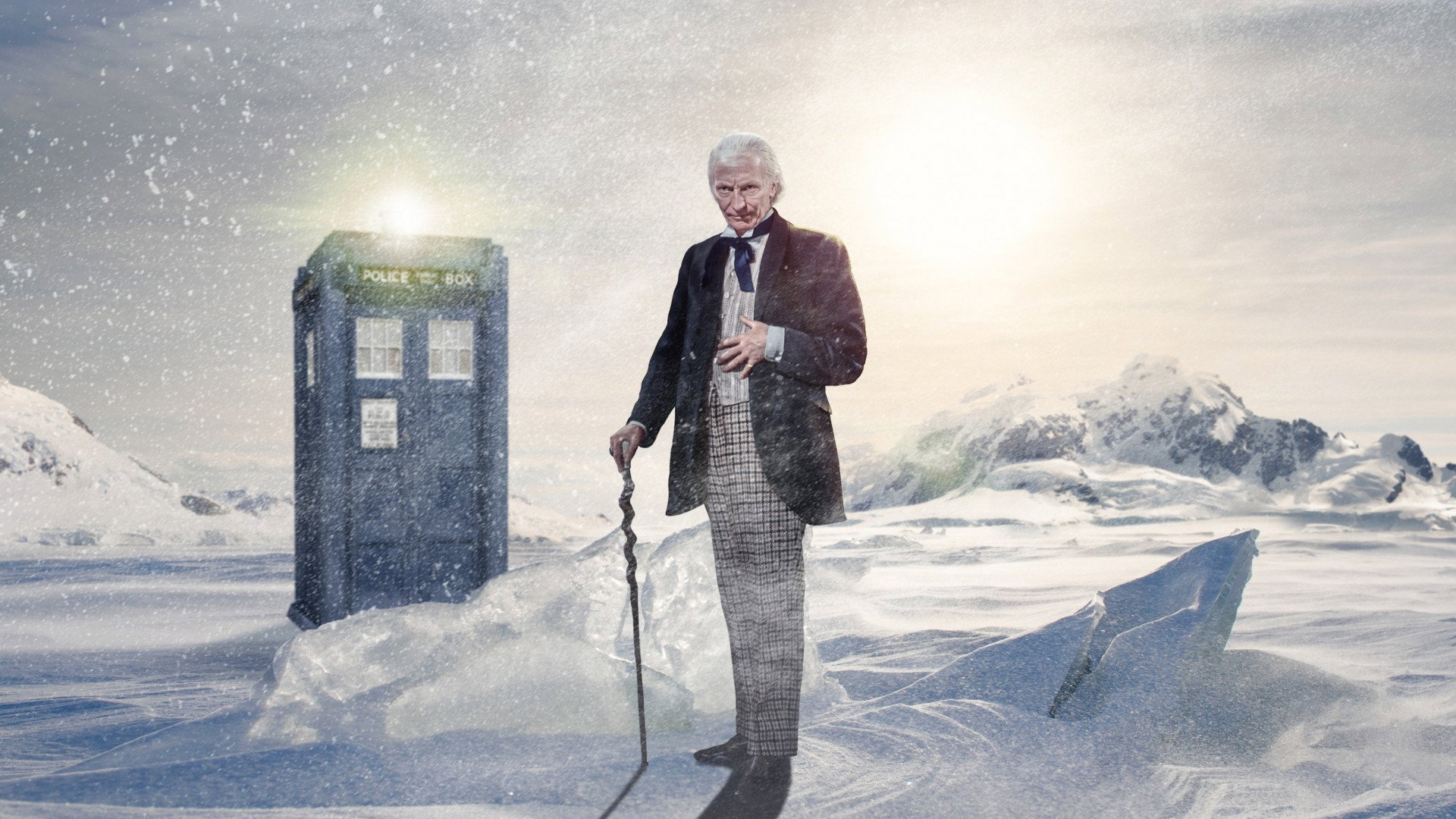
Doctor Who is an inventive, often unsettling adventure series, and we recommend it with one substantial warning: it needs patience with talk. Its pleasures depend heavily on the Doctor being someone we cannot immediately place. William Hartnell gives him enough severity to make a conversation feel unsafe, even before anyone mentions a threat. The science fiction becomes more interesting because we have to work out how much to trust the person leading us through it.
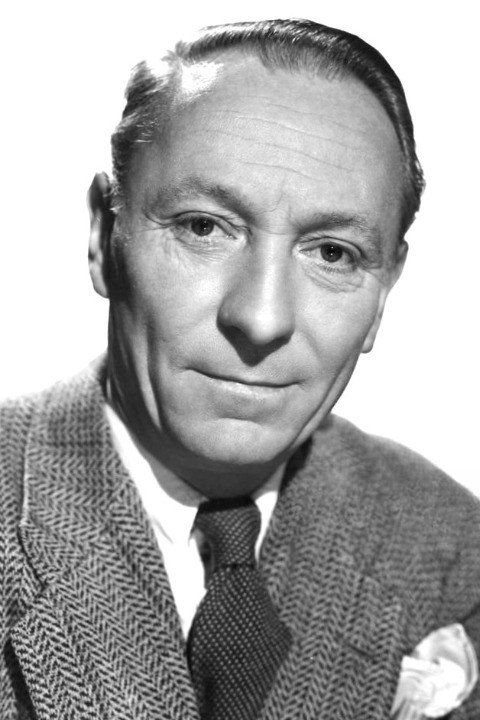
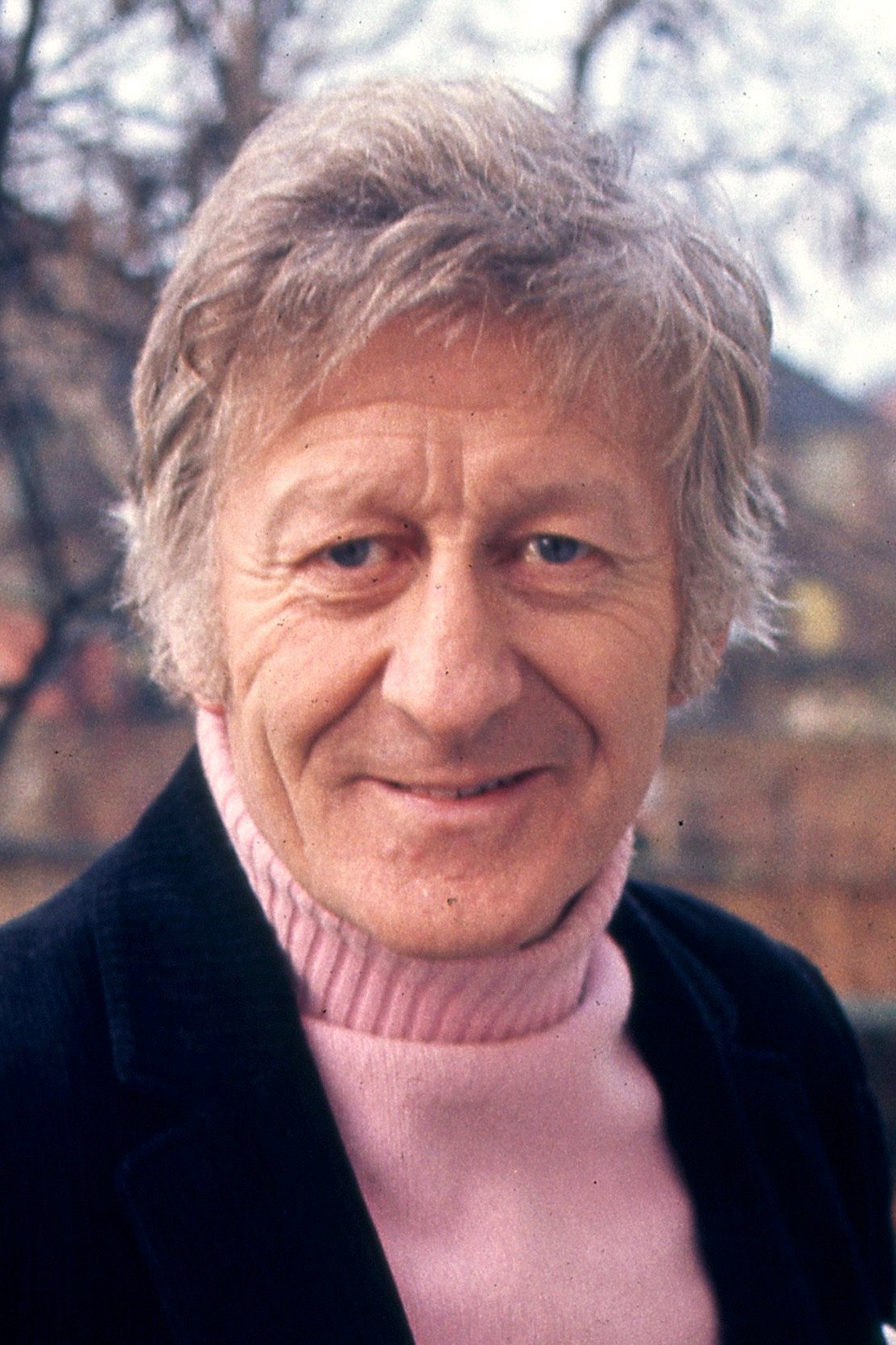
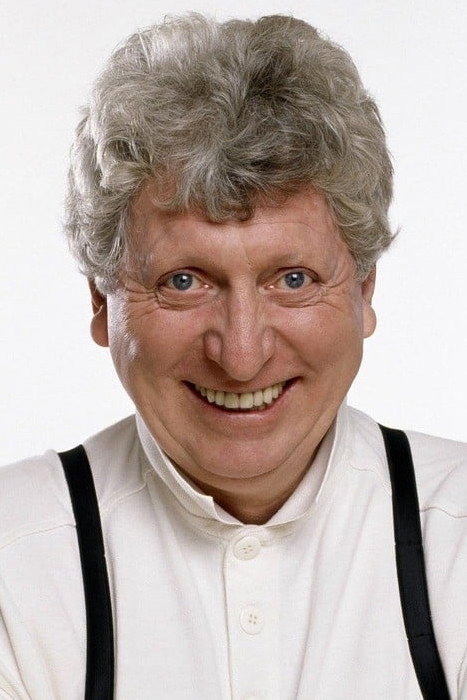
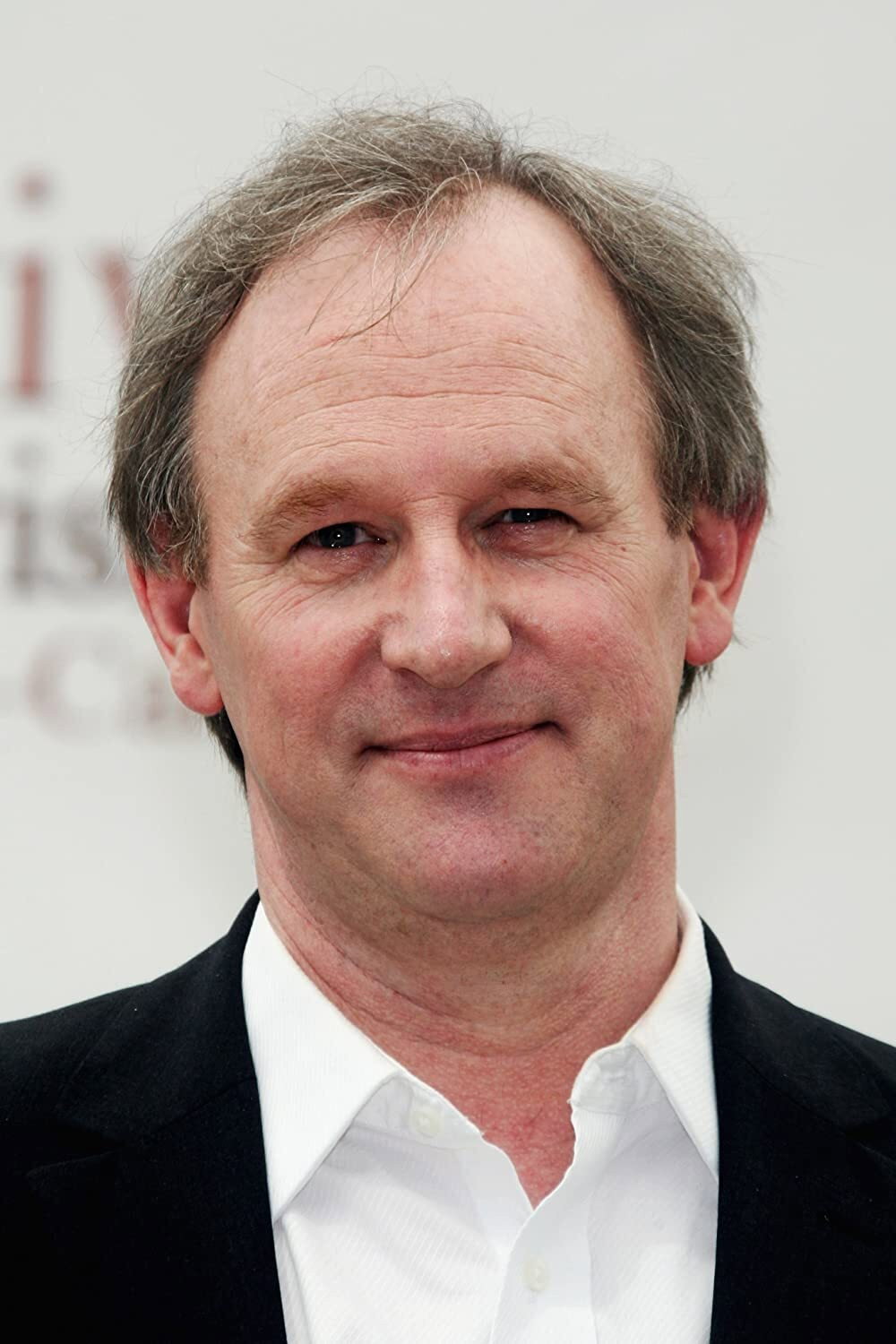
We were unsettled by William Hartnell’s impatience, particularly the contempt he can put into answering a question. His sharpness makes it harder to settle comfortably into the adventure. Patrick Troughton makes watchfulness engaging, while Jon Pertwee brings a firmer sense that someone ought to take charge. Tom Baker allows amusement and displeasure to sit disconcertingly close together, and Peter Davison’s vulnerability changes how readily we believe the Doctor can manage a crisis. Each actor makes authority look a little different, without requiring us to stop taking the character seriously.
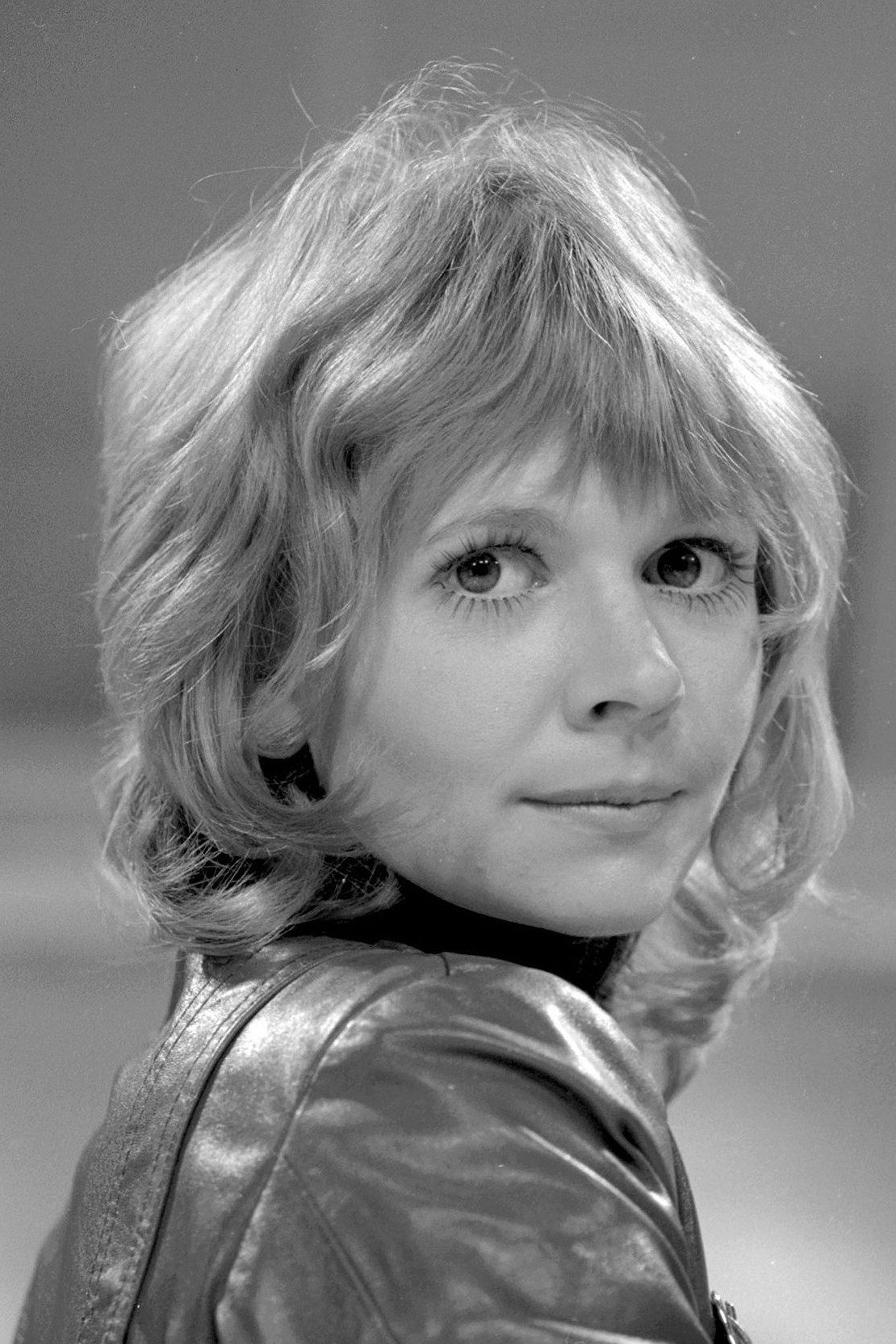
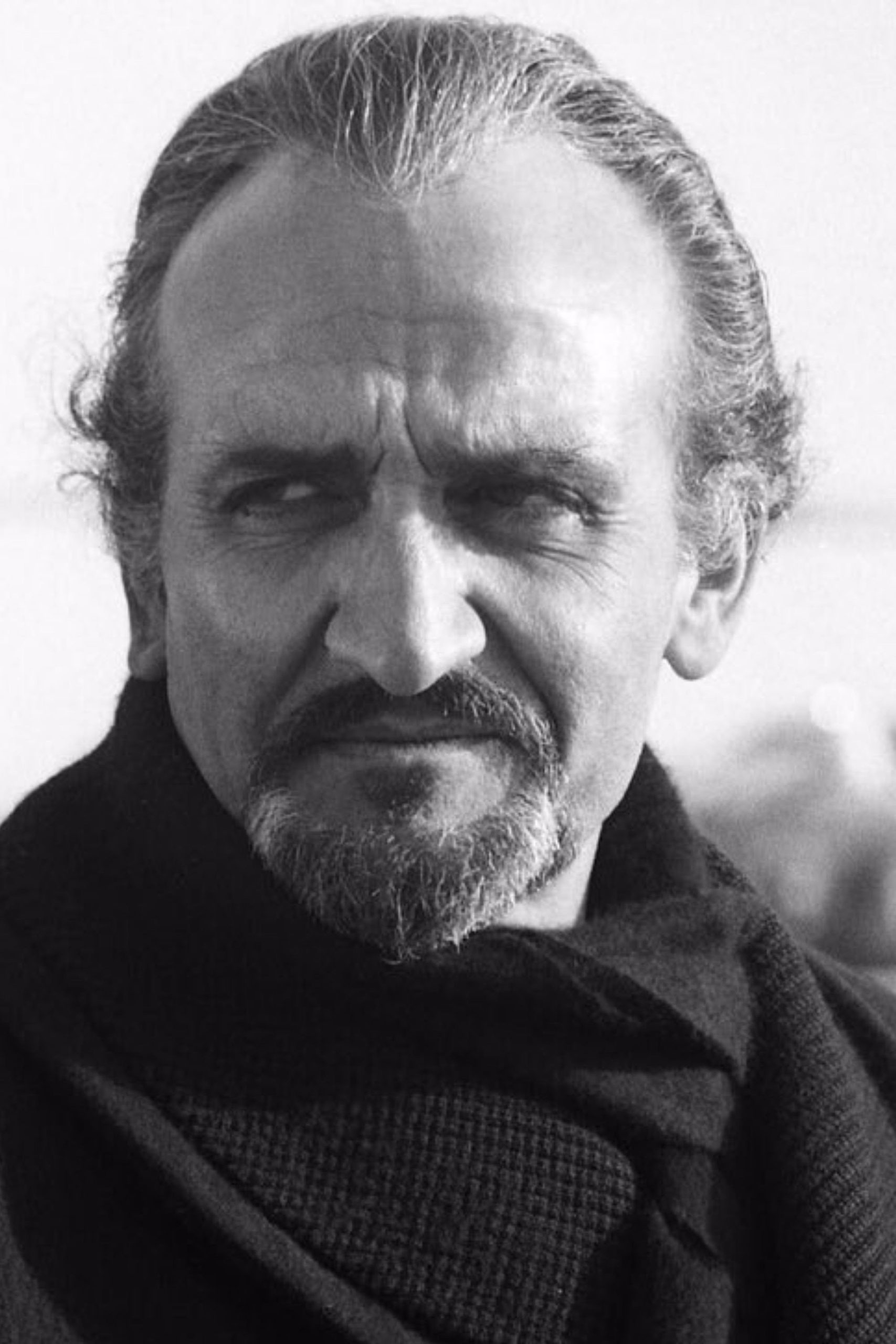
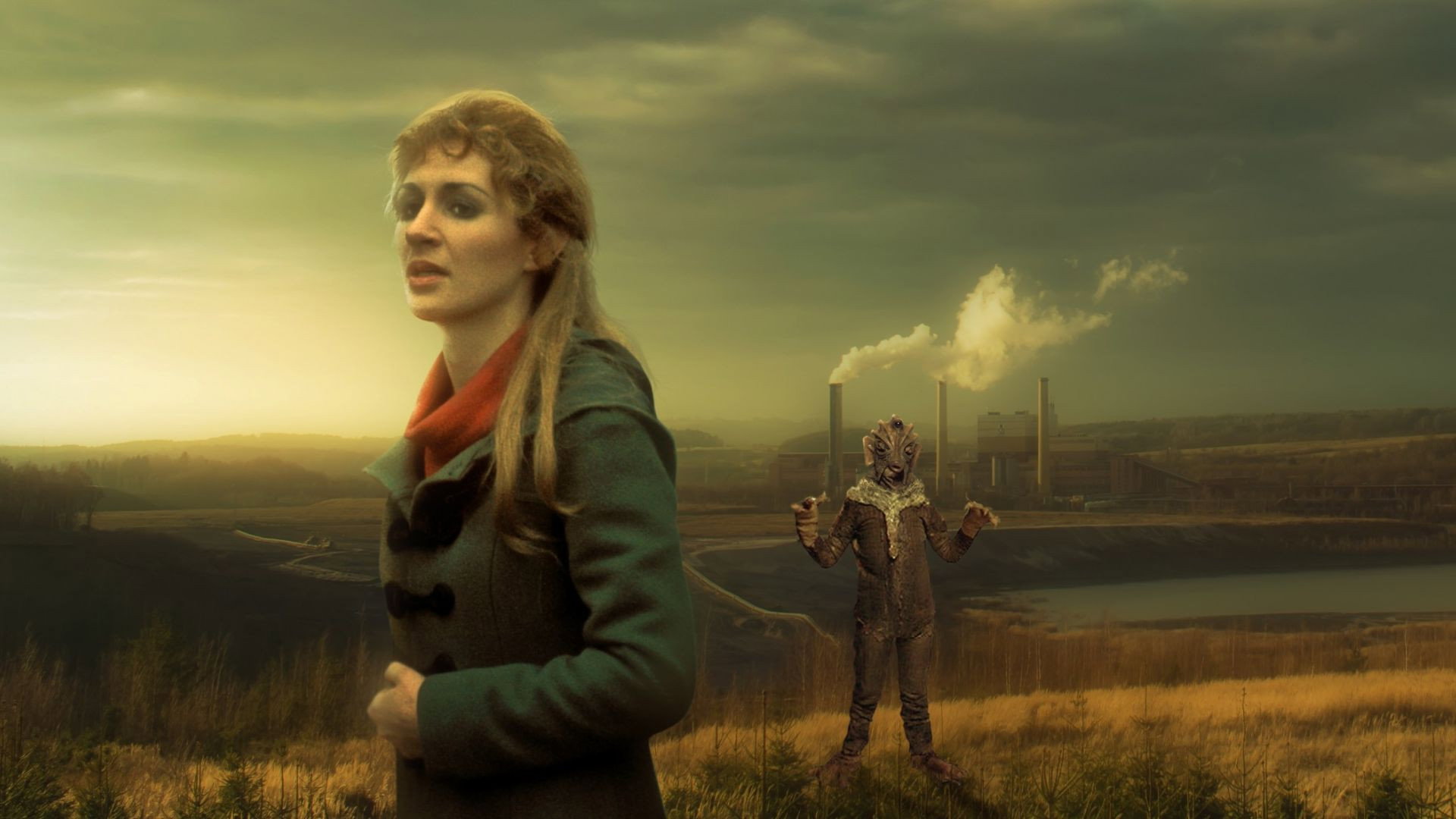
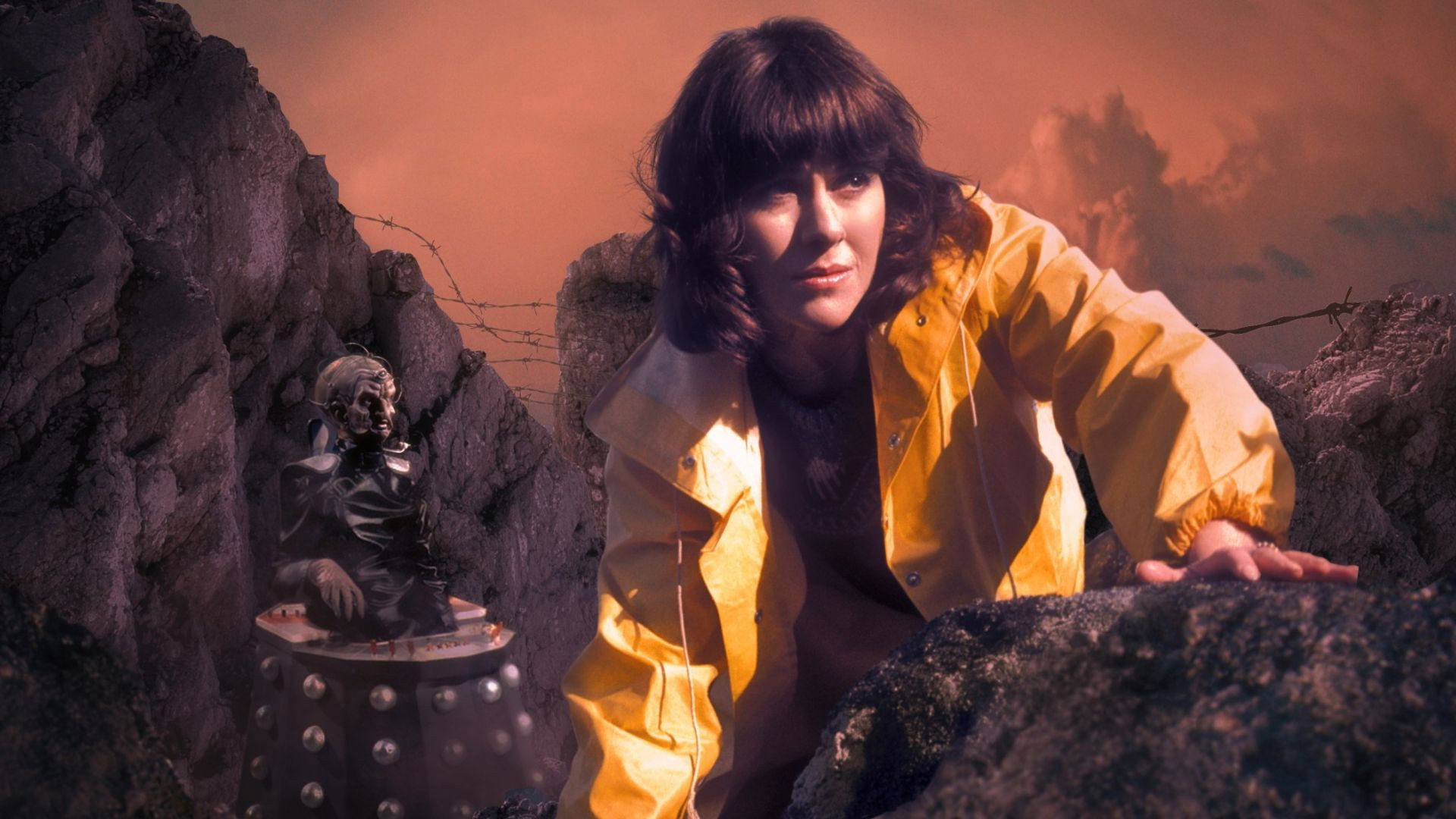
The supporting performances matter because the Doctor needs people who can stand next to him without disappearing. Katy Manning’s Jo Grant supplies warmth, and Elisabeth Sladen’s Sarah Jane Smith has a questioning directness that keeps self-importance in check. Caroline John’s Liz Shaw offers a cooler intelligence; the pleasure is in watching the Doctor encounter someone who need not be impressed. Roger Delgado makes The Master courteous enough to be troubling. His restraint gives an exchange more tension than a display of villainous temper would.
The production design, with contributions from Peter Brachacki and Barry Newbery, is often most persuasive when we accept its theatrical quality. Clear shapes and playable spaces give the actors something solid to work against, even when the surroundings do not convince as another place. Dudley Simpson’s music helps sustain unease when the image cannot carry it unaided. There is a limit to this generosity, however: the prehistoric wigs, animal skins and clubs can look like a dressing-up exercise. Long dialogue makes us inspect them more closely than is helpful.
Pacing is the persistent difficulty, even within the 25-minute format. The editing, with contributors including Clare Douglas and Tariq Anwar, often gives reactions useful space, but elsewhere explanation continues after we have understood the problem. The programme can spend too long discussing a predicament without changing what anyone intends to do about it. The better exchanges let suspicion or vanity complicate a straightforward question. A shorter scene would sometimes serve the actors better.
The critical consensus is less enthusiastic than we are, although its two sharply divided reviews judge different early adventures. We think the negative judgement gives the laborious prehistoric scenes too much weight against the tension the actors create. We recommend taking it in modest portions, rather than treating short episodes as an invitation to keep going. If patience is already in short supply, save the Doctor for another evening.