Waris Hussein's feeling for outsiders and his ability to draw unforced performances make him worth seeking out beyond Doctor Who. That programme remains a good starting point, with a warning that it likes to take its time.
Fi1m perspective
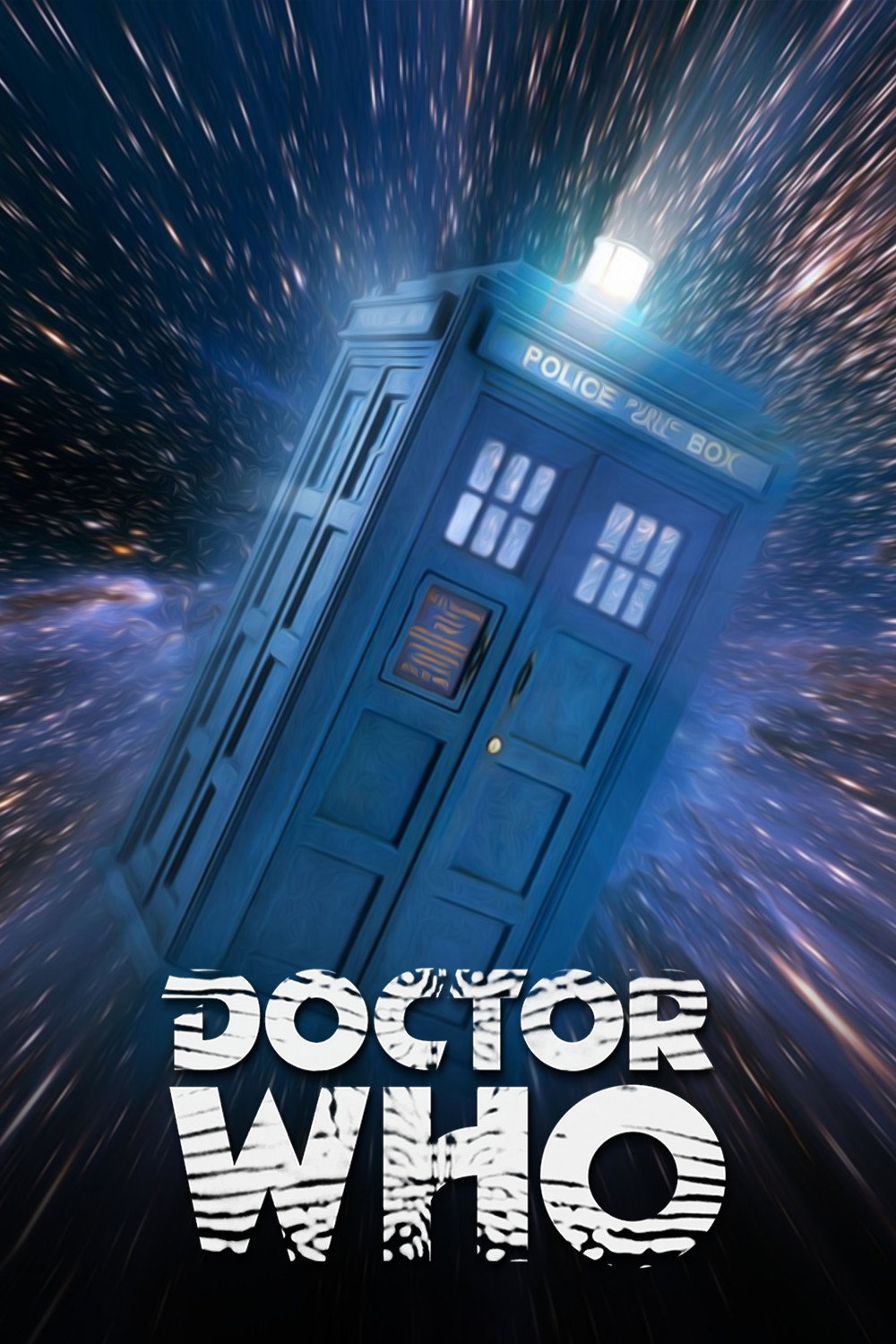
Waris Hussein favours elaborate tracking shots, but the person within the shot can still seem isolated from everything around them. That interest in people who do not quite belong gives us a useful way into his work. We rate his ability to get actors to behave without seeming to demonstrate their skill. In Doctor Who (1963), we were frightened because the actors made absurd situations feel dangerous. The programme can be stubbornly paced, but we are willing to give those performances time.
Our praise for the series is not a verdict on every decision Hussein made. He directed the pilot and first serial, An Unearthly Child (1963), helped cast William Hartnell and directed most of Marco Polo (1964). That is a substantial contribution without crediting him with everything the programme became. His wider career includes collaborations with producer Verity Lambert and actor Ian McKellen, and his rapport with performers is a more useful starting point for considering that career than science fiction alone.
A Passage to India (1965) makes his sensitivity to racial outsiders explicit, while A Touch of Love (1969) draws on his ability to get unmannered performances. Features including Melody (1971) were followed by a return to television, with Shoulder to Shoulder (1974) pursuing his interest in women making a stand. Edward & Mrs Simpson (1978) shows his assurance with period drama. These are different subjects, but his attention keeps returning to people trying to find a place for themselves.
From the 1980s he worked extensively in American television, before returning to features with Sixth Happiness (1997), balancing its shifts of tone. We are drawn to the prospect of a director who can handle those changes without making the performances look forced. A fuller judgement is complicated by the wiping of many early dramas; missing work is no reason to assume everything was equally successful. Begin with Doctor Who, provided a long conversation does not count as a fault in itself.
Biography
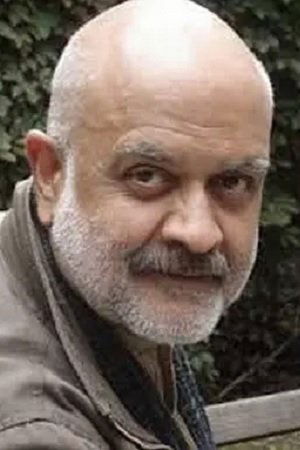
Waris Hussein is an Indian-born British television and film director. Born Waris Habibullah on 9 December 1938 in Lucknow, he moved to Britain with his family in 1946. He was educated at Clifton College and Queens' College, Cambridge, where he directed student productions.
At the start of his career he joined the BBC as its youngest drama director. He directed the first serial of Doctor Who (1963), An Unearthly Child, and returned for Marco Polo (1964). His other credits include the feature films Melody (1971) and A Touch of Love (1969), and the Thames Television serial Edward & Mrs. Simpson (1978).