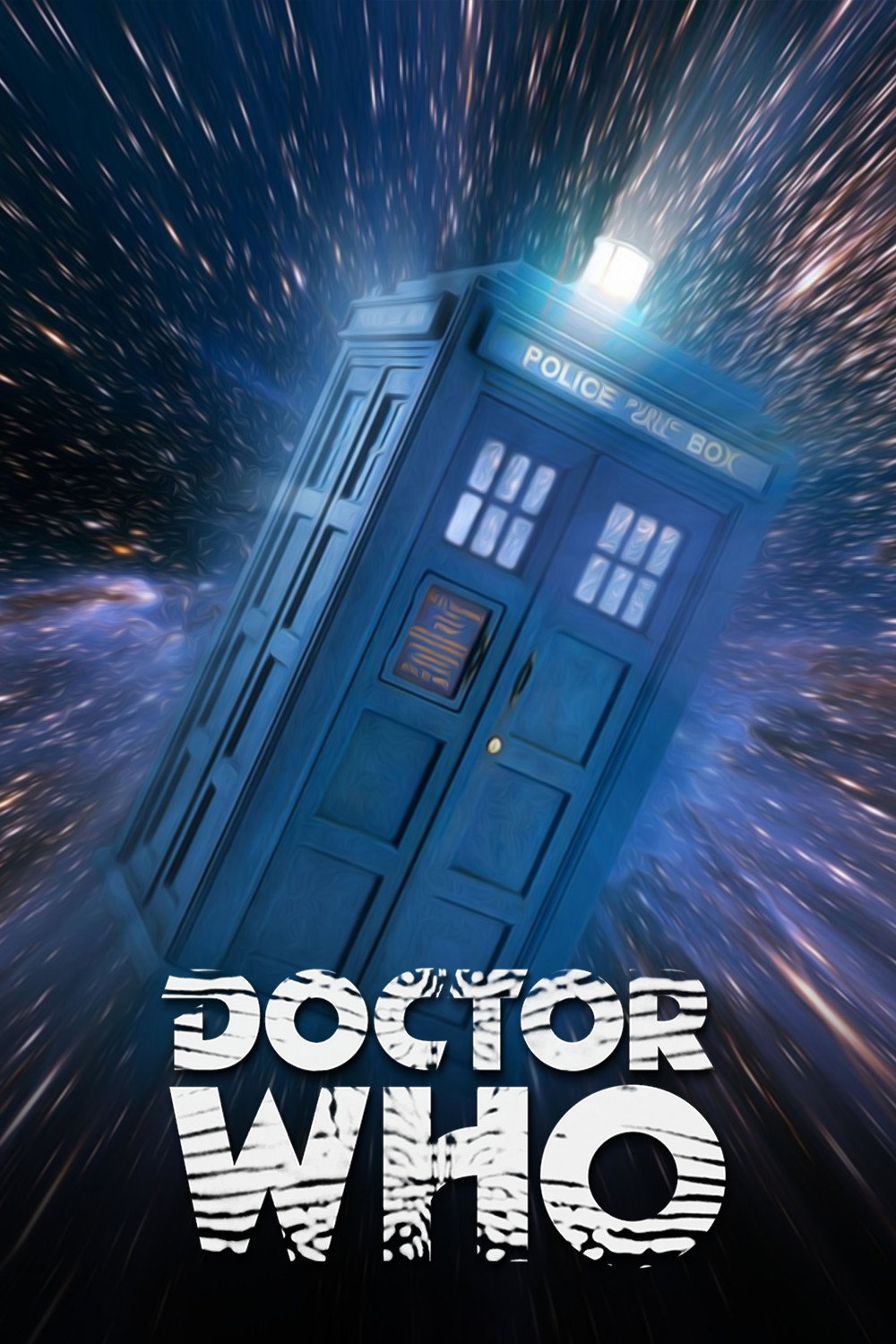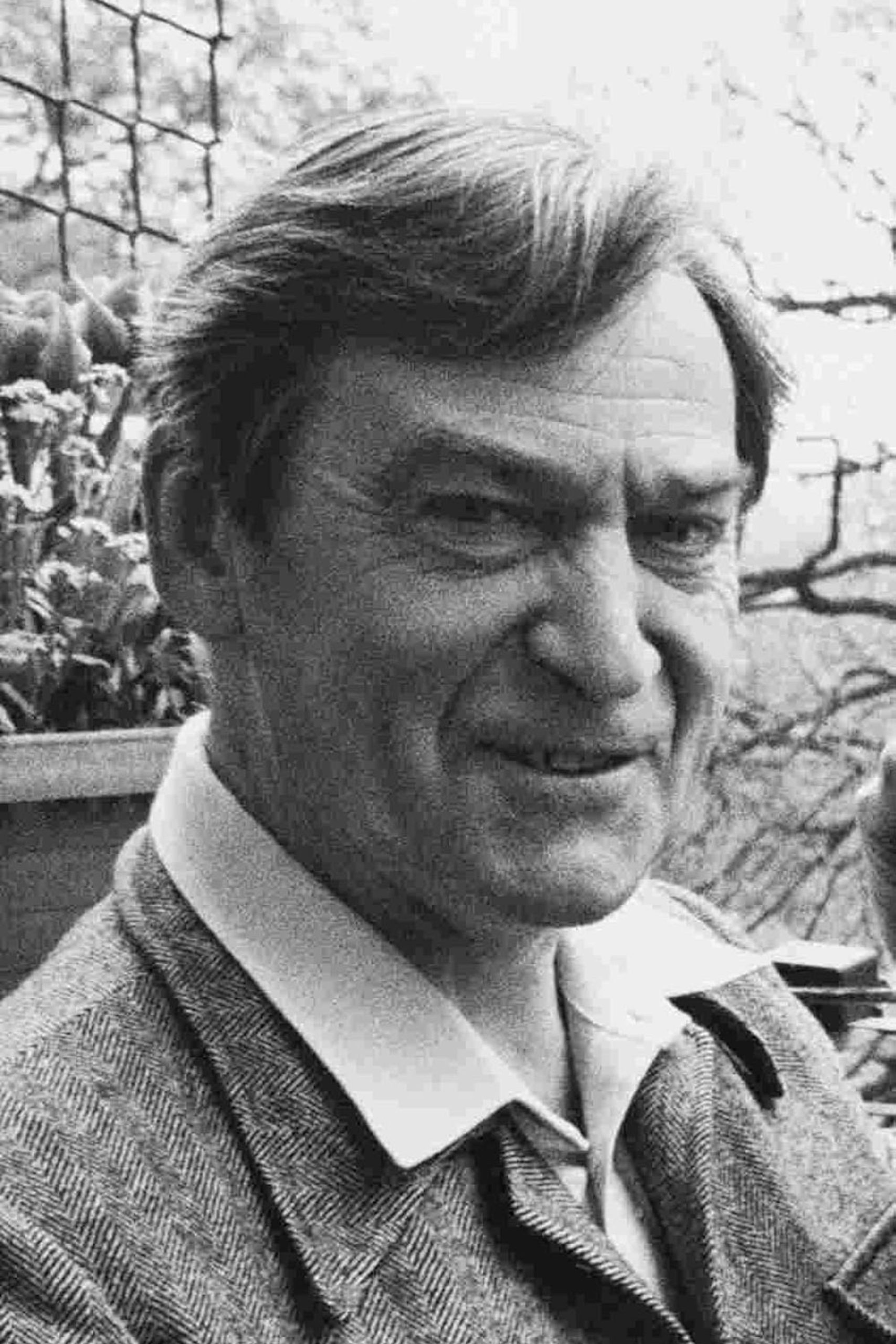
Patrick Troughton makes quiet watchfulness engaging, allowing authority to emerge from beneath the clowning. We rate him most highly when the eccentric details recede and we can watch him attending to somebody else.
Fi1m perspective
Patrick Troughton watches while somebody else might be expected to take charge. In Doctor Who (1963), his shabby appearance and impish manner leave room for a quiet authority that never needs announcing. We found his watchfulness absorbing because he makes paying attention an active part of the performance. The recorder and check trousers are easier to remember, but we would rather watch him listen.
He had already played television leads in Robin Hood (1953) and Paul of Tarsus (1960) before succeeding William Hartnell as the Doctor in 1966. His film parts included Phineas in Jason and the Argonauts (1963). That experience across leading and supporting parts matters to how we see his Doctor. Hartnell could make an answer sting with contempt; Troughton offers a less forbidding way of holding our attention. We believe both men can take charge, though Troughton seems less concerned that we should notice.
The clowning was broader at first, with a stove-pipe hat and outlandish disguises among the distractions. It is the quieter, less conspicuous version of the character that we prefer. The comedy works when it lets him be underestimated; it is less useful when the eccentricity becomes the main thing to look at. His naturalistic delivery gives the other actors room, and he can lead the ensemble without making everyone else seem incidental.
After leaving the programme in 1969, he returned to character parts in television and occasional films. The Duke of Norfolk in The Six Wives of Henry VIII (1970) and Father Brennan in The Omen (1976) belong to that later stretch. The Box of Delights (1984) gave him Cole Hawlings, a magician with something of the Doctor about him.
For us, Doctor Who remains the clearest reason to seek him out. Its pacing can be stubborn, and an engaging actor cannot make every conversation shorter. But Troughton makes the time spent watching another person think feel worthwhile. Start there on an evening when speed is not the priority.
Biography
Patrick Troughton was an English actor. He trained at the Embassy School of Acting and served in the Royal Navy during the Second World War.
He is best known for playing the Second Doctor in the BBC series Doctor Who from 1966 to 1969. He reprised the role in the 1973 serial The Three Doctors, the 1983 special The Five Doctors and the 1985 serial The Two Doctors. Other credits include The Red Shoes (1948), Hamlet (1948), Jason and the Argonauts (1963), The Omen (1976) and Sinbad and the Eye of the Tiger (1977).