Film review

Get Carter

1971 · Directed by Mike Hodges · 1h 52m · 18

In a sentenceMichael Caine asks the questions as though he has already decided what to do with the answers

CrimeThriller

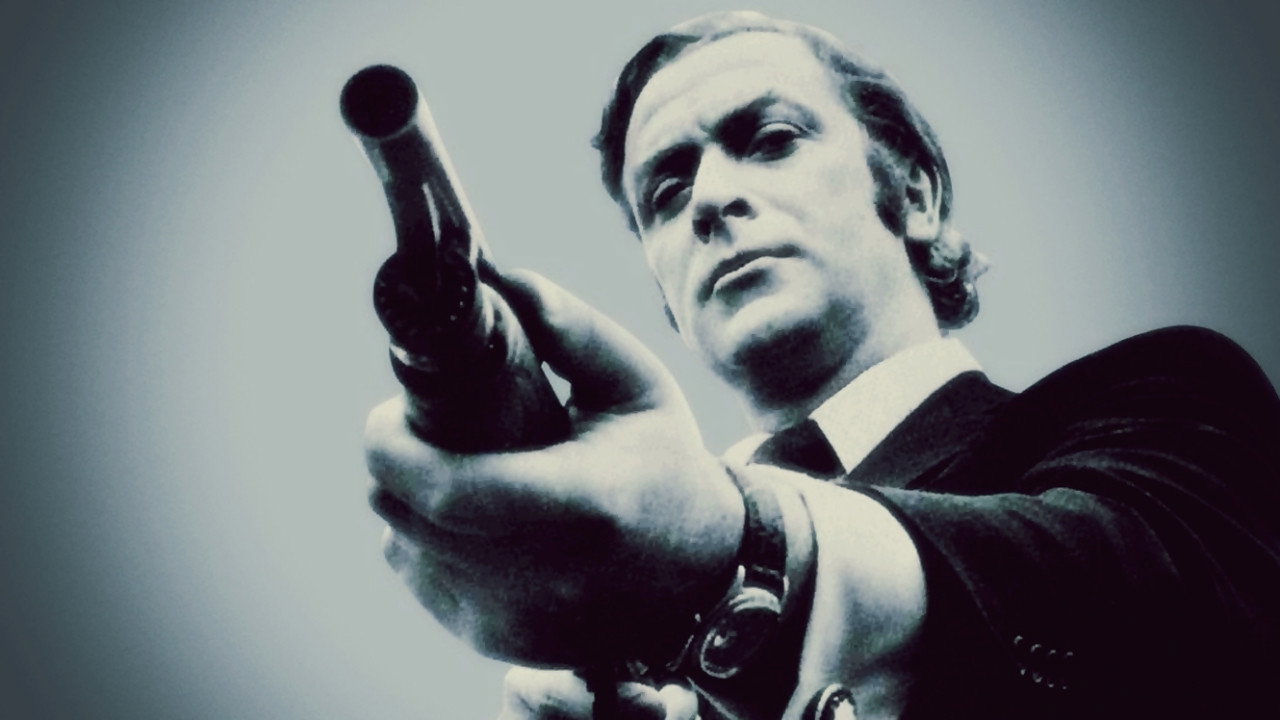
London gangster Jack Carter (Michael Caine) goes to Newcastle to investigate his brother’s death. He brings the habits of an enforcer to a search that takes him into the city’s criminal underworld, where asking questions carries the threat of violence. Carter wants answers, and his pursuit of them becomes a matter of revenge. Mike Hodges directs this crime thriller, with Ian Hendry as Eric, John Osborne as Kinnear and Britt Ekland as Anna. The story follows a man accustomed to making other people afraid as he tries to find out what has happened to his family.

Plays from YouTube when you press play; nothing loads from them until then.

Fi1m review

Mike Hodges’s crime thriller is tense, vicious and worth the discomfort, with Michael Caine giving Jack Carter no reassuring decency. Its treatment of women is harder to defend, even when the cruelty is plainly meant to repel us.

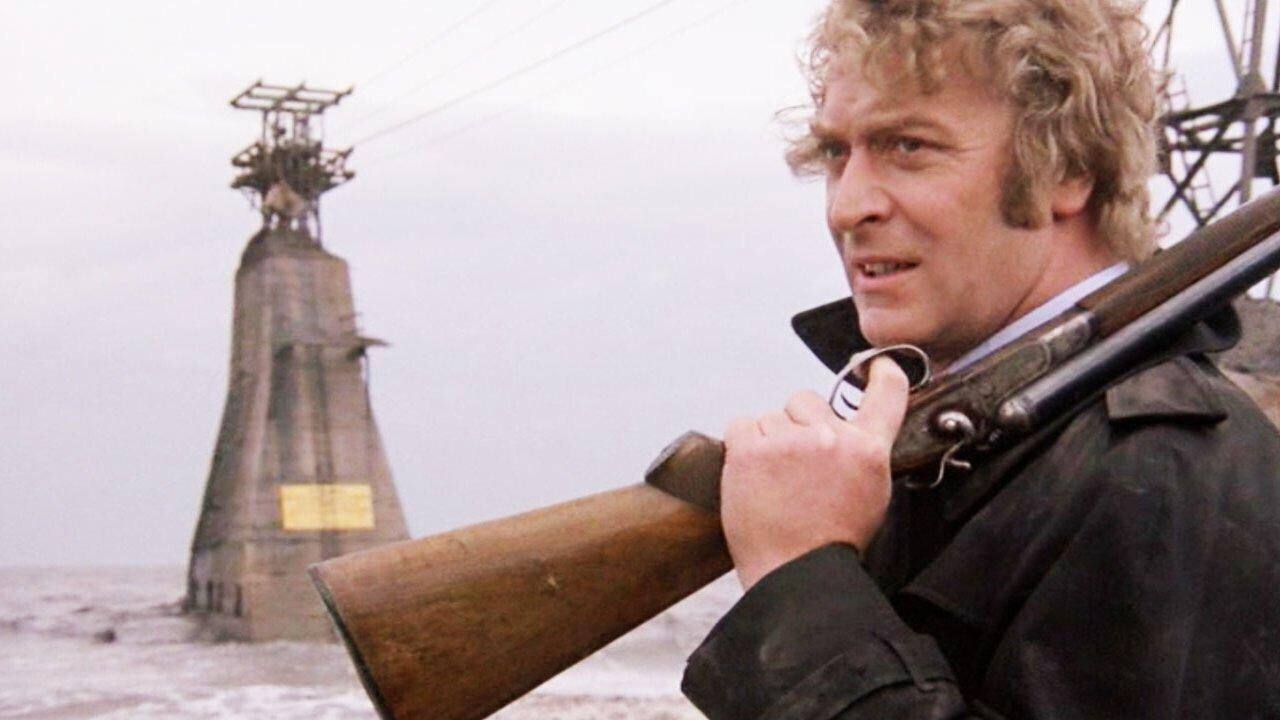
A revenge thriller usually asks us to accept a little brutality once the grievance has been established. Get Carter pushes that permission until it becomes unpleasant, and we think it is a forceful, absorbing crime film for precisely that reason. Mike Hodges follows Jack Carter, a London gangster investigating his brother’s death in Newcastle, into a criminal world where his methods scarcely distinguish him from the people he questions. The search gives the film its direction without making Carter someone we can comfortably support.

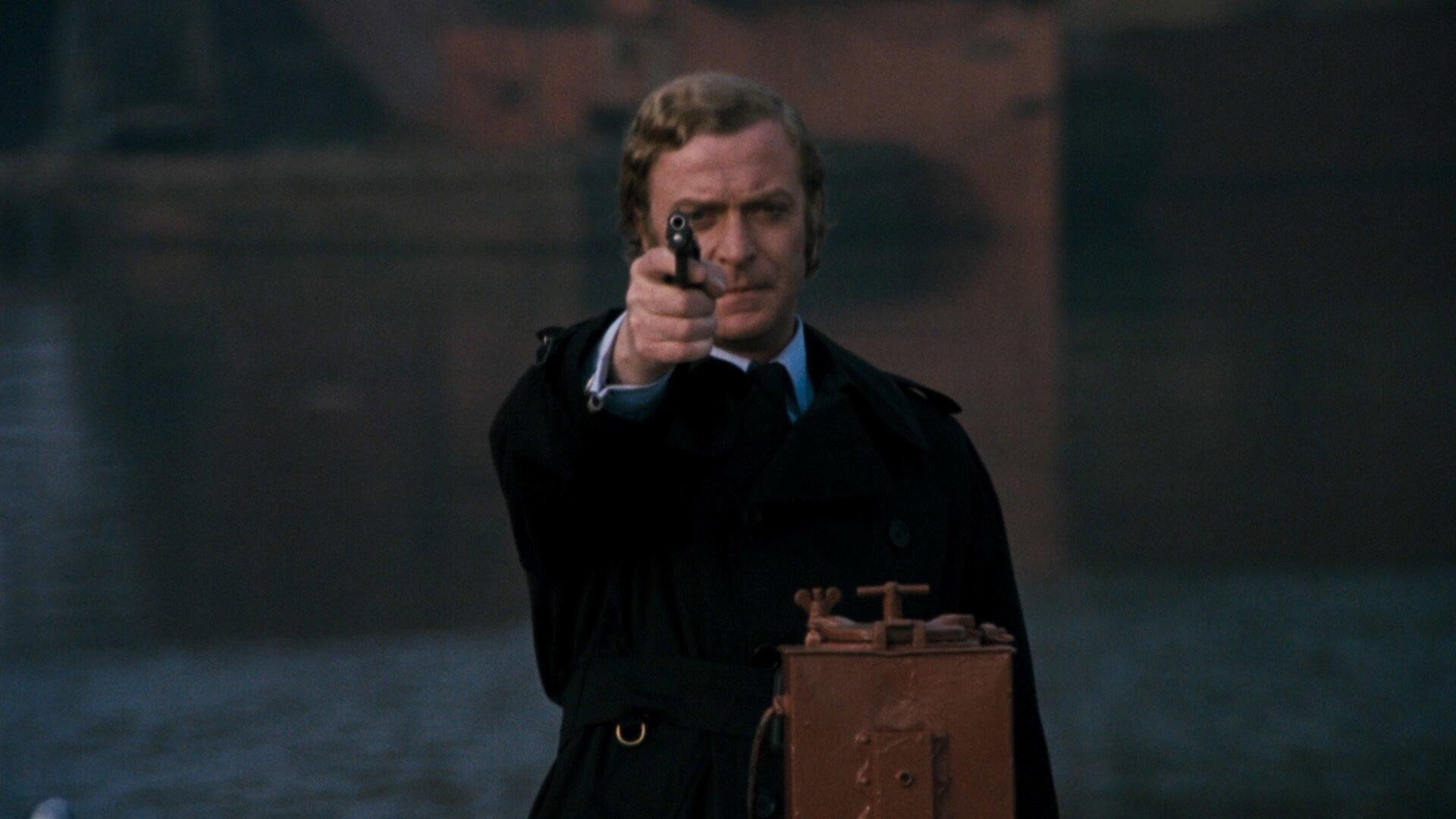
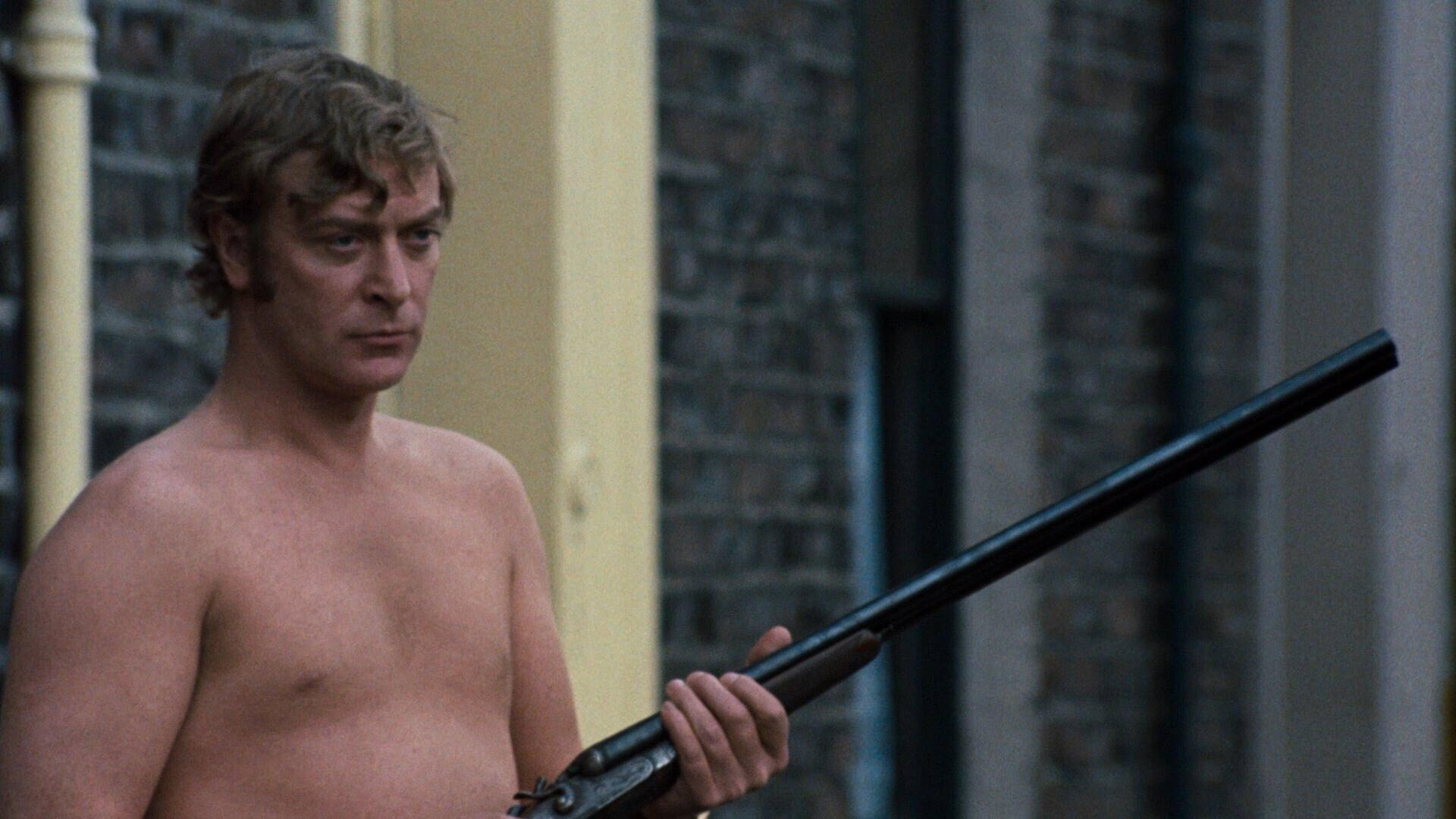
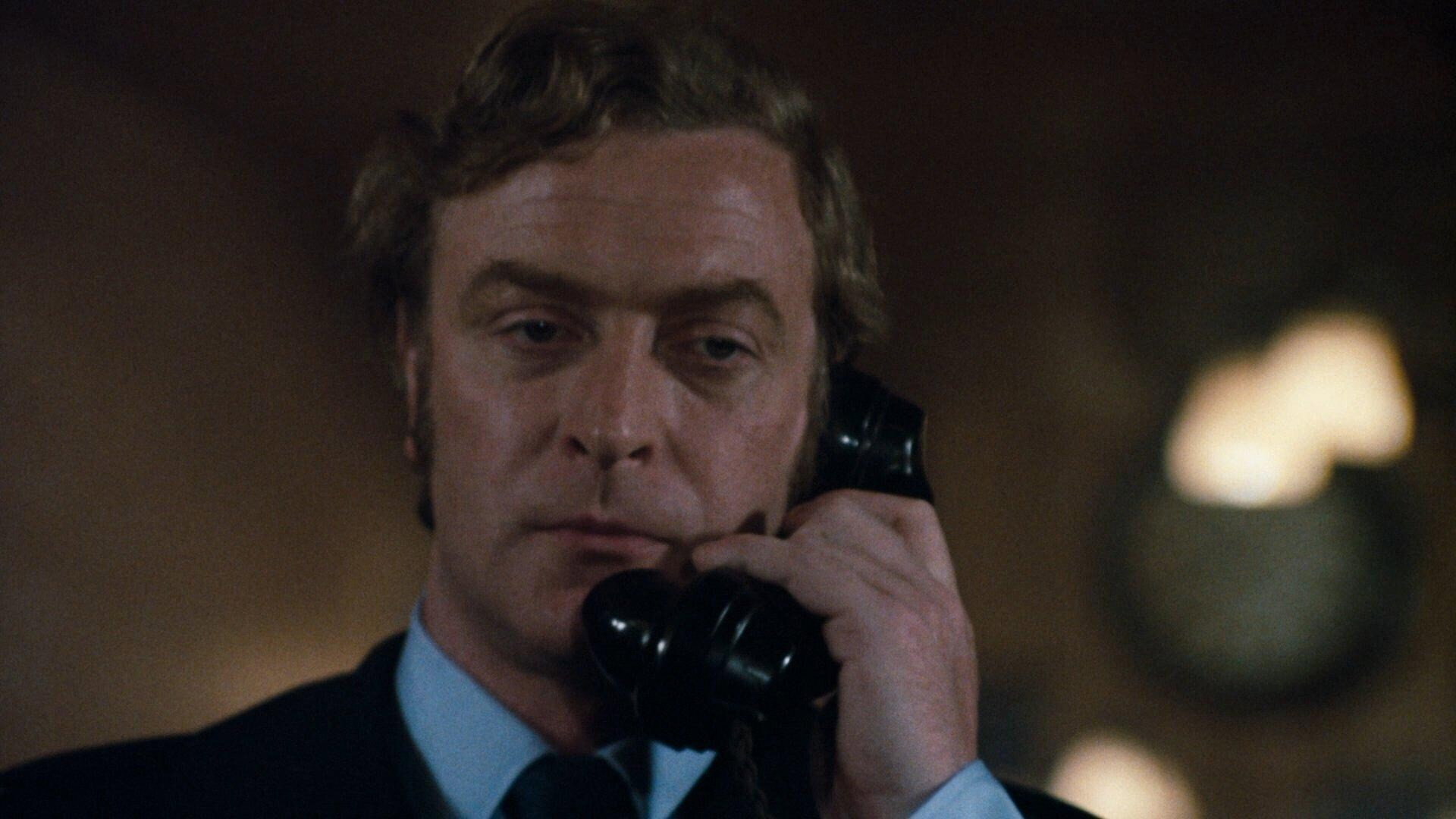
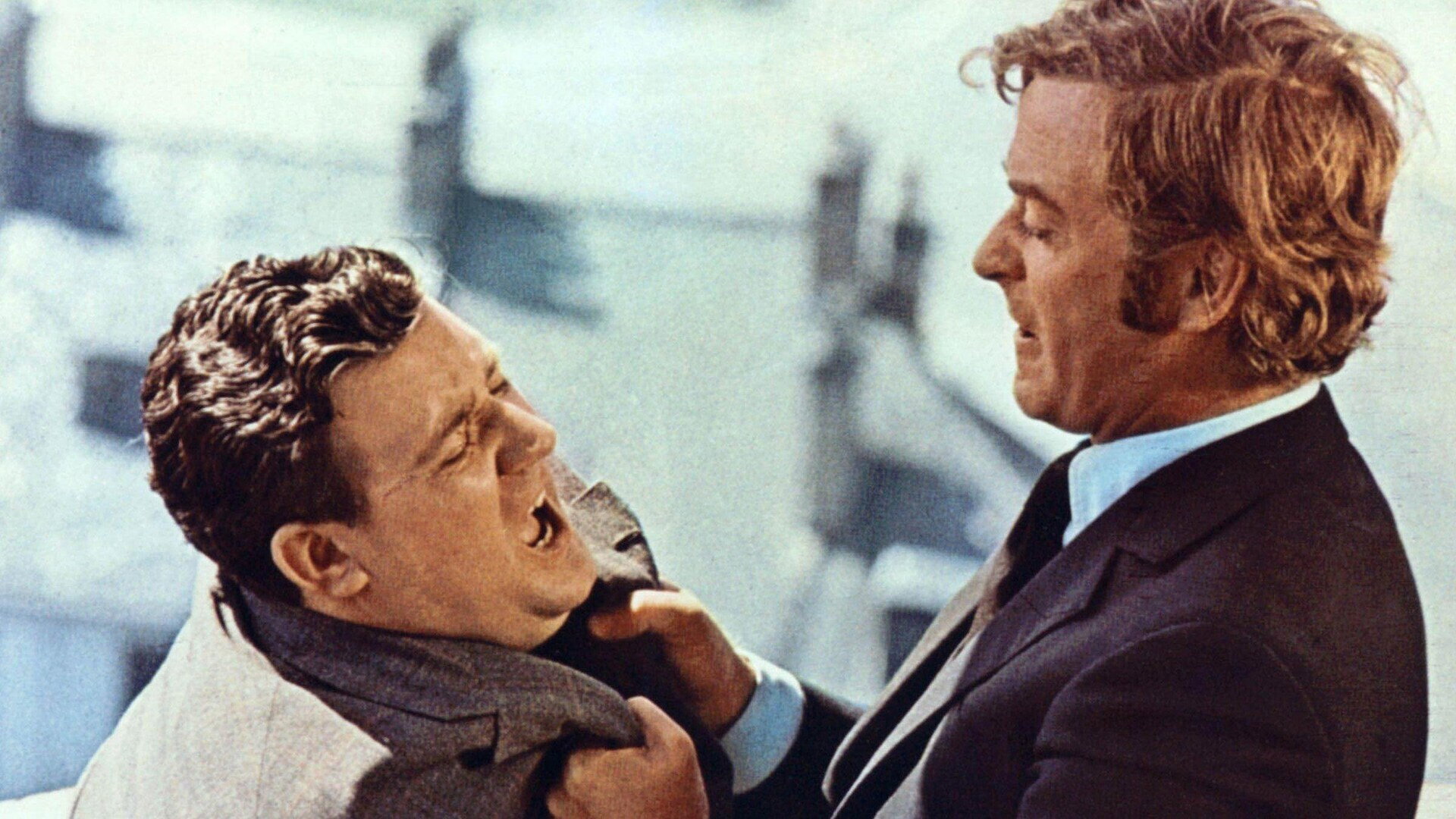
Michael Caine understands how little this man needs to advertise his capacity for harm. His composure is frightening because there is no suggestion that he needs to work himself up to anything, or seek anyone’s approval before doing it. We were unnerved by that dead-eyed calm; even when Carter is asking questions, Caine makes us watch for what he might do next. The authority of the performance keeps us interested in a man whose company would otherwise be intolerable.

Wolfgang Suschitzky’s photography gives Newcastle a working life beyond Carter’s investigation, and the film gains weight from that sense of ordinary business continuing around him. Assheton Gorton’s production design makes the criminal surroundings look used and uninviting, avoiding the temptation to turn access to the underworld into a treat. We believe people spend their days here, including people who have no choice about it. Hodges makes Carter’s violence feel like something inflicted on a place, with other lives inconveniently in the way.

John Trumper’s editing keeps the pressure on without requiring every passage to hurry, giving Caine’s watchfulness time to become oppressive. The restraint matters because constant bustle would make it easier to enjoy Carter’s efficiency without thinking about his behaviour. Roy Budd’s score is more inviting than the people on screen, and that is an effective, slightly suspect choice. It helps make Carter’s coolness attractive when his behaviour ought to put us off. Hodges is not entirely innocent of enjoying his leading man’s assurance, either.

The treatment of women is the substantial reservation. Britt Ekland’s Anna and Geraldine Moffat’s Glenda belong to a film that gives male viciousness far more attention than what women think or want, and pointing to the ugliness of these men does not settle the matter. Hodges can show us a rotten attitude without giving the person on its receiving end enough room to exist. The performances cannot quite overcome the sense that the women matter chiefly because of what men want from them.

Even with that limitation, Hodges gets more out of the revenge story than the satisfaction of watching an efficient man take charge. The hard-boiled plotting asks us to follow the search closely, but Caine’s control supplies a steadier source of tension than the question of who knows what. There is dry humour in Carter’s coolness, though it offers little reassurance about him. We can enjoy the performance without needing the film to invent a kinder man underneath it.

The severity will be too much for some evenings, and the film offers little relief from its ugly view of people. That is a fair reason to leave it for another night, though not a reason to overlook how carefully Hodges controls our attention. At 112 minutes, it has enough discipline to make the discomfort count. Choose it for Caine, but do not expect to feel better for having spent the evening with Carter.

Critical consensus AI synthesised

81
Positive
7
Mixed
0
Negative
0

Most critics regard Get Carter as a forceful British crime film, with praise concentrated on Michael Caine’s cold authority, Mike Hodges’ controlled direction and the bleak working-class setting. The reviews repeatedly find that its brutality has purpose: it makes revenge ugly and its central gangster difficult to admire, however compelling he is to watch. Variety particularly values the adaptation’s restraint and clarity, while The Guardian emphasises the combination of violent pulp and working-class realism.

The disagreement concerns how much that control compensates for the ugliness, and whether the thriller always convinces. The New York Times admires the acting and taut construction but recoils from the relentless violence and view of humanity. The Times flags the dated treatment of women. The Telegraph offers a sharper dissent, finding the plotting unclear and the thriller implausible. The balance is strongly positive, but these reservations range from discomfort with the material to objections about its execution.

Empire
1 January 2000 · Mark Dinning
90*

The critic calls it arguably the best British gangster movie ever made, praising its brutal, bleak mood and unflinching revenge tale that never lets up.

Read the full review →
RogerEbert.com
15 March 1971 · Roger Ebert
85*

Ebert calls the film a tense, hard-boiled crime movie that showcases Michael Caine at his most authoritative and vicious. He praises its sure feel for the proletarian underbelly of society and Hodges' skillful direction that gives it the quality of a strong American detective novel.

Read the full review →
Total Film
11 June 1999
85*

The review highlights the film as a Brit classic with Michael Caine at his most relentlessly malicious, noting Carter's cool lines and evil nature make it a movie to love despite its bleak tone.

Read the full review →
Variety
31 December 1970 · Variety Staff
80*

The review deems it a superior crime action meller with Michael Caine as an English hood seeking vengeance. It highlights Mike Hodges' top-notch adaptation that maintains interest with rare artistry, restraint, and clarity amid brutal and sordid plot turns.

Read the full review →
Financial Times
11 September 2009 · Rob Crossan
70*

The piece positions Get Carter as a landmark that rewrote the gangster movie with its cold, nihilistic violence and pitiless portrait of Newcastle’s underworld. It notes the film’s initial critical dislike on 1971 release before later re-evaluation as a social document.

Read the full review →
The New York Times
14 March 1971 · Peter Schjeldahl
70*

Schjeldahl finds the film ghastly in its unremitting violence and vile view of humanity, yet finely acted and crafted in a way that makes it spectacularly better than most of its genre. He singles out Michael Caine's performance as a ticking, glinting bomb and the film's overall taut execution.

Read the full review →

Cast

Stills

If you liked this, try…

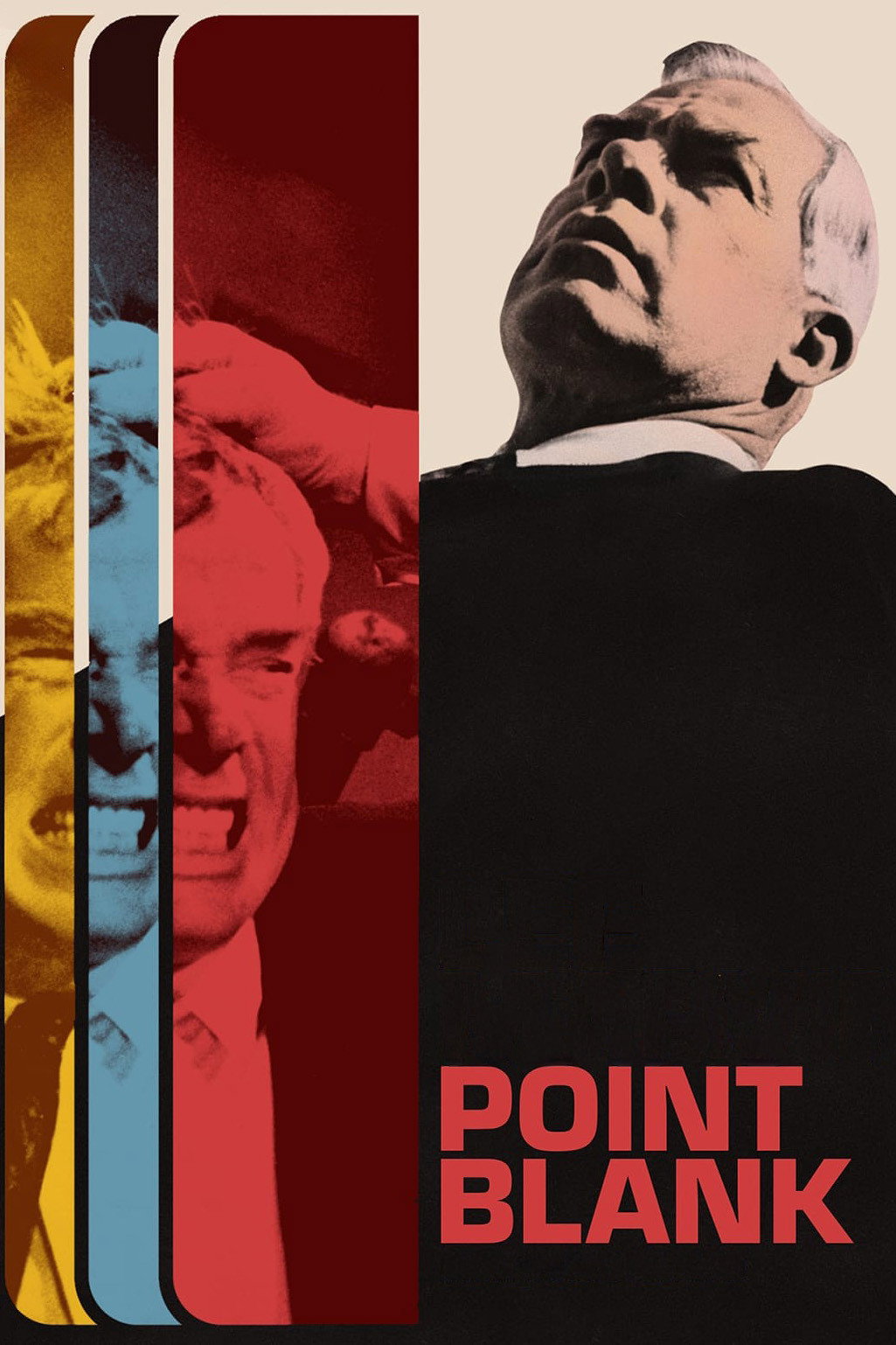
Point Blank poster

Point Blank

1967 · Another revenge thriller that makes its relentless central figure difficult to cheer.

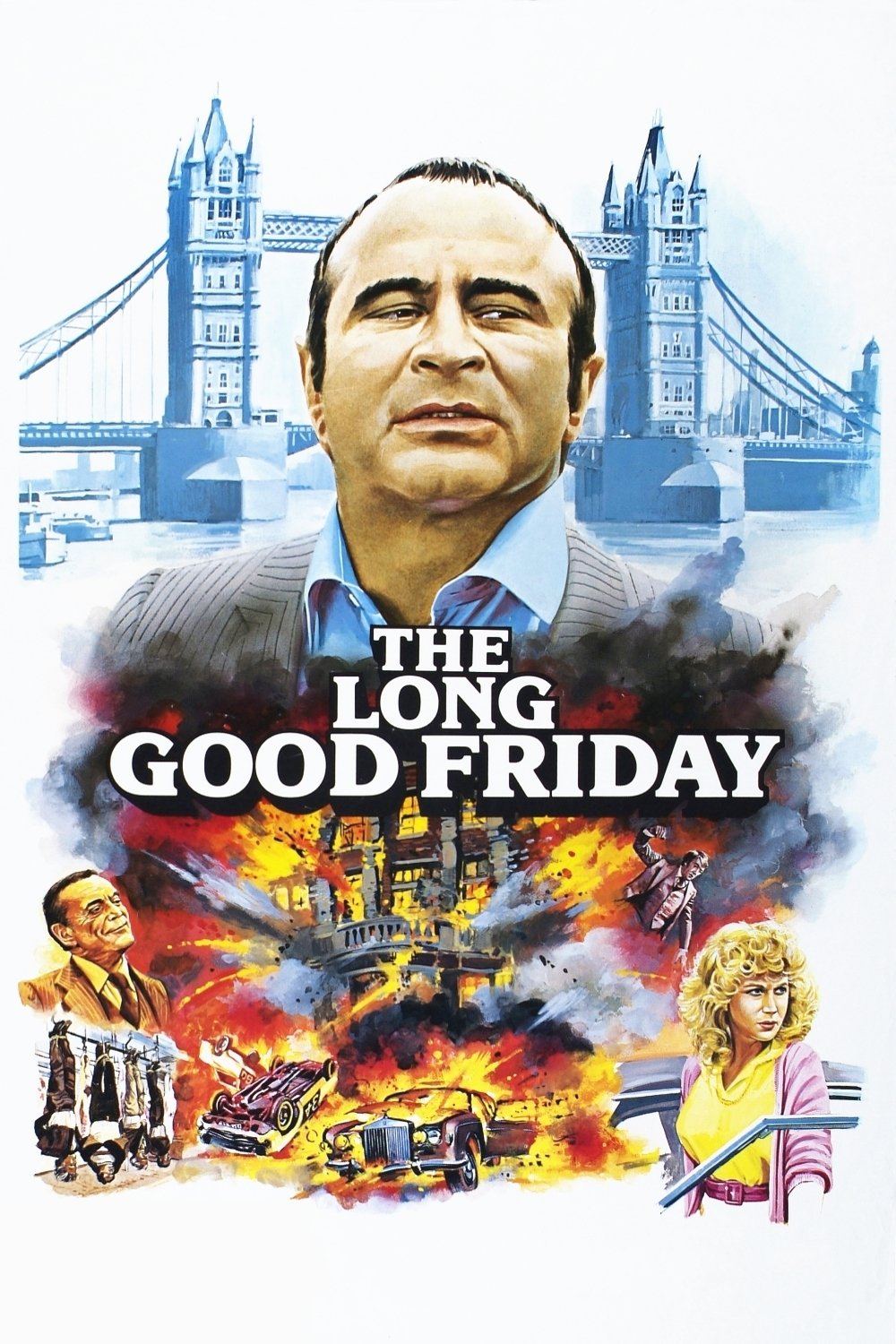
The Long Good Friday poster88

The Long Good Friday

1980 · British criminal authority begins to falter, with more room for panic and bluster.

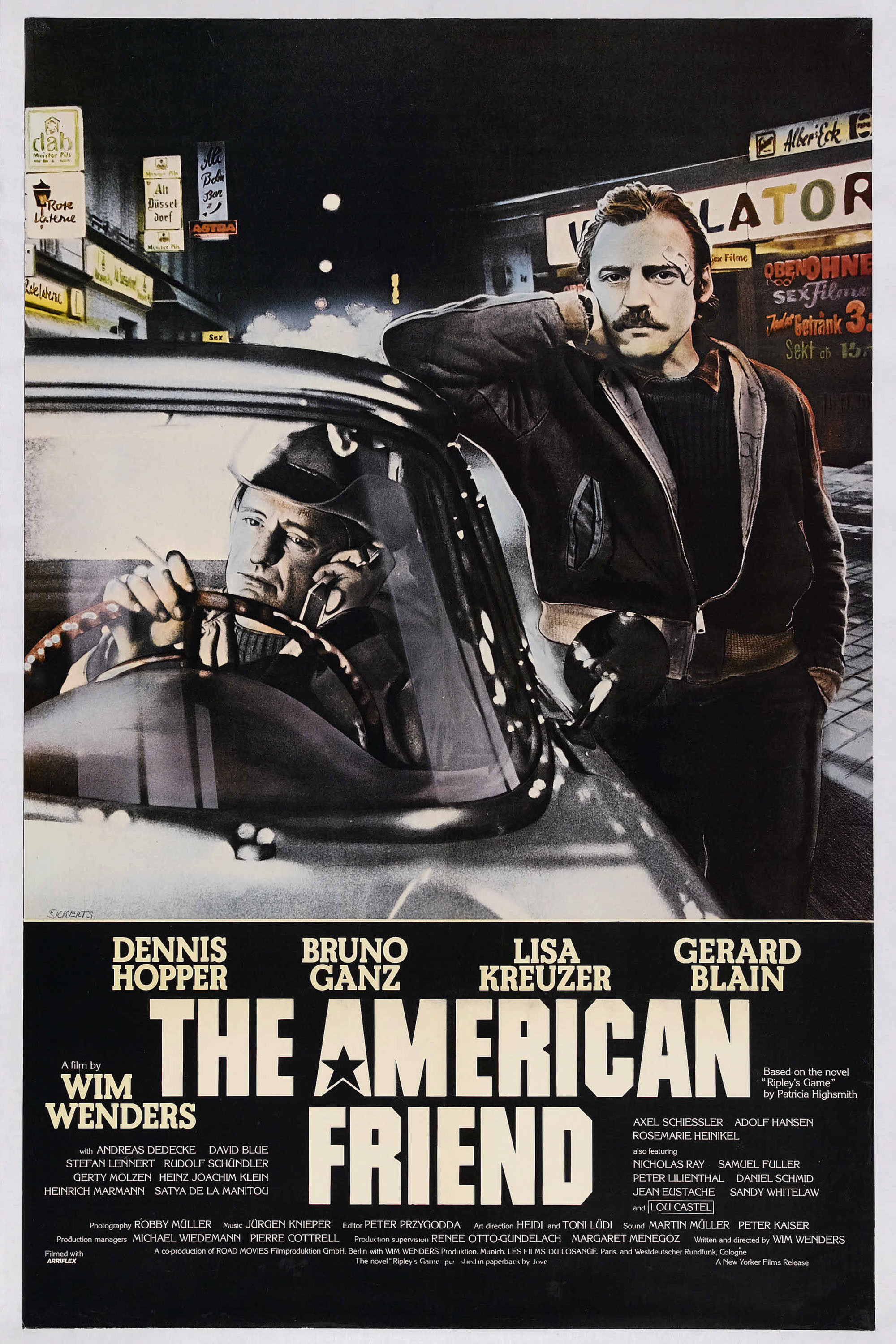
The American Friend poster

The American Friend

1977 · A slower, sadder crime film about ordinary vulnerability and the business of killing.

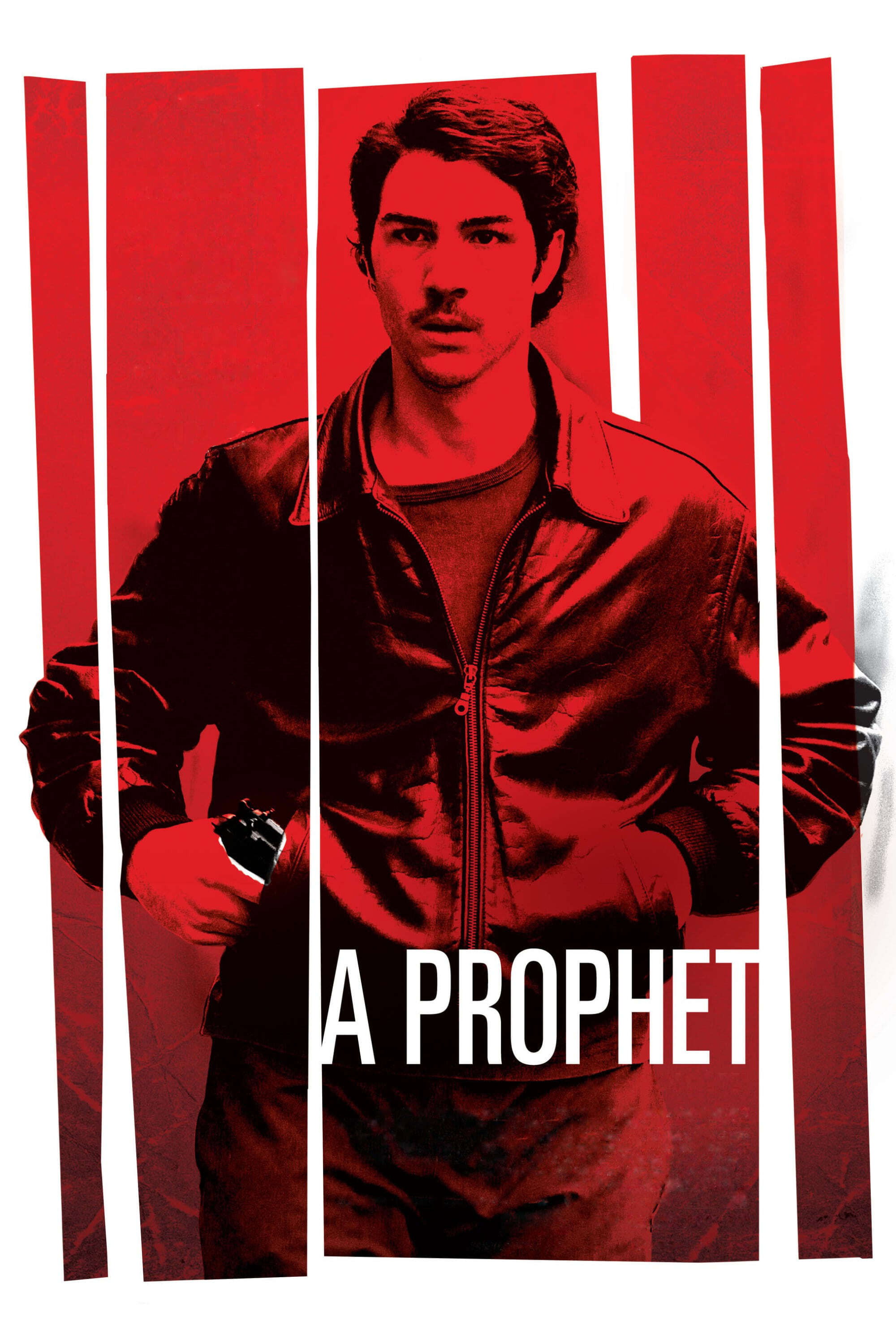
A Prophet poster

A Prophet

2009 · Prison crime treated as work, with power acquired through watching and waiting.

Sonatine poster

Sonatine

1993 · Another frighteningly composed gangster, with stranger and quieter diversions between the violence.