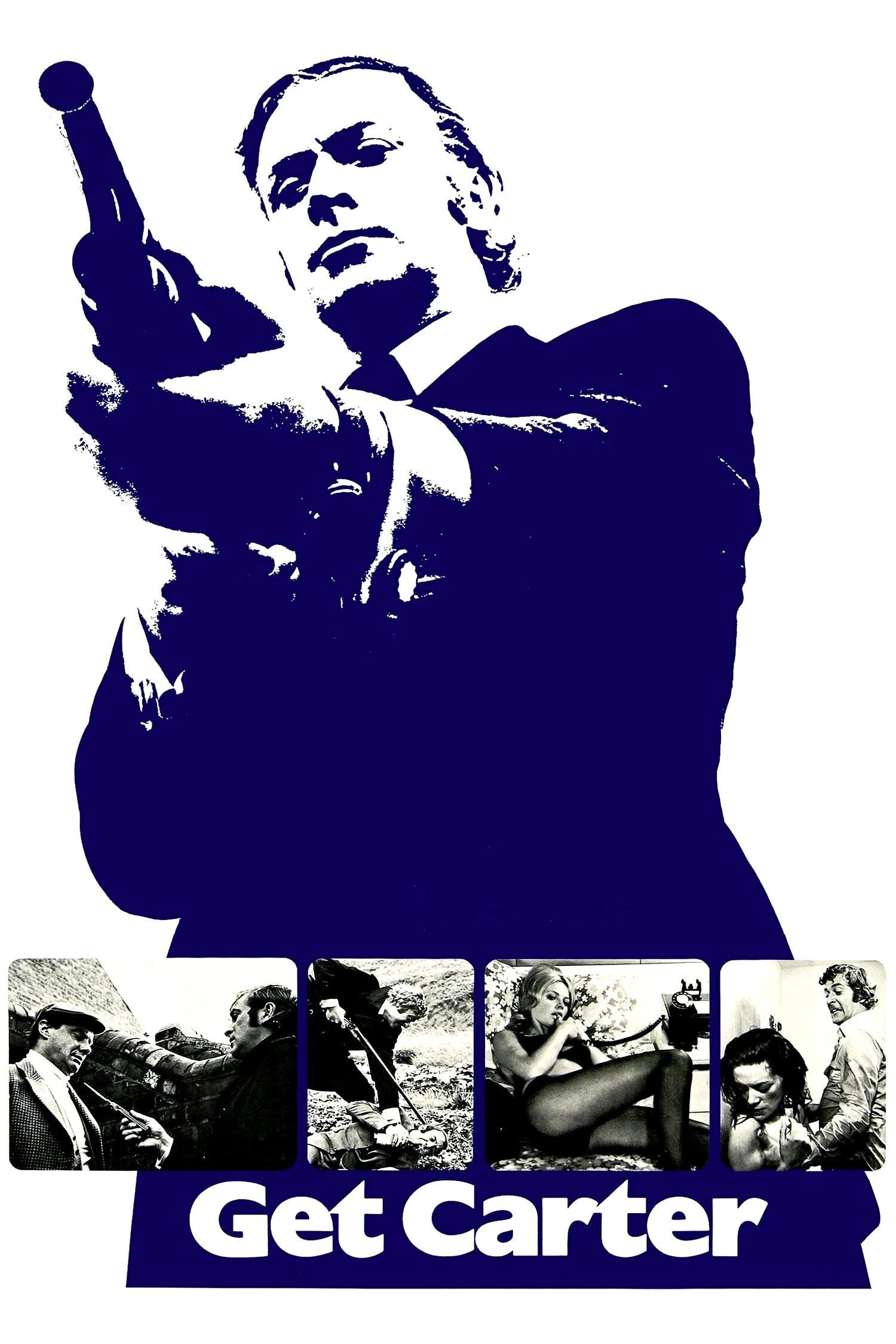
Mike Hodges understood how to make a dangerous man compelling without making him decent. We rate Get Carter highly, though his attention to male viciousness leaves too little space for the women subjected to it.
Fi1m perspective
Michael Caine's Jack Carter watches people long enough to make the waiting unpleasant. Get Carter (1971) gives this London gangster a reason to go to Newcastle — his brother's death — without giving us a reason to like him. We were unsettled by Caine's watchfulness, because Hodges gives us time to notice how readily Carter treats other lives as obstacles. It is a forceful crime thriller, and the discomfort is worth it.
Hodges came to features through British television, including World in Action, and wrote and directed Get Carter as his debut. He followed it with the absurdist Pulp (1972), again with Caine, then the clinical The Terminal Man (1974). The move to the kitsch science fiction of Flash Gordon (1980) is a useful warning against expecting another Get Carter. Studio interference and poor distribution also helped make that career uneven.
In Get Carter, cinematographer Wolfgang Suschitzky and production designer Assheton Gorton give Newcastle and its criminal surroundings a life beyond the investigation. The locations feel occupied by people who have work to do, while the criminal surroundings look used rather than dressed for our pleasure. John Trumper's editing maintains the pressure without making every passage hurry. Roy Budd's inviting score complicates the effect: Carter's assurance is attractive, and Hodges occasionally seems a little too pleased by it.
The treatment of women is a more substantial problem. Britt Ekland's Anna and Geraldine Moffat's Glenda get too little room for their own thoughts and wants beside the men's viciousness. Showing that these men are cruel does not make that neglect harmless. Hodges makes us register the ugliness, but he has not given everyone on its receiving end enough attention.
With Clive Owen, Croupier (1998) brought a late revival, followed by Hodges's final feature, I'll Sleep When I'm Dead (2003), again with Owen. The casino mirrors and fluid camerawork of Croupier put money and its attractions under scrutiny. Start with Get Carter, if a revenge thriller need not give you anybody to cheer for.
Biography
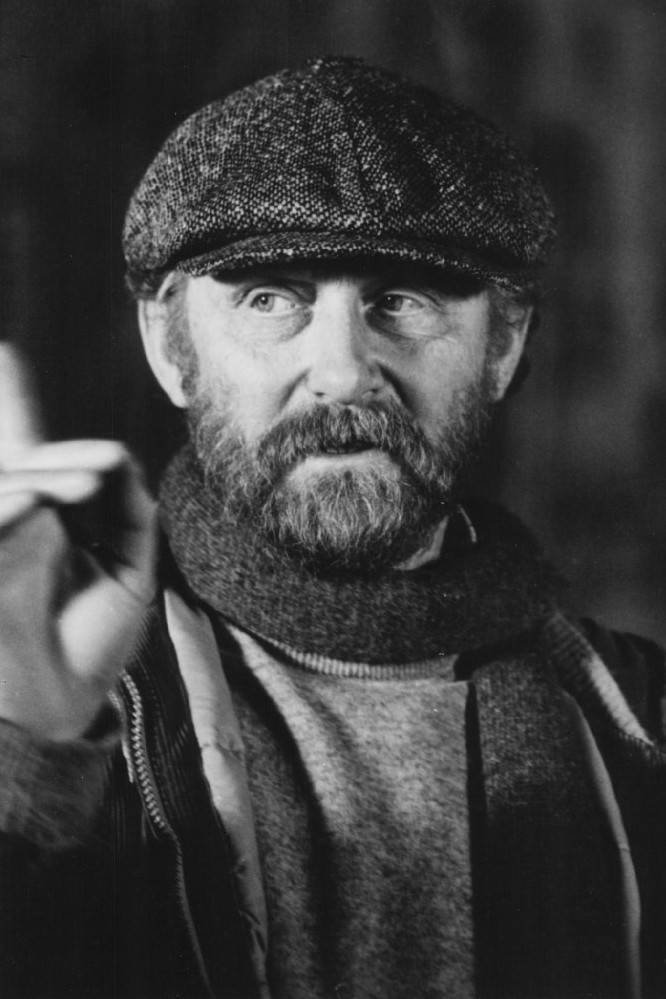
Mike Hodges was an English film director and screenwriter. Born in Bristol in 1932, he began his career in television, directing documentaries for World in Action and dramas such as the ITV Playhouse episodes Suspect (1969) and Rumour (1970). His feature debut was the crime thriller Get Carter (1971), which he also wrote.
Hodges went on to direct Pulp (1972), The Terminal Man (1974), Flash Gordon (1980), Black Rainbow (1989) and Croupier (1998). He died in Dorset in 2022.