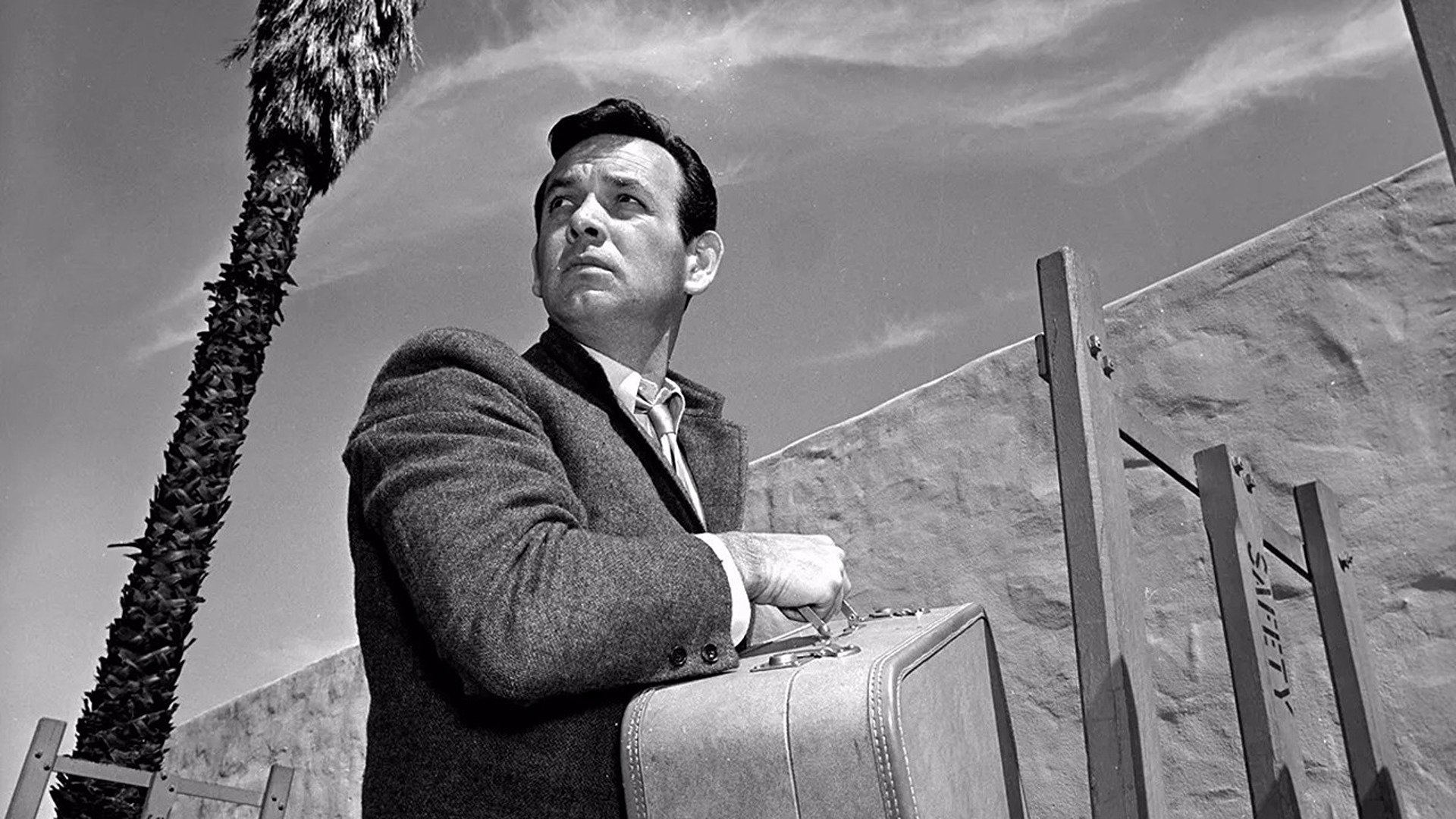
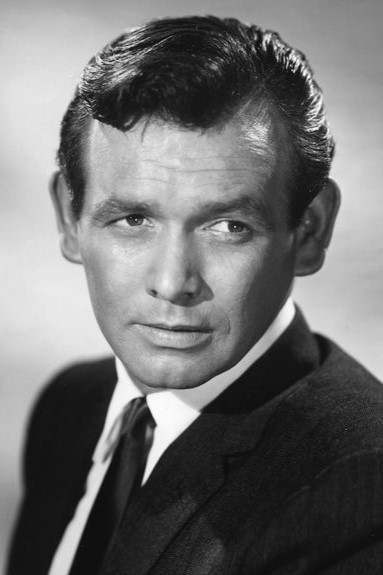
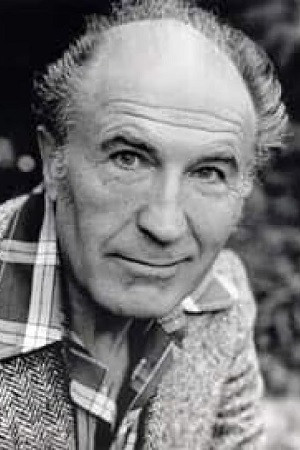
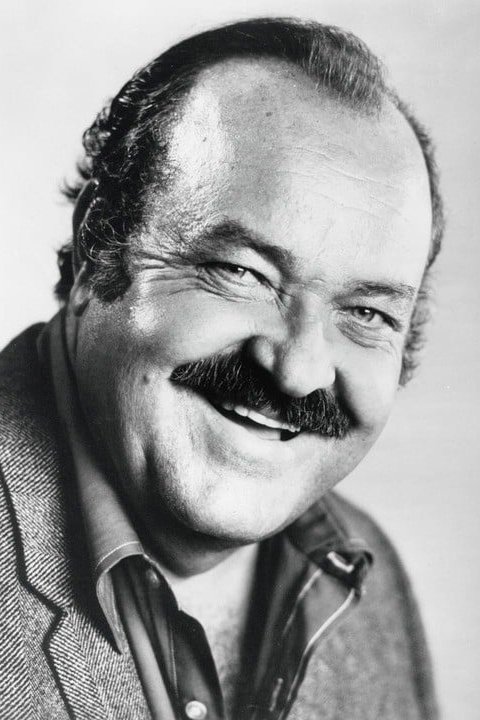
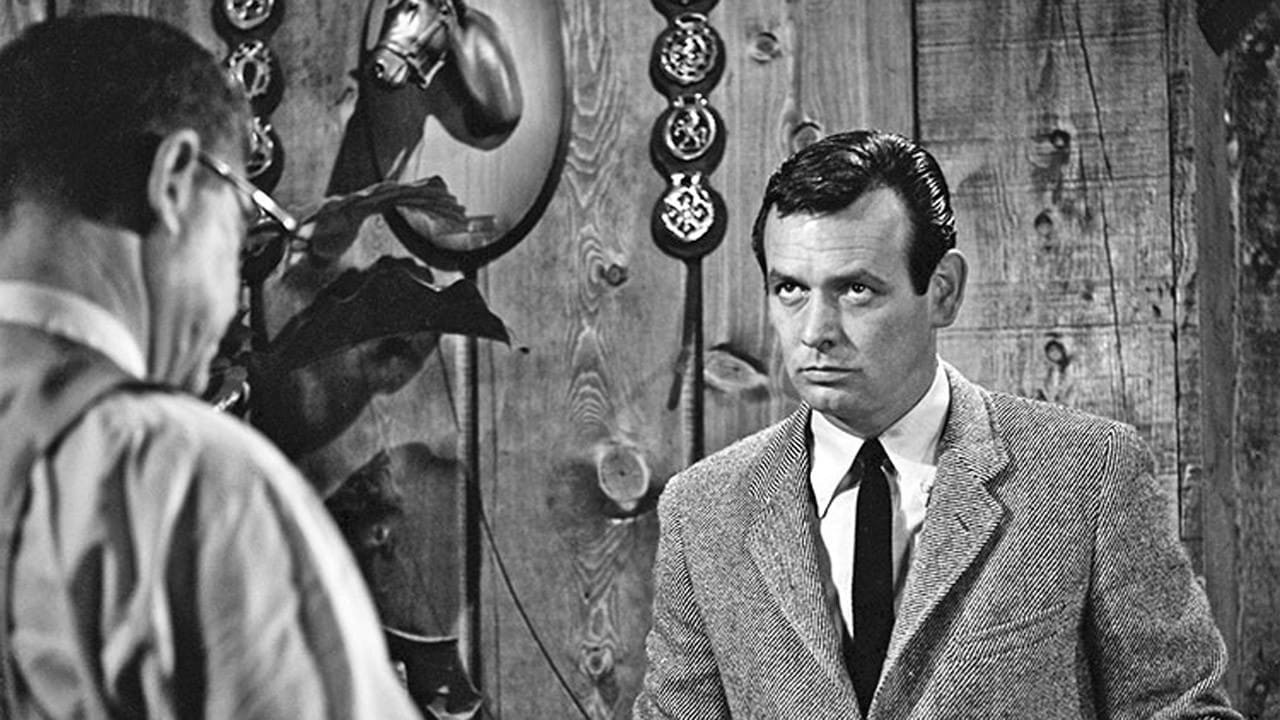
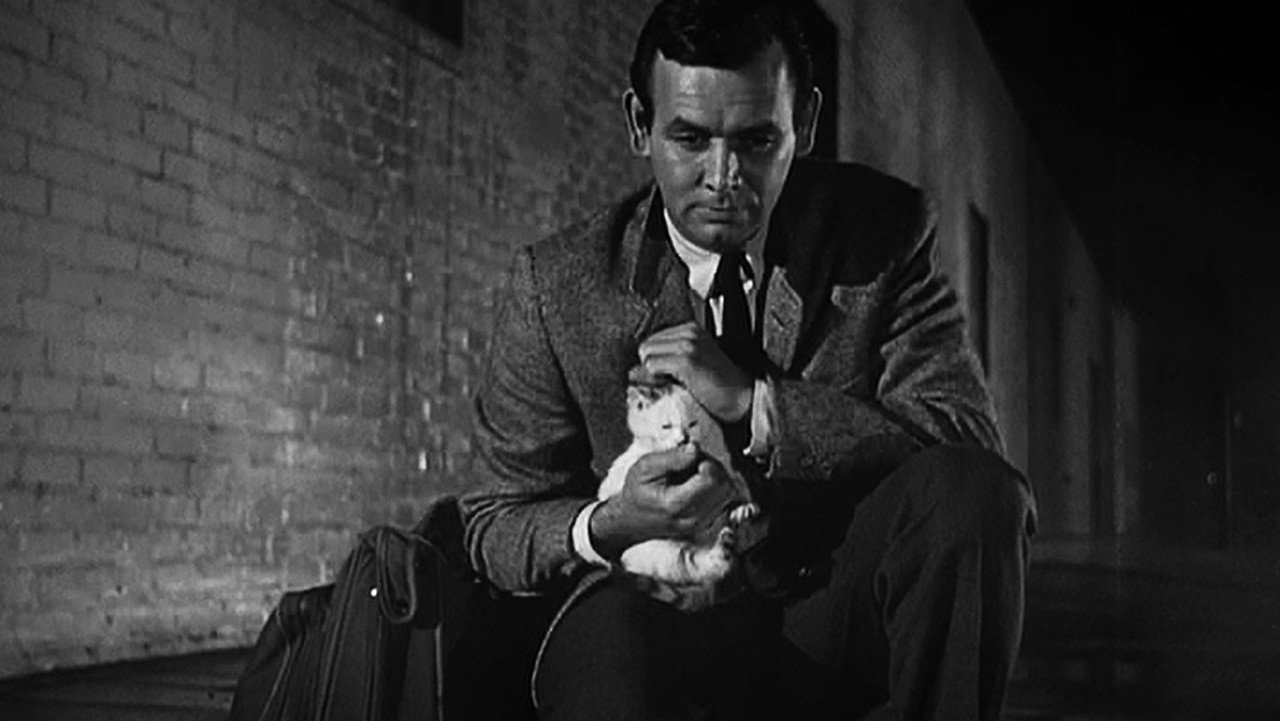
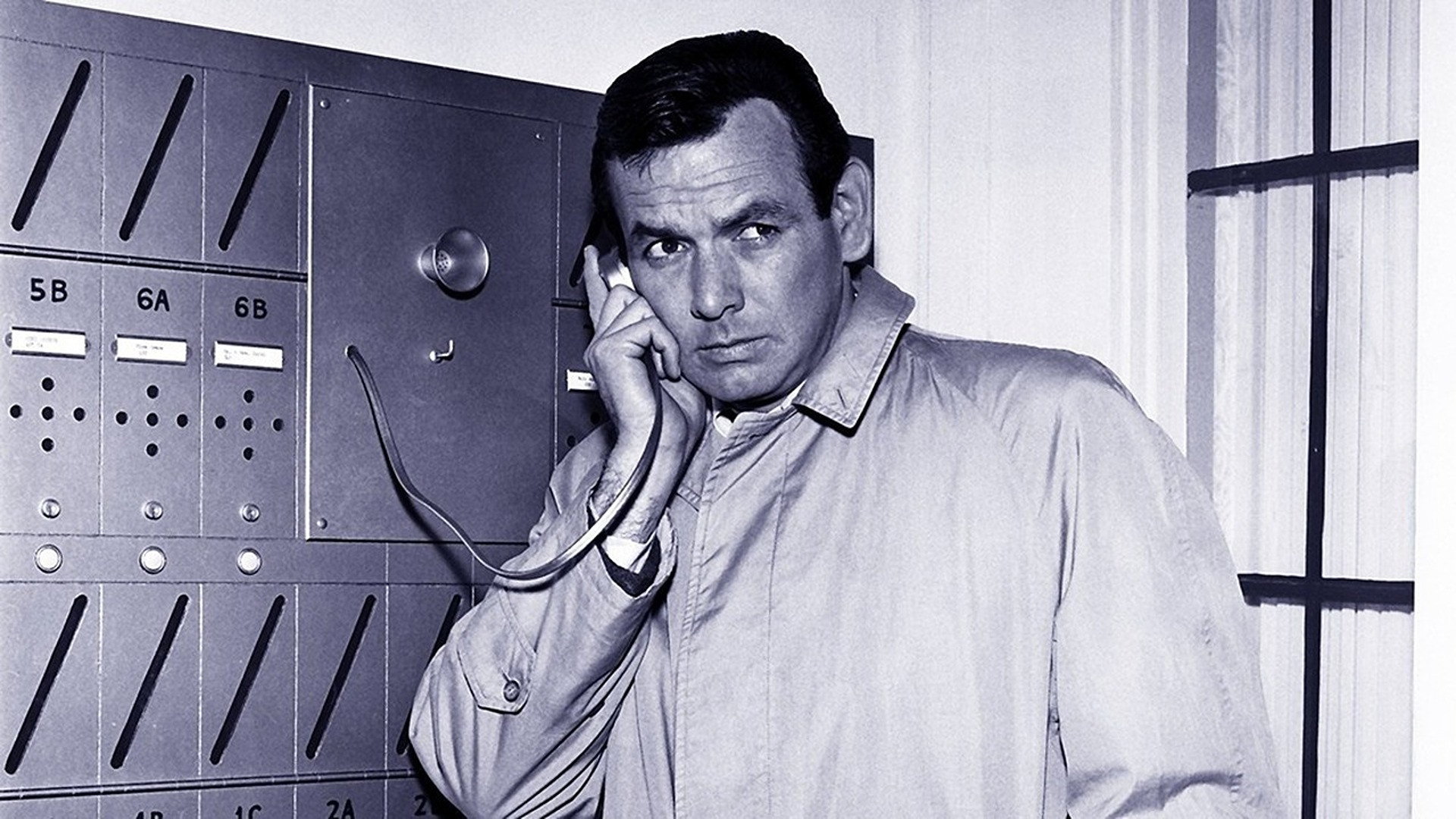
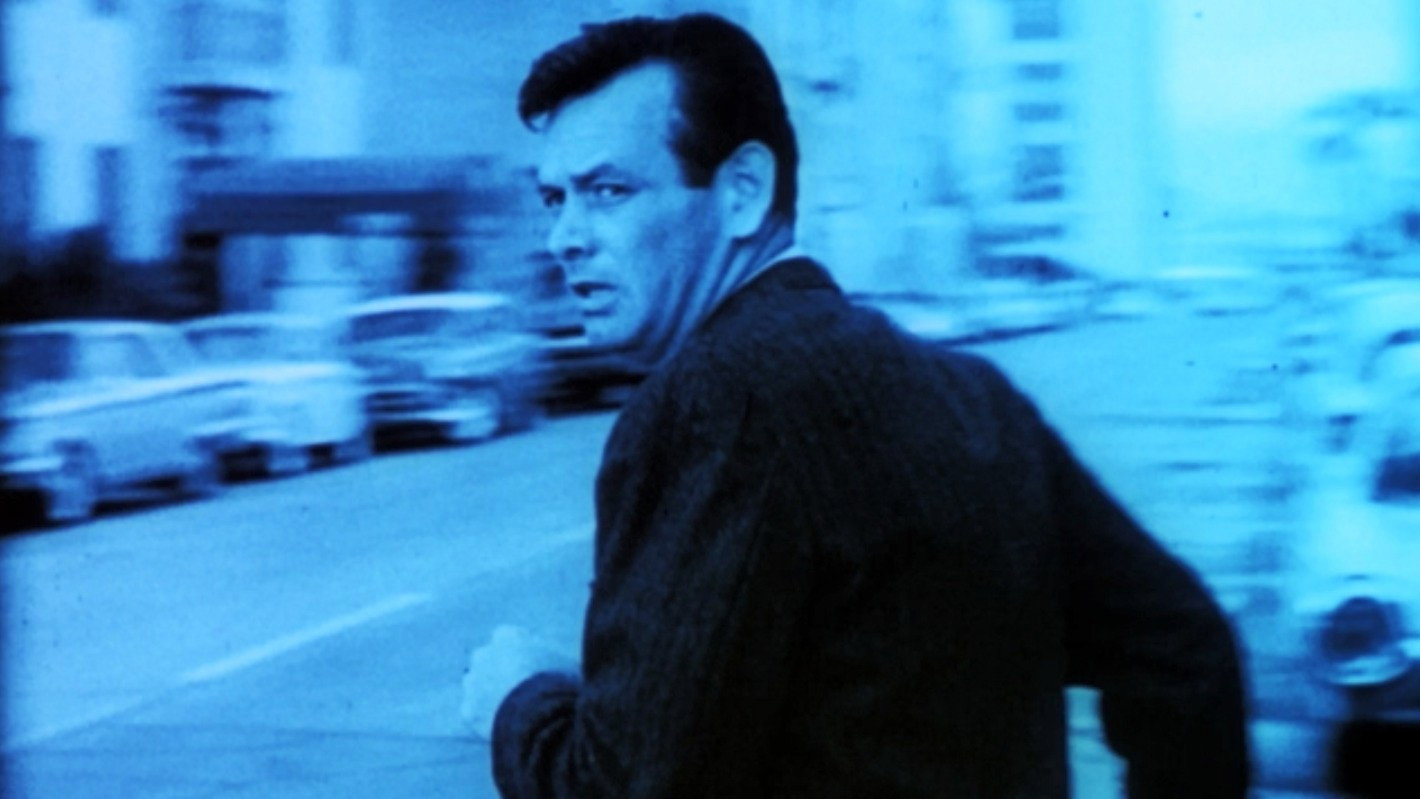
David Janssen gives The Fugitive a tired, believable hero worth following through its mixture of crime, action and melodrama. We recommend it, with patience for the repeated predicament and the sometimes over-insistent narration.
Roy Huggins’s The Fugitive makes gripping television out of a predicament that cannot simply be cleared away after an hour. We recommend it for David Janssen’s Richard Kimble, a doctor whose weariness makes the continuing danger matter. The series combines crime, action and melodrama without treating the last of those as an embarrassment. Its principal limitation is the repetition built into keeping one man in trouble for so long, however effectively that trouble is varied.
The troubling idea is that the law can be wrong and still possess the power to ruin a life. Richard Kimble has to live with that possibility, so authority offers little reassurance. Barry Morse’s Lieutenant Gerard gives the law a continuing presence, while the protagonist’s anxiety makes the threat personal. The programme asks us to spend time with someone who cannot assume that an institution will recognise its own mistake.
David Janssen’s naturalism is essential to making that bearable. He allows Richard Kimble to be virtuous without making him seem inexhaustible, and the fatigue makes his goodness persuasive. We were moved by how tired his decency looked. There is nothing restful about being the conscientious person in this story, and the performance makes us feel the effort of it. A more assertive, invulnerable hero would make the danger easier to dismiss, and would be considerably less interesting company.
The cinematography credits include Carl E. Guthrie and Robert Hoffman, and the editing credits include Richard Cahoon and Jodie Copelan. Their shared task is to keep the danger clear without crowding out the man experiencing it. That balance works: Richard Kimble’s capacity to keep going matters as much as the immediate excitement. The hour-long format also leaves space for the crime story and the melodrama to sit together, giving the actor something beyond the next threat to play.
William Conrad’s narration is a less naturalistic element, and its emphatic authority can sit awkwardly beside the leading performance. We occasionally wanted it to trust David Janssen more. The actor already makes the strain of Richard Kimble’s position intelligible; the programme need not underline it quite so firmly. Still, the narration keeps the changing stories clear, and there is something reassuring about its firmness in a programme whose central character has so little reassurance available to him.
The larger reservation is repetition. Across four seasons of 30 episodes each, there are a great many occasions to worry about the same man in the same essential trouble. His decency can also make him too dependable, with more opportunities to endure than to surprise us. The variety of stories helps, but cannot make the central predicament feel newly discovered on every visit. Expecting constant progress towards a solution is a good way to miss what the individual dramas offer.
Against the pursuit thriller’s usual reliance on speed, this series gives unusual weight to the wearing business of being afraid. Its hero’s vulnerability remains interesting even when the pattern becomes familiar. It is worth allowing those individual dramas some breathing space, particularly if the older television rhythms take a little adjustment. Start with one episode rather than clearing the weekend.