James Goldstone was good at getting a story moving, particularly when a television pilot had to persuade people to return. We value his handling of suspense and ensembles, without giving him sole credit for the programmes he helped establish.
Fi1m perspective
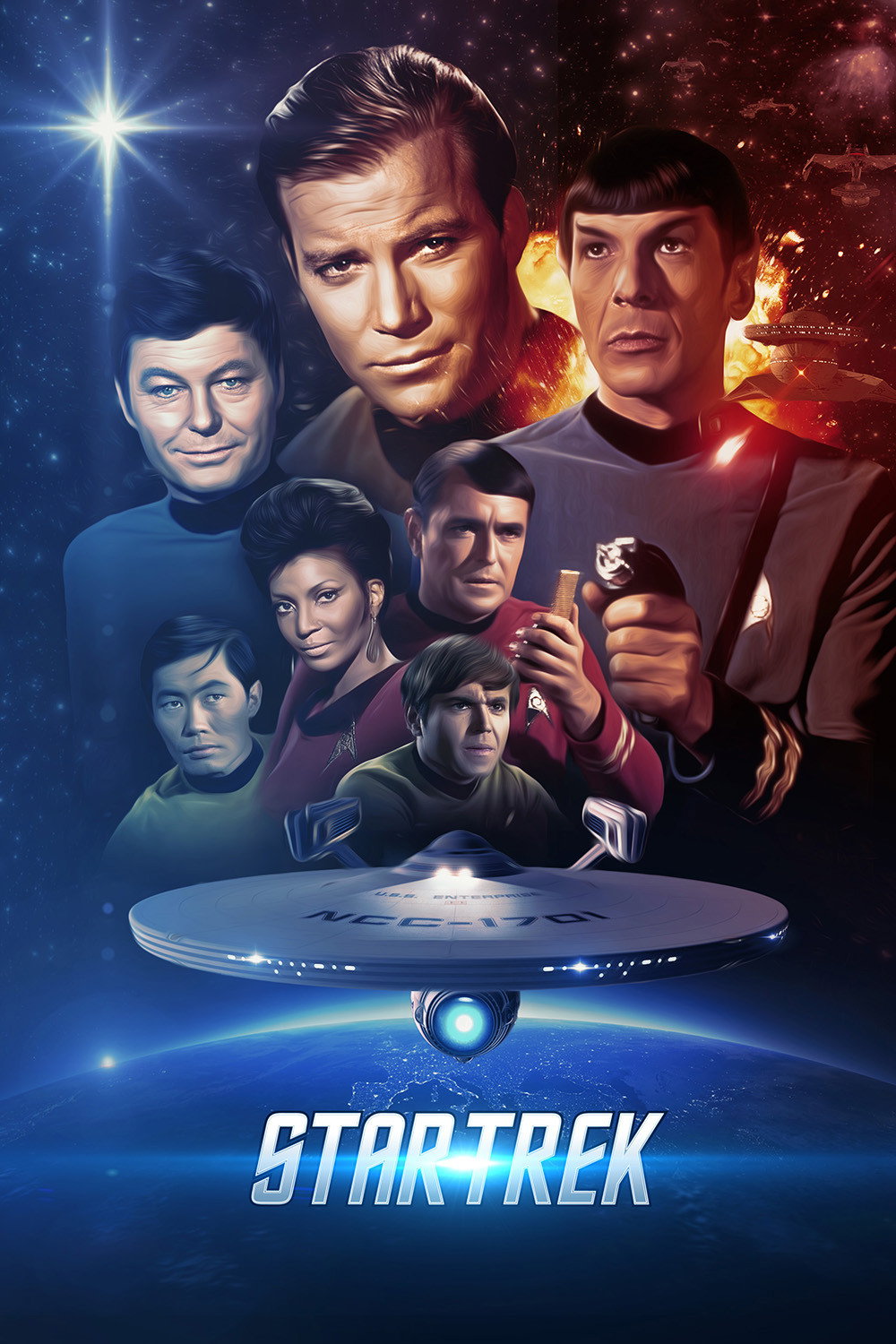
In Star Trek (1966), William Shatner, Leonard Nimoy and DeForest Kelley make disagreement worth watching, even when the moral lesson is blunt. We found its hopeful outlook heartening because those three make it persuasive through the way they argue. Goldstone directed Where No Man Has Gone Before (1966), the second pilot that secured the series commission. That was consequential work, though the pleasures of the whole series cannot be claimed for the director of one pilot.
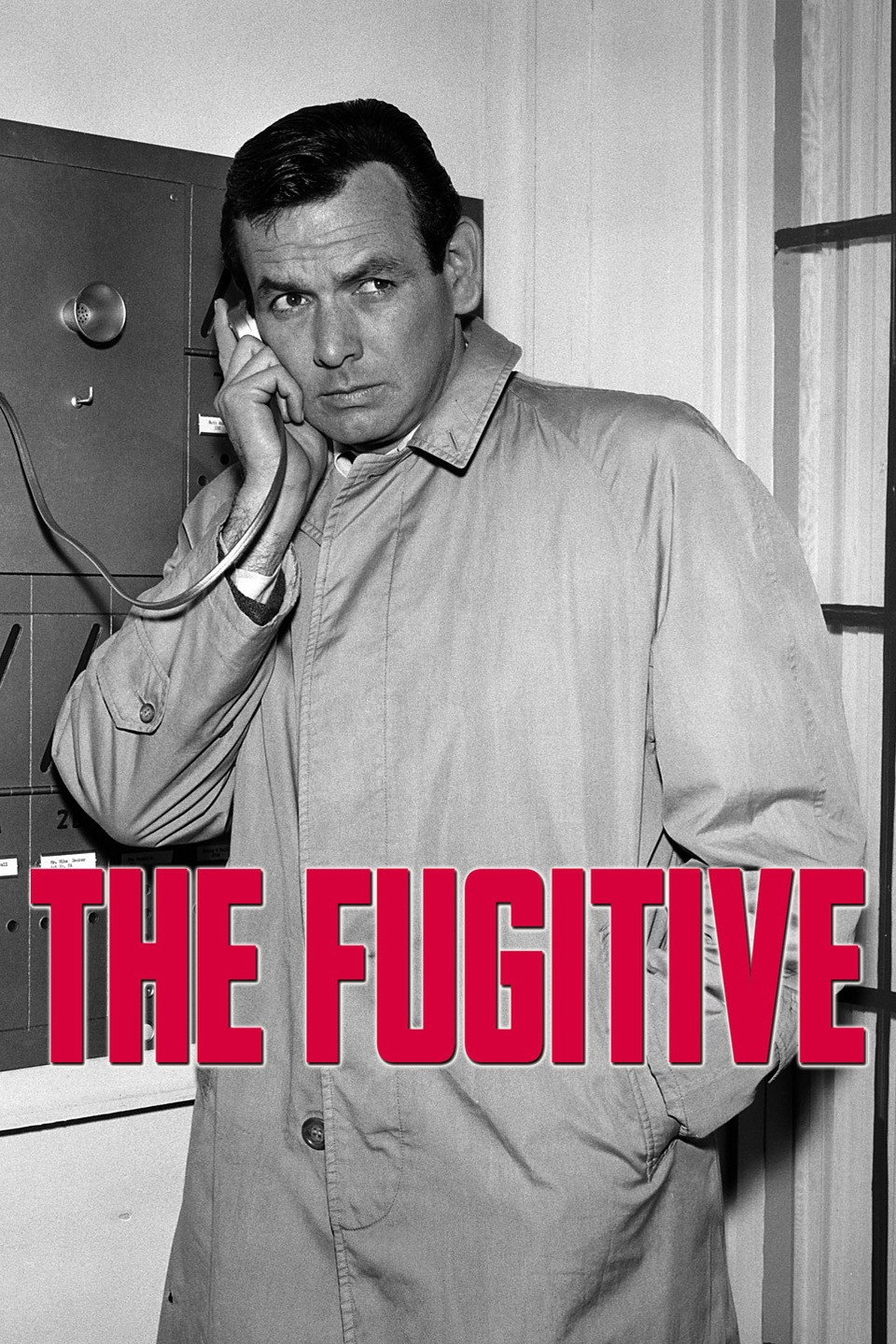
His television pilots used regular cliffhangers, giving audiences a reason to keep watching. That is a practical skill, and an important one, provided the people remain worth following. He also directed for The Fugitive (1963), whose tired, believable hero owes much to David Janssen. We recommend it despite the repeated predicament and sometimes over-insistent narration; Janssen sustains interest through its crime, action and melodrama. The suspense needs someone we care about at its centre, or the next escape will count for little.
The move into features in the late 1960s brought Winning (1969), with Paul Newman, and scope for Goldstone's capable handling of an ensemble. His collaborators included composer Lalo Schifrin, on three films, and cinematographer Jerry Finnerman. Those names are worth noting, but our interest in Goldstone rests chiefly on his handling of actors and his ability to keep a story moving.
Later he concentrated on television films and miniseries, including Kent State (1981). He preferred one-off projects and had declined an ongoing role on Star Trek, so the shift makes sense as a continuation of that working habit. His own account of making the pilot was modest: “It was fun creating from the bottom up, building characters and story premises you could relate to on a human level.” Start with Where No Man Has Gone Before, and allow time for another episode afterwards.
Biography
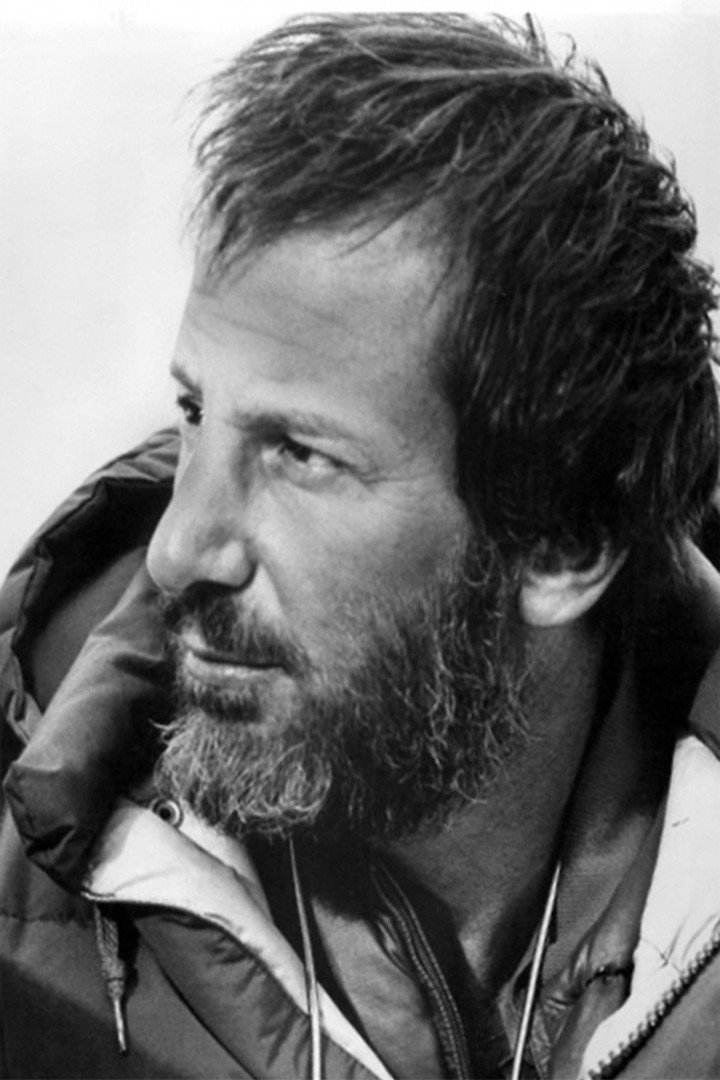
James Goldstone (8 June 1931 – 5 November 1999) was an American film and television director. Born in Los Angeles, he was the son of Hollywood agent and producer Jules Goldstone. He graduated from Dartmouth College and received a master’s degree from Bennington College.
Goldstone directed two episodes of the original Star Trek series in 1966, including the second pilot “Where No Man Has Gone Before”. He also directed episodes of The Fugitive (1963) and pilots for series including Ironside and The Bold Ones: The Senator. Other television credits include episodes of The Outer Limits and Voyage to the Bottom of the Sea.
His feature films include Winning (1969), Red Sky at Morning (1971) and Rollercoaster (1977). He won a Primetime Emmy for directing the television film Kent State (1981). In later years he taught film studies and was active in the arts in Vermont.