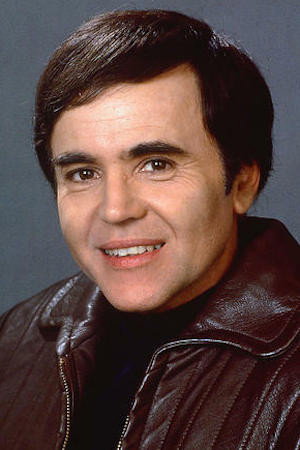
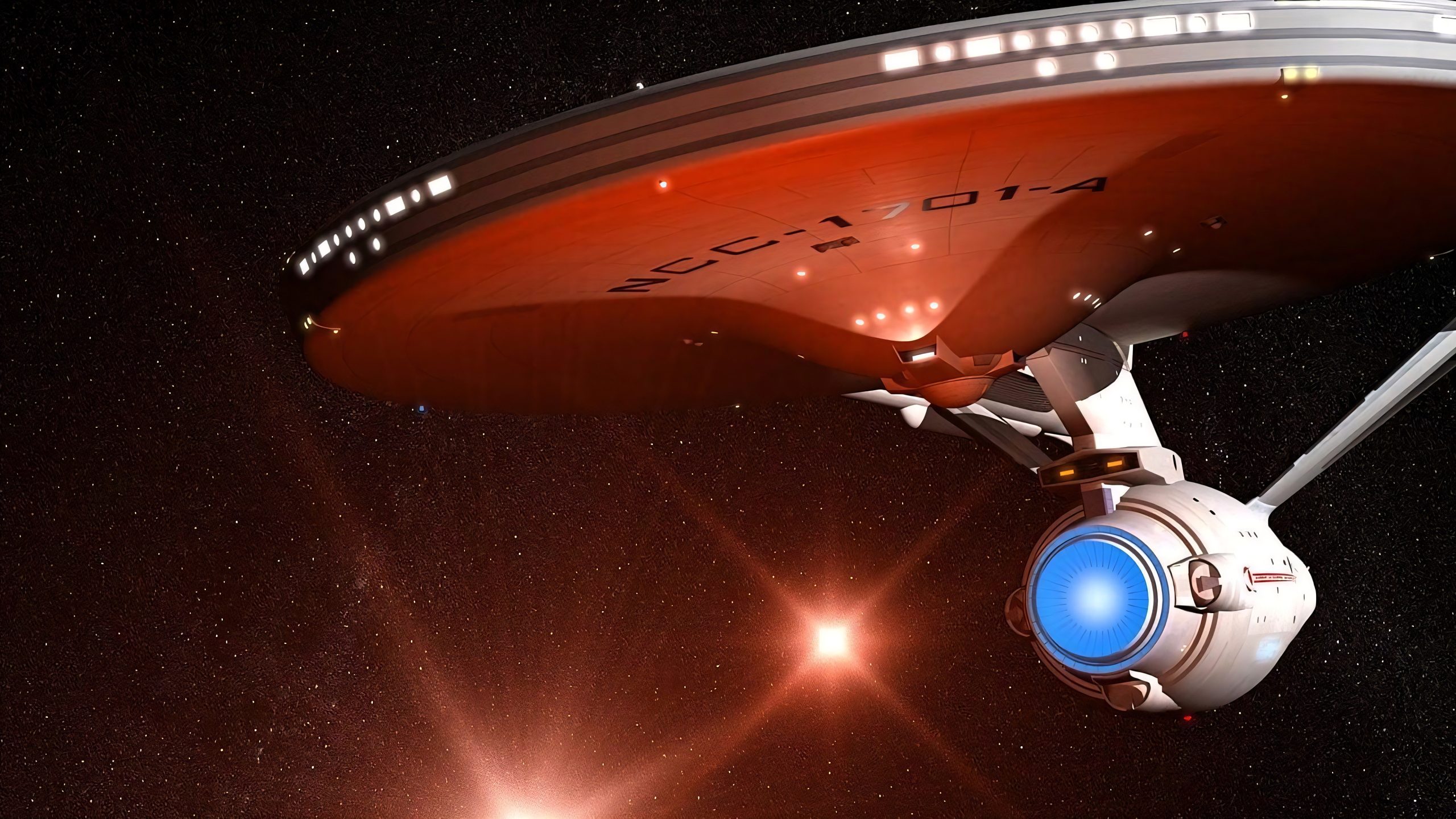
Star Trek makes its hopeful outlook persuasive through William Shatner, Leonard Nimoy and DeForest Kelley. The moral lessons can be blunt, but the pleasure of watching these three disagree survives the dated effects.
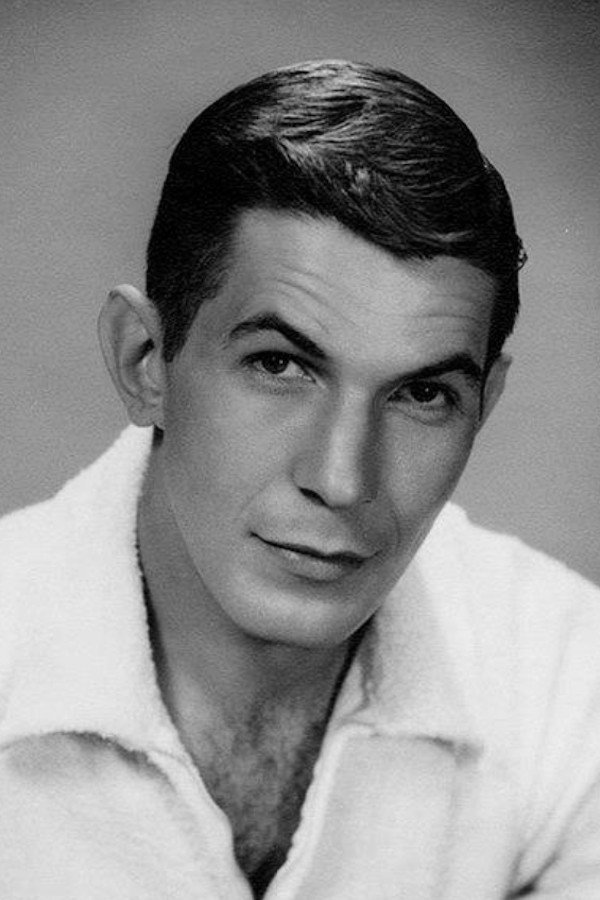
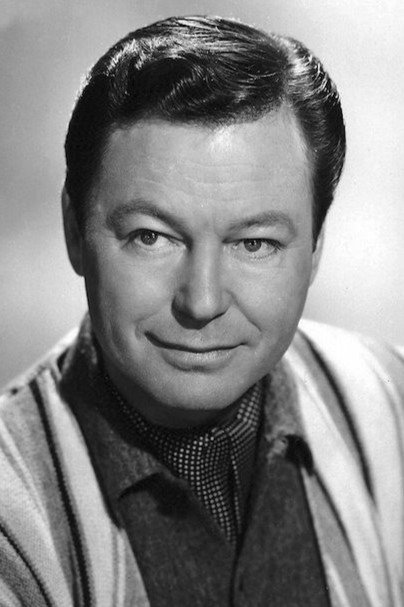
Gene Roddenberry’s Star Trek is worth watching for the company, even when the story needs patience. Its optimism becomes convincing because William Shatner, Leonard Nimoy and DeForest Kelley make disagreement enjoyable: these people can argue without making us wish they would separate. The science-fiction adventures give them questions about responsibility and other people’s rights, and the strongest passages allow those questions to cause trouble. We recommend it warmly, with a warning that some lessons arrive already underlined.
William Shatner gives James T. Kirk an impatience that keeps discussion from settling into a lecture. Leonard Nimoy’s Spock can make a restrained response feel as pointed as an interruption, while DeForest Kelley’s Dr. McCoy supplies the irritation that polite reasoning leaves out. We laughed at their exchanges because DeForest Kelley makes exasperation sound so affectionate, without asking Leonard Nimoy to soften his delivery. All three actors help us believe that these people would choose to spend more time together, even after a conversation that has tested everyone’s patience.
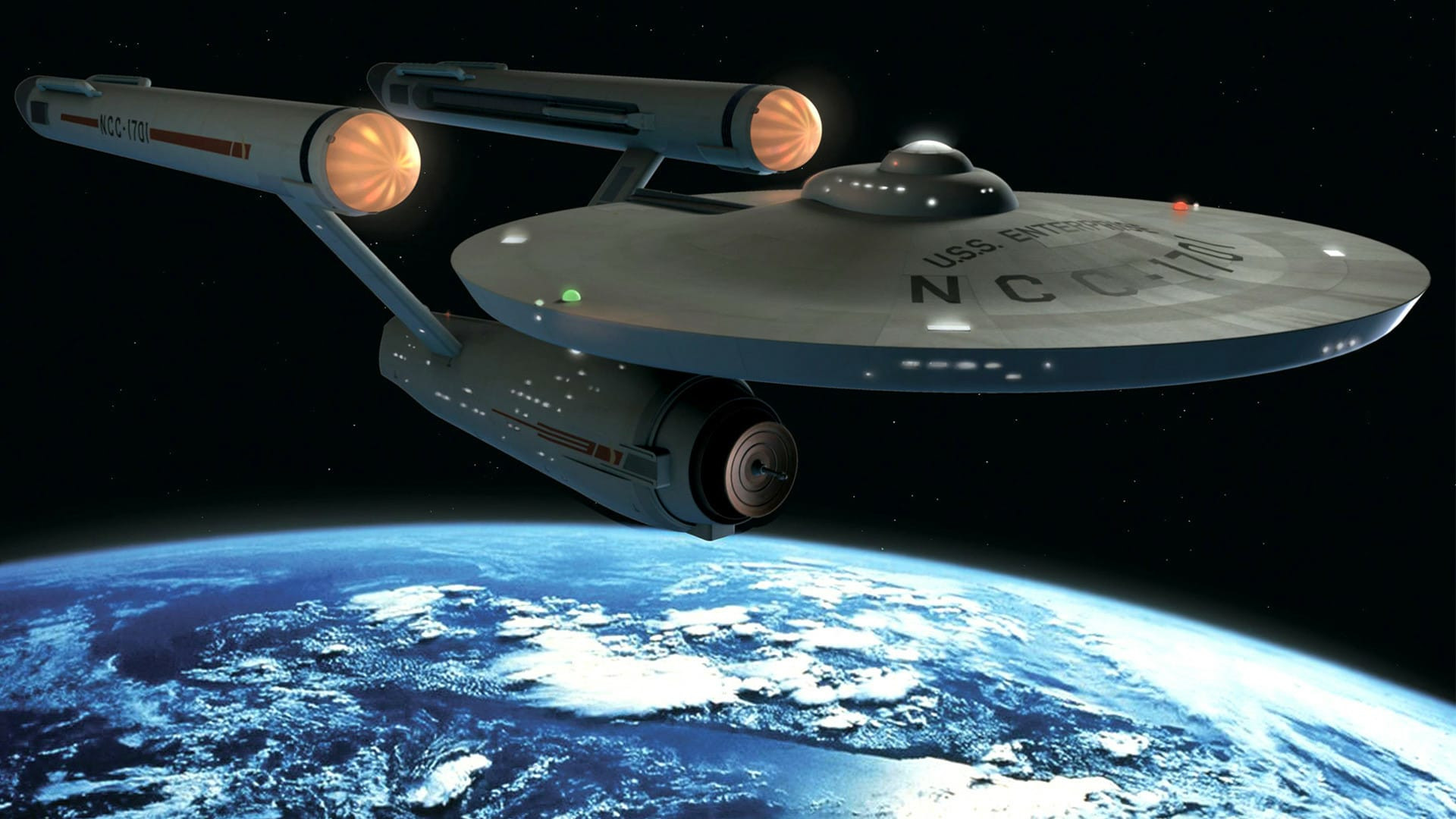
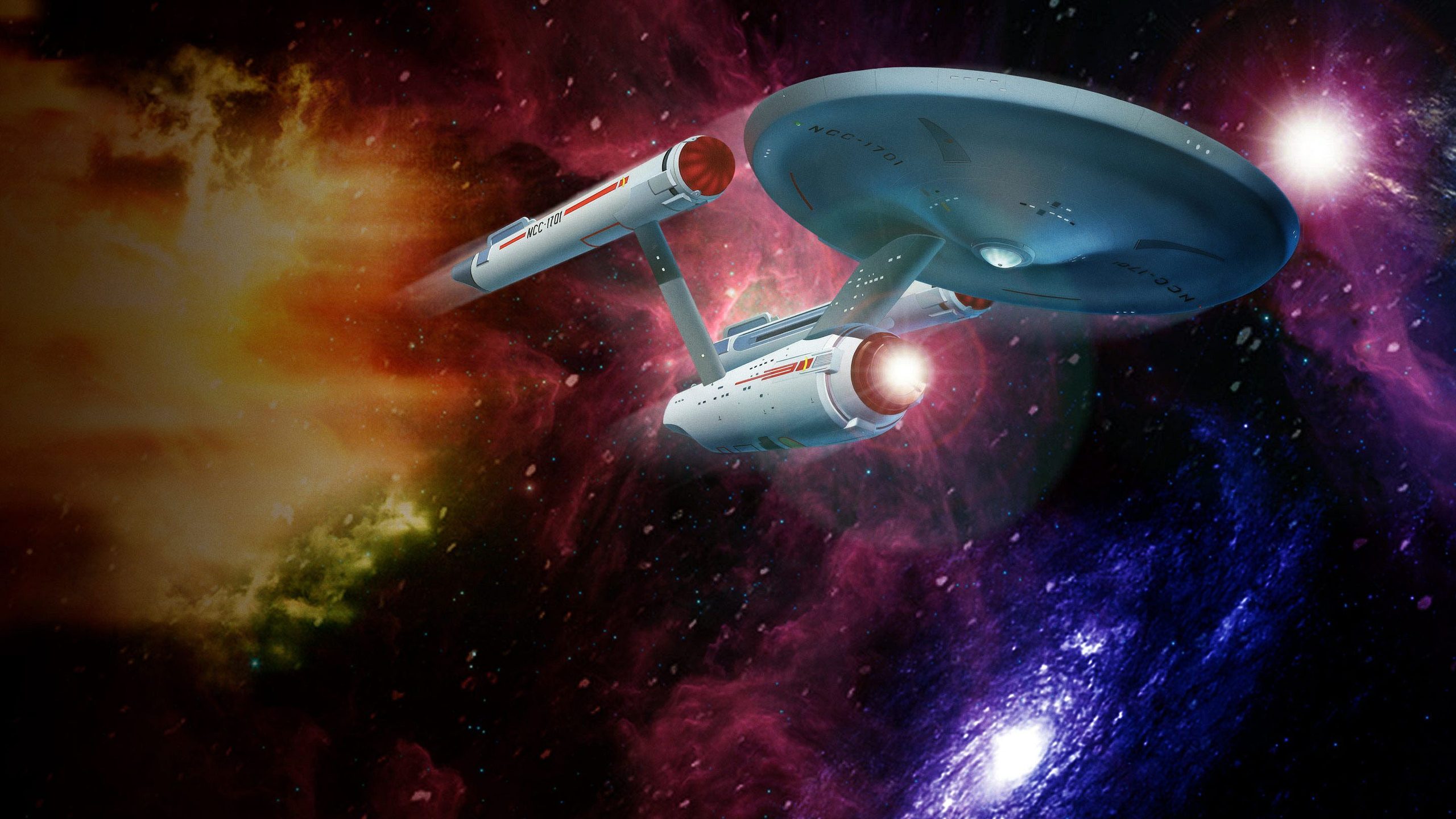
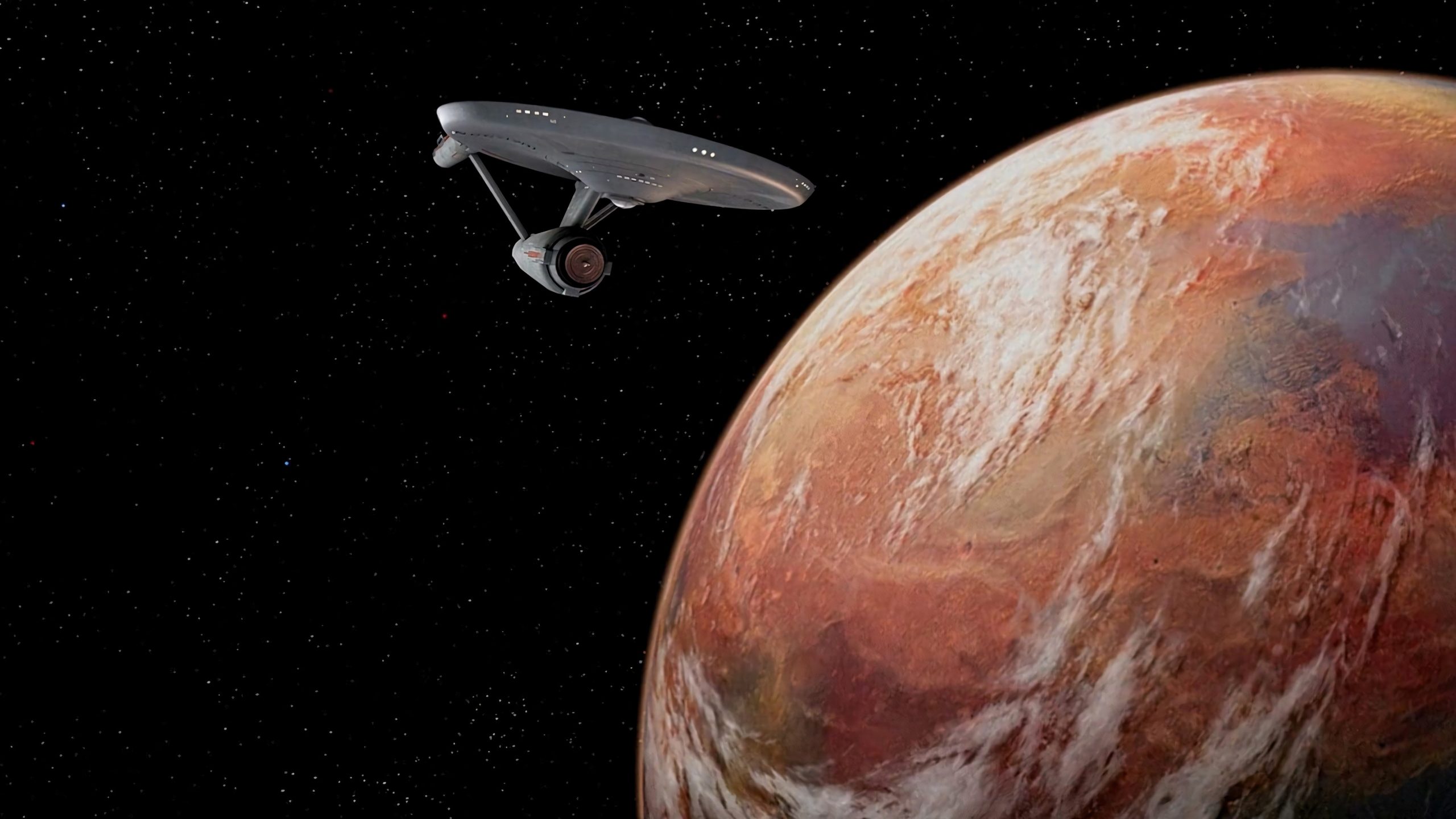
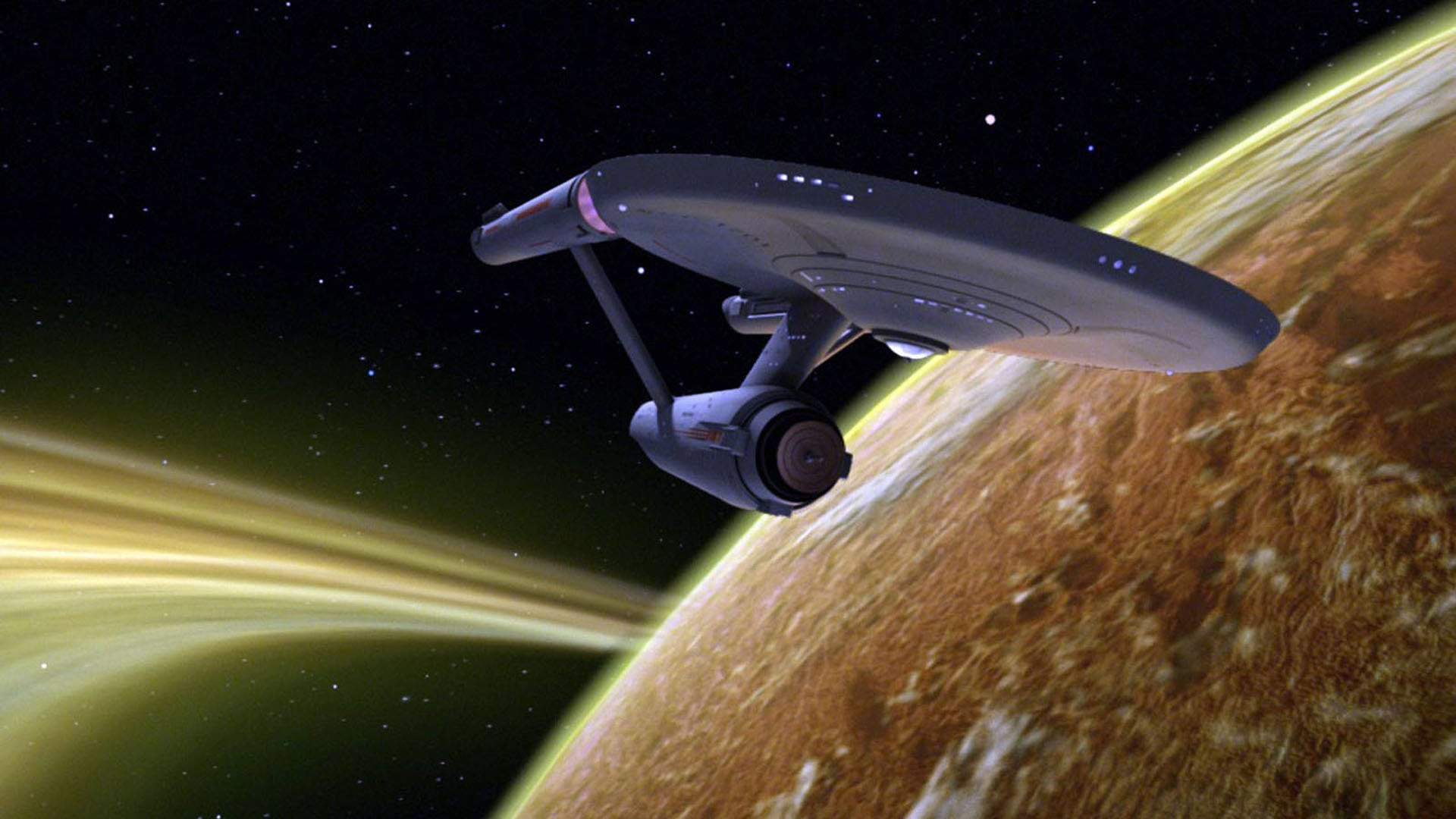
Gerald Perry Finnerman is among the cinematographers, and the photography gives the performances the attention they need. Faces remain interesting when the effects have stopped being persuasive; a doubtful look is often enough to hold a scene together. Walter M. Jefferies’s production design gives the actors a coherent place to work, even when we remain conscious of the scenery. The programme becomes easier to accept once we stop inspecting every surface and attend to the people using it.
John Hanley and John M. Foley are among the editors, and the cutting is strongest when it lets a disagreement gather pace. The pauses give the actors room, although not every stretch of explanation earns that room. Alexander Courage, one of the composers, helps make the adventure feel inviting rather than forbidding, an important contribution to the programme’s optimism. At times the musical insistence makes a modest threat seem overannounced.
The weak point is how readily a moral problem can become a demonstration. Once the characters seem assigned to particular opinions, their arguments lose some of the untidiness that makes the better exchanges pleasurable. The theatrical acting can be funny, but broad playing and a blunt lesson together can make an episode feel laborious. Those are the stretches when the characters seem to be explaining something we have already understood.
Against science fiction that treats every encounter as an excuse for a fight, the curiosity here remains appealing. The writers include D. C. Fontana, Gene L. Coon and Theodore Sturgeon, and the adventures have enough variety of tone to withstand some repeated habits. At its best, the programme gets suspense out of a decision that cannot be made comfortably, then lets the actors make that discomfort recognisable. Its hopefulness seems earned whenever a character has to work at understanding someone else.
Watch an episode at a time, and give the talk as much attention as the danger. The unevenness is easier to forgive when William Shatner, Leonard Nimoy and DeForest Kelley can establish their rhythm without a long sitting exposing every repeated move. If the arguments between those three make you smile, there is plenty here worth forgiving.