Walter Grauman brought unusual angles and heavy shadows to crime television, and took camera movement seriously. We rate him as a resourceful television director, with The Fugitive the place to start, provided its repeated predicaments do not wear you down.
Fi1m perspective
The odd angles and heavy shadows of The Untouchables (1959) suggest someone unwilling to leave the camera in the obvious place. Grauman also regarded camera movement as central to directing. We value that visual curiosity. He directed live television anthologies in the 1950s and made his first feature, The Disembodied (1957), but episodic television remained his principal work.
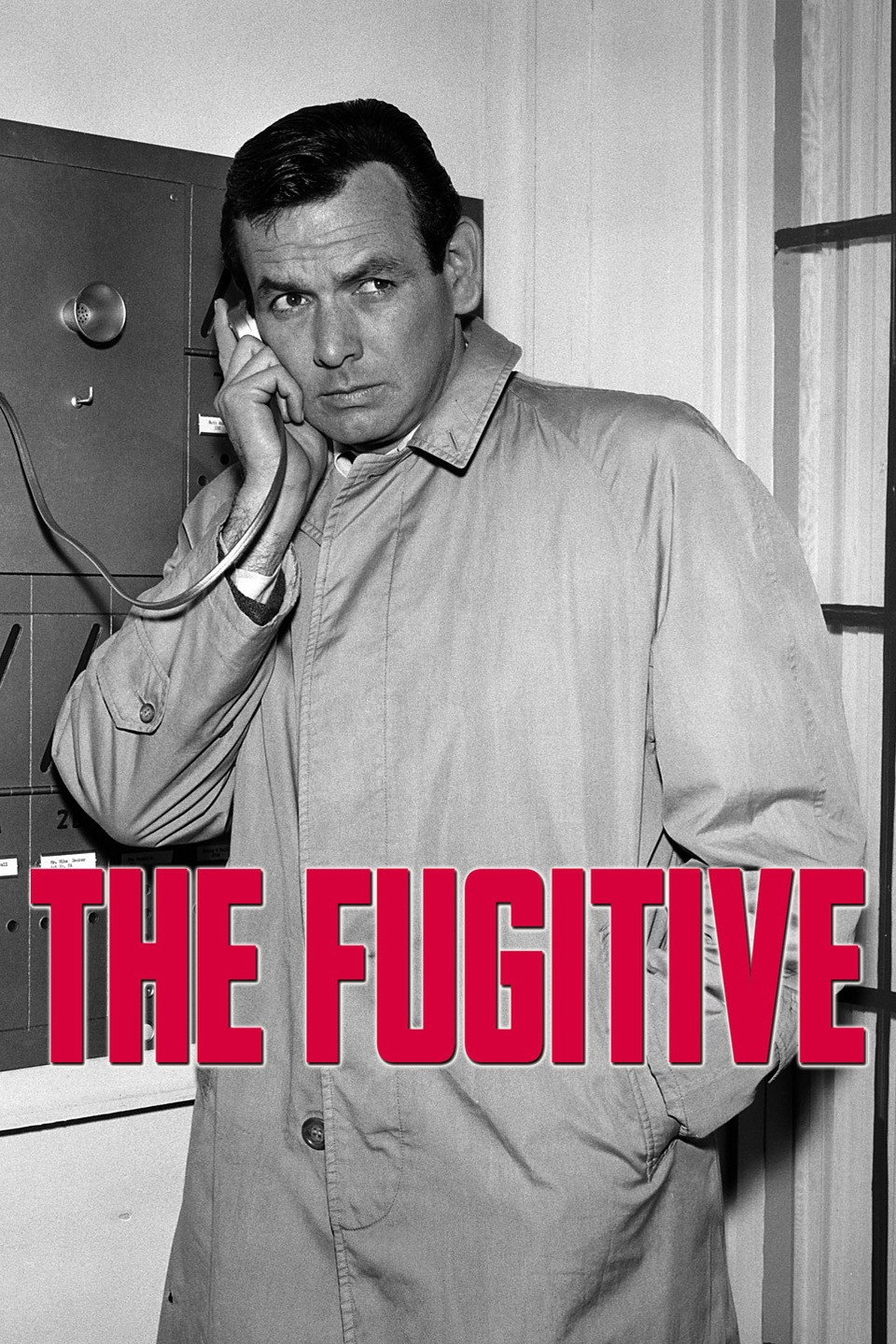
The Fugitive (1963) is our first recommendation: Grauman directed the pilot, 'Fear in a Desert City', and further episodes for producer Quinn Martin. We cared about David Janssen's hero because the tiredness in his performance made the repeated danger feel wearing rather than merely exciting. That is a considerable asset in a series mixing crime, action and melodrama, where another predicament is always due. The repetition and the sometimes over-insistent narration still require patience, but we wanted to stay with this man.
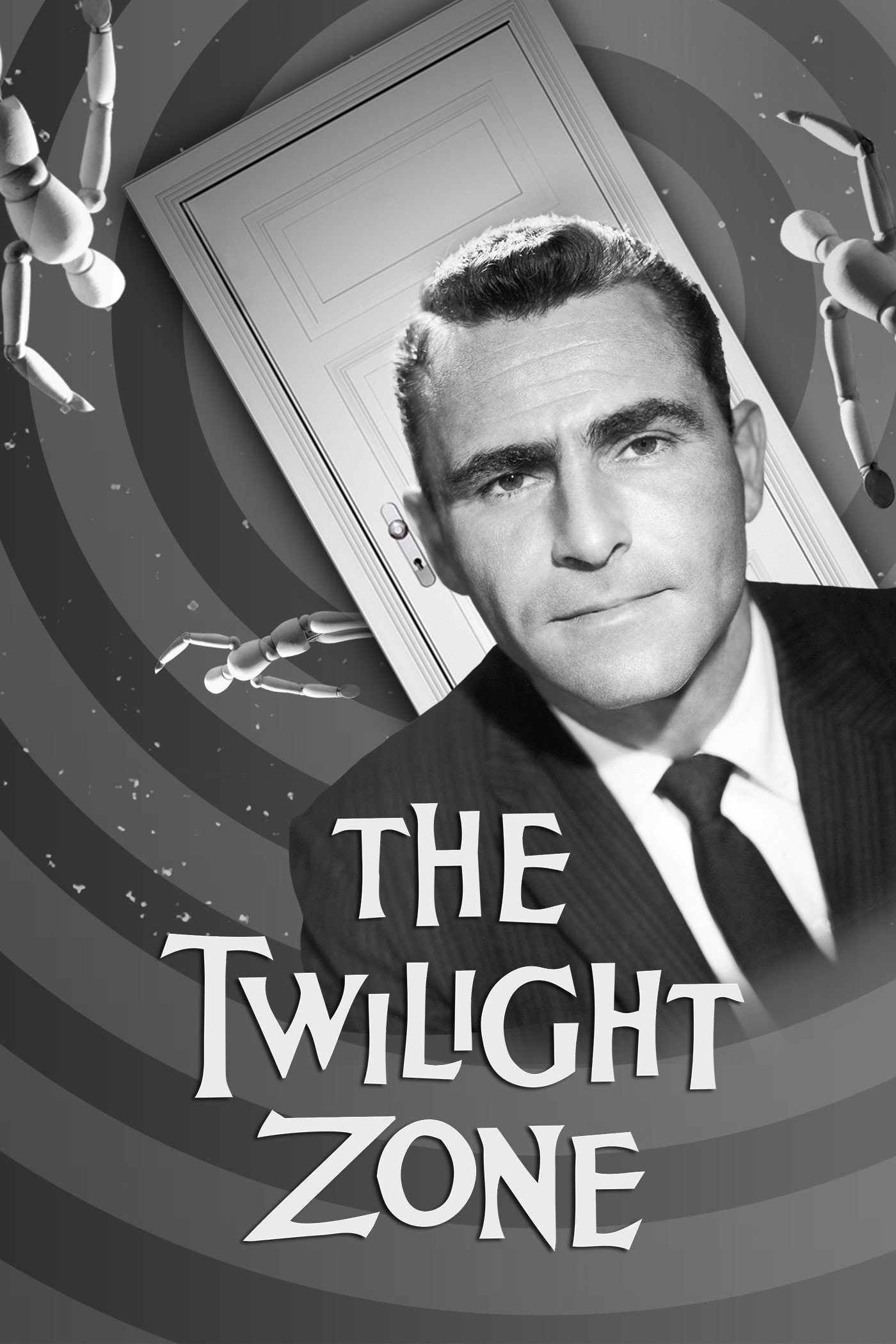
The Twilight Zone (1959) makes a different demand, asking the audience to return for a new story rather than a familiar hero. Grauman directed 'Miniature' for Rod Serling's fantasy anthology, which we recommend for its disciplined storytelling, careful craft and earned unease. The weaker entries offer less to think about than their premises promise, a useful caution against assuming that an admired programme makes every episode equally rewarding.
His cinema work was smaller in volume: six theatrical features, including 633 Squadron (1964) and Lady in a Cage (1964). The former gave him scope for location shooting and action; the latter put Olivia de Havilland in a psychological thriller. These credits broaden the picture, but they do not displace the television work as our reason to seek him out.
The television work carried on through the pilot of The Streets of San Francisco (1972) and 53 episodes of Murder, She Wrote (1984), with Angela Lansbury. That long collaboration fits the picture of a director who could work productively with recurring stars, though sheer quantity tells us little about an individual episode. Begin with 'Fear in a Desert City', rather than trying to work through the catalogue.
Biography
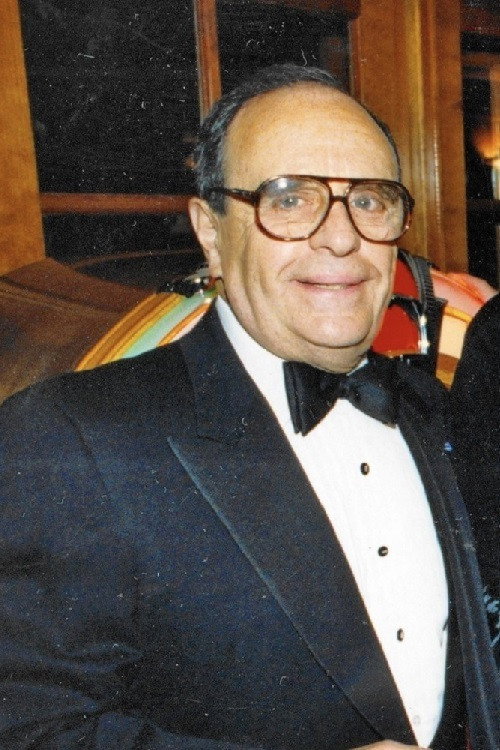
Walter E. Grauman (1922–2015) was an American director of stage productions, films and television. Born in Milwaukee, Wisconsin, he attended the University of Arizona and served as a bomber pilot in the US Army Air Forces during the Second World War, receiving the Distinguished Flying Cross.
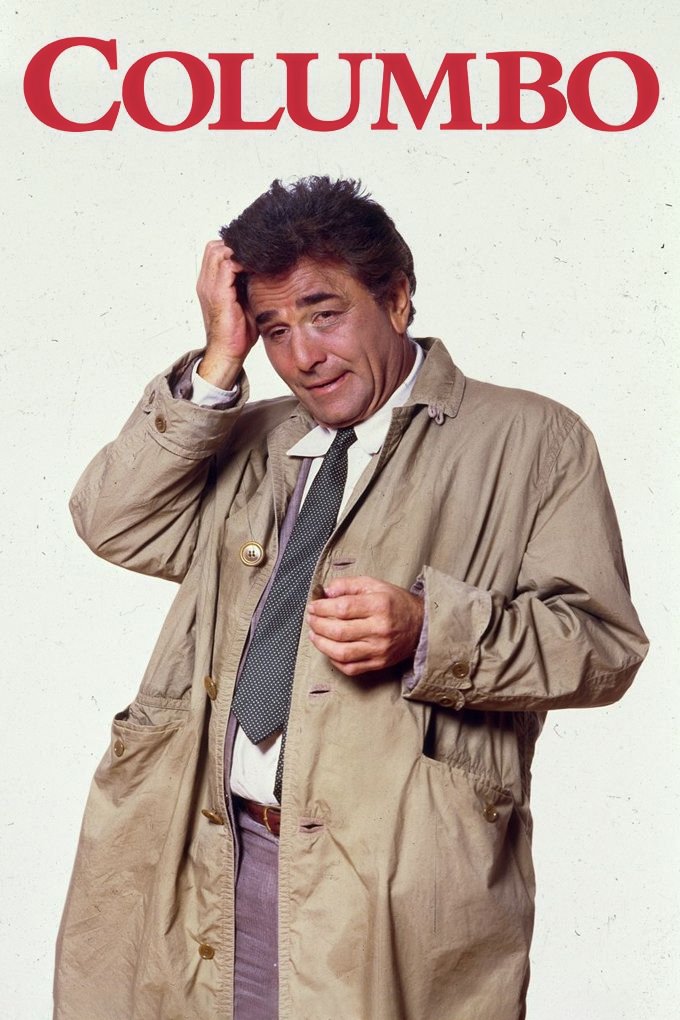
He began his entertainment career as a stage manager at NBC in Los Angeles and moved into directing live anthology series in the 1950s. Grauman directed episodes of numerous television programmes, including The Twilight Zone (1959), The Untouchables (1959), The Fugitive (1963), The Streets of San Francisco (1972), Columbo (1971), Murder, She Wrote (1984) and V (1984). He also directed the pilots for The Fugitive and The Streets of San Francisco, and helmed more than fifty episodes of Murder, She Wrote.
His feature films include Lady in a Cage (1964) and 633 Squadron (1964). A distant relative of theatre owner Sid Grauman, he was nominated for a Directors Guild of America award for the television film The Old Man Who Cried Wolf (1970).