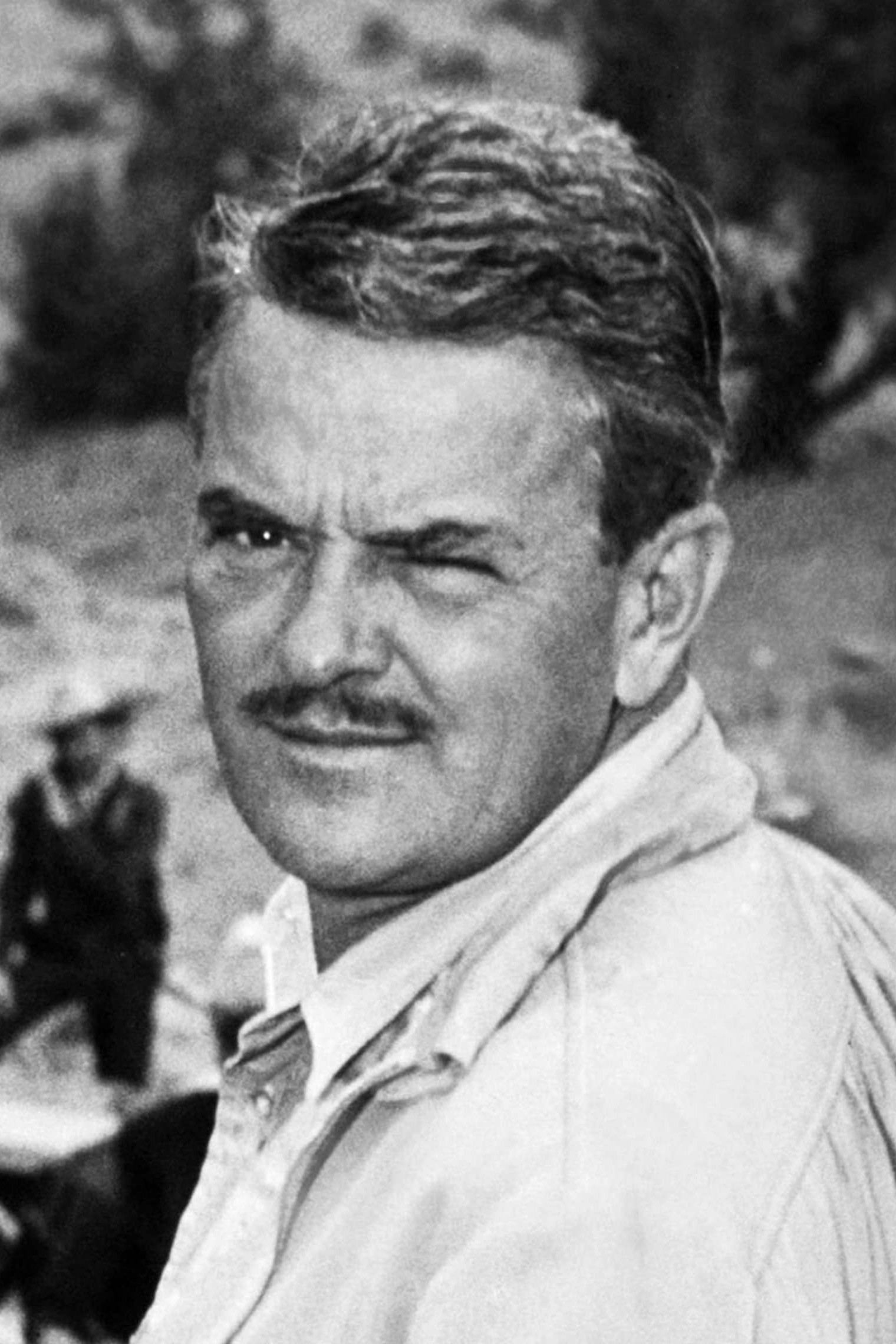
Jerry Hopper was a capable director of episodic television, particularly effective with ensemble casts. The Fugitive is our strongest recommendation from his work; the features offer less reason to argue for a distinctive personal style.
Fi1m perspective
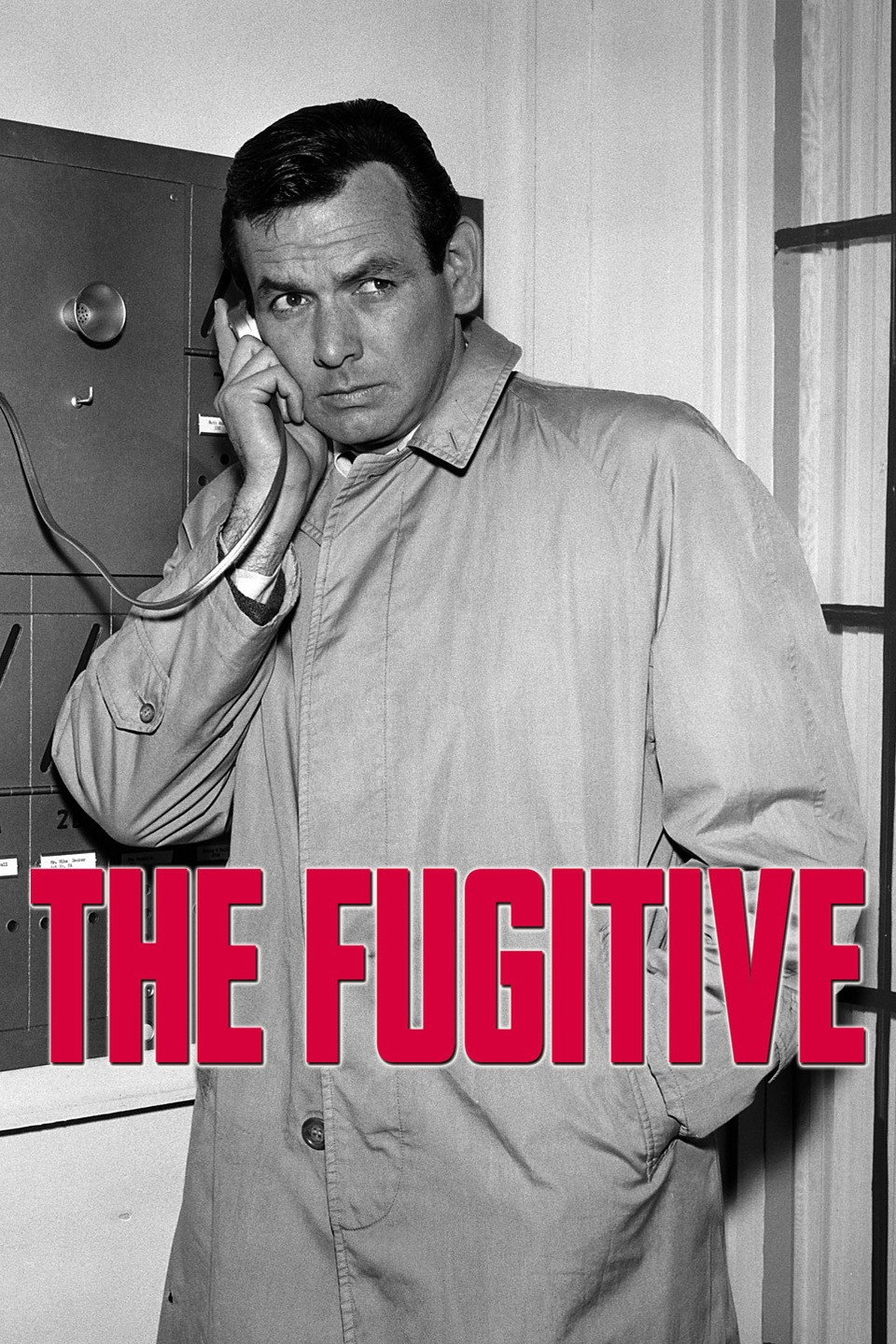
David Janssen's tired hero gives The Fugitive (1963) someone worth following through the crime, action and melodrama. We cared about him because the weariness made him believable, even when the predicament began to repeat itself. Jerry Hopper directed multiple episodes, and the series offers a good introduction to a director whose chief strength was getting episodic television to work. We recommend it warmly, without giving one contributor all the credit for a programme so dependent on its leading actor.
Hopper's earlier features included The Atomic City (1952) and Pony Express (1953), before Secret of the Incas (1954) sent him to Machu Picchu in Peru for a month of location filming. Charlton Heston starred in the latter and worked with Hopper on three features, including The Private War of Major Benson (1955). The location work and adventure sequences in Secret of the Incas are worth noticing. They give us something more specific to appreciate than the general description of Hopper as a reliable studio director, though we would still turn to television first.
From the late 1950s, Hopper worked almost exclusively in episodic television, directing hundreds of episodes across programmes including Gunsmoke, Perry Mason, Gilligan's Island and Voyage to the Bottom of the Sea. He was good at handling ensemble casts and working efficiently within a series. Moving between Westerns, mysteries, comedy and adventure gave that practical ability plenty of use. We value such competence, but the often ordinary features leave us less inclined to seek out everything with his name on it.
The Fugitive also reminds us how much of a television director's task is determined by the programme itself. The repeated predicament can test our patience, and the narration is sometimes over-insistent; neither is a difficulty we would fairly lay at Hopper's door. Janssen remains the reason to stay, giving the crime and melodrama a believable human centre. Start there for Hopper, with some patience for the familiar pattern.
Biography
Jerry Hopper (29 July 1907 – 17 December 1988) was an American film and television director. Born in Guthrie, Oklahoma, he began his career as an editor at Paramount Pictures before directing several short films in the studio’s Musical Parade series (1946–48).
In the 1950s he directed feature films including The Atomic City (1952), Secret of the Incas (1954) and The Private War of Major Benson (1955). He later worked primarily in episodic television, directing episodes of series such as Perry Mason (1957), Gunsmoke (1955), The Addams Family (1964), Gilligan’s Island (1964), The Fugitive (1963) and Voyage to the Bottom of the Sea (1964).