Roy Huggins built his television series around reluctant, imperfect heroes, and we value his attention to what keeps them going. The Fugitive makes the case for him, though its repeated predicament also shows the limits of a premise built to last.
Fi1m perspective
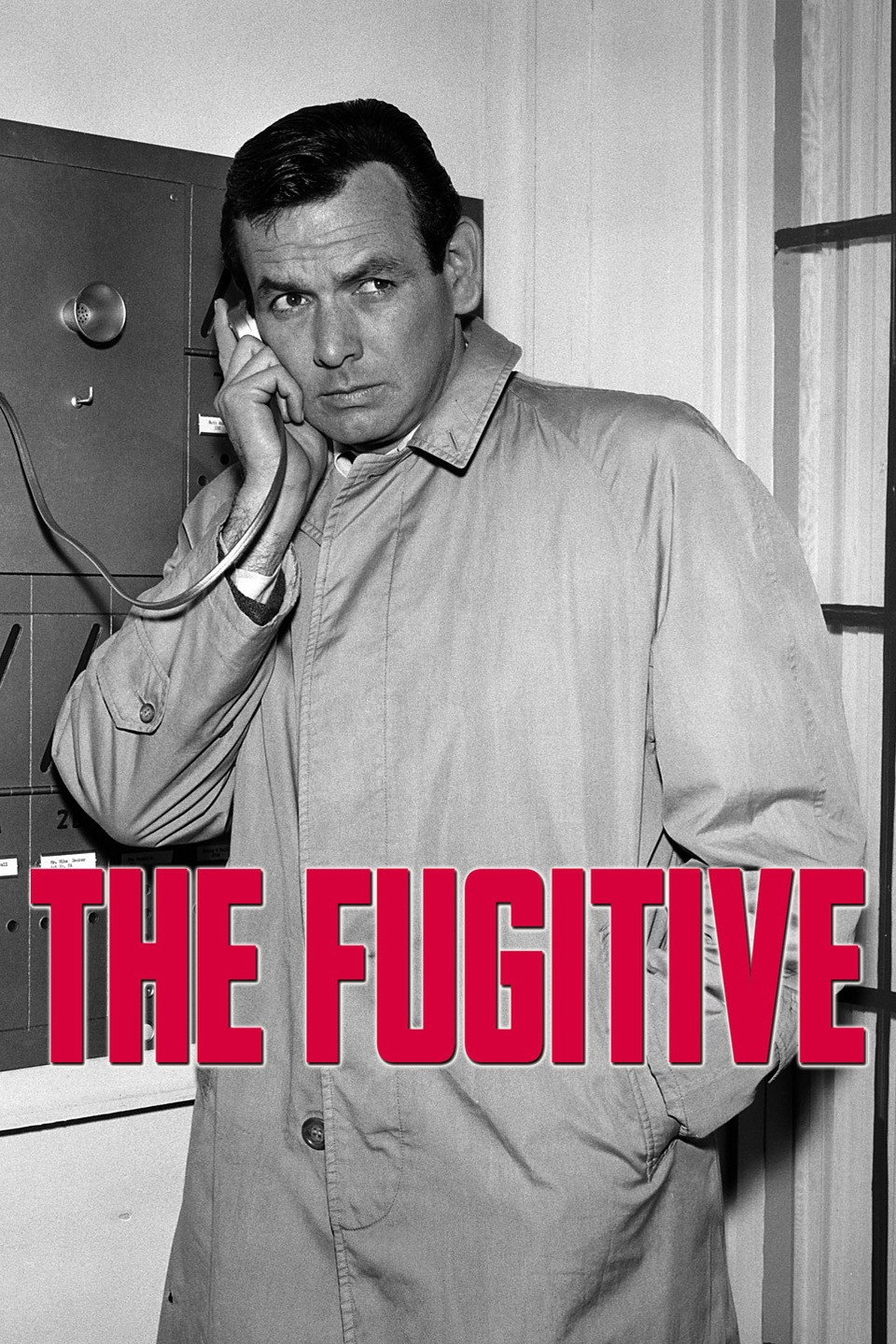
David Janssen’s Richard Kimble looks tired, and The Fugitive (1963) gives that tiredness a purpose. Huggins built the series around a doctor whose predicament cannot be cleared away at the end of an hour. We worried about Kimble because Janssen makes his weariness so believable. The continuing danger matters more when the man facing it seems worn down already. We recommend the series for that human persistence, with patience for the repetition it requires.
That interest in an imperfect hero took different forms across Huggins’s work. He wrote the screenplay for Too Late for Tears (1949), adapting his own novel, before moving into television in 1955. In Maverick (1957), which he created, the western hero could be flawed and funny; 77 Sunset Strip (1958) took him into the stylish private-eye series. The important change for The Fugitive was bringing the western loner into a contemporary setting. That gave Huggins a way to keep an outsider at the centre of a continuing drama.
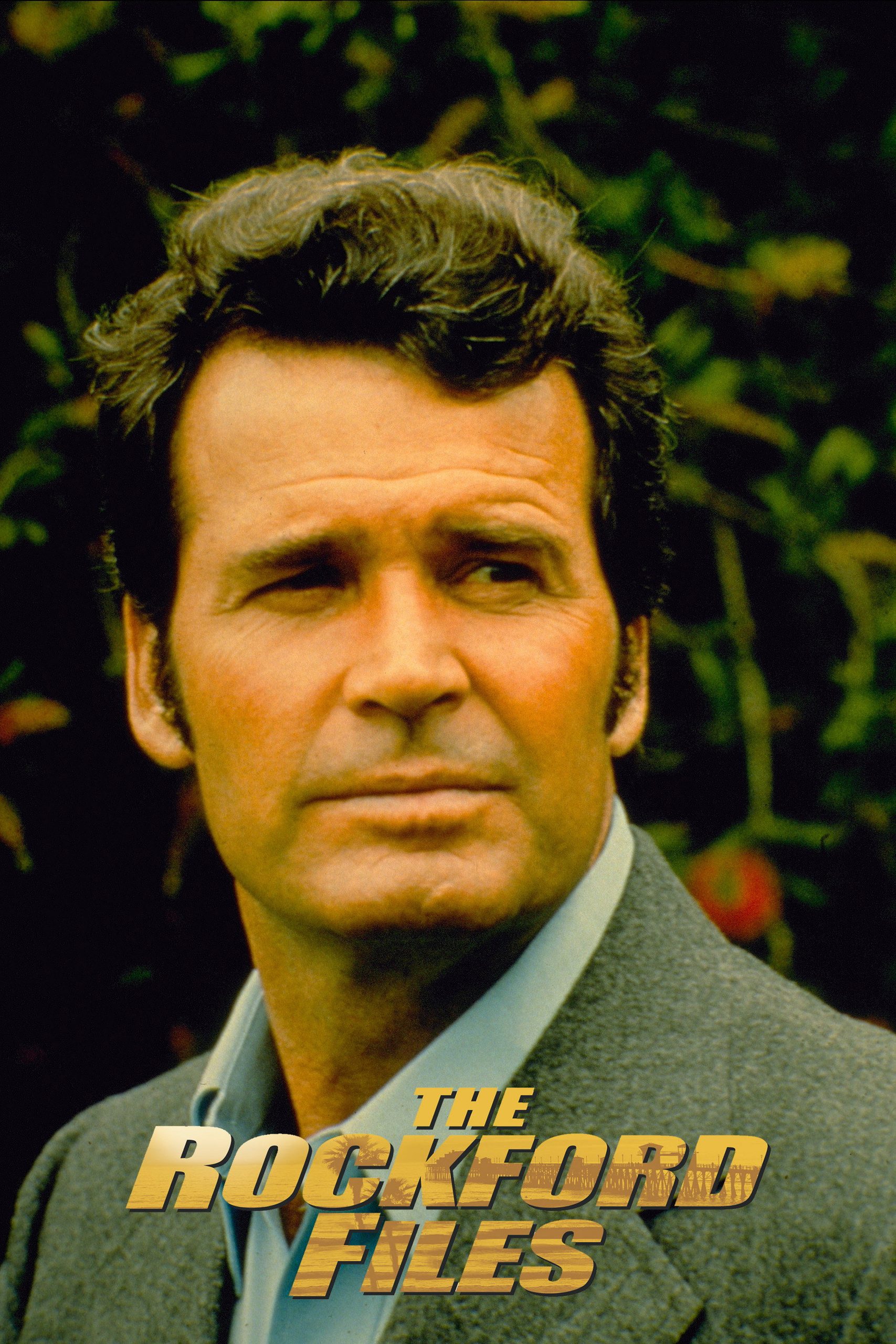
He returned to private detectives as co-creator of The Rockford Files (1974), with its wry, everyman protagonist. James Garner appeared in both that series and Maverick. The preference is for a hero with flaws and reservations, someone who need not welcome the trouble that makes a programme possible. We value that reluctance: it gives an actor something to play besides competence.
In The Fugitive, the combination of crime, action and melodrama works because the series does not apologise for asking us to care about its central character. The melodrama earns its place alongside the pursuit. The reservation is that keeping Kimble in trouble also means finding fresh versions of a predicament we already know, and the narration can insist on more than we need. Some episodes consequently feel too familiar, however much Janssen gives us to care about. Start here, and leave a little space between episodes.
Biography
Roy Huggins was an American writer, novelist and television producer. He created the series Maverick (1957) and The Fugitive (1963), and co-created The Rockford Files (1974). He also wrote screenplays for films including Too Late for Tears (1949), Gun Fury (1953) and Pushover (1954).
Born in Littell, Washington, Huggins studied at UCLA before working as a civilian employee of the US government during the Second World War. He began writing hard-boiled crime fiction and published several novels. He later wrote for Columbia and RKO Pictures, then moved into television production at Warner Bros. and 20th Century-Fox. Many of his later scripts were credited under pseudonyms such as John Thomas James.
Huggins died in Santa Monica, California, in 2002.