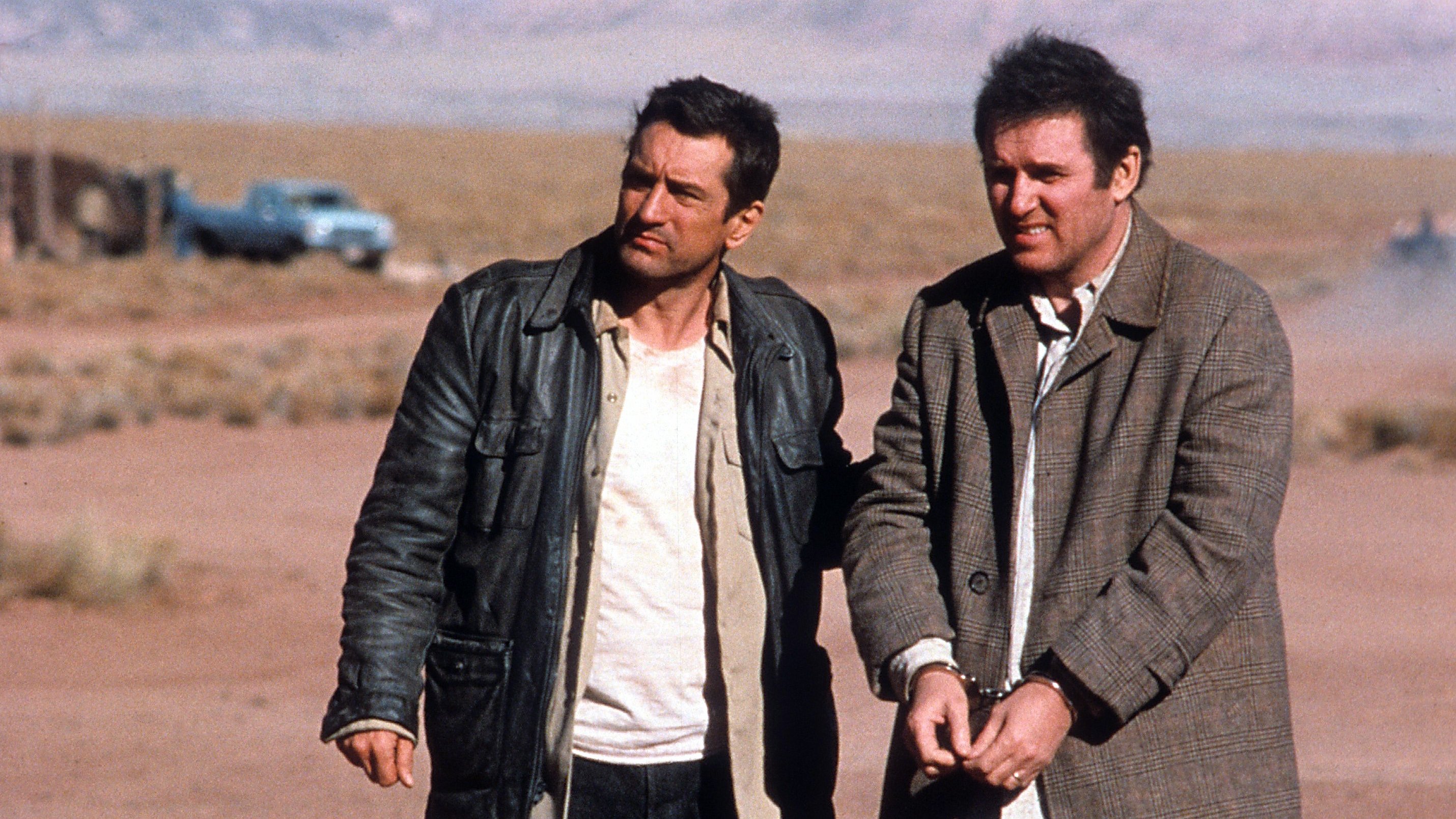
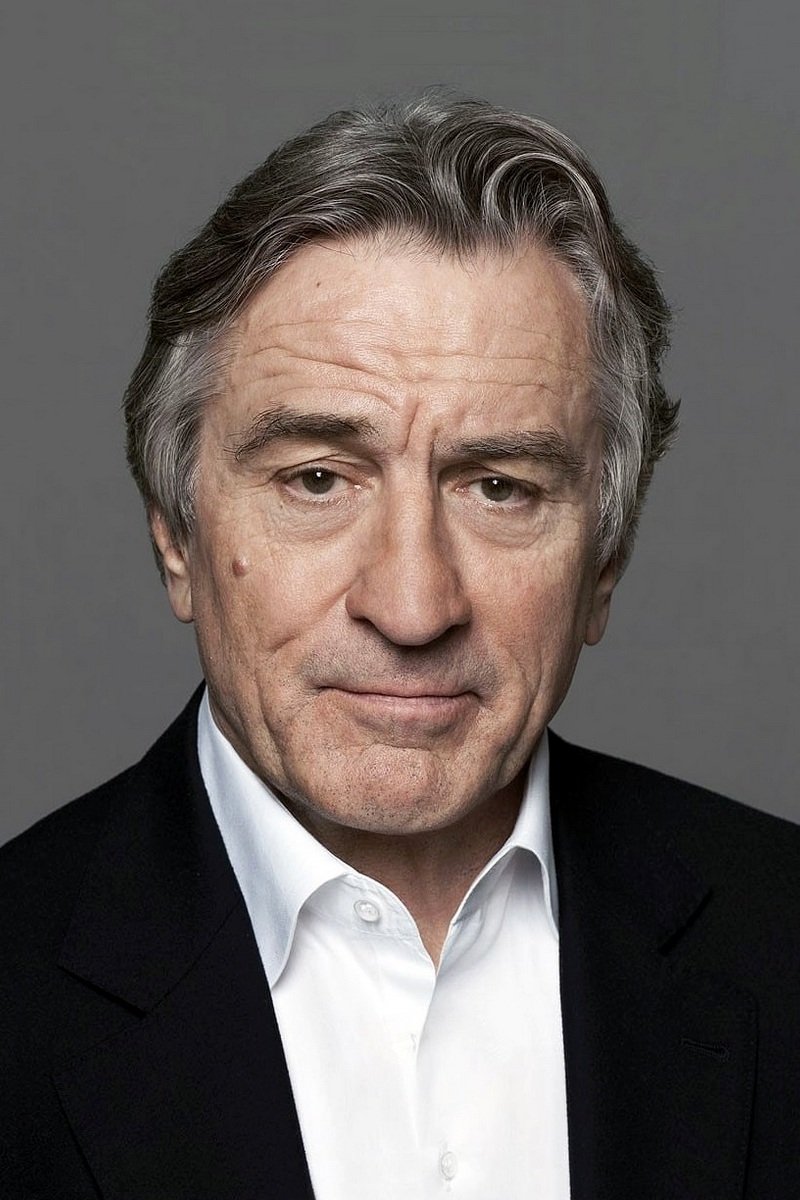
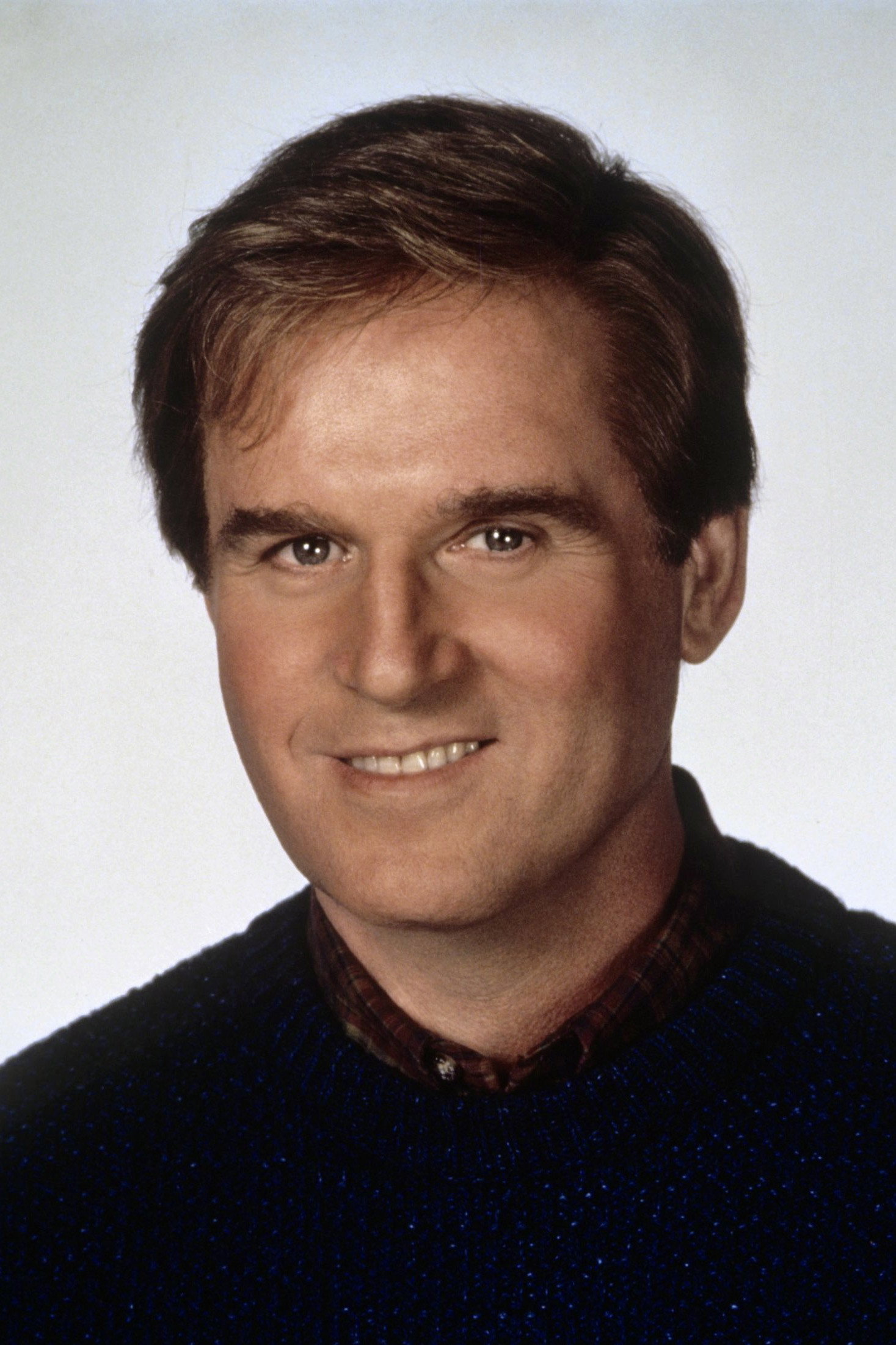
Robert De Niro and Charles Grodin make this an unusually funny, warm chase comedy. Martin Brest gives their quarrelling room to develop, though the pursuit occasionally interrupts conversations we would much rather hear to the end.
Midnight Run trusts a familiar arrangement: put two men who cannot agree in close quarters, then give them people to run from. Martin Brest makes a warmly funny chase comedy out of it, with Robert De Niro and Charles Grodin worth following through almost any interruption. Almost is the qualification. It runs to 126 minutes, and some of the pursuit is less interesting than the conversations it interrupts.
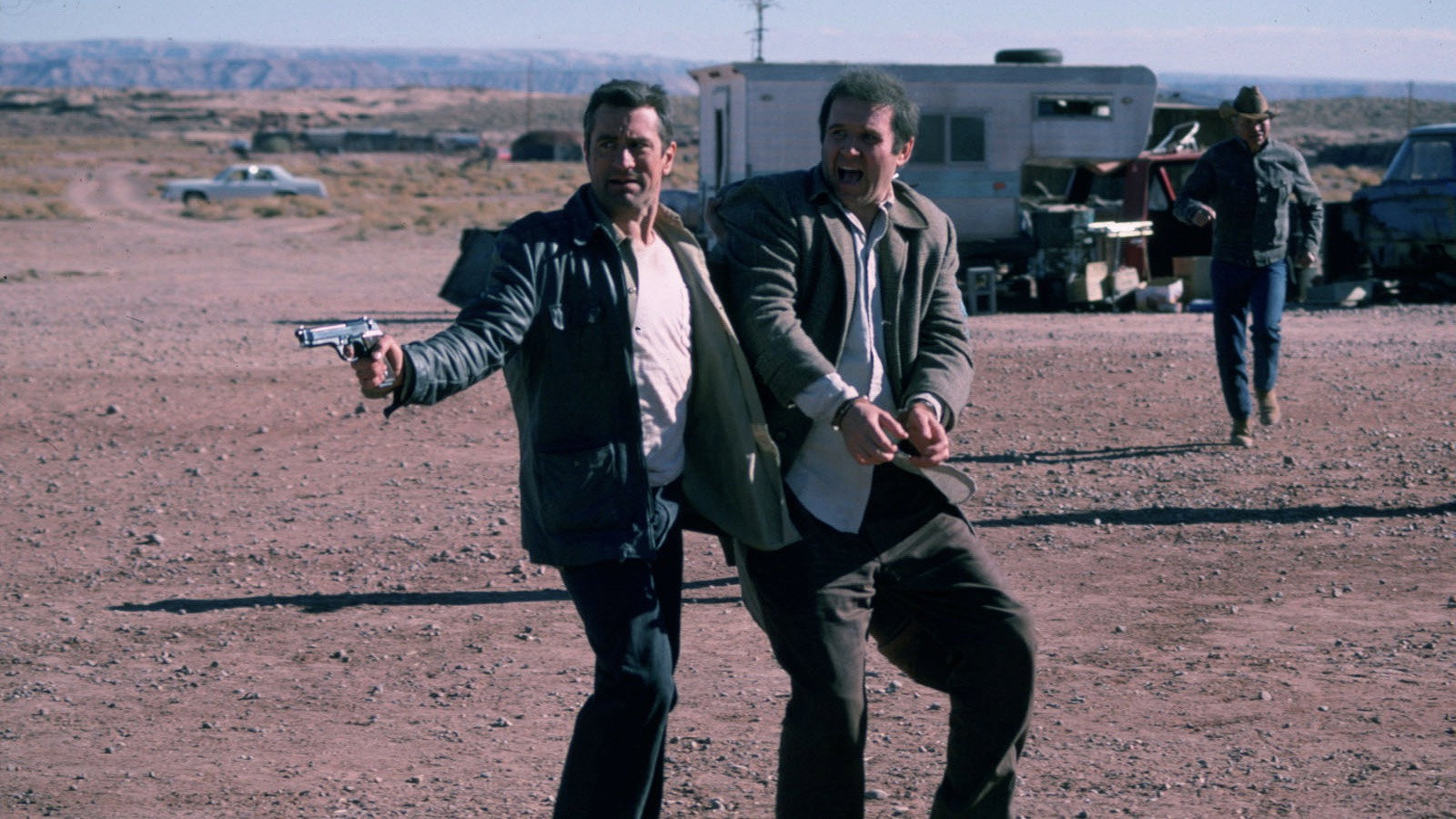
George Gallo’s screenplay gives De Niro’s bounty hunter, Jack Walsh, an embezzler called Jonathan Mardukas to look after. Walsh wants to get on with the job, while Grodin’s Mardukas keeps making their time together personal. Gallo understands that an argument becomes funnier when neither participant will grant the other a satisfactory response. The writing gives the actors enough to disagree about without making either man incapable of listening, which matters once we have spent this much time with them.
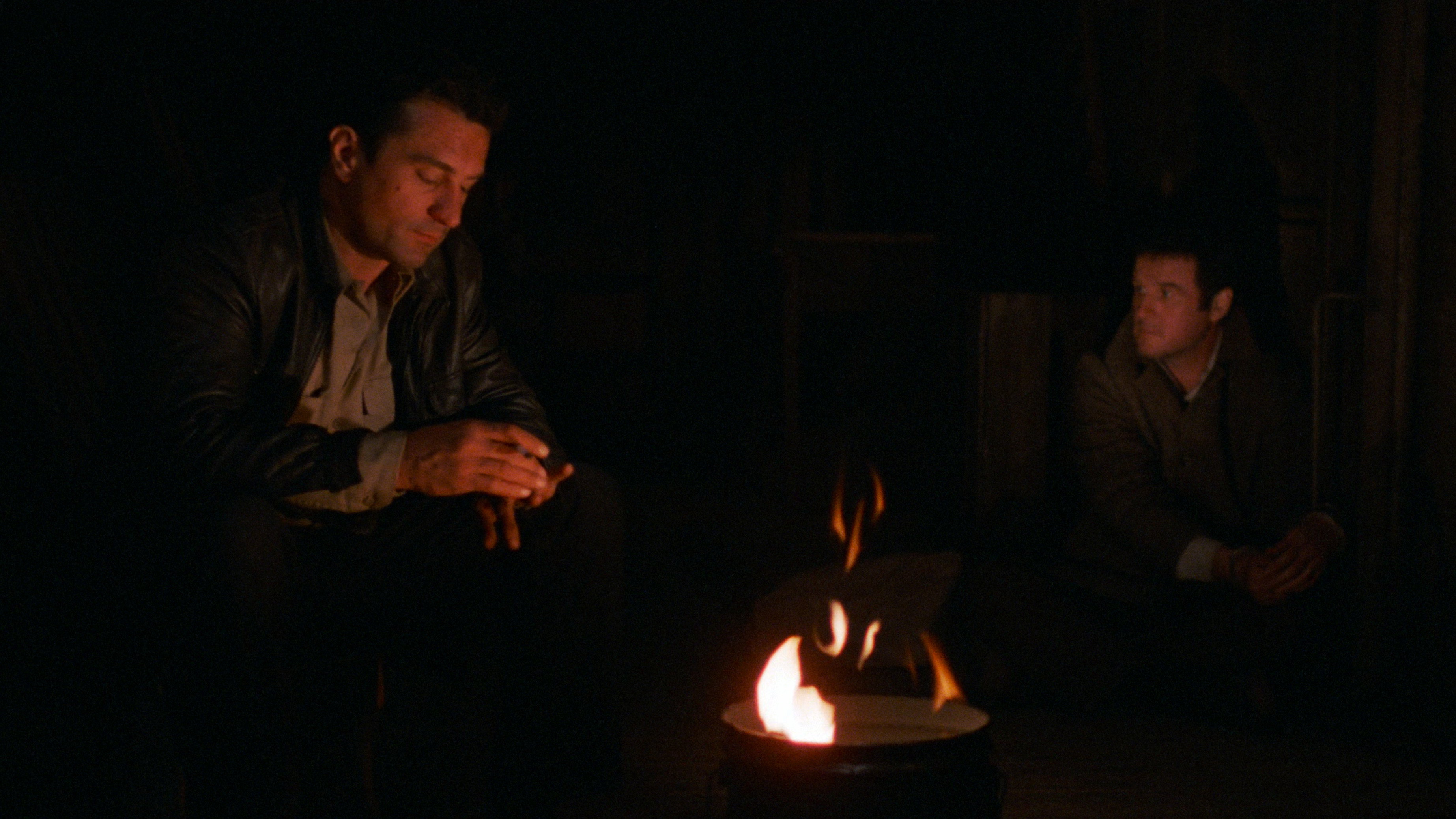
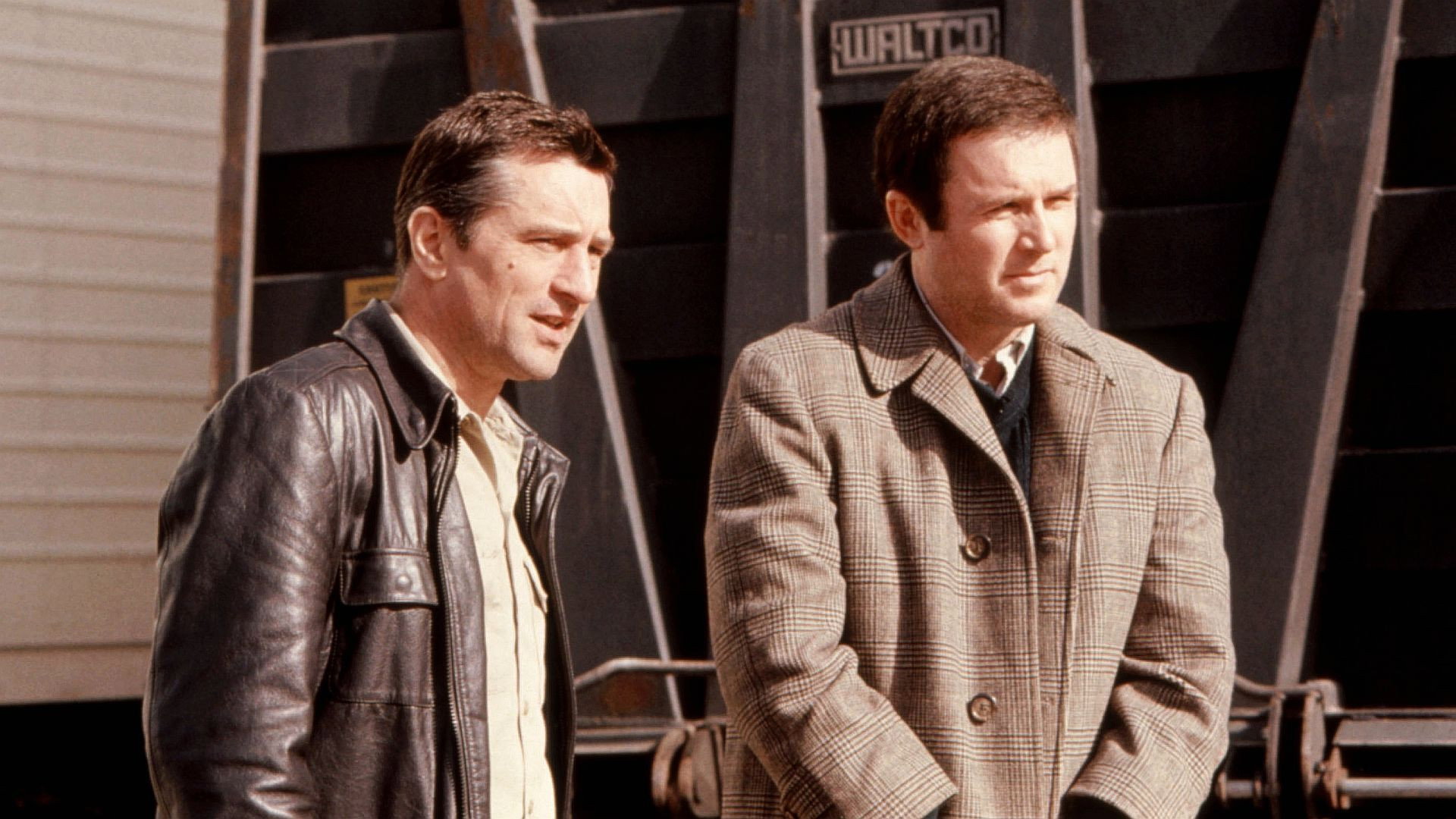
De Niro makes irritation wonderfully precise: Walsh seems to resent having to pay attention to this man as much as having to transport him. Grodin’s deadpan denies him the relief of a proper opponent, someone who will shout back and settle the terms of the quarrel. We laughed at Grodin’s calm replies to De Niro’s mounting irritation. There is something particularly aggravating about a man who will not acknowledge how aggravating he is, and Grodin judges the degree of persistence exactly. Brest gives them time for the pauses as well as the replies.
Donald E. Thorin’s cinematography is most effective when it lets us read De Niro’s irritation alongside Grodin’s composure. With these actors, simply being able to watch a response develop is worth more than another burst of activity. Angelo P. Graham’s production design gives the surrounding crime-comedy business an everyday plausibility, keeping the encounters from feeling like separate comic turns. It is unobtrusive work, and suits a film whose main attraction is the people getting on each other’s nerves.
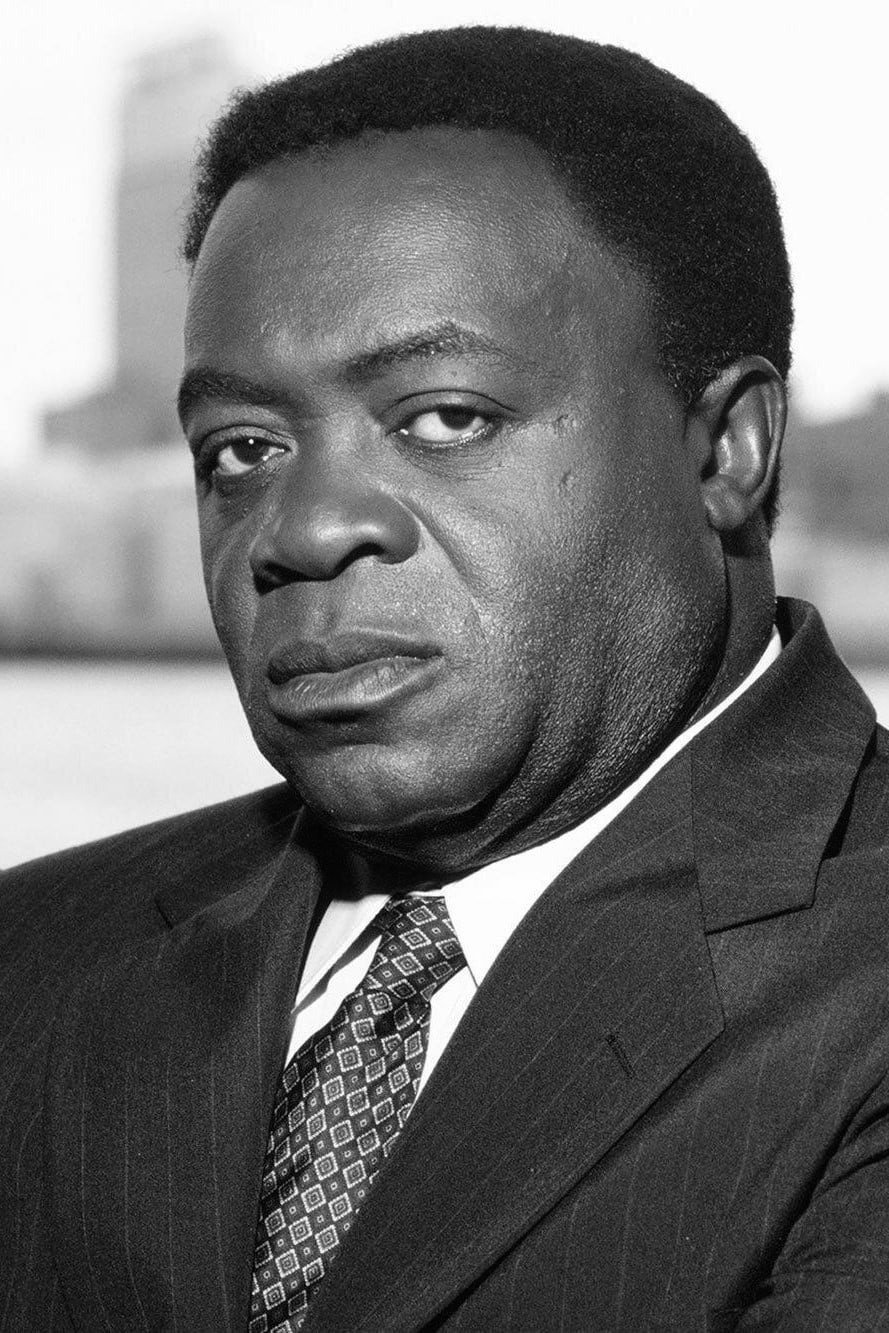
The supporting cast make the interruptions more welcome than they might be. Yaphet Kotto’s FBI agent Alonzo Mosely supplies authority, while John Ashton’s rival hunter Marvin Dorfler adds another competing nuisance. Dennis Farina’s mobster Jimmy Serrano gives the danger some bite without becoming too solemn for the comedy around him. Brest lets these men be funny without making them seem aware of the joke. Joe Pantoliano fits comfortably among the competing demands as Eddie Moscone, the bail bondsman.
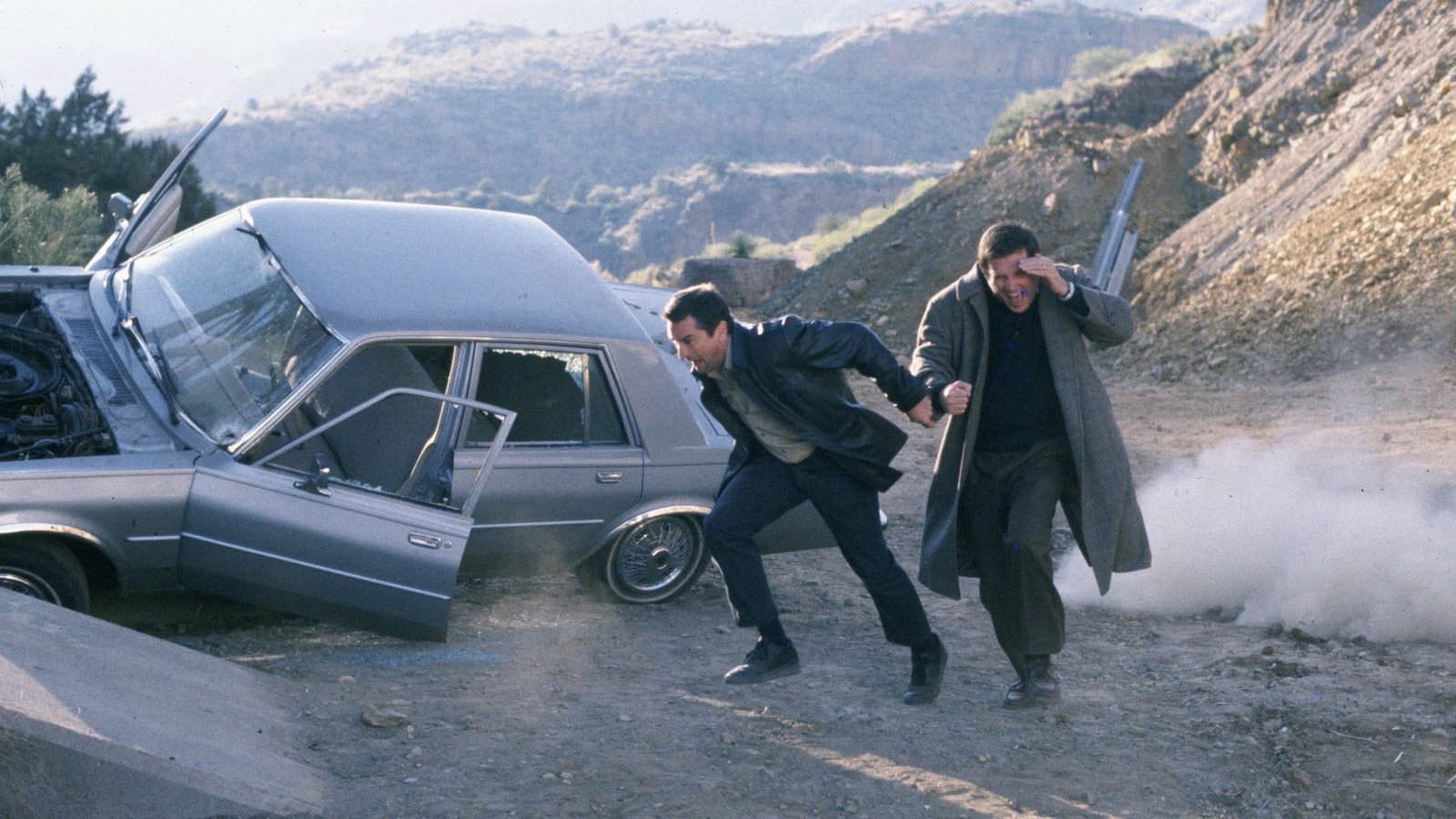
The excess lies in how often the chase has to reassert itself. Editors Chris Lebenzon, Billy Weber and Michael Tronick keep the action intelligible, but some switches back to pursuit feel dutiful when the bickering is going this well. Danny Elfman’s score adds momentum, though the film already has plenty whenever the leads are allowed to talk. Car chases and shoot-outs belong here; they simply do not all earn as much time as Brest gives them.
For a crime comedy built on friction, it is unusually generous towards its central pair. Brest allows warmth to emerge through their attention to each other, without requiring either actor to become suddenly agreeable. The familiar buddy-film business works because the performances make listening seem like a substantial concession. Even the stretches of action we could do without cannot make their company unwelcome. Watch it with someone who doesn’t mind being interrupted.